Skip to content
Industrial & infrastructure

Primary containment

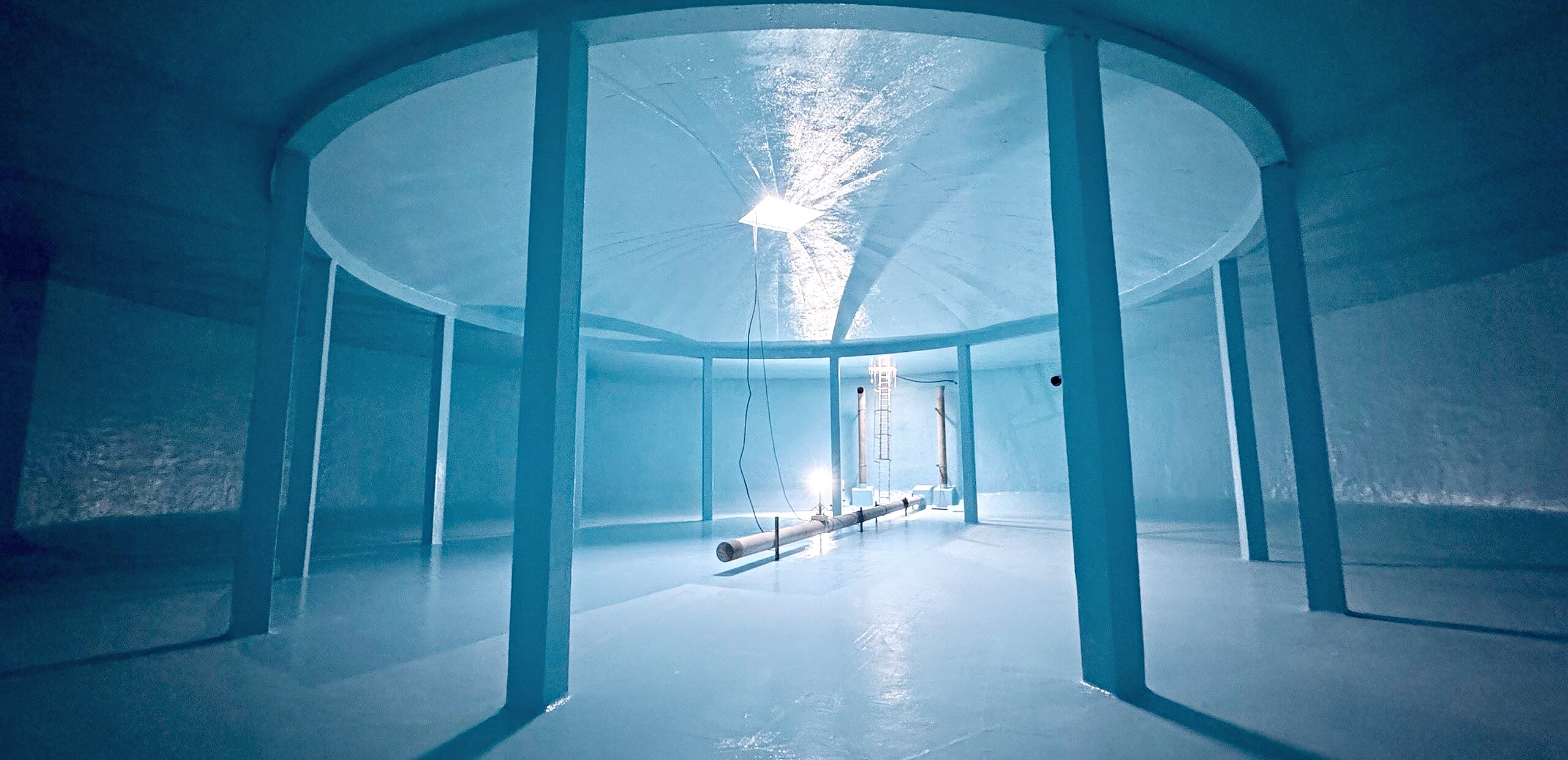
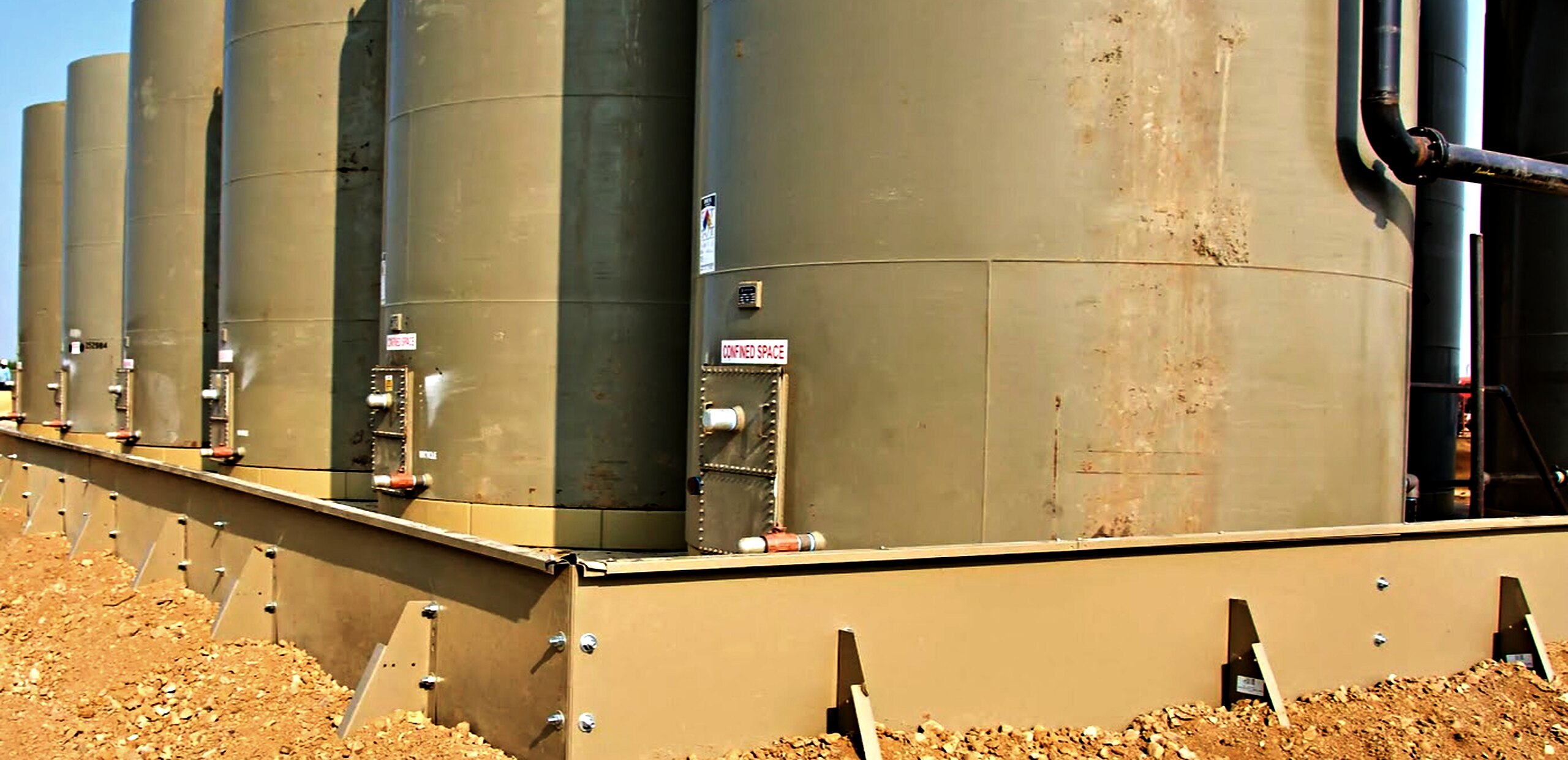
Primary containment coatings that resist spills, leaks and corrosion, lining tanks and vessels so industrial assets stay in service for years.
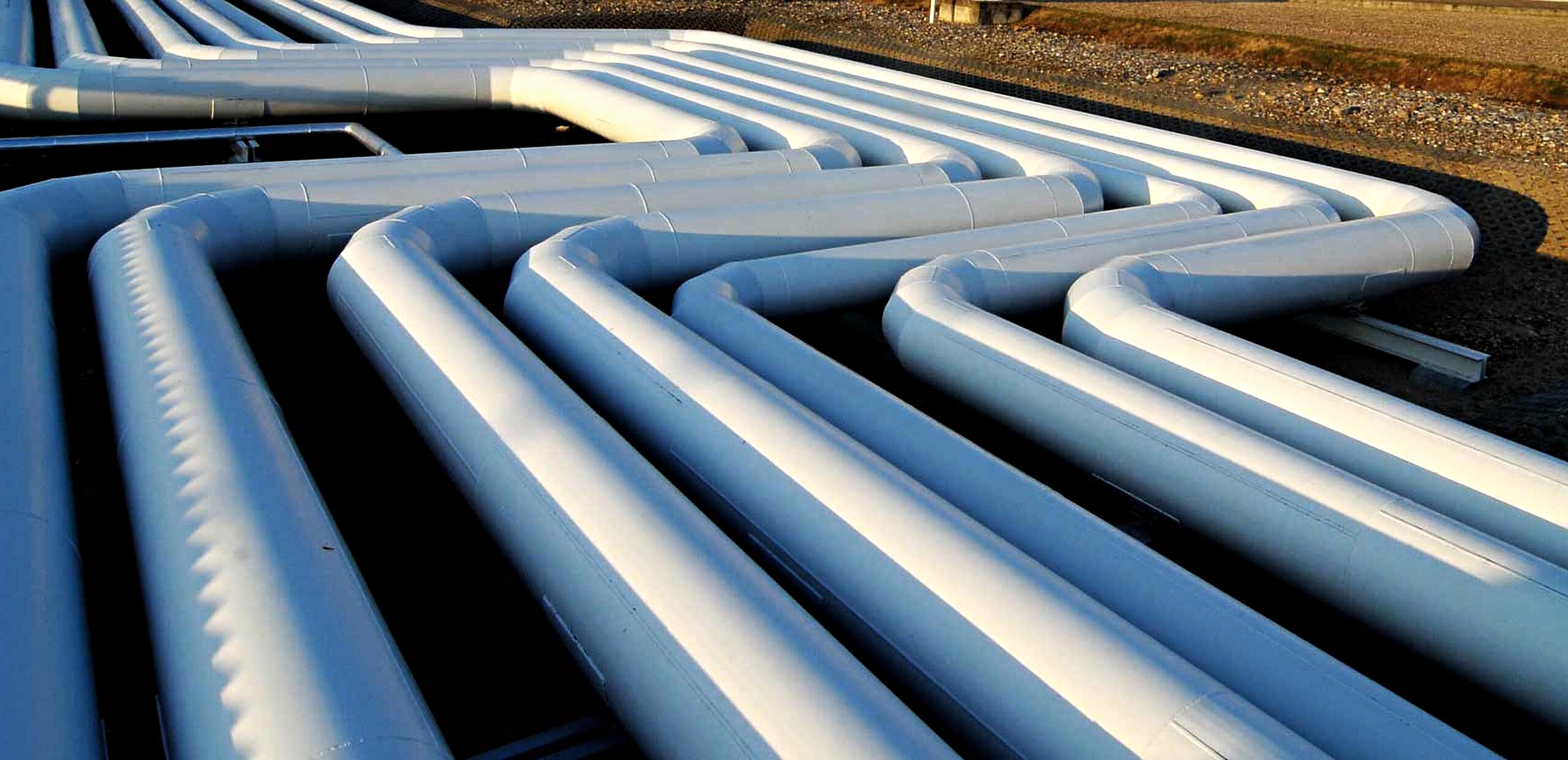
protective coating pipelines containment
Containment spill test

Where does a spill go?

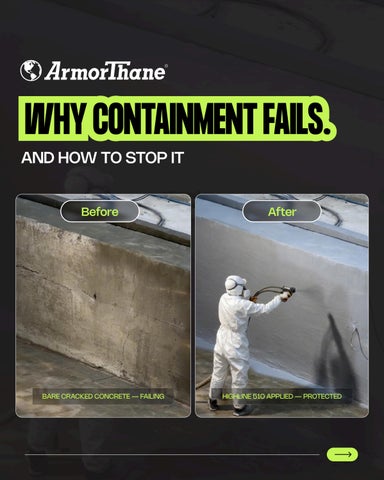
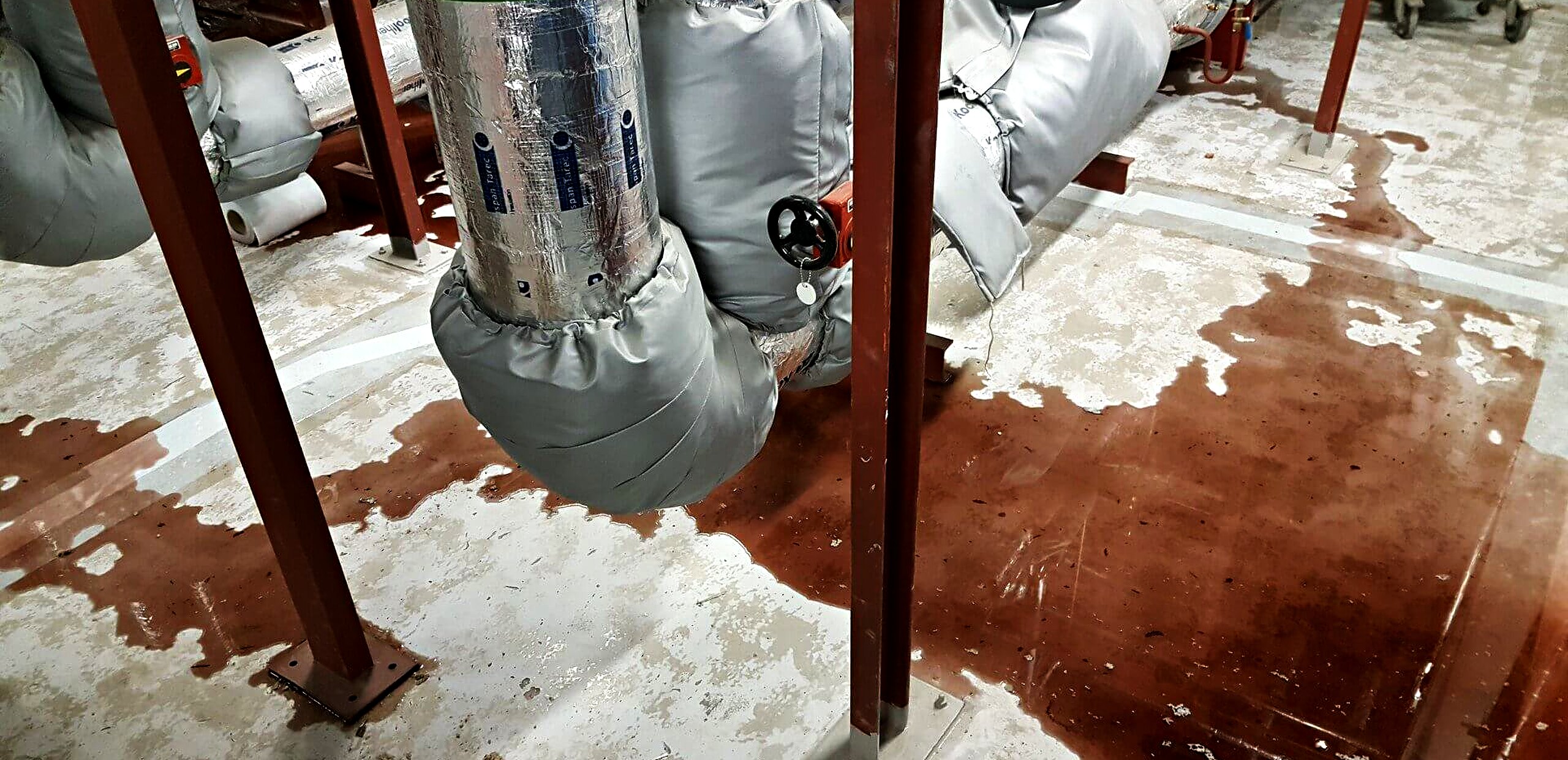
A leaking tank is only half the problem. Pick what you store, start the leak, and see what happens on bare concrete compared with a seamless ArmorThane lining.

1Pick what you store

2Run the test

Leak
UnprotectedInto the ground
ArmorThane coatedContained

Size it to the rules

Containment is sized to the volume your regulations require, usually based on the largest tank in the area.

Match the lining to the chemical

Ask for chemical resistance data for exactly what you store before choosing a system.

Make it continuous

Pipe penetrations, joints and the wall-to-floor corners are detailed so the lining has no gaps.

Read ArmorThane's secondary containment brochure, or find an ArmorThane applicator near you.

Line containment areas for a living? Become an ArmorThane applicator

Illustration only. What happens on a real job depends on the condition of the surface, the prep and the system an ArmorThane applicator specifies.

High-Performance Polyurea Coatings for Protecting First-line containment

ArmorThane's polyurea primary containment coatings

ArmorThane offers an ever-growing suite of polyurea products and services, including several specialty solutions perfect for first-line containment. While they each vary in form and function, they all provide exceptional protection against corrosion, contamination, and leakage.

ArmorLiner

ArmorLiner represents the best in polyurea coatings; it sets in seconds, and features excellent resistance to forceful impacts, harsh abrasion, and corrosive chemicals.

HighLine 510H

HighLine 510H is a high-quality pure polyurea formulation, with exceptional corrosion resistance and skid reduction. It’s the harder and more abrasion resistant sequel to our already acclaimed HighLine 510, while also being less sensitive to moisture for unavoidably wet applications.

ArmorFoam

ArmorFoam is made from polyurea’s sister material, polyurethane, which possesses many of the same physical properties and practical benefits, with a few added features. Polyurethane expanding foams create an insulating underlayment for maintaining containment temperatures, and can be combined with polyurea to form a tough outer shell that creates the ultimate protective shield.

Cover of the ArmorThane brochure: Polyurea Coatings for Secondary Containment
Brochure

Polyurea Coatings for Secondary Containment

Flip through the whole brochure right here, or open it full screen on Issuu to share it.

Home › Applications › Protective Coatings › Primary Containment
Last Updated: March 25, 2026 | Read Time: ~8 min

0

Years Industry Experience

0

Countries Served

0

Projects Completed

0

% Client Satisfaction

Key Benefits of Polyurea Primary Containment Coatings

Why leading industries trust polyurea to protect their most critical assets

100% Waterproof Seal

Creates a seamless, monolithic membrane with zero seams or joints, eliminating all potential leak points in first-line containment systems.

Rapid Cure Time

Sets in seconds and returns to service in under an hour, minimizing downtime for critical containment infrastructure.

Extreme Durability

Withstands impacts, abrasion, and thermal cycling with tensile strength exceeding 3,000 PSI and 300%+ elongation.

Chemical Resistance

Resists acids, alkalis, solvents, and petroleum products including sulfuric acid, hydrochloric acid, and toluene.

Temperature Tolerant

Maintains flexibility and performance from -40°F to 350°F, ideal for extreme environments and thermal cycling conditions.

Eco-Friendly & VOC-Free

Made from 100% solids with zero VOCs, meeting the strictest environmental and workplace safety regulations.

Polyurea Primary Containment Performance Ratings

How polyurea scores across the metrics that matter most for first-line containment

98%

Chemical Resistance

95%

Impact Strength

97%

Waterproof Seal

90%

UV Resistance

96%

Abrasion Resist.

Primary Containment Industry Applications

Polyurea coatings protect first-line containment across these critical sectors

Oil & Gas

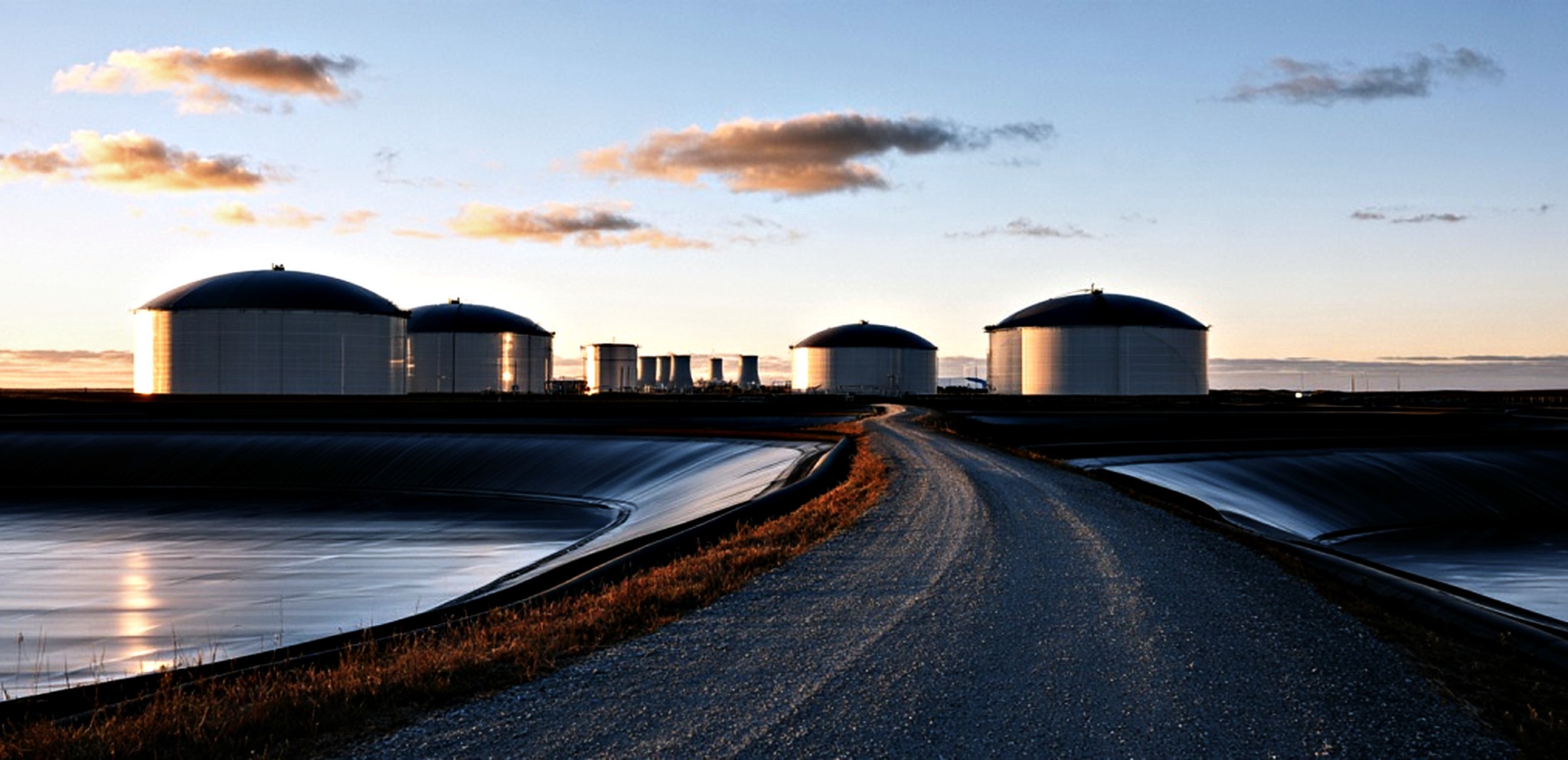
Tank farms, pipelines, and processing vessels requiring leak-proof barriers.

Chemical Processing

Reactors, storage tanks, and transfer systems handling corrosive chemicals.

Water Treatment

Clarifiers, digesters, and potable water tanks requiring NSF-61 compliant coatings.

Mining & Minerals

Leach pads, tailings, and process tanks exposed to aggressive slurries.

Power Generation

Cooling towers, fuel storage, and waste containment in nuclear and conventional plants.

Pharmaceutical

Clean room containment, solvent storage, and pharmaceutical process vessels.

Food & Beverage

FDA-compliant coatings for food-grade tanks, silos, and processing equipment.

Transportation

Fuel storage depots, loading terminals, and ISO container refurbishment.

Primary Containment Coating Comparison

See how polyurea compares to other primary containment coating methods

FeaturePolyureaEpoxyFiberglassRubber LiningVinyl Ester
Cure TimeSeconds24-72 hrs6-12 hrs24-48 hrs4-8 hrs
Chemical Resistance Excellent Good● Moderate Good Excellent
Flexibility / Elongation 300%+LowBrittle GoodLow
Impact Resistance Superior● Moderate● Moderate Good● Moderate
Seamless Application Yes YesSeamedSeamed Yes
Service Life25-30 years10-15 years15-20 years10-15 years10-15 years
VOC Content Zero VOC● Moderate● Moderate Low● Moderate
Temperature Range-40° to 350°F-20° to 200°F-40° to 300°F-20° to 250°F-20° to 250°F

Primary Containment Coating Cost Estimator

Enter your containment details to get an instant cost estimate

Estimated Coating Cost
$0
Enter details above for your estimate

The Polyurea Primary Containment Application Process

1

Surface Preparation

Abrasive blasting to SSPC-SP10 near-white metal, followed by moisture testing and profile verification.

2

Primer Application

Specialized primer coat to maximize adhesion to the substrate and ensure long-term coating integrity.

3

Polyurea Spray

High-pressure plural-component spray application creates a seamless, uniform membrane at 60-120 mils.

4

Inspection & QC

Holiday testing, thickness verification, and adhesion pull tests ensure coating meets all specifications.

How Tank Linings Are Specified

When a tank, vault or pit holds a product directly, the lining is the first line of defense and has to be specified carefully. Engineers and owners usually work through these points before choosing a system:

  • The stored product. Concentration, temperature and whether it is constant immersion or occasional contact all change which chemistry will last.
  • The substrate. Steel needs blasting to a clean, angular profile, while concrete needs sound, dry material with no laitance.
  • Movement and cracking. Flexible linings bridge small cracks and handle thermal movement better than rigid ones.
  • Service conditions. Agitators, abrasive slurries and cleaning equipment wear linings faster and may call for extra thickness.
  • Inspection access. Owners need a way to check the lining without draining the whole system.

Steel and concrete tanks are covered in detail in this overview of storage tank types. Whatever the tank, the lining must be applied to the full specified thickness and tested for pinholes before it goes into service, because a single holiday can let product reach the substrate.

Owners who manage several tanks often set up a rotating inspection and recoat schedule, so each tank gets attention every few years and no single failure shuts down the operation. Related pages cover storage tank containment, tank corrosion prevention and fuel containment.

Find Your Ideal Primary Containment Solution

Answer one quick question to get a personalized recommendation

Chemical Storage

Fuel & Petroleum

Water / Wastewater

Ready to Protect Your Primary Containment?

Get a free consultation and custom coating recommendation from our polyurea experts with 35+ years of experience.

Frequently asked questions

Is Polyurea Used For Primary Or Secondary Containment?

Polyurea is used in both primary and secondary containment strategies. In either case, polyurea serves the same essential function; to protect containment surfaces from internal or external damage and degradation. This includes protection from the hazardous materials themselves, UV radiation, fluctuating temperatures, high-moisture environments, and harsh or frequent abrasion and forceful impacts.

How Expensive Are Primary Containment Coatings?

Opting for high-quality and long-lasting primary containment coatings can mean having to put forth a hefty initial investment. However, their exceptional performance that can last up to several decades can mean saving huge on maintenance and repair costs. And compared to the costs of serious containment failure, polyurea coatings are a steal!

Why Is Polyurea Used For Primary Containment?

Polyurea is used for primary containment because it offers a unique combination of durability, flexibility, and versatility. It’s strong enough to resist bangs and bumps from industrial equipment, chemically resistant enough to withstand prolonged exposure to countless hazardous materials, and flexible enough to be applied on almost any surface.

Find an applicator or start your own coatings business

If you’re ready to upgrade your primary containment strategy with one of the most powerful technologies in the coatings industry, consider partnering with ArmorThane! We’ll help you tackle your next containment project with ease, whether you’re looking to protect new equipment, repair aging infrastructure, or want the best of both worlds. As full-service operators, we can be your one-stop shop for everything polyurea, providing one convenient place with everything you’ll need. Discover why ArmorThane has been a leader in the coatings industry for over 35 years, and how we can be your partner in the coatings industry. Contact us today, and we look forward to welcoming you to the ArmorThane family!

Become an applicator

Start your coatings business with ArmorThane.

Tell us what you want to spray and where you are. An ArmorThane specialist will walk you through the equipment, chemicals, training and startup cost for the work you want to do.

  • Equipment package matched to your applications
  • Hands-on training and applicator certification
  • Technical support once you are spraying
Step 1 of 3

To help us prepare for a discussion with you, please provide some information on the type of Protective Coating business you are considering, including where your business would be located.

Tyler Gleckler - ArmorThane blast mitigation specialist author photo
About the author

Tyler Gleckler

I am a chemist with a specialization in nanotechnology and applied materials chemistry. My work has focused on the characterization of optoelectronic materials, namely including semiconductor nanocrystals.

Become an applicator

Start your coatings business

Choose “becoming an Applicator / Dealer” and add your details. Our team will call you to talk through markets, equipment and budget.

1Choice
2Contact Information
3Location

Rather talk now? (417) 831-5090 · About the opportunity