




Spray Foam Supplier Near Me: Buy From the Manufacturer
How to pick a spray foam chemical supplier, how many sets a job really needs, and how to switch suppliers without losing a week of work.
Start a spray foam business
Spray foam for a living.
ArmorThane sets you up to do this work, and you own the business. We make the chemistry, build the rigs, train you hands-on and answer the phone when a job gets difficult. You pay no franchise fee and no royalties. It has been that way since 1989.
- $0
- franchise fees or royalties
- 35+
- years in business
- 50+
- countries with applicators
- 24/7
- technical support
Most people searching for a spray foam supplier near them are in one of three spots. A crew ran short in the middle of a job. The current distributor stopped calling back. Or a new rig is on order and nobody has priced chemical yet. In all three cases, the miles to the warehouse matter less than whether someone who knows the product picks up the phone.
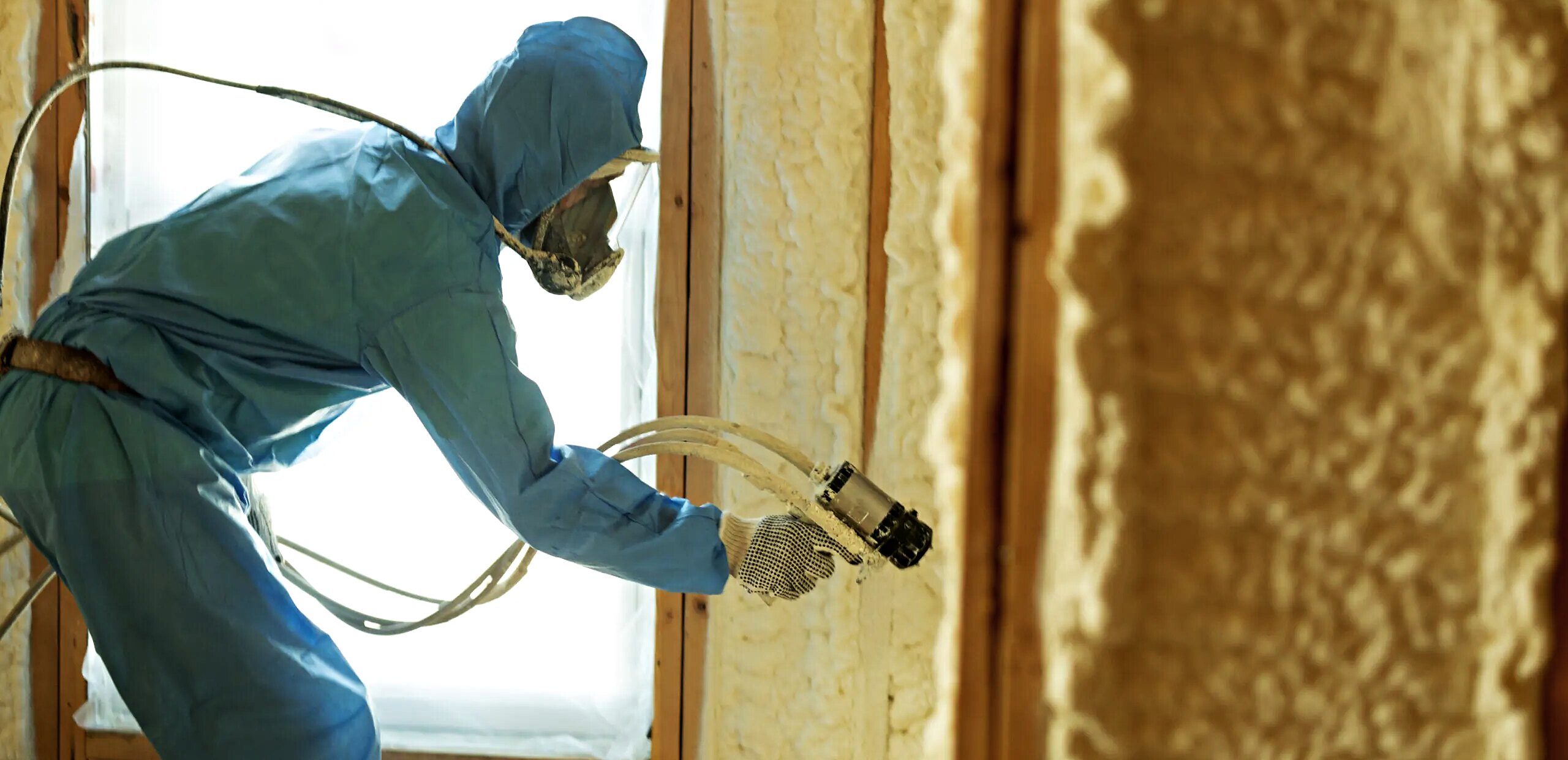
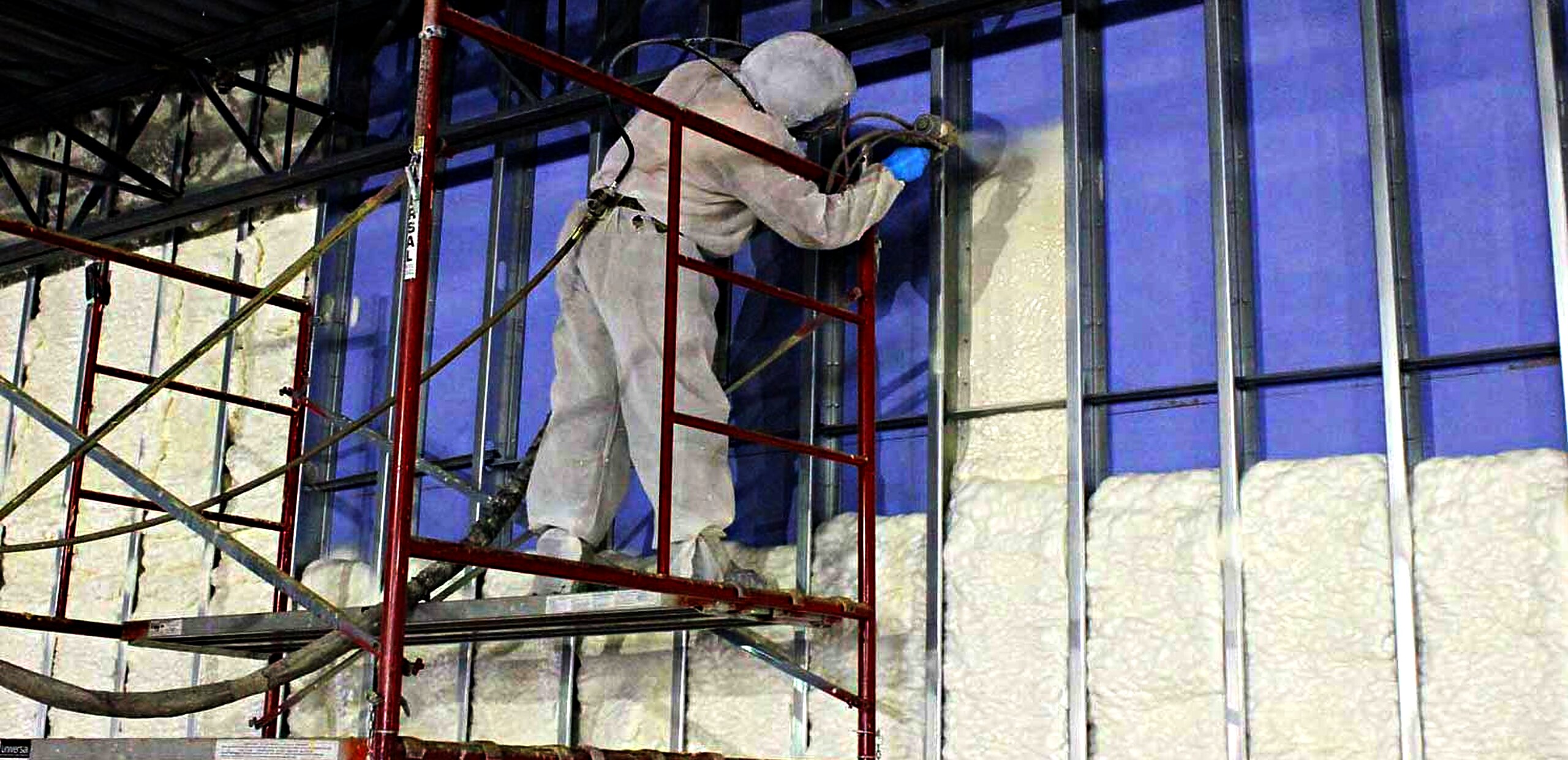
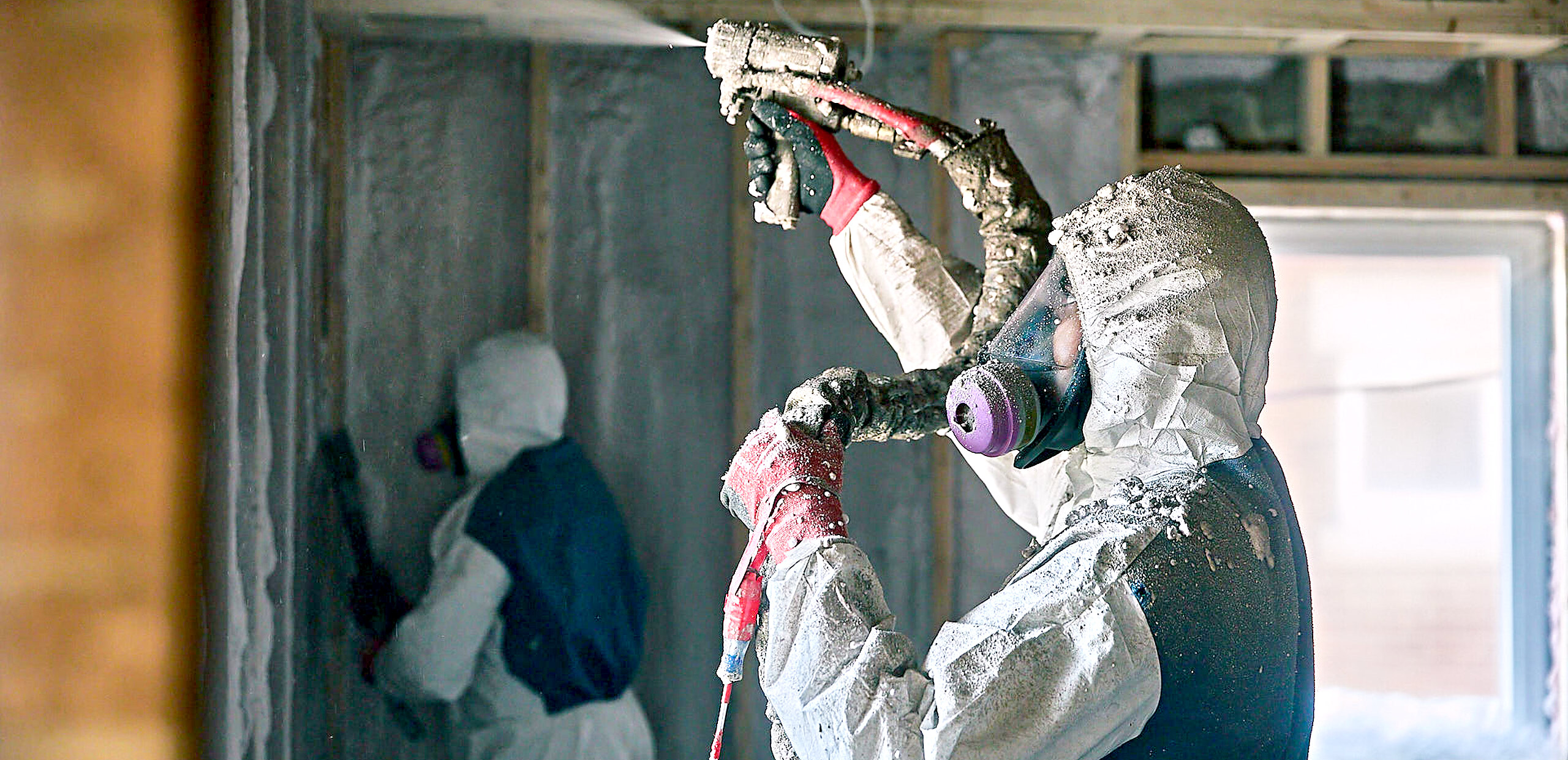
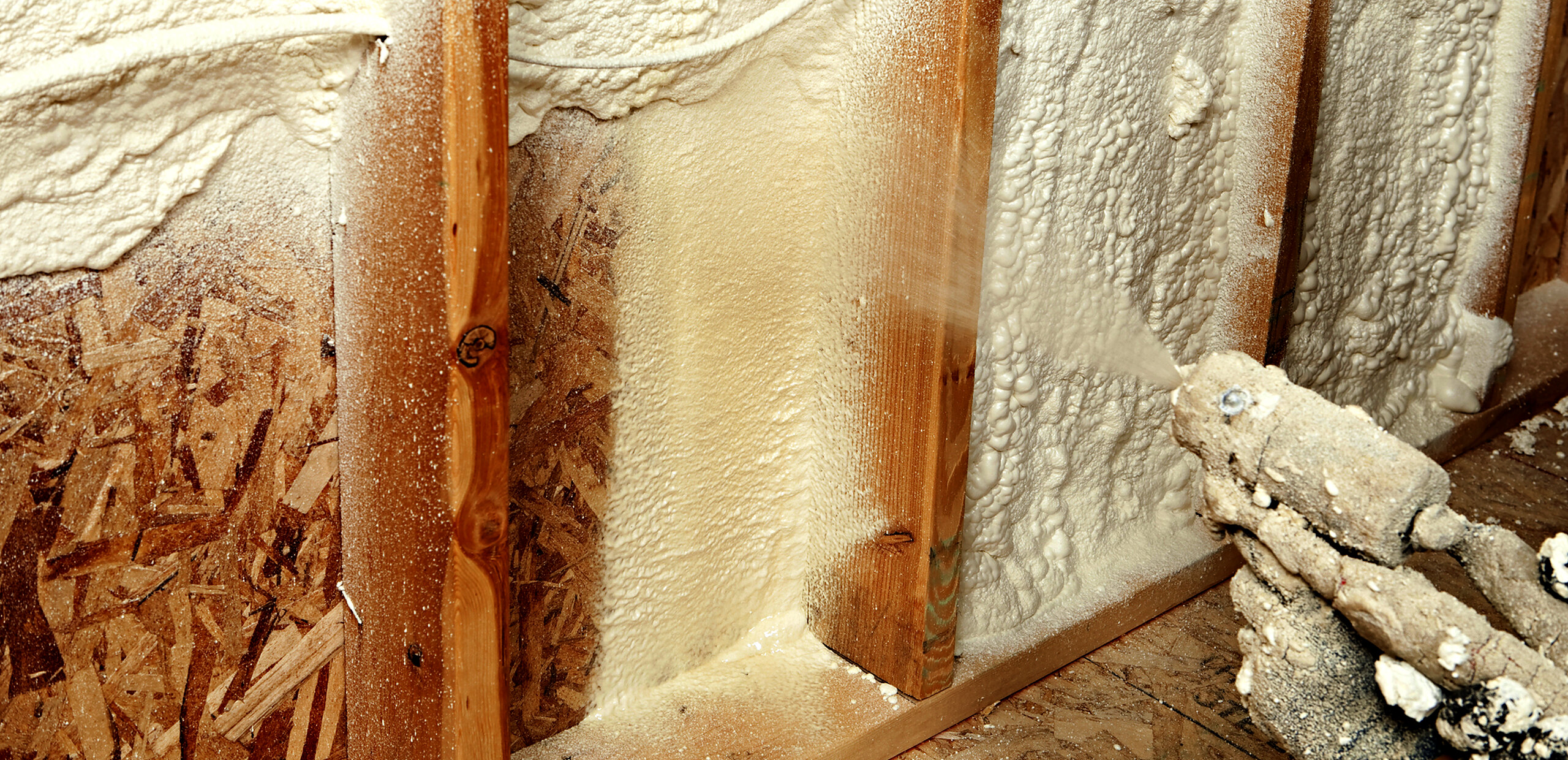
A spray foam supplier sells the two-part chemical, the A-side isocyanate and the B-side resin blend, in sets. You can buy through a distributor or straight from a manufacturer. Compare more than the price per set: the yield you actually get in the field, who answers the tech line, equipment service, training and how reliably orders show up. ArmorThane makes ArmorFoam open-cell and closed-cell systems in Springfield, Missouri, and works with contractors directly. If you have been searching for a spray foam supplier near me and keep landing on distributors, buying direct from the plant is worth a look.
Spray foam pricing, sent from the plant
Tell us what you spray, roughly how much, and where it needs to go. Our foam team will send ArmorFoam pricing with the data sheets and safety data sheets, and can answer equipment questions in the same conversation. A ZIP or postal code lets us work out freight to you.
Get ArmorFoam pricing for your area
Enter your ZIP or postal code and a few details. The request goes to ArmorThane's foam team in Springfield, Missouri; nothing is shared with anyone else.
Enter your ZIP or postal code to see your request summary.
Manufacturer or distributor? Both can work
There are two ways chemical reaches your rig. A distributor stocks one or more brands, often alongside guns, parts and safety gear. A manufacturer makes the foam and, in some cases, sells it to contractors directly. Neither is automatically better. A local distributor with sets on the shelf beats a distant manufacturer that can't get you material this week. But when a set won't hit yield or the foam starts pulling away from the substrate, it helps to be talking to the people who formulated it.
| What you're comparing | Buying through a distributor | Buying from the manufacturer |
|---|---|---|
| Product range | Often several brands under one roof | One product family, known in depth |
| Technical help | Counter staff, then a call to the brand's tech team | Straight to the people who make and support it |
| A problem set | Distributor relays the complaint upstream | Handled by the maker, with batch records on hand |
| Equipment and parts | Varies; some service reactors, some only sell parts | Depends on the maker; ArmorThane builds rigs and sells spray equipment |
| Training | Sometimes, often through the brand | Usually available on the maker's own chemistry |
| Freight and stock | Local stock can mean same-week pickup | Ships from the plant; ask how orders are scheduled |
The practical answer for a lot of crews: keep a distributor you trust for consumables and emergencies, and buy your main chemical where the support is strongest. If you are building a business around foam, the manufacturer relationship tends to pay for itself the first time something goes sideways on a job.
What a spray foam chemical supplier should give you
Price per set gets the attention, but it is only one line on the real cost of foam. A cheap set that sprays short, or a supplier that leaves you guessing at reactor settings, costs more than it saved. These are the things a good supplier puts in your hands without being chased.
Current data sheets and SDS
The technical data sheet sets your processing temperatures, pressures, pass thickness and substrate limits. The safety data sheet belongs in your truck and your hazard communication binder.
Open-cell and closed-cell
Most crews need both. ArmorFoam open-cell for sound control and interior cavities, and ArmorFoam closed-cell where you need higher R-value per inch, an air and vapor barrier, or adhesion to steel.
A tech line that answers
Foam problems happen at 7 a.m. on a cold deck. ArmorThane applicators get a 24/7 tech line. Whoever you buy from, find out who picks up and when.
Rigs, reactors and parts
A supplier who also builds equipment can look at the whole system: chemical, proportioner, hose and gun. ArmorThane builds spray foam rigs and sells high-pressure equipment.
Training for new sprayers
Hands-on time on the chemistry you will actually spray, plus help with the safety steps OSHA requires. See our spray foam training guide for the full path.
A landed price in writing
Chemical, freight and any other charges on one line, so you can compare suppliers on what a set really costs at your shop door.
How many sets does the job need?
Ordering by gut feel is how crews end up driving back to a supplier on a Thursday afternoon. Work it out from board feet instead. One board foot is one square foot of foam one inch thick, so a 2,000 sq ft metal building wall at 2 inches is 4,000 board feet before any waste.
Sets for the job
Board feet = area (sq ft) × thickness (in). Sets = board feet ÷ (rated yield per set × field efficiency). The 5,000 board feet default is the ArmorFoam closed-cell figure at perfect yield; field yield drops with cold substrates, thick passes, wind and reactor settings, so set the efficiency from your own records. For open-cell, enter the rated yield from your data sheet or ask our foam team.
Pricing the job for the customer as well? The spray foam insulation cost guide has 2026 installed prices per board foot, and the spray foam machine guide covers reactor sizing.
Rate your current spray foam distributor
Six questions, one minute. Be honest about the last few months, not the sales pitch you heard when you opened the account. Anything that comes back weak turns into a question to ask, whether you stay or shop around.
How does your supplier stack up?
Yes scores 2, Sometimes 1, No 0, for a total out of 12. It is a gut check, not an audit.
Switch spray foam suppliers without losing a week
The fear that keeps crews with a bad supplier is downtime: a new chemical, new settings and a callback on a job that used to go fine. It does not have to go that way. Treat the switch like a short project, overlap the two suppliers, and keep the first sets off your most demanding job.
Overlap, don't cut over
Finish the jobs in progress on the chemical already in your rig. Order the first new sets for the next job on the calendar, ideally one with forgiving conditions.
Get the paperwork first
Have the data sheets and SDS before the first set arrives. Compare processing temperatures, pressures and pass thickness with what you run now, and update your hazard communication binder.
Change over the rig properly
Never mix A-side or B-side material from different manufacturers. Follow the data sheet and your equipment manual when you flush and change over, and ask the new supplier's tech line to walk through it with you the first time.
Spray a test and write it down
Spray a mock-up or a section of a real job, check adhesion and cell structure, and record your reactor settings, temperatures and the board feet you got from the set. That record becomes your baseline.
Measure real yield
Track board feet sprayed against sets used for the first few jobs. If yield falls well short of the data sheet while you are inside spec, call the supplier before you order more.
Keep a buffer until delivery is proven
Hold enough sets for your next couple of jobs until the new supplier has shown you how reliably orders arrive.
Starting from scratch?
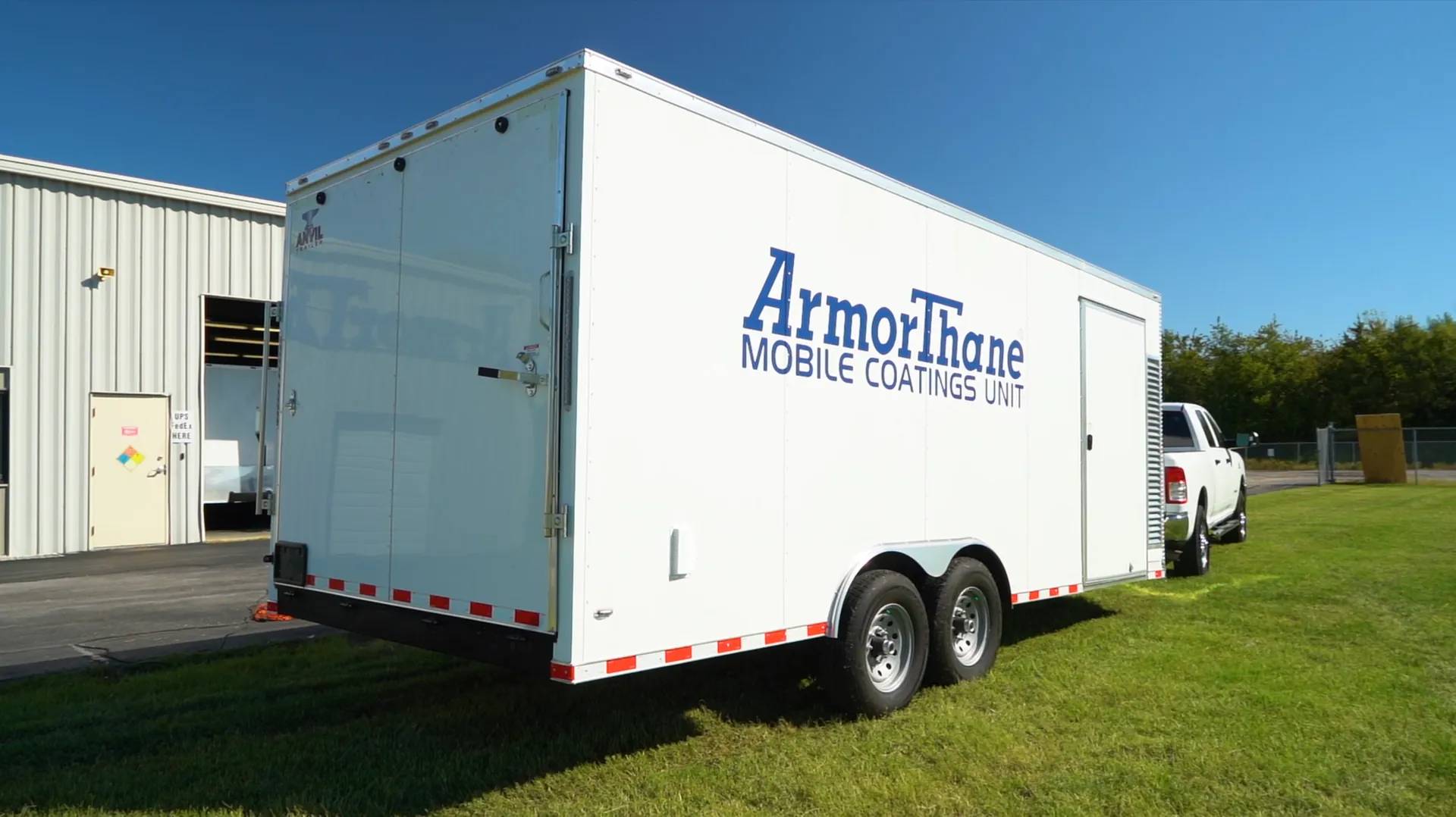
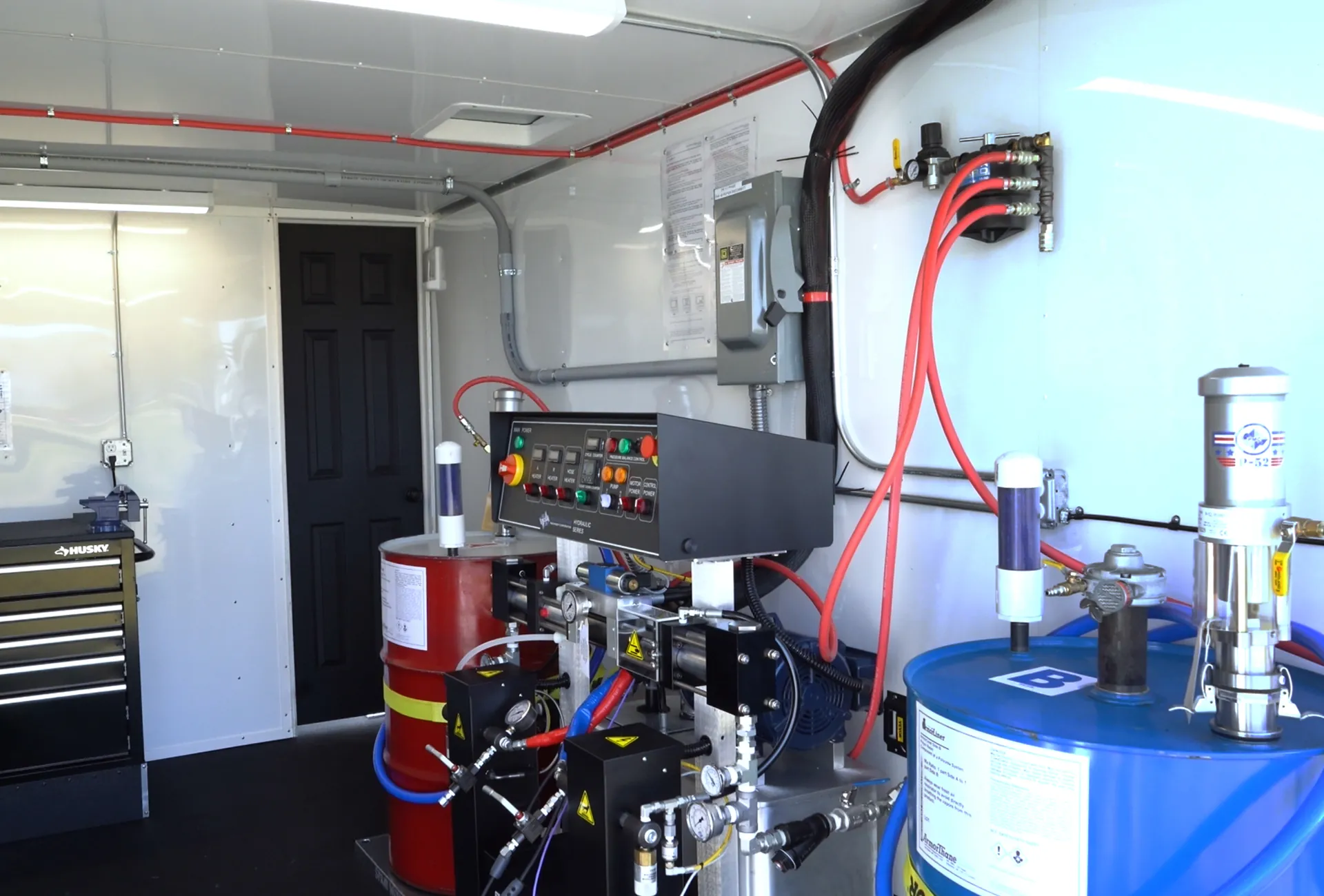
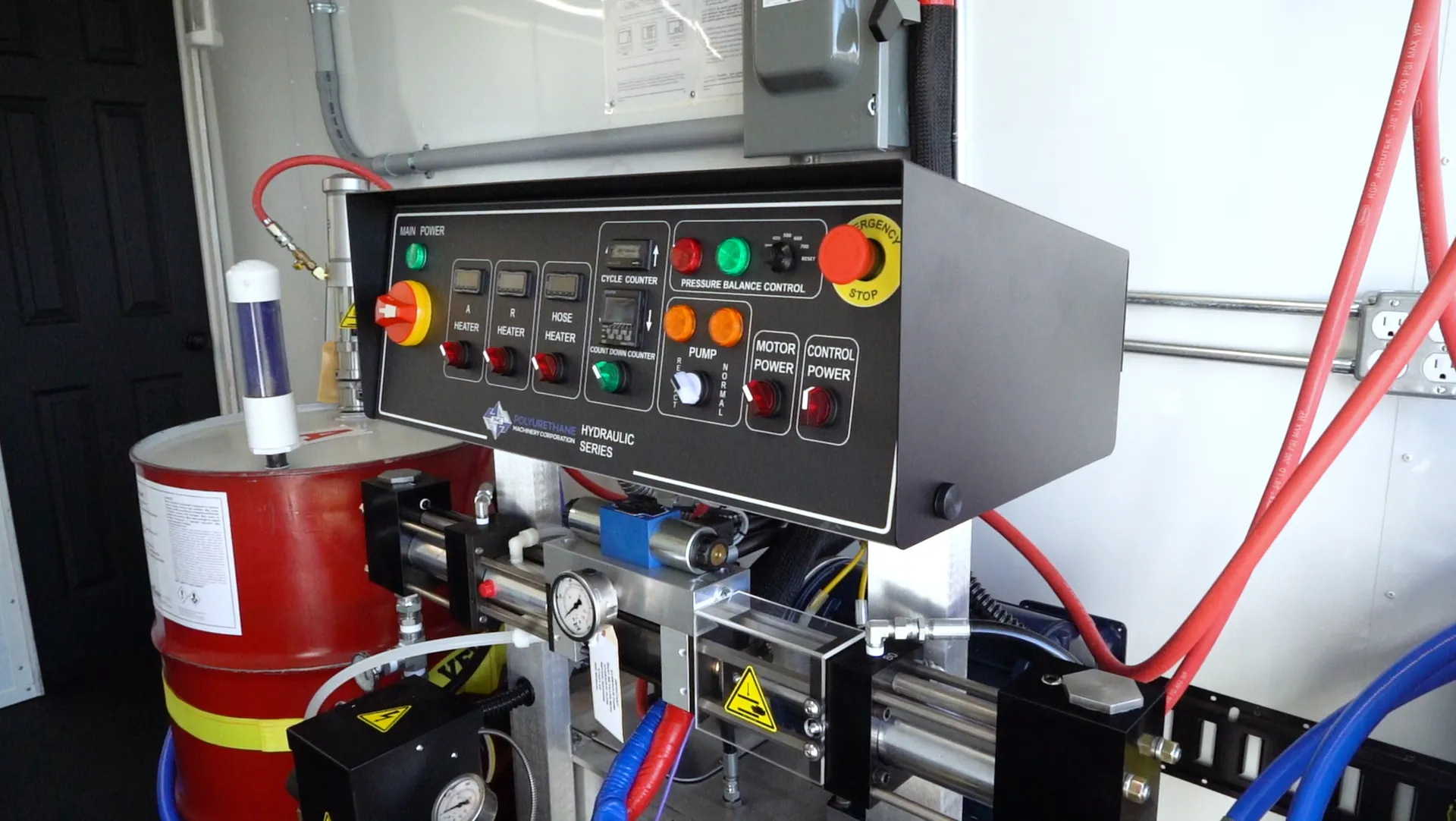
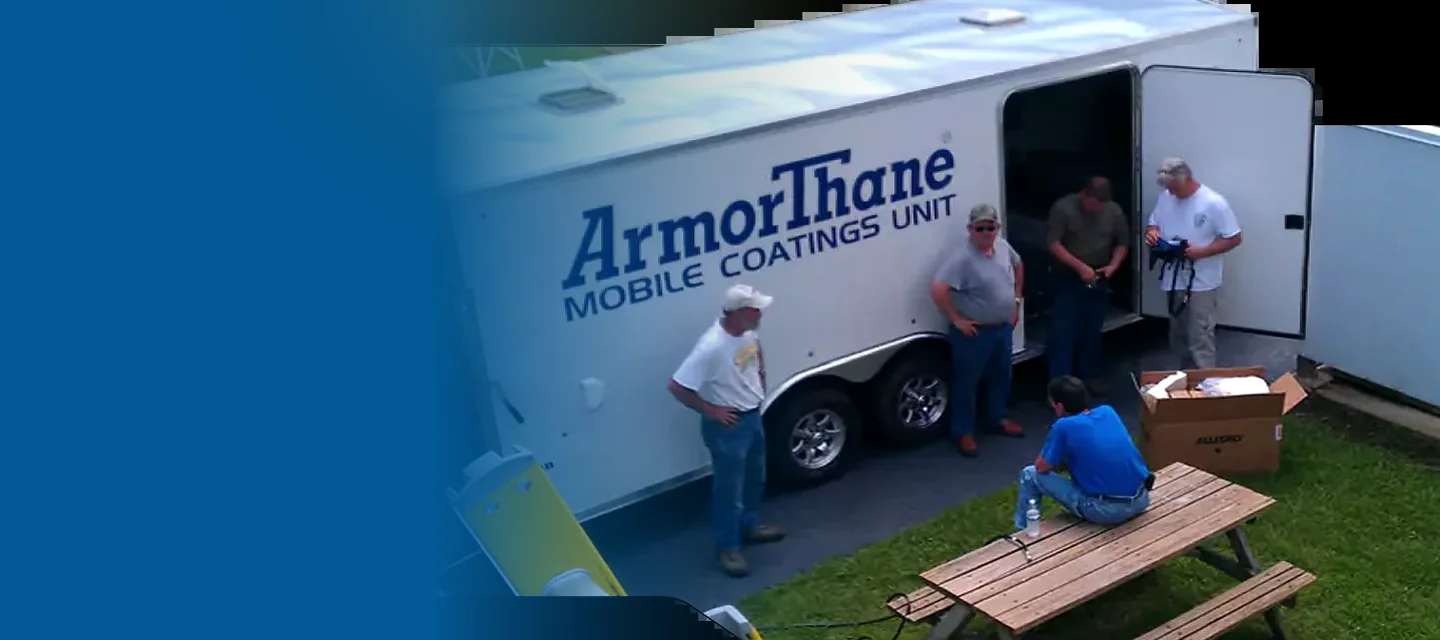
If you are pricing chemical for a first rig, line up the supplier and the equipment together. ArmorThane's standard 20 ft enclosed trailer runs a PMC PHX-40 proportioner, a 45 kW generator, a 23 CFM air compressor and 100 ft of heated hose, and the same rig can spray polyurea as well as foam. There is also a 24 ft bumper-pull with more spray room and a 26 ft gooseneck, the largest build.
See the spray rig lineup or tour the 20 ft rig.
Buy foam from the people who make it.
Open-cell and closed-cell ArmorFoam, data sheets, spray equipment and a team that knows the chemistry, all from one plant in Springfield, Missouri.
Want to add coatings too? Become an ArmorThane applicator
Spray foam supplier near me: common questions
Can I buy spray foam chemicals directly from the manufacturer?
Often, yes. Some manufacturers sell only through distributors, while others, including ArmorThane, work with contractors directly. Ask for pricing, the data sheets and the SDS, and find out who you will call when you need technical help.
What is the difference between a spray foam supplier and a distributor?
A distributor resells chemical, usually from several brands, often with parts and safety gear. A manufacturer makes the foam. Either can be a good supplier. The difference shows up when there is a problem: a manufacturer can look at its own batch records and formulation, while a distributor has to pass the issue along.
How many board feet does a set of closed-cell foam yield?
ArmorFoam closed-cell yields about 5,000 board feet per set at perfect yield. Real jobs come in lower because of substrate and air temperature, pass thickness, wind and reactor settings. Track your own board feet per set and use that number when you order.
Can I switch foam brands without changing my equipment?
Usually the same plural-component proportioner, heated hose and gun will spray a different brand, but the processing settings may change. Match the new data sheet, follow the equipment and data sheet guidance when you flush and change over, and never mix A-side or B-side material from different manufacturers.
Do I need training or certification to buy spray foam chemicals?
Supplier requirements vary. Whoever you buy from, OSHA requires a medical evaluation and respirator fit test before a sprayer uses a respirator, and the free CPI chemical health and safety course is a sensible first step. SPFA certification is a professional credential that builds with experience, starting at the Assistant level.
Who do Canadian contractors call for ArmorFoam?
Contractors in Canada can call ArmorThane Coatings, Inc. at 780-444-6200. In the United States, call the Springfield, Missouri plant at (417) 831-5090 or use the pricing request on this page.
Sources
- OSHA, 29 CFR 1910.134, Respiratory Protection. osha.gov/laws-regs/regulations/standardnumber/1910/1910.134
- American Chemistry Council, Center for the Polyurethanes Industry, spray polyurethane foam health and safety resources. spraypolyurethane.org
- ArmorThane, Spray foam insulation cost guide (2026 installed prices per board foot). armorthane.com/spray-foam-insulation-cost
- ArmorThane, Spray foam insulation training guide (CPI course, OSHA steps and SPFA certification levels). armorthane.com/spray-foam-insulation-training
Start your coatings business with ArmorThane.
Tell us what you want to spray and where you are. An ArmorThane specialist will walk you through the equipment, chemicals, training and startup cost for the work you want to do.
- Equipment package matched to your applications
- Hands-on training and applicator certification
- Technical support once you are spraying
Pricing out foam? Get it from the source.
Tell us what you spray and roughly how much. Our foam team will send ArmorFoam pricing, data sheets and the SDS, and can answer equipment questions while they are at it.
- Open-cell, closed-cell or both
- Rough sets per month
- Your rig and proportioner
- City and ZIP or postal code
More to read on spray foam
Short reads from ArmorThane on Issuu. Tap one to open it right here.