Spray Foam Insulation Training
Every route to spray foam competence: SPFA certification, the free CPI safety course, OSHA respirator rules, hands-on classes, what each costs and a 90-day plan.
Start a spray foam business
Spray foam for a living.
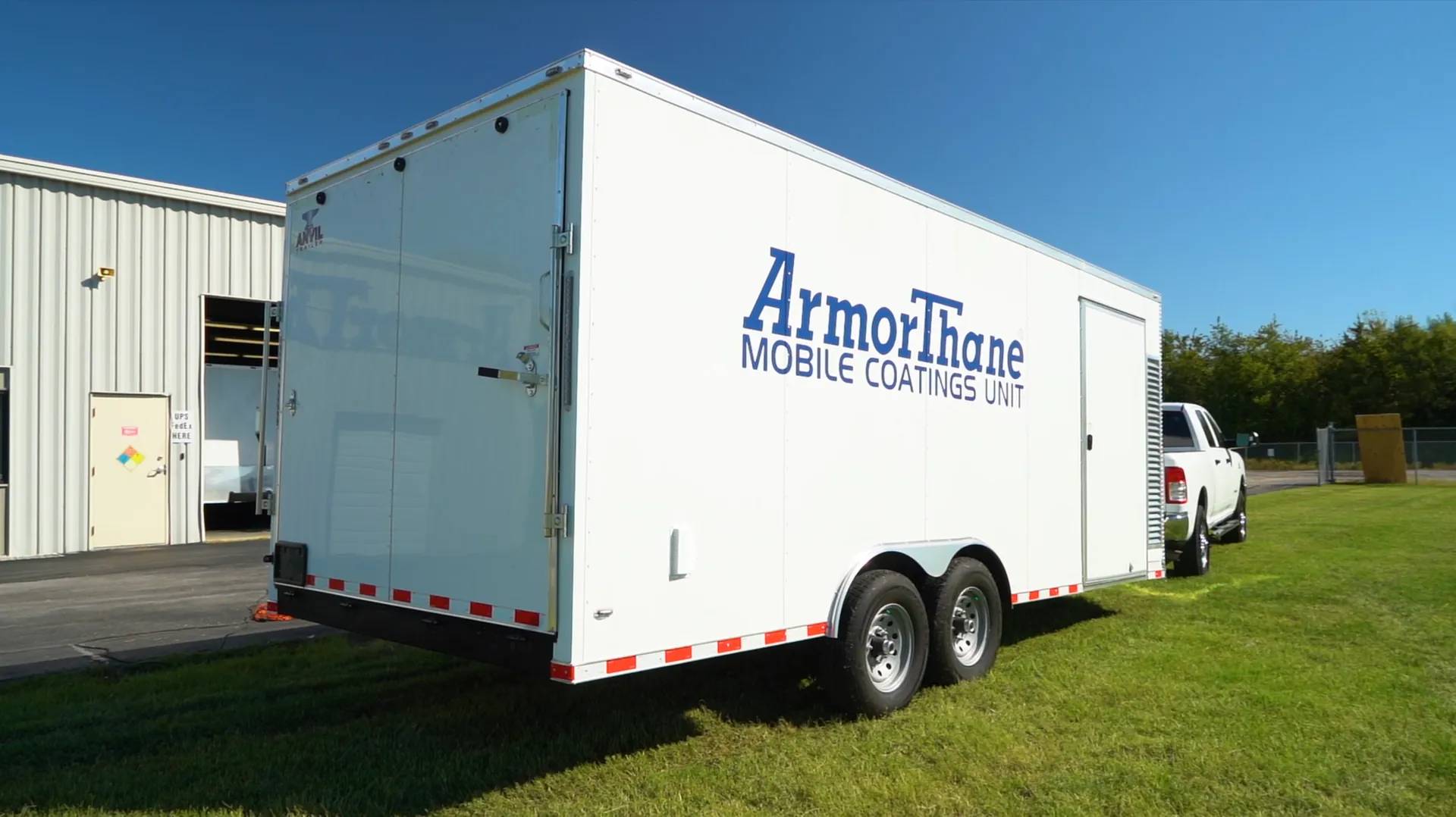
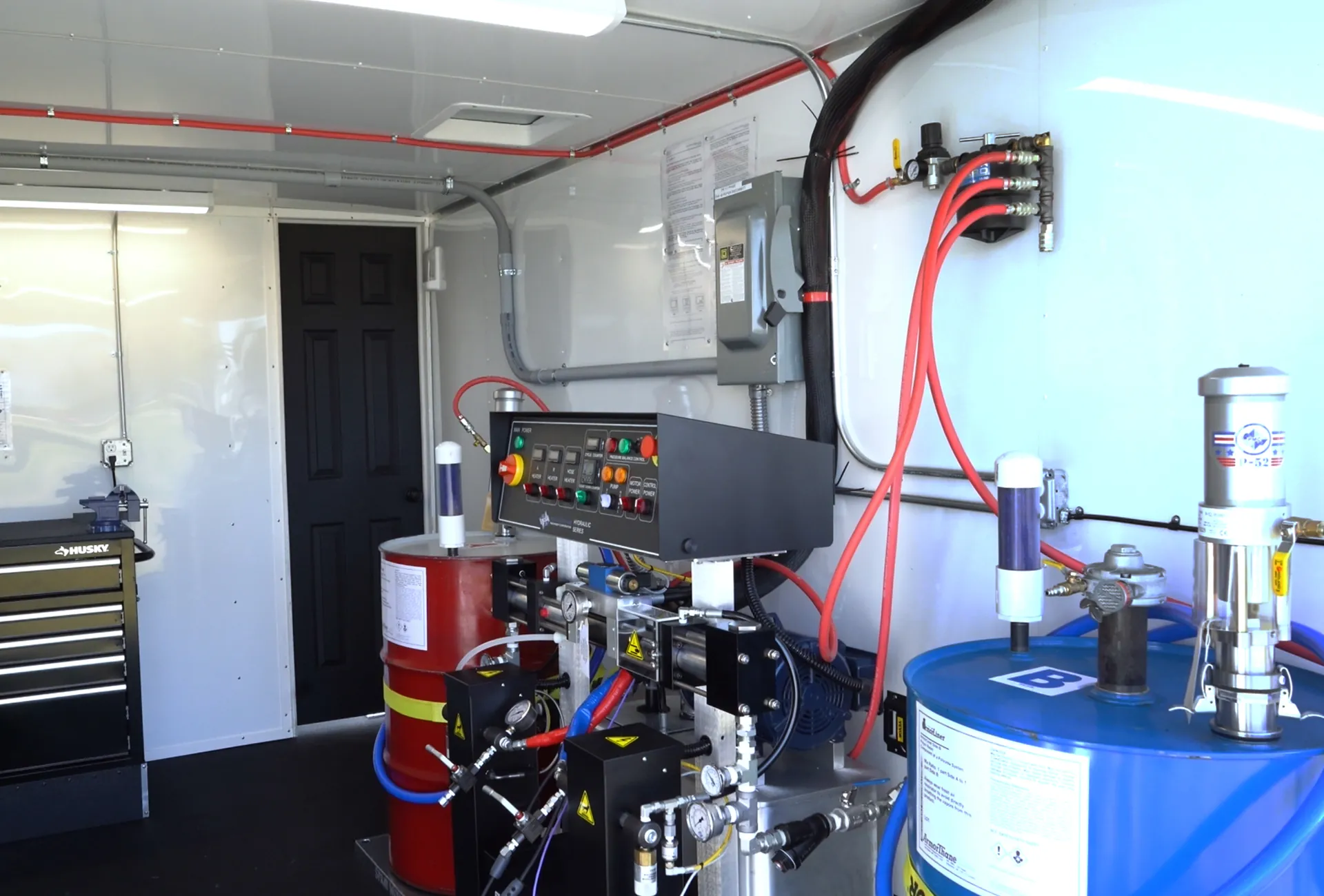
ArmorThane sets you up to do this work, and you own the business. We make the chemistry, build the rigs, train you hands-on and answer the phone when a job gets difficult. You pay no franchise fee and no royalties. It has been that way since 1989.
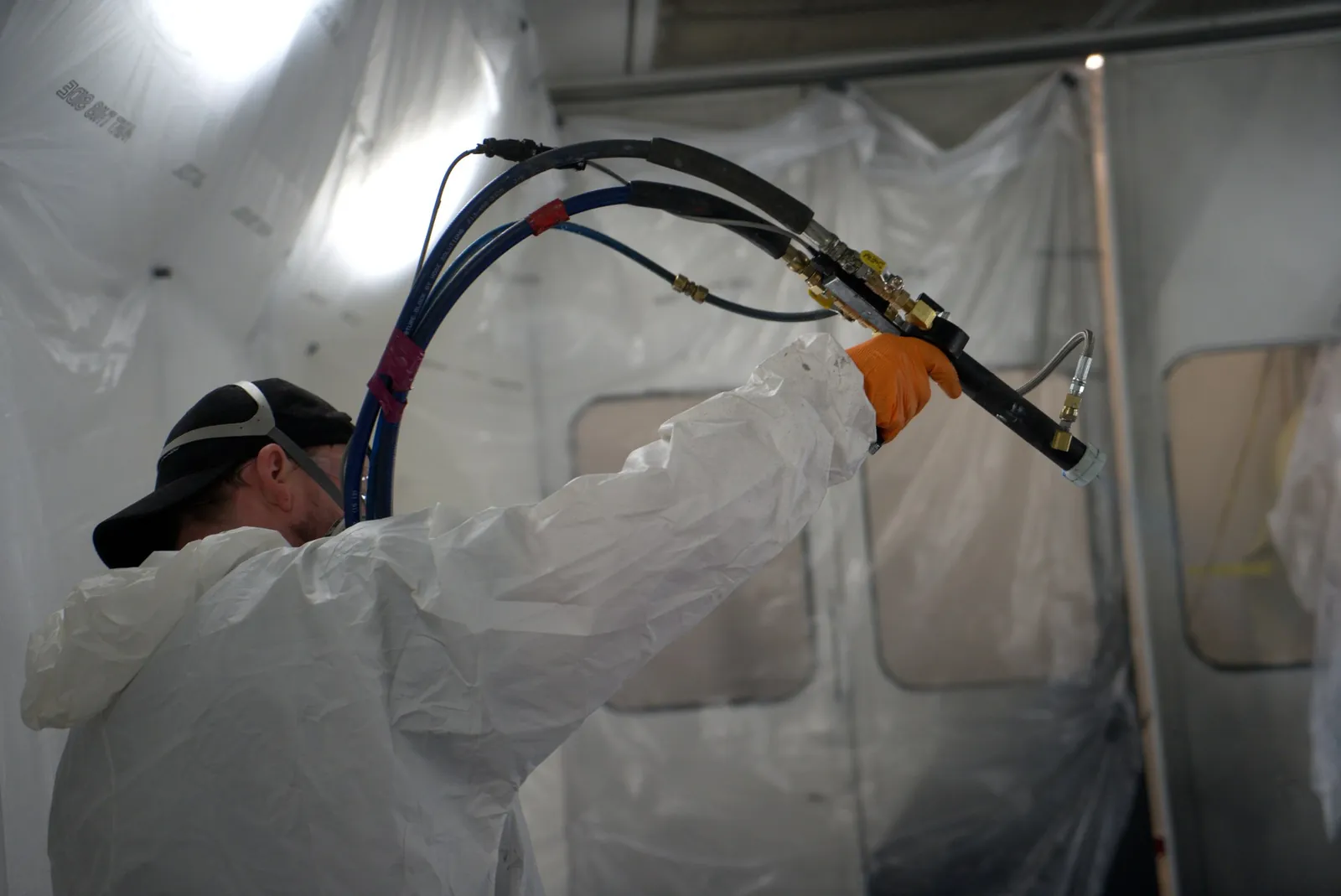
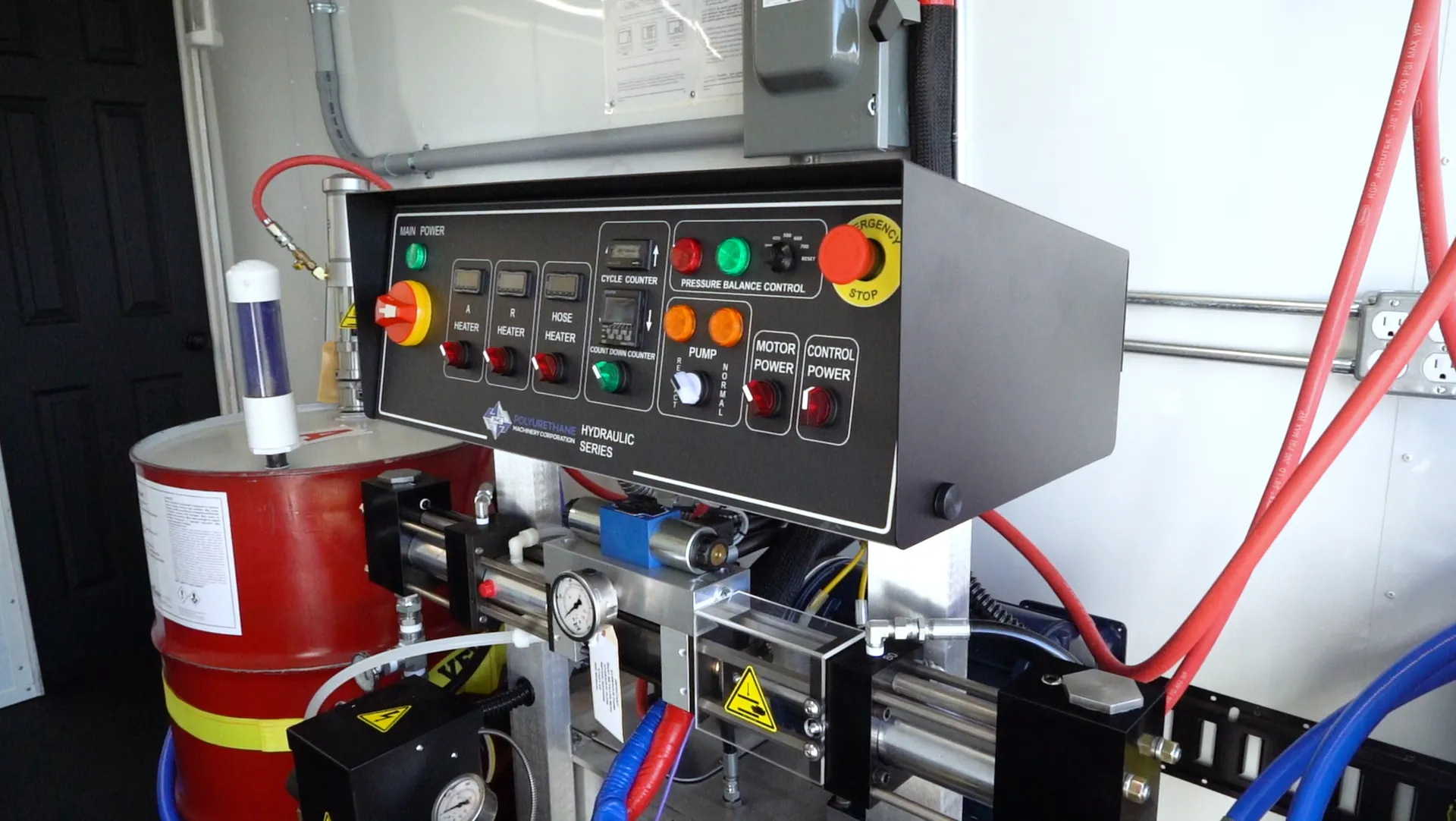
- $0
- franchise fees or royalties
- 35+
- years in business
- 50+
- countries with applicators
- 24/7
- technical support
Nobody hands you a spray foam license at the end of one class. Competence is built in layers: chemical safety, respirator rules, hands-on time on a proportioner, and a certification that opens up only after you've sprayed enough foam. Here's every route, what it costs, how long it takes and what employers and inspectors look for.
Start with the free CPI chemical health and safety course (1.5–2.5 hours online), then an OSHA medical evaluation, respirator fit test and hazard communication training before you spray. Add a 2–3½ day hands-on class (one school charges $1,050). SPFA certification follows your experience: Assistant with none, Installer at 100,000 board feet, Master Installer at 500,000 plus a field exam. Plan your path or estimate first-year yield.
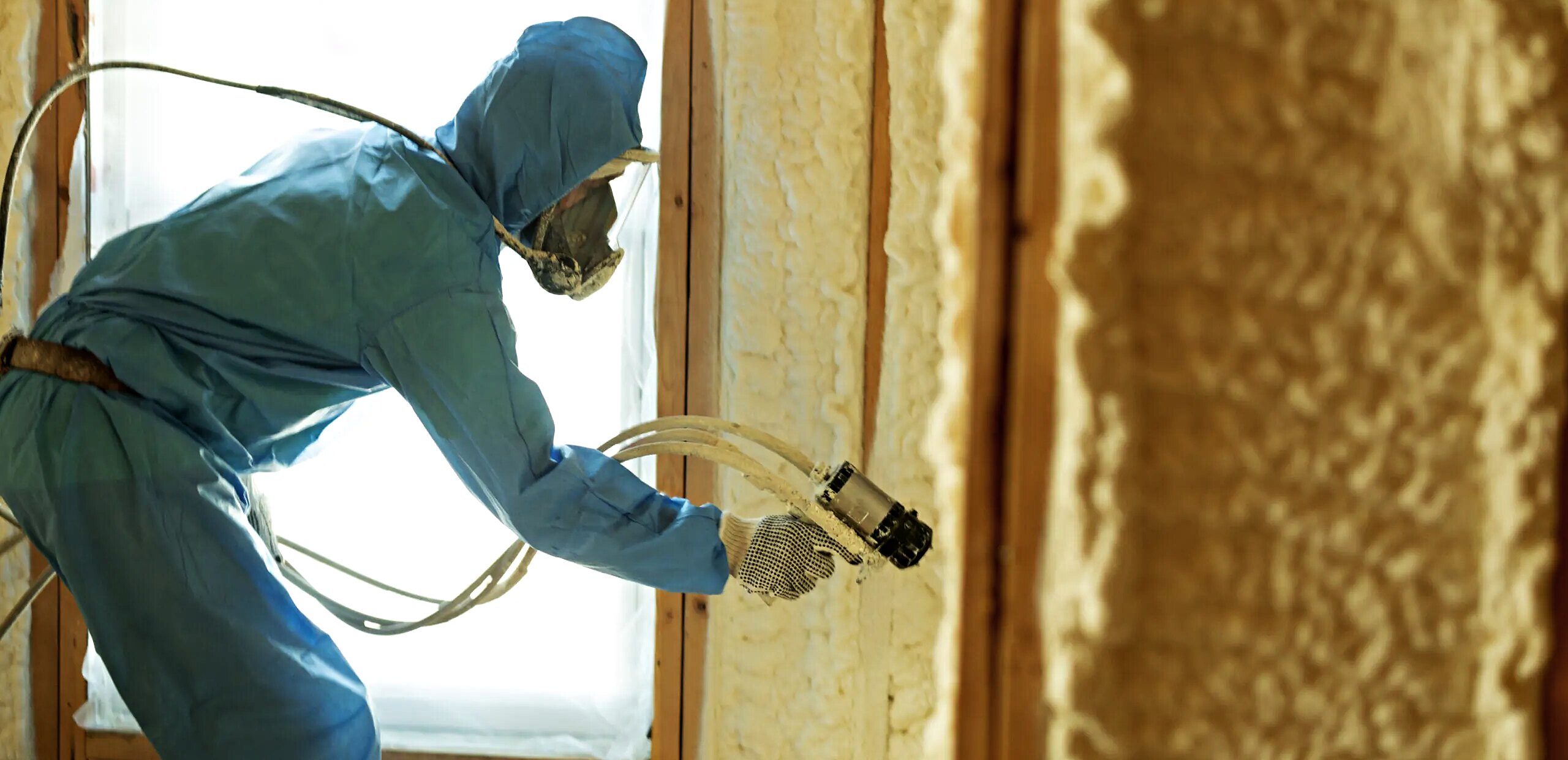
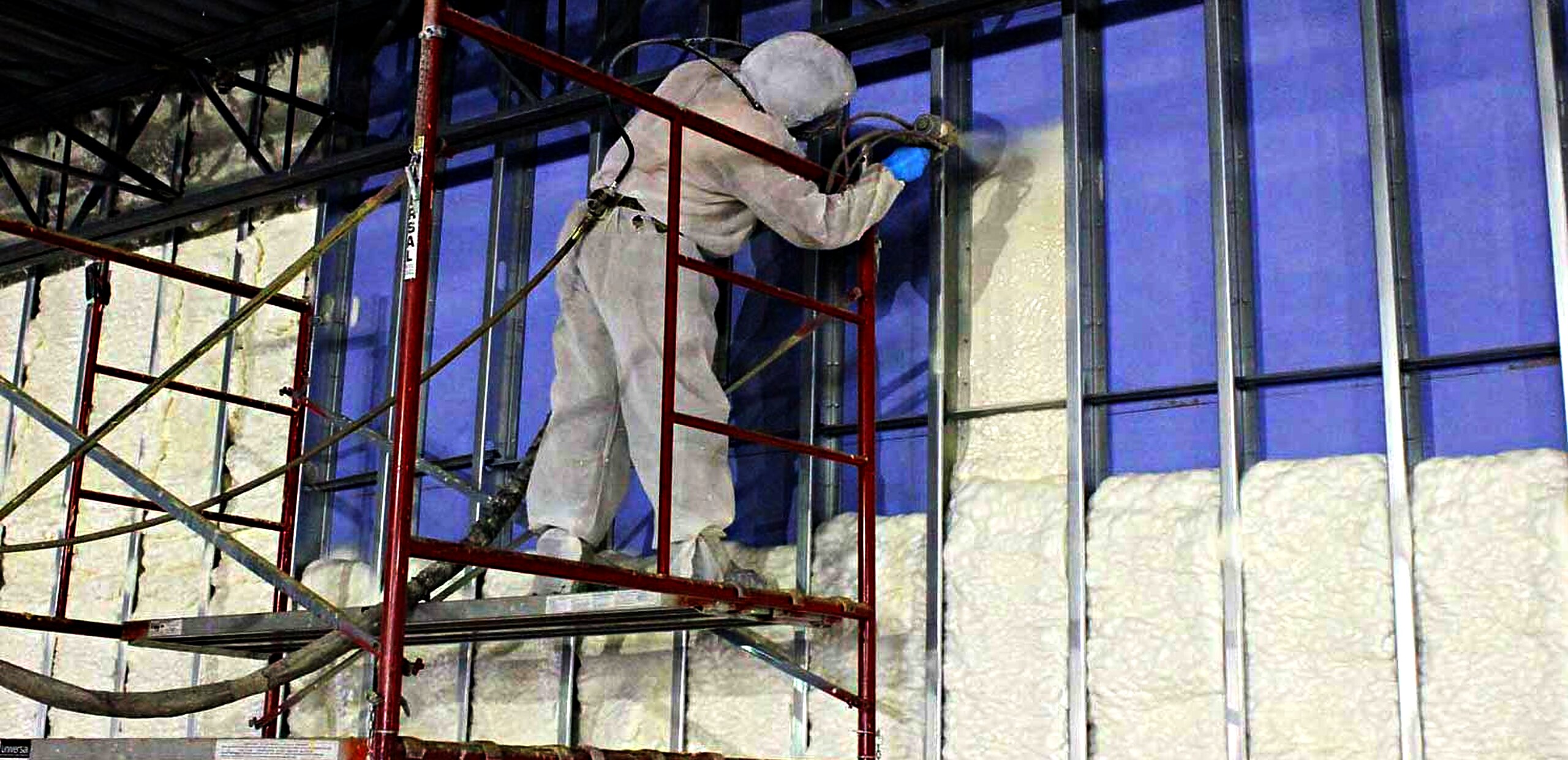
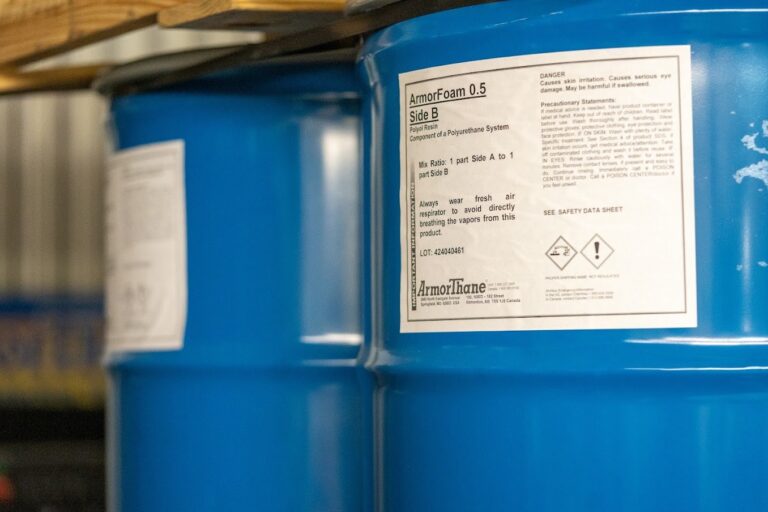
We make ArmorFoam spray foam, build spray rigs and have trained independent applicators since 1989. We'd like you to train with us, but we'll lay out every route, because the right first step depends on whether you're joining a crew or buying a rig. Spray foam insulation training covers chemistry, equipment and safety, and good spray foam insulation training pairs classroom time with hours on a real rig.
- 1Every route to spray foam competence
- 2Safety training: CPI and OSHA
- 3SPFA certification, level by level
- 4Training path planner (interactive)
- 5Hands-on and manufacturer training
- 6Licensing and what gets checked
- 7Yield: the skill that pays
- 8First-year yield and earnings (interactive)
- 9Spray foam installer pay
- 10A 90-day learning plan
- 11Spray foam training FAQ
Spray foam insulation training: every route to competence
Spray foam training is a stack of separate credentials from separate bodies, and only some are legal requirements. The U.S. Department of Energy's rule of thumb: most liquid foam insulation "requires special equipment and certification and should only be done by experienced installers."
| Route | Who issues it | Time | Cost | Required? |
|---|---|---|---|---|
| SPF Chemical Health and Safety Training | American Chemistry Council (CPI) | 1.5–2.5 hours online; valid two years | Free | Not by law; an ABAA prerequisite |
| Medical evaluation, fit test, respirator training | Employer, under OSHA 1910.134 | Before first use, then yearly | Employer pays; supplied-air gear from $1,737 per worker | Yes, whenever respirators are required |
| Hazard communication training | Employer, under OSHA 1910.1200 | At first assignment | Employer | Yes |
| Hands-on machine and spray class | Equipment dealers, distributors, manufacturers | 2–3½ days | $1,050 per person at one school; included with some equipment packages | Not by law |
| SPFA Professional Certification (PCP) | Spray Polyurethane Foam Alliance | Proctored exams; 100,000–500,000 BF for upper levels | One-time enrollment plus exam fees (not published) | Voluntary; required by SPFA accreditation and some federal specs |
| ABAA SPF installer certification | Air Barrier Association of America | 3,000 work hours, 1,500 of them in SPF | Not published | On some air-barrier specifications |
| Contractor license | Your state board or city | Varies | Varies | In some states |
The safety pieces are cheap or free and come first. SPFA certifications take months, because they're tied to board feet you've actually sprayed.
Safety training: CPI and OSHA
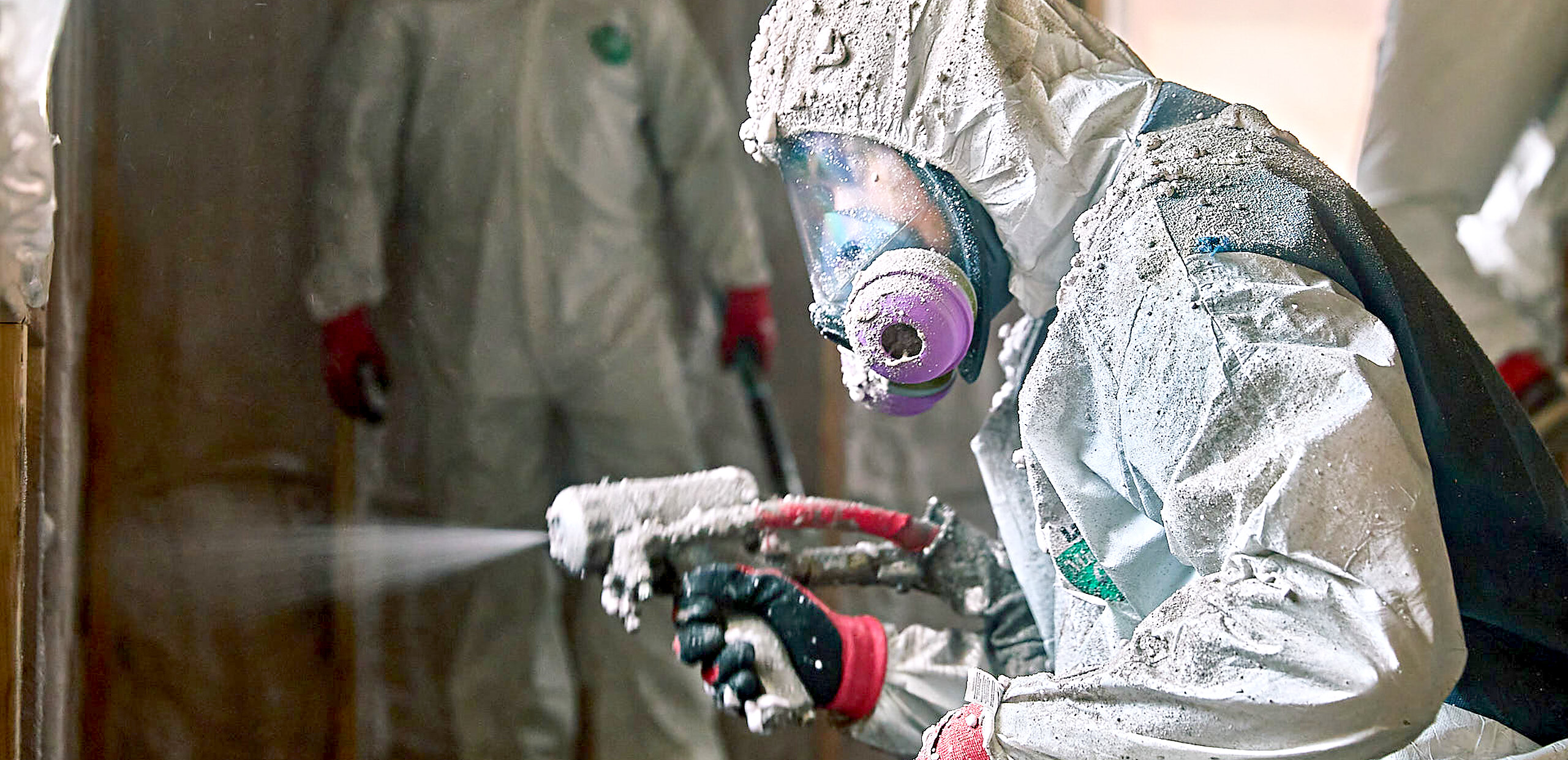
Spray foam's A side contains isocyanates. OSHA lists their main health effects as "occupational asthma and other lung problems," and the EPA says there's no recognized safe exposure level for people already sensitized. OSHA's limit for MDI is a ceiling of 0.02 ppm. So your first training is about chemistry and breathing, not technique.
CPI chemical health and safety course
For "SPF applicators and helpers," in high-pressure and low-pressure versions. A 30-question exam, 70% to pass, and a wallet card valid two years. English and Spanish versions.
Medical evaluation, then fit test
Medical evaluation first, then a fit test before first use, with any new facepiece and at least annually. Training repeats yearly. The employer pays for all of it.
Facial hair and seals
No tight-fitting facepiece on anyone with facial hair between the seal and the face. Shave, or use a respirator that doesn't rely on a face seal.
Hazard communication
Training at first assignment and whenever a new chemical arrives, a written program, and safety data sheets "readily accessible during each work shift," which on a rig means in the truck.
For anyone with employees
A written respiratory protection program with a qualified administrator, plus the hazard communication program. SPFA accreditation adds a written safety program.
OSHA 10 and 30 cards
SPFA's older accreditation rules asked for an employee with a 30-hour card, but OSHA says Outreach courses don't meet any standard's training requirement and aren't a certification.
The EPA puts it simply: make sure "health and safety training is completed and safe work practices are followed" before anyone sprays.
SPFA certification, level by level
The Spray Polyurethane Foam Alliance's Professional Certification Program (PCP) is what most people mean by "spray foam certification." SPFA calls it proof that a team "meets ISO-17024 standards." Insulation (board feet) and roofing (square feet) tracks each have four levels.
| Level | Insulation experience | Roofing experience | Exams |
|---|---|---|---|
| SPF Assistant | None required | None required | Written |
| Installer | 100,000 BF sprayed | 100,000 sq ft sprayed | Written (includes Assistant exam if you start here) |
| Master Installer | 500,000 BF sprayed | 500,000 sq ft sprayed | Written plus a field exam |
| Project Manager | Managed at least 500,000 BF of projects | Managed at least 500,000 sq ft | Written |
How the exams work
- No prerequisites to sit an exam, but you aren't certified at a level until you meet its experience requirement.
- Each level includes the one below. Start at Installer and you take a two-part exam, Assistant plus Installer.
- Online, with a proctor, in person or remotely through ProctorU, which adds its own fee.
- Master Installer field exam. An over-the-shoulder check that you can "manufacture quality open and/or closed cell foam or roofing foam in place": up to 4 hours, 75% to pass, on a live job or mock-up, with a paid field examiner.
- Fees. Enrollment is one-time; exams, rewrites and renewals are separate. SPFA doesn't publish amounts on its public pages, so ask before you budget.
What the board-foot thresholds mean in time
A board foot is one square foot, one inch thick. At 20,000 BF a week, you'd log 100,000 BF in about five weeks and 500,000 in about six months. Helpers who don't hold the gun don't build spraying experience. Spraying roofs instead? Our guide to starting a roofing company covers that business.
Get training dates, certification changes and new spray foam guides by email: join the ArmorThane newsletter.
Spray foam training path planner
Pick your goal and pace to get your steps in order, published costs and when you'd reach each SPFA threshold.
What should I do first, and what will it cost?
Costs use published prices only. SPFA exam fees aren't published, so they're left out of the total.
Hands-on and manufacturer training
A hands-on class teaches you to run the proportioner, read the foam and fix what goes wrong. Equipment dealers, distributors and manufacturers run most of them.
| Program | Length | Cost | What it covers |
|---|---|---|---|
| Profoam (Rutledge, Georgia) | 3½ days; next listed March 22–25, 2027 | $1,050 per person, lunch included | Chemistry, equipment troubleshooting, bidding, spraying "on real job sites"; a final test for Profoam Installer Certification |
| Spray Foam Systems (Greensboro, Georgia) | 2 days | On request | Safety, job site prep, quoting, equipment startup and shutdown, a ventilated spray room |
| General Insulation (distributor) | Varies | Through local branches | Spray foam and weatherization product training |
| ABAA SPF installer course | Online, October 20–22, 2026 | Not published | Air-barrier installation; certification needs 3,000 hours of experience |
| ArmorThane | Two-day hands-on course; at our Springfield, Missouri headquarters, on site or virtual | Included with an equipment purchase | Chemistry, spray technique, equipment, prep, safety and troubleshooting, ending in certification |
What a good class should cover
- The machine, start to shutdown. Heat, pressure and parking the rig for a night or a season (see our proportioner shutdown procedures).
- Ratio and foam quality. Spotting off-ratio foam fast.
- Pass thickness and substrates. Temperature, moisture and your product's maximum lift.
- Real gun time. Ask how long each student sprays.
- Estimating. Board-foot takeoffs, yield per set and pricing. A good sprayer with a bad bid still loses money.
New to plural-component equipment? Read our primer on how chemical coating equipment works before class.
Finding spray foam training near you
Start with whoever will sell you chemical or equipment. Distributors train through local branches, dealers run classes at their shops, and some manufacturers, including ArmorThane, send a technician to train your crew on site. For the Master Installer field exam, SPFA says scholarships may be available at sponsored mock-ups and its annual convention.
Want training built into an equipment package? Tell us about your plans in the business inquiry form at the top of this page.
Licensing and what gets checked
A few states license insulation contractors specifically; many leave licensing to cities and counties. This summary comes from a 2026 compilation, so confirm with your state board before you bid.
| State | License | When it applies |
|---|---|---|
| Arizona | C-40 insulation | Insulation contracting |
| California | C-2 insulation and acoustical | Jobs over $1,000 |
| Hawaii | C-38 | Insulation contracting |
| Nevada | C-3 | Insulation contracting |
| North Carolina | Insulation contractor | Jobs of $30,000 or more |
| Missouri, Kansas, Oklahoma, Texas, Illinois, Iowa, Indiana, Kentucky, Nebraska, Colorado, Ohio, Wisconsin and others | No statewide insulation license | Local permits and registration still apply |
Who asks for what
Safety cards and a clean fit test
No one sprays until the OSHA respirator steps are done, so arrive with a CPI card. SPFA-accredited companies need every SPF field worker PCP-certified.
Thickness, R-value and barriers
IECC-based codes require a posted installer certificate listing "the installed thickness of the areas covered and R-value," and foam needs an approved thermal or ignition barrier. See our spray foam R-value guide.
SPFA or ABAA on the spec
The federal UFGS air-barrier spec calls for installers certified by ABAA and/or SPFA. ABAA asks for 3,000 work hours, 1,500 in SPF, plus the CPI course.
Trained, authorized applicators
One foam's ICC-ES report calls for "installers certified by" the manufacturer, and a major warranty requires "authorized contractors using trained applicators."
Credentials for the whole crew
The EPA tells owners to review the "training and certification credentials" of the whole crew. Our guide to vetting spray foam contractors shows what homeowners are told to ask you.
A safety program on paper
SPFA accreditation asks for business registration, a certificate of insurance, a written safety program and annual OSHA-required training. A good checklist even if you never apply.
Yield: the skill that pays
Chemical is sold by the set, and every set has a rated yield. ArmorFoam yields about 17,000 board feet per open-cell set and 5,000 per closed-cell set at ideal yield. With dealer set prices listed at $2,033–$2,060 (open-cell) and $2,219–$2,788 (closed-cell HFO) in September 2026, chemical runs about $0.12 per board foot open-cell and $0.44–$0.56 closed-cell. Spray below ideal yield and that cost climbs on every job. Off-ratio mixes, passes too thick for the product and dirty or wet substrates are the usual culprits.
| Problem | What you see | Common cause | What training teaches |
|---|---|---|---|
| Iso-rich (A-heavy) foam | Brittle or cracked, dark brown or burnt look, shrinks from the substrate | Off-ratio mix; A and B pressures out of balance | Keep A and B pressures "typically within 100 psi of each other" |
| Resin-rich (B-heavy) foam | Soft, spongy, sticky or tacky | Off-ratio mix | Stop, diagnose, remove bad foam to a clean substrate |
| Cracking, splitting, low density | Poor cell structure; charring in extreme cases | Passes too thick for the product | Follow the data sheet: one closed-cell foam allows 2 in per pass, another 3.5 in |
| Shrinkage and pull-away | Gaps at studs and edges | Bad ratio, thick lifts, dirty or wet substrate | Substrate checks and correct lift thickness |
| Lingering odor | Smell that persists beyond the first few days | Off-ratio foam | Removal and respray; follow manufacturer re-occupancy times (often 24 hours) |
Weather matters too; see applying spray foam in cold weather and our round-up of spray foam insulation problems.
First-year yield and earnings estimator
Enter your pace, price and chemical cost to see sets used, chemical spend, what's left after crew pay and what below-ideal yield costs you.
What does yield do to my first year?
Choosing a foam type loads ArmorFoam's ideal yield, the midpoint of September 2026 set prices and a price per board foot inside Angi's 2026 installed range. Change anything.
See our open-cell vs closed-cell comparison for where each belongs and the spray foam insulation cost guide for what customers pay.
Spray foam installer pay
Pay data for spray foam is thin, and the sources disagree. Averages and BLS medians, per year:
The Bureau of Labor Statistics counts 71,900 insulation jobs in 2025, projects 3% growth through 2035 and says floor, ceiling and wall insulators "learn their trade on the job." It also warns they have "one of the highest rates of injuries and illnesses of all occupations." ZipRecruiter's range runs $29,000–$62,500; Indeed's higher average comes from 36 months of job postings. For owners, yield matters more: every point below ideal is chemical you paid for and couldn't bill.
Trained to spray. Ready to run your own business?
ArmorThane makes the foam, builds the rigs and trains your crew on site or virtually, ending in certification. New applicator systems start at $25,000 turnkey, third-party equipment financing is available, and there's no franchise fee, dealership fee or royalty.
Comparing options? See low-cost franchises vs independent →
A 90-day learning plan
This plan assumes you're starting from zero, whether you're joining a crew or putting your own rig on the road.
Days 1–7: safety first
Free CPI high-pressure course, medical evaluation, fit test and respirator training. Read the safety data sheets for your A and B sides.
Weeks 2–3: hands-on class
Two to three and a half days on the machine you'll run: startup, heat, pressure, ratio checks and shutdown.
Weeks 3–6: supervised spraying
Mock-ups, your own shop, a friend's pole barn. Log every board foot and set. Sit the SPFA Assistant exam.
Weeks 6–10: first paid jobs
Spray under an experienced lead or with a technician on call. Leave an installer certificate and written re-occupancy times.
Weeks 10–13: review and certify
Compare your yield per set with the rated yield. At 100,000 BF, take the SPFA Installer exam.
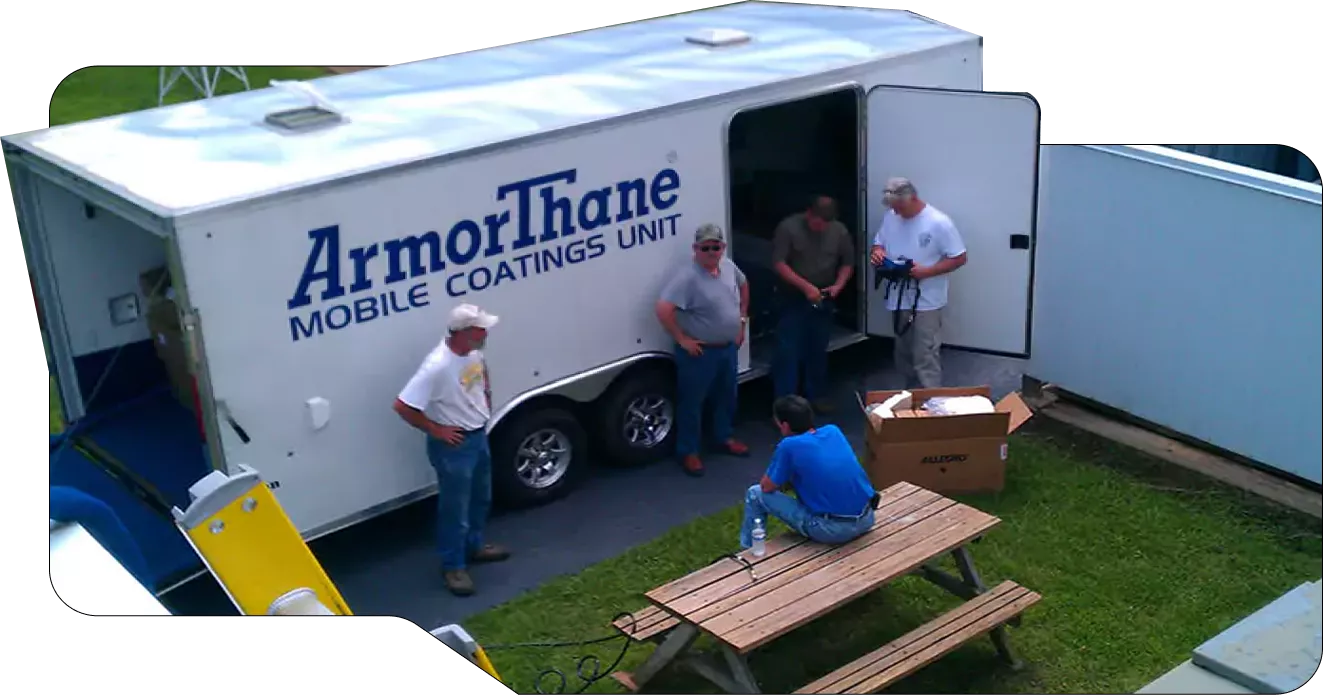
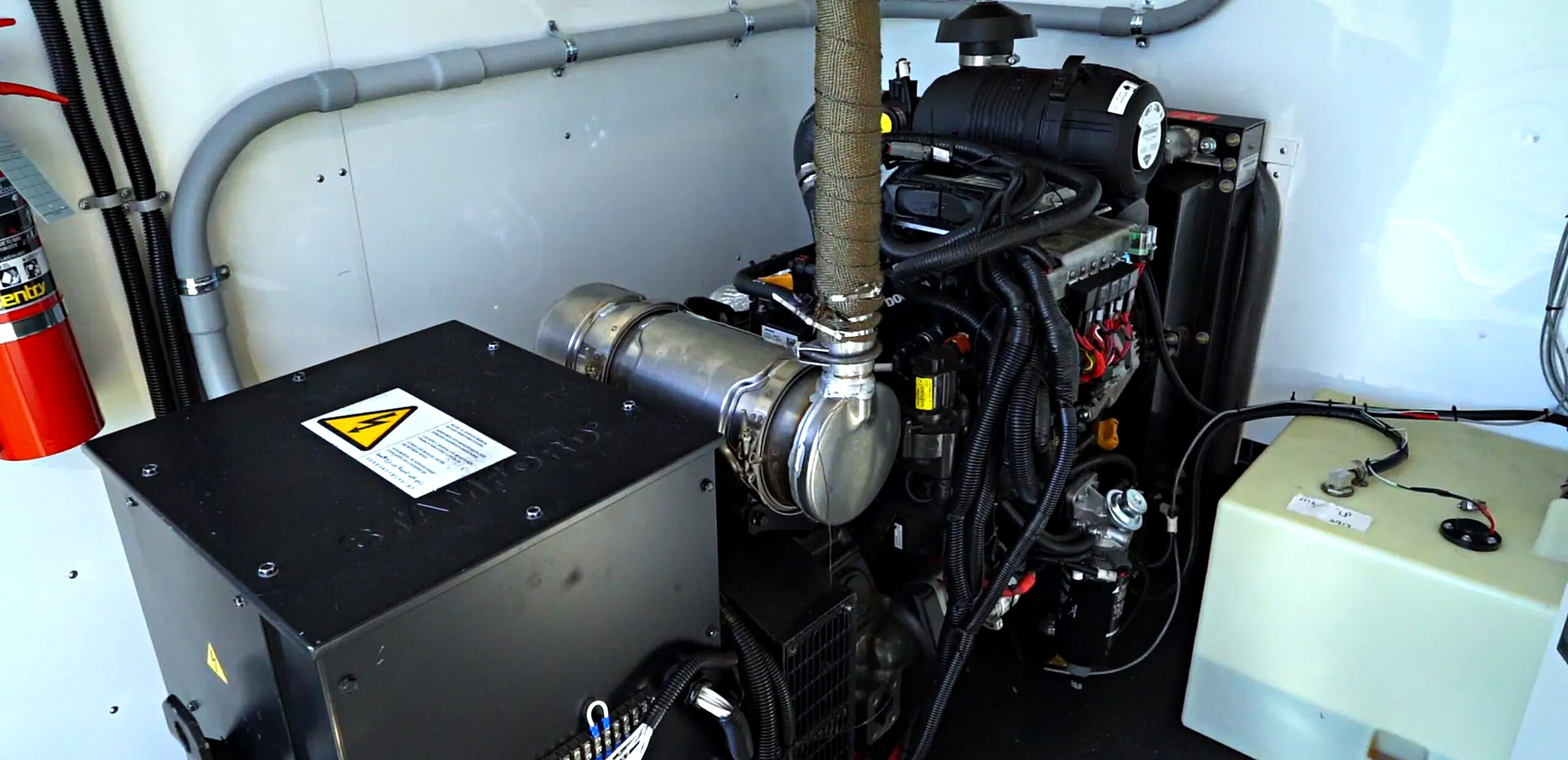
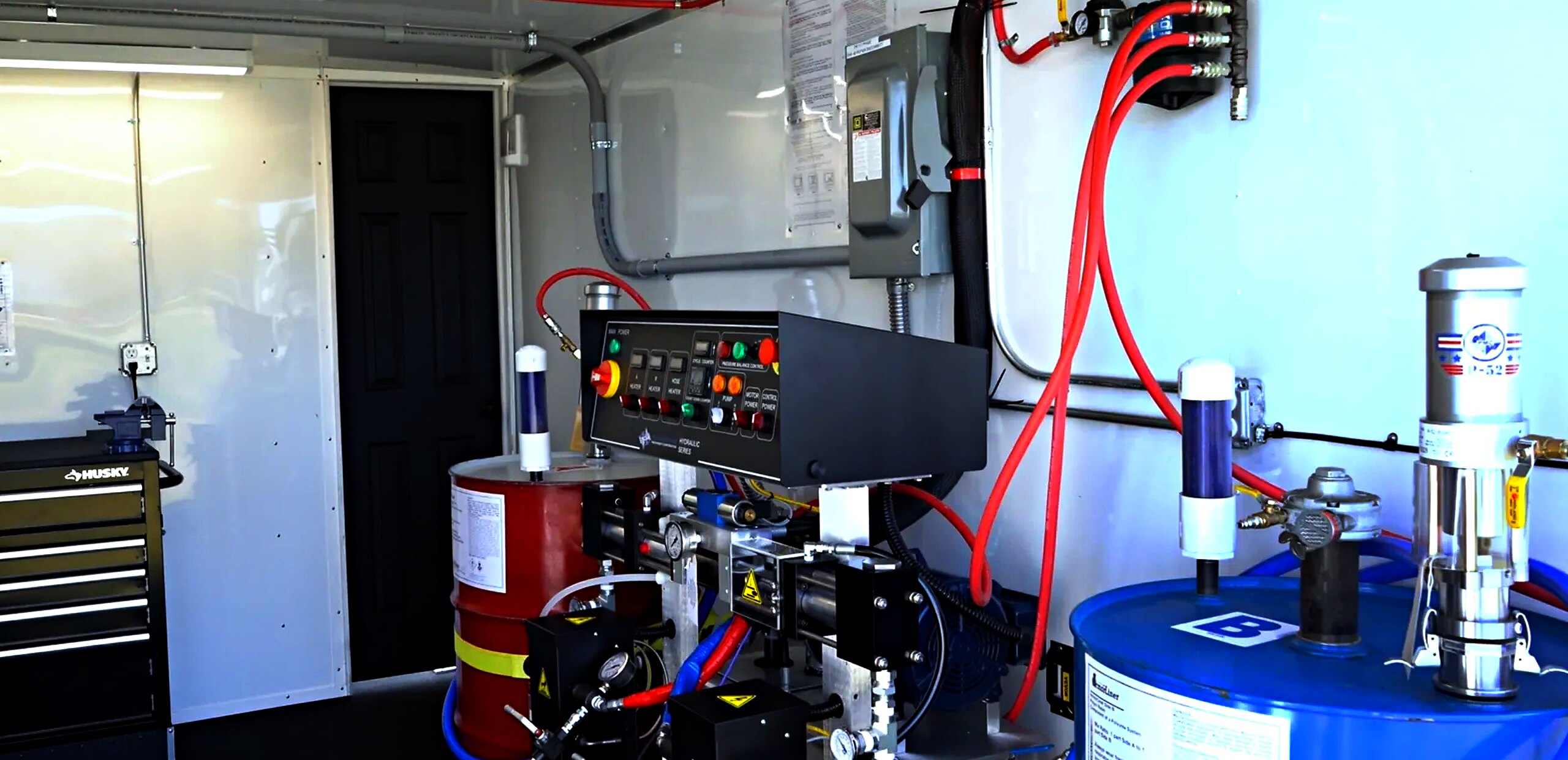
Owners, in parallel: register the business, check licensing, buy insurance and write your respiratory protection and hazard communication programs before an employee sprays. Our mobile foam spray rigs page shows how ArmorThane builds rigs to order.
Learn on your own rig, keep your own name
ArmorThane has trained independent applicators since 1989 and has applicators in more than 50 countries. Our two-day, hands-on course runs at our Springfield, Missouri headquarters or on site, with virtual e-training after that, and ends in certification. No franchise fee, dealership fee or royalty.
We make open-cell and closed-cell ArmorFoam and build spray rigs to order. New applicator systems start at $25,000 turnkey (equipment, training, first chemical, prep and safety gear), and low-pressure 1:1 equipment starts as low as $20,000; full high-pressure foam rigs cost more. Financing is through third-party lenders, and our 24/7 tech line stays with you.
Need foam sprayed rather than a new career? Our applicator finder lists certified applicators near you. And join our newsletter for new training guides.
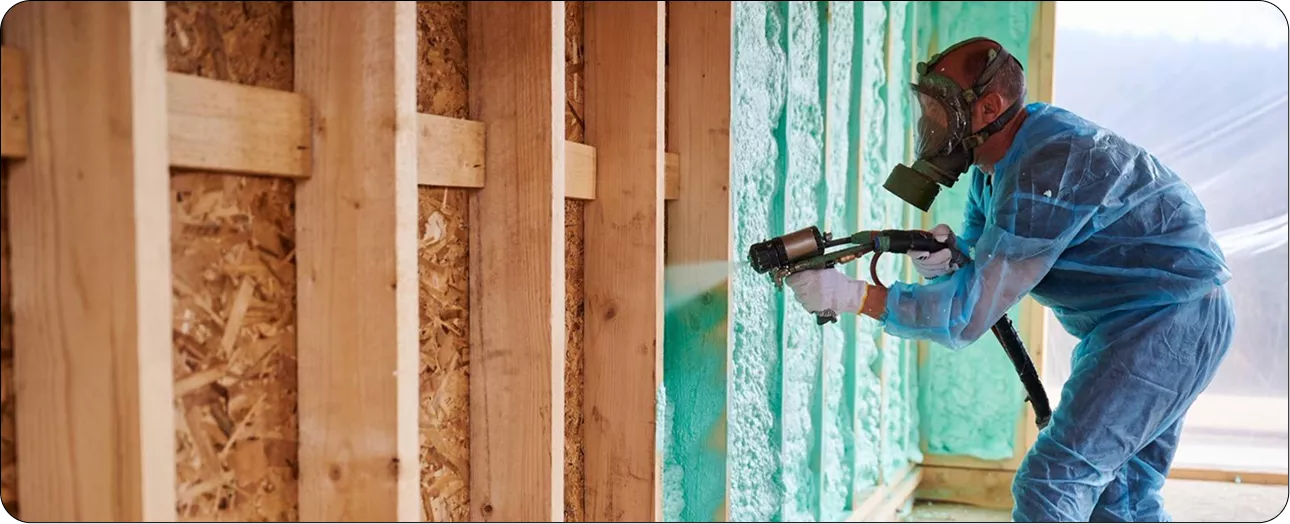
Hands-on course
At our headquarters or on site, plus virtual e-training, ending in certification.
Tech line
Help with the rig and the foam after you're spraying on your own.
Franchise fee and royalty
You keep your brand, your customers and your margin.
Spray foam training FAQ
How do I get certified in spray foam insulation?
Most people mean the Spray Polyurethane Foam Alliance's Professional Certification Program. You enroll once, then pass proctored online exams. SPF Assistant needs no experience; Installer needs 100,000 board feet sprayed; Master Installer needs 500,000 plus a field exam of up to 4 hours; Project Manager requires managing 500,000 BF of projects. Take the free CPI chemical health and safety course and complete OSHA respirator steps before you spray.
How long does spray foam training take?
The CPI safety course takes 1.5–2.5 hours online. Hands-on classes run 2–3½ days: Spray Foam Systems lists two days, Profoam three and a half, and ArmorThane's course is two days. Certification takes longer because it follows experience. At 20,000 board feet a week, you'd reach SPFA's 100,000 BF Installer threshold in about five weeks and the 500,000 BF Master Installer threshold in about six months.
How much does spray foam training cost?
The CPI chemical health and safety course is free. Profoam's 3½-day hands-on class is $1,050 per person with lunch, and some manufacturers, including ArmorThane, include training with an equipment purchase. SPFA charges a one-time enrollment fee plus exam fees but doesn't publish the amounts on its public pages, and remote proctoring adds its own fee. Owners should also budget supplied-air respirator gear, from about $1,737 per worker.
Do you need a license to install spray foam insulation?
It depends on the state. Arizona (C-40), California (C-2, jobs over $1,000), Hawaii (C-38), Nevada (C-3) and North Carolina (jobs of $30,000 or more) license insulation contractors. Missouri, Kansas, Texas, Ohio and many others have no statewide insulation license, but cities and counties still require registration and permits. SPFA certification is voluntary and doesn't replace a license, so check with your state board.
Is SPFA certification required?
Not by federal law; it's voluntary. It is required for SPFA-accredited contractors, whose SPF field personnel must all be certified, and the federal UFGS air-barrier specification calls for installers certified by ABAA and/or the SPFA program. Customers ask too: the EPA tells building owners to review the training and certification credentials of the project manager, installers and assistants.
Is the CPI spray foam safety training free?
Yes. The American Chemistry Council's Center for the Polyurethanes Industry offers SPF Chemical Health and Safety Training free to applicators and helpers. There are high-pressure and low-pressure versions, each taking 1.5–2.5 hours. A 30-question multiple-choice exam follows; score 70% or better for a Recognition of Completion and wallet card, valid for two years. English, Spanish and Canadian versions are available.
What respirator training does a spray foam installer need?
Under OSHA 1910.134, which applies to construction through 1926.103, you need a medical evaluation before fit testing, a fit test before first using a tight-fitting respirator and at least annually after that, and yearly retraining. Facial hair can't cross a tight-fitting seal. Employers need a written respiratory protection program and must provide respirators, training and evaluations at no cost to employees.
Can I get SPFA certified with no experience?
Yes, at the first level. SPF Assistant certification requires no experience, and SPFA says no training courses or pre-qualifications are required to sit an exam. Higher levels need documented experience: 100,000 board feet sprayed for Installer and 500,000 for Master Installer. The roofing track counts square feet instead. Each exam includes the levels below it, so starting at Installer means a two-part exam.
How much do spray foam installers make?
Sources disagree. ZipRecruiter puts the average at $43,258 a year ($20.80 an hour) as of September 2026. The Bureau of Labor Statistics reports a May 2025 median of $49,120 for floor, ceiling and wall insulators and $51,330 for all insulation workers. Indeed shows a $70,341 average from job postings. A business owner's earnings depend on production, pricing and yield.
Where can I find spray foam training near me?
Start with whoever sells you chemical or equipment. Distributors such as General Insulation train through local branches, equipment dealers such as Profoam and Spray Foam Systems run classes in Georgia, and some manufacturers, including ArmorThane, train at headquarters or send a technician to your site. The CPI safety course is online, and SPFA written exams can be proctored remotely.
Is spray foam insulation a good business to start?
It can be if you price and spray well. Angi's 2026 installed prices run $0.60–$1.60 per board foot for open-cell and $1.30–$3.10 for closed-cell, while ArmorFoam chemical works out to about $0.12 and $0.44–$0.56 per board foot at ideal yield. New rigs cost roughly $38,000–$140,000, so training on yield, bidding and safety matters from the first job.
What is the SPFA Master Installer field exam?
It's an over-the-shoulder evaluation, required only for Master Installer, of whether you can manufacture quality open-cell, closed-cell or roofing foam in place. It runs up to 4 hours on a live job or a mock-up, is scored by a paid field examiner and takes 75% to pass. SPFA says scholarships may be available at sponsored mock-ups and at its annual convention.
Written from SPFA, ACC/CPI, OSHA, EPA, BLS and ABAA pages, training program listings read September 27, 2026, dated cost guides and decades of making spray foam and training applicators. Reviewed September 27, 2026.
Methodology and sources
Prices are as published on the date shown; SPFA doesn't publish PCP fees. The planner counts published costs only. The estimator uses ArmorFoam's ideal yields, midpoint September 2026 set prices, Angi's 2026 ranges and the BLS median wage, and excludes fuel, insurance, equipment payments, taxes and overhead. Not legal advice; check with OSHA, SPFA and your state board.
- SPFA, Certification Programs, Exams and Field Exams: sprayfoam.org
- SPFA, Company Accreditation Programs (Sep. 2025): sprayfoam.org
- SPFA, Professional Certification Information (2017 sheet): whysprayfoam.org (PDF)
- ACC CPI, SPF Chemical Health and Safety Training: spraypolyurethane.org
- OSHA, 1910.134 and 1926.103: osha.gov
- OSHA, 1910.1200: osha.gov
- OSHA, Isocyanates; Table Z-1; Outreach Training Program: osha.gov
- U.S. EPA, SPF safety tips and health concerns (Sep. 2020); contractor checklist (2015): epa.gov
- U.S. DOE Energy Saver, Types of Insulation: energy.gov
- ABAA, SPF Installer Certification Course (2026): airbarrier.org
- Profoam, 3½-Day Training Class, Rutledge, GA: profoam.com
- Spray Foam Systems, Training Seminars: sprayfoamsys.com
- General Insulation, Product Training: generalinsulation.com
- U.S. BLS, Insulation Workers (Aug. 2026): bls.gov
- ZipRecruiter, installer salary (Sep. 2026): ziprecruiter.com
- Indeed, installer salaries (Jul. 2026): indeed.com
- Angi, Spray Foam Insulation Cost 2026 (Sep. 2026): angi.com
- FieldCamp, licensing by state (Sep. 2026): fieldcamp.ai
- Seattle Energy Code 2021, Ch. 3; Little Falls IRC R316 handout: seattle.gov (PDF)
- ICC-ES ESR-5252 (Oct. 2025); Huntsman closed-cell warranty: icc-es.org (PDF)
- SprayFoam Magazine, UFGS (2018); pass thickness (2008): sprayfoammagazine.com
- Accufoam, off-ratio foam (May 2025); Gaco 183M data sheet: accufoam.com
- ACC/CPI, re-occupancy info sheet: spraypolyurethane.org (PDF)
- ArmorThane, training, spray foam business and machine guide pages (Sep. 2026): armorthane.com
Start your coatings business with ArmorThane.
Tell us what you want to spray and where you are. An ArmorThane specialist will walk you through the equipment, chemicals, training and startup cost for the work you want to do.
- Equipment package matched to your applications
- Hands-on training and applicator certification
- Technical support once you are spraying
Want to spray foam for a living? Talk to ArmorThane about training and equipment.
Tell us where you're located and what you do now. We'll walk you through ArmorFoam, spray rigs and hands-on training that ends in certification, with no franchise fee and no royalty.
- On-site or virtual training ending in certification
- Open-cell and closed-cell ArmorFoam and custom rigs
- No franchise fee, no royalty; 24/7 tech line
- Already spraying? Become an ArmorThane applicator
More to read on spray foam
Short reads from ArmorThane on Issuu. Tap one to open it right here.