




Cool Roof Coating Savings by Climate
What a reflective roof coating saves where you live, how CRRC ratings and Title 24 work now that ENERGY STAR has stopped rating roofs, which chemistry fits your roof and the cost.
Start a roof coating business
Spray roofs for a living.
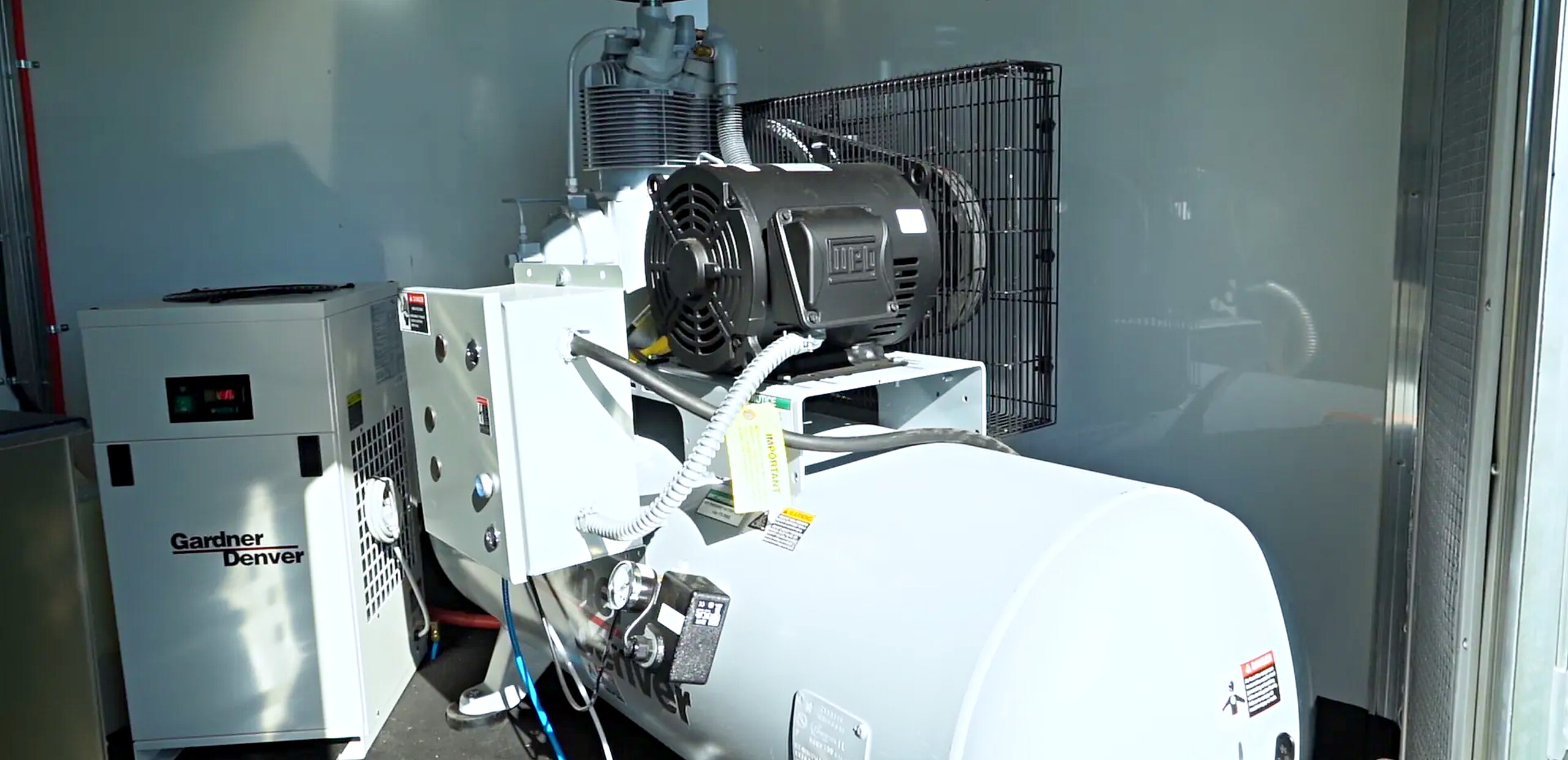
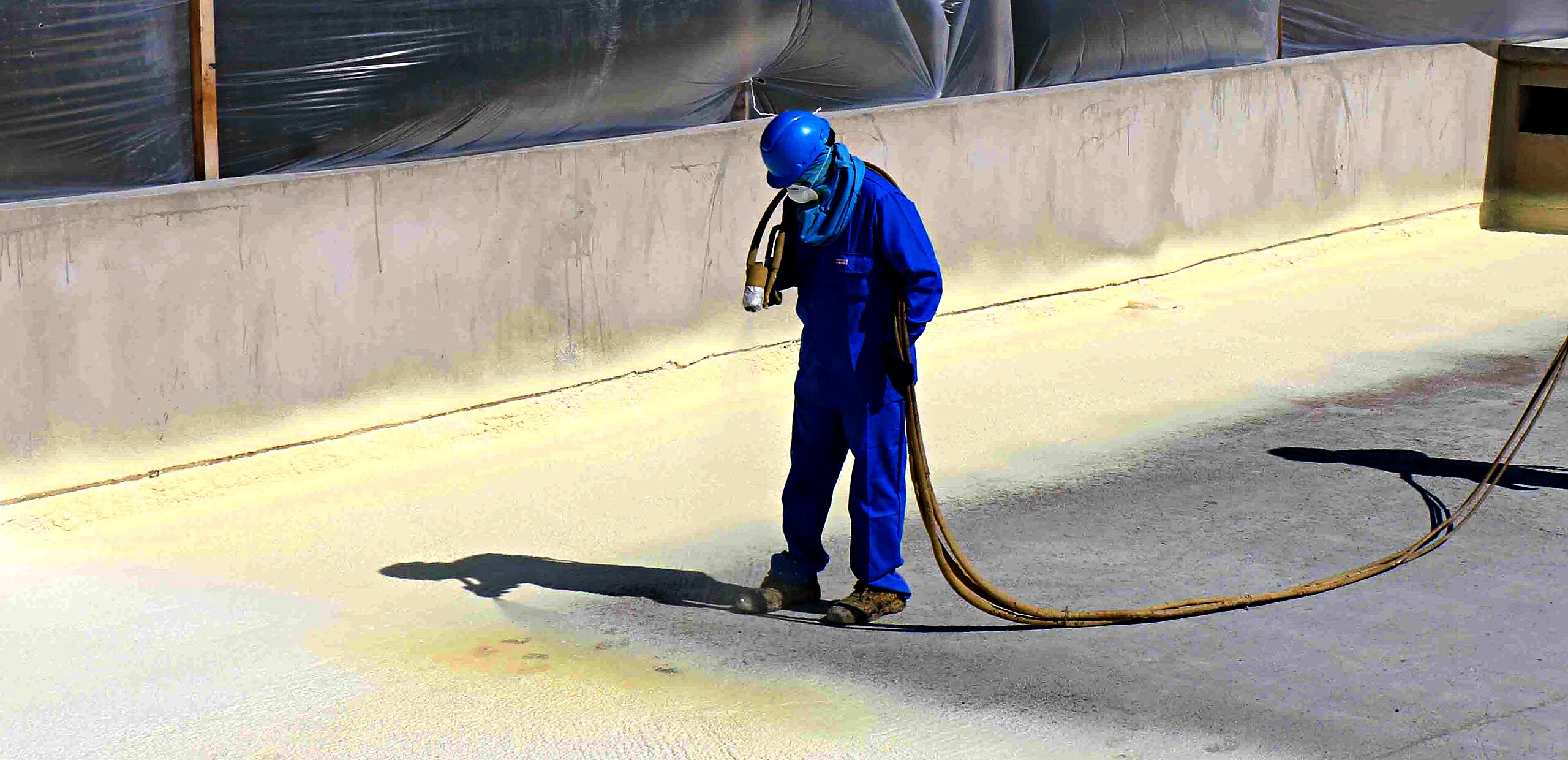
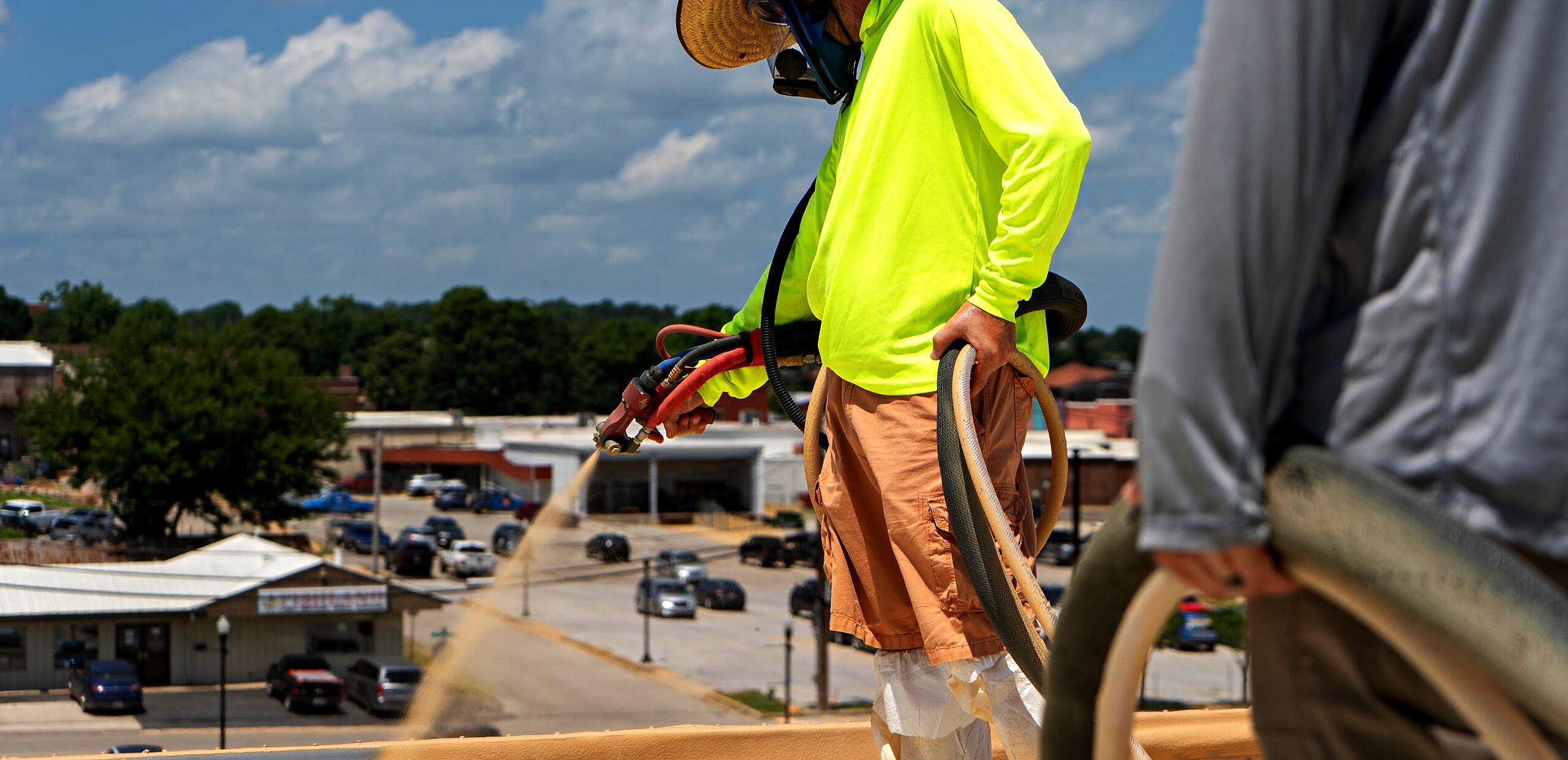
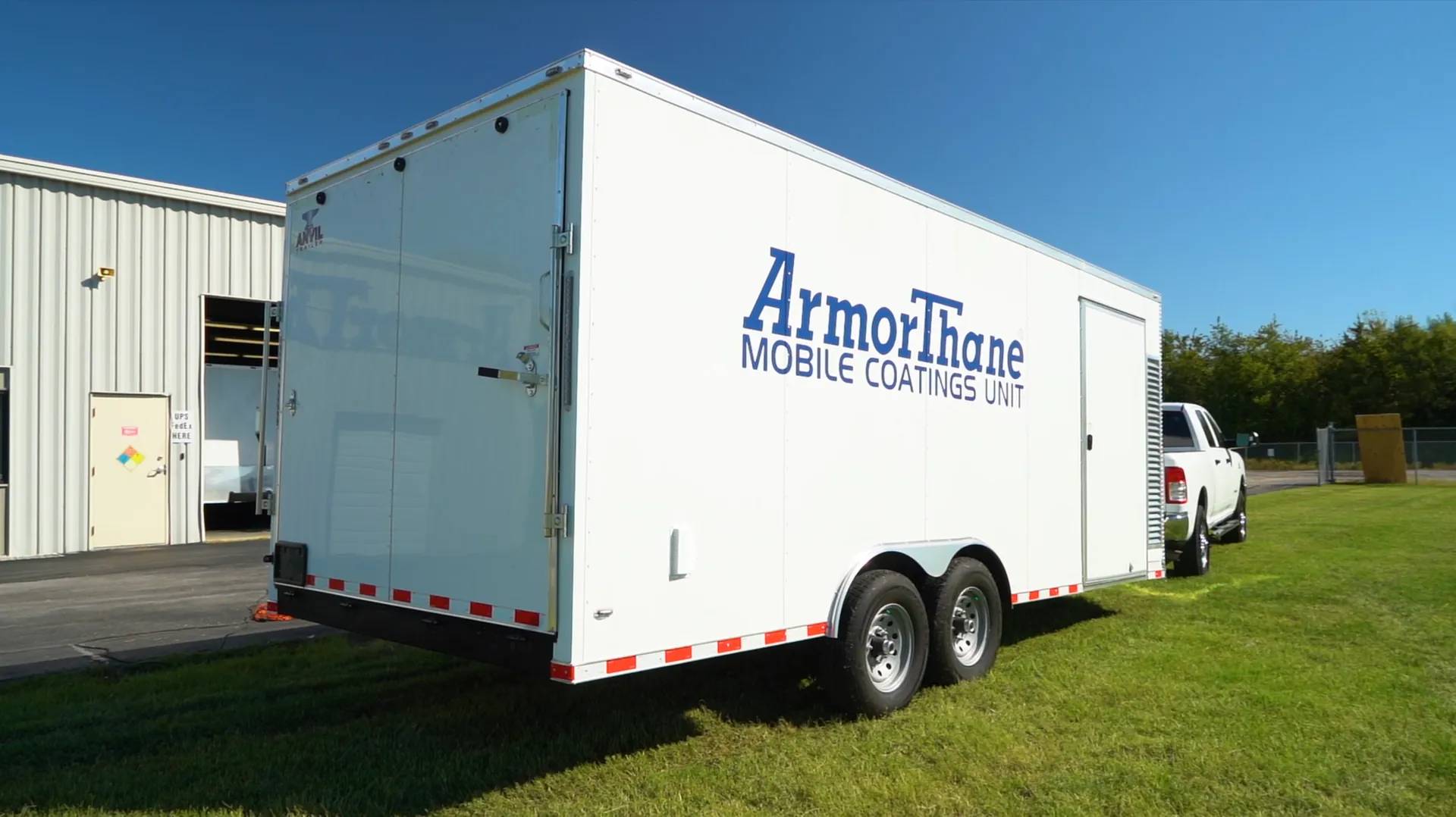
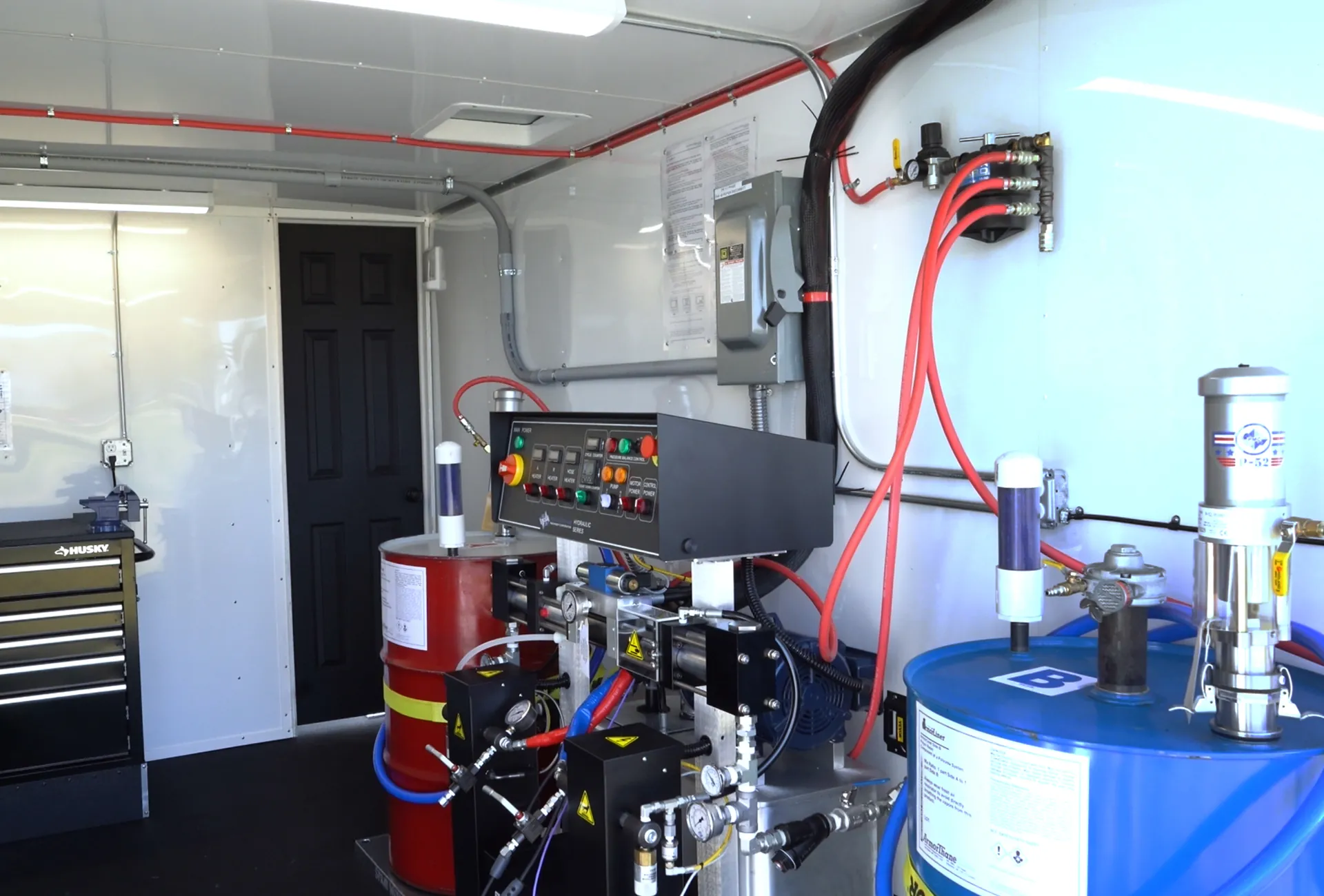
ArmorThane sets you up to do this work, and you own the business. We make the chemistry, build the rigs, train you hands-on and answer the phone when a job gets difficult. You pay no franchise fee and no royalties. It has been that way since 1989.
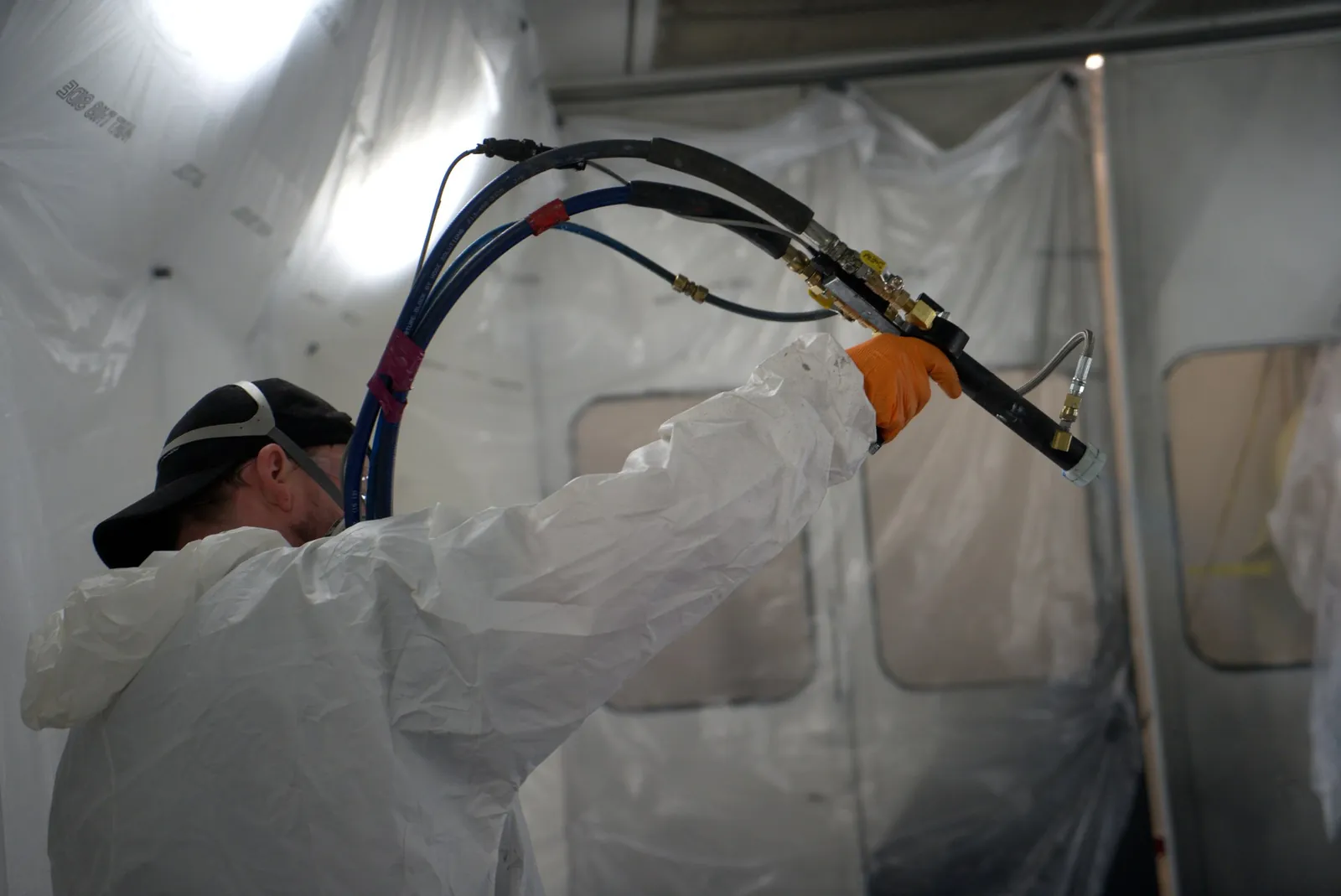
- $0
- franchise fees or royalties
- 35+
- years in business
- 50+
- countries with applicators
- 24/7
- technical support
What a cool roof coating saves depends less on the brand than on three numbers: how much sunlight your roof reflects today, how much the coating still reflects after three years of dirt, and how many months you run the air conditioner.
A cool roof coating is a white or light reflective roof coating that sends most sunlight back to the sky. Clean bright white reflects about 85% (0.85), falling to about 0.65 after three years. That keeps a roof more than 50°F cooler than a dark one and trims cooling costs about 7–15%. Hot climates save most; cold ones least. Estimate your savings or pick a coating.
This guide works from U.S. Department of Energy (DOE) guidance, Lawrence Berkeley National Laboratory (LBNL) studies, Cool Roof Rating Council (CRRC) ratings and code texts. ArmorThane has made polyurea and polyurethane coatings in Springfield, Missouri, since 1989, and our certified applicators spray white roof systems. We don't sell silicone roof coatings, and acrylic often wins on price, so we say when it's the better buy. For every coating family, see our roof coating guide.
- 1How a cool roof coating works
- 2What it saves, by climate
- 3Savings estimator (interactive)
- 4CRRC ratings and ENERGY STAR
- 5Title 24, IECC and city codes
- 6Acrylic, silicone or polyurea
- 7Coating selector (interactive)
- 8Dirt, aging and cleaning
- 9Metal, flat, mobile home and RV roofs
- 10What it costs
- 11Cool roof coating FAQ
How a cool roof coating works
A roof sheds sun heat two ways: it reflects sunlight before it's absorbed, and it radiates absorbed heat back out. A cool roof does both well. The DOE notes that ordinary roofs can pass 150°F on a summer afternoon, while a reflective roof "could stay more than 50°F (28 °C) cooler." "Cool roof coating" and "reflective roof coating" mean the same thing: a liquid-applied, usually white coating that raises those numbers.
How much sun bounces off
The fraction of sunlight reflected, 0 to 1. Most dark roofs reflect 5–20% and light-colored ones 55–90% (DOE). This is the number dirt pulls down.
How well it sheds heat
How efficiently the surface radiates heat, 0 to 1. Nonmetallic surfaces usually score 0.80–0.95. Bare metal reflects well but is a "poor thermal emitter."
Both in one score
The Solar Reflectance Index (ASTM E1980) puts clean black near 0 and clean white near 100; very reflective coatings top 100. CRRC notes it's calculated, not measured.
| Surface | Solar reflectance | Thermal emittance | Source |
|---|---|---|---|
| Most dark roofs | 0.05–0.20 | 0.80–0.95 if nonmetallic | DOE/LBNL |
| Standard gray roof | 0.20 | 0.90 | LBNL |
| Cool-pigment black metal | 0.25 | 0.83 | Interlock CRRC rating |
| Bare, unpainted metal | High | Low | DOE/LBNL |
| Clean bright white | 0.85 | High | LBNL |
| Same white after 3 years | 0.65 | High | LBNL |
How hot the roof runs
LBNL gives each roof's temperature above the outside air on a typical summer afternoon. The middle bar is why aged values matter more than the brochure number.
What a cool roof coating saves, by climate
A cool roof saves cooling energy in summer and costs a little heating energy in winter, because the roof stops soaking up free winter sun. The DOE says cool roofs save most in hot climates "but can increase energy costs in colder climates if the annual heating penalty exceeds the annual cooling savings." Here is what the studies found.
| Study | Buildings | What it found |
|---|---|---|
| Levinson and Akbari, LBNL (2010) | U.S. commercial, every state; aged gray 0.20 to aged white 0.55 | Cooling saved 3.30 kWh/m² (Alaska) to 7.69 (Arizona), 5.02 average; heating penalty 0.003–0.14 therm/m²; net savings in every state |
| Cool Roof Rating Council | General guidance | 7–15% of cooling costs; winter increase outweighed "for all but the most northern climate zones" |
| EPA (2026) | Homes | Peak cooling demand down 11–27%; without AC, peak indoor temperature down 2.2–5.9°F |
| DOE/LBNL measurements (2007) | California and Florida | Florida houses 10–43%, average 19%; commercial buildings 5–20% |
| PNNL Building America | Homes | HVAC savings about 6–12% in warmer zones; near zero or negative in zone 4C and colder |
| Hosseini and Akbari (2016) | Offices and stores in Anchorage, Milwaukee, Montreal, Toronto | Net savings in all four; snow roughly halved the Anchorage heating penalty |
Hot and warm climates
PNNL calls cool roofs "almost always beneficial" here, and LBNL's biggest savings came from the hottest states.
Mixed climates
Benefits shrink as heating grows. LBNL's U.S. averages (5.02 kWh saved, 0.065 therm lost per m²) fit here.
Cold climates, homes
PNNL expects near-zero or negative savings. Choose the coating for waterproofing and treat energy as a bonus.
Flat roofs on big buildings
Studies still found net savings in Minnesota, Toronto and Fargo, helped by weak winter sun and snow.
Why the winter penalty is usually small
Northern winter sunlight is only about 20–35% of summer's, so a dark roof has little winter heat to lose, and snow often covers it anyway. Insulation matters as much as climate: "a well-insulated roof will benefit less from a cool roof than a poorly insulated roof," says the DOE. A University of Wisconsin study cited by Sika found the Minneapolis cooling benefit fell from 26% with no roof insulation to 5% with R-24.
Cool roof savings estimator
The estimator scales LBNL's results to the change in aged reflectance you'll actually get, subtracts the winter heating penalty and shows how much cooler the roof runs.
What will a cool roof coating save me each year?
Based on Levinson and Akbari (LBNL, 2010). Default prices: EIA's 2026 residential electricity forecast (18.2¢/kWh) and 2025 residential gas (about $1.48 per therm).
2,000 sq ft, mixed climate (zones 3–4), reflectance 0.20 → 0.65 after aging. Cooling saved is worth about $218 a year at 18.2¢ per kWh. The winter penalty is about 15.5 therms of heat, or $23 with natural gas. At $2.00 per sq ft, energy alone repays the whole coating in about 20 years. If the roof needs coating anyway, count only the extra cost of white, which LBNL says is usually small. Basis: Levinson and Akbari (LBNL, 2010), scaled to your reflectance change, using the study’s U.S. averages.
Heat pumps are assumed to use half the electricity of resistance heat (DOE says up to 75% less). Insulation isn't modeled, so read the result as a range.
CRRC ratings and ENERGY STAR status
Ask for a Cool Roof Rating Council rating. CRRC tests reflectance and emittance when new, weathers samples for three years at test farms in Arizona, Ohio and Florida, and tests them again (methods in ANSI/CRRC S100, 2025 edition). CRRC reports numbers but sets no minimums: a listing "does not mean that the product is 'cool,' as defined by any particular code."
Four numbers on a CRRC rating
Initial and 3-year aged solar reflectance and thermal emittance, usually with SRI. One CRRC-rated white coating lists reflectance 0.89 new and 0.74 aged, emittance 0.88 and 0.87, and SRI 113 and 91.
- Compare products on the aged numbers
- Ask for the CRRC Product ID and look it up
ENERGY STAR roof products
"Effective on June 1, 2022, all roofing products that have received the ENERGY STAR designation will no longer be recognized." EPA's 2019 decision memo cited "robust standards in the commercial sector"; homes, it said, were better served regionally. Its old low-slope levels were 0.65 initial and 0.50 aged reflectance; steep-slope 0.25 and 0.15.
- An ENERGY STAR roof claim today is a leftover
- FEMP's federal purchasing guidance still cites the old level
Title 24, IECC and city cool roof codes
Re-roofing a commercial building, or coating a low-slope roof in a hot climate? A code may already require a cool roof. EPA counts mandatory requirements in at least 13 cities and counties and standards in 7 states.
| Code | Applies to | Aged reflectance and emittance | Or aged SRI |
|---|---|---|---|
| California Title 24 (2025) | Nonresidential low-slope, all zones, new and re-roof | 0.63 and 0.75 | 75 |
| California Title 24 (2025) | Single-family low-slope, zones 13 and 15 (re-roofs: 4 and 6–15) | 0.63 and 0.75 | 75 |
| California Title 24 (2025) | Single-family steep-slope, zones 10–15 | 0.20 and 0.75 | 16 |
| IECC 2024 (C402.4) | Commercial low-slope, zones 0–3 | 0.55 and 0.75 | 64 |
| Los Angeles Green Building Code | Nonresidential low-slope | 0.68 | 82 |
| New York City (2022) | Low-slope | 0.70 initial and 0.75 | 82 |
Title 24's extra rules for coatings
California speaks directly to liquid coatings. They must be CRRC-rated, go on "across the entire roof surface to meet the dry mil thickness or coverage recommended by the coating manufacturer," meet ASTM C836, D3468, D6083 or D6694, and stretch at least 200% at 73°F. Skimping on gallons there is a code problem, not just a warranty problem.
Without an aged rating, Title 24 estimates one: 0.2 + 0.65 × (initial − 0.2). A coating that starts at 0.85 is credited with only about 0.62, just under 0.63. A rated aged value often does better.
Acrylic, silicone or polyurea with a light topcoat?
Almost any roof coating can be made white. Chemistry decides how it handles standing water, foot traffic and dirt, and what can go over it later.
The low-cost white
Water-based elastomerics under ASTM D6083, which sets minimums such as 100% elongation and 200 psi tensile. Typically about 1 gallon per 100 sq ft per coat, two coats.
The ponding-water choice
Moisture-cure coatings under ASTM D6694. GacoFlex S42 is specified at 1.25–2.25 gal per 100 sq ft (18–34 dry mils) for 10- to 20-year warranties and withstands permanent ponding.
The tough film, topped white
Sprayed polyurea builds a thick, seamless membrane. Aromatic grades need an aliphatic topcoat for UV; aliphatic polyureas such as ArmorFlex UV are color-stable on their own.
| Property | Acrylic | Silicone | Sprayed polyurea |
|---|---|---|---|
| Ponding water | Poor | Excellent | Good |
| Foot traffic | Fair | Low; slick when wet | Best |
| Dirt pickup | Varies by product | Tends to attract dirt | Depends on topcoat |
| Installed cost | $0.50–$3.00/sq ft | $1.50–$4.50/sq ft | $3.00–$6.00/sq ft |
| What can recoat it | Acrylic or silicone | Silicone only | Polyurea |
Over a strong but UV-sensitive base, a light aliphatic polyurethane topcoat keeps the surface white; ArmorThane's UV ColorCoat goes on at about 1 gallon per 300 sq ft per coat, usually two coats. Our UV-resistant coatings guide explains aromatic versus aliphatic, the silicone roof coating guide covers thickness and recoat limits, and the elastomeric coating guide covers the whole family.
Cool coating selector and code check
Describe your roof. The selector suggests a chemistry, estimates gallons from published coverage rates and checks your product's aged reflectance against three codes. Shingles have their own rules; see our shingle roof coating guide.
Which cool coating fits my roof, and does it meet code?
Coverage from GacoFlex S42 specs, Dicor and ArmorThane data; code limits from CRRC summaries. Enter reflectance from the product's CRRC rating.
Best fit: Acrylic. Also consider: Silicone. Acrylic is the low-cost reflective coating for a smooth roof that drains well. Material for 2,000 sq ft, before waste: acrylic in two coats at about 1 gal per 100 sq ft each. Aged reflectance 0.65 from the product rating. IECC met, Title 24 met, Los Angeles not met on reflectance. Codes also accept an SRI path (64, 75, 82); Title 24 requires a CRRC rating and full film thickness. Roofs steeper than 2:12 have lower limits.
Dirt pickup, aging and cleaning
Every white roof gets darker as dust, soot, salts and organic growth settle on it. LBNL's rule of thumb is a bright white low-slope roof going from 0.85 to 0.65 in three years. DOE-funded tests on white single-ply membranes found losses of about 0.15–0.20 over 36 months, with the hot, humid Miami site soiling the most.
| Example | New | 3-year aged | Loss |
|---|---|---|---|
| Typical bright white (LBNL) | 0.85 | 0.65 | 0.20 |
| CRRC-rated white coating 1406-0001 | 0.89 | 0.74 | 0.15 |
| GacoFlex S42 silicone, as reported in our silicone guide | 0.87 | 0.81 | 0.06 |
| Title 24 estimate, unrated 0.85 coating | 0.85 | 0.62 | 0.23 |
Silicone tends to attract dirt, and makers answer with dirt-resistant formulas; Henry, for one, markets a Dirt Pick-Up Resistance silicone that "stays whiter and brighter longer." Because a CRRC aged value averages Arizona, Ohio and Florida, it may be optimistic on a shaded, humid Gulf Coast roof.
Cleaning works: the DOE says annual cleaning can restore up to 90% of initial reflectance, but energy savings alone don't justify the cost. Clean when you inspect or before a recoat, and check the roof maker's cleaning instructions first, "as some methods may damage your roof."
Metal, flat, mobile home and RV roofs
The DOE's test for any coating job: the roof should be "in good condition; has relatively few, easy-to-repair leaks; and has at least five years of expected service life." Each roof type then has its own catch.
Fix the emittance and the rust
Bare metal reflects well but emits poorly, so it "rarely" meets low-slope cool roof rules. A white coating fixes both once rust is treated and seams and fasteners are sealed. See our metal roof coatings guide.
Where codes and savings meet
Built-up, modified bitumen and foam roofs are what the low-slope cool roof codes target. Ponding decides the chemistry, and foam always needs a protective coating. See spray foam roofing and our flat roof repair guide.
A thin roof over living space
HomeGuide prices mobile home roof coating at $0.50–$4.50 per sq ft, or $250–$5,400 for a single-wide, and recommends elastomeric acrylic or liquid rubber. Our mobile home roof coating guide covers repairs, products and gallons.
Follow the membrane maker
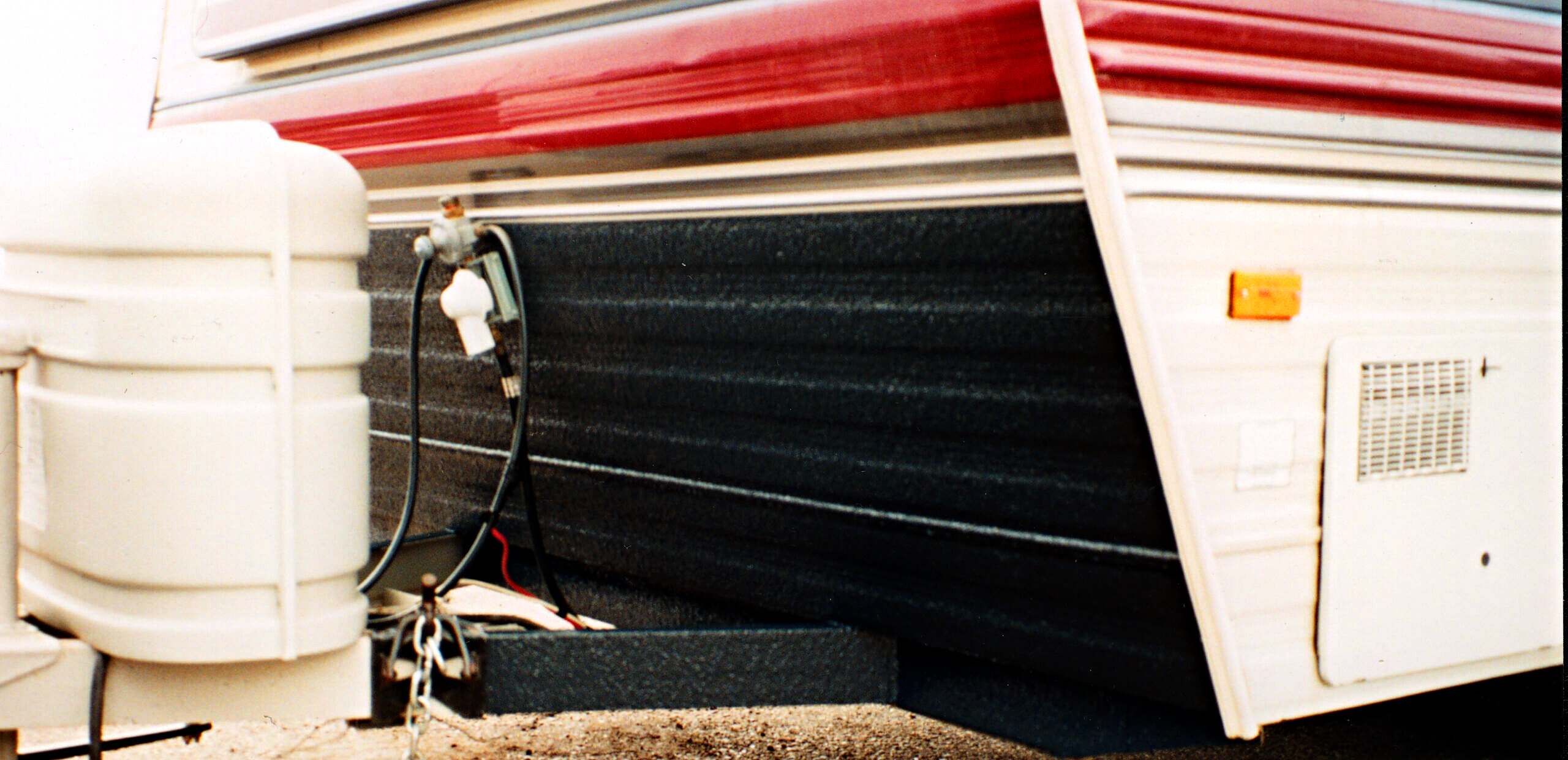
Alpha says its TPO RV roofs need no coating, and Dicor limits its acrylic systems to EPDM and PVC. Our RV roof coatings page explains the white sprayed polyurea option.
Shingles are the weak spot: PNNL puts aged SRI for asphalt shingles at about 20–35, and a Florida utility study found white shingles cut measured cooling only about 4%.
What a cool roof coating costs
Price the coating as a roof job first. LBNL says "the price of a cool roof is typically comparable to that of a standard (hot) roof of the same type," so if the roof needs a coating anyway, choosing white adds little.
| Source | What it covers | Per sq ft |
|---|---|---|
| HomeGuide (Apr. 2024) | Mobile home roof coating, installed | $0.50–$4.50 |
| HomeGuide (2024) and Angi (2026) | Silicone coating, installed | $1.50–$4.50 |
| DOE/LBNL (2010 dollars) | Cool coating over an existing smooth dark roof | $1.25–$2.40 |
| ArmorThane roof coating guide | Acrylic elastomeric | $1.50–$4.00 |
| ArmorThane roof coating guide | Sprayed polyurea | $3.00–$6.00 |
| ArmorThane roof coating guide | Full tear-off replacement | $8.00–$20.00 |
Energy alone rarely pays for the whole job quickly. DOE guidance puts cooling savings at $0.00–$0.13 per sq ft a year and heating penalties at $0.00–$0.03, and FEMP calls a cool roof cost-effective if it costs no more than $0.64 per sq ft extra (2020 dollars). The stronger case is putting off a tear-off and stopping leaks.
So price the roof work you need, then ask what the reflective version adds. Ask each contractor for the CRRC Product ID, the dry mil thickness and gallons per 100 sq ft, and whether repairs and primer are included. Ready? Request a quote from a certified applicator at the top of this page.
White polyurea roofs, sprayed by certified pros
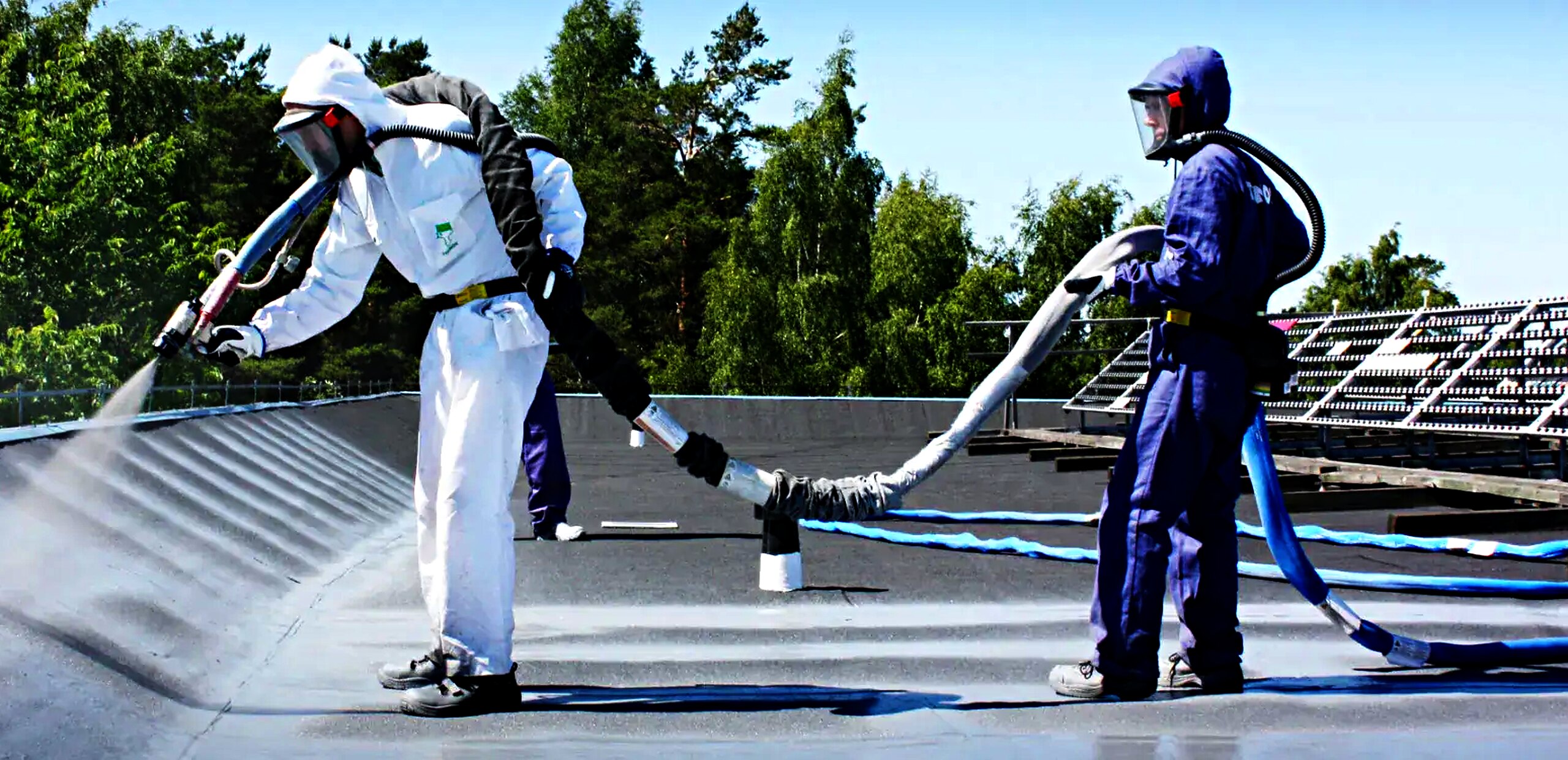
ArmorThane has manufactured polyurea and polyurethane coatings since 1989, and our certified applicators work in more than 50 countries. On roofs they repair and prime the surface, then spray a seamless membrane: ArmorFlex UV is an aliphatic polyurea "formulated to be color-stable," and aromatic systems get a UV-resistant topcoat.
If your roof drains well and just needs a reflective refresh, a good acrylic may be all you need. When it needs waterproofing, takes foot traffic or has failed coatings before, use the applicator finder. Not ready? Get new roof guides through the ArmorThane newsletter.

Coat roofs for a living, without a franchise.
Low-slope roofs need recoating, and owners want them sealed and reflective. ArmorThane supplies polyurea roof systems and trains your crew on-site or virtually, ending in certification. Turnkey systems start at $25,000 with equipment, training, first chemical, prep and safety gear, with third-party financing and a 24/7 tech line. No franchise fee, no royalty.
Cool roof coating FAQ
What is a cool roof coating?
A cool roof coating is a liquid-applied, usually white coating that raises a roof's solar reflectance while keeping thermal emittance high, so the roof absorbs less sun and sheds heat fast. Clean bright white reflects about 85% of sunlight; a standard gray roof about 20%. Acrylic, silicone and topcoated polyurea can all qualify.
Do cool roof coatings really save energy?
Yes, mostly in warm climates. The Cool Roof Rating Council puts average savings at 7–15% of cooling costs, and measured Florida houses saved 10–43%, averaging 19%. LBNL modeling found net savings for commercial buildings in every U.S. state. Well-insulated roofs save less than poorly insulated ones.
Is a cool roof coating worth it in a cold climate?
Sometimes. A cool roof loses some free winter heat, but northern winter sun is only about 20–35% of summer's, and snow often covers the roof. Commercial studies found net savings in Minnesota, Toronto and Anchorage. For homes in zone 4C and colder, PNNL expects near-zero or negative savings.
What is a good SRI for a cool roof?
For low-slope roofs, codes ask for an aged SRI of 64 (IECC 2024, zones 0–3), 75 (California Title 24) or 82 (Los Angeles and New York City). Clean black scores about 0 and clean white about 100; very reflective coatings exceed 100. Compare products on the 3-year aged value.
Is ENERGY STAR still rating roof coatings?
No. EPA ended the ENERGY STAR roof products program on June 1, 2022, saying commercial codes had surpassed it. Its old low-slope levels were 0.65 initial and 0.50 aged solar reflectance. Today, look up the product's Cool Roof Rating Council rating, which reports initial and 3-year aged values.
Which is better for a cool roof, acrylic or silicone?
Acrylic costs less, suits roofs that drain well and can later take acrylic or silicone. Silicone handles ponding water that degrades acrylic, but it tends to pick up dirt, gets slick when wet and can only be recoated with silicone. Both come in bright white, so choose on drainage, traffic and recoat plans.
Can polyurea be used as a cool roof coating?
Yes. Sprayed polyurea builds a thick, seamless membrane that takes foot traffic well. Aromatic polyurea is strong but less UV-stable, so it gets a white aliphatic topcoat; aliphatic polyureas such as ArmorThane's ArmorFlex UV are color-stable on their own. Ask for the white surface's CRRC rating.
How long does a reflective roof coating stay reflective?
It starts losing reflectance right away. LBNL's rule of thumb is bright white dropping from 0.85 to 0.65 in three years, and white membranes in DOE-funded tests lost about 0.15–0.20 over 36 months. Cleaning can restore up to 90% of initial reflectance, though energy savings alone rarely justify it.
How much does a cool roof coating cost?
Installed prices we found run about $0.50–$4.50 per square foot for mobile home roofs (HomeGuide, 2024), $1.50–$4.50 for silicone and $3.00–$6.00 for sprayed polyurea. The DOE put coating an existing smooth dark roof at $1.25–$2.40 in 2010 dollars. Choosing white over a standard color usually adds little.
Does a cool roof coating work on a metal roof?
Yes. Unpainted metal reflects sunlight well but has low thermal emittance, so it holds heat and rarely meets cool roof rules. A white coating raises both numbers. Treat rust, seal seams and fasteners, and use the primer the coating maker specifies before the reflective coat goes on.
Is a cool roof coating good for a mobile home?
Often, because a thin mobile home roof sits right over the living space. HomeGuide prices mobile home roof coating at $0.50–$4.50 per square foot, or $250–$5,400 for a single-wide, and recommends elastomeric acrylic or liquid rubber. Repair leaks, seams and rust first.
Does California require a cool roof?
For many roofs, yes. The 2025 California Energy Code, effective January 1, 2026, requires nonresidential low-slope roofs, including re-roofs, to reach 0.63 aged solar reflectance and 0.75 emittance, or an aged SRI of 75. Some home climate zones also require cool roofs, and products must be CRRC-rated.
Written from DOE, EPA, PNNL and Lawrence Berkeley National Laboratory research, Cool Roof Rating Council ratings and code summaries, manufacturer data sheets, dated cost guides and decades of making roof coatings. Reviewed September 27, 2026.
Methodology and sources
The estimator scales Levinson and Akbari's per-square-meter results linearly with your aged reflectance change. Hot uses Arizona's cooling figure and the study's lowest heating penalty; mixed uses U.S. averages; cold pairs Alaska's cooling figure with Minnesota's penalty. Roof temperatures are interpolated from LBNL's Q&A.
- DOE/LBNL, Guidelines for Selecting Cool Roofs (2010): PDF
- DOE Energy Saver, Cool Roofs; Heat Pump Systems: energy.gov
- LBNL, Cool Roof Q&A (2009): PDF
- Levinson and Akbari, Energy Efficiency (2010): springer.com
- Cool Roof Rating Council, rating program, owner guidance and code summaries (2025–2026): coolroofs.org
- Energy Code Ace, Title 24 roofing product rules (2025): energycodeace.com
- ENERGY STAR sunset memo (2019); Sheffield Metals (2022): sheffieldmetals.com
- EPA, Using Cool Roofs to Reduce Heat Islands (2026): epa.gov
- DOE FEMP, Cool Roof Products (2025): energy.gov
- PNNL, Cool Roofs and Walls to Reduce Heat Gain: basc.pnnl.gov
- DOE/LBNL, Cool Roofing Technologies (2007): PDF
- Hosseini and Akbari, Energy and Buildings (2016): sciencedirect.com
- Taylor and Hartwig, ASHRAE Transactions (2018): gaf.com
- Sika, The Heat Over Cool Roofs: PDF
- DOE BTO, Accelerated Aging of Roofing Materials (2013): energy.gov
- CRRC product rating 1406-0001 (2022): PDF
- Interlock Roofing, CRRC-rated products: interlockroofing.com
- IIBEC, ASTM D6083 explained (2001): iibec.org
- Henry, Pro-Grade 988 silicone: henry.com
- HomeGuide, Mobile Home Roof Replacement Cost (2024): homeguide.com
- Dicor, Signature RV Roof Coating: dicorproducts.com
- EIA, Short-Term Energy Outlook (Sep. 2026) and gas prices: eia.gov
- ArmorThane silicone, mobile home and roof coating guides; ArmorFlex UV and UV ColorCoat pages: armorthane.com

Want a roof that runs cooler and stays sealed? Get a quote from a certified applicator.
Tell us the roof type, the size and where the building is. We'll connect you with an ArmorThane-certified applicator who can repair, prime and coat it with a white reflective system that fits the roof.
- Flat, metal, foam, mobile home and RV roofs
- Seams, fasteners and leaks repaired before coating
- White sprayed polyurea with a UV-stable topcoat
- Contractors: ask about becoming an applicator
More to read on roofing
Short reads from ArmorThane on Issuu. Tap one to open it right here.