










Deck Joist Protection: Tape, Treatment & What Really Stops Rot
Why deck framing rots before the boards wear out, which protection layers matter, how much joist tape you need, and when a waterproof deck surface is the better answer.
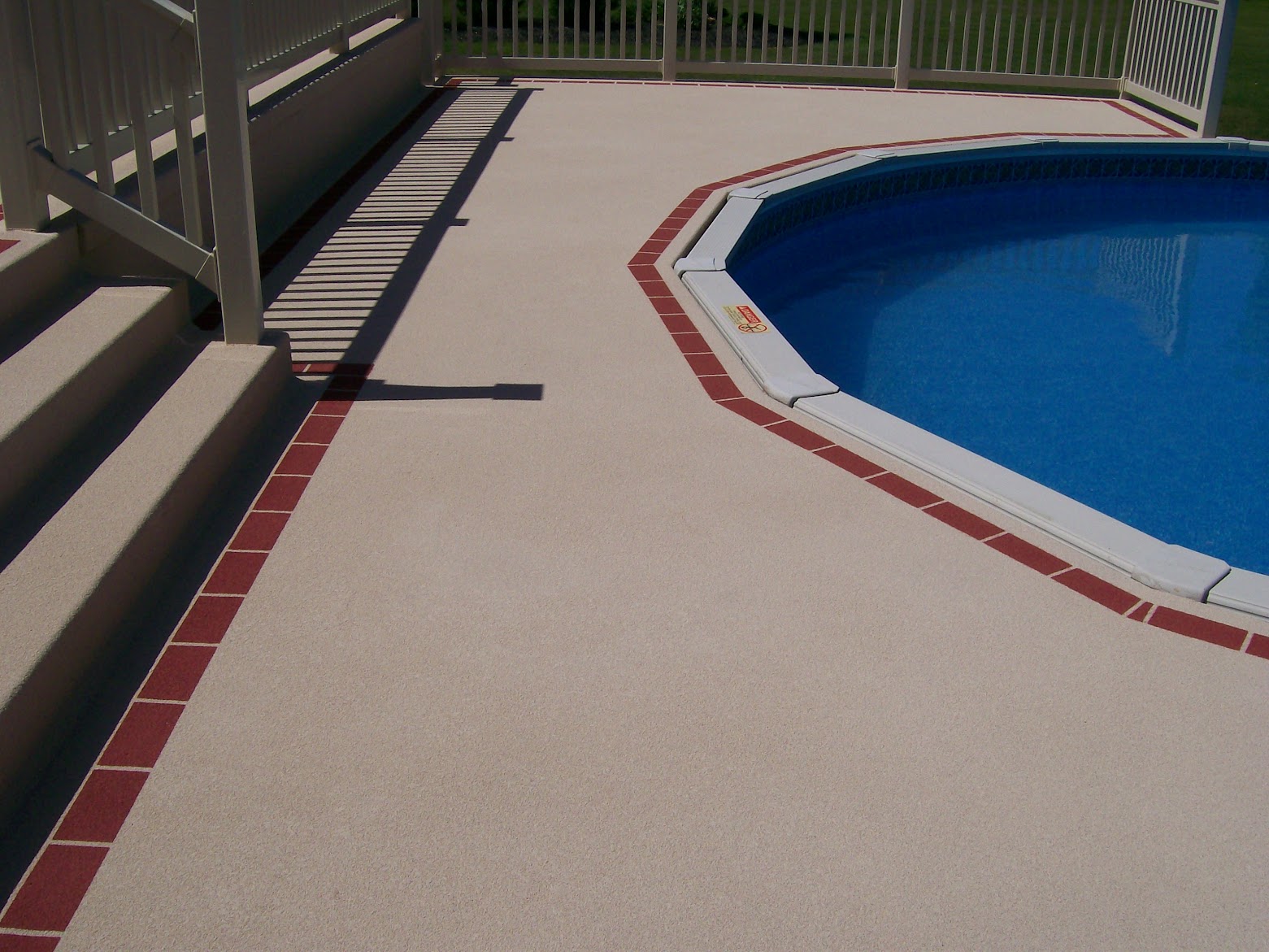
Start a deck and pool coating business
Coat decks and pools for a living.
ArmorThane sets you up to do this work, and you own the business. We make the chemistry, build the rigs, train you hands-on and answer the phone when a job gets difficult. You pay no franchise fee and no royalties. It has been that way since 1989.




- $0
- franchise fees or royalties
- 35+
- years in business
- 50+
- countries with applicators
- 24/7
- technical support
Deck joist protection is everything you do to keep the hidden framing of a deck dry enough that it never rots: the right grade of treated lumber, tape or flashing on the tops of joists and beams, preservative on every cut, fasteners that survive treated wood, and enough air underneath for the wood to dry out after rain. Composite decking boards can outlast the framing they sit on by a decade or more, and a deck is only as safe as its joists and ledger. We coat a lot of decks and wet structures, and this guide is what we tell people who are building or re-decking: what each layer of protection does, what it does not do, and two tools to rate your deck's rot risk and work out how much joist tape you need.
For a new or re-decked wood frame: use ground-contact (UC4A) treated lumber for joists, beams and ledgers, cover the top of every joist with butyl joist tape and every beam with wider beam tape, brush copper naphthenate onto every cut end and notch, use hot-dip galvanized (G185) or stainless connectors and screws, and keep the space underneath ventilated and clear of leaves. If you want the whole frame kept dry, a waterproof deck surface or under-deck drainage does more than tape can.
Why deck joists rot before the boards do
Pressure-treated lumber resists decay. It is not immune to it, and the top edge of a joist is the worst place on the whole deck. Every rain, water runs through the gaps between boards and lands on the joist tops, then sits in the joint under each board where sun and wind never reach. Every screw drives a path for that water into the center of the joist, below the shallow zone where preservative penetrated. Every cut end, notch and drilled hole exposes wood the treatment plant never reached.
Moisture is the switch. Oregon State University Extension puts the fiber saturation point of most wood at 25 to 30% moisture content and notes that wood below 20% is much less susceptible to fungi and insects. The same publication shows outdoor air at 90% relative humidity alone holds wood at about 20 to 21%. Add standing water on a joist top and you are well into the range where decay fungi thrive.
Trex, which makes a joist tape, says more than 90% of wood deck substructures start to split and rot around 8 to 10 years. Treat that as a manufacturer's figure, but it matches what deck builders and inspectors see: composite boards with a 25-year warranty sitting on framing that is soft at the screw holes in year twelve. Replacing a joist is not catastrophic, Fixr puts it at $150 to $350 each, but the ledger is a different story. NADRA says ledger separation from the house is behind the vast majority of deck collapses, and the ledger is the hardest board on the deck to inspect or replace.
Deck joist rot risk checker
Answer for your deck as it is, or as you plan to build it. The checker scores the conditions AWPA treats as high-hazard and returns the protection layers we would use.
How much deck joist protection do you need?
Points are our rule of thumb, weighted toward the AWPA 2016 hazard conditions (within 6 in of ground, poor airflow or drainage, leaf litter, frequent wetting) plus lumber grade, climate and salt exposure. 0 to 30 low, 31 to 60 moderate, over 60 high.
Deck joist protection methods compared
No single product protects a deck frame. Each layer handles a different way water gets in, which is why the best-built decks use several. The protection rating is our own 1 to 5 judgment of how much each method extends frame life on its own. Click a header to sort.
| Method | Stops water on joist tops | Seals screw holes | Works on an existing deck | Our protection rating (1–5) |
|---|---|---|---|---|
| Butyl joist and beam tape | Yes | Yes, self-seals around screws | Only when boards are off | 4 |
| Asphalt (bitumen) joist tape | Yes | Partly | Only when boards are off | 3 |
| Liquid-applied joist coating | Yes, if film is continuous | Depends on product | Only when boards are off | 3 |
| Ground-contact (UC4A) lumber | No | No | New framing only | 4 |
| Copper naphthenate on cuts | No | No | Yes, on any exposed cut | 2 |
| G185 or stainless fasteners | No | No | When replacing hardware | 3, protects the connections |
| Waterproof deck surface or under-deck drainage | Yes, water never reaches the frame | Yes | Usually a rebuild of the surface | 5 |
| Steel or aluminum framing | No rot possible | Not applicable | New framing only | 5, at higher material cost |
Butyl or asphalt joist tape?
Both are self-adhering membranes. Butyl tape stays flexible across a wide temperature range, sticks well to treated lumber that is a little damp, and seals tightly around a screw shank. Asphalt-based tapes cost less and work, but they can soften and creep in summer heat and stiffen in cold, and they are not meant to stay exposed to sun. Retailer The Ultimate Deck Shop rates butyl at -20°F to 150°F; check the specific product you buy, because installation temperatures differ. Trex asks for days warmer than 40°F with dry conditions.
The fastener problem tape does not solve
Copper-based preservatives in modern treated lumber are corrosive to plain steel. Simpson Strong-Tie calls stainless steel the most effective solution to corrosion risk, with its heavier G185 ZMAX galvanizing as the step up from standard galvanized hardware. It also points out that a barrier membrane does not protect fasteners driven through it into the wood. Tape protects the wood; it does not excuse cheap hangers.
Joist tape calculator: how many rolls?
Enter your deck size and framing layout. The calculator counts joists at your spacing, adds the beams and the rim and ledger, and allows 10% for laps, cuts and waste.
Deck joist tape and beam tape estimator
Joists = (deck length x 12 / spacing) + 1, each as long as the deck projection. Doubled joists and beams take wide beam tape. Rim and ledger use rim-width tape. Roll length is your choice (common joist rolls are 50 or 65 ft). Price defaults to DecksDirect's $25.50 regular price for a 1-5/8 in x 50 ft Trex Protect roll; enter your own.
How to install joist tape so it actually protects
Tape that is stretched, bridged over a cupped joist or applied to wet, dirty wood can trap more water than it sheds. These are the steps we would follow on our own deck.
Start with dry, clean framing
Treated lumber often arrives wet. Let it surface-dry, sweep off sawdust and dirt, and check the manufacturer's minimum installation temperature before you start.
Treat every cut first
Brush copper naphthenate onto cut ends, notches and bored holes before tape goes on. The American Wood Council notes AWPA M4 specifies a product with 2% copper for exterior field treatment.
Tape joists, wider tape on beams
Center joist tape on each joist and press it down with a roller. Use beam tape on doubled joists, beams and anywhere two boards meet, and lap it over the top edge so water drips off rather than wicking in.
Overlap butt joints and the ledger
Where joists or beams splice, run tape continuously across the joint. On the ledger, tape works with the house flashing, it does not replace it. The ledger flashing detail should shed water outward over the tape.
Do not leave it in the sun
Install decking within the time window the tape maker allows. Most membranes are designed to be covered, not exposed for a season.
Fasten through the tape with the right screws
Use deck screws rated for treated lumber and hidden fastener systems approved by your decking maker. Butyl closes around the shank; that is most of its value.
Want the frame to stay dry for good?
A seamless, slip-resistant waterproof deck surface keeps water off the joists completely and turns the space below into usable dry space. Our certified applicators install them on plywood and concrete decks, balconies and walkways.
Contractors: add deck coatings to your business →
Deck joist protection that keeps the whole frame dry
Tape protects the top of the joist. Rot also starts at the sides and bottoms of framing that never dries, at posts that sit in water, and at the ledger. The cheapest protection is airflow and drainage, and the most complete is keeping water off the frame altogether.
Let it breathe
Low decks and decks with solid skirting dry slowly. Leave vented skirting, keep soil, mulch and leaves away from the framing, and do not store firewood underneath. AWPA's hazard list includes poor air circulation and leaf litter for a reason.
Get posts off the ground
Set posts on post bases on concrete rather than burying them where possible, and use ground-contact rated posts where they must be buried. A post base that holds water against end grain undoes the benefit.
Under-deck drainage systems
Gutter-style membranes or panels under the joists catch water that falls through the boards and route it to a gutter. They make the space below usable and keep the bottoms of joists dry, but the joist tops still need tape.
A walkable waterproof deck
On a plywood or concrete deck, a seamless liquid-applied membrane with a slip-resistant topcoat keeps every drop off the structure. This is the work our applicators do; see our deck waterproofing guide and the ArmorDeck system.
Where we are not the answer
We get asked whether we can spray polyurea directly over the joists of a board deck. On most decks we would not. Wood that is wet when it gets encapsulated, or that wets from a side you did not coat, rots behind the coating where you cannot see it. Purpose-made joist tape is designed for this job, is cheap, and lets the sides of the joist dry. Coatings belong on the walking surface of a deck that is designed to be waterproof, on concrete, and on steel framing that needs corrosion protection (see corrosion prevention coatings). For more on wood deck surfaces, our article on wood deck coatings covers the options.
Inspect what you cannot see
- Probe with an awl at joist tops, around hangers and along the ledger. Soft wood that the point sinks into easily is decayed.
- Look at the hardware. Rust streaks or flaking zinc on hangers and lag screws mean the connections need attention before the wood does.
- Check the ledger flashing. Water stains on the rim of the house or on the ledger face mean water is getting behind it.
- Get help for older decks. NADRA advises a professional inspection for decks with soft wood at the ledger, badly rusted hardware, posts touching the ground or loose railings.
Deck joist protection questions
Is joist tape worth it on pressure-treated lumber?
On a deck you expect to last 20 years or more, yes. Treatment does not reach the center of the joist where screws go, and the top edge stays wet under every board. Tape costs little compared with re-framing; Fixr puts a single joist replacement at $150 to $350.
Can joist tape trap moisture and cause rot?
It can if it goes on wet wood, is wrapped down the sides tightly so the joist cannot dry, or bridges a cupped joist and holds a pocket of water. Apply it to dry, clean framing, cover the top and only lap slightly over the edges, and keep airflow under the deck.
Should deck joists be ground-contact treated?
Under AWPA's 2016 revision, lumber that is difficult to maintain or replace and critical to safety, which includes joists, beams and ledgers, should be ground-contact (UC4A) treated, as should framing within 6 inches of the ground or that stays wet. Check the end tag on the lumber.
Do I need to treat cut ends of treated lumber?
Yes. Cuts, notches and holes expose untreated wood. The American Wood Council says AWPA recommends copper naphthenate or oxine copper for exterior field treatment, and the copper naphthenate in AWPA M4 contains 2% copper.
Can I add joist tape to an existing deck?
Only by removing the deck boards, which makes re-decking the natural time to do it. Check the framing while it is exposed: replace soft joists and corroded hangers before taping, because tape does not stop rot that has already started.
Which fasteners should I use with treated lumber?
Use connectors and screws rated for treated lumber. Simpson Strong-Tie calls stainless steel the most effective solution to corrosion risk and offers G185 ZMAX galvanizing as a heavier alternative to standard galvanized. Near salt water, pools or hot tubs, we would use stainless.
Can I spray a coating on deck joists instead of tape?
Liquid joist coatings exist and can work if the film is continuous and the wood is dry. We would not spray polyurea over the joists of a board deck because wood sealed while damp can rot unseen. Put waterproof coatings on a solid deck surface instead.
Related guides: deck waterproofing, plaza deck waterproofing, boat deck paint and coatings and jon boat floors.
Sources
- NADRA and Decksforlife, Deck Safety Month 2026: news.bestbusinessnewspaper.com
- Oregon State University Extension, wood and moisture relationships (EM 8600): extension.oregonstate.edu
- American Wood Council, treating cut ends of treated wood: awc.org
- YellaWood, AWPA 2016 compliance summary: yellawood.com
- Simpson Strong-Tie, pressure-treated wood with barrier membranes: strongtie.com
- Trex Protect, what does joist tape do: trexprotect.com
- DecksDirect, Trex Protect tape sizes and price: decksdirect.com
- The Ultimate Deck Shop, joist tape on pressure-treated lumber: tuds.ca
- Fixr, deck repair cost: fixr.com
Decks built to stay dry, installed by certified pros.
Homeowners get a certified ArmorThane applicator for waterproof, slip-resistant deck surfaces that keep water off the framing. Contractors can add deck coatings with no franchise fee and no royalties.
Start your coatings business with ArmorThane.
Tell us what you want to spray and where you are. An ArmorThane specialist will walk you through the equipment, chemicals, training and startup cost for the work you want to do.
- Equipment package matched to your applications
- Hands-on training and applicator certification
- Technical support once you are spraying
Tired of rebuilding the deck? Keep the frame dry.
Tell us about the deck: size, surface (plywood, concrete or boards), what is underneath, and any leaks or soft spots. We will connect you with a certified ArmorThane applicator for a waterproof deck surface.
- Deck size and height
- Current surface and age
- Living space or storage below?
- Leaks, soft spots or rot
More in Floors & concrete
 Floors & concreteGarage Floor Coating Near Me
 Floors & concreteGarage Floor Paint: Best Types, Prep, Cure Times & Cost
 Floors & concreteGarage Floor Tiles
 Floors & concreteGarage Insulation
 Floors & concreteGrow Room Floor Coatings
 Floors & concreteHorse Stall Flooring
 Floors & concreteHow to Remove Paint from Concrete: Methods, Tools & Safety
 Floors & concreteIndustrial Flooring