


Boat Deck Paint: Nonskid Options That Actually Hold Up
One-part nonskid, textured roll-ons, two-part systems, EVA foam and sprayed polyurea compared, with the prep that decides how long any of them last.
Start a marine coating business
Coat boats and docks for a living.
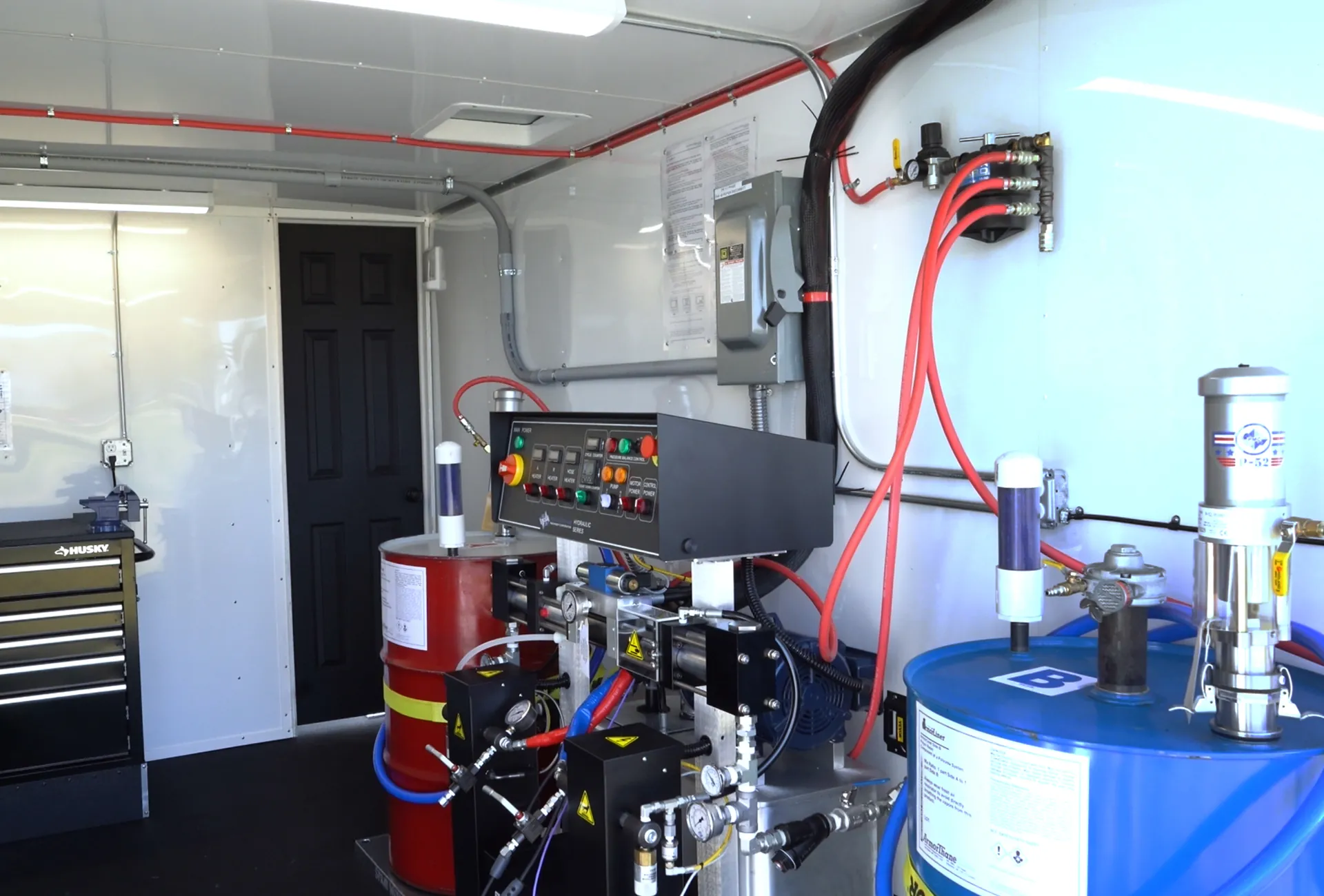
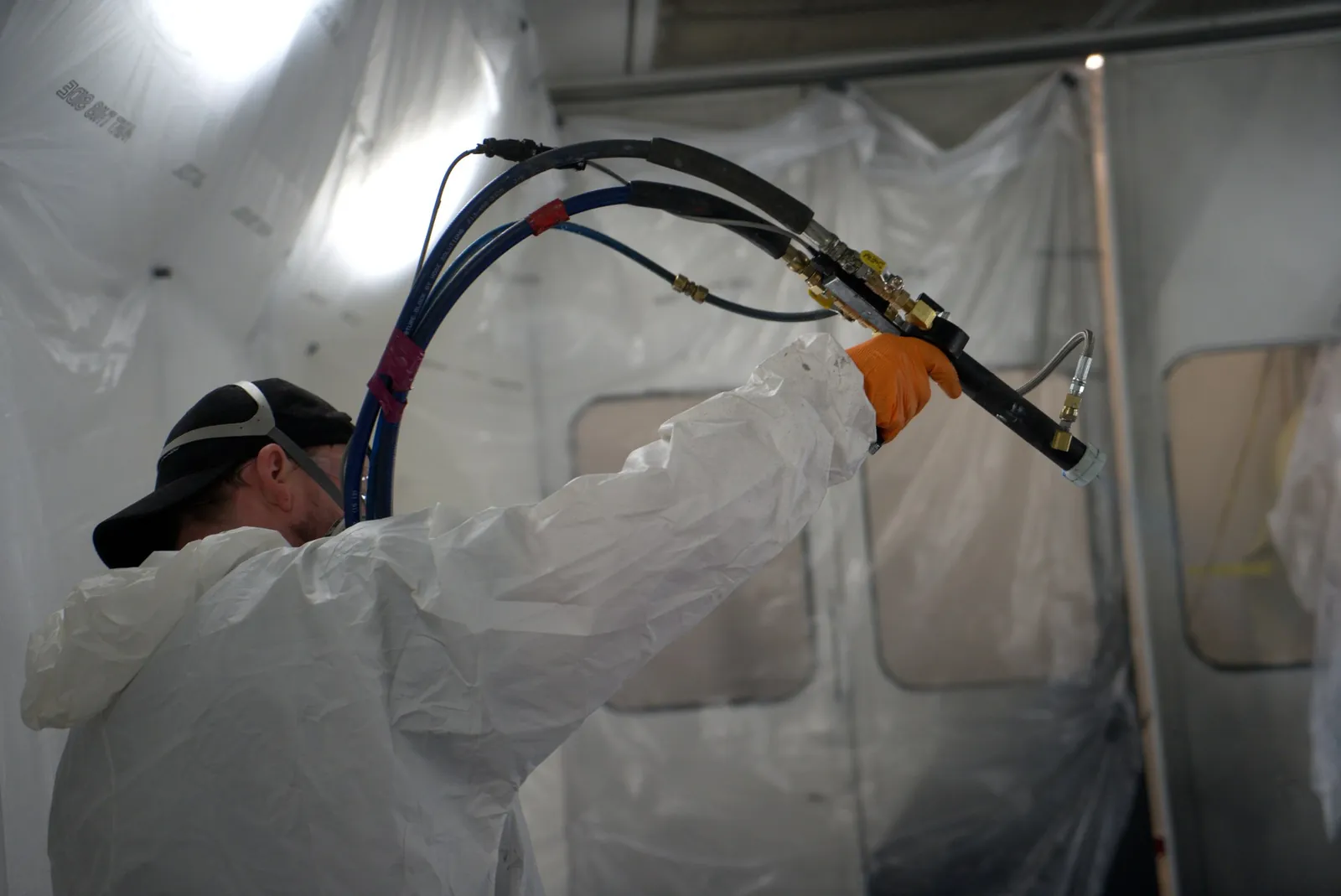
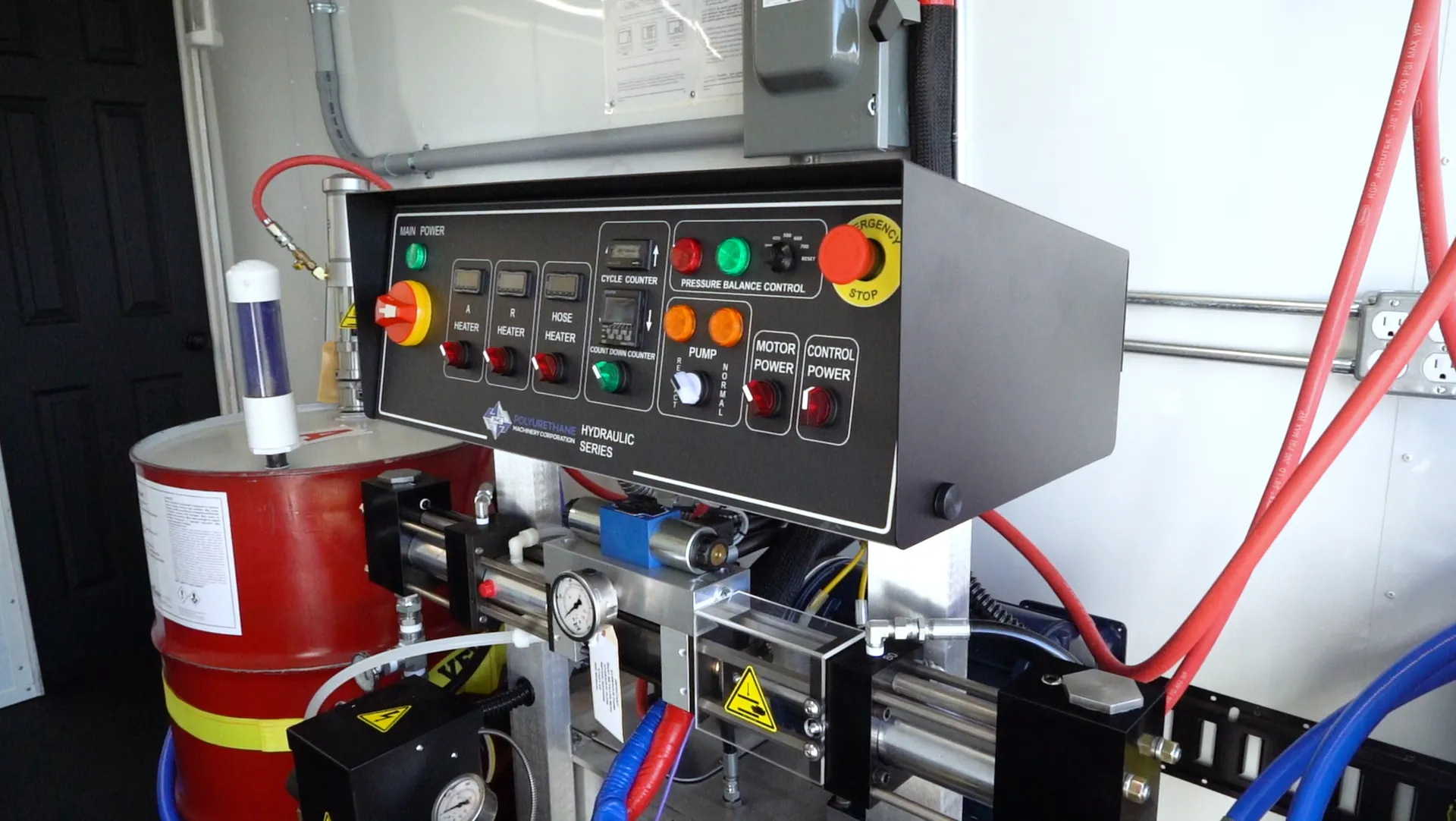
ArmorThane sets you up to do this work, and you own the business. We make the chemistry, build the rigs, train you hands-on and answer the phone when a job gets difficult. You pay no franchise fee and no royalties. It has been that way since 1989.
- $0
- franchise fees or royalties
- 35+
- years in business
- 50+
- countries with applicators
- 24/7
- technical support
Boat deck paint has one job that matters more than color: keeping your feet under you when the deck is wet, tilted and covered in spray, fish slime or sunscreen. Most boat owners start looking when the molded-in nonskid on a fiberglass deck has worn smooth, or when an aluminum or plywood floor needs a surface that grips and cleans up. We manufacture spray polyurea that our applicators put on workboat and pontoon decks, and we also know when a quart of nonskid paint and a roller is the right call. This guide compares the main options, explains the prep that decides how long any of them last, and gives you two tools: one picks a deck system for your boat and one works out how much paint to buy.
For a recreational fiberglass deck with worn nonskid, a one-part polyurethane nonskid deck paint rolled on in two coats over a de-waxed, sanded surface is the simplest fix. Use a textured roll-on coating when you want aggressive grip and can live with a rougher feel, EVA foam pads where people go barefoot, and a sprayed polyurea with aggregate on workboats, fishing decks and aluminum or plywood floors that take real abuse. Fix any soft or wet core before you coat anything.
Why boat decks get slippery
Fiberglass boats leave the mold with a nonskid pattern pressed into the gelcoat. Years of sun, foot traffic and scrubbing round off the peaks, and oxidized gelcoat turns chalky and slick when wet. Aluminum floors are smooth from the start, and painted plywood floors on older jon boats and pontoons lose their texture as the paint wears. Add water, fish slime or sunscreen and the grip is gone.
That matters more than it sounds. The Coast Guard's 2024 recreational boating statistics, as summarized by AMSEA, recorded 556 deaths, identified falling overboard as the most deadly initiating event, and found four out of five deaths happened on vessels shorter than 21 feet. Small boats move a lot under your feet. A deck surface that grips wet is cheap insurance.
Deck paint is not only about grip. A coating also protects the substrate: it seals weathered gelcoat, keeps water out of plywood, and covers aluminum that would otherwise get hot and slick. But it cannot fix what is underneath. If the deck flexes, sounds dull when you tap it, or has cracks radiating from fittings, there is likely water in the core. Paint over that and you have a nice-looking deck that keeps rotting.
Which boat deck coating fits your boat?
Pick your deck material, how the boat is used and what matters most. The selector scores five common deck systems and ranks them for your situation.
Boat deck system selector
Each system has our 1 to 5 ratings for grip, barefoot comfort, cleaning, cost, looks, durability and DIY ease. Your answers change the weights: your top priority counts triple, work and fishing use weight durability and cleaning, DIY weights ease of application. Ratings are ArmorThane's judgment from field experience.
Boat deck paint and nonskid options compared
Figures come from each maker's data sheet or listing. Coverage is per coat; Interdeck's metric figure is converted to square feet per US quart. Click a header to sort.
| System | Type | Coverage (sq ft per quart) | Min. application temp (°F) | Walk-on or recoat | Listed price |
|---|---|---|---|---|---|
| TotalBoat TotalTread | One-part polyurethane with round Propyltex beads | 80 to 100 | 50 (50 to 90) | Tack-free 3 h, recoat 12 h at 70°F | $51.99 qt, $129.99 gal |
| Interlux Interdeck | One-part polyurethane nonskid, low sheen | About 103 practical (10.08 m²/L) | 50 product, 41 air and surface | Walk on after 1 day at 95°F to 4 days at 41°F | Varies by retailer |
| KiwiGrip | Textured roll-on coating, adjustable peaks | About 19 (20 per liter) | 40 (40 to 95) | See maker's drying sheet | From $62.99 |
| Awlgrip topcoat with Griptex | Two-part polyurethane with polymer bead aggregate | Per topcoat; 8 to 10 oz beads per gallon | Per topcoat data sheet | Per topcoat data sheet | Varies; usually pro-applied |
| SeaDek and other EVA foam pads | Closed-cell PE/EVA foam, 5 to 13 mm, peel and stick | Custom cut | 60 for adhesive | Walk on at once | Quoted per project |
| Sprayed polyurea with aggregate | Plural-component spray, broadcast or mixed aggregate, applicator-installed | Spec'd by film thickness | Per data sheet | Fast set; ask your applicator | Quoted per project |
How to read the trade-offs
One-part polyurethane nonskid is the default for good reason: it rolls on like paint, comes in deck colors, and the beads or grit are already mixed in. The film is thin, about 2 mils dry per coat for Interdeck, so it restores grip and looks but does not add much protection. Textured roll-on coatings build a thicker, peaked surface you can make as aggressive as you like, at the cost of coverage: KiwiGrip covers about 20 square feet per liter versus roughly 100 per quart for thin paints. Two-part polyurethane with grit is what boatyards use for a factory-looking finish, but the mixing and spraying are less forgiving. Griptex's own sheet warns never to use the beads in an airless gun.
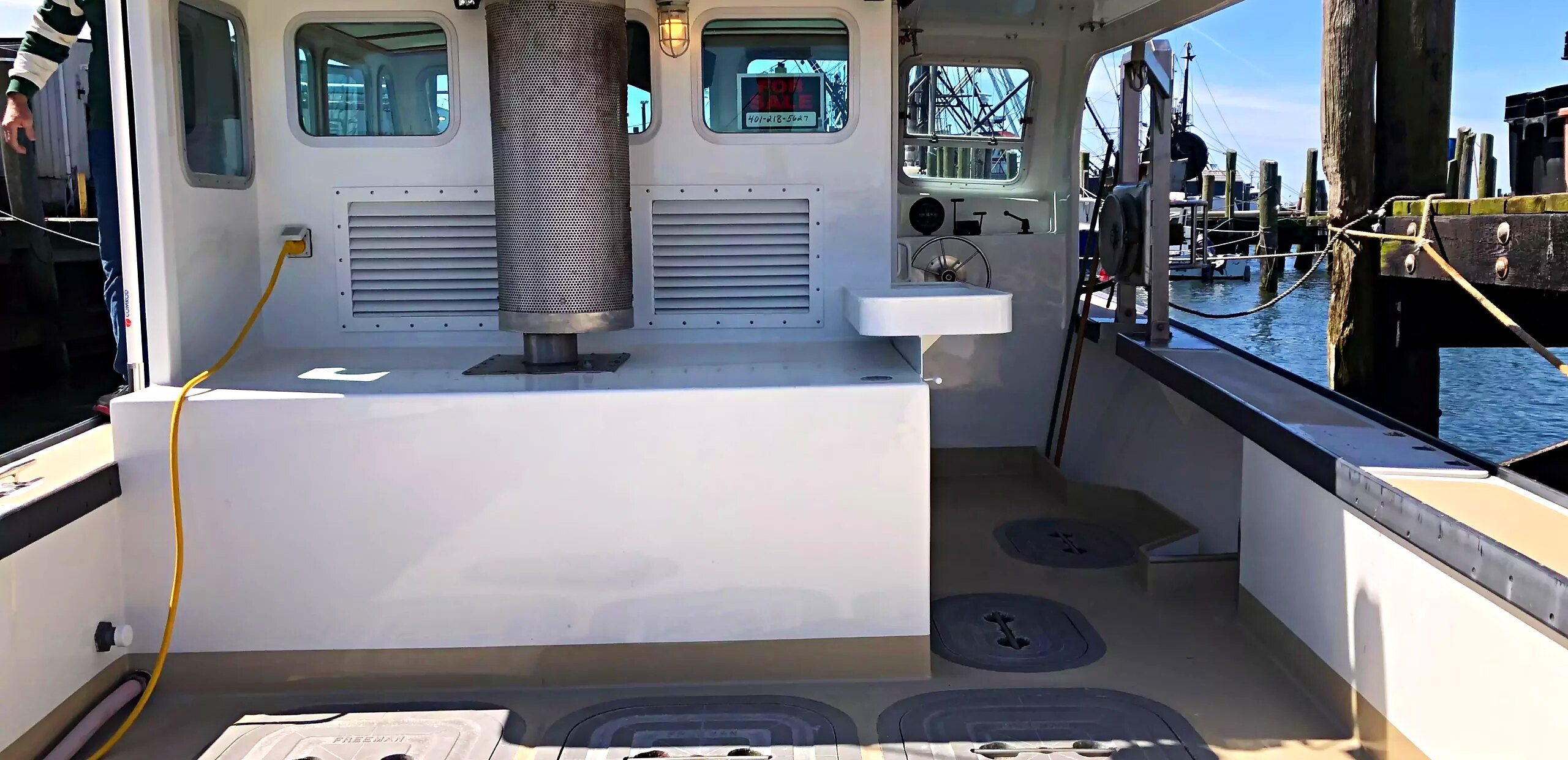
EVA foam is the most comfortable under bare feet, but it is a pad on top of the deck, not a coating, and the seller we cite puts its life at 5 to 7 years in harsh conditions. Sprayed polyurea is the heaviest-duty option: thick, seamless, impact resistant and built with aggregate for grip. It is overkill for a cruising sailboat and exactly right for a lobster boat.
How much boat deck paint do you need?
Measure each nonskid area you plan to coat. Most decks leave smooth margins around hatches, cleats and edges unpainted or in a smooth topside paint, so subtract a share for those.
Boat deck paint quantity and cost
Area x coats / coverage. Coverage per quart: TotalTread 90 (midpoint of 80 to 100), Interdeck 103 practical, KiwiGrip 20 per liter as a single textured application. TotalTread cost uses listed prices ($51.99 qt, $129.99 gal) and buys a gallon whenever three or more quarts would cost more.
How to paint a boat deck so it lasts
Every failure we see on painted decks comes back to the same three things: wax left on the gelcoat, the wrong sanding grit, or painting outside the temperature window. The maker's data sheet rules, but the sequence is the same for every one-part nonskid.
Wash, then de-wax
Scrub with a boat soap, rinse and let dry, then wipe with a dewaxing solvent using clean rags, turning them often. KiwiGrip says a de-waxing agent is required if the surface has been waxed within five years. Sanding before de-waxing drives the wax into the scratches.
Sand to the right grit
Interlux calls for 180 to 220 grit on gelcoat and 220 to 320 on sound old paint; TotalBoat specifies 220 or 320. Sand until every glossy spot is dull, vacuum, and wipe again with solvent.
Prime where the data sheet says to
Bare wood and metal need primer. Interlux lists Pre-Kote Plus for fiberglass, wood and metal, or Interprotect 2000E on metal; TotalBoat lists its Topside Primer for bare wood and TotalProtect or its aluminum barrier coat for metals.
Mask the smooth margins
Use a fine-line tape to mask hatches, fittings and the smooth border around each nonskid panel. Crisp margins are what make a painted deck look factory-made.
Watch temperature and humidity
TotalTread wants 50 to 90°F and humidity below 85 to 90%; Interdeck wants the product at 50°F or warmer and the air and deck at 41°F or above. Do not paint in direct midday sun on a dark deck or late enough that dew lands on wet paint.
Roll two thin coats
Stir the grit back into suspension, roll in one direction, and keep a wet edge panel to panel. TotalBoat says one coat covers but recommends two for the best combination of grip and durability. Respect the overcoat window: 12 hours at 70°F for TotalTread.
Pull the tape and wait
Pull masking while the last coat is still soft. Then stay off it: Interdeck's walk-on time runs from 1 day at 95°F to 4 days at 41°F.
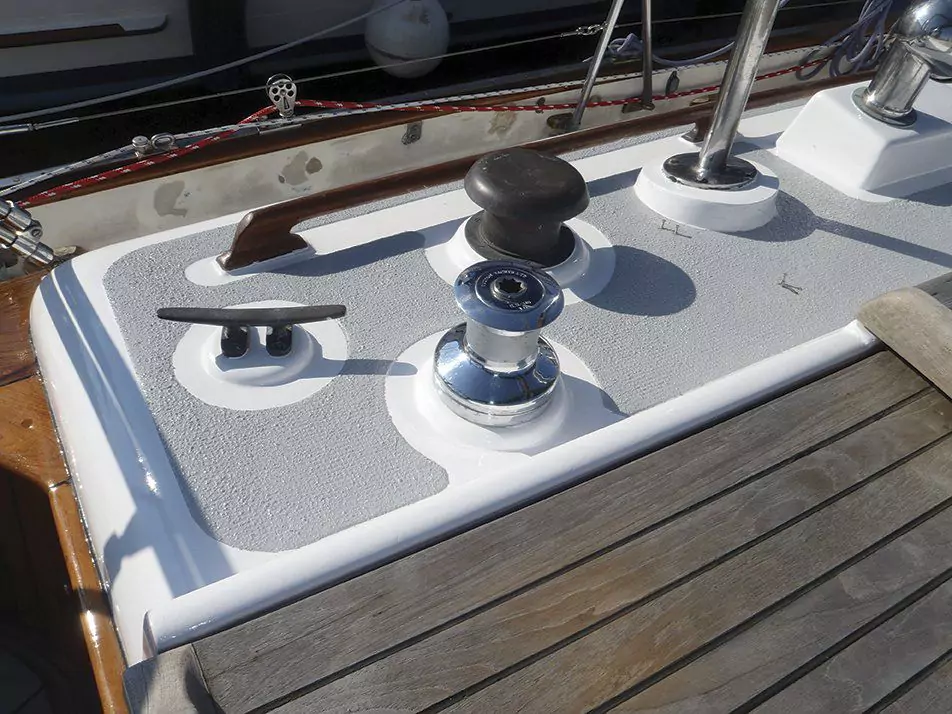
Need a deck that takes a beating? Spray it.
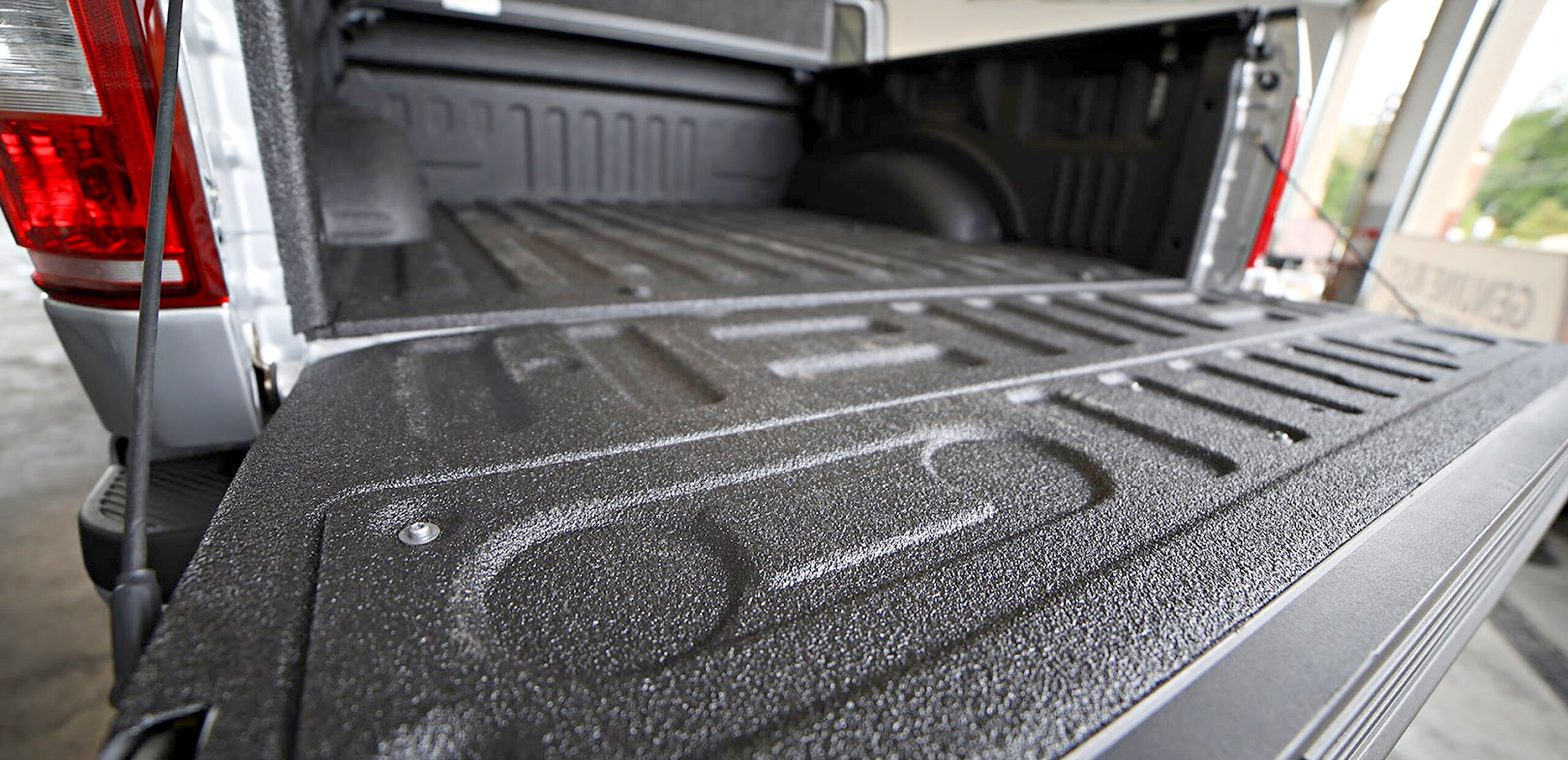
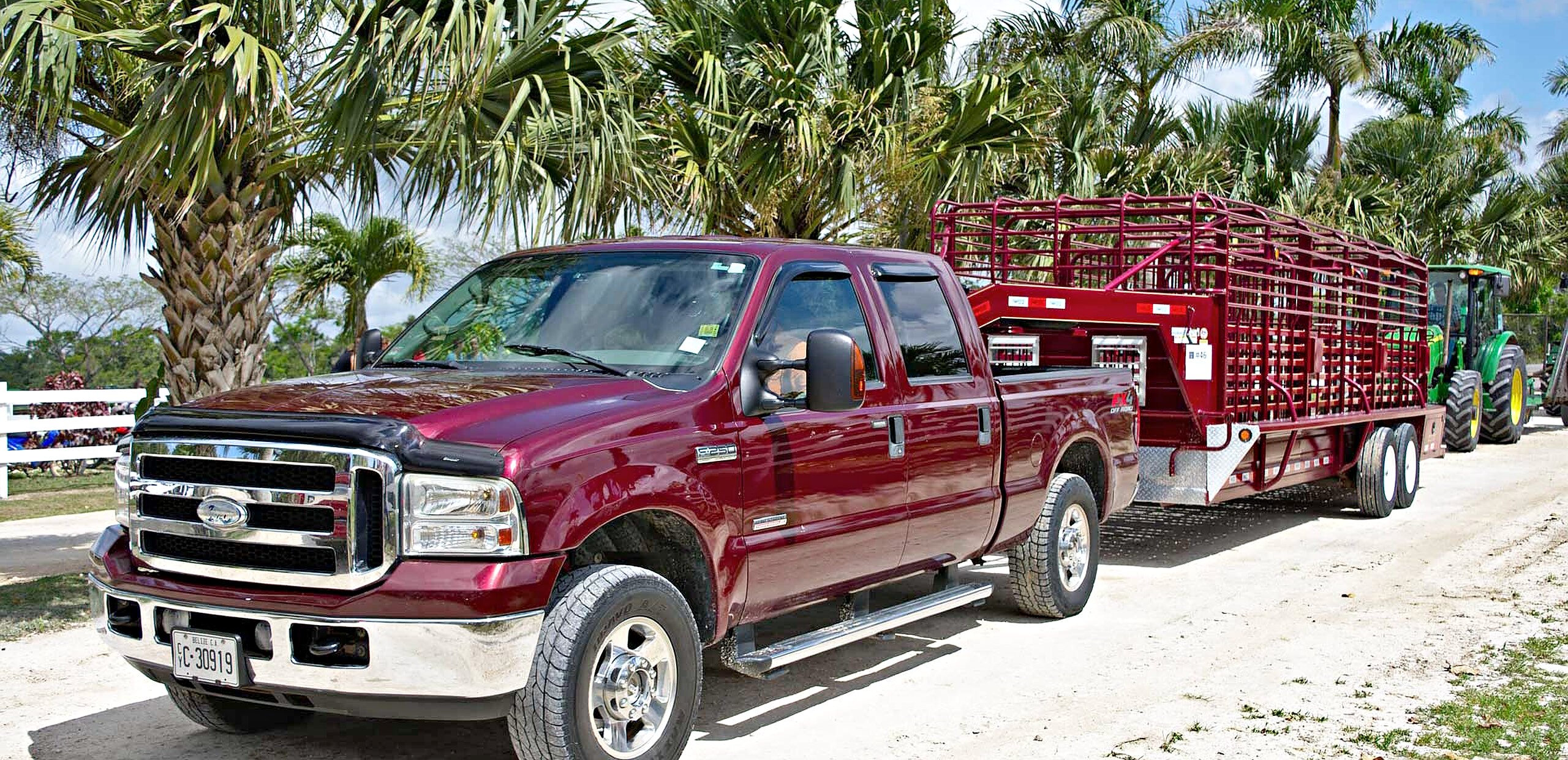
Lobster boats, charter decks, aluminum fishing boats and pontoon floors get a seamless, slip-resistant polyurea surface from our certified applicators, built thick and textured for wet, heavy use.
Boat dealers and contractors: add marine coatings →
When sprayed polyurea beats boat deck paint
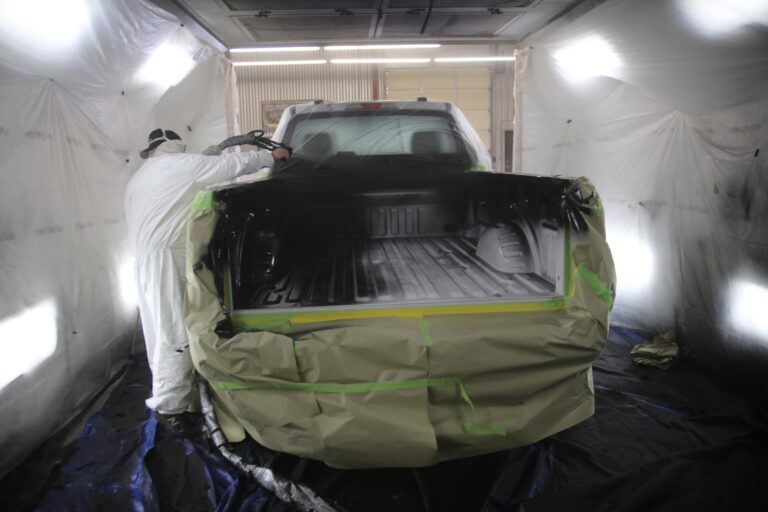
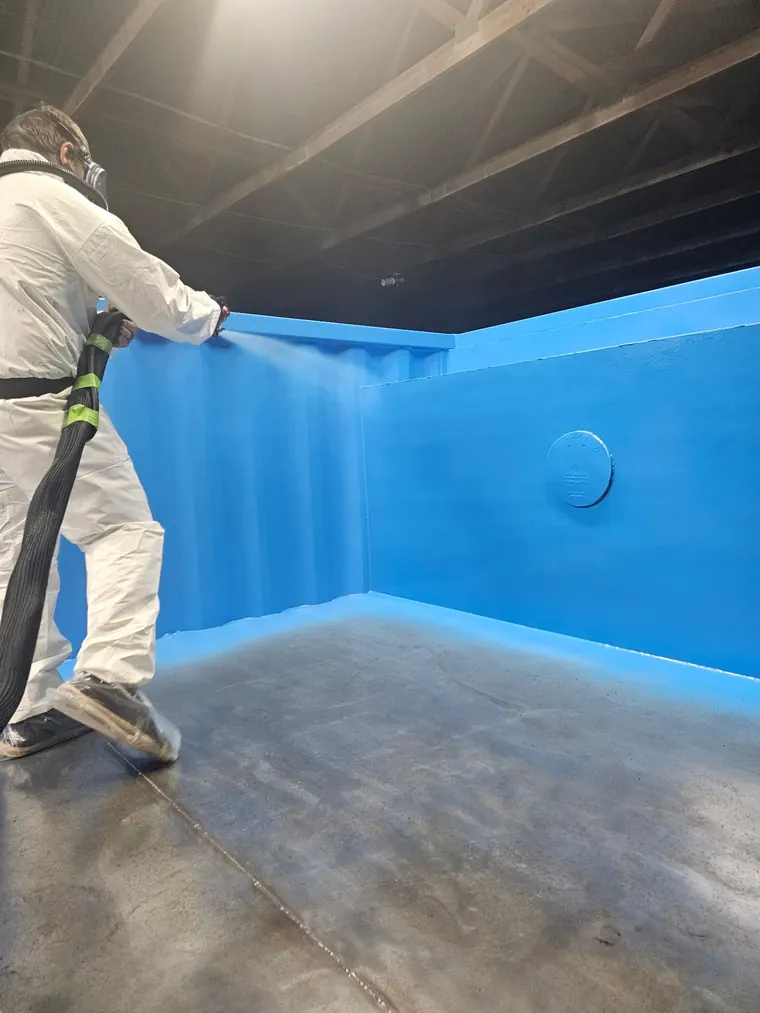
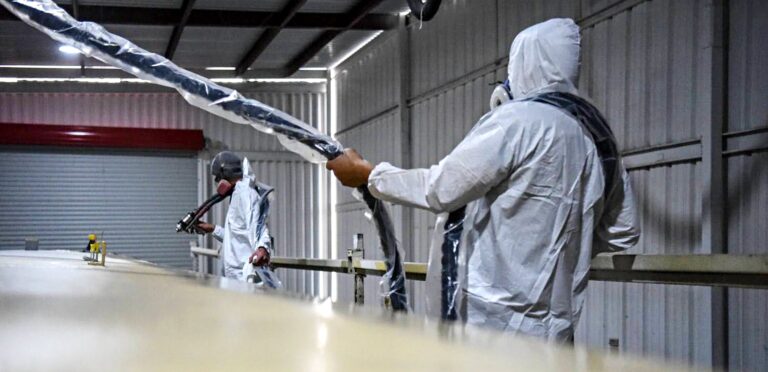
Paint is a thin film. On a deck that sees steel-toed boots, dragged traps, dropped tackle boxes, fish totes and pressure washing every day, a thin film wears through in a season. That is where our applicators spray polyurea: a thick, seamless, flexible membrane with texturing aggregate built in for grip, applied with plural-component equipment and set fast enough to get a working boat back on the water quickly.
Commercial and workboat decks
Lobster, crab and charter boats where impact and abrasion destroy paint. See our lobster boat deck coatings article and marine coatings.
Aluminum fishing boats and pontoons
Aluminum floors are slick and loud; polyurea adds grip and deadens noise. Pontoon owners should read our pontoon boat flooring guide first.
Plywood floors and casting decks
Once the wood is sound and dry, a sealed, textured surface keeps water out of the plywood for good. Slip-resistant products such as SureGrip and texturing aggregate set the grip level.
Cruising sailboats and show-quality decks
Weight, looks and a factory-style molded pattern matter more here, and the deck does not take workboat abuse. A one-part nonskid paint or a boatyard two-part system is the better choice.
Two cautions apply to any coating, ours included. A coating cannot fix wet or delaminated core, so that repair comes first. And aromatic polyureas yellow in sunlight, so exposed decks get a UV-stable aliphatic topcoat such as our UV TopCoat to keep color. Ask your applicator which system they spec for a deck in full sun.
Boat deck paint questions
What is the best boat deck paint?
For most recreational fiberglass decks, a one-part polyurethane nonskid deck paint is the best balance of grip, looks and ease. Choose a textured roll-on for more grip, EVA foam for barefoot comfort, and sprayed polyurea for workboats and fishing decks that take heavy abuse.
How much nonskid deck paint do I need?
Thin one-part nonskids cover roughly 80 to 100 square feet per quart per coat (TotalBoat) and Interdeck about 103 practical. With two coats, a 100 square foot deck needs about 2 quarts. Textured coatings like KiwiGrip cover about 20 square feet per liter.
Can I paint over the molded nonskid on my boat?
Yes. Clean and de-wax it, sand it dull with the grit the paint maker specifies, prime if required, and roll the nonskid paint on. The old pattern adds texture underneath. Fill any cracks and fix soft spots first.
How long does boat deck paint take to dry?
It depends on temperature. TotalTread is tack-free in about 3 hours at 70°F and can be recoated after 12 hours. Interlux lists a walk-on time for Interdeck from 1 day at 95°F to 4 days at 41°F. Allow extra time in cool, damp weather.
Can I use deck paint on an aluminum boat?
Yes, with the right primer. Bare aluminum needs a primer approved by the paint maker; TotalBoat lists its TotalProtect or aluminum boat barrier coat, and Interlux lists Pre-Kote Plus or Interprotect 2000E. On a working aluminum floor, a sprayed polyurea is the more durable option.
Is sand in paint good enough for boat deck nonskid?
Sharp silica grips well but is hard on knees, hands and clothing, and it is hard to clean. Purpose-made aggregates like polymer beads are rounder and easier on skin; TotalBoat says its round beads are less abrasive than silica but more abrasion resistant.
How long does a painted boat deck last?
Thin paints wear fastest where feet land and gear drags, so plan on touch-ups in high-traffic spots. Prep and film thickness decide lifespan more than brand. EVA foam lasts about 5 to 7 years in harsh use according to the seller we cite, and thick polyurea systems hold up longest on working decks.
Related guides: jon boat floor options, pontoon boat flooring, deck joist protection and fuel tank liners.
Sources
- AMSEA, 2024 USCG recreational boating statistics: amsea.org
- U.S. Coast Guard, 2024 Recreational Boating Statistics: uscgboating.org
- TotalBoat, TotalTread instruction sheet and TDS: support.totalboat.com
- TotalBoat, TotalTread product page: totalboat.com
- AkzoNobel, Interlux Interdeck data sheet: specialtycoatings.brand.akzonobel.com
- Boat Outfitters, KiwiGrip non-skid coating: boatoutfitters.com
- Awlgrip, Griptex product data sheet: agl-marine.com
- USA Tuff, SeaDek FAQ: usatuff.com
Start your coatings business with ArmorThane.
Tell us what you want to spray and where you are. An ArmorThane specialist will walk you through the equipment, chemicals, training and startup cost for the work you want to do.
- Equipment package matched to your applications
- Hands-on training and applicator certification
- Technical support once you are spraying
Working deck worn out? Spray it once, properly.
Tell us about the boat: length, deck material, how it is used and what you want fixed. We will connect you with a certified ArmorThane applicator for a sprayed, slip-resistant deck.
- Boat type and length
- Deck material and condition
- Work, fishing or pleasure
- Where the boat is kept