

Food Grade Coating: What the Label Really Means
Which rule covers tank linings, drinking water, floors and walls, the extraction tests behind a compliance letter, and the documents your auditor will ask to see.
Start a protective coatings business
Spray protective coatings for a living.
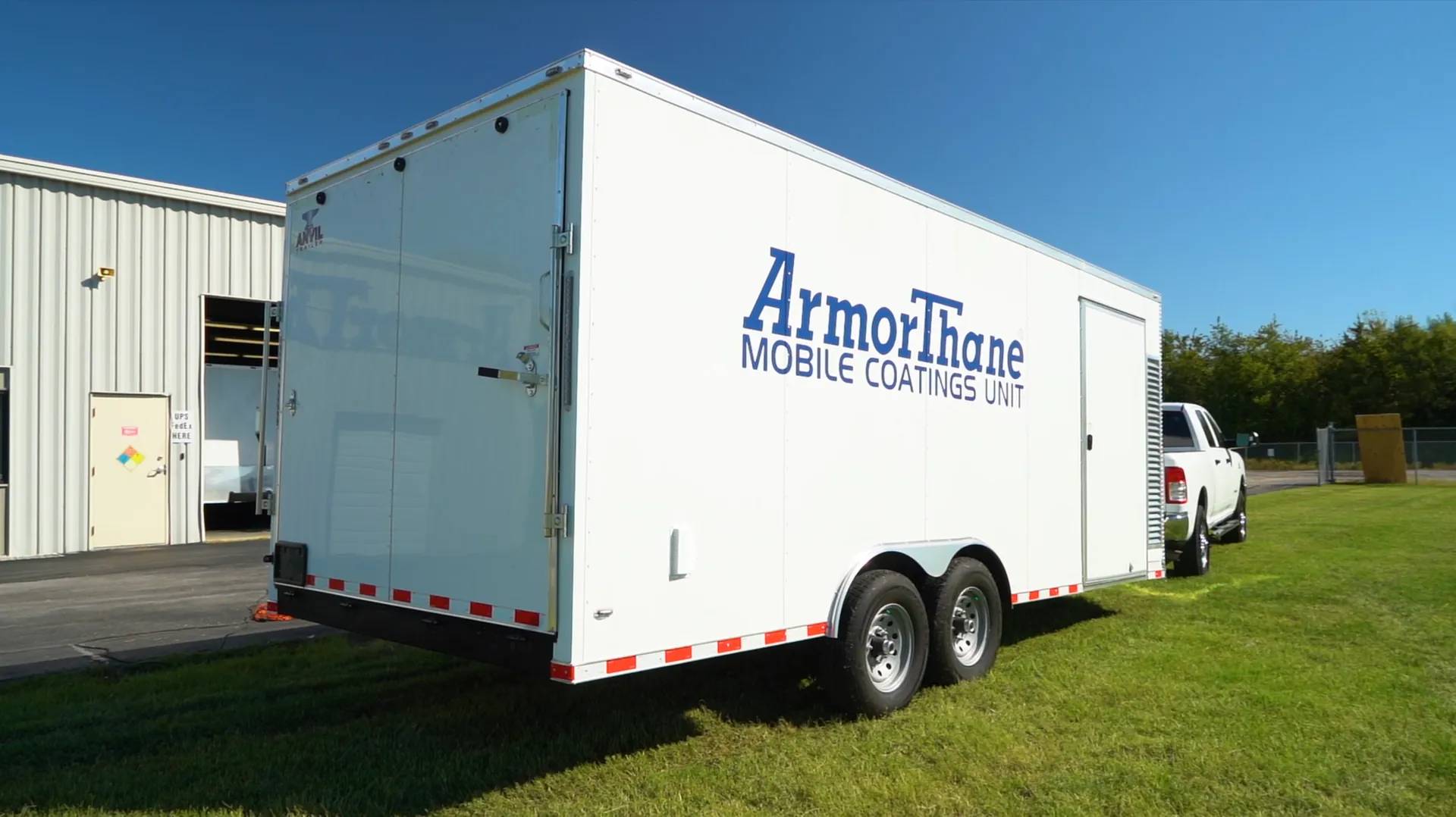
ArmorThane sets you up to do this work, and you own the business. We make the chemistry, build the rigs, train you hands-on and answer the phone when a job gets difficult. You pay no franchise fee and no royalties. It has been that way since 1989.
- $0
- franchise fees or royalties
- 35+
- years in business
- 50+
- countries with applicators
- 24/7
- technical support
Food grade coating is a phrase printed on a lot of data sheets, and it promises less than most buyers think. There is no single federal food grade stamp. What counts is where the coating sits in relation to the food, and which rule covers that spot.
A food grade coating is one that meets the rule for where it touches food. Linings for tanks, bins and equipment in direct contact must comply with FDA 21 CFR 175.300. Drinking water tanks need an NSF/ANSI/CAN 61 listing. Floors, walls and ceilings only need to be durable, impervious and easy to clean under USDA 9 CFR 416.2 and the FDA Food Code.
What makes a food grade coating compliant
Inspectors and auditors sort every surface in a plant into one of four buckets. The bucket picks the rule, and the rule decides what paperwork you need from the coating maker. Get the bucket wrong and you either pay for a lab-tested lining on a wall no food will ever touch, or you put an ordinary floor epoxy inside a syrup tank.
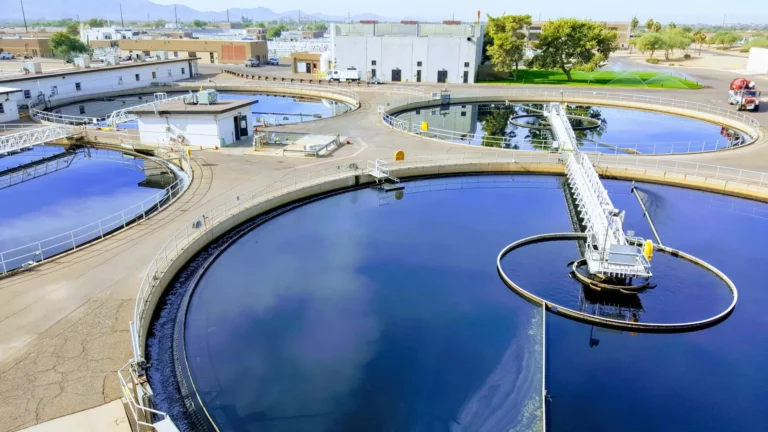
Tank, bin and equipment linings
Food sits against the coating. FDA 21 CFR 175.300 applies: listed raw materials, plus extraction tests in water, heptane or 8% alcohol depending on the food.
Potable water tanks and lines
Covered by NSF/ANSI/CAN 61, which most states and utilities require. The listing names the smallest tank and the cure schedule the lining was tested at.
Floors, walls, ceilings, splash zones
Food may drip or splash but is never stored there. USDA wants materials that are durable and impervious to moisture; the Food Code adds smooth, easily cleanable and nonabsorbent.
Docks, dry warehouse, exteriors
Normal industrial coatings are fine. Choose for forklifts, salt, UV and chemicals rather than for food rules.
Food plant coatings side by side
A slicer blade and a meat room floor both need a food-safe surface, yet the two coatings have nothing in common. Film thickness alone runs from a couple of mils to more than a quarter inch. Here is how the common families line up.
| Coating | Typical film (mils) | Where it fits | Contact level | Watch for |
|---|---|---|---|---|
| PTFE / fluoropolymer | 1–3 | Slicers, chutes, molds, bake pans | Direct (21 CFR 177.1550 resins) | Shop-baked only; scratches through under abrasion |
| Powder coat | 2–4 | Racks, frames, guards, carts | Incidental; some grades direct | Chips at impact, then rusts underneath |
| Polyaspartic floor system | 10–25 (system) | Dry storage, packing, retail and light wet areas | Incidental | Hot water and steam on thin film |
| 100% solids epoxy lining | 15–40 | Wine, juice, syrup and grain tanks | Direct (175.300 grades) | Slow cure in cold tanks; limited thermal shock |
| Pure spray polyurea | 40–100 | Water tanks, bins, hoppers, splash walls, curbs | Direct or potable for listed products | Must be the documented formula, fully cured |
| Urethane cement | 188–375 (3/16–3/8 in) | Meat, dairy and bakery floors with hot washdown | Incidental | Needs a trowel crew and a dry, sound slab |
Our take after a lot of tank and plant work: polyurea earns its spot on tank and bin linings, block walls, curbs, containment and floors that stay dry or cool, because it cures in seconds, builds thick in one visit and bridges hairline cracks. On a kill floor or a dairy slab that gets blasted with 180°F water every shift, we would put urethane cement on the floor and polyurea on the walls and curbs around it.
ArmorThane products with food or water documents on their pages: AquaSafe pure polyurea for drinking water storage and HighLine 510 pure polyurea, listed as meeting USDA and Canadian agriculture criteria. For germ control, see antimicrobial polyurea coatings.
Which rule covers your surface?
Pick the surface, then the food and how it is filled or stored. The checker returns the contact class, the rule, the extraction test a lab runs under 21 CFR 175.300 Table 2, and the pass mark you should see in writing.
Food contact class and test finder
Direct-contact tests follow 21 CFR 175.300: water for watery foods, heptane for fatty foods (result divided by 5), 8% ethanol for alcoholic drinks, at the time and temperature set by the condition of use. Repeat-use coatings may not exceed 18 mg/sq in of chloroform-soluble extractives. Potable water follows NSF/ANSI/CAN 61; floors and walls follow 9 CFR 416.2 and the FDA Food Code.
The paperwork to ask for
No auditor is going to scrape your tank and send the chips to a lab. They ask for documents. Collect these before the crew shows up, file them with the food safety plan, and an SQF or BRCGS audit becomes a five-minute conversation about coatings instead of an hour.
Letter of guarantee on letterhead
Signed by the manufacturer, naming the exact product and the regulation it meets, such as 21 CFR 175.300. A line on a data sheet is not a guarantee.
Extraction report or third-party listing
For direct contact, a lab report at your food type and condition of use. For drinking water, the NSF/ANSI/CAN 61 listing, checked against your tank size.
Cure schedule before contact
The hours at a given temperature before the surface may touch food or water. Polyurea gels in seconds, but full cure still takes time, and a cold tank stretches it.
The applicator's job record
Batch numbers, mixing ratio checks, surface and air temperatures, mil readings and, on linings, holiday (spark) test results showing no pinholes.
Cleaning chemical compatibility
Match the chemical resistance chart against what your sanitation crew really runs: caustic, chlorine, quats, peracetic acid, acid descalers.
Floors, walls and cove base
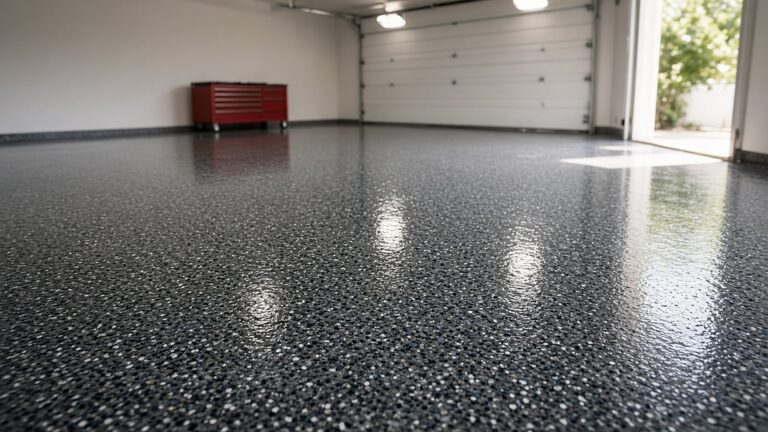
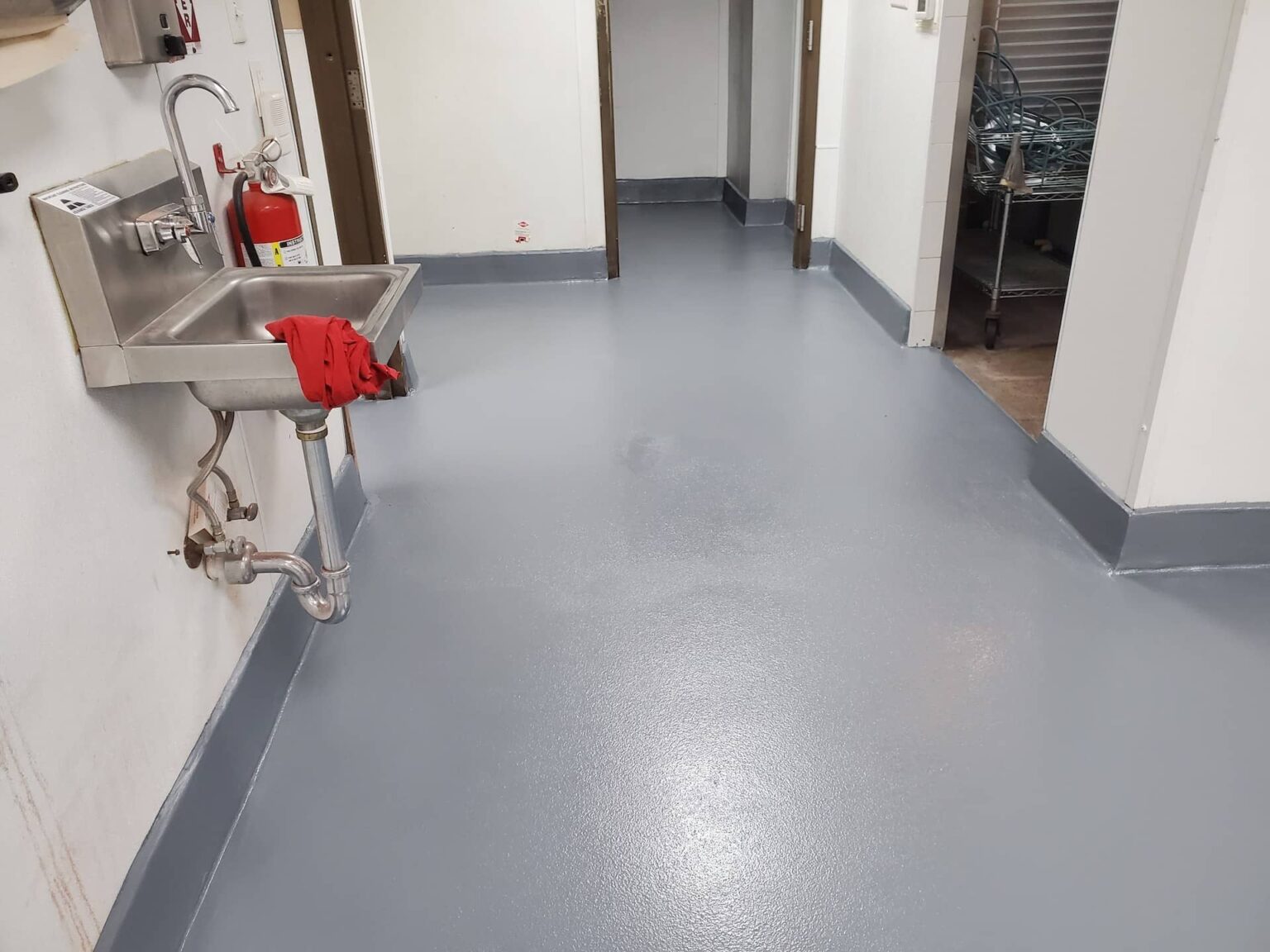
Most of the square footage in a food plant is incidental contact. The bar there is physical, not chemical. The surface has to shed water, survive the sanitation crew and leave bacteria nowhere to hide.
- Integral cove: many health departments, Los Angeles County among them, want a cove of at least 3/8 inch radius running 4 inches or more up the wall. Vinyl top-set base is usually turned down.
- Slope to drains: 1:50, roughly 1/4 inch per foot, is a common requirement anywhere floors get hosed.
- No open joints: cracks, saw cuts and old tile grout get filled and coated over, or they become the dirtiest inch in the room.
- Texture to match the wet: broadcast aggregate adds grip but makes scrubbing harder. Spec it for how wet the floor really gets.
- Thermal shock: hot washdown on a cold slab works the bond line every shift. Ask for the system's thermal shock rating in writing.
Walls, curbs, tanks, dry and cold rooms
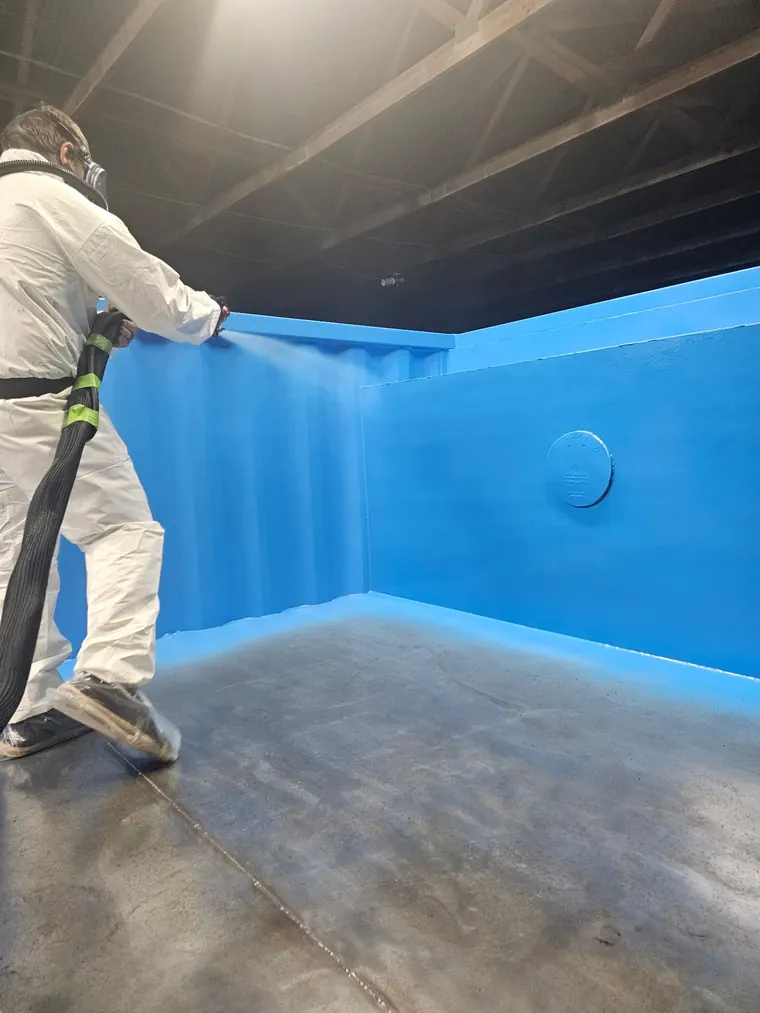
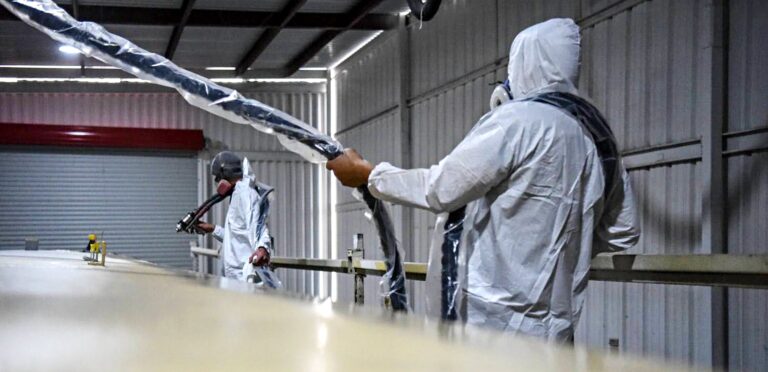
Back in service in hours, thick crack-bridging film and no seams. Strong on block walls, curbs, pits, coolers and freezer floors where washdown water stays moderate.
Hot, wet, steel-wheel floors
Constant hot water, steam and loaded steel-wheel carts call for a 1/4 inch class urethane cement. A thin coating there is a repair schedule, not a floor.
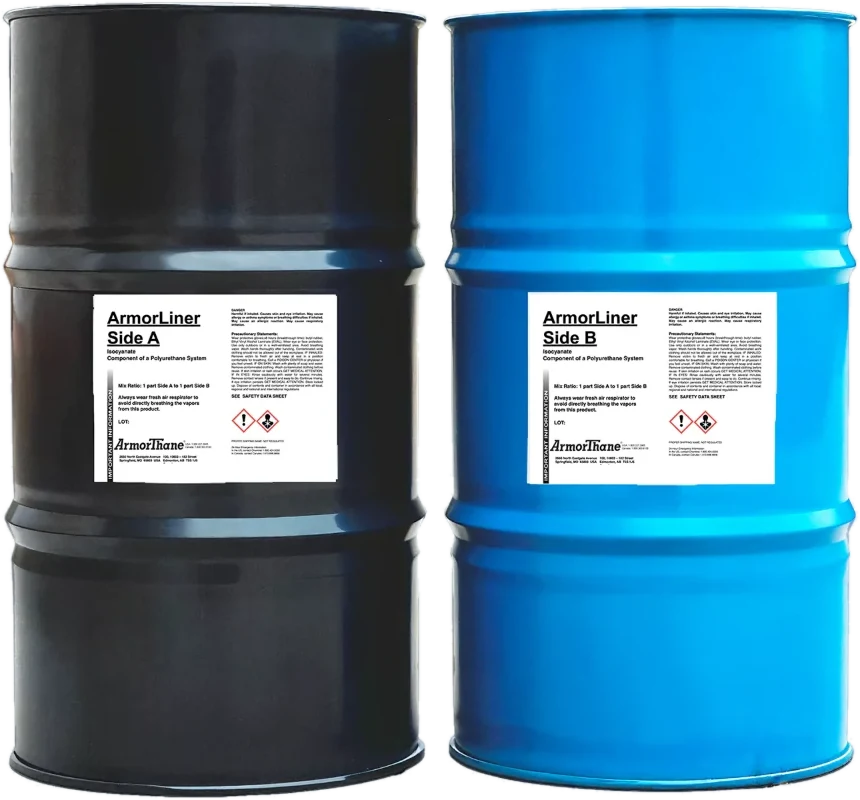
Prep decides all of it. A food grade coating over a slab soaked with fat and cleaning residue will lift no matter what the paperwork says; read our surface preparation guide before anyone opens a drum.
Related: foodservice and healthcare coatings, commercial kitchen flooring, walk-in cooler insulation and chemical resistant coatings.
Lined, cured and documented.
A certified ArmorThane applicator can line tanks and coat walls, curbs and floors with products backed by the documents your auditor will ask for.
Contractors: become an ArmorThane applicator
Food grade coating questions
What is a food grade coating?
It is a coating that meets the rule for its level of food contact: FDA 21 CFR 175.300 for direct-contact linings, NSF/ANSI/CAN 61 for drinking water, and durable, impervious, cleanable surfaces under USDA and Food Code rules for floors and walls. No single federal label exists.
Is polyurea food safe?
Some formulations are. Pure polyurea products made for potable water or food handling can carry the needed documents, and ArmorThane's AquaSafe was developed for drinking water storage. Not every polyurea qualifies, so ask for the letter of guarantee or listing for the exact product.
Is there an FDA approved paint or coating?
No. FDA does not approve paints or coatings. Manufacturers formulate to 21 CFR 175.300 or another Part 175 to 178 rule and state compliance in a signed letter. "FDA approved" on a can usually means FDA-listed ingredients, so get the letter.
Is epoxy food grade?
Some epoxy tank linings comply with 21 CFR 175.300 once fully cured, and many epoxy floors are fine for incidental contact. Craft and tabletop epoxies are a different market. Check that the product names the regulation and the cure time before food contact.
Does USDA approve floor coatings?
No. USDA FSIS ended prior approval of plant materials in 1997. Under 9 CFR 416.2, floors must be durable, impervious to moisture and kept sanitary, and inspectors judge them by condition, not by a product list.
How long before a coated tank can hold food?
Follow the cure schedule in the compliance letter or NSF listing, which ties a minimum time to a temperature. Cold tanks take longer. Many owners also rinse the tank and run a taste and odor check on a small first batch.
Sources
- eCFR, 21 CFR 175.300 Resinous and polymeric coatings. ecfr.gov/current/title-21/section-175.300
- eCFR, 9 CFR 416.2 Establishment grounds and facilities. ecfr.gov/current/title-9/section-416.2
- Federal Register, Elimination of Prior Approval Requirements for Establishment Drawings and Specifications, Equipment (62 FR 45016, 1997). federalregister.gov/documents/1997/08/25/97-21882
- Food Engineering, Coating and lining considerations for FDA and USDA regulated food and beverage plants. foodengineeringmag.com/articles/99826
- Los Angeles County Public Health, Construction Requirements for Retail Food Facilities. publichealth.lacounty.gov/eh/inspection
Start your coatings business with ArmorThane.
Tell us what you want to spray and where you are. An ArmorThane specialist will walk you through the equipment, chemicals, training and startup cost for the work you want to do.
- Equipment package matched to your applications
- Hands-on training and applicator certification
- Technical support once you are spraying
Coating a tank, wall or processing floor?
Tell us what the surface touches and how it gets cleaned. We will match an ArmorThane product with the right documents and connect you with a certified applicator near you.
- Surface: tank, bin, wall, curb or floor
- Food or liquid it contacts
- Washdown temperature and sanitizers
- Area in square feet or tank gallons