Pond Liner: Materials, Sizes & Calculator
EPDM, RPE, HDPE, PVC, preformed and seamless spray-on polyurea compared on cost, lifespan and UV exposure, with a liner size calculator and a cost-per-year tool.
Start a deck and pool coating business
Coat decks and pools for a living.
ArmorThane sets you up to do this work, and you own the business. We make the chemistry, build the rigs, train you hands-on and answer the phone when a job gets difficult. You pay no franchise fee and no royalties. It has been that way since 1989.




- $0
- franchise fees or royalties
- 35+
- years in business
- 50+
- countries with applicators
- 24/7
- technical support
A pond liner has one job: hold water for decades without a leak you can't find. The cheapest liner rarely does that, and the most expensive isn't always necessary. Our applicators spray seamless polyurea liners into ponds, water features and potable-water tanks, but they also pull out a lot of failed liners on the way, so we've seen what lasts and what doesn't. Below: every pond liner material compared on cost, lifespan, weight and UV exposure, a calculator that sizes your liner the way the big suppliers do, and the details that keep a pond from slowly emptying itself.
For most garden and koi ponds, a 45 mil EPDM rubber liner over a geotextile underlayment is the best value. It's flexible, fish-safe, usually carries a 20-year warranty and costs about $1–$2.50 per sq ft. Size it as pond length + 2 × max depth + 2 ft by pond width + 2 × max depth + 2 ft. For very large ponds, reinforced polyethylene (RPE) is lighter and cheaper but needs to be covered from sunlight. For complex rock work, concrete ponds or potable water, a seamless spray-on polyurea liner avoids folds and seams entirely. Size your liner.
Pond liner size calculator
Measure the pond at its longest and widest points (for irregular shapes, imagine the smallest rectangle that would contain it) and its deepest point. Suppliers use two overlap conventions: The Pond Guy adds 1 ft in total; HomeGuide, Natural Waterscapes and Russell Water Gardens add 2 ft (1 ft on each side). We default to 2 ft because a little extra edge is much easier to deal with than a liner that's 6 inches short.
What size pond liner do you need?
Liner = (L + 2 × depth + overlap) × (W + 2 × depth + overlap), rounded up to the 5 ft sizes most liners are cut in.
Every pond liner material, compared
Lifespans depend heavily on whether the liner is exposed to sun. Many cheaper plastics last decades buried under soil or water and only a few years in direct UV. Click a column to sort.
| Material | Typical thickness | Price per sq ft | Life | Sun exposure | Fish-safe / flexible |
|---|---|---|---|---|---|
| EPDM rubber | 45 or 60 mil | $0.75–$2.50 | 20–30+ yrs | Good (keeps 90% tensile after 2,000 h UV) | Yes / very (500% elongation) |
| Butyl rubber | 0.75 mm (≈30 mil) | Premium | 20+ yrs; up to 50 claimed | Good | Yes / very |
| RPE (reinforced polyethylene) | 20–40 mil | $0.40–$0.90 | 10–20 yrs buried; a few yrs exposed | Cover it | Yes / moderate, light |
| HDPE | Geomembrane grades | $0.30–$0.62 | 36–50 yrs covered; ≈10 in sun | Fair | Yes / stiff |
| LLDPE | 20–40 mil | Similar to RPE | Up to 36 yrs covered | Cover it | Yes / moderate |
| PVC | 20–40 mil | $0.30–$0.90 | Up to 20 yrs buried; ≈2 yrs exposed | Poor unless UV grade | Check grade / very |
| Preformed shell (HDPE / fiberglass) | Rigid | $0.25–$6.50 | 10–20+ yrs | Good | Yes / rigid, ≈9–275 gal sizes |
| Bentonite clay | 2–3 lb per sq ft | $0.20–$5.00 | Varies with soil | — | Yes / self-sealing |
| Concrete | Inches | $50–$130 installed | 50+ yrs (if it doesn't crack) | Good | Yes once cured / rigid |
| Spray-on polyurea | Specified per job; seamless | Quote | Decades (system-dependent) | Aliphatic top coat if exposed | NSF/ANSI 61 grades / elastomeric |
What thickness of pond liner do you need?
EPDM: 45 mil is the standard for garden and koi ponds and is what most 20-year warranties cover. The Elevate (Firestone) PondGard 45 mil sheet weighs 0.29 lb per sq ft, stretches 500% and resists a 150 N (35 lb) puncture. Step up to 60 mil (0.40 lb per sq ft) where rocks, roots or animals are a concern, at the cost of a heavier sheet to handle.
RPE: reinforced polyethylene comes in 20, 24, 30 and 40 mil. DripWorks prices run from $0.41 per sq ft for 20 mil to $0.73 for 40 mil, and even 40 mil weighs only about 138 lb per 1,000 sq ft. Its woven scrim gives it puncture resistance well above its weight. That's why it dominates farm and irrigation ponds.
PVC: 20 mil is the bargain-bin liner. Western Environmental Liner rates standard PVC at about 2 years exposed and up to 20 buried, so the part above the waterline is what fails.
The best pond liner for each kind of pond
45 mil EPDM + underlayment
Conforms to shelves and curves, forgiving to install, fish- and plant-safe. Hide the edge under stone so the sun never sees it.
45–60 mil EPDM, or seamless polyurea
Deep, heavily filtered ponds with bottom drains and plumbing penetrations are where seamless liners shine. Our koi pond liner guide goes deeper.
Preformed shell
For 9–275 gallon ponds, a rigid shell is quicker to install and needs no folding. Bigger than that and flexible liners win.
RPE or HDPE, covered
Light, cheap per sq ft and available in very large single panels (DripWorks fabricates RPE up to 100,000 sq ft). Cover it with soil or keep it under water to protect it from UV.
NSF/ANSI 61-certified liner
If people or animals drink from it, ask for certification to NSF/ANSI 61, the drinking-water contact standard. Our AquaShield spray polyurea carries it.
Spray-on polyurea
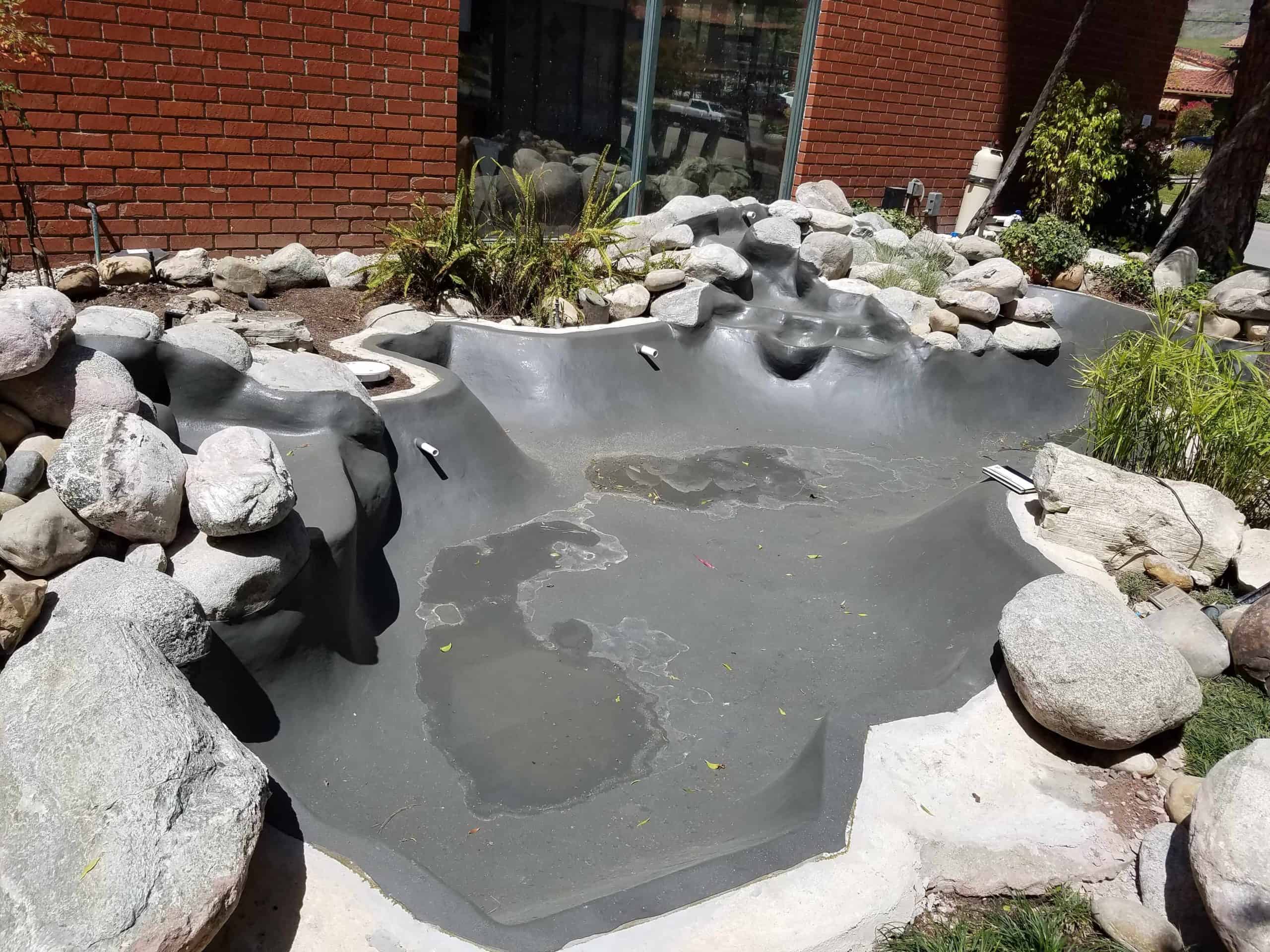
Leaking concrete ponds, fountains and boulder-lined features are hard to line with sheets. A sprayed membrane bonds to the shape. See our water feature gallery.
Pond liner cost over the life of the pond
Enter your liner area (the size calculator above fills it in for you) and see what each material costs up front, with underlayment, and per year of expected service. Prices are 2026 per-sq-ft ranges for the liner only; labor and excavation are extra.
Up-front cost vs cost per year
Underlayment at $0.25–$0.40 per sq ft is added to flexible liners. Midpoints shown on the bars.
Underlayment, seams and installation
Dig and shape
Cut shelves for plants, slope the floor gently toward a drain or low point, and level the rim all the way around. An unlevel rim exposes liner on one side.
Clear the hole
Pull every rock and root. Anything sharp left behind will find the liner eventually.
Lay underlayment
Use 8–16 oz per sq yd non-woven geotextile, overlapped 6–12 in at seams. The Pond Guy sells it in 10 ft widths, so roll length ≈ liner area ÷ 10. Old carpet works in a pinch but can rot.
Warm the liner
Install EPDM at 60°F or warmer if you can; it relaxes in the sun and folds more neatly. Leave 2–3 in of slack for temperature changes.
Fill as you fold
Partially fill the pond and let the water's weight seat the liner while you pleat the folds. Don't stretch it tight.
Seam carefully, if you must
For EPDM: overlap at least 3 in, prime both surfaces (typically two coats, 5–7 minutes apart), bond with 3 in double-sided splice tape, then cover with a 6 in cover strip running at least 2 in past each end.
Finish the edge
Raise the edge above the waterline behind the edging stone, and trim only after the pond is full and settled.
Why pond liners leak
When a lined pond loses water, the liner itself is rarely the culprit. Check these, roughly in order of how often we see them:
Low edges
Soil settles, a stone shifts and a section of the rim drops below the waterline. Water wicks out over the edge, often into mulch where you can't see it.
Waterfall splash and stream edges
Water escaping a stream or splashing past the liner at a waterfall can drain a pond overnight. Give streams generous liner up the sides.
Failed seams and penetrations
Taped seams and pipe boots are the weak points of any sheet liner. Seamless liners don't have them.
Roots, rocks and animals
A missed rock, an invasive root or a muskrat. Underlayment and thicker liners help.
UV breakdown above the waterline
PVC and RPE that see daylight crack years before the submerged part. Keep them covered.
Evaporation
On a hot, windy day a pond can lose a noticeable amount to evaporation alone. Turn off the pump and track the level to separate the plumbing from the liner.
Spray-on polyurea pond liners
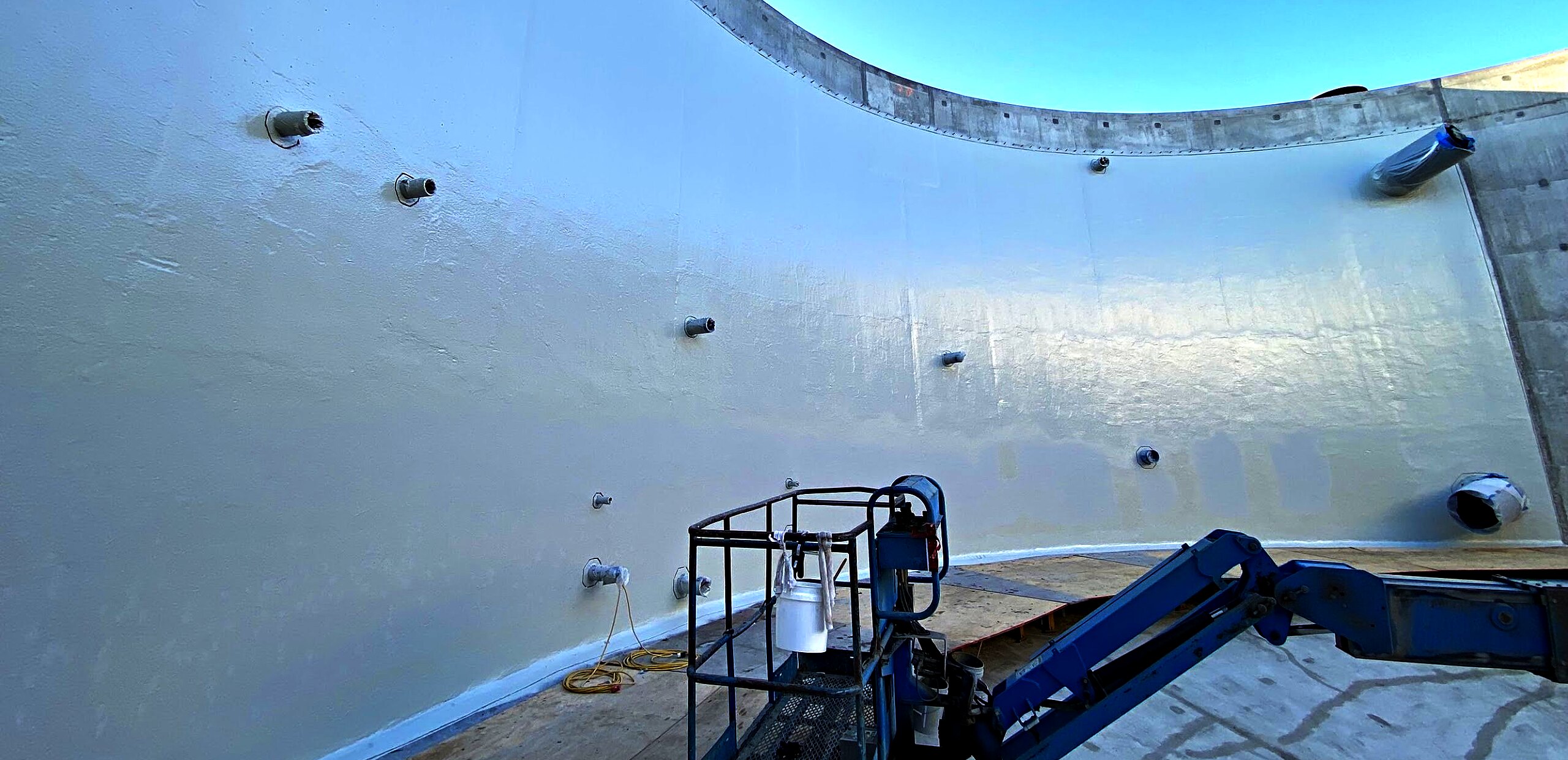
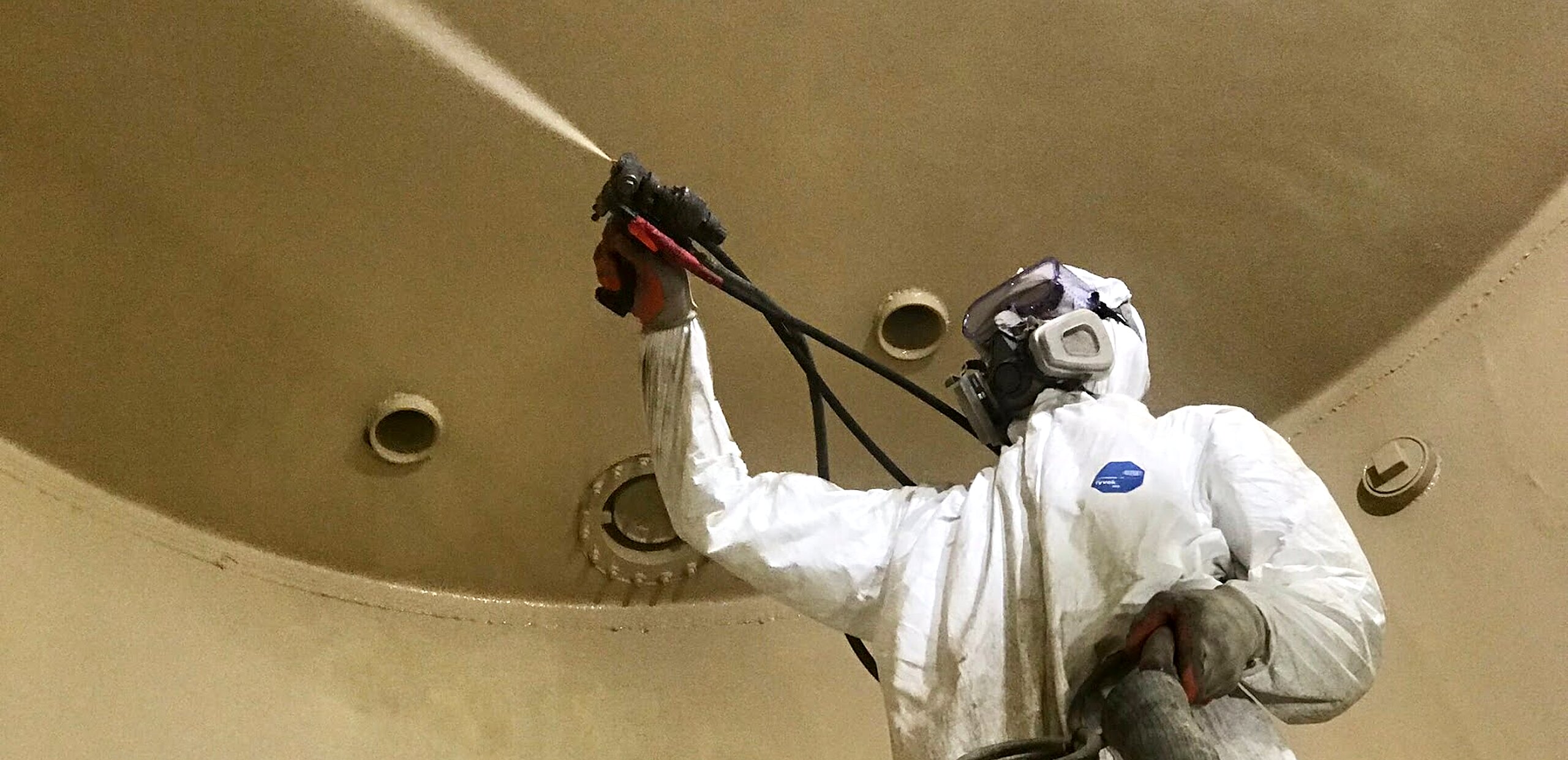
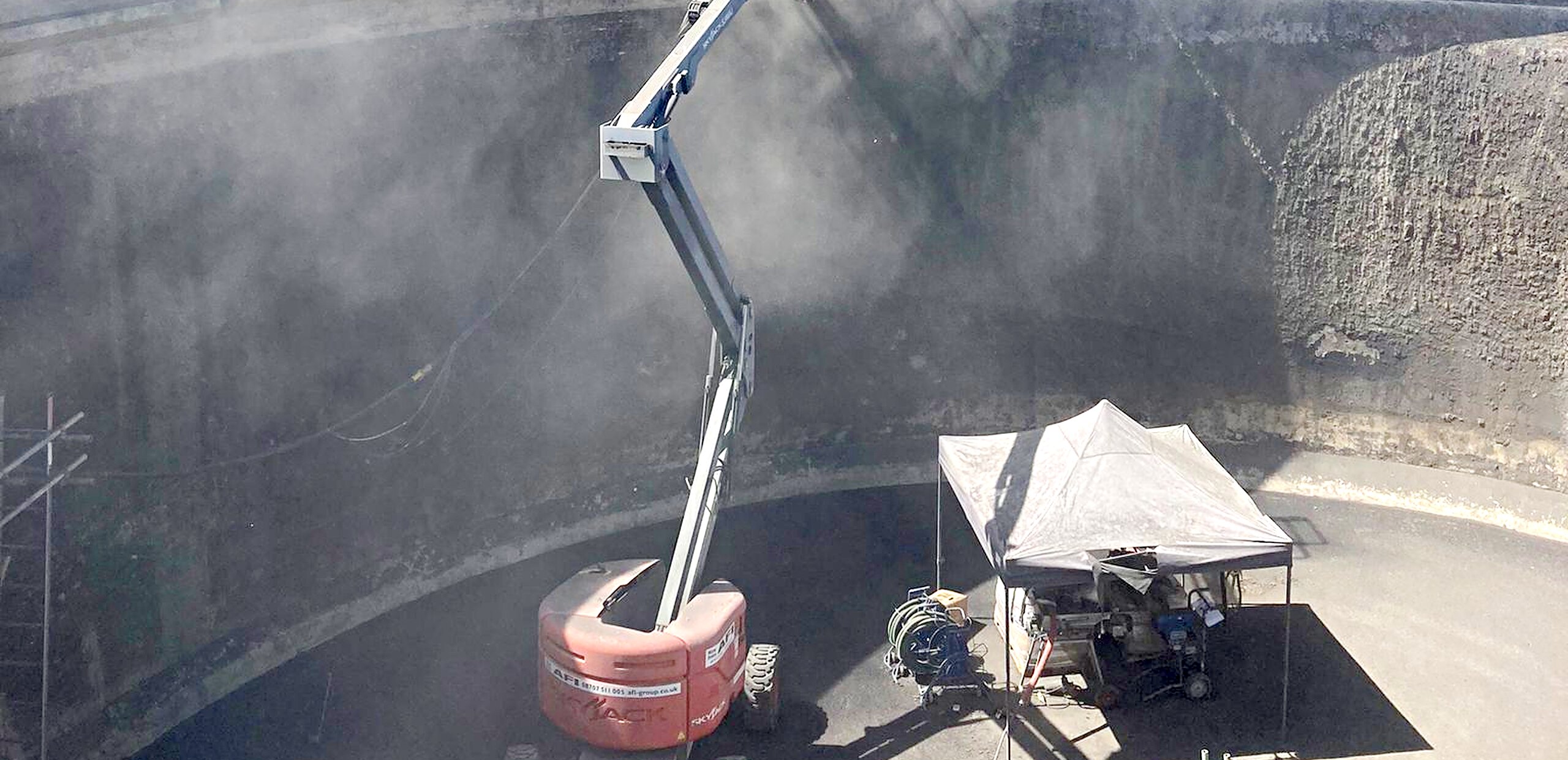
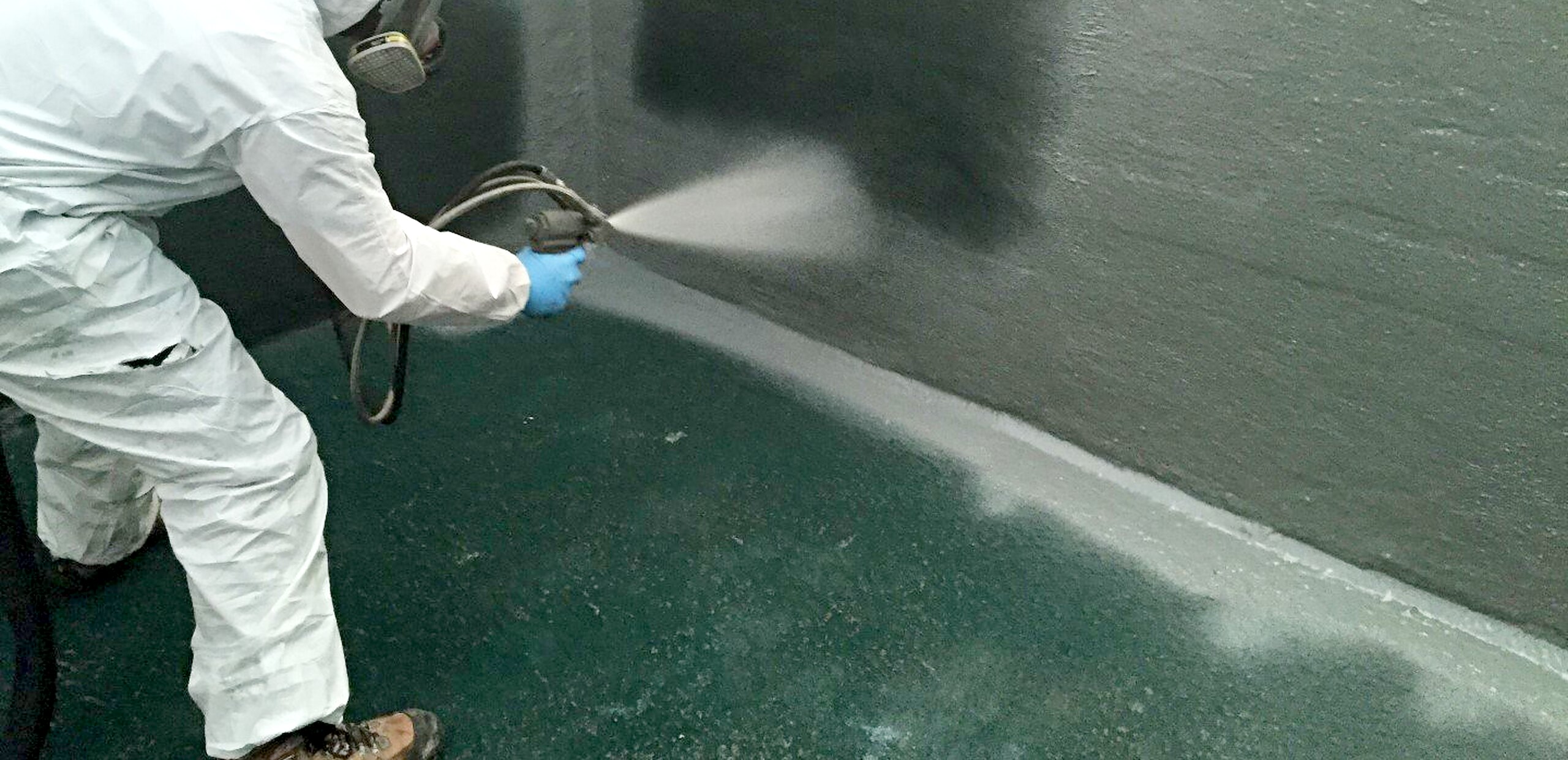
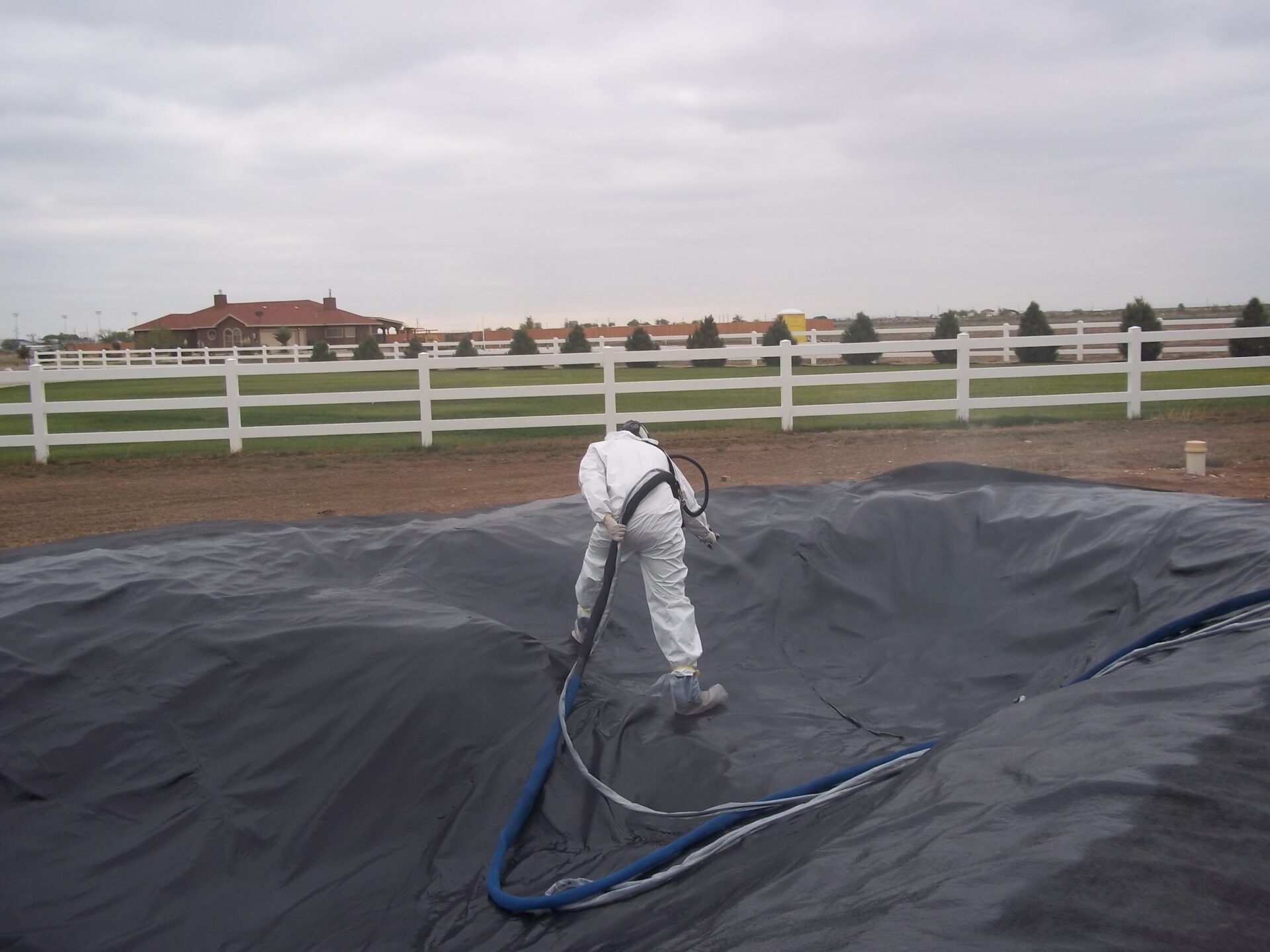
A spray-on liner is a two-component polyurea sprayed hot from a plural-component rig. It gels in seconds and forms a continuous elastomeric membrane over geotextile, concrete, block or an old liner, with no seams, folds or pipe boots to leak. We make the materials, including AquaShield, which is certified to NSF/ANSI 61 for contact with drinking water, and AquaSafe pure polyurea.
Where it beats a sheet liner
- Irregular shapes, deep shelves and boulder work that would take dozens of folds
- Leaking concrete ponds, fountains and water features (no tear-out)
- Koi ponds with bottom drains, skimmers and multiple penetrations
- Potable, livestock and aquaculture tanks that need NSF/ANSI 61
- Ponds larger than the 50 ft maximum EPDM roll width
What to ask the applicator
- Which product, and is it NSF/ANSI 61 certified if fish or people depend on the water?
- Specified thickness, and how they'll verify it
- Substrate prep: geotextile, primer, or blasting for concrete
- UV protection for any exposed membrane (an aliphatic top coat)
- Cure time before filling and stocking
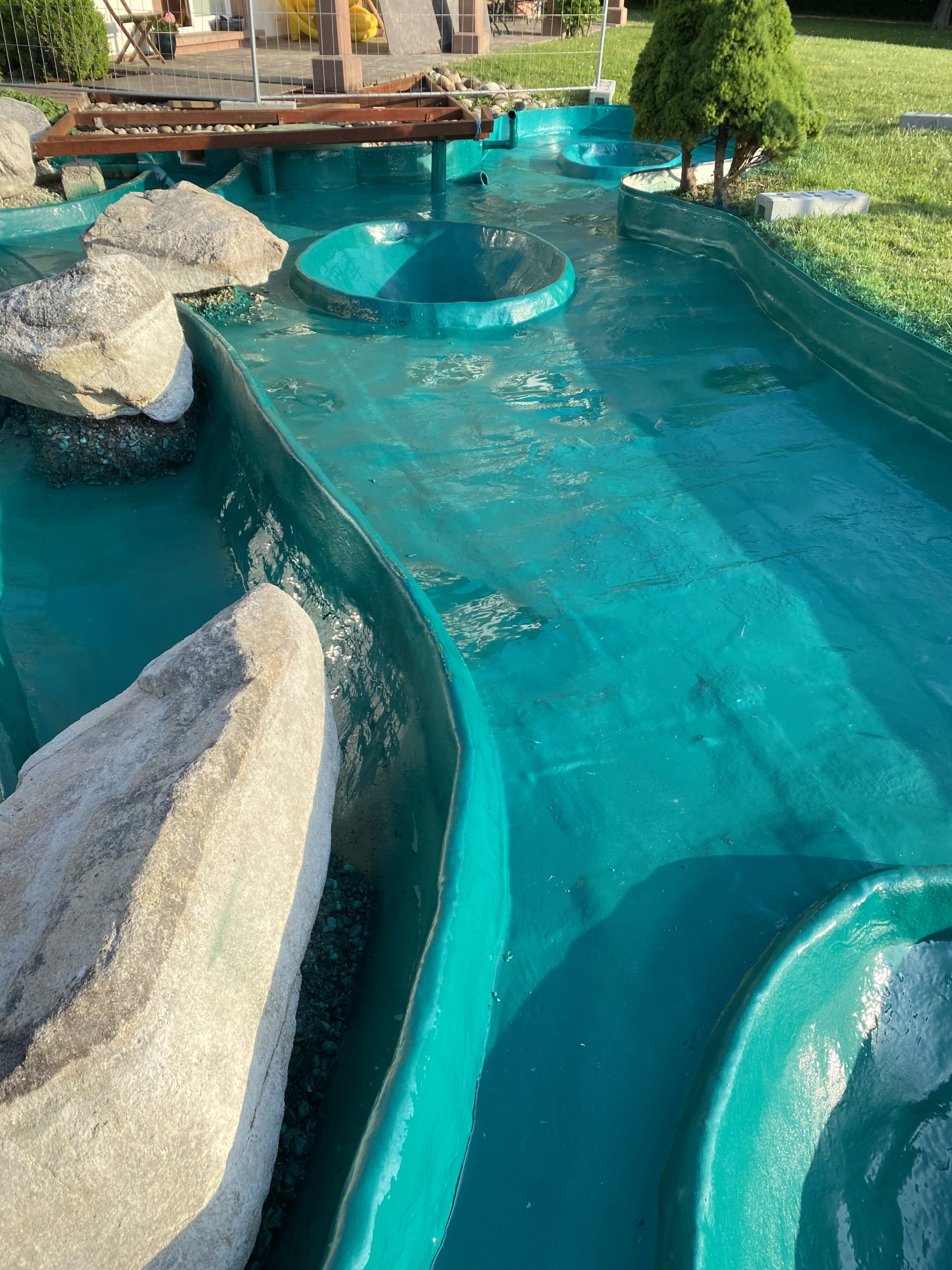
Sheet liners are cheaper per square foot, and for a simple garden pond EPDM is the right call. Spray-on liners earn their price where shape, size, penetrations or water quality make seams and folds the weak point. If you're a pond builder or landscaper, spray liners are also a service you can add with our equipment and training.
A pond that never needs a seam? Spray it.
ArmorThane-certified applicators spray polyurea liners into garden and koi ponds, concrete water features, farm ponds and potable tanks. Tell us the size and shape; we'll connect you with a local applicator.
Pond builders & landscapers: add spray liners to your services →
Pond liner FAQ
What is the best material for a pond liner?
For most garden and koi ponds, 45 mil EPDM rubber: flexible, fish-safe and typically warrantied for 20 years. RPE is better for large farm ponds where weight and cost matter and the liner can be covered. Spray-on polyurea is best for irregular shapes, concrete ponds and potable water.
How do I calculate what size pond liner I need?
Liner length = pond length + (2 × maximum depth) + 2 ft, and liner width = pond width + (2 × maximum depth) + 2 ft. For a 10 × 8 ft pond that's 3 ft deep: (10 + 6 + 2) × (8 + 6 + 2) = 18 × 16 ft. Round up to the next stock size.
How long does a pond liner last?
EPDM typically lasts 20–30+ years, butyl 20+ years, HDPE 36–50 years when covered, RPE 10–20 years buried but only a few years exposed, and PVC up to 20 years buried but about 2 years in direct sun. Concrete can last 50+ years if it doesn't crack.
What thickness pond liner do I need? Is 45 mil enough?
45 mil EPDM is the standard for residential ponds and is enough for most installations with a proper underlayment. Use 60 mil where rocks, roots or heavy foot traffic are a concern. RPE is commonly used at 20–40 mil.
Do I need underlayment under a pond liner?
Yes. A non-woven geotextile of about 8–16 oz per sq yd protects the liner from rocks and roots. Overlap underlayment seams 6–12 inches. It typically costs $0.25–$0.40 per sq ft.
How much does it cost to line a pond?
Liner material runs roughly $0.30–$0.90 per sq ft for PVC, RPE and HDPE and $0.75–$2.50 for EPDM. HomeGuide puts typical installed pond liner projects at $300–$7,400, or about $0.50–$3.50 per sq ft installed, and $10,000–$22,500 to line a one-acre pond.
Is EPDM or RPE better for a pond?
EPDM is more flexible, easier to fold into small shaped ponds and tolerates sun better. RPE is much lighter (a 20 × 16 ft sheet weighs roughly 60–80 lb vs about 200 lb in EPDM), cheaper per square foot and available in huge panels, but should be covered.
How do you join two pieces of pond liner?
For EPDM, overlap at least 3 inches, clean and prime both surfaces, apply 3-inch double-sided seam tape, roll it down and cover the seam with a 6-inch cover strip. Seams are the most common sheet-liner leak point, so avoid them where possible.
How many gallons is my pond?
Multiply length × width × average depth in feet, then × 7.48. For a circle, use 3.14 × radius² × average depth × 7.48. For irregular ponds, average several measurements and use about 7 gallons per cubic foot.
Can you spray a liner into an existing pond?
Often, yes. Spray polyurea can be applied over cleaned concrete or block, or over geotextile in an earthen pond. Leaking concrete ponds and fountains are a common job. An applicator will check the substrate and prep before quoting.
Sources
- HomeGuide, pond liner cost (2026): homeguide.com/costs/pond-liner-cost
- Natural Waterscapes, pond liner selection guide: naturalwaterscapes.com
- Russell Water Gardens, liner size: russellwatergardens.com
- The Pond Guy, pond liner calculator guide: thepondguy.com
- SFGate Home Guides, calculating pond gallons: homeguides.sfgate.com
- Elevate (Firestone) PondGard EPDM technical data: fergusonwaterworks.com (PDF)
- Aquascape 45 mil EPDM pond liner: pondscape.com
- JustPondLiners: justpondliners.com
- DripWorks, reinforced polyethylene liners: dripworks.com
- Western Environmental Liner, PVC: westernliner.com
- World of Water, pond liner guide: worldofwater.com
- Pond Informer, pond liner material guide: pondinformer.com
- Home Depot, preformed ponds: homedepot.com
- Natural Waterscapes, liner installation and seaming: naturalwaterscapes.com
- The Pond Guy, double-sided seam tape: thepondguy.com
Want a pond liner with no seams? Get a spray-on liner quote.
Tell us the size, shape and depth of the pond (or the leaking water feature) and how it's used. We'll connect you with an ArmorThane-certified applicator for a seamless polyurea liner quote.
- Garden, koi and farm ponds
- Leaking concrete ponds and fountains
- NSF/ANSI 61 grades for potable and livestock water
- Pond builders: ask about spray equipment and training