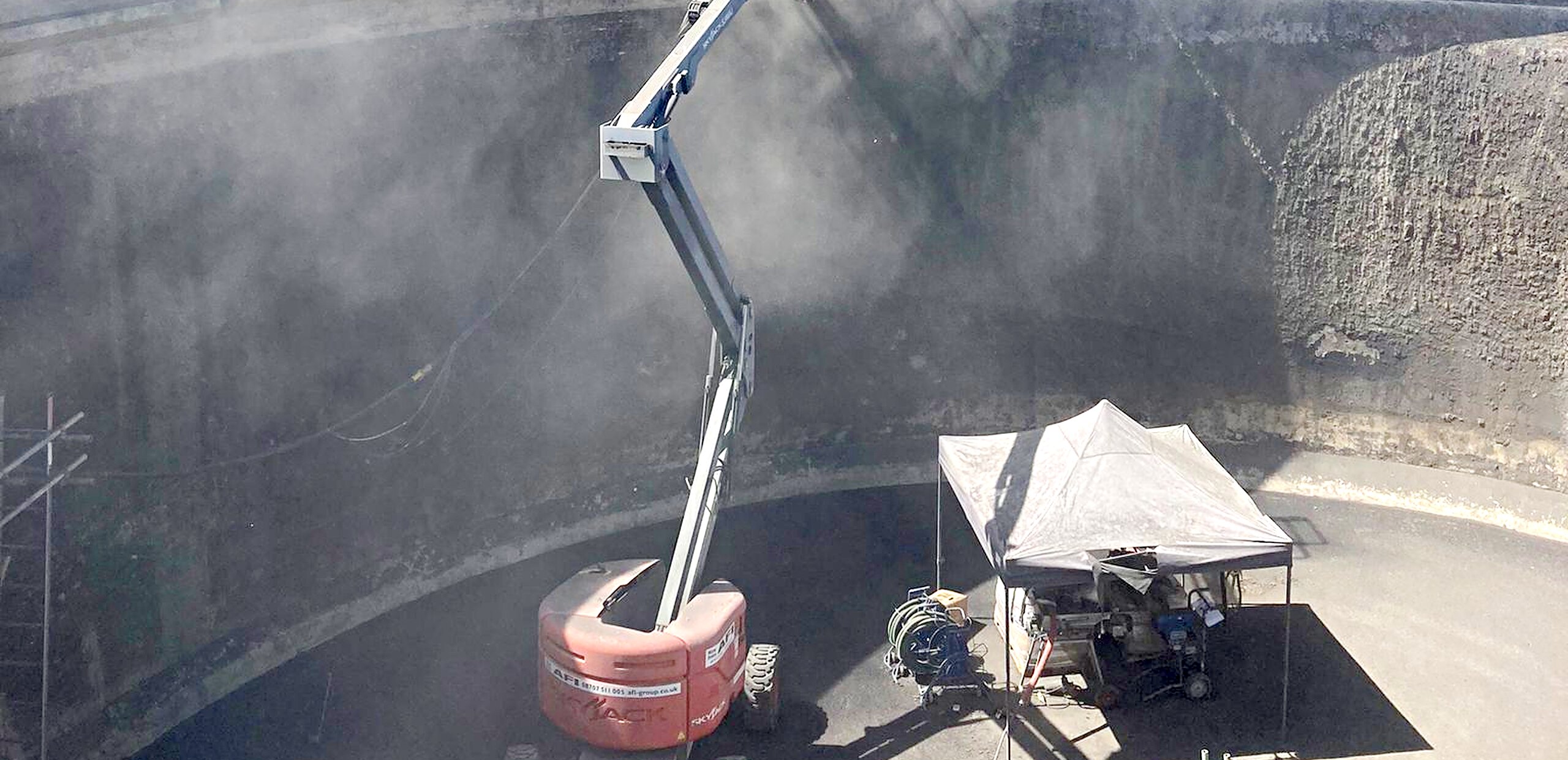
Aquaculture Tank Coating: Fish-Safe Linings
How to line concrete, steel and fiberglass fish tanks, raceways and ponds with a seamless, fish-safe coating, what to check before stocking, and where spray polyurea fits.
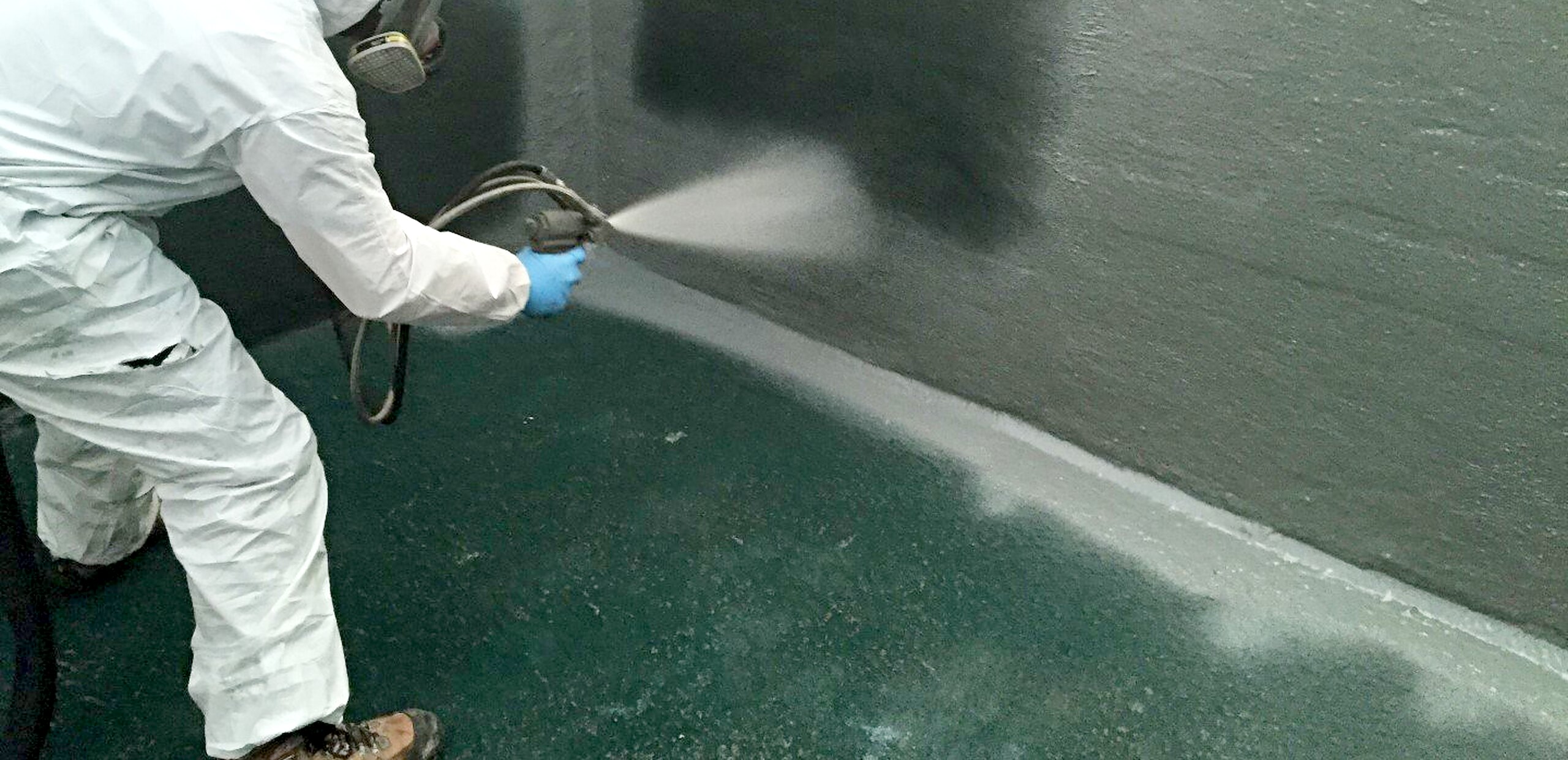
Start a tank lining business
Line tanks for a living.
ArmorThane sets you up to do this work, and you own the business. We make the chemistry, build the rigs, train you hands-on and answer the phone when a job gets difficult. You pay no franchise fee and no royalties. It has been that way since 1989.




- $0
- franchise fees or royalties
- 35+
- years in business
- 50+
- countries with applicators
- 24/7
- technical support
Fish farms, hatcheries and research facilities depend on tanks and raceways that hold water, clean easily and never leach anything harmful into the water. Bare concrete is rough and porous, steel corrodes and old fiberglass blisters. A fish-safe lining fixes all three, but only if the product, cure and rinse are right. This guide explains how aquaculture tank coatings work and what to check before you put fish back in the water.
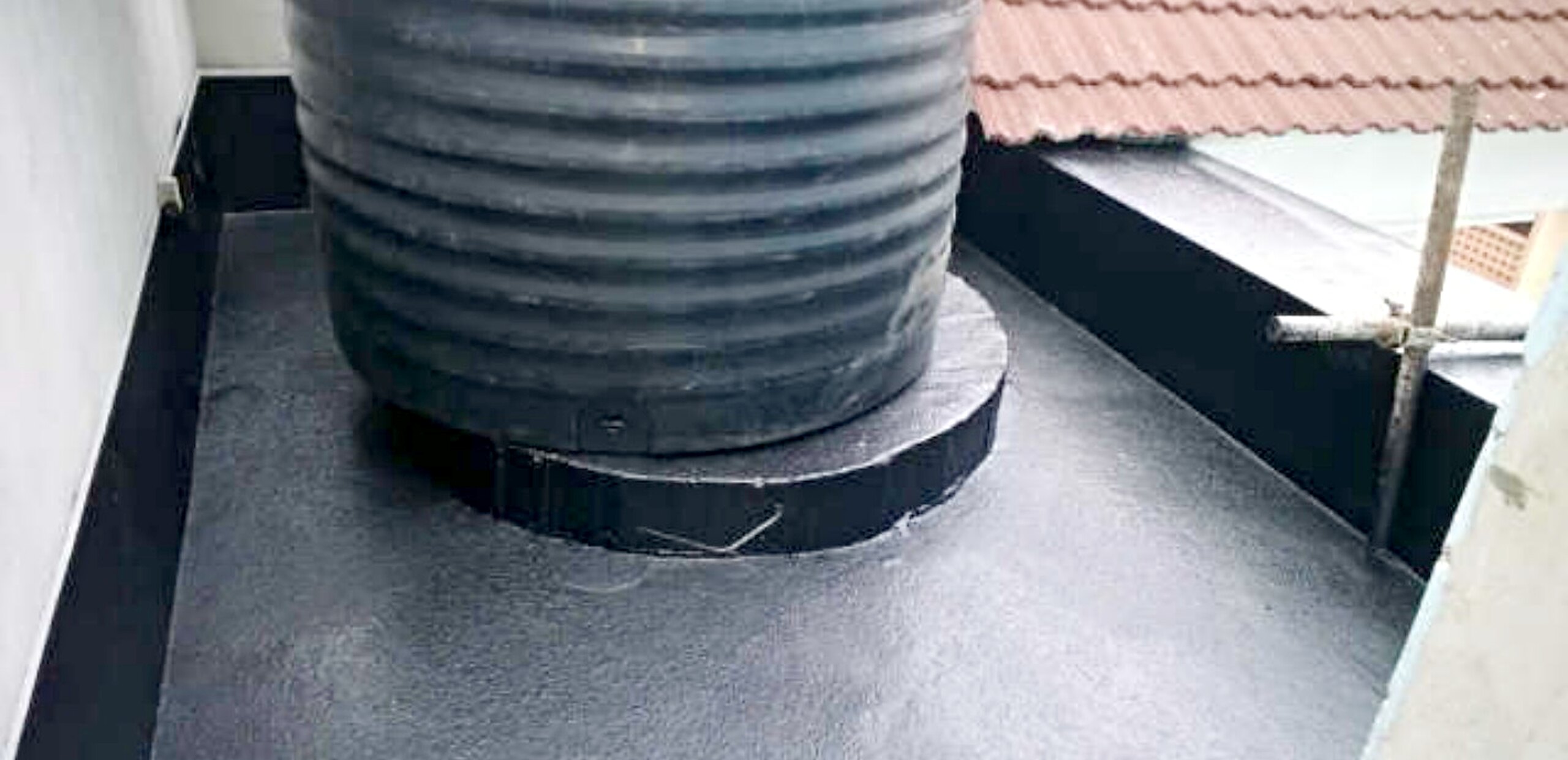
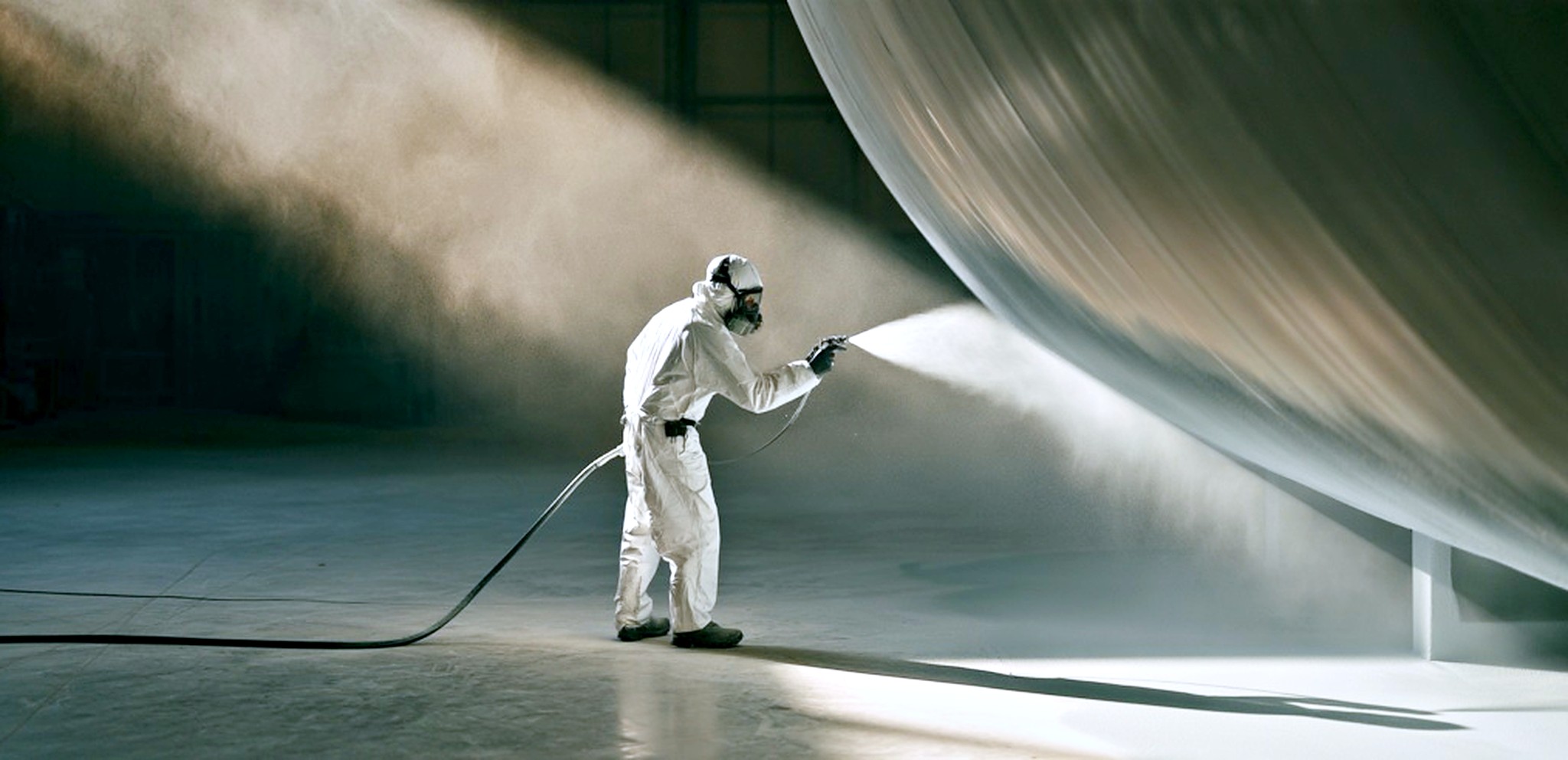
An aquaculture tank coating is a seamless lining applied to concrete, steel or fiberglass fish tanks, raceways and ponds to stop leaks, protect the structure and give fish a smooth, cleanable surface. Choose a product that the manufacturer documents as suitable for aquatic life, often one certified to NSF/ANSI/CAN 61 for drinking water contact, apply it to the specified thickness, let it fully cure, then fill, flush and test the water before stocking. Spray polyurea is popular because it cures in seconds and builds a thick, flexible, seamless membrane.
What "fish safe" really means
There is no single "fish safe" label. In practice, it means the cured coating does not leach substances that harm fish or invertebrates. Many facilities use products certified to NSF/ANSI/CAN 61, the drinking water contact standard, as a starting point, then follow the manufacturer cure time and a fill-and-flush before stocking. Sensitive species, hatcheries and research systems may add their own water testing.
Documented product
Use a product the maker supports for aquatic or potable service. See AquaSafe pure polyurea.
Full cure
Uncured material is the main risk. Follow the cure time and temperature on the data sheet.
Fill and flush
Fill, circulate and drain before stocking, and test water quality.
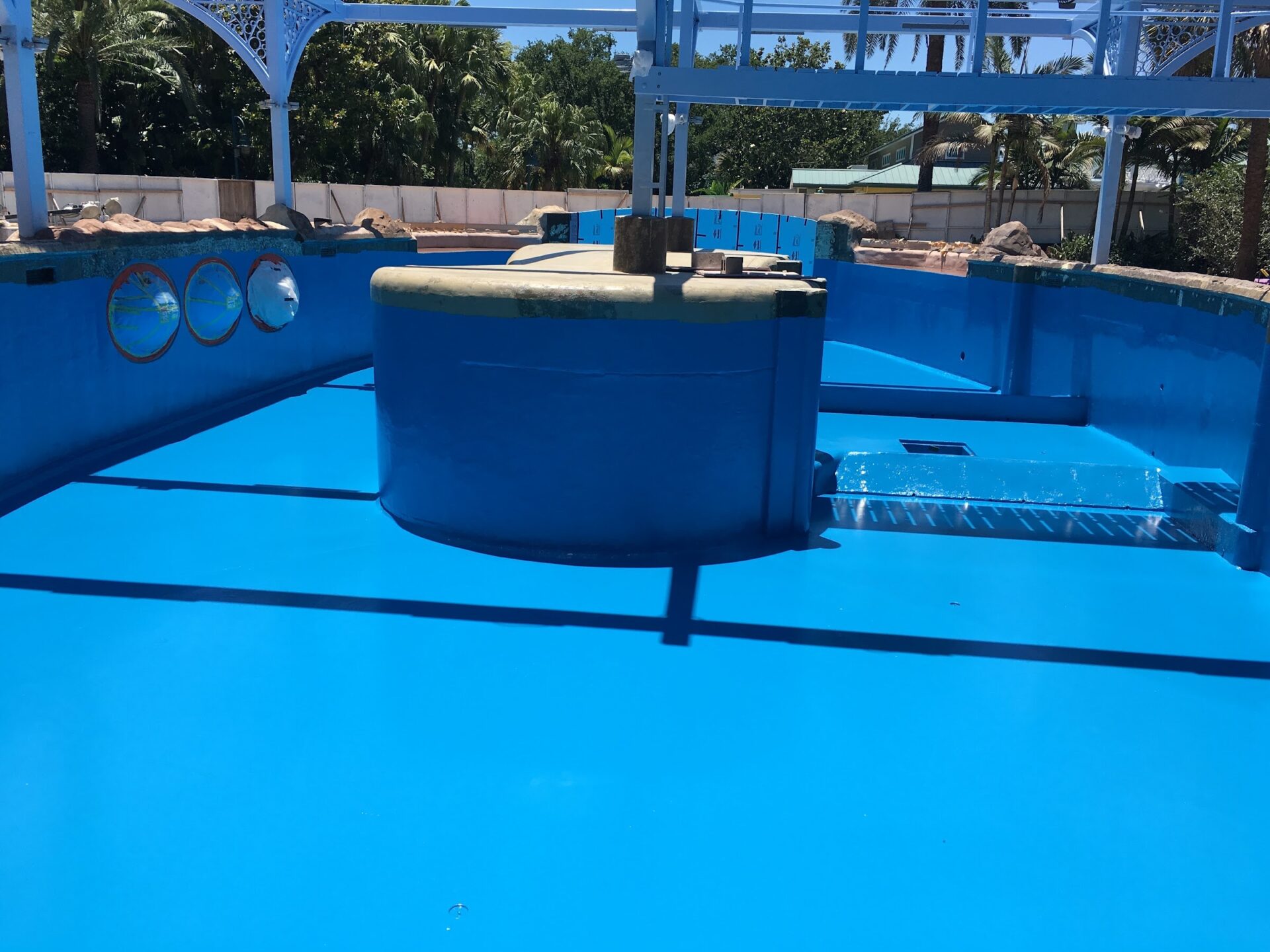
Linings by tank type
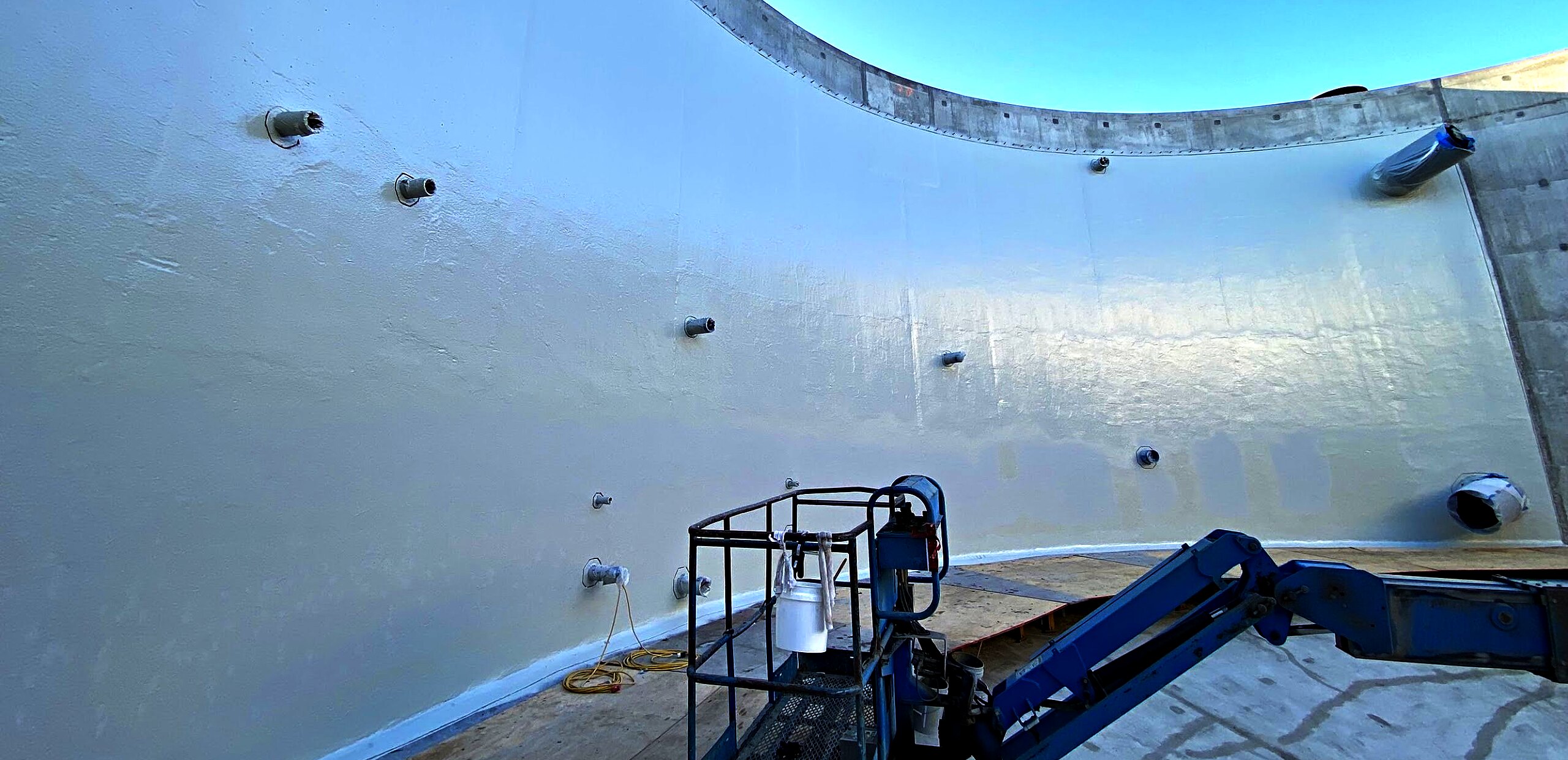
Concrete tanks and raceways
Seal porosity, cracks and joints and give a smooth surface. Concrete must be cured, clean and dry.
Fiberglass tanks
Sand and prime to bond to old gelcoat and seal blisters and cracks.
Aquariums and exhibits
Public aquariums and zoos often set stricter specs; get them in writing first.
Before any lining goes into a tank that will hold fish or shellfish, ask the supplier for documentation on cure time, leaching and suitability for aquatic life, and follow their full cure schedule before stocking. Many growers fill, flush and drain a new lining once before the first stock goes in. For related projects, see building a polyurea koi pond and concrete tank waterproofing.
Sumps and filters
Filter boxes, sumps and channels in recirculating systems.
Aquaculture lining options compared
| Option | Strengths | Watch-outs |
|---|---|---|
| Spray polyurea | Seamless, thick, flexible; cures in seconds | Needs plural-component equipment and trained applicator |
| Epoxy | Hard, smooth, good adhesion | Rigid; cracks with concrete movement; longer cure |
| Sheet liner (PVC, EPDM, HDPE) | Lower material cost for simple shapes | Seams, punctures, folds on complex shapes |
| Cementitious coating | Familiar for concrete | Porous; less leak and chemical resistance |
Lining a fish tank
Drain and clean
Remove fish, water, biofilm and loose material.
Prepare
Blast or grind concrete and steel; sand fiberglass. Repair cracks and spalls.
Dry and prime
Let the surface dry to the primer limits, then prime.
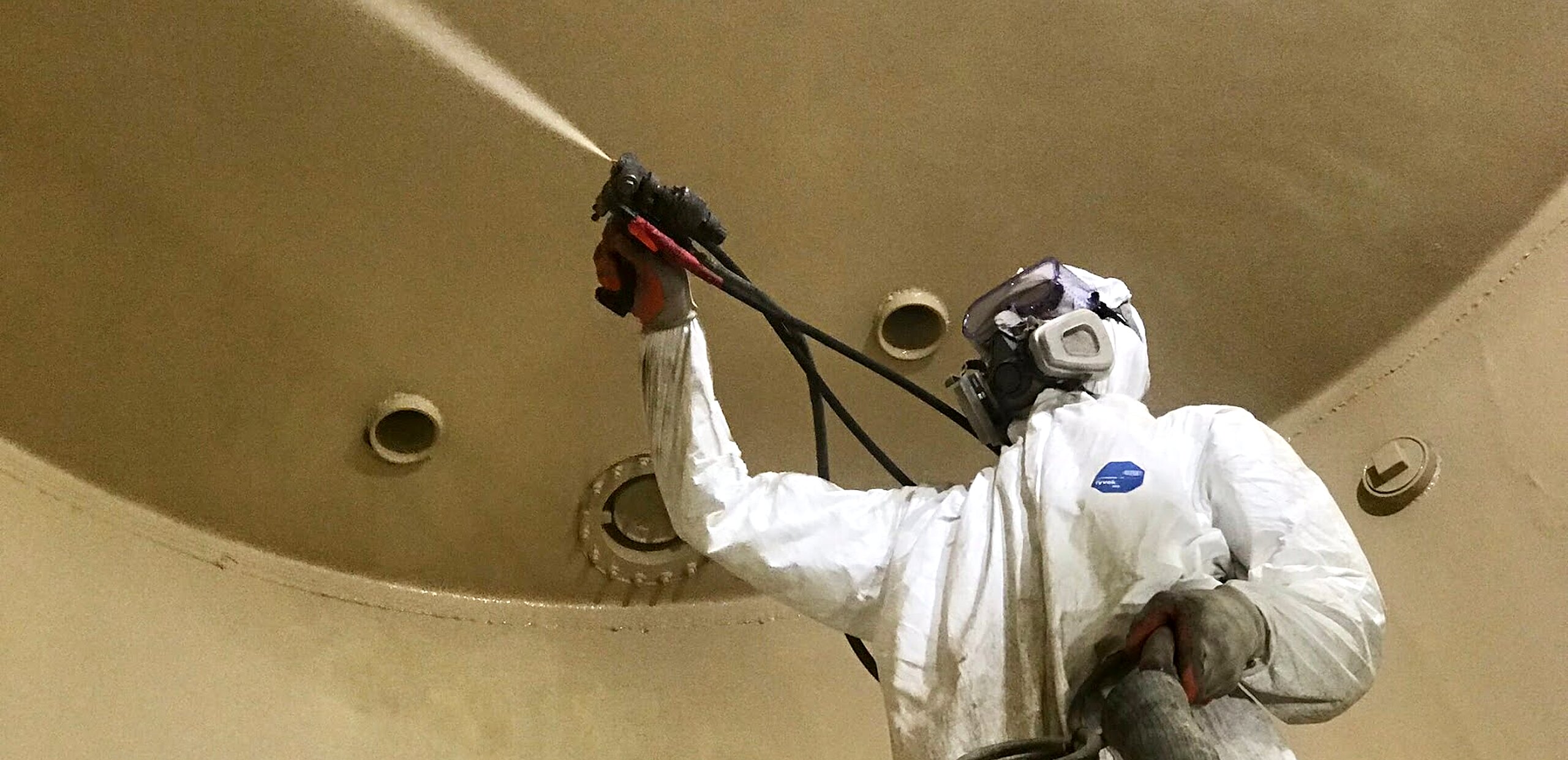
Spray the lining
Spray to the specified thickness and detail pipes, drains and penetrations.
Cure fully
Hold the cure time at the right temperature before any water contact.
Fill, flush and test
Fill, circulate, drain and refill, then test water before stocking.
Why polyurea for aquaculture
- Seamless: no joints to leak or harbor growth.
- Fast: cures in seconds so tanks return to service sooner.
- Flexible: bridges shrinkage cracks in concrete tanks.
- Tough: resists cleaning tools, nets and abrasion.
ArmorThane manufactures pure polyurea for potable and aquatic service and trains the applicators who install it. See AquaShield, water tank coating and koi pond liner.
Seal the tank, protect the stock.
A certified ArmorThane applicator can inspect your tanks, raceways or ponds and quote a fish-safe lining with cure and flush steps spelled out.
Contractors: become an ArmorThane applicator
Aquaculture tank coating questions
What coating is safe for fish tanks?
Use a product the manufacturer documents for aquatic or potable service, often certified to NSF/ANSI/CAN 61, fully cured and flushed before stocking.
Is polyurea safe for fish?
Pure polyurea products made for potable or aquatic service are used in fish tanks and ponds once fully cured. Follow the product data sheet and flush before stocking.
How long before I can add fish after coating?
Follow the full cure time on the data sheet, then fill, circulate, drain and refill, and test water quality before stocking.
Can you coat a concrete fish raceway?
Yes. Clean, repair and dry the concrete, prime it, and spray a seamless lining to seal cracks and joints.
Can old fiberglass fish tanks be relined?
Yes, after sanding, repairing blisters and cracks, and priming for adhesion.
Sources
- NSF, NSF/ANSI/CAN 61 drinking water system components. nsf.org/knowledge-library/nsf-ansi-standard-61-drinking-water-system-components-health-effects
- NOAA Fisheries, aquaculture overview. fisheries.noaa.gov/topic/aquaculture
- ArmorThane aquatic coatings article. armorthane.com/aquatic-coatings

Start your coatings business with ArmorThane.
Tell us what you want to spray and where you are. An ArmorThane specialist will walk you through the equipment, chemicals, training and startup cost for the work you want to do.
- Equipment package matched to your applications
- Hands-on training and applicator certification
- Technical support once you are spraying
More to read on water storage
Short reads from ArmorThane on Issuu. Tap one to open it right here.
 Quick readCoating Underground Propane Tanks – Polyurea Corrosion Protection Below Grade
- Quick readThe Benefits Of Spraying Municipal Water Treatment Tanks In House
- Quick readConcrete Sewage Tank Protection: ArmorThane’s Solution
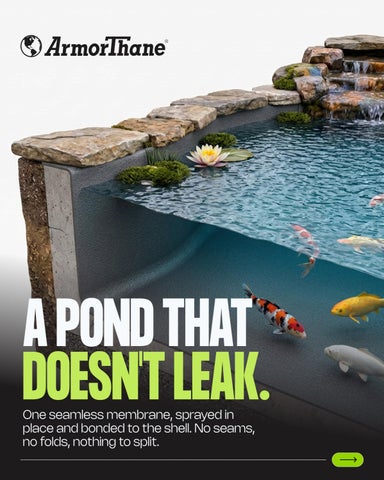
- Quick readA Pond That Doesn’t Leak: ArmorThane Polyurea Koi Pond & Water Feature Coatings