




ArmorFoam™ 1:1 POLYUREthane foam
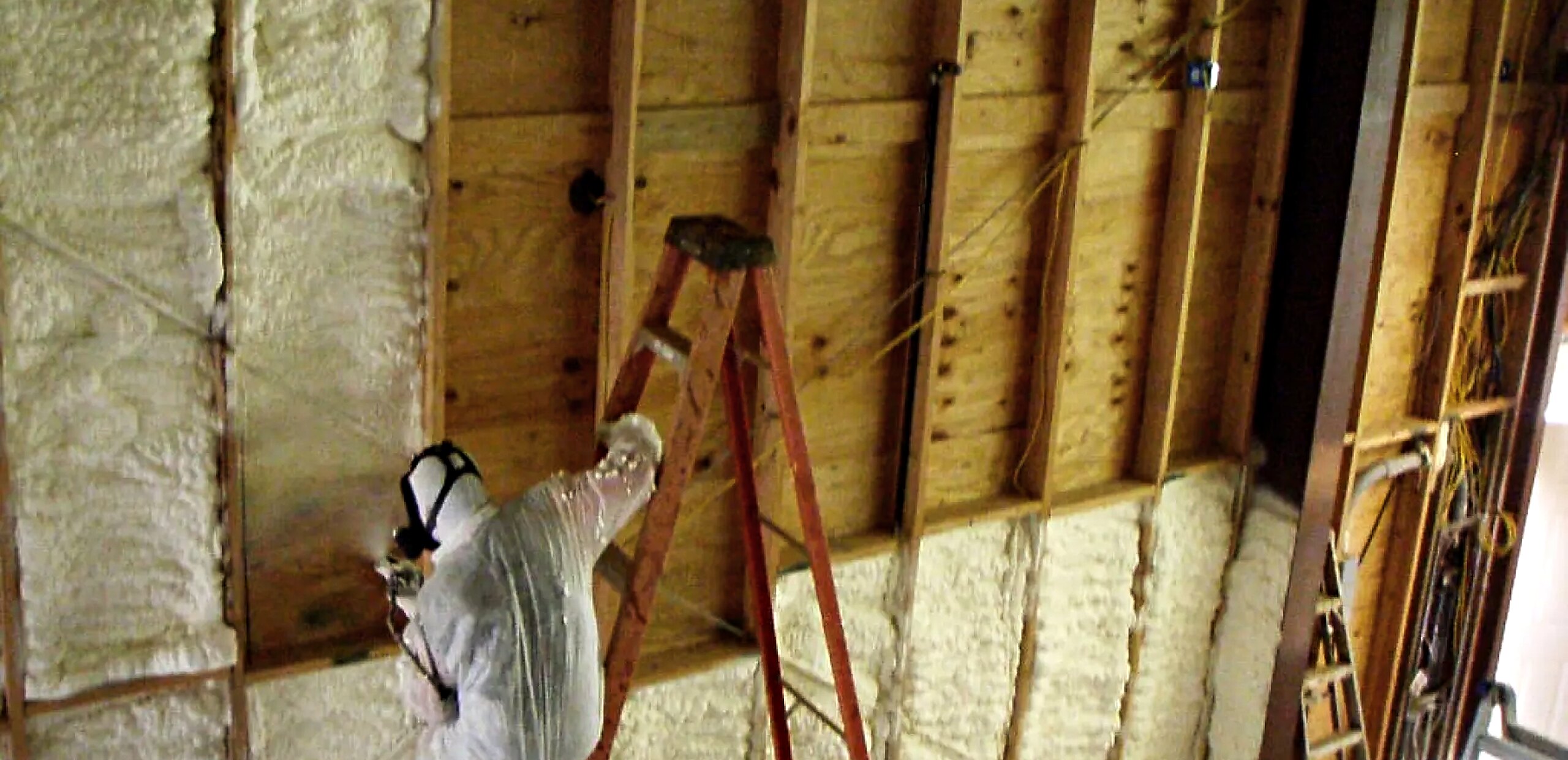
ArmorFoam is a two-component, closed-cell, liquid spray applied, low density, all water blown, rigid polyurethane spray foam insulation. It exhibits superior insulation properties compared to other conventional insulation materials and meets the highest flame retardancy standards for construction materials. ArmorFoam is easy to apply and its fast reaction time allows the applicator to complete difficult jobs quickly.
Start a spray foam business
Spray foam for a living.
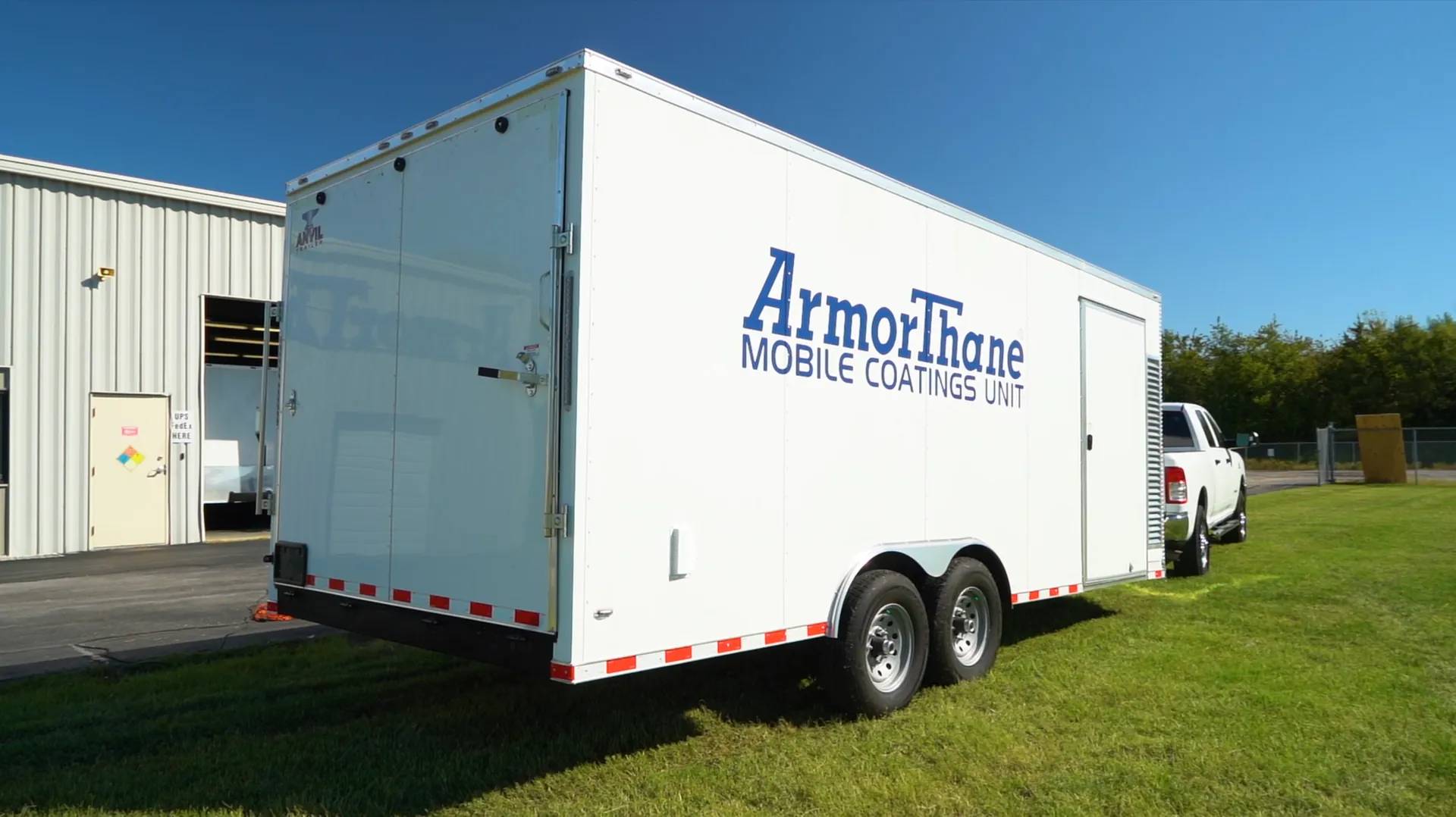
ArmorThane sets you up to do this work, and you own the business. We make the chemistry, build the rigs, train you hands-on and answer the phone when a job gets difficult. You pay no franchise fee and no royalties. It has been that way since 1989.
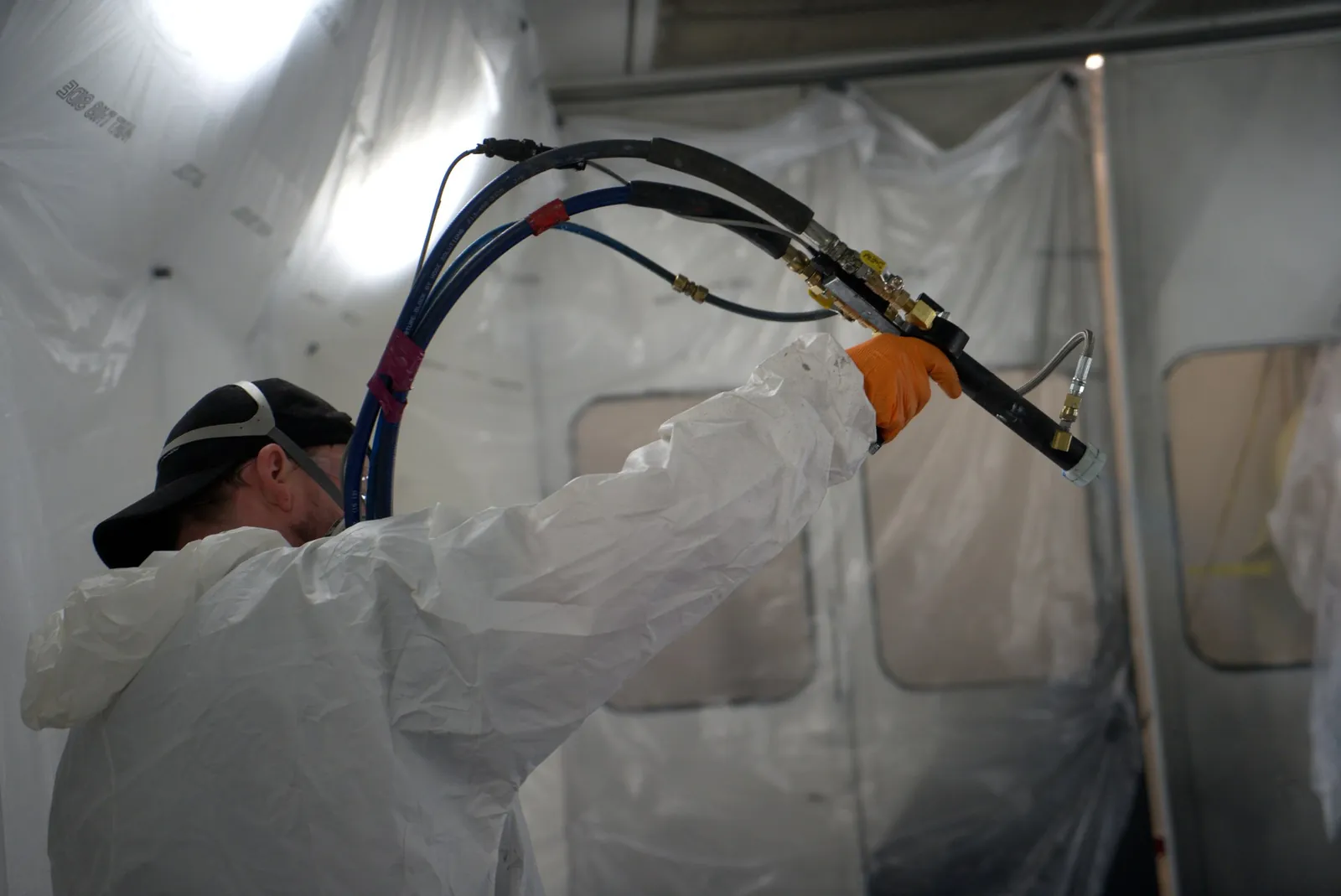
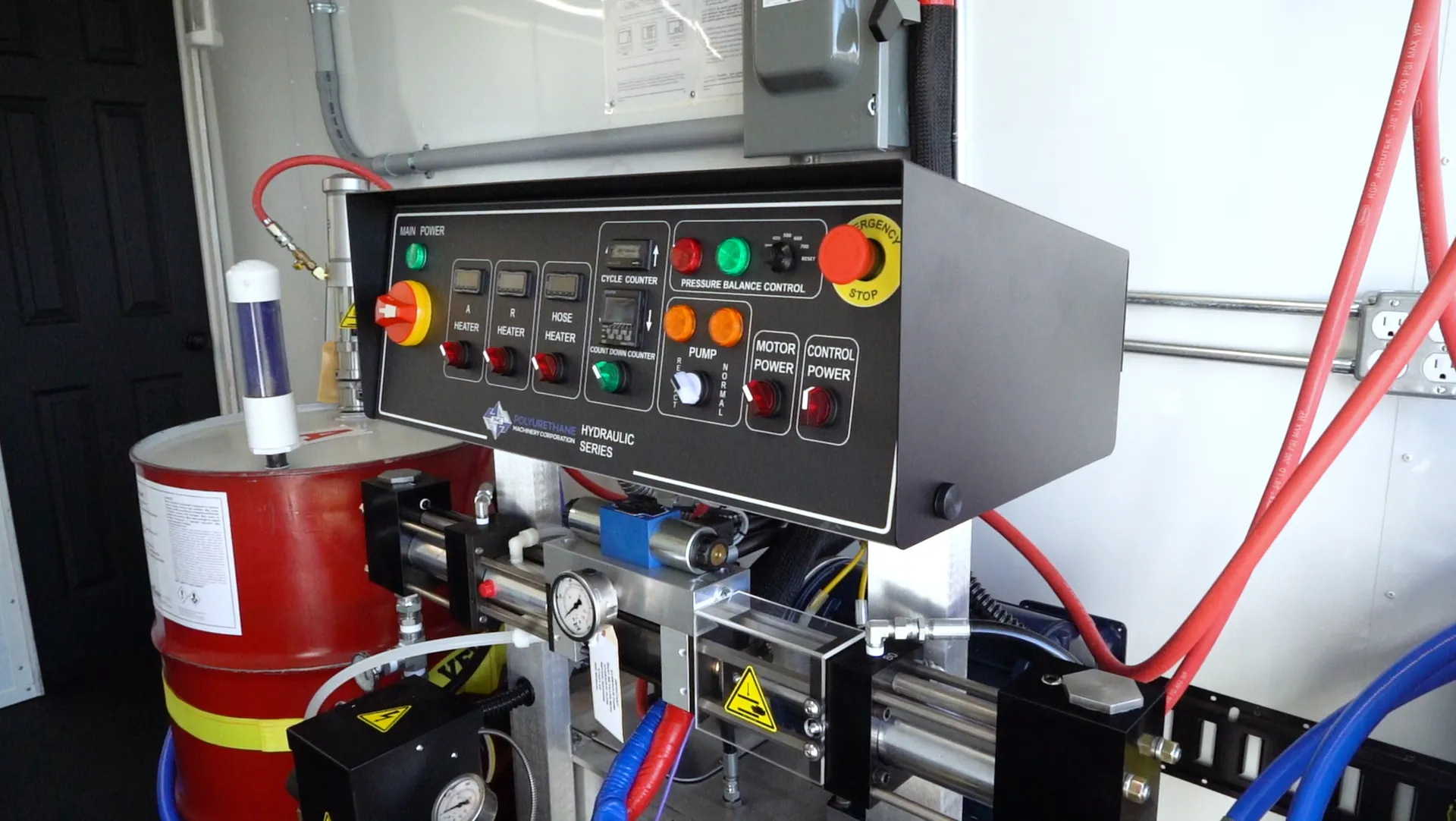
- $0
- franchise fees or royalties
- 35+
- years in business
- 50+
- countries with applicators
- 24/7
- technical support
- Sprays as foam then harden to fill in cracks of varying sizes
- Most commonly used as high R-value insulation sprayed in walls, attics, and crawl spaces and hardens to block outside air and moisture, reduce utility costs, strengthen the structure
- Other uses include creating an insulating underlayment on the outside of primary containment for maintaining internal tank temperature; the tank is then coated with polyurea or polyurethane spray to form a tough outer shell
- In mining applications, expanding foam reinforces highly fractured and unfractured rock for added stability and prevents minor groundwater inflow

Application Method:

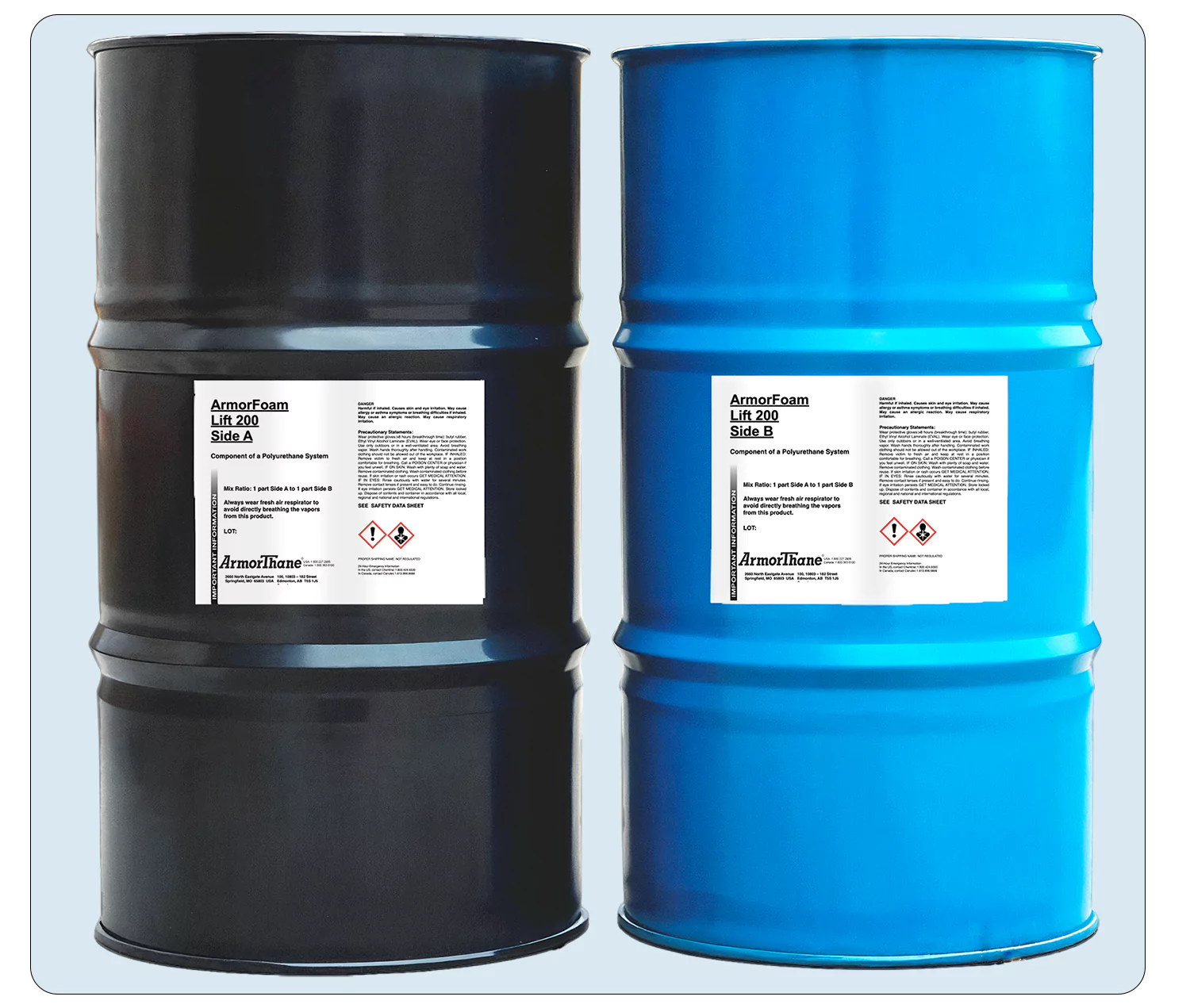
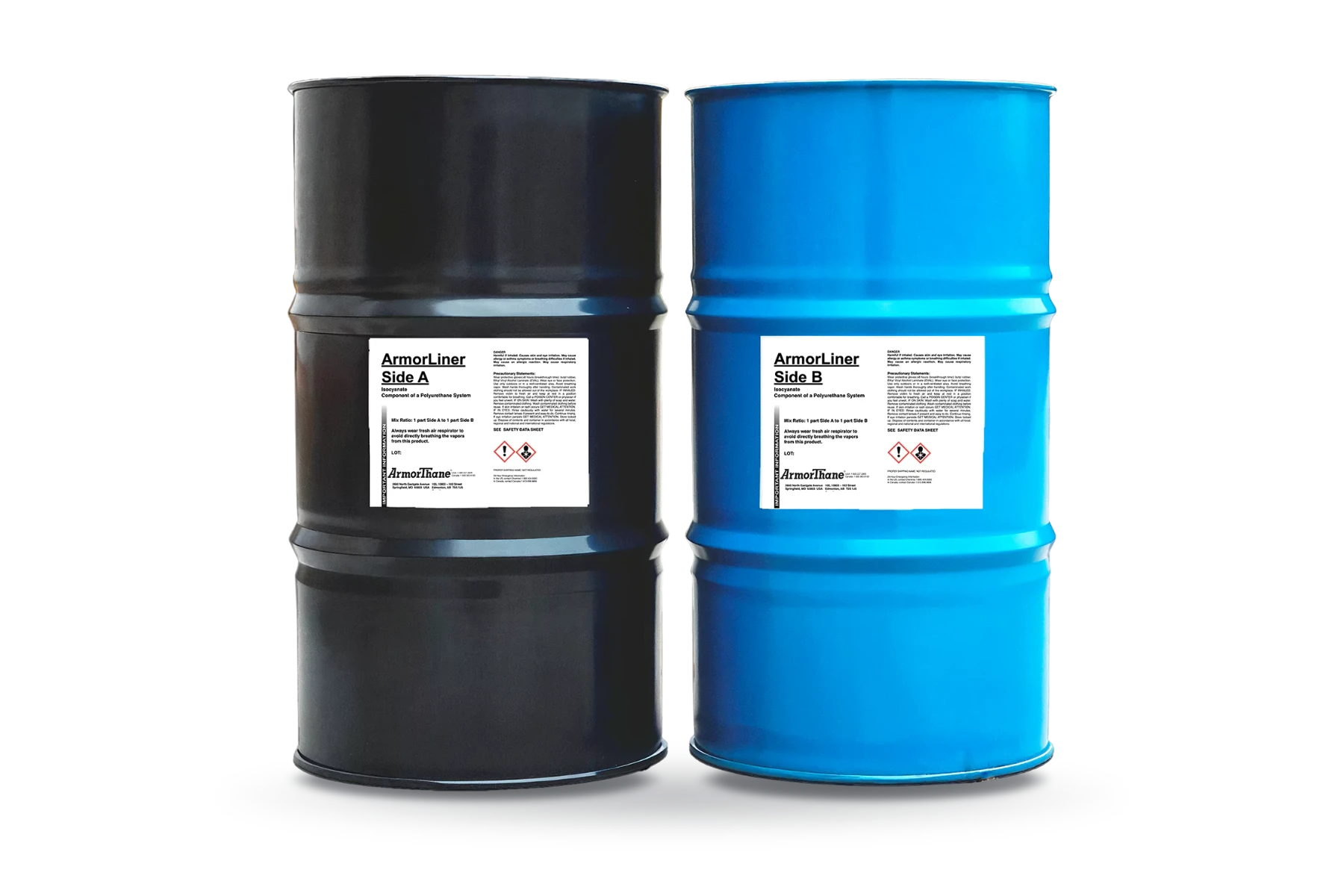
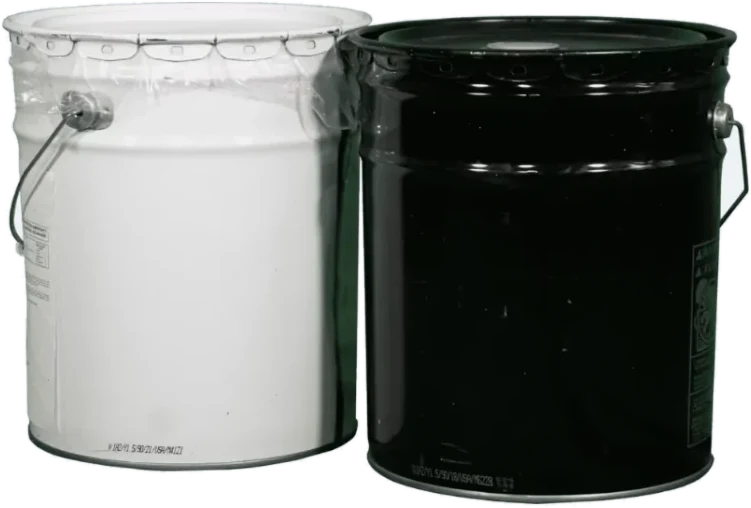
Typical Packaging:
What Is ArmorFoam?
ArmorFoam is a two-component, closed-cell, rigid polyurethane spray foam insulation. It is sprayed as a liquid, then expands into foam and hardens to fill cracks and gaps of different sizes. It is low density and entirely water blown. Compared with conventional insulation materials, it offers superior insulating performance, and it is formulated to meet flame-retardancy requirements for construction materials. It is easy to apply, and its fast reaction time lets applicators finish difficult jobs quickly.
Because it is closed-cell, the cured foam does more than insulate. It blocks outside air and moisture, and it adds strength to the structure it is sprayed into. The overview of spray foam on Wikipedia explains how closed-cell and open-cell foams differ.
Where ArmorFoam Is Used
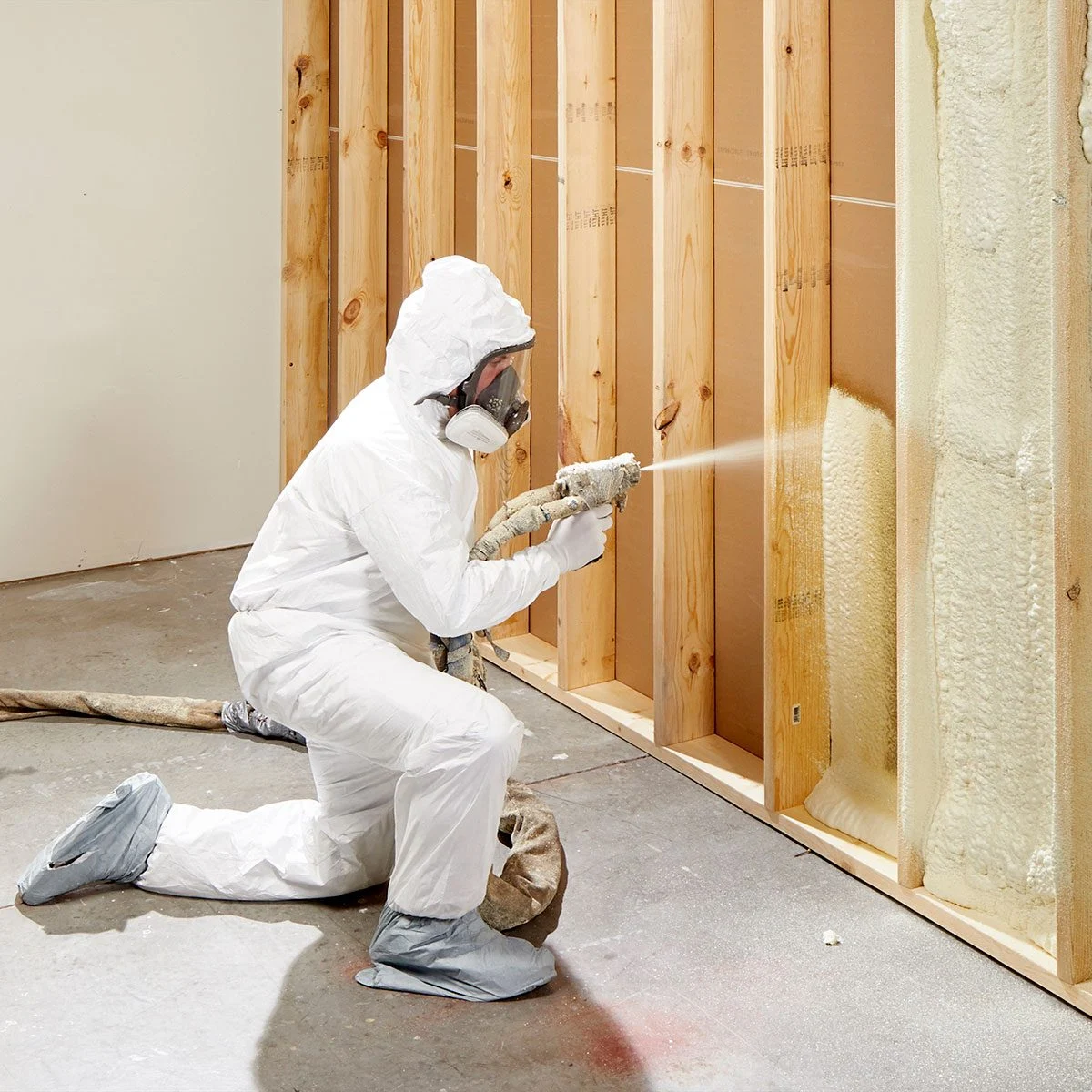
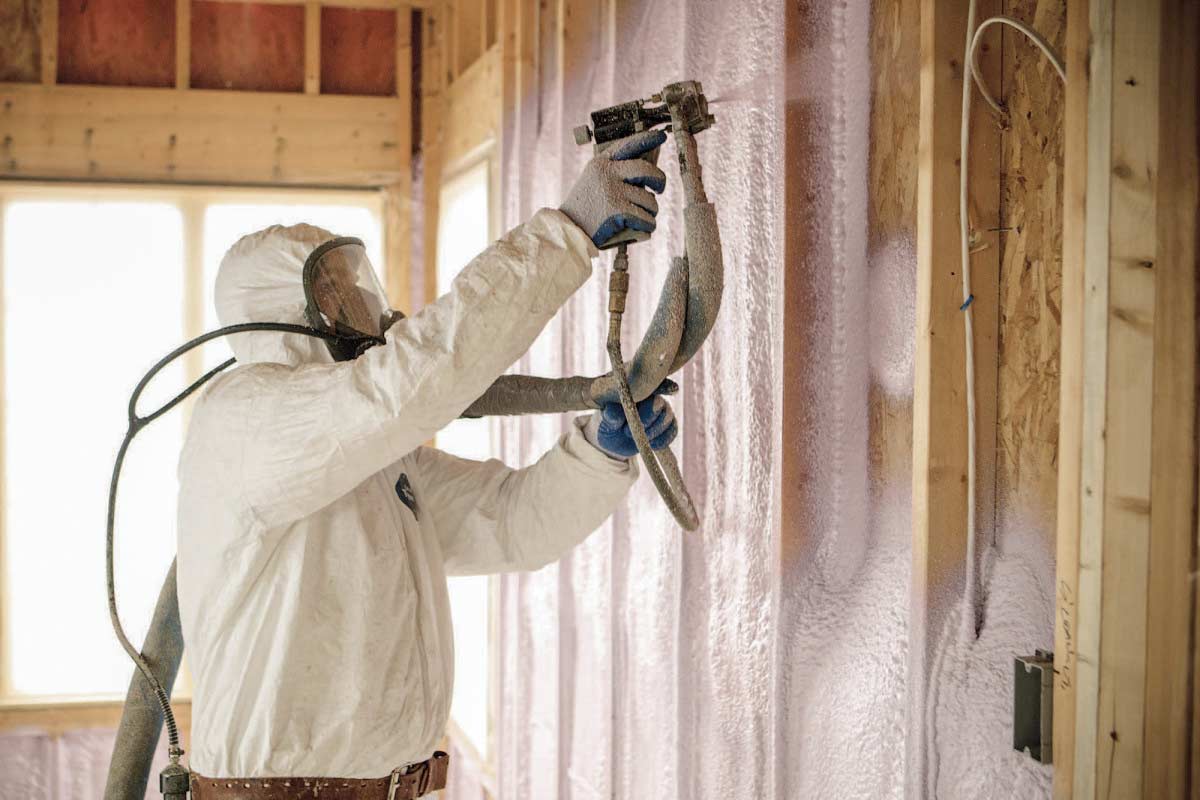
Most often, it is used as high R-value insulation sprayed into walls, attics and crawl spaces. There it hardens to block outside air and moisture, helps reduce utility costs and strengthens the building. Other uses include:
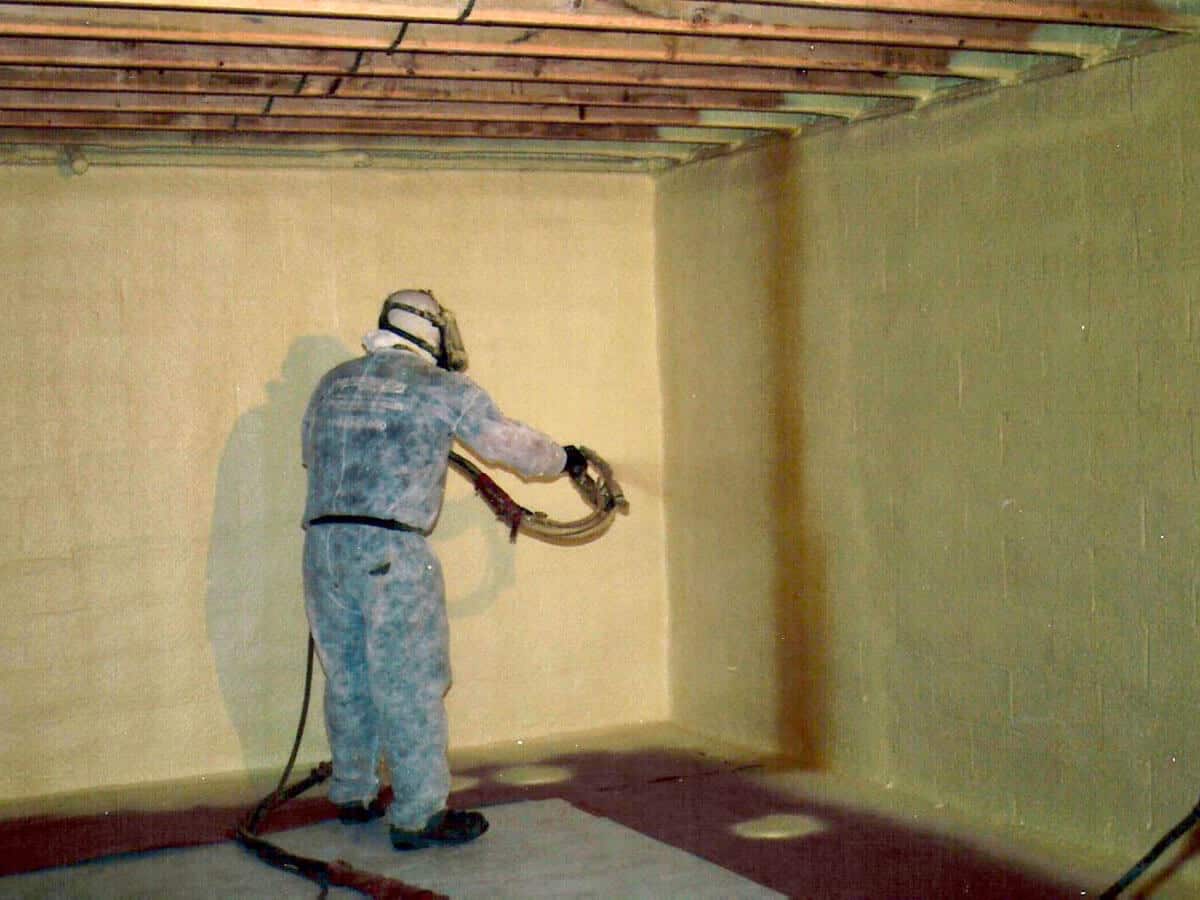
- Tank insulation. Foam is sprayed onto the outside of a tank to help hold its internal temperature, then coated with polyurea or polyurethane to form a tough outer shell.
- Mining. Expanding foam reinforces fractured and unfractured rock for added stability and helps stop minor groundwater inflow.
- Metal buildings and barns. Closed-cell foam insulates and helps control condensation on metal roofs and walls.
- Roofing. Foam can be used as part of a roofing system when topped with a protective coating.
Read more about spray foam roofing, open-cell spray foam and ArmorFoam in agriculture.
Why Closed-Cell Foam
Closed-cell foam has a dense structure of sealed cells. That gives it a higher R-value per inch than open-cell foam, along with greater strength and better resistance to moisture. It is the better choice where space is tight, where moisture is a concern or where the foam needs to add rigidity. Open-cell foam is softer and lighter and is often used for sound control and interior walls. The U.S. Department of Energy has a helpful guide to insulation types and R-values.
Applying ArmorFoam
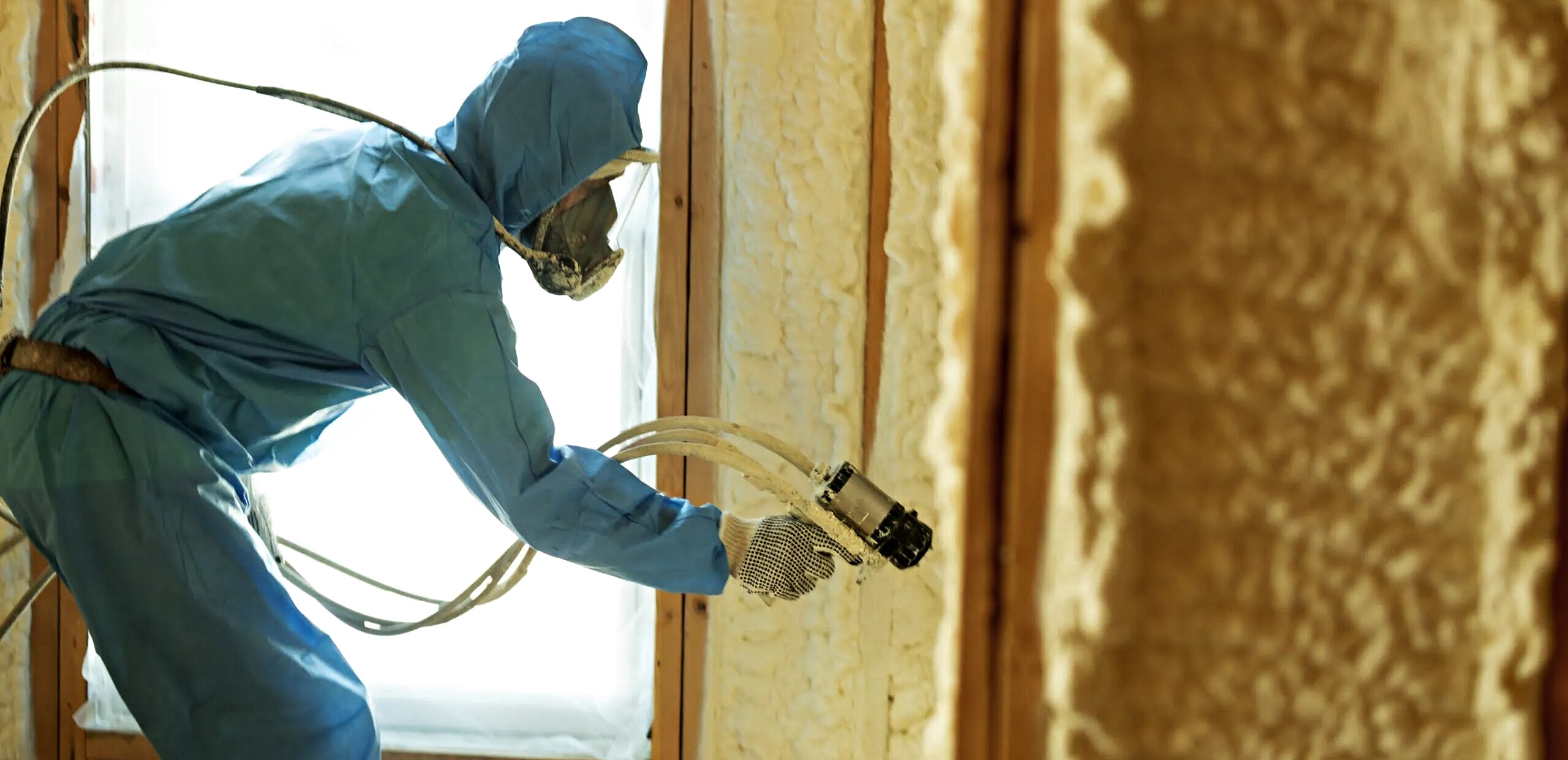
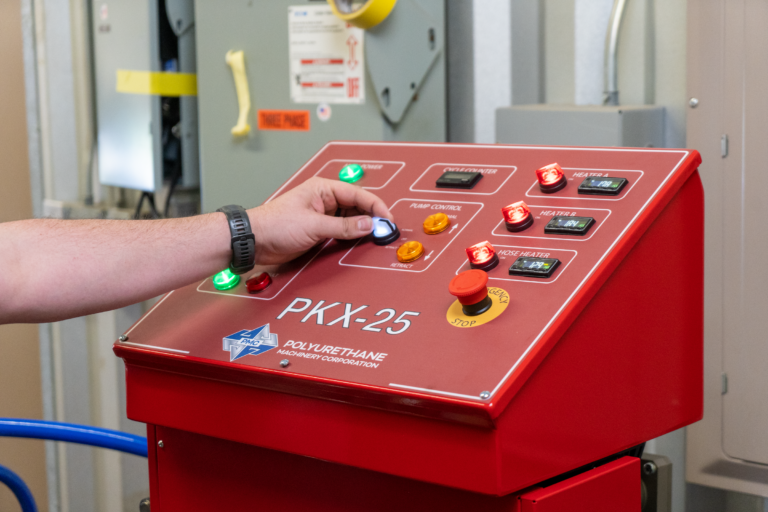
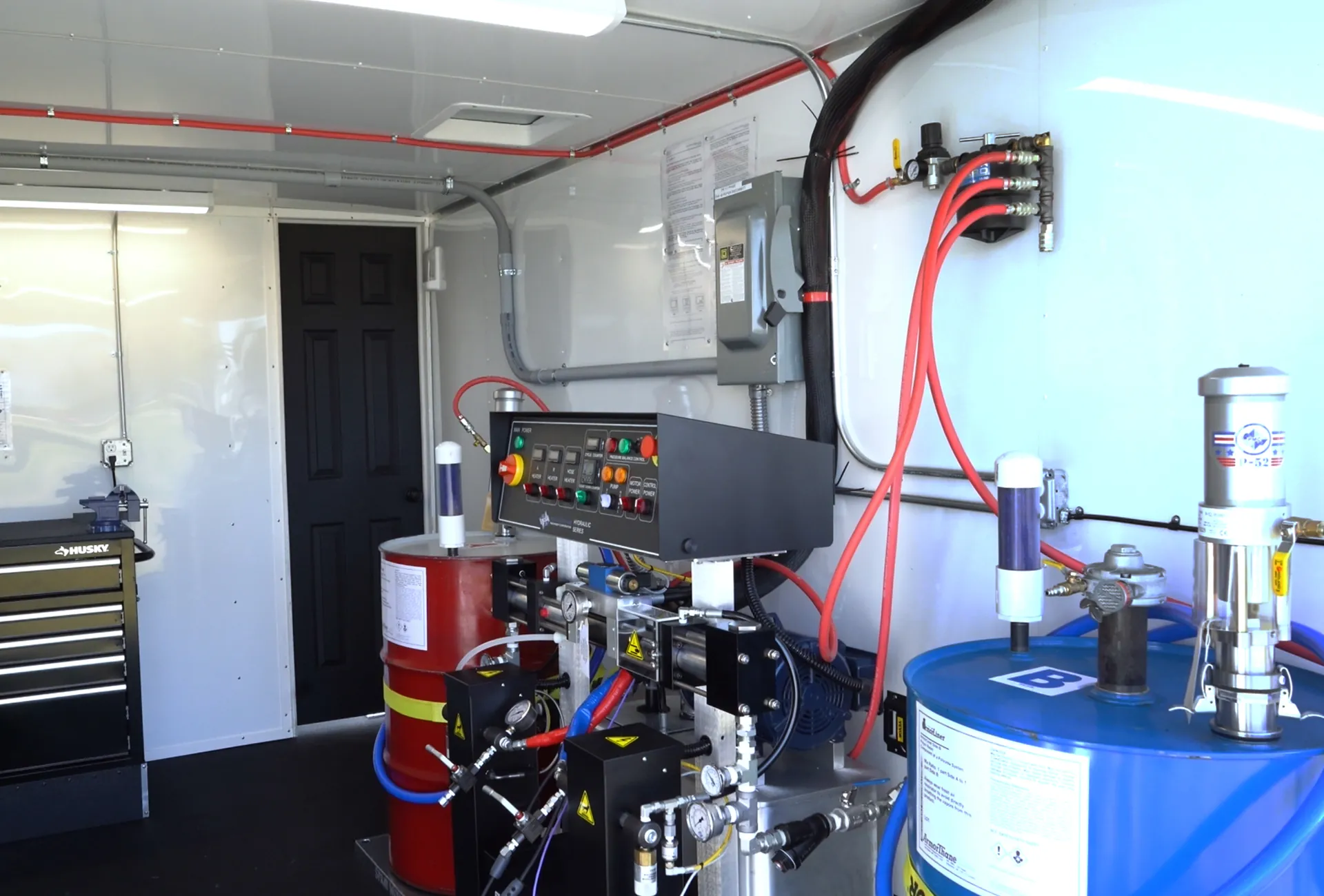
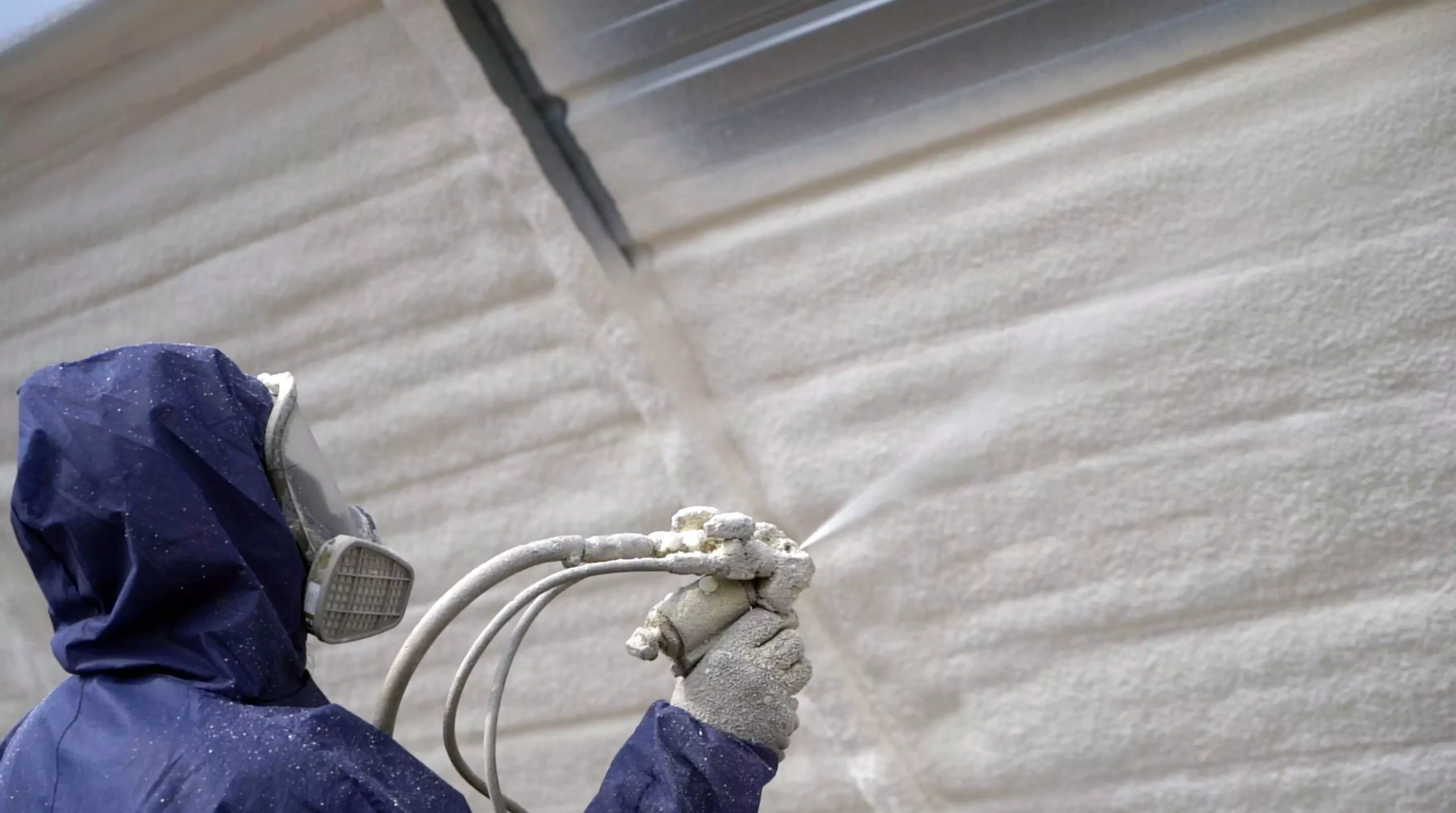
The foam is sprayed with heated plural-component equipment. Surfaces should be clean, dry and within the temperature range on the technical data sheet, because cold or damp surfaces affect how the foam expands and bonds. Spray in passes of the recommended thickness rather than one heavy pass, and let each pass react before adding the next.
In most buildings, spray foam must be covered by a thermal barrier or ignition barrier as required by the local building code. Crews need proper protective equipment and ventilation while spraying, as explained in OSHA guidance on spray polyurethane foam. Follow the technical and safety data sheets for every job.
Estimating a foam job
Start with the area to be insulated and the R-value the owner wants or the code requires. Closed-cell foam delivers more R-value per inch than open-cell, so you need less thickness to reach the same target. Allow extra material for irregular framing, gaps and edges, and plan the order of work so each pass can react before the next one goes on.
Pairing foam with a protective coating
Foam that is exposed to weather, traffic or impact is usually covered with a polyurea or polyurethane coating. The foam provides insulation and structure, and the coating provides a tough, waterproof skin. This combination is common on tanks, roofs and agricultural buildings. Because both products come from ArmorThane and can be sprayed by the same crew, the whole system is installed in one visit, with one supplier standing behind it.
Getting ArmorFoam
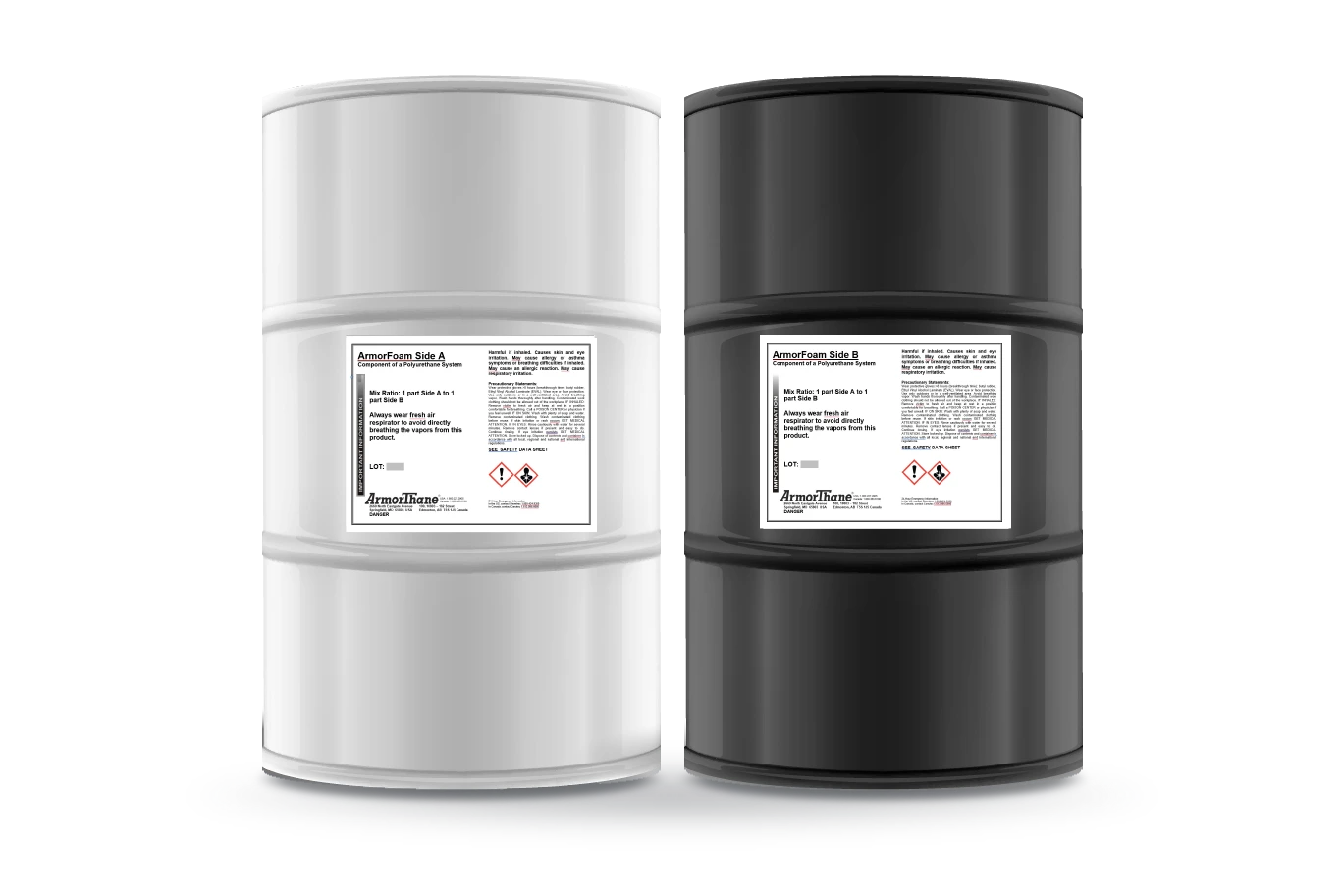
ArmorFoam is supplied to ArmorThane applicators along with spray equipment, training and technical support. Many applicators offer both spray foam and protective coatings from the same rig. Learn how to become an ArmorThane applicator, with no franchise fees and one supplier for chemicals, equipment and training.
Related reading: switching from spray foam to polyurea, spray foam and solar.
Wide range of possible applications
Get pricing on ArmorThane materials
Tell us what you are spraying and we will send product data, coverage rates and current pricing for the system that fits the job.
- Technical and safety data sheets
- Coverage rates and material estimates
- Equipment and processing requirements
- Volume pricing and freight to your shop