




Ignition Barrier for Spray Foam: Code, Materials & Coatings
When the IRC and IBC require an ignition barrier instead of a thermal barrier, which materials qualify, how coatings get listed, and what fails inspection.
Start a protective coatings business
Spray protective coatings for a living.
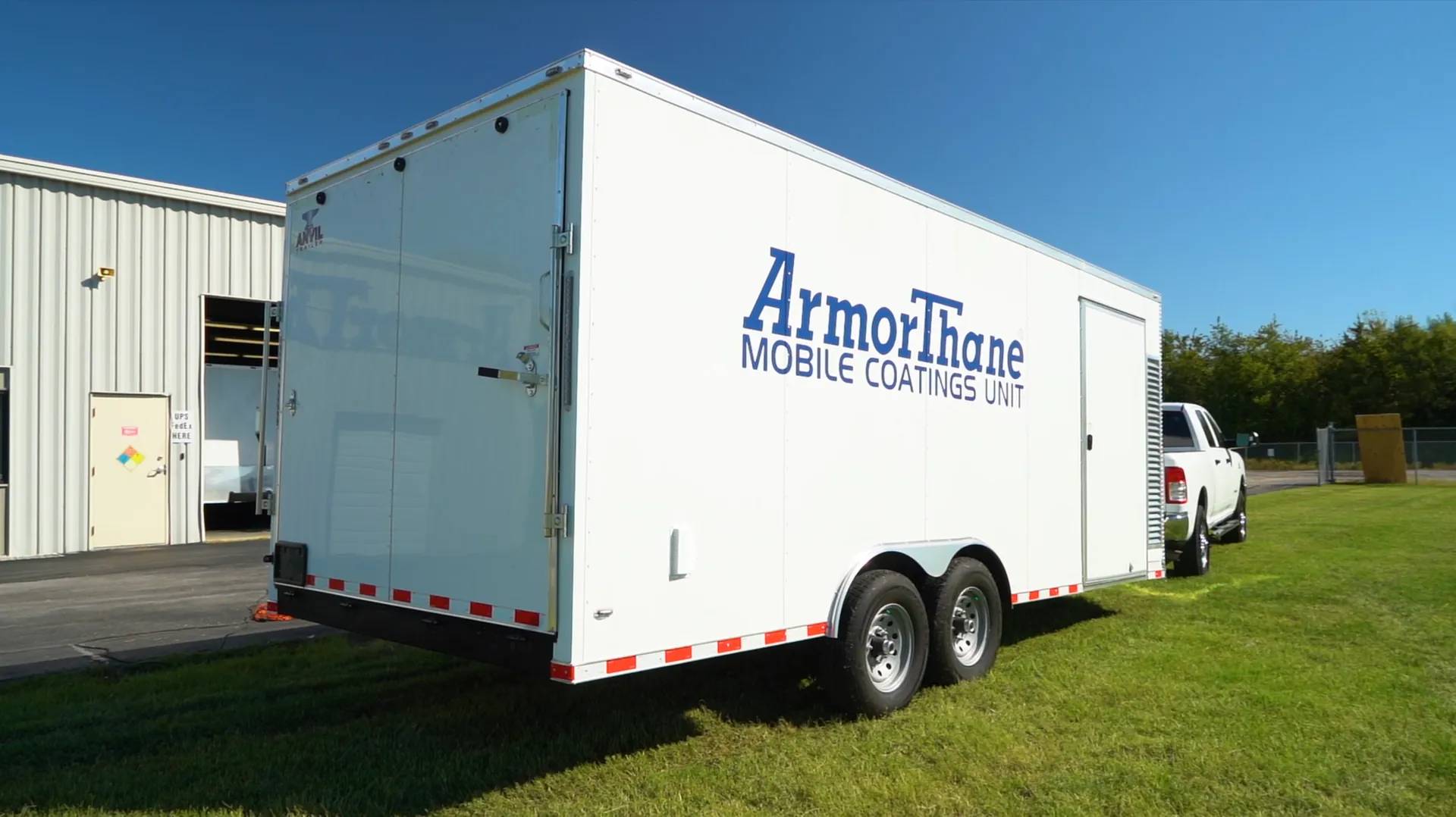
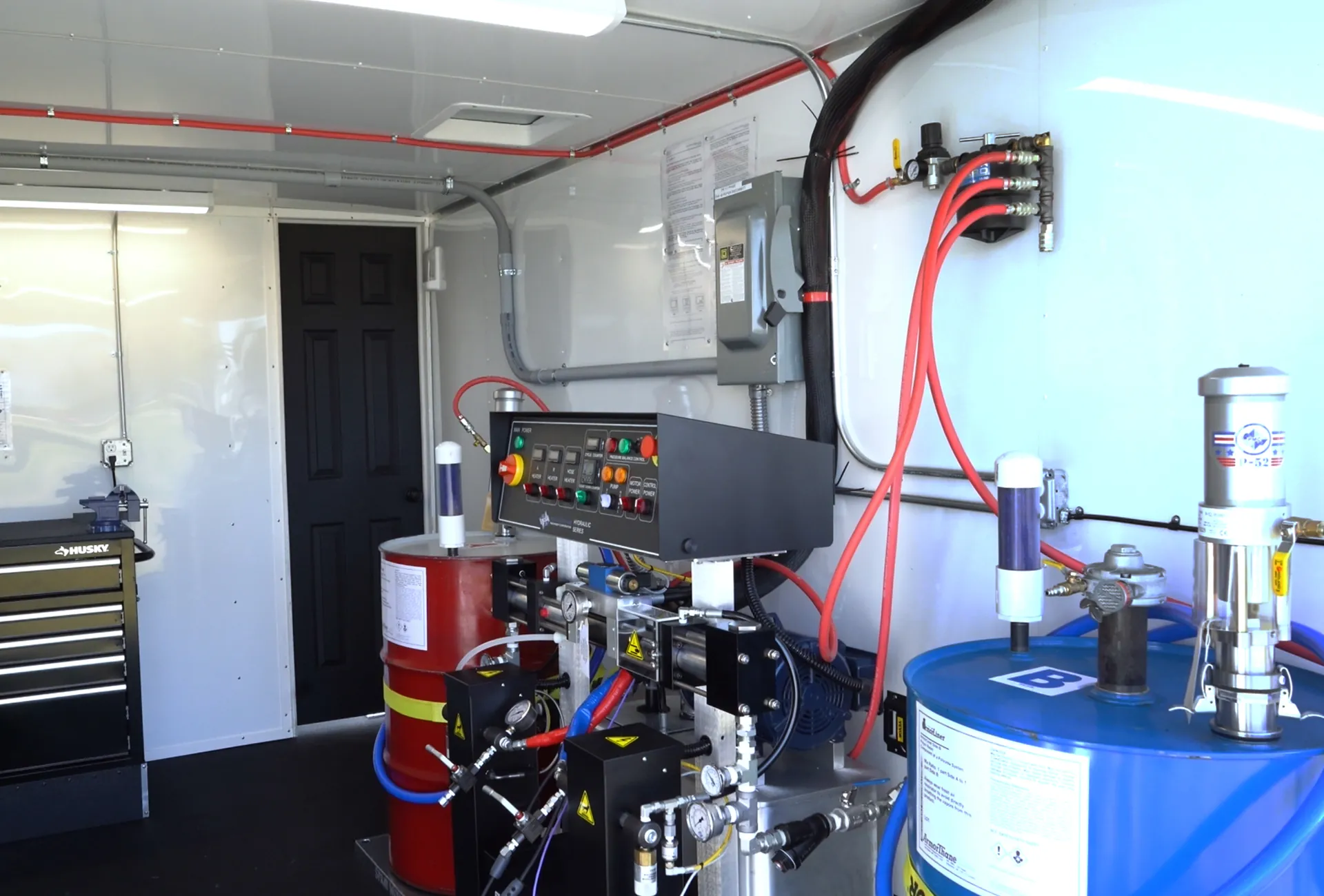
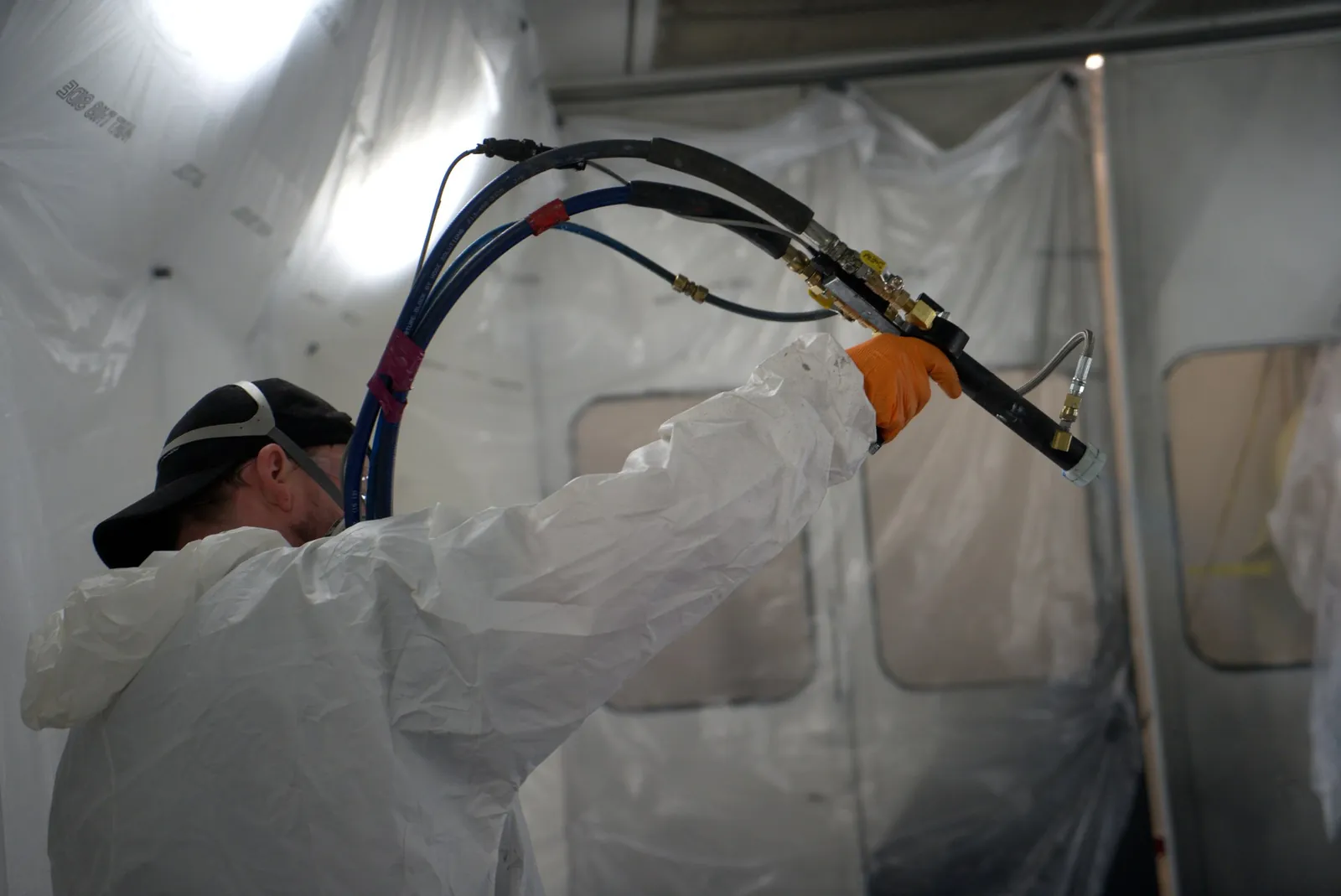
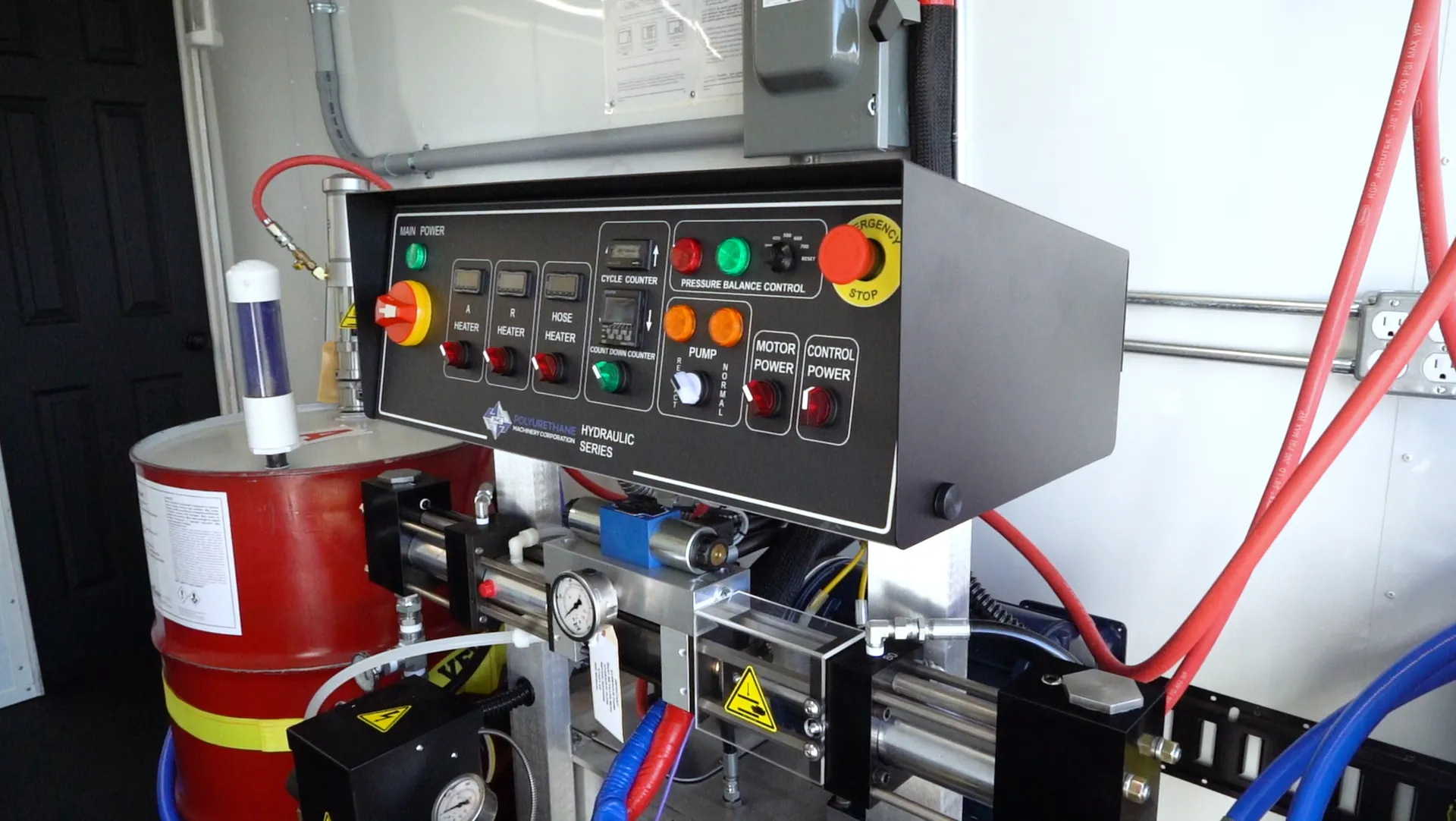
ArmorThane sets you up to do this work, and you own the business. We make the chemistry, build the rigs, train you hands-on and answer the phone when a job gets difficult. You pay no franchise fee and no royalties. It has been that way since 1989.
- $0
- franchise fees or royalties
- 35+
- years in business
- 50+
- countries with applicators
- 24/7
- technical support
An ignition barrier is the lighter of the two fire protection layers the building code requires over spray foam, and it is the one that causes the most confusion on job sites and in inspections. It applies in attics and crawl spaces that people only enter to service equipment, and it can be drywall, plywood, mineral wool, sheet steel or a coating that has been tested and listed with the specific foam. We manufacture spray foam and train applicators, so we field these questions every week. This guide explains what an ignition barrier is, how it differs from a thermal barrier, when the code requires one, what materials qualify, how coatings get approved, and the mistakes that fail inspections. Two tools help you pick the right barrier and work out how much coating or board you need.
An ignition barrier is a covering over foam plastic insulation that keeps a small flame from igniting the foam. The IRC (R316.5.3, R316.5.4) and IBC (2603.4.1.6) allow it instead of a full thermal barrier only in attics and crawl spaces entered for service of utilities, not used for storage. Code-listed materials include 1-1/2 in. mineral fiber insulation, 1/4 in. wood structural panels, 3/8 in. particleboard, 1/4 in. hardboard, 3/8 in. gypsum board and 0.016 in. corrosion-resistant steel. Intumescent coatings and some foams qualify only through testing documented in an ICC-ES or similar evaluation report.
Ignition barrier vs. thermal barrier
Both requirements come from the foam plastic sections of the codes: IRC Section R316 for homes and IBC Section 2603 for everything else. They protect against different things.
Protects the foam from a room fire
Required where foam faces the interior of the building. The baseline is 1/2 in. gypsum wallboard, or a material that passes the NFPA 275 tests, which check that the barrier limits temperature rise and stays in place for 15 minutes. Living spaces, basements, garages and attics used for storage fall here.
Protects the foam from a spark or small flame
A lighter layer allowed only in attics and crawl spaces that people enter just to service utilities such as HVAC equipment, ducts, wiring and plumbing. The idea is that an occasional visitor with a work light or a soldering torch should not be able to light the foam.
Every foam plastic insulation also has to meet the surface burning limits on its own: a flame spread index of 75 or less and a smoke-developed index of 450 or less in ASTM E84 testing (IRC R316.3). That rating describes the foam, not the finished assembly; it does not replace either barrier.
When the code requires an ignition barrier
The default for foam inside a building is a thermal barrier. The attic and crawl space sections are exceptions that let you step down to an ignition barrier when the space is effectively unoccupied. The conditions, as summarized in evaluation reports that cite IBC 2603.4.1.6 and IRC R316.5.3 and R316.5.4, are:
- Entry only to service utilities. People go in to work on HVAC equipment, ducts, wiring or plumbing, and for nothing else.
- No storage. Boxes, holiday decorations or a floored storage area turn the attic into usable space, and the foam then needs a thermal barrier.
- Not interconnected with other attic or crawl space areas, and air from the space is not circulated to other parts of the building.
- Ventilation and combustion air provided as the code requires for that space, including for any fuel-burning appliances.
If any of those fail, plan on a thermal barrier. And if the foam itself has been tested for attics and crawl spaces without a covering, its evaluation report may allow you to leave it exposed with no added barrier at all. That route uses the "specific approval" provisions (IRC R316.6, IBC 2603.9) and full-scale testing such as Appendix X of ICC-ES acceptance criteria AC377. The report, not a sales sheet, tells you whether that applies to the foam you are spraying.
Which barrier do I need? Ignition barrier selector
Answer four questions about the space. The selector applies the IRC and IBC logic above and tells you the minimum protection to plan for. Your local building official has the final word, and some jurisdictions amend these sections.
Thermal barrier, ignition barrier or neither?
Based on IRC R316.4, R316.5.3, R316.5.4 and R316.6, and IBC 2603.4, 2603.4.1.6 and 2603.9. Attic and crawl space exceptions apply only when entry is for service of utilities and there is no storage.
Approved ignition barrier materials
The IRC and IBC list prescriptive ignition barrier materials that need no special testing when installed so the foam is not exposed. Coatings and other products qualify through an evaluation report instead. Click a column heading to sort.
| Material | Minimum thickness | Basis | Installed cost guide | Our field notes |
|---|---|---|---|---|
| Mineral fiber insulation | 1-1/2 in. | Prescriptive (IRC R316.5.3, IBC 2603.4.1.6) | Varies | Must stay in place over the foam; hard to keep on a sloped roof deck |
| Wood structural panels | 1/4 in. | Prescriptive | Varies | Durable where people kneel or crawl |
| Particleboard | 3/8 in. | Prescriptive | Varies | Rarely used; moisture sensitive in crawl spaces |
| Hardboard | 1/4 in. | Prescriptive | Varies | Rarely used |
| Gypsum board | 3/8 in. | Prescriptive | $1.50–$3.50/sq ft hung and finished | Cheap material, slow to install overhead in attics |
| Corrosion-resistant steel | 0.016 in. base metal | Prescriptive | Varies | Common in metal buildings and ag structures |
| Listed intumescent coating | About 3–4 dry mils (one listed product) | Evaluation report, tested with specific foams | Get quotes | Fastest; only valid with the foams and thicknesses in the report |
| Foam tested exposed (no covering) | None added | Evaluation report, AC377 Appendix X | $0 extra | Check foam thickness limits and space conditions in the report |
Ignition barrier coatings and evaluation reports
Most spray foam crews use a sprayed intumescent coating rather than hanging board in an attic, because it goes on with an airless sprayer in a fraction of the time. A coating is not on the code's prescriptive list, so it qualifies only through testing. In practice that means an evaluation report from ICC-ES or a similar agency, based on full-scale fire tests such as NFPA 286 room-corner tests and Appendix X of AC377, run with specific foams at specific thicknesses.
ICC-ES report ESR-3702 for DC315, reissued in July 2025, is a good example of how detailed these are. It lists one set of application rates for use as a thermal barrier alternative, roughly 9 to 15 dry mils (about 0.88 to 1.50 gallons per 100 square feet depending on the foam), and a much lighter set for an attic or crawl space ignition barrier, roughly 3 to 4 dry mils (about 0.25 to 0.44 gallons per 100 square feet). Each line is tied to named foam products and maximum foam thicknesses, and the attic use carries the same no-storage, service-only conditions as the code.
Match the foam
The coating report must list the exact foam product you sprayed, or the foam's own report must list the coating. A coating tested over one brand of open-cell foam is not automatically approved over another.
Match the thickness
Check the maximum foam thickness in the report against what is actually on the rafters. Overspraying foam can push you outside the listing.
Apply the listed rate
Spray to the wet mil thickness that produces the listed dry film, and check it with a wet film gauge as you go. One gallon spread over 1,604 square feet makes a 1 mil wet film, which is the basis for every coverage calculation.
Document it
Keep the evaluation report, product data sheet, batch numbers, gallons used and area covered, and wet mil readings. Some jurisdictions want a signed installation certificate posted in the attic.
For the chemistry behind these coatings and how they compare with structural steel fireproofing, see our intumescent coating guide. Crews spraying the coating over fresh foam need the same respiratory protection as the foam application; our spray foam PPE guide covers it.
Ignition barrier coating and board calculator
Enter the foam surface area and the wet film thickness from your coating's evaluation report. The calculator works out gallons and pails, and compares the job with covering the same area in drywall.
How much coating or board do I need?
Gallons = area x wet mils / 1,604, plus your waste allowance. Presets use the wet mil ranges in ESR-3702 (ignition barrier 4–7 wet mils; thermal barrier alternative 14–23 wet mils); always use the figure listed for your foam. Drywall at $1.50–$3.50/sq ft hung and finished (HomeGuide 2025); 4x8 sheets cover 32 sq ft.
Ignition barrier mistakes that fail inspection
These are the problems we hear about most from applicators and inspectors.
Coating not listed with that foam
The coating report does not name the foam that was sprayed, or the foam was switched mid-job. No paperwork, no pass.
Thin coats
Applying a "light mist" to hit a price. Inspectors with a mil gauge, or a gallon count that does not add up to the area, will catch it.
Attic used for storage
A homeowner floors part of the attic after the job. The ignition barrier no longer meets code; a thermal barrier is needed there.
Foam too thick
Foam sprayed thicker than the maximum in the report puts the assembly outside the tested condition.
Missed areas
Gable ends, kneewalls, rim joists in crawl spaces and the back side of the attic hatch all need the same protection as the roof deck.
Wrong barrier for the room
Bonus rooms, basements and garages are not attics. Foam there needs a thermal barrier, usually 1/2 in. drywall.
If you are tearing out foam because of a failed inspection or a bad install, our spray foam removal guide covers when it is worth it and what it costs.
Spray foam that passes the first inspection.
Certified ArmorThane applicators plan the barrier with the foam: the right listing, the right thickness and the paperwork your inspector asks for.
Contractors: become an applicator →
Ignition barrier questions
What is an ignition barrier?
An ignition barrier is a covering over foam plastic insulation that keeps a small flame or spark from igniting the foam. The building codes allow it in place of a full thermal barrier only in attics and crawl spaces that are entered to service utilities and are not used for storage.
What is the difference between an ignition barrier and a thermal barrier?
A thermal barrier, typically 1/2 in. gypsum wallboard or a material that passes NFPA 275, protects foam from a fully developed room fire and is required wherever foam faces occupied space. An ignition barrier is a lighter layer, such as 3/8 in. gypsum board or a listed coating, allowed only in service-only attics and crawl spaces.
Is drywall an ignition barrier?
Yes. Gypsum board at least 3/8 in. thick is on the prescriptive ignition barrier list in IRC R316.5.3 and IBC 2603.4.1.6. Half-inch drywall goes further and is the baseline thermal barrier.
Does closed-cell spray foam need an ignition barrier?
Both closed-cell and open-cell foam need a thermal barrier facing occupied space and at least an ignition barrier in service-only attics and crawl spaces, unless the specific foam's evaluation report shows it passed testing such as AC377 Appendix X for use exposed in those spaces. Check the report for the foam you are buying.
Is ignition barrier paint required in a crawl space?
Foam in a crawl space needs an ignition barrier if the crawl space is entered only to service utilities, under IRC R316.5.4 and IBC 2603.4.1.6. A listed coating is one way to provide it; mineral fiber, plywood, gypsum board or sheet steel at the listed thicknesses are others. A foam with a crawl space listing in its report may not need any covering. Our crawl space encapsulation guide covers foam on crawl space walls in more detail.
How thick does an ignition barrier coating need to be?
Whatever the coating's evaluation report lists for the foam you sprayed. As one example, ESR-3702 for DC315 lists roughly 3 to 4 dry mils (about 0.25 to 0.44 gallons per 100 square feet) for attic and crawl space ignition barrier use, and much heavier rates for use as a thermal barrier alternative.
Can you store things in an attic with an ignition barrier?
No. The ignition barrier exception applies only when the attic is entered to service utilities and storage is not permitted. If the attic will hold storage, the foam needs a thermal barrier.
Can an ignition barrier coating go over old foam?
Possibly, if the coating's report lists that foam and the surface is clean, dry and sound. If you cannot identify the existing foam, you cannot show the coating is listed over it, and covering it with a prescriptive material such as drywall or mineral fiber is usually the cleaner path.
Sources
- ICC, 2021 International Residential Code, Chapter 3, Section R316 Foam Plastic: codes.iccsafe.org/content/IRC2021P2/chapter-3-building-planning
- ICC, 2021 International Building Code, Chapter 26 Plastic, Section 2603: codes.iccsafe.org/content/IBC2021P2/chapter-26-plastic
- ICC-ES, ESR-3702 DC315 Intumescent Coating (reissued July 2025): icc-es.org/wp-content/uploads/report-directory/ESR-3702.pdf
- ACC, Fire Safety Guidance: Working with Polyurethane Foam Products During Construction: americanchemistry.com/…/Fire-Safety-Guidance-Working-with-Polyurethane-Foam-Products.pdf
- HomeGuide, drywall installation cost (2025): homeguide.com/costs/drywall-installation-cost
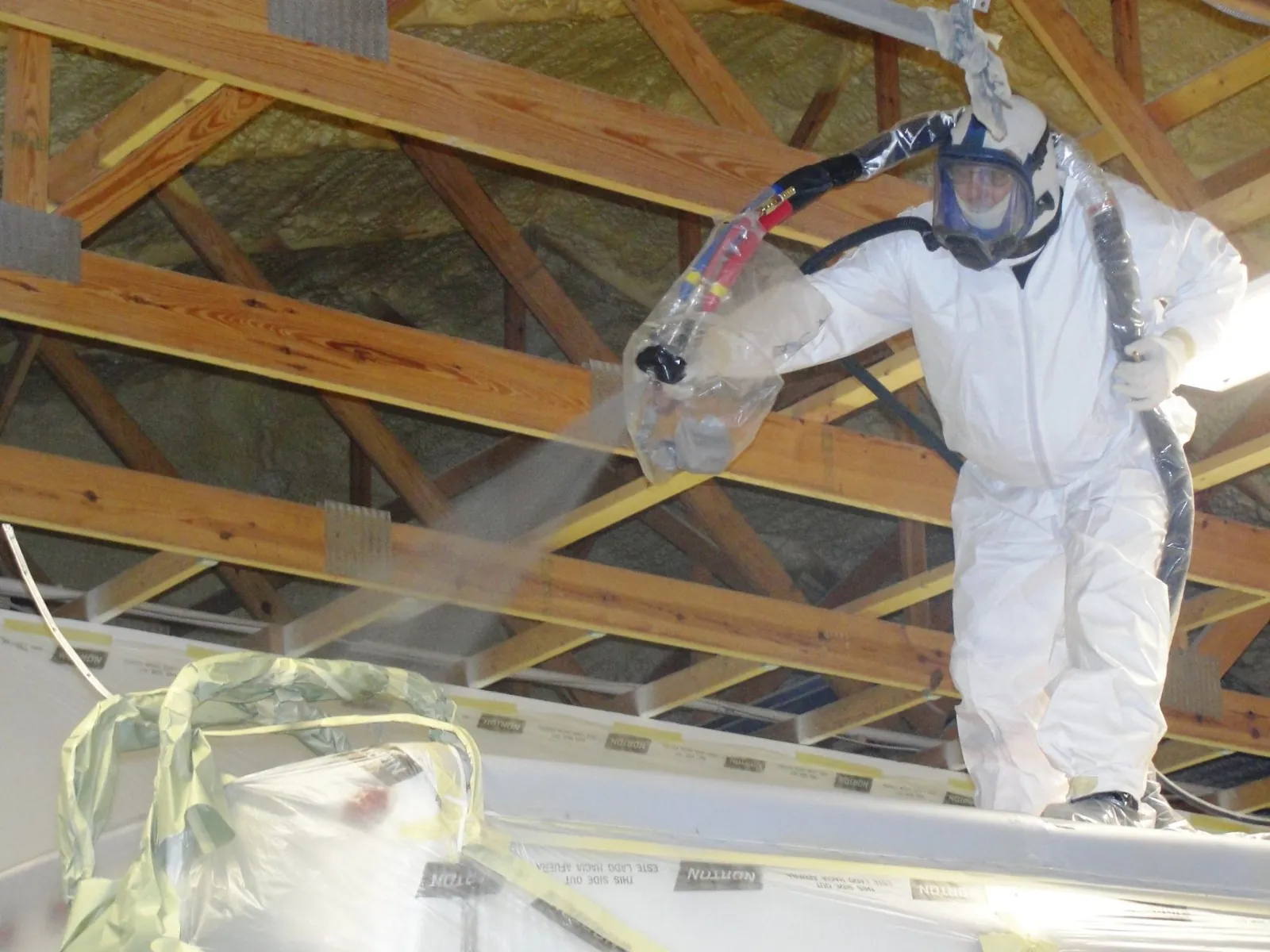
Foam and fire protection, planned together.
Homeowners get a certified ArmorThane applicator who sprays to code and documents the barrier. Contractors can add spray foam with no franchise fee and no royalties.
Start your coatings business with ArmorThane.
Tell us what you want to spray and where you are. An ArmorThane specialist will walk you through the equipment, chemicals, training and startup cost for the work you want to do.
- Equipment package matched to your applications
- Hands-on training and applicator certification
- Technical support once you are spraying
Foaming an attic or crawl space? Get the barrier right.
Tell us the space, how it is used, the square footage and whether the foam is already in. We will connect you with a certified applicator who plans the foam and the barrier together.
- Attic, crawl space or room
- Service-only or storage
- Square footage and foam type
- New job or existing foam