

Skip to content
Railcar Lining

Railcar Lining: Tank Cars, Hoppers and Gondolas

Which lining fits which car and cargo, the federal inspection clock for tank cars, and what a proper reline takes from blast to bake.

Start a protective coatings business

Spray protective coatings for a living.

ArmorThane sets you up to do this work, and you own the business. We make the chemistry, build the rigs, train you hands-on and answer the phone when a job gets difficult. You pay no franchise fee and no royalties. It has been that way since 1989.
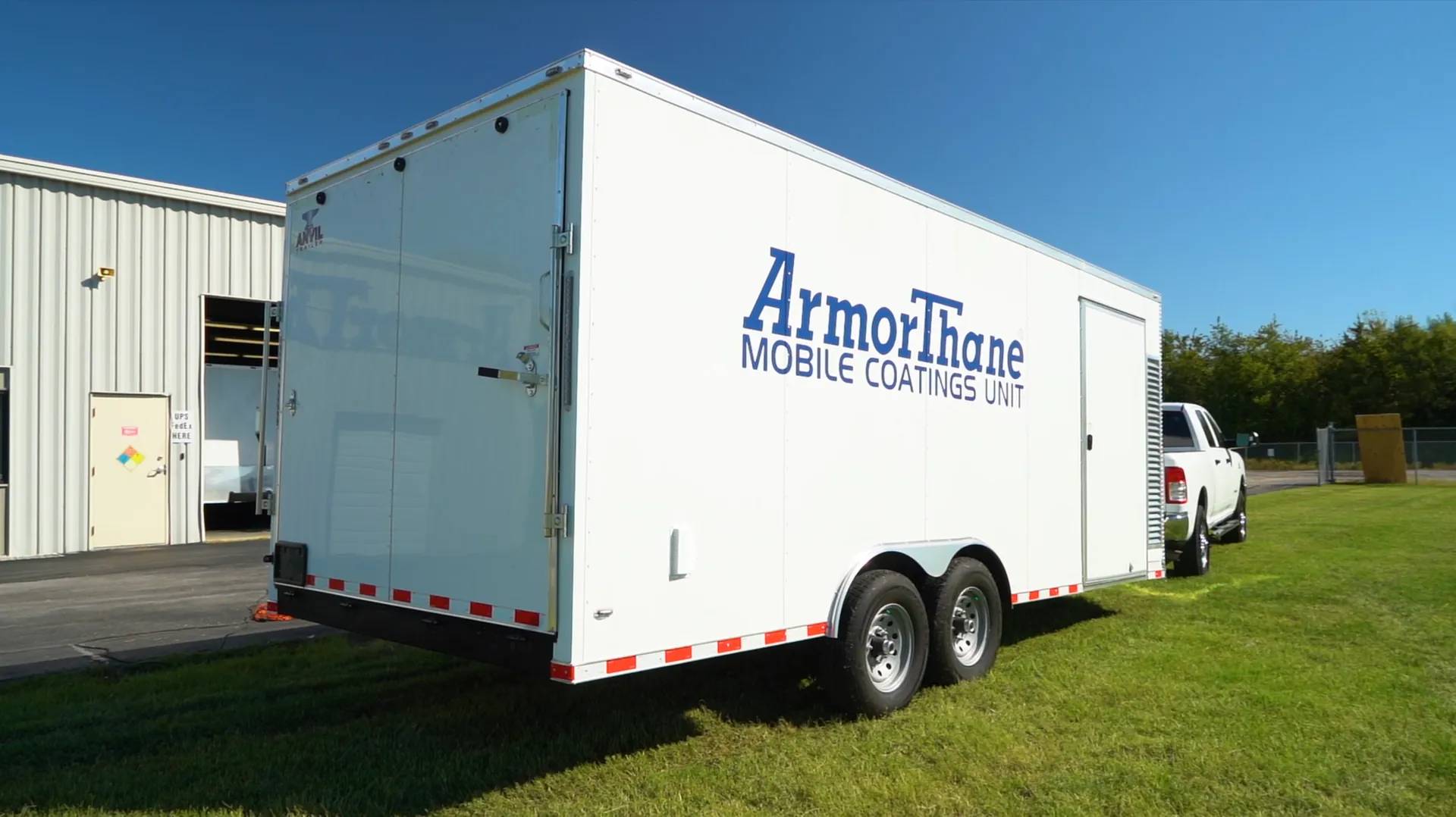
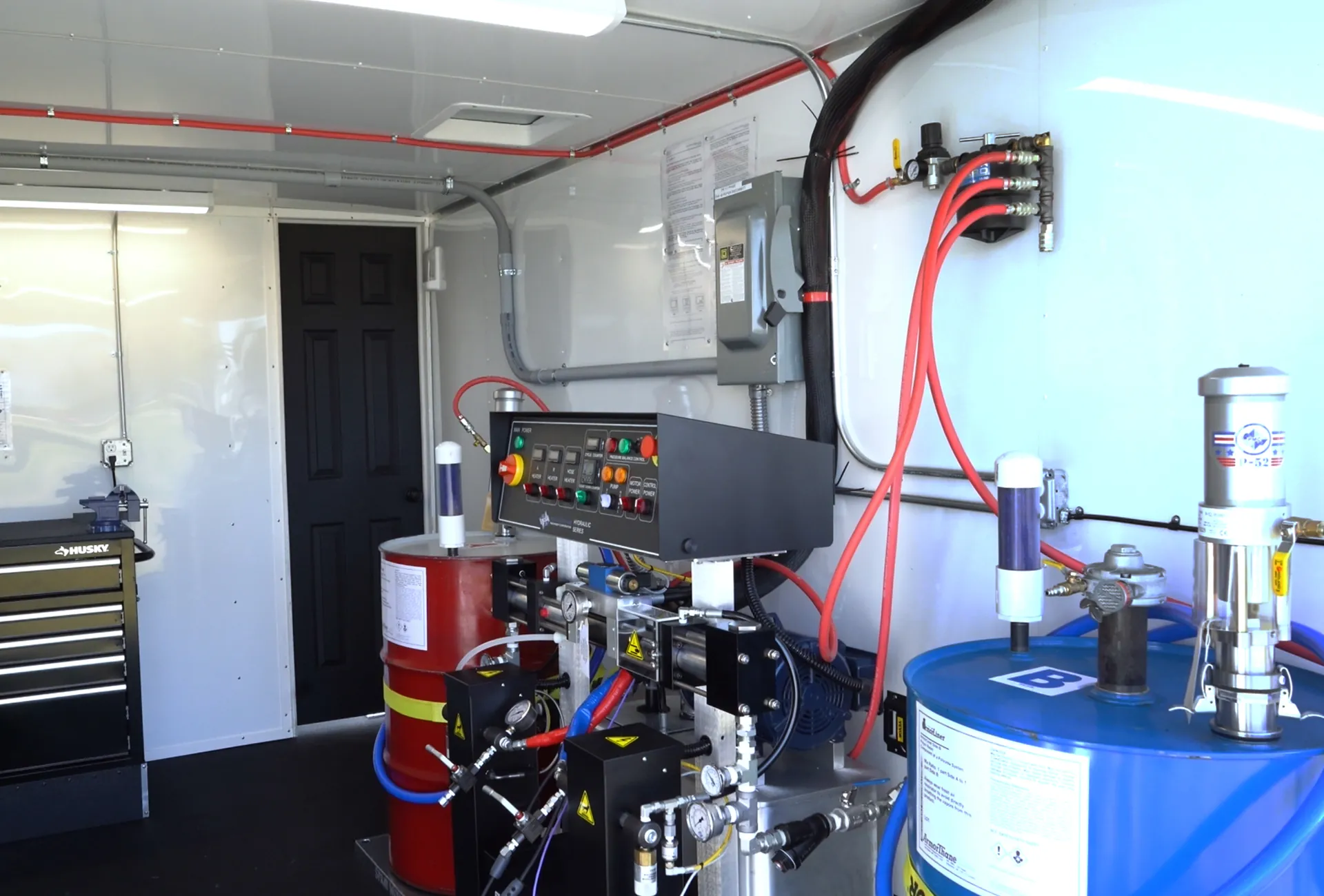
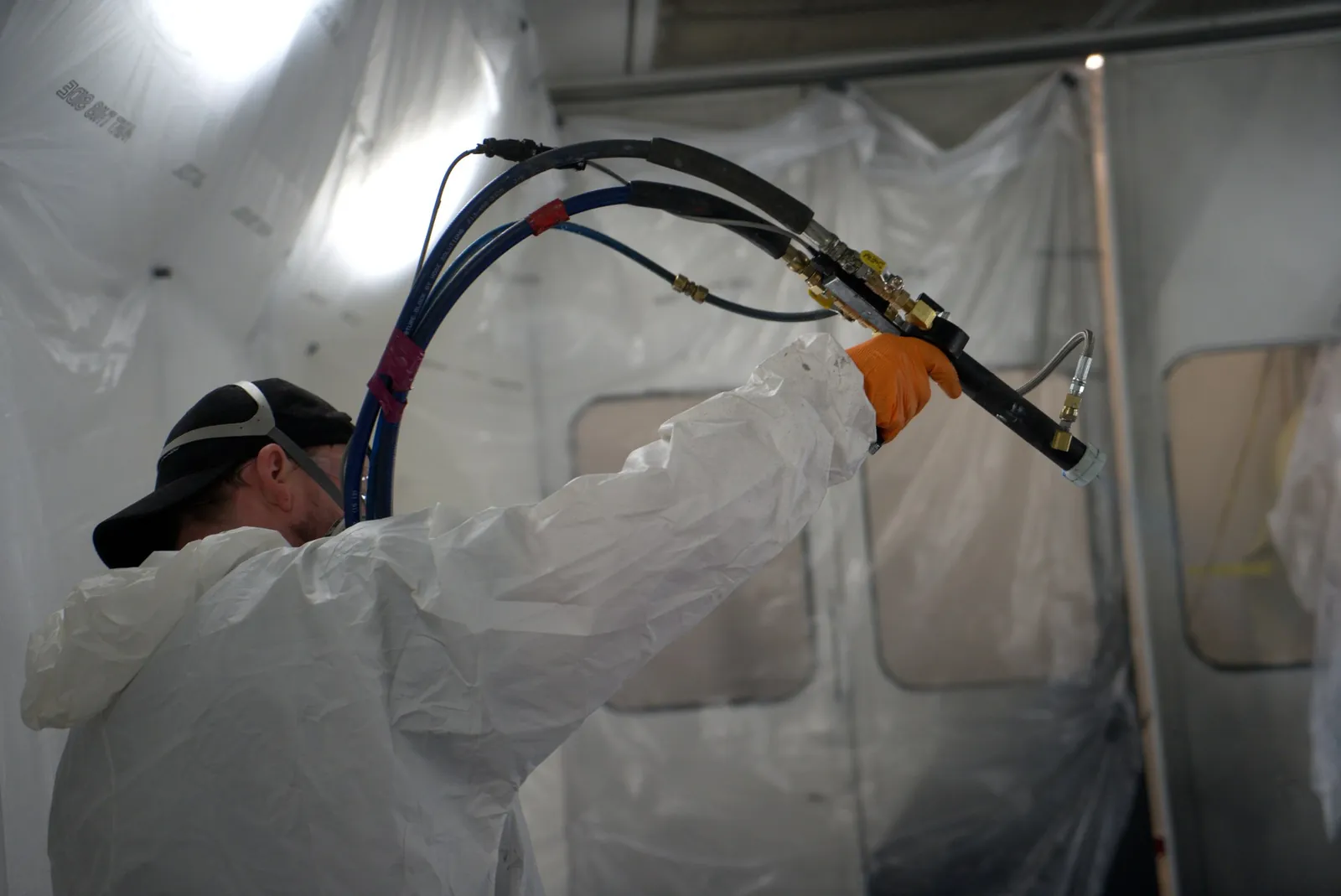
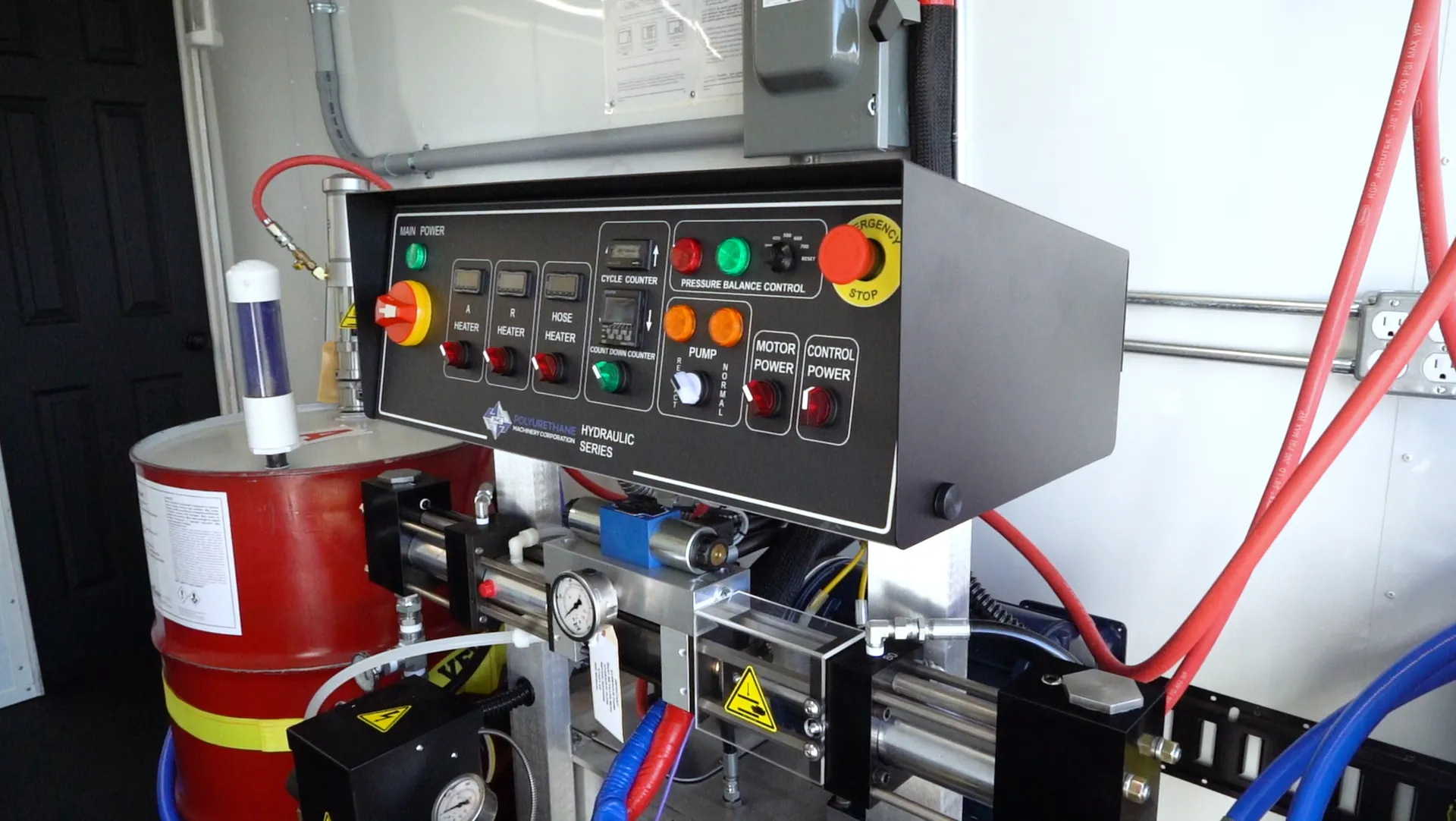
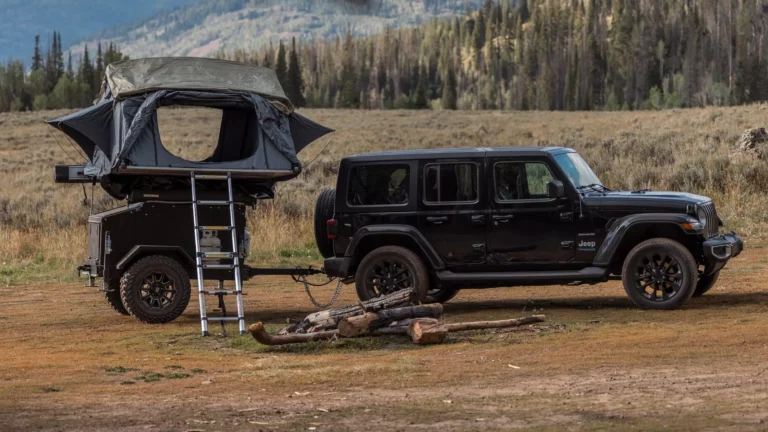
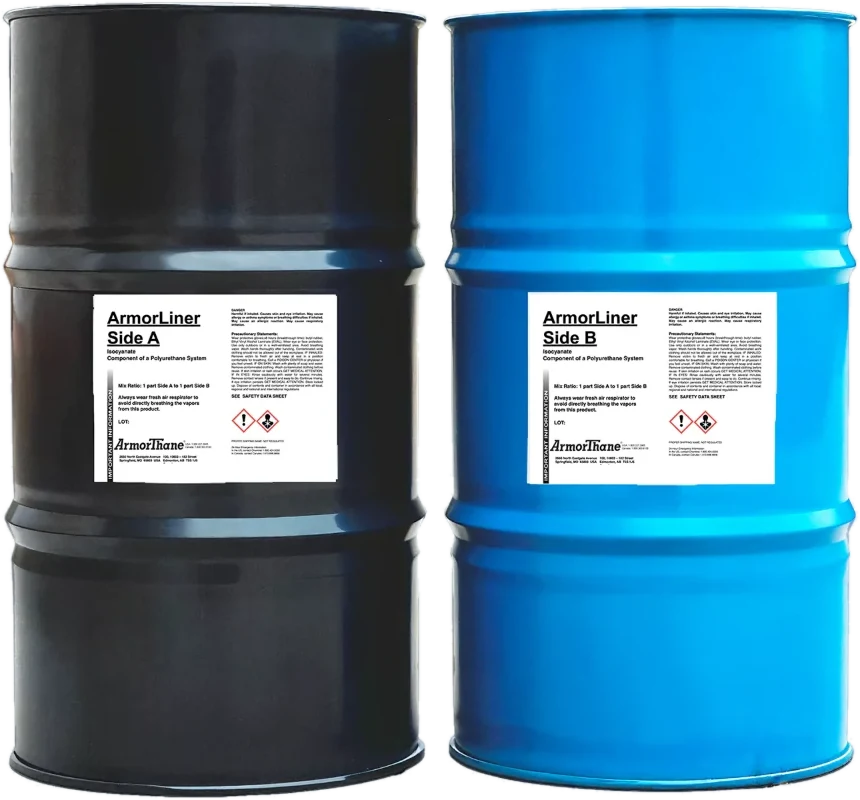
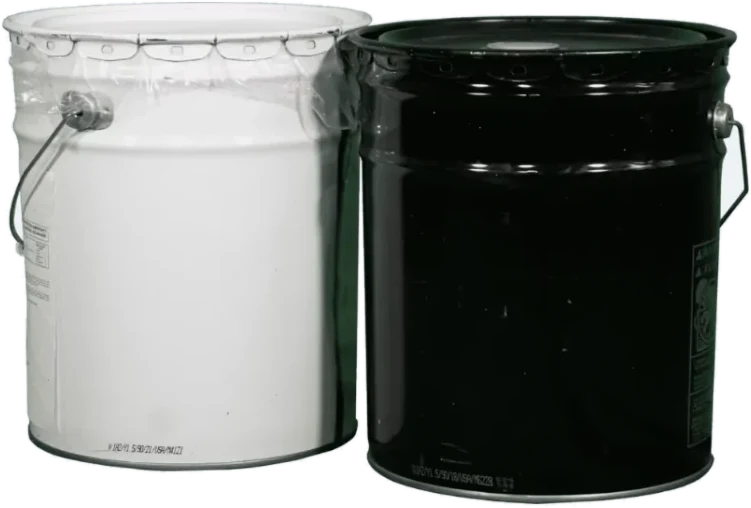
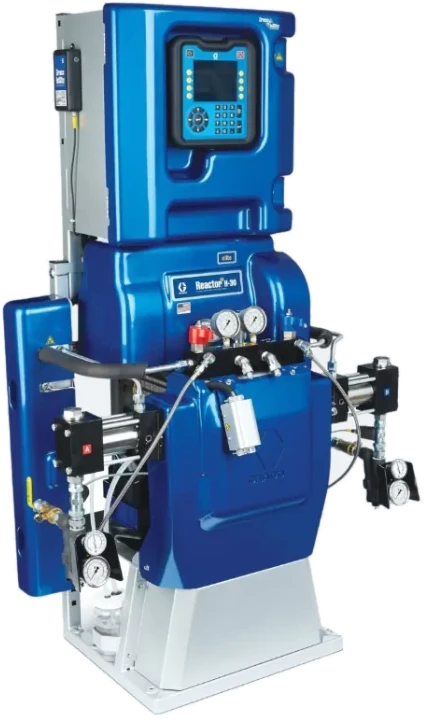
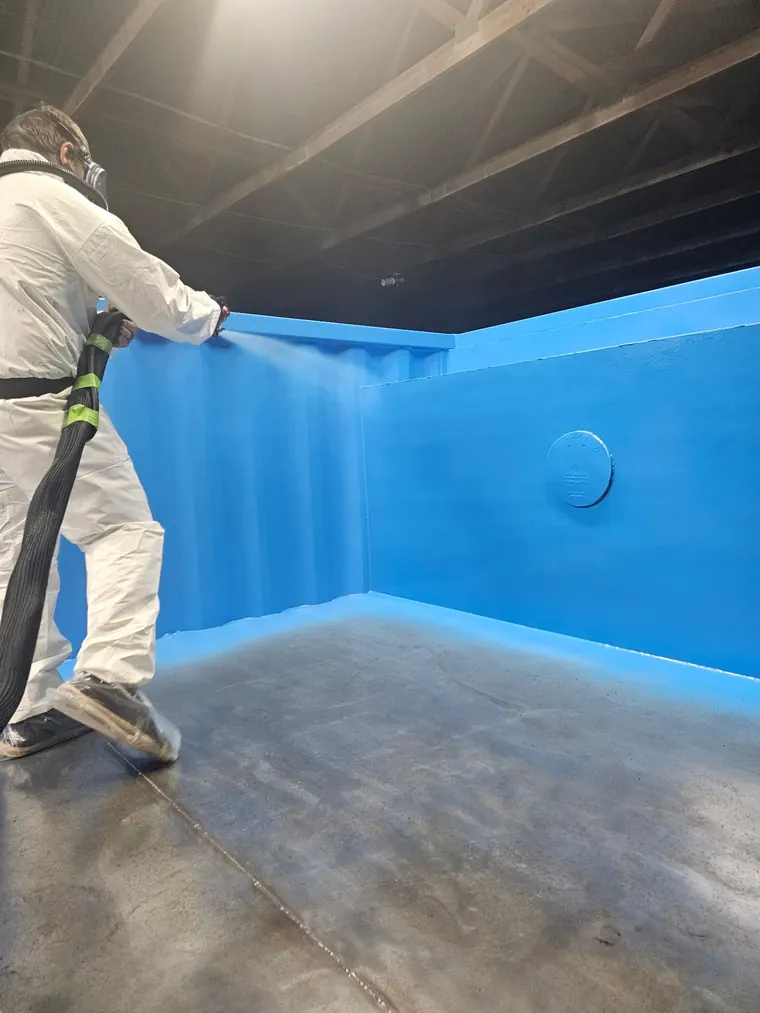
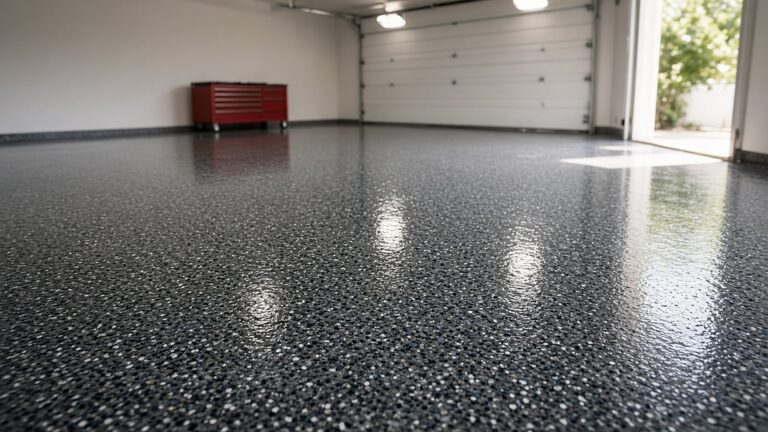
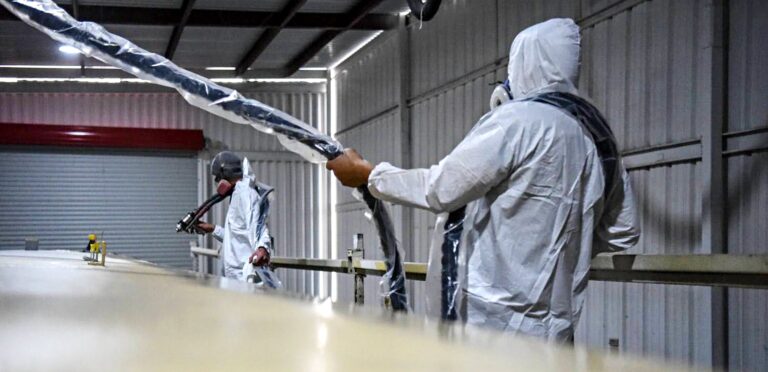
ArmorThane Mobile Coatings Unit trailer hitched to a pickup outside the plant Proportioner, A and B material drums and transfer pumps inside the spray rig Applicator in a protective suit holding a plural-component spray gun in a spray booth Proportioner control panel with heater, pressure balance and cycle counter controls

What comes with itProportioners, guns and complete spray rigs. We build them.

$0
franchise fees or royalties
35+
years in business
50+
countries with applicators
24/7
technical support
8 yrs
Longest tank car lining inspection interval without documented service history
49 CFR 180.509(i)
10 yrs
Longest qualification interval for the tank car itself
49 CFR 180.509(c)
2.5 mpy
Steel corrosion rate that makes a cargo corrosive to the tank
Milli-inches per year
2–4.5 mils
Blast profile range for a tank car reline
SSPC-SP 5 / NACE No. 1 blast

A railcar lining is the coating on the inside of the car that keeps cargo off the steel and steel out of the cargo. In a tank car hauling acid, it is the only thing between a corrosive load and a pressure-rated shell. In an open-top hopper hauling ballast, it is a wear surface that takes a beating every time the gates open.

Quick answer

Railcar lining choice follows the cargo. Tank cars carrying acids and solvents often get baked phenolics at 5–8 mils; general chemical and food service uses epoxies around 12–15 mils; harsher cargo calls for epoxy novolac or vinyl ester above 20 mils, or rubber. Open-top hoppers and gondolas hauling coal, ore or aggregate get thick spray polyurea for abrasion. Tank car linings must be inspected at least every 8 years unless the owner documents a longer interval.

Selection

Railcar lining types by car and cargo

Ask a lining supplier what to use and the first question back will be "what's the commodity?" Chemistry decides the resin family. Temperature, cleaning method and how often the car switches cargo decide the rest.

LiningTypical DFT (mils)Car typeCargo it suitsWatch for
Baked phenolic5–8Tank carAcids, solvents, phenolsNeeds an oven bake of hours to days; brittle under impact
Epoxy and epoxy phenolic12–15Tank car, covered hopperGeneral chemicals, food products, plastic pelletsFood service needs FDA 21 CFR 175.300 compliant grades
Epoxy novolac20+Tank carCrude, fuels, diluents, stronger chemicalsHigher film build means longer spray and cure time
Vinyl ester20+Tank carSodium bisulfate, sodium chlorate and similarSits between epoxies and rubber on chemical resistance
RubberSheet, far thicker than any coatingTank carThe most corrosive cargoesLabor-heavy install, sheet seams to inspect
Spray polyurea or polyurethane125–250Open-top hopper, gondola, bulk equipmentCoal, ore, aggregate, ballast, wood chipsChemical resistance must be checked per cargo
Typical ranges from lining manufacturer guidance; the lining owner's spec and the data sheet govern. Tap a heading to sort.
Food and pelletsCovered hoppers for grain, sugar and plastic pellets use linings that meet FDA 21 CFR 175.300 for food contact. The bigger concern in pellet cars is contamination: a chipped lining puts flakes in the product, so impact resistance and a smooth, cleanable finish matter as much as chemistry.
Compliance

The tank car inspection clock

For tank cars in hazmat service, the lining is a regulated component. Under 49 CFR 180.509, any lining that protects the tank from a cargo corrosive to it falls under federal inspection rules.

Who owns it

The lining owner sets the rules

The owner of the lining must keep a service-life record for each lining and commodity pair, and give the tank car owner the test method and acceptance criteria.

Interval

8 years unless proven longer

Inspection intervals cannot exceed 8 years unless service history or analysis documents that a longer interval is safe.

Trigger

What counts as corrosive

A cargo that corrodes steel faster than 2.5 milli-inches per year, or one listed in Appendix D to Part 180, makes the lining a required one.

Plan ahead

Line up with qualification

The tank itself qualifies at least every 10 years. Scheduling lining work for the same shop visit saves a second trip out of service.

Planner

Tank car lining area, material and due date

Enter the tank's inside diameter and shell length to estimate interior area, check capacity, size the lining order and see when the next lining inspection falls. Pick a lining type to load its typical film thickness.

Shop planning

Tank car lining planner

Area = shell (π × D × L) + two heads at about 1.084 × D² each (2:1 ellipsoidal approximation). Gallons = area × DFT ÷ (1,604 × volume solids), plus loss. Next inspection = last inspection + interval, capped at 8 years per 49 CFR 180.509(i) unless you document longer.

0
Interior area, sq ft
0
Capacity check, gallons
0
Lining to order, gallons
0
Next lining inspection due

Use the volume solids from the product data sheet; many novolacs and polyureas are 100%, solvent-borne linings are lower. Head geometry varies by builder, so treat area as an estimate.

Maintenance

Repair it or reline it?

Spot repair

Isolated, not spreading

Mechanical damage, a few holidays, small patches of blistering or corrosion. Abrade, feather the edges, apply the repair system and holiday test it.

Full reline

Widespread or spreading

Large blistered areas, delamination, heavy flaking. Patching a lining that is letting go all over just schedules the next shopping. Strip it and start again.

  1. Clean and gas-free

    Drain, ventilate, scrape, then steam. Food cars steam for 2 to 3 hours, crude cars about 4. Confined-space entry rules apply the whole way.

  2. Blast to white metal

    SSPC-SP 5 / NACE No. 1, with a 2 to 4.5 mil profile. Stripping an old lining can take 16 hours or more of blasting on its own.

  3. Stripe the welds

    A brushed stripe coat on welds and edges before the full coats, because those are where linings run thin and fail first.

  4. Spray, then holiday test

    Apply to the specified DFT, measure it, and spark or sponge test for pinholes before cure locks them in.

  5. Cure or bake

    Ambient-cure epoxies need their full cure time before cargo. Baked phenolics need the oven schedule on the data sheet.

Abrasion service

Polyurea in hoppers, gondolas and bulk cars

Open-top cars live a different life from tank cars. Coal, ore, ballast and aggregate slam into the floor at loading and scour the slope sheets every time the gates open. Wet loads freeze or pack into corners and ride back empty as carryback. The steel rusts from the inside where water sits.

A thick spray polyurea liner takes that impact instead of the steel, and its smooth, slightly flexible surface sheds sticky loads better than rusted plate. It goes on in one visit at 125 to 250 mils and cures in minutes, so cars are back in the yard fast. ArmorThane applicators already line dump bodies, hoppers and chutes the same way.

  • Where it fits: open-top hoppers, gondolas, ballast cars, bulk transfer equipment and loading hoppers.
  • Where we would not use it: inside a hazmat tank car without the lining owner's chemical testing and approval. That job belongs to the resin families above.
  • Prep still rules: blast, prime and spray in dry conditions. Thick film does not fix rust left under it.

Related: abrasion-resistant coatings, dump truck bed liners, mining equipment coatings, tank lining and protecting steel railway structures.

Bulk car linings

Stop the wear before the steel goes.

A certified ArmorThane applicator can quote polyurea linings for hoppers, gondolas and bulk handling equipment, sprayed to a written thickness.

Contractors: become an ArmorThane applicator

FAQ

Railcar lining questions

What is a railcar lining?

It is a coating applied to the inside of a railcar to protect the steel from the cargo and the cargo from the steel. Tank cars use chemical-resistant linings; open-top hoppers and gondolas use abrasion-resistant linings such as spray polyurea.

How often must tank car linings be inspected?

Under 49 CFR 180.509, at an interval set by the lining owner that cannot exceed 8 years, unless service history or analysis justifies longer. The tank car itself must be requalified at least every 10 years.

What is the best lining for a rail tank car?

There is no single best. Baked phenolics suit acids and solvents, epoxies cover general chemical and food service, epoxy novolacs and vinyl esters handle harsher cargo, and rubber is used for the most corrosive loads. The commodity decides.

How thick is a tank car lining?

Typical dry film thickness is 5 to 8 mils for baked phenolics, 12 to 15 mils for epoxies, and more than 20 mils for epoxy novolacs and vinyl esters. Abrasion linings in open-top cars run far thicker, often 125 to 250 mils.

Can polyurea be used to line railcars?

Yes, mainly in open-top hoppers, gondolas and bulk cars where abrasion, impact and carryback are the problems. For hazmat tank cars, any lining must be approved by the lining owner for that commodity, and polyurea is not the usual choice.

What surface prep does a railcar reline need?

Tank car relines are typically blasted to SSPC-SP 5 / NACE No. 1 white metal with a 2 to 4.5 mil profile, after cleaning and steaming. Welds get a stripe coat before the full lining goes on.

AT
Written by the ArmorThane technical team. We have manufactured polyurea, polyurethane and polyaspartic coatings and plural component spray equipment in Springfield, Missouri since 1989. Lining choices for regulated tank cars belong to the lining owner; always follow their specification and 49 CFR Part 180.

Sources

  1. eCFR, 49 CFR Part 180 Subpart F, Qualification and Maintenance of Tank Cars. ecfr.gov/current/title-49/subtitle-B/chapter-I/subchapter-C/part-180/subpart-F
  2. Carboline, Rail tank car linings: considerations for proper selection. carboline.com/solution-spot/posts/selecting-rail-tank-car-lining
  3. Carboline, When and how to repair a rail tank car lining. carboline.com/solution-spot/posts/repair-rail-tank-car-lining
  4. Greenbrier, The basics of railcar cleaning and re-lining. gbrx.com/press-room/perspectives-updates/the-basics-of-railcar-cleaning-re-lining
  5. Sherwin-Williams Protective and Marine, Interior rail linings for freight cars. industrial.sherwin-williams.com/na/us/en/protective-marine/industry-solutions/freight-rail/interior-linings

Lined once, in service longer.

Certified ArmorThane applicators spray polyurea and polyurethane linings for bulk cars, hoppers and heavy equipment. Contractors can add rail and industrial lining work with our equipment and training, with no franchise fee and no royalties.

United States 417-831-5090 · Canada 780-444-6200
Become an applicator

Start your coatings business with ArmorThane.

Tell us what you want to spray and where you are. An ArmorThane specialist will walk you through the equipment, chemicals, training and startup cost for the work you want to do.

  • Equipment package matched to your applications
  • Hands-on training and applicator certification
  • Technical support once you are spraying
Step 1 of 3

We want to help you find the best ArmorThane applicator for your protective coating project. Please either fill out the request form below or call us toll free at 417-831-5090, any time Monday-Friday, 8:00 a.m. to 5:00 p.m. Central Standard Time.

Cars wearing through? Line them to last.

Tell us the car type, the cargo and the condition of the steel. We will connect you with a certified ArmorThane applicator for abrasion and corrosion linings on hoppers, gondolas and bulk equipment.

  • Car type: open-top hopper, gondola, covered hopper
  • Cargo: coal, aggregate, ore, grain, chemicals
  • Number of cars and approximate size
  • Problems: wear, rust, carryback, sticking
Become an applicator

Start your coatings business

Choose “becoming an Applicator / Dealer” and add your details. Our team will call you to talk through markets, equipment and budget.

1Choice
2Contact Information
3Location

Rather talk now? (417) 831-5090 · About the opportunity