









Car Undercoating: Worth It or a Dealer Upsell?
When undercoating a car actually pays off, which type suits a unibody car, what it costs in 2026, and tools to check your factory rust warranty and get a straight recommendation.
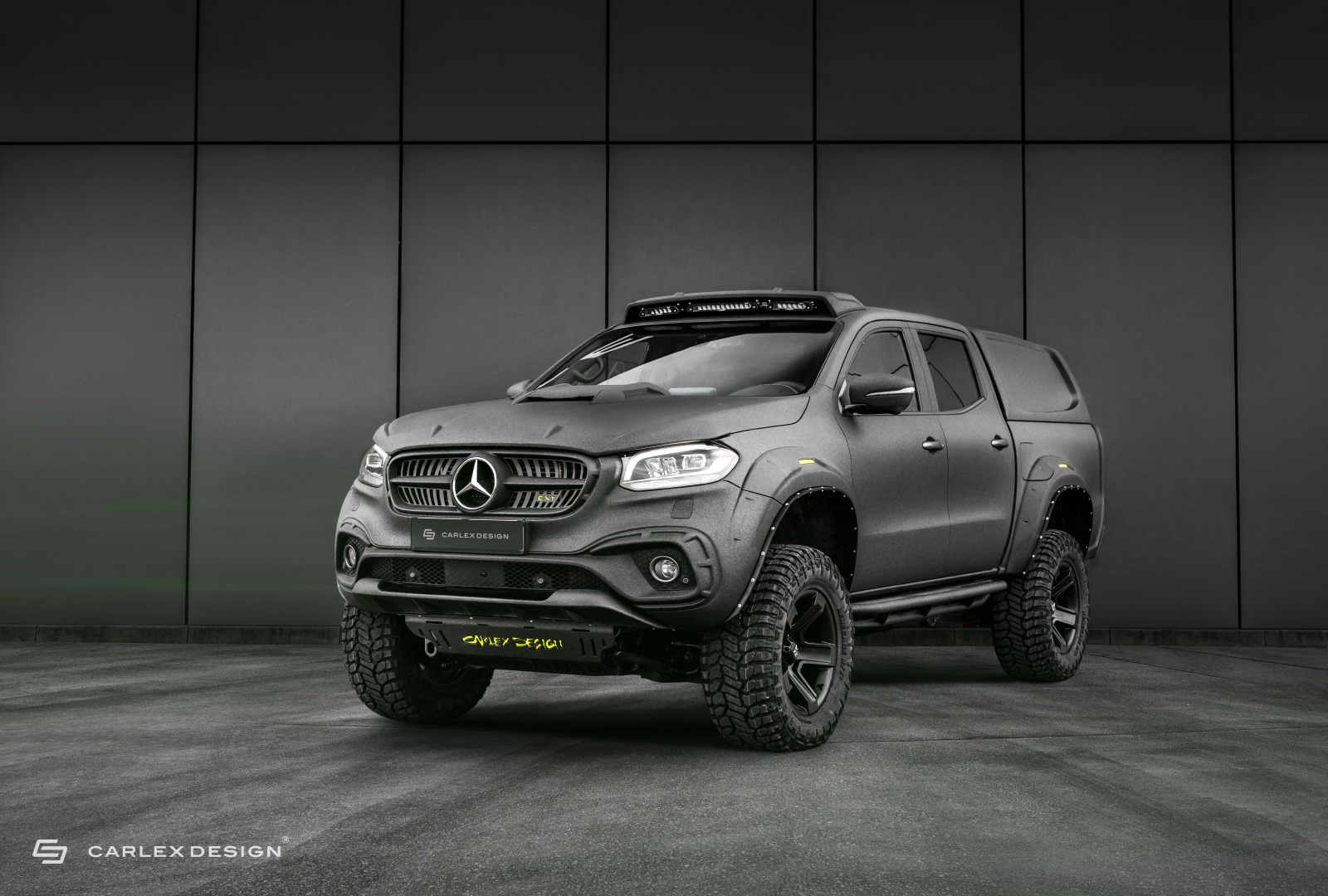
Start a spray-on bedliner business
Spray bedliners for a living.
ArmorThane sets you up to do this work, and you own the business. We make the chemistry, build the rigs, train you hands-on and answer the phone when a job gets difficult. You pay no franchise fee and no royalties. It has been that way since 1989.




- $0
- franchise fees or royalties
- 35+
- years in business
- 50+
- countries with applicators
- 24/7
- technical support
Car undercoating is one of the most oversold and, at the same time, most underused services in the car business. Dealers sell it at signing on brand-new cars that already have excellent factory corrosion protection, while owners of six- and eight-year-old cars in salt country, the ones who actually need it, skip it. We manufacture undercoatings and protective coatings and have watched what works on cars, crossovers and minivans for more than 35 years. This guide covers when undercoating a car is worth the money, which type suits a unibody car, what to keep it away from, what it costs in 2026, and two tools: one to check how long your factory corrosion warranty lasts, and one to tell you what, if anything, your car needs.
A new car under its factory corrosion warranty rarely needs dealer undercoating; Consumer Reports calls it unnecessary and says it can do more harm than good. Car undercoating starts paying off when you live where roads are salted, plan to keep the car past its perforation warranty, and the underbody is still clean. For most cars that means an annual oil or wax treatment that also gets inside the rocker panels and doors, plus regular underbody washes. Hard rubberized coatings are a poor fit on most cars because they can crack and trap salt. Thick polyurea suits off-road and work vehicles, rarely a commuter car.
What your car already has from the factory
Modern cars leave the plant far better protected than the cars that gave undercoating its reputation. Since the 1990s nearly every carmaker dips the assembled body in an electrocoat primer tank so the coating reaches inside seams and box sections, over a phosphate pretreatment. Many add galvanized steel in rust-prone panels, seam sealers, PVC or wax in the wheel wells and rockers, and plastic underbody trays. Cathodic e-coat systems introduced in the 1970s markedly reduced corrosion, and that is a big reason a 2026 car does not rust like a 1978 car did.
That is also why the factory backs the body with a corrosion warranty. These generally come in two parts:
- Surface corrosion is usually covered only by the basic new-vehicle warranty. Ford, for example, covers body sheet metal corrosion without perforation for 3 years or 36,000 miles.
- Perforation, meaning rust that eats a hole through a panel, is covered longer: 5 years with unlimited miles at Ford, Toyota, Honda and Subaru, 6 years or 100,000 miles at Chevrolet, 7 years at Hyundai, and 12 years at BMW and Tesla, according to manufacturer terms and a 2026 ConsumerAffairs summary.
- Exclusions are what matter for owners. Chips, scratches, road debris damage and underbody surface rust are commonly excluded, and claims can be denied for lack of maintenance.
The catch is timing. Factory protection is strongest when the car is new and wears down after years of salt, gravel blasting and stone chips. NHTSA's investigation into corroded brake lines on more than 2 million GM trucks and SUVs in salt states found complaint rates went from under 0.1 per thousand vehicles at 7 years in service to over 1.0 per thousand after the 12th year, and the agency attributed it to expected wear-out of the coating in severe corrosion states. Those were trucks, but the lesson applies to every car on salted roads: the risk lives in years 6 through 15, after the warranty has ended.
Corrosion warranty checker
Pick your brand, model year and how much you drive. The checker shows when your surface-rust and perforation coverage end and how many years you will own the car without any factory rust protection. That gap is the period undercoating is meant to cover.
When does your factory rust coverage run out?
Uses published perforation terms (years / miles, whichever comes first) and a 3 year / 36,000 mile surface corrosion term for brands that list one. Terms change by model year and market, so confirm against your warranty booklet.
Car undercoating types compared
"Undercoating" covers several very different products. On a car, the important questions are whether it stays soft and self-healing or dries hard, whether it can get inside the rocker panels and doors where cars actually rust through, and how often it has to be redone. Click a column heading to sort.
| Type | Typical service life | Typical cost (car) | Reaches inside cavities? | Fit for a daily-driven car |
|---|---|---|---|---|
| Drip oil spray (annual) | About 12 months | About $160–$180 per visit | Yes, through drilled or existing holes | Very good in salt states; drips for a few days |
| Dripless oil or wax | About 18 months | About $130–$170 (Canada) | Partly | Good; less mess, less penetration |
| Lanolin (wool-wax) products | About 1–2 years exposed; longer in cavities | About $249–$399 shop packages | Yes | Good; thicker and more wash-off resistant |
| Rubberized (aerosol or shop) | 18–36 months | $250–$500 shop; $80–$200 DIY materials | No | Fair; can crack and hold salt against metal |
| Asphalt / tar | 3–5 years | About $130–$150 (sedan, Canada) | No | Fair on new metal only; hard to inspect under |
| Dealer protection package | Varies by product | $800–$1,000+ | Varies | Usually duplicates factory protection on new cars |
| Polyurea (spray-applied) | Multi-year; hard shell | $5–$10 per sq ft installed | No | Overkill for most commuters; strong on off-road and work vehicles |
Why we usually steer car owners to oil or wax
Cars rust from the inside out. The classic failure points on a unibody car are the inner and outer rocker panels, the pinch welds where the jack goes, the bottoms of doors and hatch, the rear wheel arches and the rear subframe mounts. Most of those are enclosed box sections that a spray gun aimed at the underbody never reaches. Thin oils and wool-wax products creep into seams and keep creeping after application, which is why the Automobile Protection Association in Canada recommends a thorough annual oil treatment applied through holes made with proper drill bits. Our oil undercoating guide compares the main products and how much a car takes, and our rust proofing guide sets out a yearly treatment schedule.
Hard coatings work differently. They are a barrier, and a barrier only works while it is intact and bonded to clean metal. If rubberized or tar coating goes over dirt or rust, or cracks after a few winters, salty water gets behind it and stays there, out of sight. Our rubberized undercoating guide covers when that type does make sense and how to apply it properly. If you drive a pickup or body-on-frame SUV, the frame changes the picture; see our truck undercoating guide.
Should you undercoat your car? Get a straight answer
Answer five questions and the tool tells you what we would do with the car if it rolled into one of our applicators' shops, with a cost range from published 2026 prices and a total for the years you plan to keep it.
What does your car actually need underneath?
Logic: road salt exposure and ownership length drive the need; the current condition of the underbody decides which products can still work. Annual oil uses about $160–$180 per visit; rubberized uses $250–$500 every 18–36 months.
Where car undercoating goes, and where it must not
Whatever product you choose, the quality of the job comes down to coverage and masking. These are the areas a good installer treats on a car or crossover, and the parts that should never get coated.
Rocker panels, inside and out
The most common place cars rust through. Oil or wax products should be fogged into the rocker box through existing drain or access holes, then the pinch welds coated outside.
Subframes, floor pan seams and wheel arches
Salt slush packs into the rear wheel arches and the seams where the floor meets the rails. On unibody cars these rails are the structure, not just sheet metal.
Door, hatch and hood bottoms
Water runs down inside doors and hatches and sits at the bottom seam. A light fog of cavity wax inside the lower seam protects the spot where paint bubbles first.
Brake and fuel lines
A thin oil film on steel lines is cheap insurance, applied carefully. AAA warns that de-icer corrosion can affect brake lines, exhaust systems, fuel tanks and electrical connections.
Brakes, rotors and exhaust
Nothing goes on rotors, pads, calipers or the parking brake. Keep coatings off catalytic converters, mufflers and heat shields, where they smoke, smell and can ignite.
Sensors, drain holes and moving parts
Mask oxygen sensors, ABS sensors, electrical connectors, CV boots, driveshafts and the cabin and body drain holes. Plugged drains cause the rust you were trying to prevent.
Plastic underbody trays deserve a mention. Many newer cars have large aero panels covering most of the floor. They protect the metal from gravel but also hide what is happening above them. A proper undercoating job on these cars removes the trays, washes and treats the metal above them, and reinstalls them. If a shop sprays the outside of the plastic and calls it done, the car has not been undercoated. The same thinking applies to any steel asset; our corrosion prevention page covers it at industrial scale.
Need more than a commuter coat? Go polyurea.
For vehicles that see gravel, trails, fields or job sites, certified ArmorThane applicators spray ArmorLiner polyurea undercoating that resists chipping and abrasion. Tell us the vehicle and how it is used and we will match you with a shop.
Contractors: become an applicator →
Car undercoating questions
Is car undercoating worth it?
It depends on where you drive and how long you keep the car. On a new car under warranty, Consumer Reports says dealer rustproofing is not worth it. In a salt state, on a car you plan to keep past its perforation warranty, an annual oil or wax treatment that reaches inside the rocker panels and doors is usually worth it, especially when started while the underbody is still clean.
How much does car undercoating cost?
Annual oil spray runs about $160 to $180 per visit at a large chain's in-shop rates. Rubberized undercoating costs about $250 to $500 at a shop, and DIY aerosol materials about $80 to $200. Dealer protection packages often run $800 to $1,000 or more, according to 2026 cost guides.
Should I let the dealer undercoat my new car?
Usually not. All modern cars are factory-treated for rust protection, and Consumer Reports warns that additional undercoating can do more harm than good. If you want extra protection on a new car in a salt state, an independent annual oil or wax treatment costs less and is easier to inspect.
Can undercoating cause rust?
Hard coatings can. If rubberized or tar undercoating is sprayed over dirt or rust, or cracks with age, it can hold salty water against the metal where nobody sees it. Soft oil and wax products do not trap moisture the same way, which is one reason we prefer them on most cars.
Does undercoating void my car's warranty?
Undercoating does not automatically void a warranty, but damage caused by an aftermarket product or installer, such as badly drilled holes or plugged drains, may not be covered. Ask the installer whether the method is approved for your car and keep the receipt.
How often should a car be undercoated?
Drip oil sprays are typically redone every year, dripless oils about every 18 months, and wool-wax products roughly every other year on exposed areas. Rubberized coatings generally last 18 to 36 months before they need inspection and touch-up.
Can you undercoat a car that already has rust?
Yes, if the metal is still solid. Oil and wax products slow existing surface rust and creep into seams. Loose scale must be removed before any hard coating goes on. If there are holes or soft metal in rockers or subframes, that needs welding repair first, and structural rust on a unibody car is a safety issue to have inspected.
Is polyurea a good undercoating for a car?
For a daily commuter, usually not; it is more coating than the car needs and is hard to remove. For off-road vehicles, farm trucks, work vans and cars that see gravel daily, a polyurea undercoat resists chipping and abrasion far better than rubberized coatings.
Sources
- AAA newsroom, road de-icers cause $3 billion annually in vehicle rust damage: newsroom.aaa.com/2017/02/road-de-icers-cause-3-billion-annually-vehicle-rust-damage
- Consumer Reports, survival guide to buying a new car: consumerreports.org/cro/news/2015/04/survival-guide-to-buying-a-new-car
- Jalopnik, Consumer Reports on dealer add-ons: jalopnik.com/2176979/dealership-add-ons-to-avoid-consumer-reports
- ConsumerAffairs, what a corrosion warranty covers (2026): consumeraffairs.com/automotive/what-does-a-vehicle-corrosion-warranty-cover
- Ford, corrosion warranty: ford.com/support/.../what-is-the-warranty-on-corrosion
- Lemon Law Experts, Chevrolet warranty guide: lemonlawexperts.com/chevy-warranty-guide
- NHTSA, closing resume EA11-001 brake pipe corrosion: static.nhtsa.gov/odi/inv/2011/INCLA-EA11001-4484.PDF
- Rustproofing overview (e-coat history): en.wikipedia.org/wiki/Rustproofing
- ThePricer, car undercoating cost (2026): thepricer.org/car-undercoating-cost
- Krown St. Louis, price list: krownstl.com/pricing.html
- Enthusiast's Domain, undercoating cost and lifespan: enthusiastsdomain.com/how-much-does-undercoating-cost
- Rates.ca, is rustproofing worth the cost: rates.ca/resources/rustproofing-worth-cost
- The Car Guide, choosing a rustproofing treatment (APA recommendation): guideautoweb.com/en/articles/79956
- ECC Coating, Woolwax details: ecccoating.com/wwdetails
- Croc Coatings, polyurea coating cost (2026): croccoatings.com/polyurea-coating-costs-explained
Protect what you cannot see.
Vehicle owners get a certified ArmorThane applicator who preps properly and protects the underbody with the right product for how the vehicle is used. Contractors can add undercoating services with no franchise fee and no royalties.
Start your coatings business with ArmorThane.
Tell us what you want to spray and where you are. An ArmorThane specialist will walk you through the equipment, chemicals, training and startup cost for the work you want to do.
- Equipment package matched to your applications
- Hands-on training and applicator certification
- Technical support once you are spraying
Salt eating your car from underneath? Get the right protection.
Tell us the vehicle, where you drive it and what the underbody looks like today. We will connect you with a certified ArmorThane applicator near you.
- Year, make and model
- Salt, gravel or off-road use
- Rust you can see today
- How long you will keep it
More in Automotive & marine
 Automotive & marineRV Roof Sealant
 Automotive & marineRV Roof Types
 Automotive & marineSafety Coatings – Floors, Steps, Docks
 Automotive & marineSpray on Bedliner: Ultimate Truck Bed Protection
 Automotive & marineSpray-In Bedliner Cost
 Automotive & marineSpray-On Bedliner Equipment Cost: 2026 Buyer’s Guide
 Automotive & marineTrailer CoatingsAutomotive & marineTrailer Undercoating