




Fuel Tank Liner: Seal, Restore or Replace the Tank?
How gas tank liners work, which tanks they can save, how much sealer you need, and where a coating does not belong. From a manufacturer that says no when the answer is no.
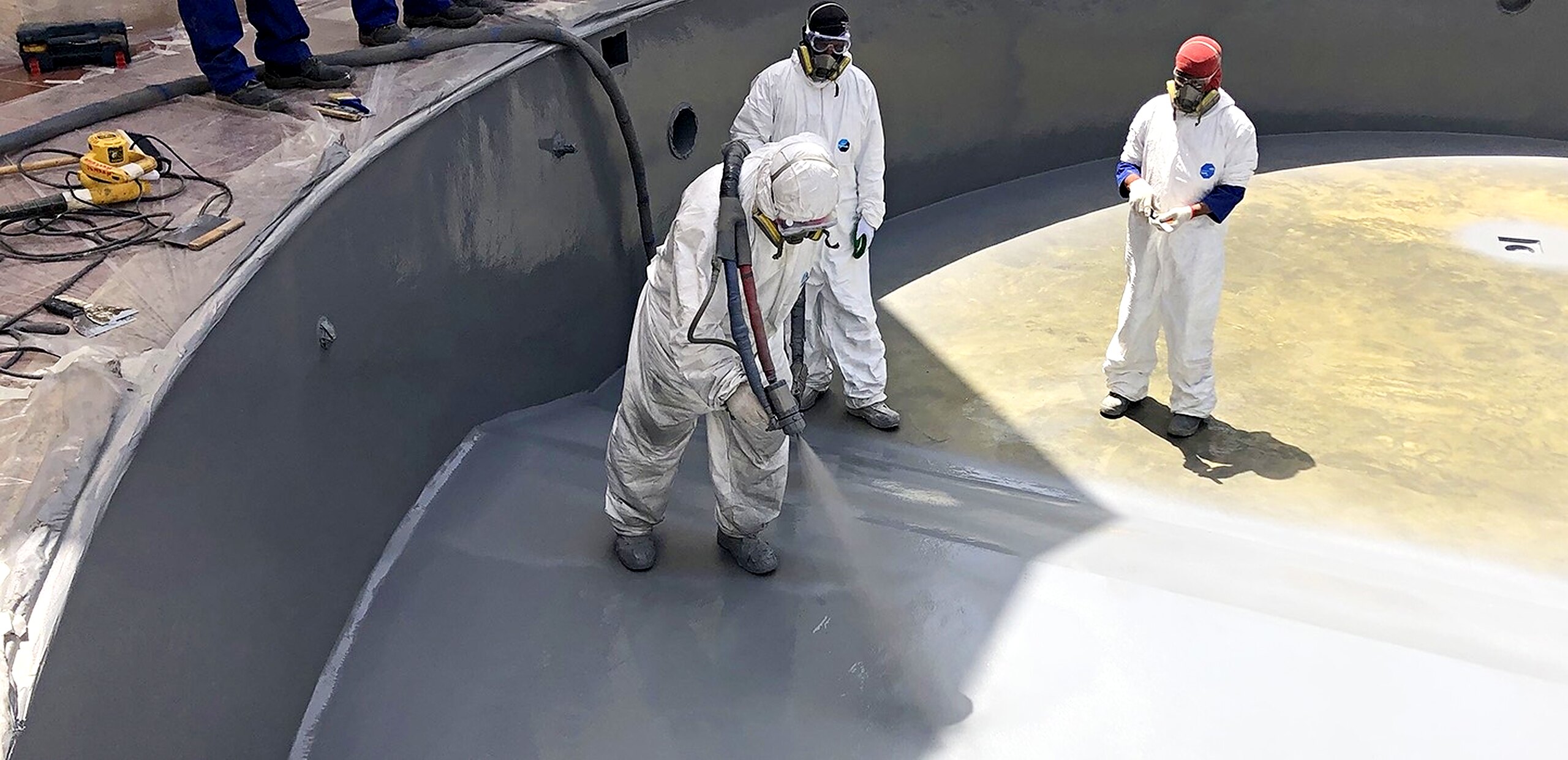
Line tanks for a living.
ArmorThane is the one-stop shop for applicators. We make the chemistry, build the equipment, train you hands-on and back you with technical support, with no franchise fees and no royalties. Applicators have come first here since 1989.
- $0franchise fees or royalties
- 35+years in business
- 50+countries with applicators
- 24/7technical support
A fuel tank liner is a sealer you pour into a clean, etched metal tank and slosh around until it coats every inside surface, so rust stops flaking into the fuel and pinholes stop weeping. Done right, it saves a hard-to-find tank on a motorcycle, tractor or classic car for the price of a kit. Done wrong, the liner peels in sheets and plugs the petcock and filter, which is worse than the rust you started with. We make polyurea coatings and get asked often whether they can go inside a gas tank. Below is the straight answer, a comparison of purpose-made liners, and two tools: a seal-or-replace checker and a sealer quantity calculator.
Line a metal fuel tank when it has surface rust or pinholes no bigger than about 1/32 inch and a replacement is expensive or unavailable. Use a liner made for fuel, follow its clean, etch and dry steps exactly, and let it cure fully before fuel goes in (8 to 48 hours depending on the product, longer if it is cool). Replace the tank when it is plastic, has split seams or larger holes, or already has an old liner peeling off. Do not use bedliner, polyurea or general-purpose paint inside a vehicle fuel tank.
What a fuel tank liner actually does
Steel and terne-plate tanks rust from the inside because they rarely stay full and dry. Air in the empty space carries moisture, it condenses on the cold steel overnight, and water ends up in the bottom of the tank. Modern fuel makes that worse in a stored vehicle. Most gasoline in the US is E10, and ethanol absorbs water. NREL testing summarized for the Renewable Fuels Association found E10 holds a little over 0.4% water by volume at 60°F, but only 0.25% at -20°F. Past that point the ethanol and water drop out of the gasoline together as a separate layer on the tank floor, right where the rust starts.
A liner puts a fuel-resistant film between that water and the steel. It does three things:
- Locks down what is left of the rust after cleaning and etching, so scale stops breaking loose and clogging screens, filters and carburetor jets.
- Seals pinholes and porous seams. Damon Industries says Red-Kote will seal leaks up to 1/32 inch (about 1 mm); anything larger should be soldered or welded first by a radiator or tank shop.
- Slows future corrosion on a tank that will sit for long stretches, which is exactly the life most motorcycles, tractors, boats and collector cars lead.
What a liner does not do is restore metal that is gone. It is a few thousandths of an inch thick. It will not hold a tank together where the seams have split or the bottom has thinned to lace, and it will not stick to grease, varnish, loose rust or an old coating that is lifting. Every liner maker says the same thing in different words: preparation is the job, the sealer is the easy part.
Seal, restore or replace the tank?
Before you buy a kit, decide whether the tank is a lining candidate at all. This checker uses the limits the liner makers publish (leak size, tank material, fuel type) and compares the out-of-pocket cost of a DIY lining against a replacement tank installed by a shop.
Is your tank a good fuel tank liner candidate?
Verdict rules come from published limits: leaks over 1/32 in need metal repair first (Damon Industries), liners are made for metal tanks and some are not compatible with all fiberglass (KREEM), and fuel compatibility varies by product. Replacement labor defaults to the low end of RepairPal's $378 to $555 average.
The cost gap is usually the deciding factor on a common vehicle. Classic Motorsports lined a 50-year-old Volkswagen tank with a $70.95 KBS kit when a new tank was $225.95 plus shipping, and the inside came out looking new. On a late-model truck the math changes the other way: there is no good way to line a modern plastic tank, and ConsumerAffairs puts a 2025 Ford F-150 tank replacement at $2,802 to $2,988.
Fuel tank liner products compared
The liners and services we see most on motorcycle, tractor, marine and classic car tanks. Figures are what each maker or test states; where none is published, we say so. Click a header to sort.
| Liner or service | Tank gallons per quart | Cure before fuel (hours) | Stated fuel compatibility | Listed price |
|---|---|---|---|---|
| Red-Kote (Damon Industries) | About 12 gal per quart; 2 quarts for larger tanks; not for tanks over 50 gal | 8 to 24, all openings open | Gasoline, E10 to E50, long-term E85 tested; not biodiesel | $69.05 per quart |
| POR-15 Fuel Tank Repair Kit | 1 quart sealer for tanks up to 25 gal | Not listed on product page; follow instructions | Gas, diesel, ethanol and higher alcohol content | $124 kit (cleaner, metal prep, sealer) |
| KREEM Fuel Tank Liner | 1 pint for 1 to 5 gal; 1 quart per 20 gal | 24 minimum; 6 between coats | Gasoline, gasohol, diesel; spot test fiberglass | Varies by retailer |
| Eastwood Gas Tank Sealer | 1 pint for 1 to 5 gal, plus 1 pint per 10 gal | 48 at 60°F or warmer | See current data sheet | Varies |
| KBS Coatings auto tank kit | Kit sized by tank | 48 in the Classic Motorsports test | See current data sheet | $70.95 kit (as tested) |
| Professional restore (e.g. Gas Tank Renu) | Shop handles 1 to 150 gal tanks | Coating is oven-baked; tank ships back ready | Gas and diesel tanks | Quoted after blasting |
Two things stand out. First, coverage rules differ by a factor of two, so buy for the product you are using, not a forum rule of thumb. Second, cure time is the step people cut short. Damon Industries is blunt about it: add fuel before Red-Kote is fully cured and the curing stops for good. A Classic Motorsports reader who lines tanks regularly said he lets sealer dry at least a week before the tank goes back on. We agree with him; nothing about a tank job rewards hurrying the last step.
How much fuel tank liner does your tank need?
Enter the tank capacity, or measure a box-shaped tank and let the calculator work out the gallons. It applies each maker's own coverage rule, rounds up to the containers they sell, and estimates the inside surface area you are coating.
Fuel tank sealer quantity calculator
Gallons = length x width x height (in) / 231. Coverage rules: Red-Kote 1 qt up to about 12 gal, 2 qt above, max 50 gal; POR-15 1 qt per 25 gal; KREEM 1 pt to 5 gal, then 1 qt per 20 gal; Eastwood 1 pt to 5 gal plus 1 pt per 10 gal. POR-15 above 25 gal is our extrapolation. Area for the capacity method assumes a 2 : 1.5 : 1 box.
How to line a fuel tank so it stays put
Every kit has its own chemistry, so the instructions on the can win over anything here. The sequence below is what all of them have in common, plus the habits we have picked up from decades of coating metal that has to stay coated.
Pull the tank and strip it bare
Drain it outdoors, remove the sender, pickup, petcock and filler neck, and plug or tape every opening except one. Liners and their etching solutions damage paint, so Eastwood tells you to protect or plan to refinish the outside.
Knock loose rust free
Damon Industries suggests a rubber mallet or a length of chain or gravel shaken around inside to break scale loose. Pour it out and repeat until nothing more comes out.
Degrease
Varnish and old fuel residue are the main reason liners do not stick. Red-Kote's instructions call for a water-soluble detergent at about 2 ounces per gallon of tank capacity; kits like POR-15 include a dedicated cleaner degreaser. Slosh hot solution on every surface, then rinse.
Etch the metal
A phosphoric or similar metal prep converts the rust that is left and gives the liner something to grip. Eastwood's process sloshes each surface for 5 to 10 minutes until the steel turns a uniform gray. Never let the tank sit and flash rust between steps.
Dry it completely
This is where most failures start. Rinse, then dry with warm air until there is no trace of water, which Damon Industries says can take 1 to 12 hours depending on method. Some kits finish with an acetone rinse to pull out the last moisture. Eastwood keeps drying air at 1 to 5 psi.
Pour, roll, rest, repeat
Pour the liner in, rotate the tank so it wets every surface including the top, and let it stand 8 to 10 minutes on each side before turning again (KREEM and Eastwood both use that interval). Drain the excess out of the fuel outlet so it cannot pool and skin over.
Open the outlet and clear passages
Before the film sets, blow out the petcock threads, pickup and vent so they are not sealed shut. A liner that skins over a small outlet or vent is a common and avoidable mistake.
Cure it longer than the label minimum
Leave every opening open for airflow at 60°F or warmer. Labels range from 8 to 48 hours; we would rather wait several days. Then reinstall with a new inline filter and check it after the first few tanks of fuel.
Why fuel tank liners peel and fail
When we hear about a liner that let go, it almost always traces back to one of these. Damon Industries says it has lined over a million vehicles since 1985 with fewer than 200 reported problems, all traced to application errors. That matches what coatings people see on every substrate: the coating fails where the prep was skipped.
Moisture left in the seams
Water hides in baffles and folded seams. The liner skins over it, the water flashes the steel to rust underneath, and the film lifts from behind. Dry longer than seems necessary.
Varnish or oil not removed
Liners bond to clean, etched metal. Over old fuel varnish they bond to the varnish, which then dissolves in fresh fuel and takes the liner with it.
Fuel added too soon
Solvent-based liners need air to cure. Close the tank or fill it early and the inner layers stay soft. Red-Kote warns this stops the cure permanently.
New liner over old
Coating over a liner that is already lifting just glues two failures together. Strip it with the remover the original maker specifies, or send the tank to a restorer.
Protecting bulk fuel tanks? That is our work.
Tank liners for a motorcycle are a kit job. Coating the outside of farm and fleet fuel tanks, lining the containment around them, and protecting transfer tank beds and fuel islands is what our certified applicators do every week.
Contractors: become an applicator →
Bulk fuel tanks: coatings that belong outside
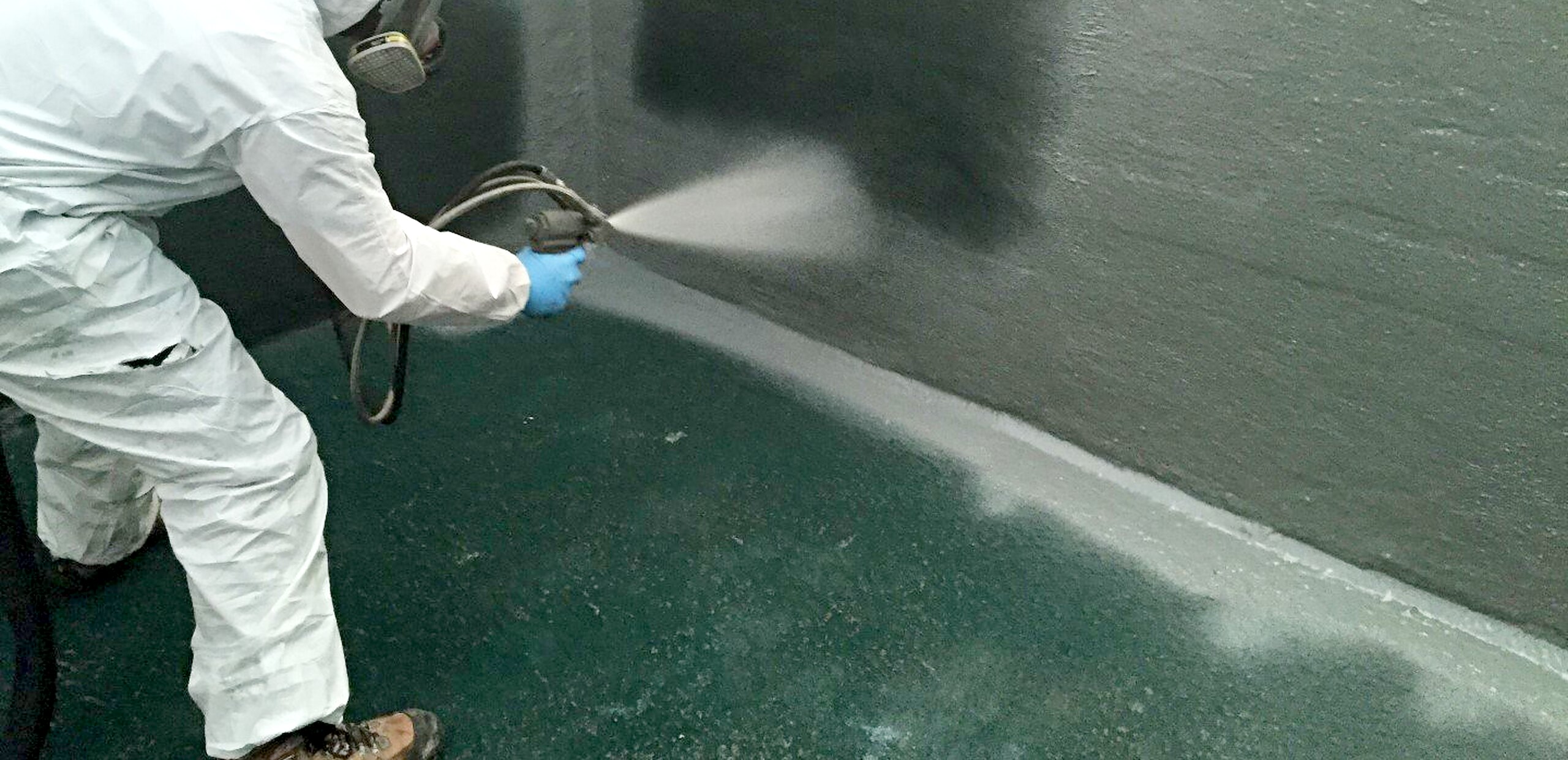
We get this question weekly: can you spray ArmorThane polyurea or a bedliner inside a gas tank? For a vehicle tank, our answer is no. Our spray polyureas are built for abrasion, impact, waterproofing and many chemical exposures, but a vehicle fuel tank is constant immersion in a changing blend of gasoline, ethanol and water, sealed in a space you cannot inspect. That calls for a liner formulated and tested for it, applied as a thin, even film you can pour and drain. A thick, fast-set spray coating is the wrong tool for the inside of a 4 gallon motorcycle tank.
Where polyurea earns its place is around fuel, especially once storage gets bigger than a vehicle:
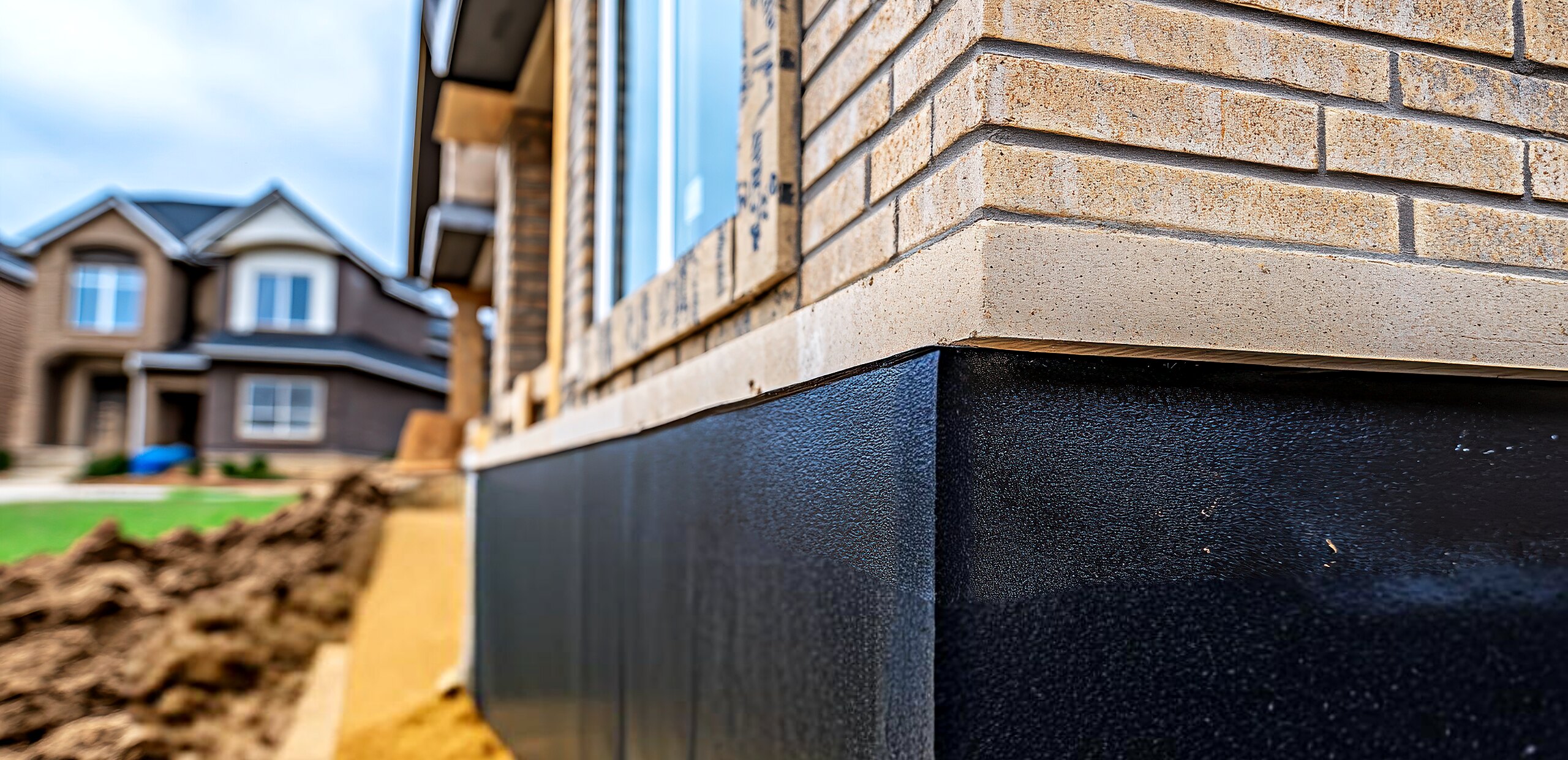
- Tank exteriors, saddles and straps. Steel tanks rust from the outside where water sits under straps and on the bottom. A primed polyurea system stops that. See our corrosion prevention coatings.
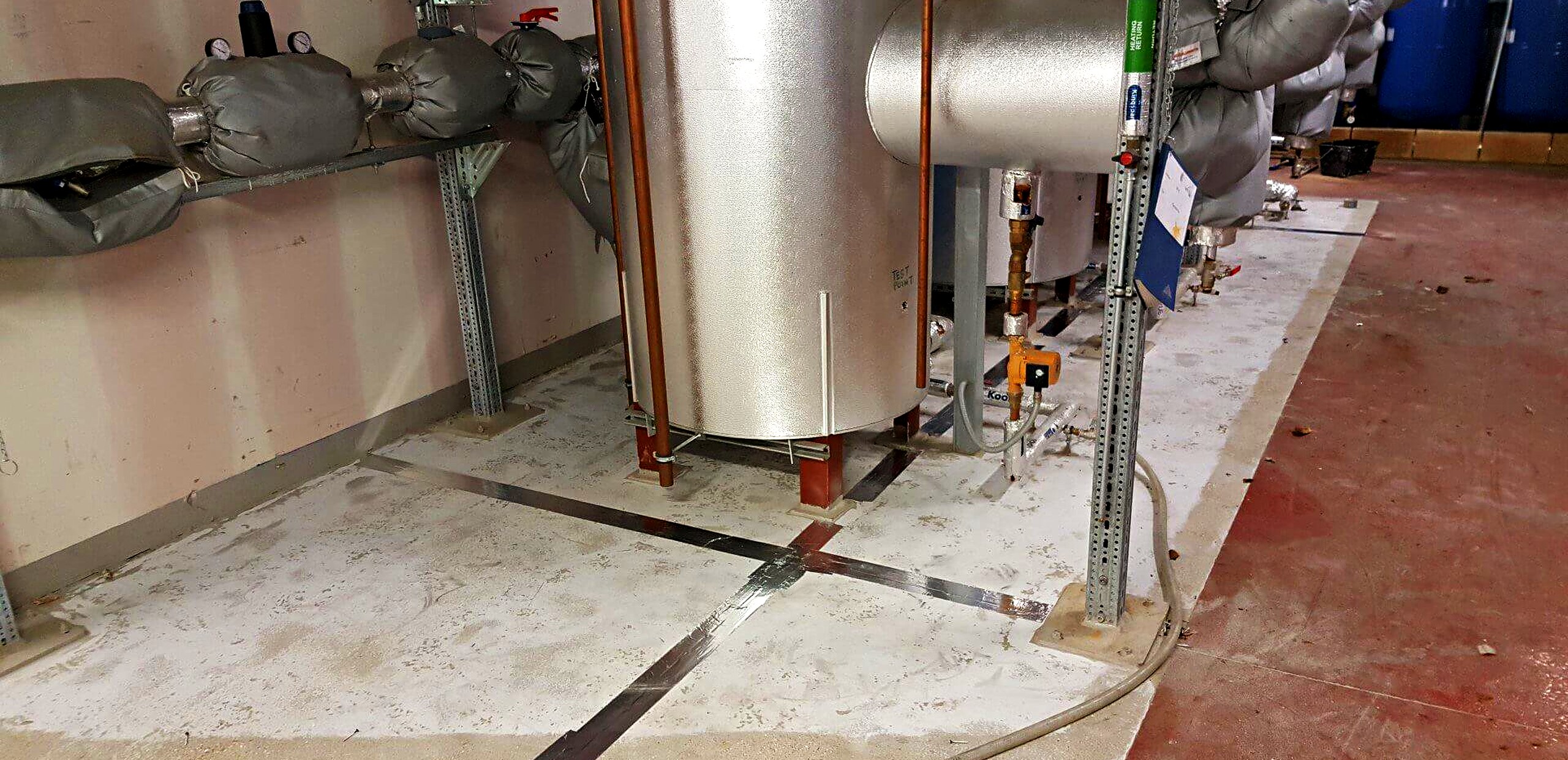
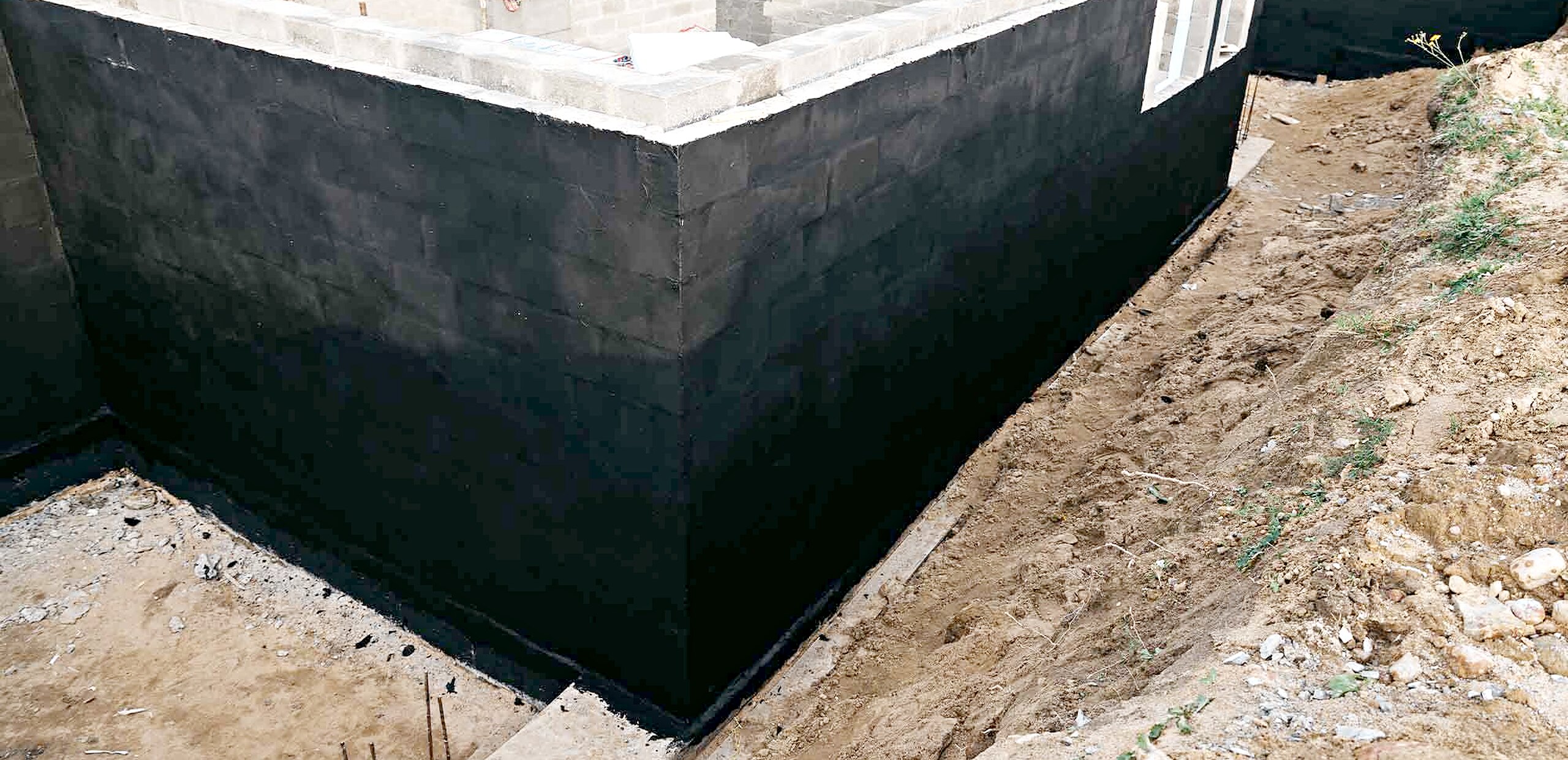
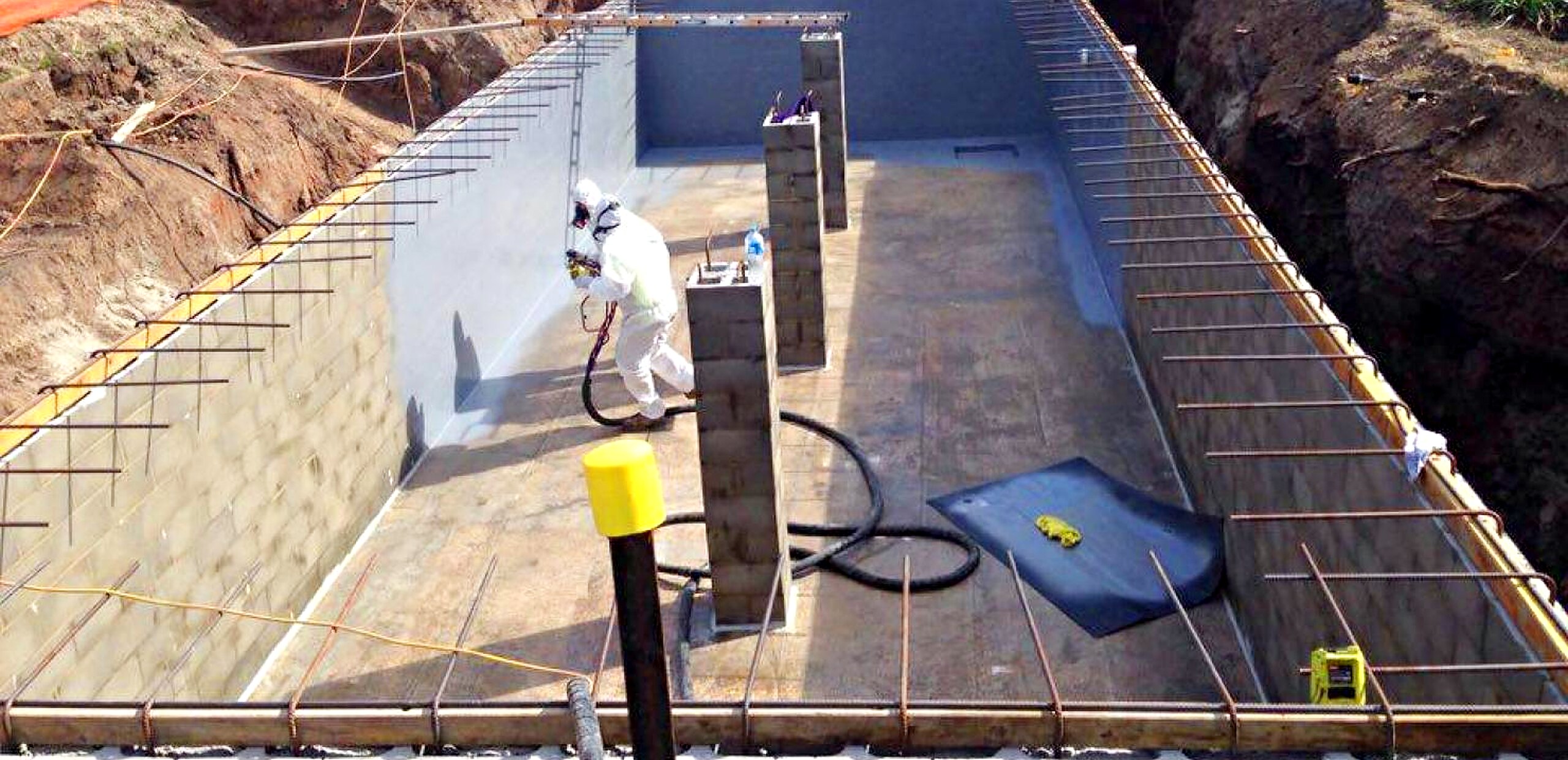
- Secondary containment. Under EPA's SPCC rule, a facility with more than 1,320 gallons of aboveground oil storage in containers of 55 gallons or larger needs a spill prevention plan, and secondary containment is part of it. Lining concrete or steel dikes is core work for our applicators; see fuel containment, storage tank containment and EnviroThane modified polyurea.
- Transfer tank beds and fuel islands. Truck beds that carry fuel transfer tanks take a beating from straps and spills. A spray-on bedliner handles that; compare options on our spray-on bedliners page.
- Underbody steel near the tank. Frames, crossmembers and tank skid plates rust under road salt. Our truck undercoating guide covers what works there, and our guide to finding undercoating near you covers choosing the shop.
The interior lining of large petroleum storage tanks is a different discipline altogether. It is engineered work, guided by industry practice such as API RP 652 for tank bottom linings and specified by the owner's engineer. Talk to us about the containment and exterior, and to a qualified tank lining contractor about the interior.
Fuel tank liner questions
What is a fuel tank liner?
It is a fuel-resistant sealer poured into a cleaned and etched metal tank, rolled around to coat every inside surface, then drained and cured. It seals pinholes and porous seams, locks down remaining rust, and keeps flakes out of the fuel system. It is not a structural repair.
Do gas tank sealers work with ethanol fuel?
The current products we compared say they do, within limits. Damon Industries states Red-Kote works with 10% to 50% ethanol and performed well in long-term E85 testing, and POR-15 says its kit resists gas, diesel and ethanol. Always check the data sheet for your exact fuel, especially biodiesel and race fuels.
How long before I can put fuel in a lined tank?
Follow the label as a minimum: Red-Kote calls for 8 to 24 hours with all openings open, KREEM at least 24 hours, and Eastwood 48 hours at 60°F or warmer. Cool, humid weather slows every one of them. We prefer to give a tank several days.
Can a fuel tank liner fix a leaking tank?
Only small leaks. Damon Industries says its liner seals leaks up to 1/32 inch (about 1 mm). Larger holes and split seams need soldering, brazing or welding by a radiator or tank shop first, and badly thinned tanks should be replaced.
Can you line a plastic gas tank?
Liner kits are made for metal tanks, and makers caution against plastic. KREEM, for example, says it is not for tanks using a plastic component and must be spot tested on fiberglass. A damaged polyethylene tank on a modern vehicle should be replaced.
Can I use bedliner or polyurea inside a gas tank?
We do not recommend it for vehicle tanks. Spray polyurea and bedliner are designed for impact, abrasion and weather on the outside of things, not for a thin film poured into a closed tank and immersed in fuel. Use a purpose-made tank liner inside and save the polyurea for the tank exterior, frame and containment.
Is it cheaper to seal a tank or replace it?
On older and classic vehicles, sealing usually wins: a kit runs roughly $70 to $125 against a replacement tank plus labor. RepairPal puts the average professional replacement at $1,686 to $1,892. When the tank is plastic, badly holed or cheap and easy to swap, replacement is the better call.
Related guides: how to choose an undercoating shop near you, rubberized undercoating, boat deck paint, jon boat floors, deck joist protection and secondary containment coatings.
Sources
- U.S. EIA, ethanol in gasoline: eia.gov
- NREL for RFA, water uptake of ethanol blends: ethanolrfa.org
- Damon Industries, Red-Kote: damonq.com
- POR-15, Fuel Tank Repair Kit: por15.com
- KREEM, liner instructions: kreem.com
- Eastwood, gas tank sealer how-to: eastwood.com
- Classic Motorsports, sealer kit test: classicmotorsports.com
- RepairPal, tank replacement cost: repairpal.com
- ConsumerAffairs, tank replacement cost (2026): consumeraffairs.com
- Farm Show, Gas Tank Renu: farmshow.com
- J. J. Keller, EPA SPCC rule (2026): jjkellersafety.com
Fuel and containment coatings, applied by certified pros.
Fleet, farm and facility owners get a certified ArmorThane applicator for tank exteriors, containment and truck beds. Contractors can add this work with no franchise fee and no royalties.
Start your coatings business with ArmorThane.
Tell us what you want to spray and where you are. An ArmorThane specialist will walk you through the equipment, chemicals, training and startup cost for the work you want to do.
- Equipment package matched to your applications
- Hands-on training and applicator certification
- Technical support once you are spraying
Protecting fuel storage? We coat the outside.
Tell us about the tanks, the containment area and what is stored. We will connect you with a certified ArmorThane applicator for exterior tank coating, containment linings and transfer tank beds.
- Tank sizes and count
- Fuel or chemical stored
- Containment: concrete or steel
- Location and timeline