










How Long Does Spray Foam Take to Dry?
Tack-free, cured and safe to re-enter are three different clocks. See what EPA and CPSC say, then plan when everyone can come back home.
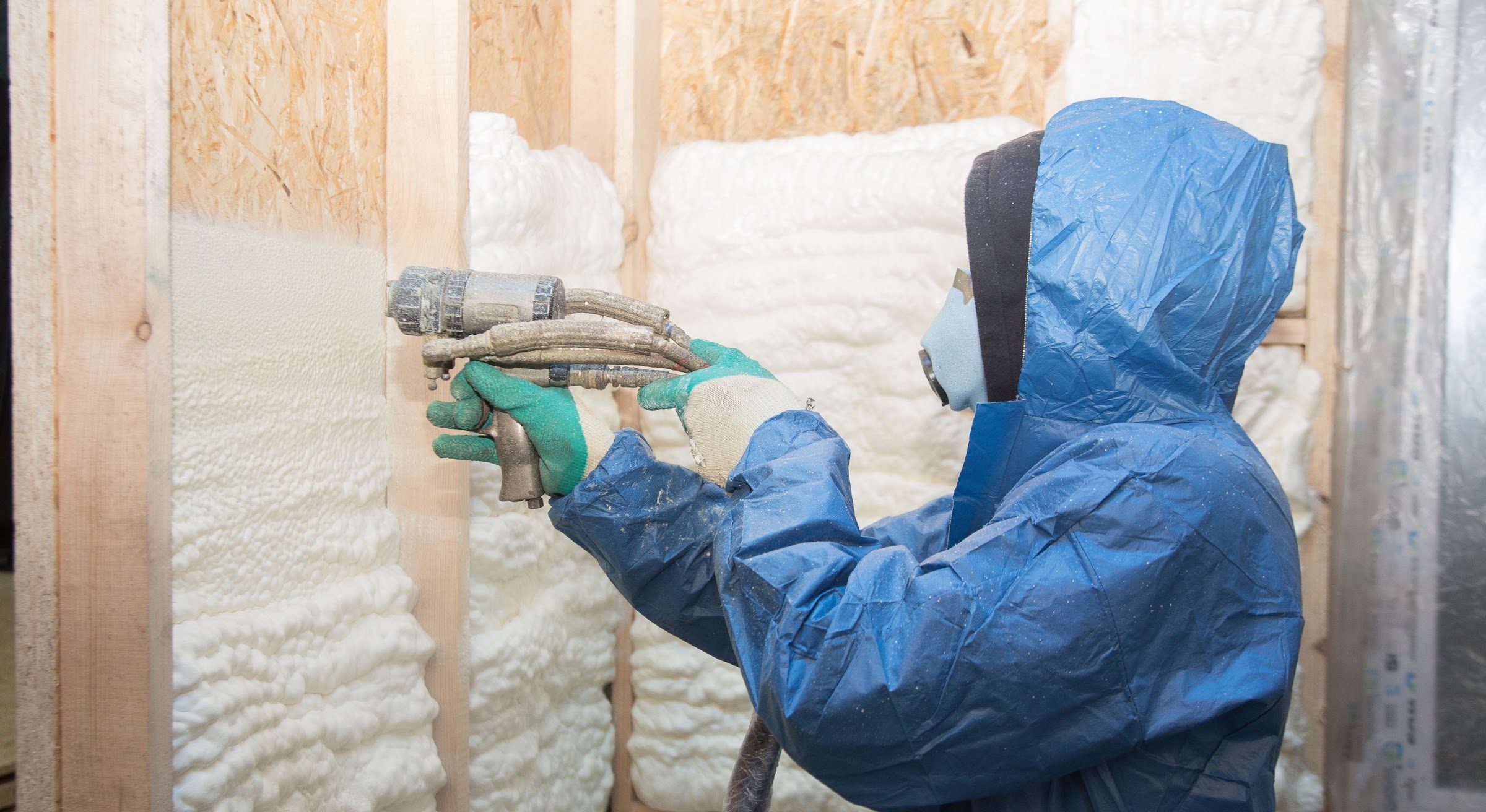
Start a spray foam business
Spray foam for a living.
ArmorThane sets you up to do this work, and you own the business. We make the chemistry, build the rigs, train you hands-on and answer the phone when a job gets difficult. You pay no franchise fee and no royalties. It has been that way since 1989.




- $0
- franchise fees or royalties
- 35+
- years in business
- 50+
- countries with applicators
- 24/7
- technical support
Spray foam feels dry long before it is ready for you to move back in. The surface skins over almost as fast as the crew can move the gun, but the reaction keeps going inside the foam, and the air in the room needs time to clear. That is why “how long does spray foam take to dry” really has three answers.
Professional spray foam is usually tack-free within seconds to minutes, but tack-free is not cured and it is not safe to re-enter. For two-component professional foam, some manufacturers recommend waiting 24 hours after application before re-entry, and the U.S. Consumer Product Safety Commission tells residents to stay out for at least 24 hours. One-component can foam takes roughly 8 to 24 hours to cure, by manufacturer estimates. Your product's data sheet and your installer set the real times for your job.
Spray foam crews near you, matched by ZIP
Most of the waiting on a foam job is planned before the first pass: who leaves the house, for how long, and how the space gets ventilated. A good crew talks you through that when they quote. Tell us where the job is and we will pass it to the nearest crew spraying ArmorThane foam.
Request a spray foam installer
Enter your ZIP or postal code and a few details. We route the request to the nearest certified ArmorThane applicator; nothing is shared with anyone else.
Enter your ZIP or postal code and pick a project. We will fill in the request form below, so all you add is your contact details.
Comparing quotes first? The spray foam contractor hiring guide covers what to ask, and the spray foam insulation cost guide has 2026 prices per board foot.
Dry, cured and safe are not the same thing
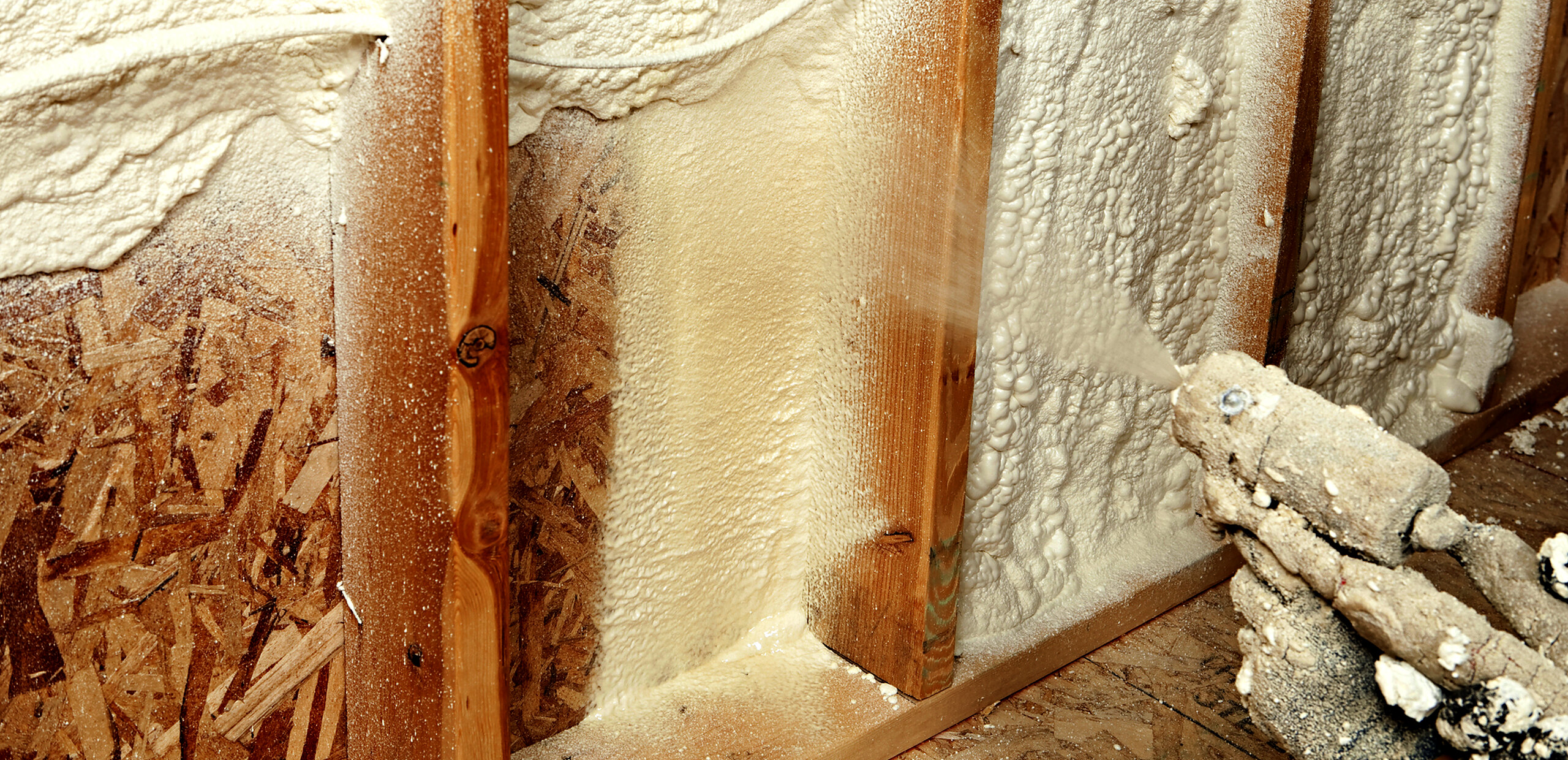
Two liquids meet at the spray gun, react and expand. Within moments the foam has risen and the outside has skinned over. That is the part people call dry. The chemistry inside continues after that, and the room still holds vapor and dust from the job. Each step has its own clock.
| Stage | What it means | Typical timing | What happens next |
|---|---|---|---|
| Tack-free | The skin is no longer sticky and the foam has stopped rising | Seconds to minutes on professional foam; your data sheet lists it | The crew moves to the next bay or sprays the next pass |
| Trimmed and cleaned | Open-cell is cut flush with the studs; masking and overspray come down | Usually the same visit | Ventilation keeps running |
| Cured | The chemical reaction has finished all the way through | Longer than tack-free; product-specific and slower in the cold | Installer checks for soft or sticky spots |
| Safe to re-enter | Cured, ventilated and cleaned so people can come back | Some manufacturers recommend 24 hours for pro two-component foam; CPSC says at least 24 hours for residents | Installer gives the all-clear |
| Ready to cover | Cured, inspected and ready for drywall or a coating | After cure and inspection | Thermal or ignition barrier where code requires it |
Open-cell, closed-cell and can foam
“Spray foam” covers very different products. The two professional foams are mixed at the gun from two drums by a heated proportioner. Can foam is a one-component product that cures with moisture from the air. They dry and cure on different schedules, so the answer depends on which one is going into your walls.
Open-cell
Light, soft and sprayed thick in one go to fill the cavity. It skins over fast and the crew trims it flush with the framing the same day. Common in attic rooflines and interior walls.
Closed-cell
Denser and rigid, and it gives off real heat as it reacts, so crews build it up in passes instead of one thick shot. It is left as sprayed. Common on rim joists, crawl spaces, metal buildings and pole barns.
One-component can foam
Gap-and-crack foam from a can. It needs moisture in the air to cure, which is why it can stay soft inside for hours. Manufacturers estimate roughly 8 to 24 hours to cure.
Low-pressure two-component kits sit in between: two tanks, mixed at a disposable nozzle. There is no single industry number for them, so follow the kit maker's instructions to the letter, including the ventilation and re-entry guidance on the label. Not sure which foam you're getting? The open-cell vs closed-cell comparison lays out where each belongs.
What slows curing, and what a good crew does about it
Spray foam is a chemical reaction, and reactions care about temperature, moisture and mixing. Every professional product has a data sheet that spells out the substrate temperature, humidity and pass thickness it was designed for. Inside those limits, curing is predictable. Outside them, it isn't.
Cold surfaces
A cold roof deck or a steel panel pulls heat out of the reaction. Foam can cure slower, stick poorly or come out with a lower yield. Winter jobs need warm material and a substrate inside the data sheet's range. See spraying foam in cold weather.
Wet surfaces and humidity
Water on the substrate interferes with adhesion and the reaction. Crews check for wet wood, frost and condensation before they spray. Can foam is the exception that needs some humidity, because it cures with moisture from the air.
Passes that are too thick
Closed-cell foam builds heat as it cures. Spraying it thicker per pass than the product allows can trap that heat and cause problems inside the foam. Pass thickness comes from the data sheet, not from a rush to finish.
An off-ratio mix
The proportioner has to deliver both sides at the right ratio, temperature and pressure. When it doesn't, you can get soft, sticky or brittle spots that never cure properly. That is an equipment and training problem, not a waiting problem.
Plan your spray foam re-entry day
Pick the foam and tell us who lives in the house. The planner lays out a sensible timeline based on the EPA and CPSC guidance above. Use it to plan where everyone sleeps, then confirm the real times with your installer.
How long to stay out after spray foam
Uses published guidance: some manufacturers recommend 24 hours before re-entry for professional two-component foam (EPA); CPSC tells residents to stay out for at least 24 hours; one-component can foam takes about 8 to 24 hours to cure (manufacturer estimates via EPA). This is a planning aid. Check your product's data sheet; your installer sets the real times.
Signs the foam didn't cure right
Properly cured foam is uniform in color, firm for its type and bonded to the surface. If any of these show up after the cure time has passed, call the installer back before anything gets covered.
- Sticky or wet patches that stay tacky long after the rest of the foam has set, often a sign of an off-ratio mix.
- A strong, lingering odor days after the job, rather than one that fades as the space ventilates.
- Gaps where foam pulled away from studs, rafters or the deck, which points to a cold or damp substrate.
- Discolored, crumbly or brittle areas that look different from the foam around them.
- Cracks, voids or shrinkage inside the cavity once the foam has fully set.
Our spray foam insulation problems guide covers causes and fixes in more detail. The short version: an installer who sprays within the data sheet's limits and keeps the proportioner on ratio rarely has these problems.
Ventilation, odor, and when you can cover it
The smell and the air
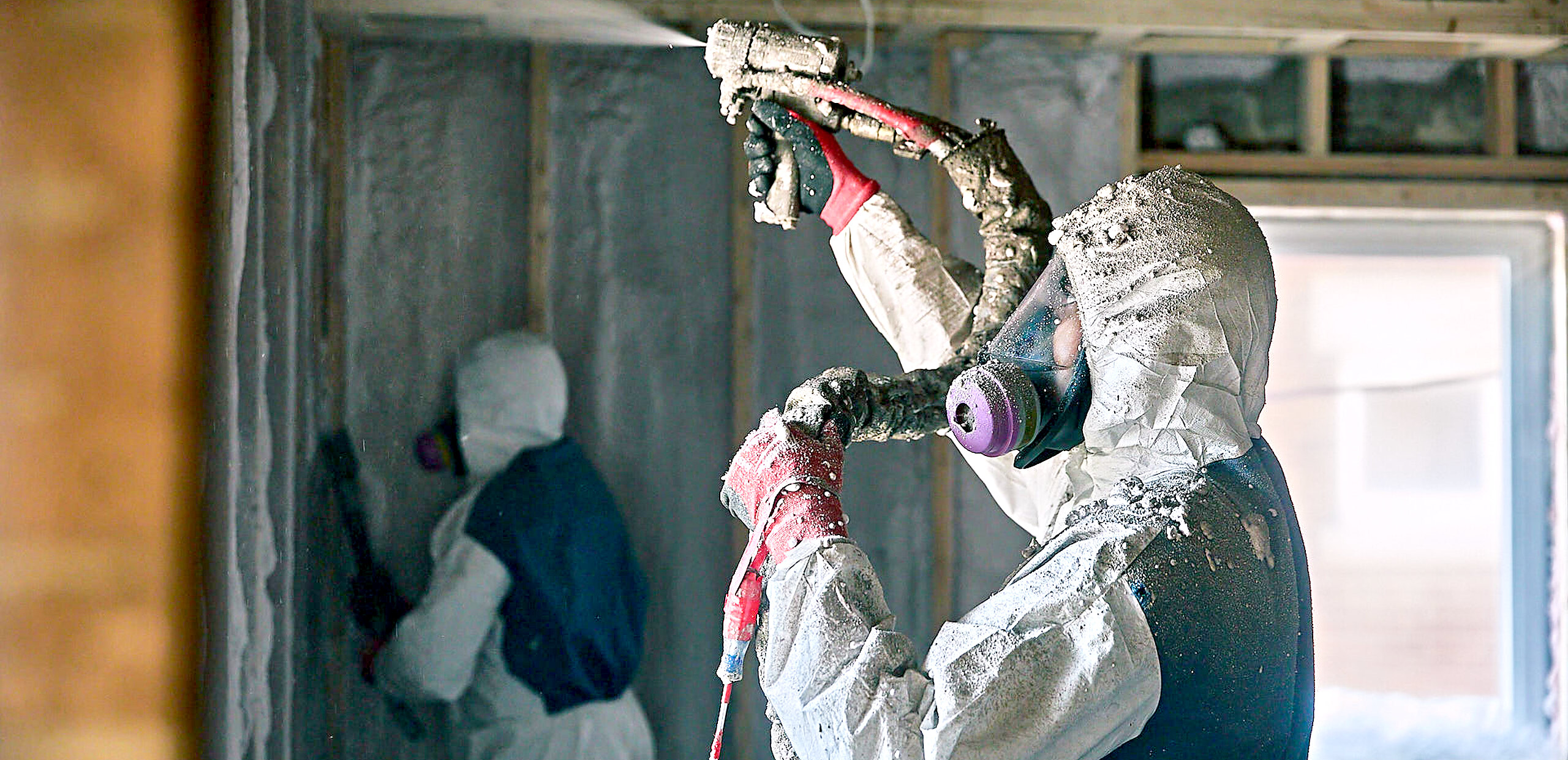
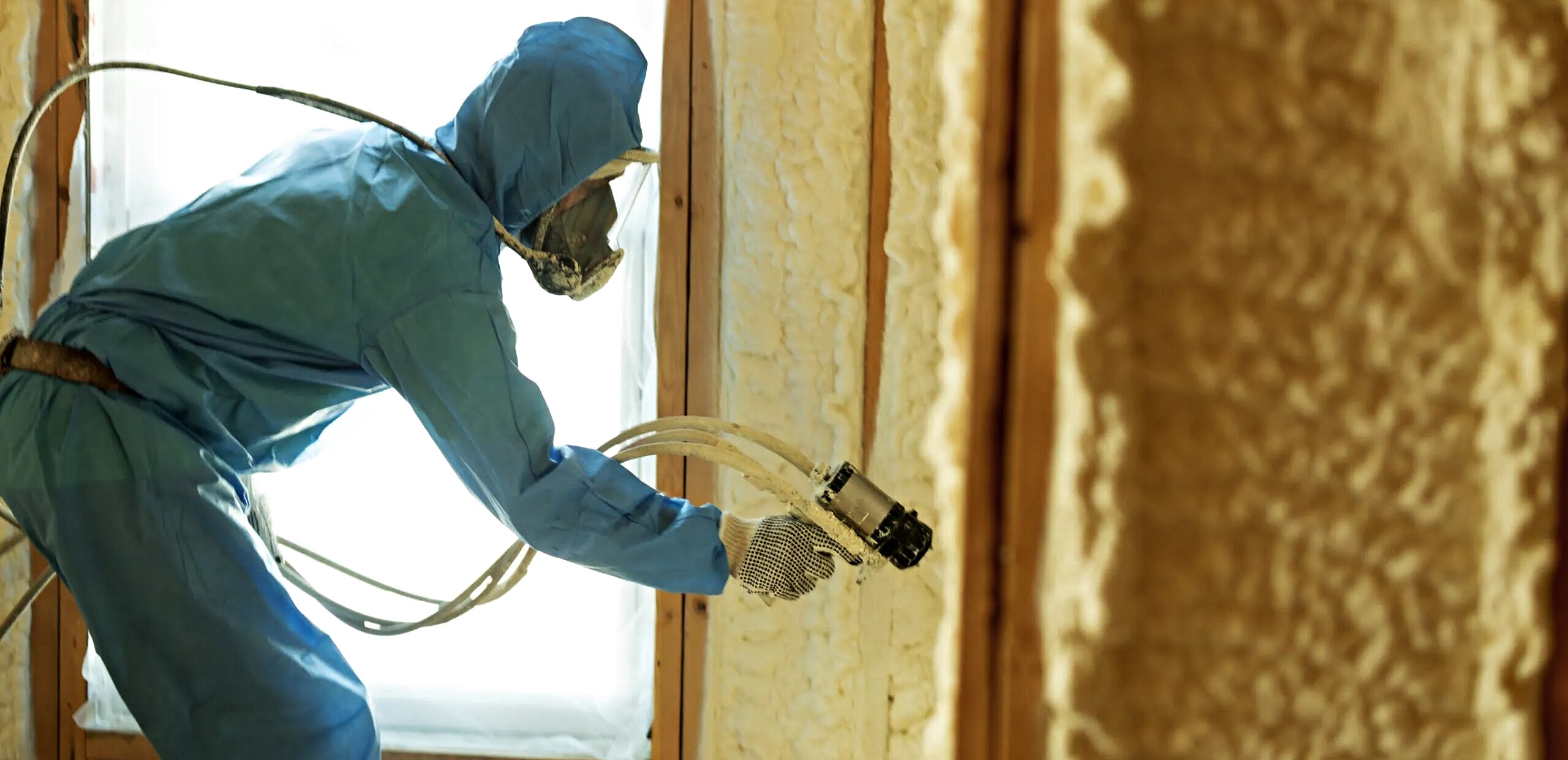
Expect a chemical odor during and right after spraying. The crew isolates the work area and runs ventilation while they spray and after they finish, and they wear supplied-air or cartridge respirators for a reason. CPSC suggests asking your contractor up front how they plan to isolate and ventilate the work area. An odor that fades as the space airs out is normal. One that lingers or gets stronger days later is worth a call.
Drywall, coatings and barriers
Once the foam has cured and been checked, it can be covered. In living spaces, building codes generally require foam plastic insulation to be separated from the interior by a thermal barrier such as drywall. In attics and crawl spaces you don't occupy, a lighter ignition barrier may be allowed instead. Which one applies depends on your local code and the product's approvals, so your installer and building department make that call. More on attics in attic spray foam insulation.
Questions to ask your installer
Which product, and can I see the data sheet?
The data sheet lists tack-free time, cure conditions and pass thickness. A crew that won't share it is a crew to skip.
When can we come back, exactly?
Get the re-entry time in writing, with the reason. If anyone in the house has asthma, chemical sensitivity, or is very young, ask for a longer window.
How will you isolate and ventilate the space?
Plastic sheeting, negative air, fans and how long they run after spraying. This is the question CPSC suggests asking.
What happens if it's cold?
Ask how they check substrate temperature and moisture, and whether they heat the space or the material on winter jobs.
Who checks the cure before it's covered?
Someone should look for soft spots, gaps and odor before drywall goes up, and come back if anything is off.
ArmorThane trains applicators on its foam and its equipment, and backs them with a 24/7 tech line. Learn about the spray foam training path, or see the spray foam insulation overview.
A crew that plans the cure before the first pass.
Tell us what you want insulated and where. We'll route the request to the nearest crew spraying ArmorThane foam, who will quote the job and the re-entry plan.
Contractors: become an ArmorThane applicator
Spray foam drying questions
How long does spray foam take to dry?
Professional spray foam is usually tack-free within seconds to minutes, depending on the product. That only means the surface has skinned over. Curing through the full depth and clearing the air take longer, and the product's data sheet and your installer set those times.
How long after spray foam can I go back in my house?
For professional two-component foam, some manufacturers recommend 24 hours after application before re-entry, and CPSC tells residents to stay out for at least 24 hours. Times can vary by product and household, so agree on the re-entry time with your contractor before the job starts.
How long does it take for spray foam to cure?
Cure time depends on the product, the temperature and the humidity, so the data sheet is the reference for professional foam. For one-component can foam, manufacturers estimate roughly 8 to 24 hours. Cold surfaces slow the cure.
Does spray foam smell while it cures?
Yes, there is usually a chemical odor during and right after spraying. It should fade as the space is ventilated. A strong smell that lingers for days can point to a curing problem, so call the installer back.
Can I sleep in my house the night spray foam is installed?
Plan not to. CPSC recommends residents vacate during installation and for at least 24 hours after. Book somewhere else to stay, take pets with you, and ask for a longer window if anyone in the house is sensitive to chemicals.
How long does canned spray foam take to dry?
One-component can foam skins over fairly quickly but cures with moisture from the air, so it stays soft inside longer. Manufacturers estimate about 8 to 24 hours to cure. Follow the can's label for trimming and ventilation.
Sources
- U.S. EPA Safer Choice (archive), Vacate and safe re-entry time for spray polyurethane foam application. archive.epa.gov/epa/saferchoice/vacate-and-safe-re-entry-time-spray-polyurethane-foam-application.html
- U.S. Consumer Product Safety Commission, Spray Polyurethane Foam Insulation: Health and Safety Recommendations for Consumers. cpsc.gov (PDF)
Spray foam that's planned from first pass to move-in.
Certified ArmorThane applicators are trained on our foam and our spray equipment. Tell us where the job is and we'll connect you with a crew near you.
Get a foam quote with a re-entry plan.
Tell us what you're insulating and where. The nearest certified ArmorThane applicator will quote the job and walk you through cure and re-entry times.
- What you're insulating: attic, walls, crawl space
- Rough square footage
- Who lives in the home, pets included
- Your city and ZIP or postal code
More to read on spray foam
Short reads from ArmorThane on Issuu. Tap one to open it right here.


More in Spray foam & insulation
 Spray foam & insulationMetal Building Insulation
 Spray foam & insulationMineral Wool Insulation
 Spray foam & insulationMobile Home InsulationSpray foam & insulationOpen Cell Spray Foam Guide
 Spray foam & insulationOpen Cell vs Closed Cell Spray Foam
 Spray foam & insulationQuonset Hut Insulation
 Spray foam & insulationRim Joist InsulationSpray foam & insulationShed Insulation