





Metal Roof Condensation: Why It Drips & How to Stop It
Why steel roofs sweat on cold, clear nights, which insulation and vapor control actually stop it, and calculators to check your building and size the fix.
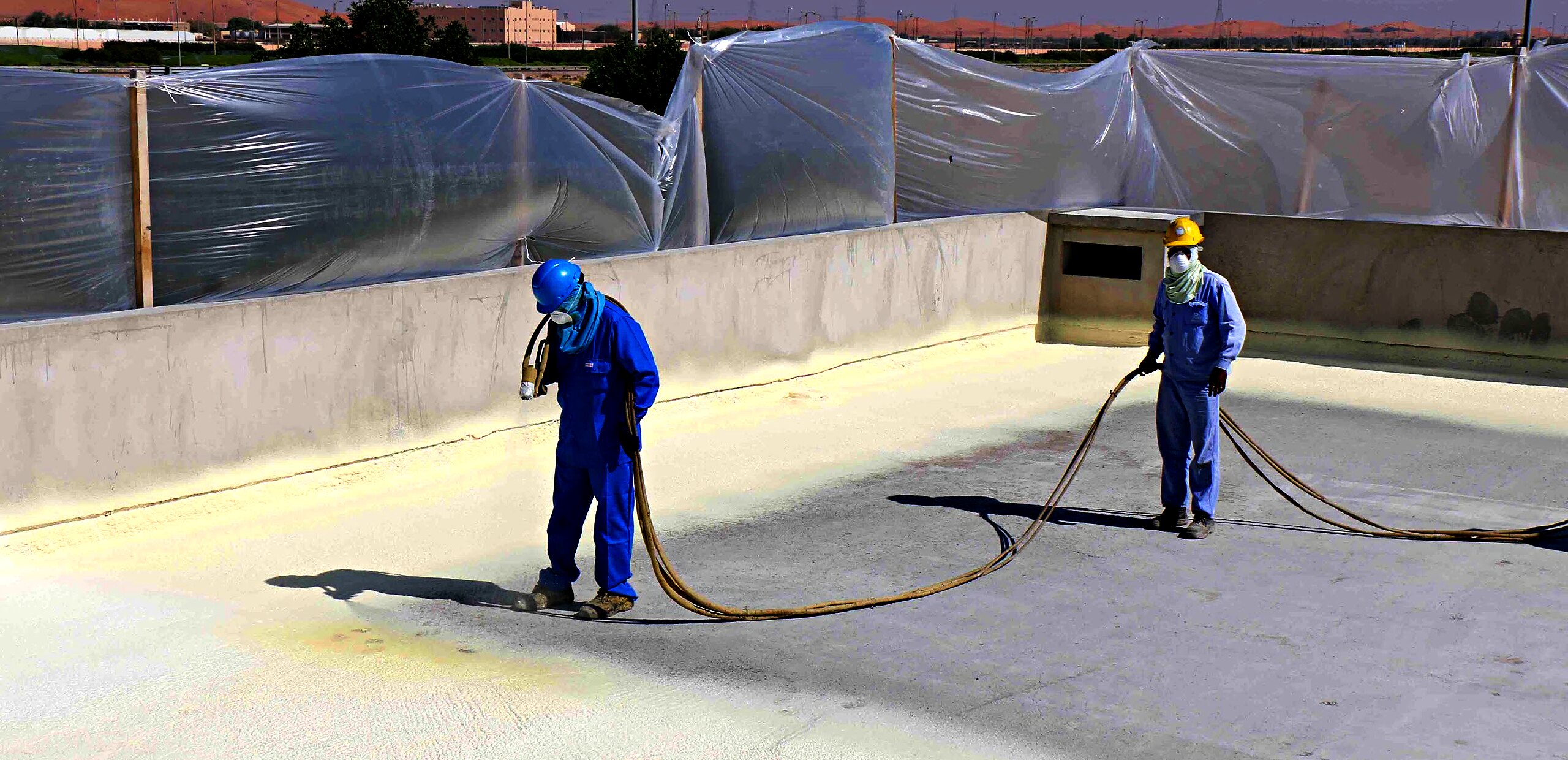
Start a roof coating business
Spray roofs for a living.
ArmorThane sets you up to do this work, and you own the business. We make the chemistry, build the rigs, train you hands-on and answer the phone when a job gets difficult. You pay no franchise fee and no royalties. It has been that way since 1989.




- $0
- franchise fees or royalties
- 35+
- years in business
- 50+
- countries with applicators
- 24/7
- technical support
Metal roof condensation is the "leak" that shows up on cold, clear mornings with no rain in the forecast. Water drips from the purlins, rust starts on the underside of the panels, insulation sags and stains, and tools and vehicles in the shop are wet before anyone has turned on a light. It is not a roofing failure. It is warm, moist air meeting cold steel. We manufacture the closed-cell spray foam and protective coatings our certified applicators use in metal shops, barns, warehouses and barndominiums, and this guide explains why condensation happens, which fixes actually work, and two calculators: one that checks whether your roof will sweat tonight and one that sizes the insulation and ventilation to stop it.
Condensation forms when the underside of the roof is colder than the dew point of the air inside. Stop it by keeping warm, moist air away from the cold steel and by keeping the steel's inner surface above the dew point: an air-tight, vapor-retarding insulation layer (closed-cell spray foam applied directly to the panels is the most reliable retrofit, or a faced blanket rated 0.10 perm or less with every seam sealed), plus less moisture indoors (vent heaters outdoors, let new slabs cure, exhaust humid air). Drip-stop membranes help in unheated sheds. Plain white vinyl facing and loose, unsealed insulation do not stop it.
Why metal roofs sweat
Air holds more water vapor when it is warm. Cool that air down to its dew point and the extra vapor condenses on the nearest cold surface. A bare steel roof is the perfect condensing surface: it is thin, conducts heat almost instantly, has no thermal mass to stay warm overnight, and on a clear night it radiates heat to the sky and can drop below the outdoor air temperature.
The Metal Building Manufacturers Association puts it simply: condensation happens when warmer moist air contacts cold surfaces, it corrodes the metal and degrades insulation, and problems are most likely in climates where temperatures frequently dip to 35°F or colder. Its own example: 70°F air at 50% relative humidity has a dew point of 50°F. On any winter night when the steel drops below 50°F, that building's roof will be wet.
Where the moisture comes from
- New concrete. A freshly poured slab releases a large amount of water as it cures. MBMA lists it as a key source in new buildings.
- Unvented combustion heaters. Propane and natural gas heaters without a flue put their water vapor straight into the building.
- Livestock, people and wet vehicles. Animals breathe and urinate, trucks bring in snow, and wash bays and pressure washers fill the air with vapor.
- Humidifiers and processes. Interior humidification, cooking, drying and many manufacturing processes add moisture.
- Ground moisture. Slabs without a vapor barrier and dirt floors feed moisture in continuously.
Will my metal roof sweat tonight?
Enter the conditions inside your building and the coldest outdoor temperature you expect. The checker calculates the dew point of your indoor air and the temperature of the coldest surface warm air can reach, then tells you how much margin you have. Use a cheap hygrometer to read indoor humidity. On clear nights the roof runs colder than the air, so treat a thin margin as a fail.
Dew point vs. roof surface temperature
Dew point by the Magnus formula (NPL constants 17.62 and 243.12). Surface temperature by steady-state heat flow with ASHRAE air films: inside 0.61, outside 0.17 (ColoradoENERGY R-value table). Insulation R per inch: faced fiberglass 3.14 (low end, it compresses at purlins), closed-cell spray foam 5.7, foil-faced polyiso 5.0.
How to stop metal roof condensation
There are only three levers: put less water in the air, keep the moist air away from the cold steel, and keep the surface the air can reach warmer than its dew point. The fixes that work pull at least two of them.
Cut the moisture at the source
Vent combustion heaters to the outside or switch to vented units. Give a new slab time to cure with ventilation before closing the building up. Exhaust wash bays and animal areas. Put a vapor barrier under new slabs. This is the cheapest fix and it makes every other fix work better.
Air-seal and vapor-retard the warm side
Vapor moves with air. Insulation with gaps, torn facing or unsealed seams lets moist air reach the steel behind it, and it will condense there out of sight. MBMA recommends taped or tabbed side laps, insulation tape matched to the facing, and says folding and stapling seams is not recommended in high humidity.
Insulate enough to keep the inner surface warm
The inside surface of the insulation has to stay above the dew point on your coldest nights. Tool 2 below sizes that thickness for your conditions.
Ventilate what you cannot dry
MBMA sizes ventilation as building volume times air changes per hour divided by 60. Its example: a 750,000 cubic foot building at 5 air changes an hour needs 62,500 CFM. Ventilation works best combined with insulation, not instead of it.
Unheated buildings: drip-stop or foam
An unheated pole barn has outdoor air inside, so there is little to insulate against. A factory-applied drip-stop fleece on new panels holds condensation until it evaporates; on existing roofs, a thin layer of closed-cell spray foam takes the bare steel out of contact with the air.
Insulation options for condensation control
How common under-roof options handle the two things that matter: stopping air and vapor from reaching the steel, and adding R-value. Click a heading to sort.
| Option | R per inch | Vapor control | Air barrier | Condensation risk |
|---|---|---|---|---|
| Bare panels | 0 | None | No | Very high |
| Drip-stop fleece (new panels) | 0 | Holds water, does not stop vapor | No | Moderate, unheated only |
| Fiberglass, plain white vinyl facing | 3.14–4.30 | About 1.0 perm, not effective | No | High |
| Fiberglass, 0.10 perm facing, seams taped | 3.14–4.30 | Meets NAIMA guidance | Only if every seam is sealed | Low if installed perfectly |
| Foil-faced polyiso board, taped | 5.0–5.6 | Foil is a vapor retarder | At taped joints | Low; joints are the weak point |
| Open-cell spray foam | 3.6+ | Vapor-open | Yes | Needs a vapor retarder in cold climates |
| Closed-cell spray foam | 5.7+ | Class II at about 1.5 in | Yes, adhered to steel | Lowest |
Insulation and ventilation sizer
Set your design conditions: the indoor temperature and humidity you plan to keep, and a cold night for your area. The sizer works out the minimum insulation that keeps the warm-side surface above the dew point, converts it to inches of closed-cell foam and fiberglass, and sizes ventilation with the MBMA method. Code and energy requirements may call for more insulation than this; this is the floor for condensation, not the target for energy.
How much insulation stops the dripping?
Required R-total = 0.61 x (indoor - outdoor) / (indoor - dew point - margin). Closed-cell foam is never shown below 1.5 in, where it becomes a Class II vapor retarder (Huntsman). Ventilation CFM = volume x air changes / 60 (MBMA).
Retrofitting with closed-cell spray foam
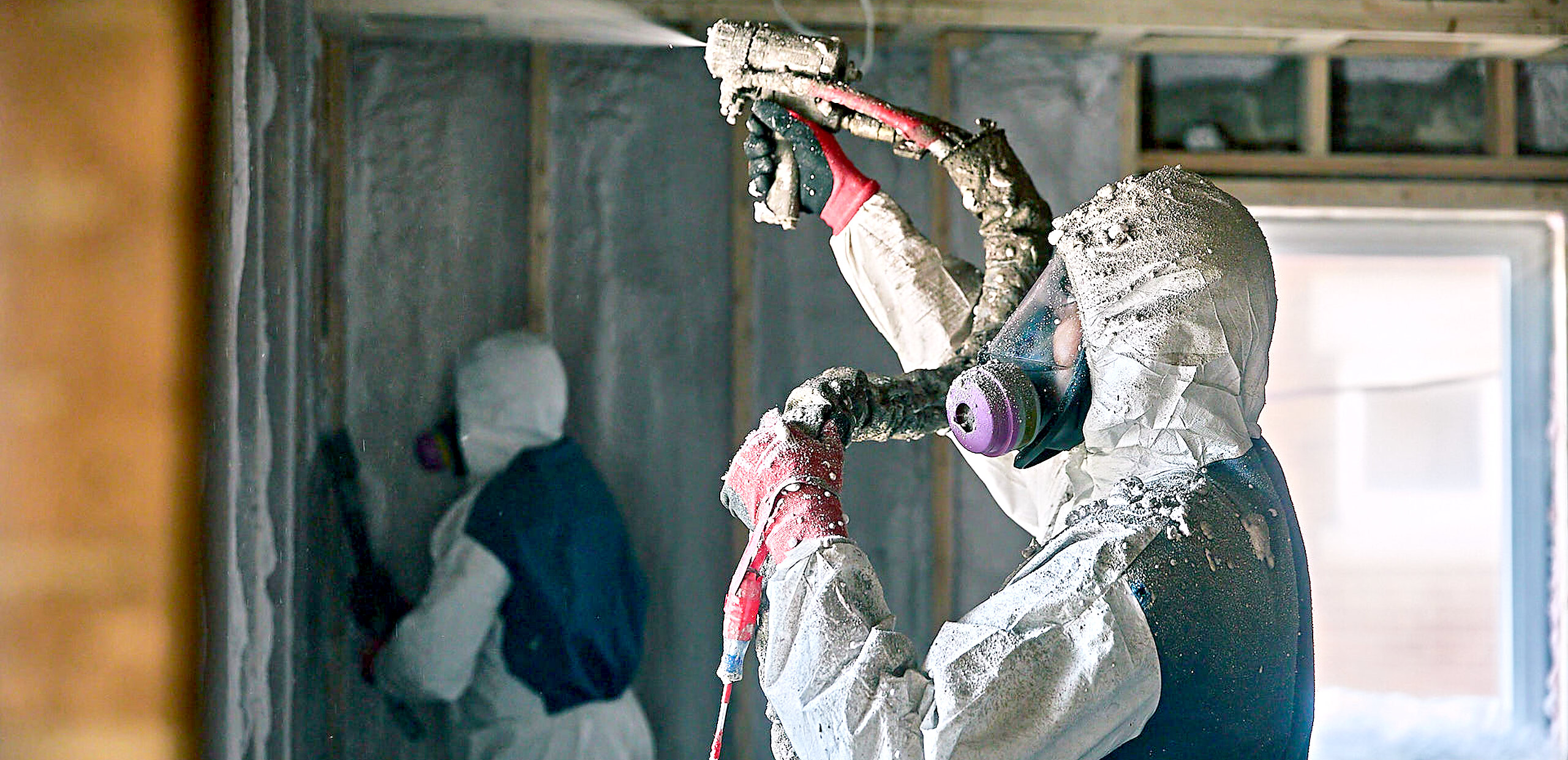
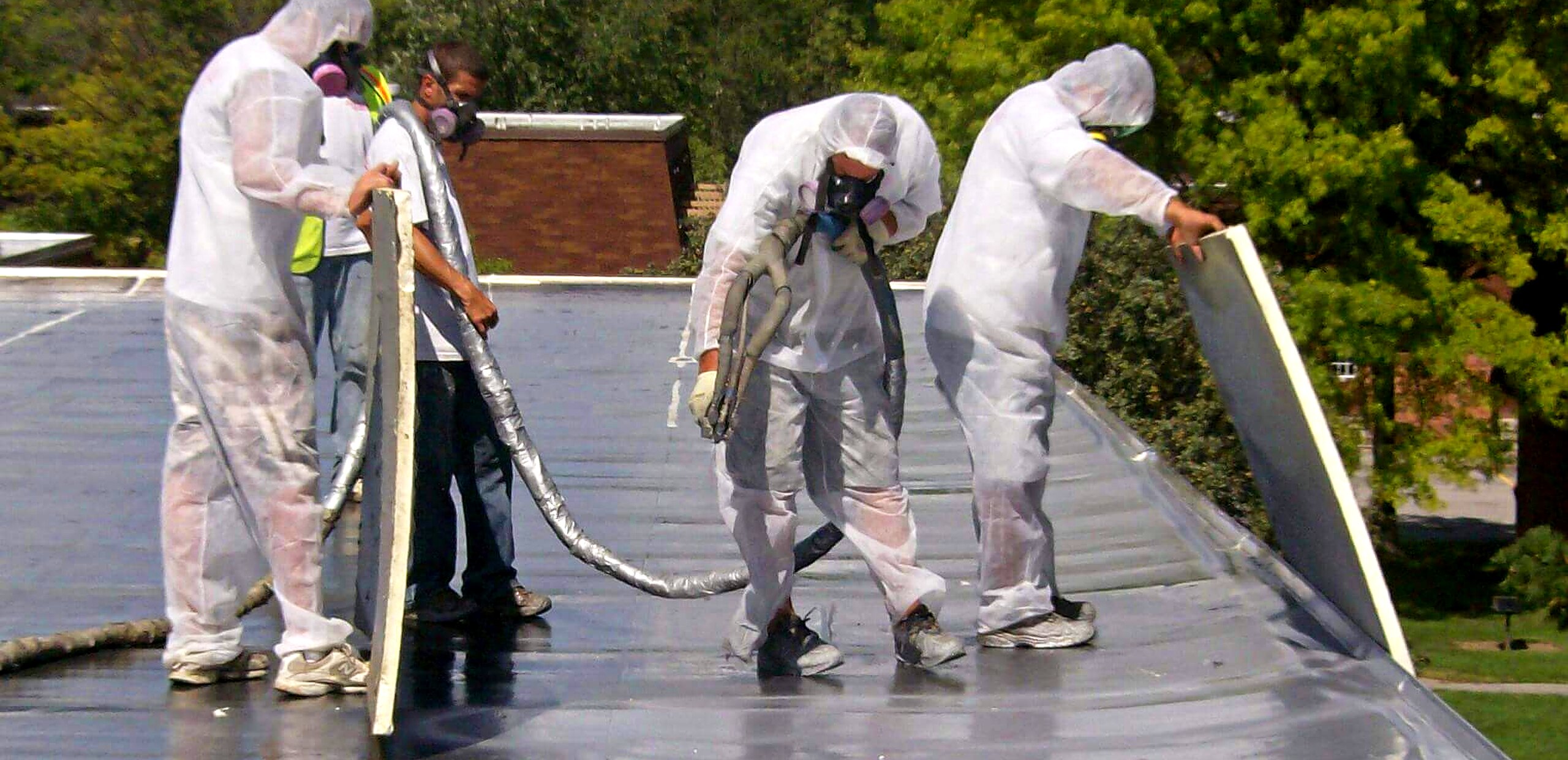
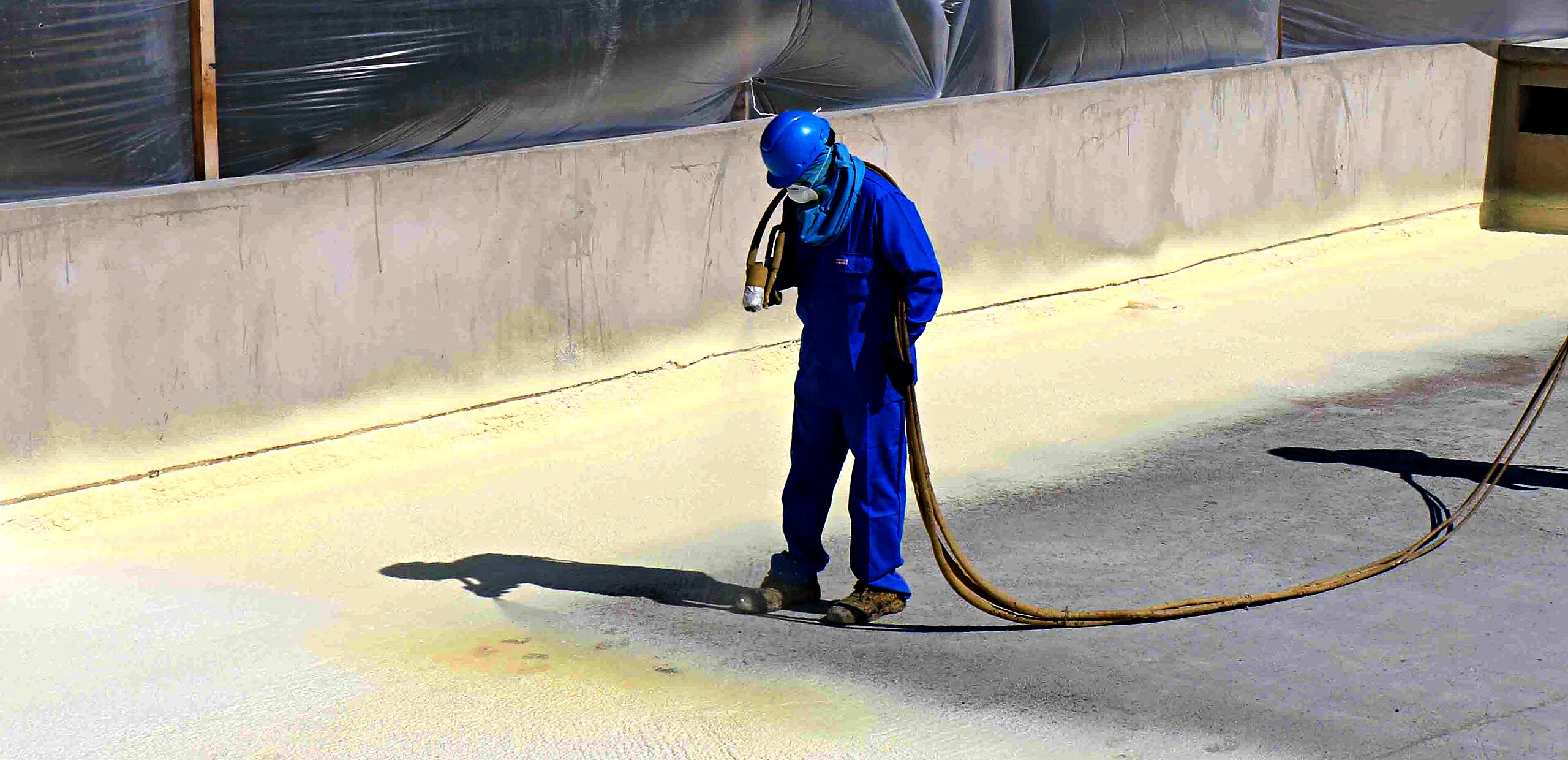
On an existing metal building, closed-cell spray foam sprayed directly onto the underside of the panels is the fix we trust most, because it does three jobs in one layer. It bonds to the steel, so there is no gap behind it for moist air to reach. At about 1.5 inches it becomes a Class II vapor retarder (Huntsman lists 0.83 perm at 1.5 in and 0.63 perm at 2 in). And it adds R-value, starting at 5.7 per inch according to the Spray Polyurethane Foam Alliance. It also stiffens thin panels and seals around fasteners from below.
Our certified applicators spray ArmorThane closed-cell spray foam in shops, barns, warehouses and barndominiums. For thickness by climate and the energy side of the decision, see our metal building insulation guide, the spray foam R-value guide and spray foam insulation cost.
Do it right
- Dry steel only. Foam will not bond to wet or frosty panels. Spray on a day when the steel is dry and above the manufacturer's minimum substrate temperature, and fix roof leaks first.
- Clean the panels. Oil, dust and rust scale reduce adhesion. Panels with active rust may need cleaning and a primer.
- Cover everything that matters. Purlins, girts, eave struts and fasteners are cold bridges. Foam them too, or they will drip on their own.
- Fire protection. Spray foam in occupied buildings generally needs a code-required thermal or ignition barrier. Your applicator should know which applies to your building and use.
- Livestock and birds. Animals and birds can damage exposed foam. Protect it where they can reach it.
When foam is not the answer
If the building is unheated, open to the weather and full of moisture (an open-sided hay barn, for example), there is no warm side to protect and foam will not change much. Drip-stop panels or simply ventilation are the honest answer there. And if moisture is extreme, such as an unvented heater burning all day in a closed shop, fix that first; no insulation outperforms a constant flood of vapor.
Stop the rain inside your building.
A certified ArmorThane applicator can assess your building's moisture sources, insulation and roof, and quote closed-cell spray foam sized to keep the steel dry.
Contractors: become an applicator →
Metal roof condensation questions
Why is my metal roof dripping inside when it is not raining?
Warm, moist indoor air is touching the cold underside of the roof and cooling below its dew point, so the vapor condenses into water. It happens most on cold, clear nights and mornings, and it is worse in buildings with new concrete, unvented heaters, animals or wet vehicles inside.
How do I stop condensation under a metal roof?
Reduce the moisture inside, then install insulation that both blocks air and retards vapor on the warm side and is thick enough to keep its inner surface above the dew point. Closed-cell spray foam applied directly to the panels does all of that in one layer. A faced blanket can work if the facing is rated 0.10 perm or less and every seam is sealed.
Does a vapor barrier stop metal roof condensation?
Only if it is continuous and on the warm side. MBMA notes that plain white vinyl facing at about 1.0 perm is not an effective vapor retarder, and NAIMA recommends 0.10 perm or less, or under 0.05 perm in high-humidity buildings, with taped or tabbed seams.
How thick should spray foam be to stop condensation on a metal roof?
Thick enough to keep its inner surface above the indoor dew point on your coldest nights, and at least about 1.5 inches so closed-cell foam acts as a Class II vapor retarder. For many heated shops at moderate humidity, the condensation minimum comes out close to that 1.5 inch vapor-retarder thickness; energy codes usually require more for heating savings. Our sizer calculates it for your conditions.
Will ventilation alone fix condensation?
In unheated buildings, ventilation can keep indoor air close to outdoor conditions and reduce dripping. In heated buildings, ventilation alone rarely solves it because the steel is still cold and the indoor air is still warmer and wetter. Combine ventilation with insulation and moisture control.
Do anti-condensation or drip-stop panels work?
Factory-applied drip-stop fleece holds condensation in the fabric until it evaporates, which works well in unheated sheds and carports. It does not stop vapor or add insulation, so it is not a solution for heated shops or buildings with high moisture loads.
Can condensation damage a metal roof?
Yes. MBMA notes condensation corrodes metal and degrades insulation. Repeated wetting rusts panels and fasteners from the inside, stains and compresses fiberglass, and can drip onto equipment, stored goods and animals.
More roof problems we cover: commercial roof leak repair, metal roof leak repair and ice dam prevention.
Sources
- Metal Building Manufacturers Association, Condensation Fact Sheet: mbma.com/sites/default/files/documents/10.01.01Condensation.pdf
- National Physical Laboratory, Dew point and relative humidity (Magnus constants): npl.co.uk/resources/q-a/dew-point-and-relative-humidity
- Huntsman Building Solutions, BES-102 Vapor Retarders and Vapor Permeance: huntsmanbuildingsolutions.com BES-102 design note
- Spray Polyurethane Foam Alliance, Spray Foam R-Values and Performance: whysprayfoam.org/new-construction/r-values-and-performance
- ColoradoENERGY, R-Value Table (air films and materials): coloradoenergy.org/procorner/stuff/r-values.htm
- Cx Associates, ASTM C1153 overview (night-time radiative cooling of roof surfaces): cx-associates.com/building-enclosure/astm-c1153
Dry steel, warm building.
Owners get a certified ArmorThane applicator who sizes closed-cell spray foam to stop condensation and cut heating costs. Contractors can add spray foam with no franchise fee and no royalties.
 Read it
Protective Roof Coatings & Leak Repair
Flip through the whole brochure right here, or open it full screen on Issuu to share it.
Start your coatings business with ArmorThane.
Tell us what you want to spray and where you are. An ArmorThane specialist will walk you through the equipment, chemicals, training and startup cost for the work you want to do.
- Equipment package matched to your applications
- Hands-on training and applicator certification
- Technical support once you are spraying
Raining inside your shop? Keep the steel dry.
Tell us the building size, how it is heated and used, what insulation is there now and when it drips. We will connect you with a certified applicator near you.
- Building size and roof type
- Heating and moisture sources
- Existing insulation
- When the dripping happens
More to read on roofing
Short reads from ArmorThane on Issuu. Tap one to open it right here.