Polyurethane Roof Coating & Urethane Roofing Systems
Urethane roof coatings, spray polyurethane foam roofing and polyurea explained: how each works, where each wins, and how to choose for your building.
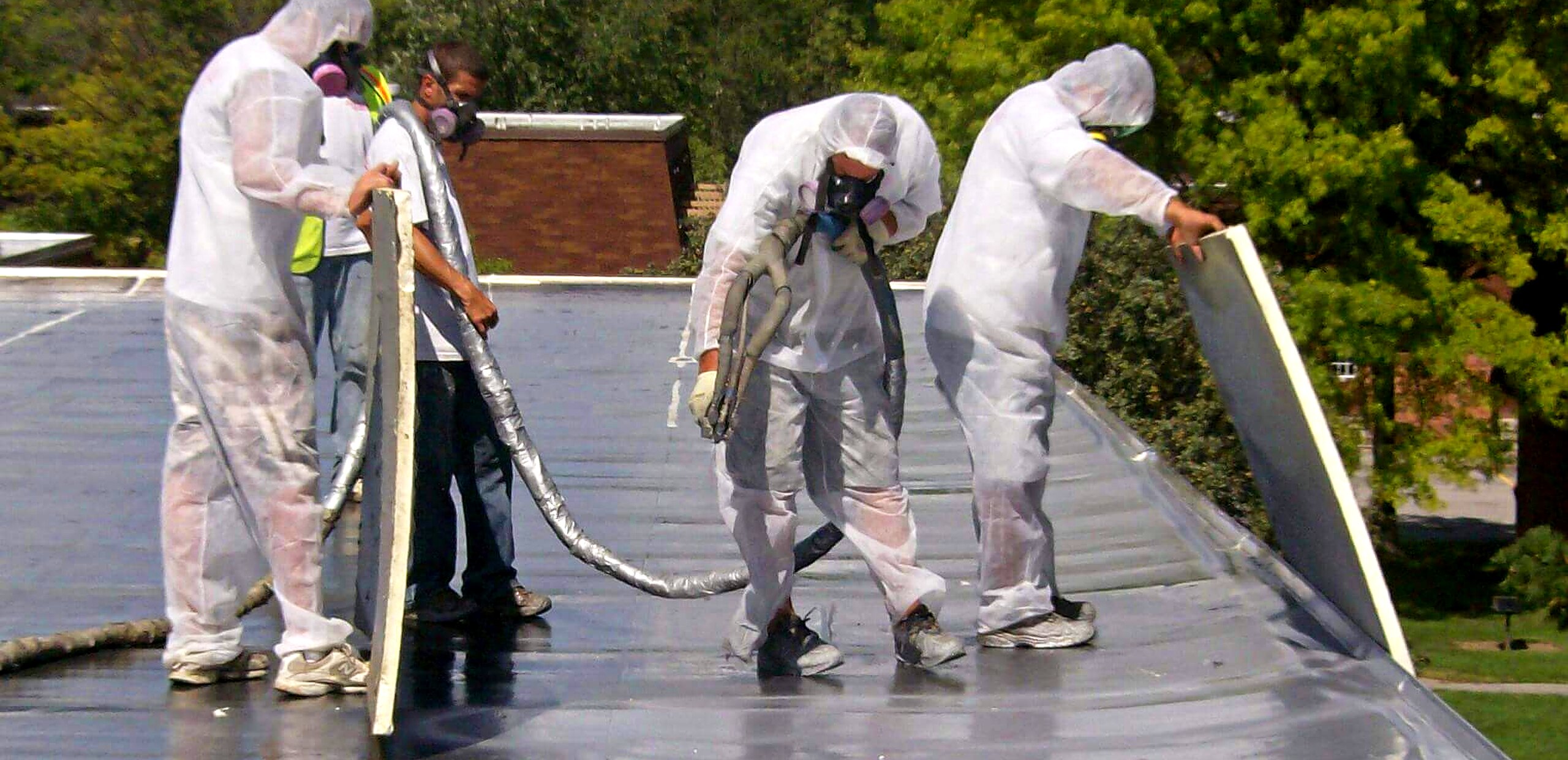
Spray roofs for a living.
ArmorThane is the one-stop shop for applicators. We make the chemistry, build the equipment, train you hands-on and back you with technical support, with no franchise fees and no royalties. Applicators have come first here since 1989.
- $0franchise fees or royalties
- 35+years in business
- 50+countries with applicators
- 24/7technical support
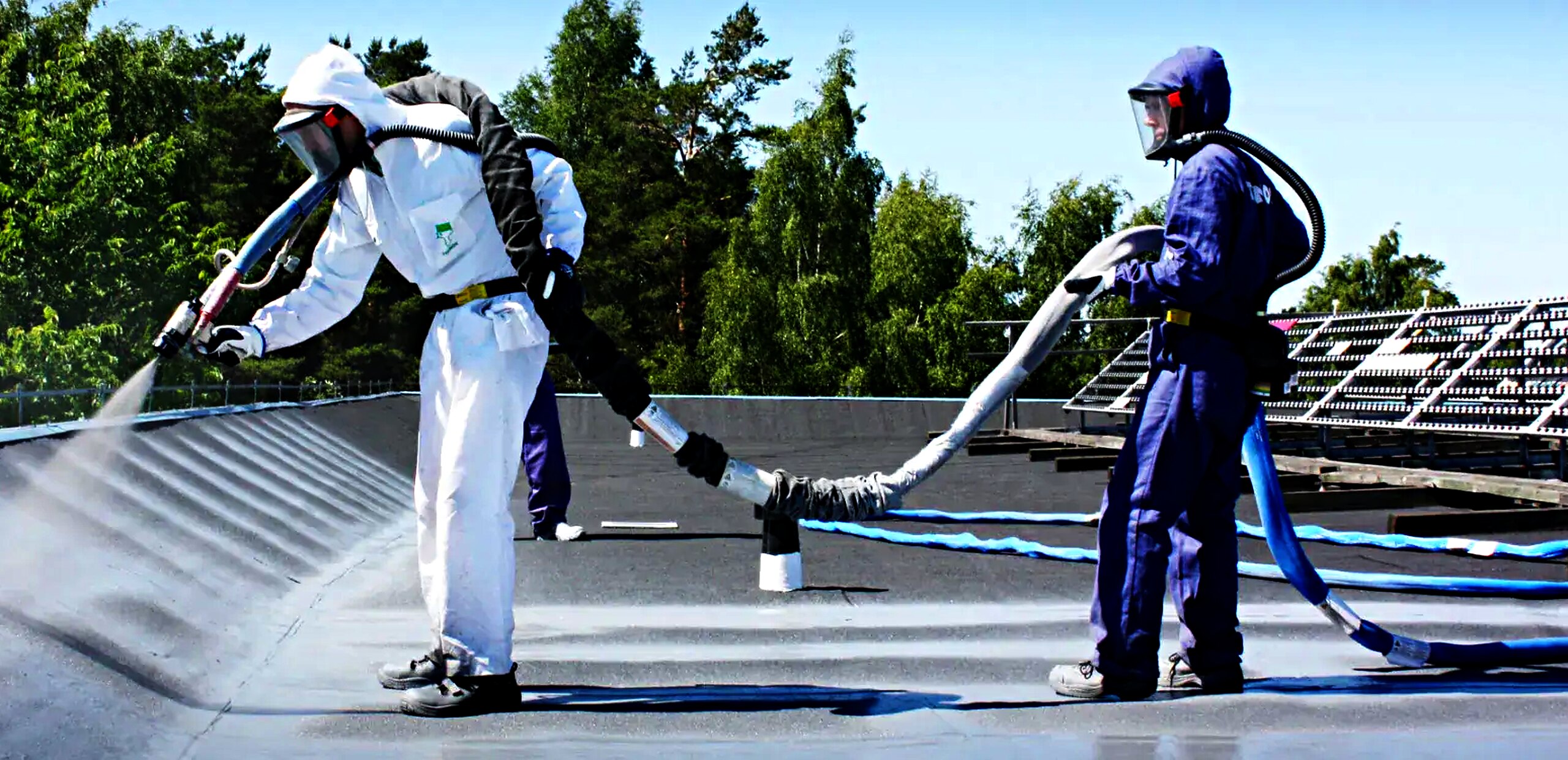
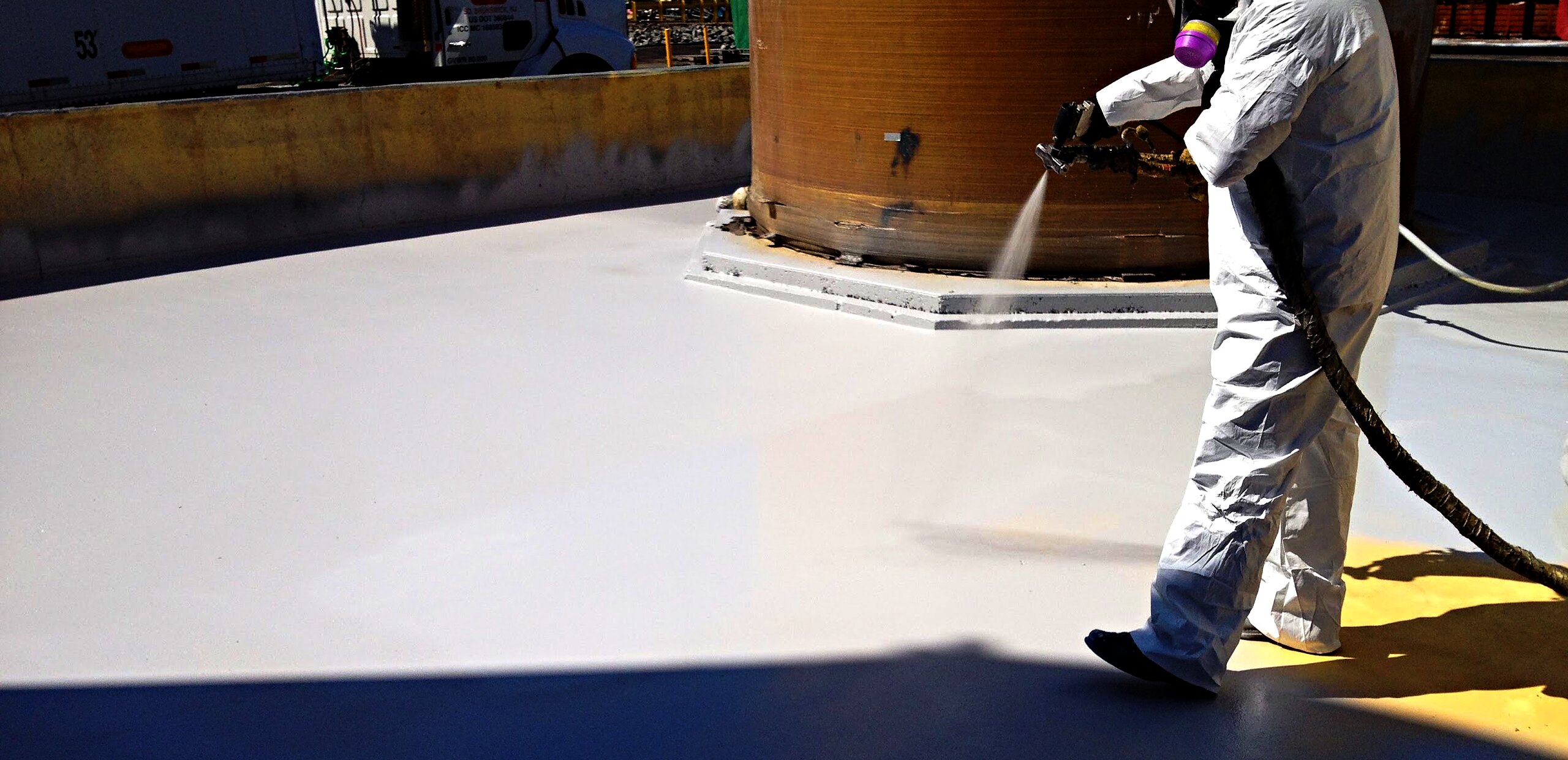
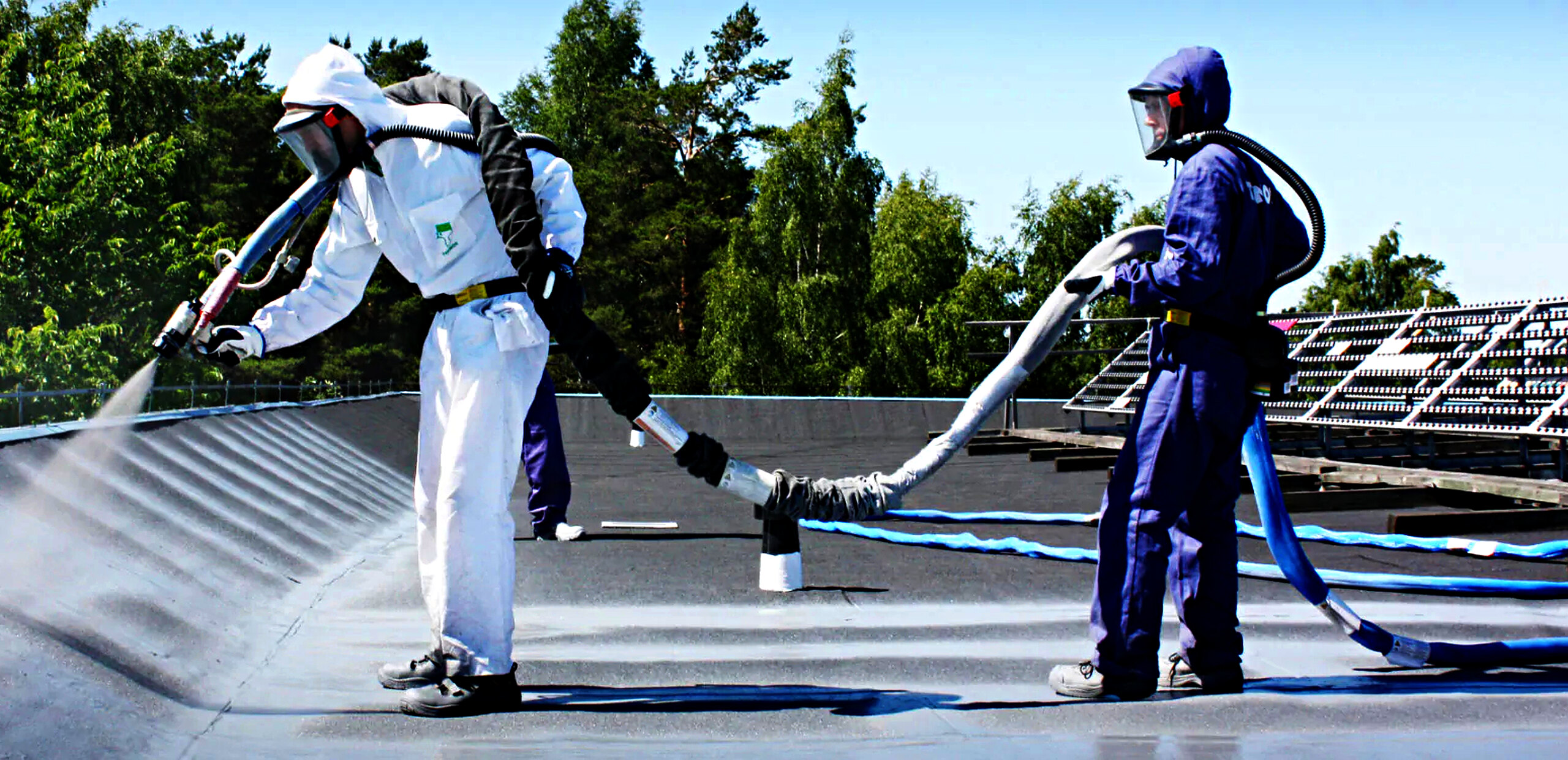
Polyurethane is one of the most versatile materials in roofing, which is why “polyurethane roof” confuses people. It can mean a liquid-applied urethane roof coating rolled or sprayed over an existing roof, or a spray polyurethane foam (SPF) roof that adds insulation and is then protected by a coating. Both are proven commercial roofing systems. We manufacture polyurethane and polyurea coatings and spray foam, so here is a straight comparison.
A polyurethane roof coating is a liquid-applied urethane membrane, usually an aromatic base coat plus an aliphatic topcoat, that cures into a tough, flexible film over metal, single-ply, built-up or foam roofs. It is known for high tensile strength, foot-traffic and impact resistance. Spray polyurethane foam roofing adds a seamless layer of closed-cell insulation, then gets a protective coating. Polyurea is a faster-curing cousin that builds thicker in one visit.
Two kinds of polyurethane roofs
Liquid urethane roof coating
A base coat and topcoat, typically 20–40 mils total, applied over an existing roof to waterproof and protect it. Moisture-cured and often solvent-borne.
Spray polyurethane foam roof
Closed-cell foam sprayed 1 inch or more thick to insulate and slope the roof, then sealed with an elastomeric coating. See spray foam roofing.
Fast-cure alternative
Spray Polyurea cures in seconds and builds thicker per visit. See polyurea roof coating.
Urethane vs polyurea vs silicone vs acrylic
| Property | Urethane coating | Polyurea | Silicone | Acrylic |
|---|---|---|---|---|
| Toughness and traffic | Very good | Excellent | Fair | Fair |
| Typical system thickness | 20–40 mils | 40–80+ mils | 20–30 mils | 20–30 mils |
| Cure | Hours, moisture cure | Seconds | Hours | Weather dependent |
| Ponding water | Good | Good | Very good | Poor |
| UV | Aliphatic topcoat needed | Aliphatic topcoat needed | Excellent | Good |
| Odor and VOC | Solvent-borne grades have odor | Essentially none | Low to moderate | Low |
| Equipment | Roller or airless | Plural-component rig | Airless | Airless |
Spray polyurethane foam roofing
An SPF roof is sprayed directly onto the deck or existing roof, adheres fully and can be built thicker at low spots to improve drainage. It adds continuous insulation with no seams or fasteners. The foam is then protected with an elastomeric coating, often silicone, acrylic, urethane or polyurea, and sometimes granules for extra UV and impact protection. See spray foam roof granules.
Which polyurethane roof fits your building?
Sound roof, needs waterproofing
Good for metal and single-ply roofs that are dry and sound but leaking at seams and fasteners.
Needs insulation and drainage
Adds R-value and fixes ponding with tapered foam over the existing roof.
Traffic, impact, fast turnaround
Thick seamless membrane sprayed in a day.
Wet or failed roof
Saturated insulation or rotten decking must be fixed before any coating system.
Maintaining a Polyurethane Roof Coating
A polyurethane roof coating is tough, but it still needs care. Plan an inspection every spring and fall and after big storms. Look for blisters, cuts, worn walkways and damage around HVAC units and drains. Small problems can be cleaned, primed and recoated in an afternoon.
Most urethane systems are designed to be recoated rather than replaced. When the top coat wears thin, the roof is cleaned and a fresh coat goes on, which restores the waterproofing for years at a fraction of the cost of a new roof. Aromatic urethanes are often used as base coats because they are strong and cost-effective, while aliphatic urethanes hold their color and gloss in sunlight and work well as top coats.
Applicators should also check moisture before recoating. A quick survey with a moisture meter or infrared camera finds wet areas that need to be cut out and replaced first, so the new coat does not seal water into the roof.
Urethane chemistry is closely related to polyurea, and the polyurethane family covers foams, elastomers and coatings. If you are comparing options, read about polyurea roof coating, silicone roof coating and spray foam roofing.
Installation basics
Moisture survey
Find and replace wet insulation.
Clean and repair
Pressure wash, fix seams, treat rust, secure flashings.
Prime
Use the primer the coating maker specifies for the substrate.
Base coat
Apply the aromatic base coat, reinforcing seams and details.
Topcoat
Apply the aliphatic or reflective topcoat to the specified thickness.
Inspect
Check thickness and adhesion and document for the warranty.
Insulate, waterproof, protect.
A certified ArmorThane applicator can survey your roof and quote a urethane, spray foam or polyurea roof system.
Contractors: become an ArmorThane applicator
Polyurethane roof questions
What is a polyurethane roof coating?
A liquid-applied urethane membrane, usually an aromatic base coat and an aliphatic topcoat, that cures into a tough, flexible, waterproof film over an existing roof.
How long does a polyurethane roof last?
Urethane coating systems commonly last 10 to 20 years depending on thickness and maintenance. Spray foam roofs can last decades when the protective coating is maintained and periodically recoated.
Is urethane or silicone better for a roof?
Urethane is tougher and better for foot traffic and impact. Silicone has better UV and ponding resistance and is easier to apply, but is softer and only silicone sticks to it later.
What is the difference between polyurethane and polyurea roof coatings?
Both come from isocyanate chemistry. Urethane coatings cure over hours; polyurea reacts in seconds, builds thicker per visit and needs plural-component equipment.
Can you put polyurethane foam over an existing roof?
Often yes, if the existing roof is dry and sound. Wet insulation and damaged decking must be removed first.
Sources
- Spray Polyurethane Foam Alliance, SPF roofing resources. sprayfoam.org
- ASTM D6947, liquid-applied moisture-cured polyurethane coating for SPF roofing. astm.org
- Cool Roof Rating Council, roof product ratings. coolroofs.org
Tough roofs start with urethane chemistry.
Building owners get a certified ArmorThane applicator for urethane, spray foam and polyurea roofs. Contractors can add roofing systems with our equipment and training, with no franchise fee and no royalties.
Commercial roof leaking or losing energy? Get options quoted.
Tell us the roof type, size and condition. We will connect you with a certified applicator who can survey and quote.
- Roof type and age
- Approximate square footage
- Leaks, ponding or rust
- Interest in added insulation