

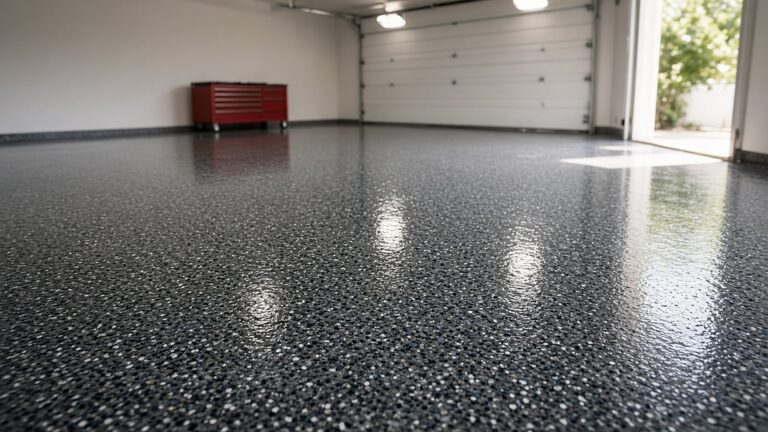



Crawl Space Waterproofing: Fix the Water Before the Liner
Where crawl space water comes from, drains, sump pumps and grading, what each fix costs, and how waterproofing hands off to encapsulation.
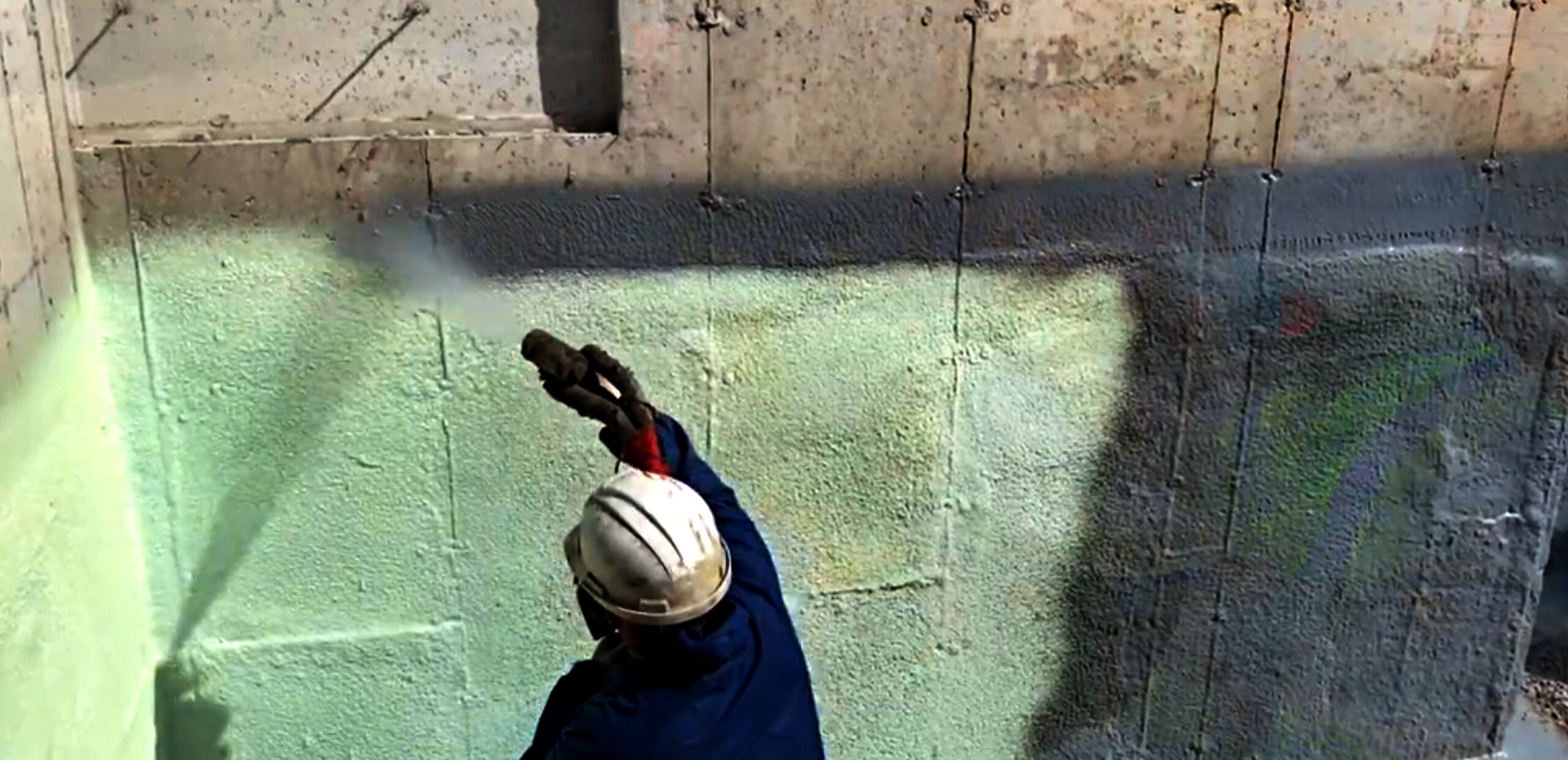
Start a waterproofing business
Waterproof foundations for a living.
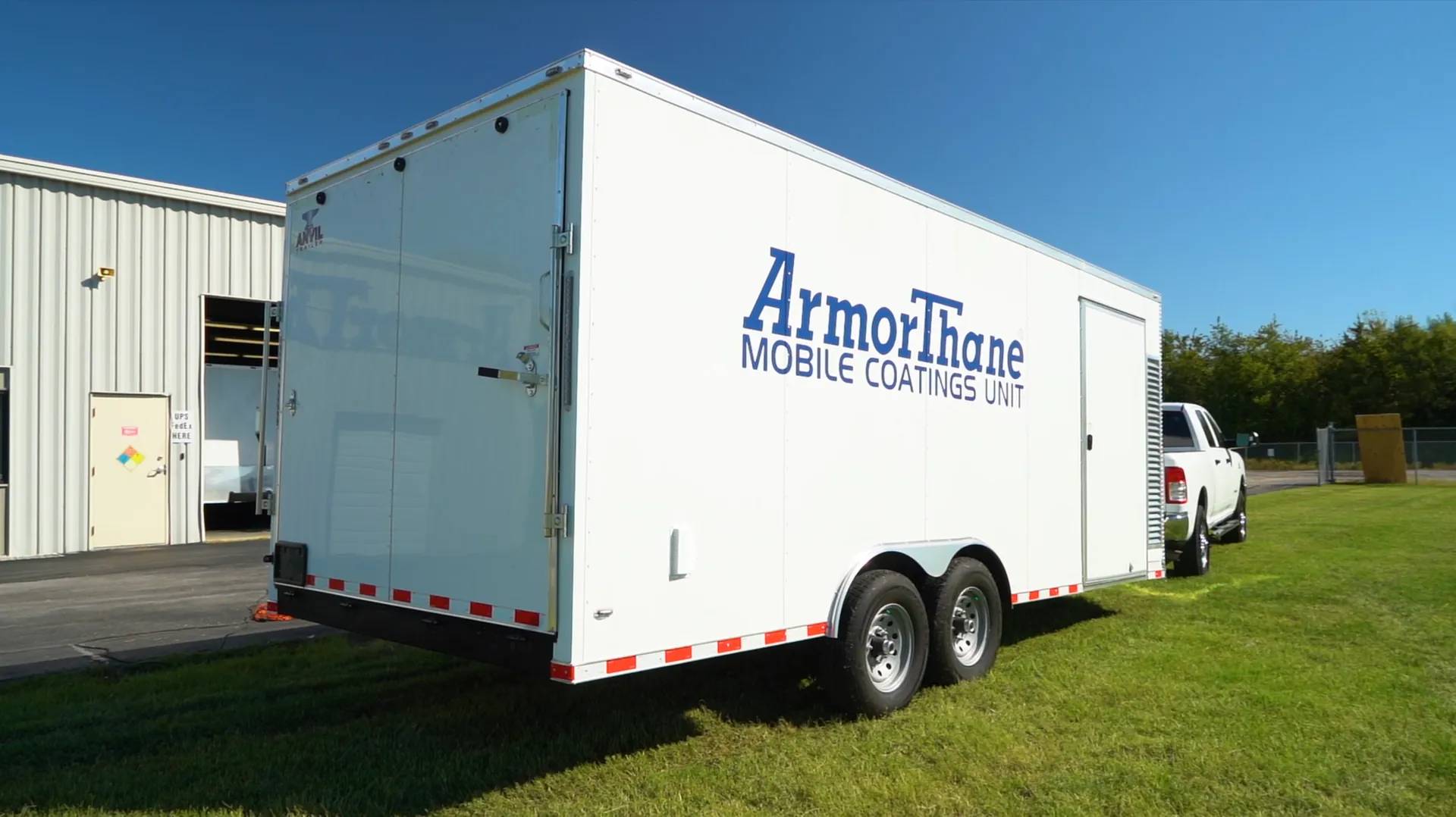
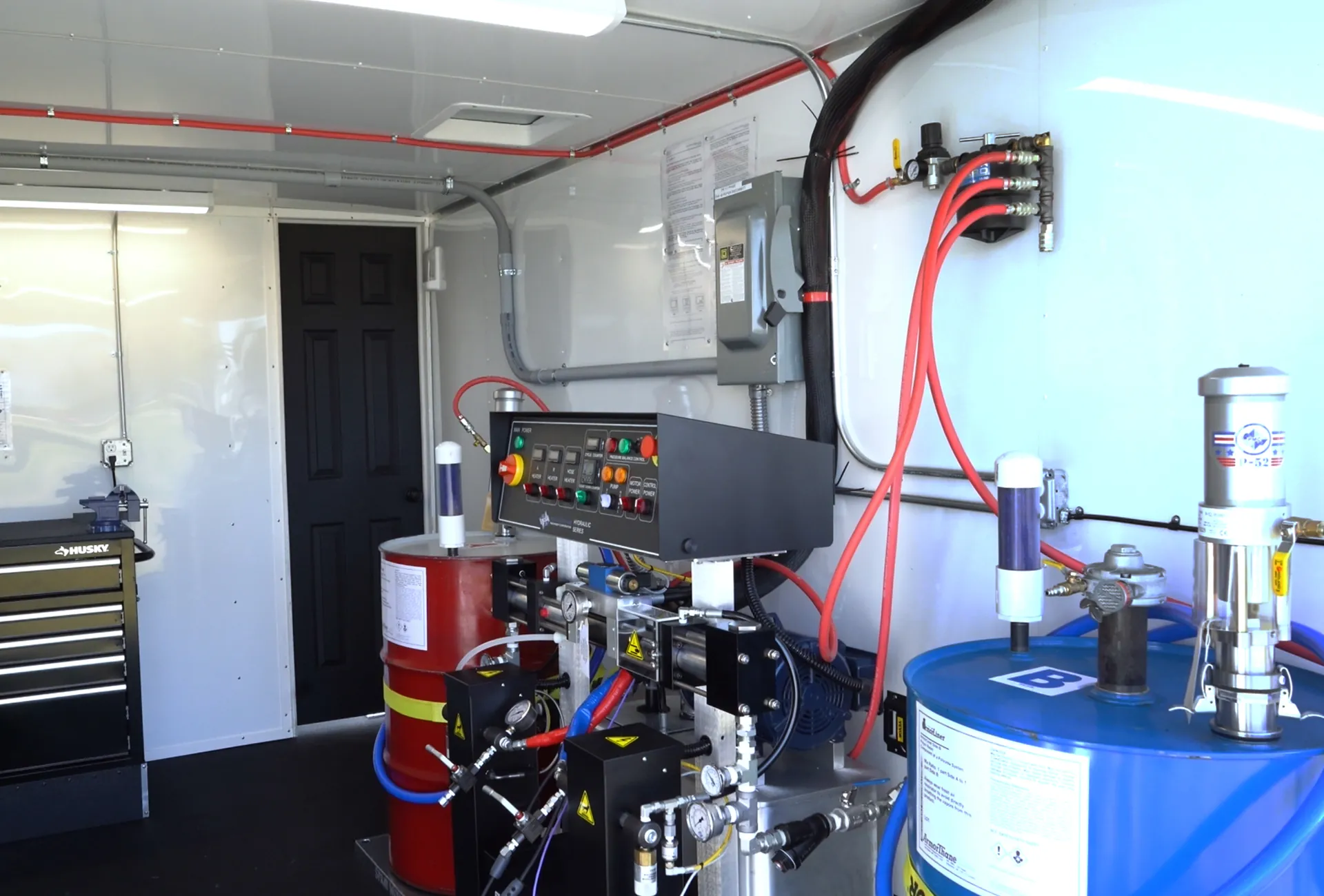
ArmorThane sets you up to do this work, and you own the business. We make the chemistry, build the rigs, train you hands-on and answer the phone when a job gets difficult. You pay no franchise fee and no royalties. It has been that way since 1989.
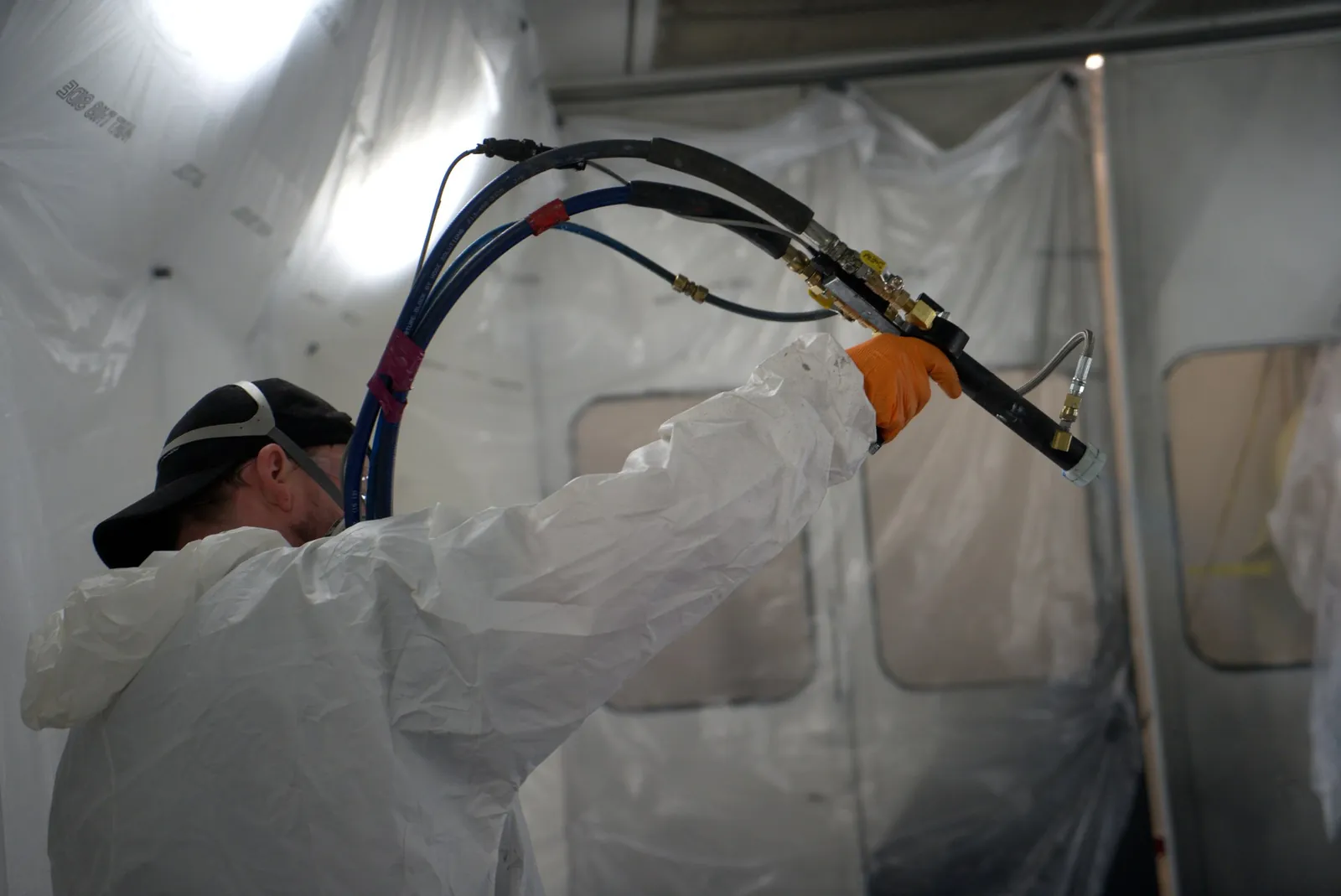
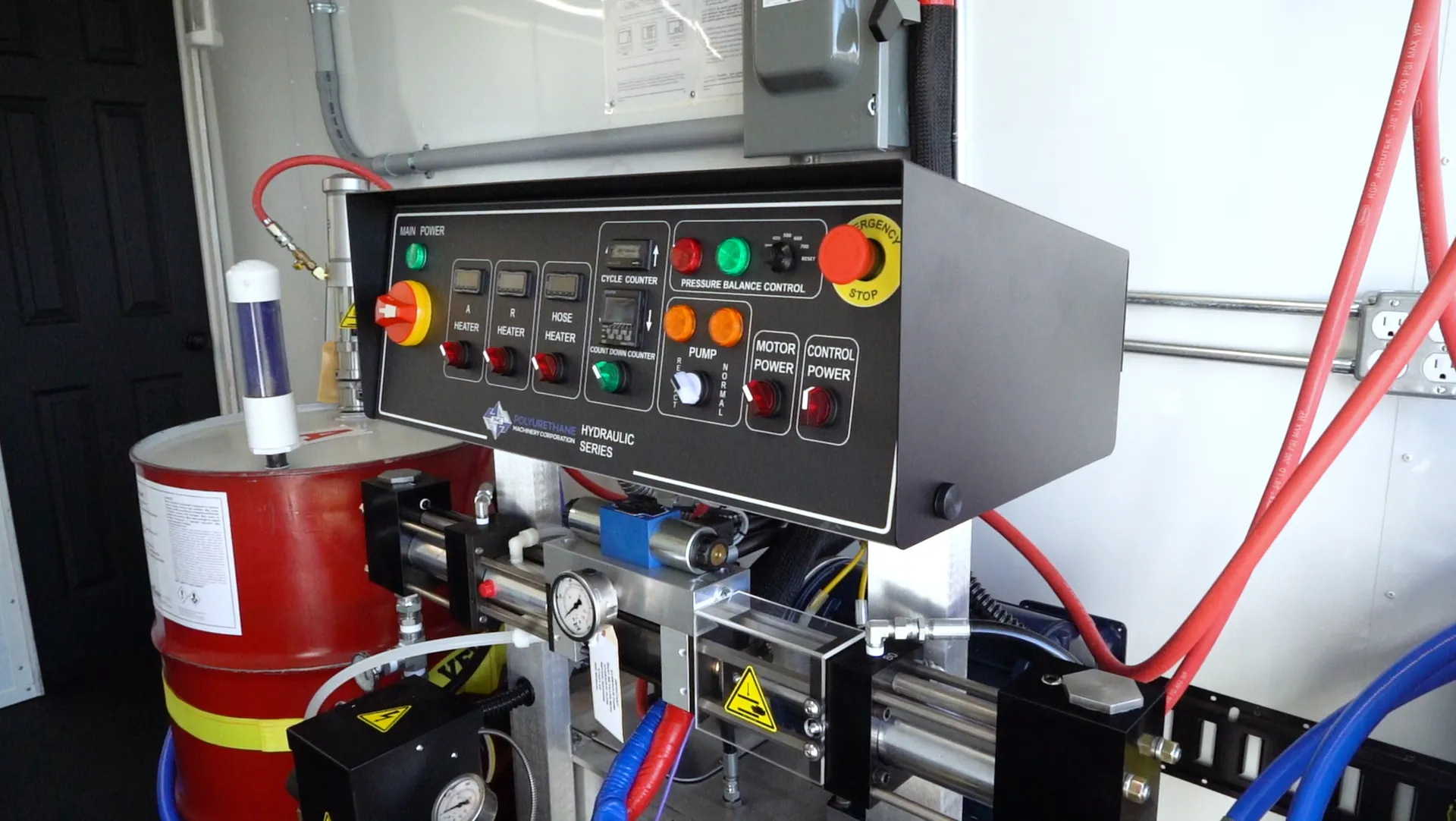
- $0
- franchise fees or royalties
- 35+
- years in business
- 50+
- countries with applicators
- 24/7
- technical support
Crawl space waterproofing is about getting liquid water out and keeping it out, before anyone talks about liners and dehumidifiers. We see a lot of crawl spaces that were encapsulated on top of a drainage problem: a nice white liner with a pond under it. This guide covers the water side of the job, which is where the money should go first: where crawl space water comes from, grading and gutters, interior drains and sump pumps, wall treatments, and how waterproofing hands off to encapsulation. Two calculators show how much water your roof is dumping next to the foundation and what a realistic repair plan costs.
Waterproof a crawl space in this order: fix gutters, downspouts and grading so the soil falls at least 6 inches in the first 10 feet; repair any plumbing leaks; add an interior perimeter drain to a sealed sump pit with a pump if water still collects; seal foundation cracks and wall penetrations; then encapsulate with a sealed vapor barrier and dehumidifier. Skipping to the liner is the most common and most expensive mistake.
Crawl space waterproofing vs. encapsulation
The two words get used interchangeably by contractors, but they solve different problems.
Liquid water
Rain, groundwater and leaks that flow into or puddle in the crawl space. Fixed with grading, gutters, drains, sump pumps and wall or crack sealing. This page.
Water vapor and humid air
Moisture evaporating from soil and humid outdoor air entering through vents. Fixed with a sealed vapor barrier, closed vents and a dehumidifier. Covered in our crawl space encapsulation guide.
Most wet crawl spaces need both, in that order. A vapor barrier over standing water traps it against the soil and the liner, and the dehumidifier ends up fighting a losing battle.
Where crawl space water comes from
Go into the crawl space during or right after a heavy rain with a good light. Where the water is tells you where it is coming from.
- Wet band along one wall, worst under a downspout: surface water. Roof runoff and soil sloping toward the house soak the backfill and push through the foundation. Usually the cheapest fix.
- Water rising up through the floor or pooling in the low corner after days of rain: groundwater or a perched water table. Needs a drain and sump.
- Wet spot that does not track the weather: plumbing. Check supply lines, drains, the water heater and HVAC condensate lines before anything else.
- Damp, sweating ducts and joists in summer but no puddles: humid outdoor air condensing on cool surfaces. That is a vapor problem; vented crawl spaces in the Advanced Energy study stayed above 70% relative humidity almost all summer.
Roof runoff and sump pump calculator
Homeowners are always surprised by how much water one downspout puts at the foundation. One inch of rain on one square foot of roof is 0.623 gallons. Run your numbers, and if you already have a sump pit, time how fast it fills to size the pump.
How much water is headed for your crawl space?
Runoff = roof area x rainfall x 0.623 gal. Sump inflow = basin area x rise / time, using 231 cubic inches per gallon.
Crawl space waterproofing methods compared
Here is every common fix, roughly in the order we would consider it, with published 2026 cost ranges.
| Method | Fixes | Typical cost | DIY friendly | Notes |
|---|---|---|---|---|
| Gutters, downspout extensions, grading | Surface water | Low; varies by site | Yes | Soil should fall 6 in. in the first 10 ft (IRC R401.3) |
| Crack and penetration sealing | Leaks through walls | $250–$1,000 for minor cracks (Angi) | Partly | Structural cracks need an engineer, not caulk |
| Interior perimeter drain | Groundwater, seepage at footing | $800–$3,000 (HomeGuide) | No | Runs to a sealed sump pit |
| Sump pit and pump | Collected water | $1,200–$2,500 for a sump pump install (Angi, basement) | With plumbing skills | Discharge well away from the foundation |
| Dehumidifier, installed | Humidity after water is controlled | $1,000–$3,000 (HomeGuide) | Partly | Needs a condensate drain |
| Vapor barrier liner | Ground moisture evaporation | $0.30–$0.70/sq ft material + $2–$4 labor (HomeGuide) | Yes | 6 mil minimum; heavier for storage or traffic |
| Full encapsulation | Vapor, humid air, comfort | $3–$10/sq ft; $3,000–$15,000 total (HomeGuide) | Rarely | Only after liquid water is solved |
What about coating the walls?
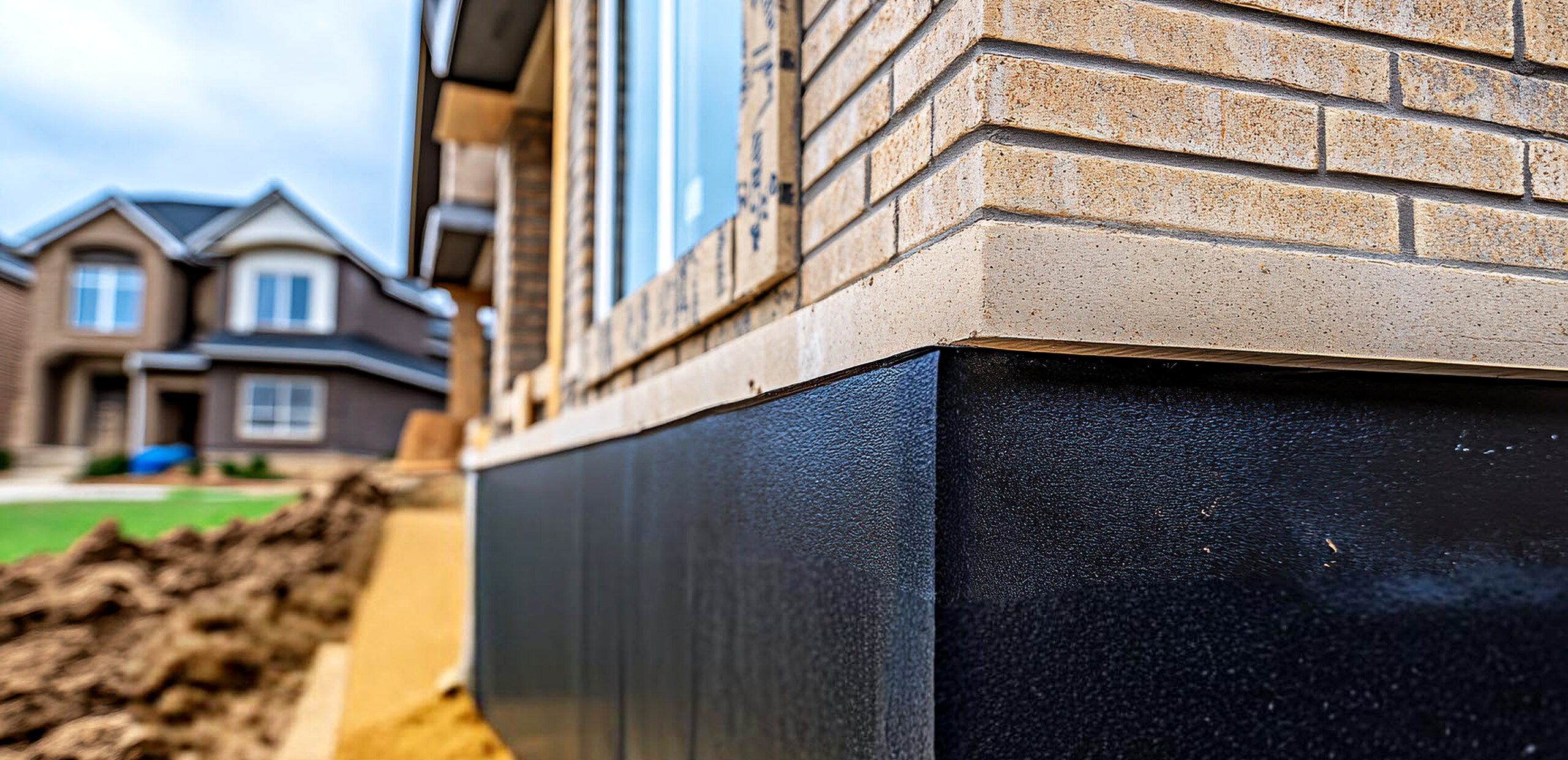
Interior wall coatings in a crawl space have the same limits as in a basement: they can slow dampness through the concrete, but they cannot stop water under pressure, and a vapor-tight film on the inside of a wet wall tends to blister. Our basement wall sealer guide walks through which sealer types work on which walls. Where a foundation is exposed during repair or new construction, an exterior spray-applied membrane is the stronger fix; see basement waterproofing and concrete waterproofing.
Where spray foam fits
Once the crawl space is dry and closed, insulating the foundation walls instead of the floor above keeps ducts and pipes inside the conditioned envelope. In the Advanced Energy study, wall-insulated closed crawl spaces used 18% less space-conditioning energy than vented controls, against 15% for floor-insulated ones. Closed-cell spray foam on the walls and rim joists air-seals and insulates in one pass. Foam plastics in crawl spaces carry thermal or ignition barrier requirements under IRC Section R316, so confirm the product's code approval with your inspector.
Crawl space waterproofing cost and code planner
Check the items you need. The planner totals a realistic range from published 2026 cost guides and works out the code numbers for whichever way you plan to run the crawl space: vented, or closed with a vapor retarder and air supply.
What will my crawl space plan cost?
Line items use HomeGuide and Angi 2026 ranges. Code figures use IRC R408: 1 sq ft of vent per 150 sq ft of crawl space (1 per 1,500 with a Class I vapor retarder), or 1 cfm of exhaust or supply air per 50 sq ft for an unvented crawl space.
The right order for crawl space waterproofing
Stop leaks and redirect roof water
Fix plumbing, clean gutters, add downspout extensions, and regrade so soil falls at least 6 inches over the first 10 feet. Then wait for a few heavy rains and look again.
Remove standing water and debris
Pump out, clear wood scraps and old insulation, and let the space dry out. Note where water still collects.
Add drainage where water still collects
Trench a perimeter drain inside the footing to a sealed sump pit, and run the pump discharge well away from the house, not back into the backfill.
Seal cracks and penetrations
Seal foundation cracks, pipe and wire holes, and gaps around access doors. Exterior membranes go on where the wall can be exposed.
Treat mold and damaged wood
Angi puts mold remediation at $1,000 to $6,000 depending on extent. Do it before covering anything.
Then encapsulate
Lay the vapor barrier with seams lapped and sealed and run it up the walls, close or seal vents if going unvented, and add a dehumidifier or conditioned air. Our encapsulation guide covers this step in depth.
Questions to ask a crawl space contractor
Crawl space work is hard to inspect after the fact because nobody wants to crawl in and check. These questions separate a careful contractor from one selling a liner package.
- Where is the water coming from? A good contractor names a source, such as a downspout, a low corner or a leaking line, and shows you photos. "Moisture" is not a diagnosis.
- What happens outside? If the quote does not mention gutters, downspouts or grading, ask why. Interior drains handle water that has already arrived; outside fixes keep it from arriving.
- Where does the sump discharge? It should leave the house well away from the foundation and not drain back toward the crawl space. Ask about a backup pump or alarm if the pit sees steady water.
- How are seams, piers and walls sealed? Lapped and taped seams, liner wrapped around piers, and a mechanical fastening at the top edge of the wall liner are signs of careful work.
- Is the plan vented or unvented, and does it meet code? Your building official may require specific vent area, air supply or foam barriers. The contractor should know which applies.
- What can I check myself later? Ask for a hygrometer you can read from outside, and photos of the finished drain and pit before the liner covers them.
Water solved? Seal and insulate the walls.
Tell us the crawl space size, wall height and whether it is vented today. A certified ArmorThane applicator can quote closed-cell spray foam on the foundation walls and rim joists.
Contractors: become an applicator →
More on below-grade moisture
Basement wall sealer
Which sealer type works on poured and block walls, with a selector tool.
Crawl space waterproofing questions
What is the difference between crawl space waterproofing and encapsulation?
Waterproofing deals with liquid water: grading, gutters, drains, sump pumps and crack sealing. Encapsulation deals with water vapor and humid air: a sealed vapor barrier, closed vents and a dehumidifier. Most wet crawl spaces need waterproofing first and encapsulation second.
How much does crawl space waterproofing cost?
Angi puts crawl space waterproofing and encapsulation at $1,500 to $15,000, with most comprehensive repairs between $4,500 and $8,000. HomeGuide lists interior crawl space drains at $800 to $3,000 and installed dehumidifiers at $1,000 to $3,000.
Do I need a sump pump in my crawl space?
Only if water still collects after you fix gutters, downspouts and grading. If it does, a perimeter drain to a sealed sump pit is the reliable way to get it out. Time how fast the pit fills during a storm to size the pump.
Can I just put down a vapor barrier?
Not over standing water or saturated soil. The barrier will hold the water against the ground and the liner, and the space will stay damp. Solve the liquid water first, then lay a barrier with lapped, sealed seams.
Should crawl space vents be open or closed?
Both are allowed by the IRC. A vented crawl space needs about 1 sq ft of vent per 150 sq ft of floor, or 1 per 1,500 with a Class I vapor retarder on the ground. An unvented crawl space needs a continuous vapor retarder plus mechanical exhaust or conditioned supply air, typically 1 cfm per 50 sq ft. In humid climates, closed crawl spaces performed far better in the Advanced Energy study.
What humidity should a crawl space be?
Aim for the same target as the house: below 60% relative humidity, ideally 30 to 50%, per the EPA. A dehumidifier with a hygrometer you can read from outside the crawl space makes this easy to check.
Can I waterproof a crawl space myself?
Gutters, downspout extensions, grading, plumbing repairs and a basic vapor barrier are reasonable DIY jobs. Interior drains, sump pits, structural crack repair and spray foam are better left to a contractor.
Is a wet crawl space a structural problem?
Over time it can be: chronically wet soil can soften under footings, and damp framing invites rot and insects. If you see sagging floors, cracked piers or wide foundation cracks, have a structural engineer look before any waterproofing work.
Sources
- Dastur et al., Closed Crawlspaces Do Double Duty (Advanced Energy, DOE Building America): basc.pnnl.gov/…/DasturC_DavisBHE_SpecialIssue-2005.pdf
- HomeGuide, crawl space encapsulation cost (2026): homeguide.com/costs/crawl-space-encapsulation-cost
- Angi, crawl space repair cost (2026): angi.com/articles/crawl-space-repair-cost.htm
- Angi, basement waterproofing cost (sump pump installation): angi.com/articles/how-much-does-basement-waterproofing-cost.htm
- ICC, IRC 2018 Chapter 4 Foundations (R401.3, R408): codes.iccsafe.org/content/IRC2018/chapter-4-foundations
- ICC, IRC 2021 Chapter 4 Foundations (R408 ventilation and unvented crawl spaces): codes.iccsafe.org/content/IRC2021P2/chapter-4-foundations
- US EPA, a brief guide to mold, moisture and your home: epa.gov/mold/brief-guide-mold-moisture-and-your-home
- Building Science Corporation, BSD-103 Understanding Basements: buildingscience.com/documents/digests/bsd-103-understanding-basements
A dry crawl space, sealed and insulated.
Homeowners get a certified ArmorThane applicator for closed-cell foam and sealing once the water is handled. Contractors can add spray foam and coatings with no franchise fee and no royalties.
Start your coatings business with ArmorThane.
Tell us what you want to spray and where you are. An ArmorThane specialist will walk you through the equipment, chemicals, training and startup cost for the work you want to do.
- Equipment package matched to your applications
- Hands-on training and applicator certification
- Technical support once you are spraying
Wet crawl space? Fix the water, then seal it.
Tell us the crawl space size, wall height, where the water shows up and whether it is vented. We will connect you with a certified applicator for spray foam and sealing work.
- Crawl space size and height
- Where water or dampness appears
- Vented or already closed
- Existing insulation and liner