




Storage area containment
Polyurea Secondary Containment for Hazardous Substance Storage Areas
Line containment for a living.
ArmorThane is the one-stop shop for applicators. We make the chemistry, build the equipment, train you hands-on and back you with technical support, with no franchise fees and no royalties. Applicators have come first here since 1989.
- $0franchise fees or royalties
- 35+years in business
- 50+countries with applicators
- 24/7technical support
More detail on secondary containment coatings, EPA and OSHA requirements, and inspection duties.
Storage Area Containment: Protection When You Need It Most
Let’s try to understand how exactly polyurea can make all the difference to storage area containment through an example:
Imagine you manage a storage facility housing very large volumes of industrial chemicals. Normally, all hazardous substances are safely stored away in specialized containers – this is your primary containment. Unfortunately, today there was an accident.
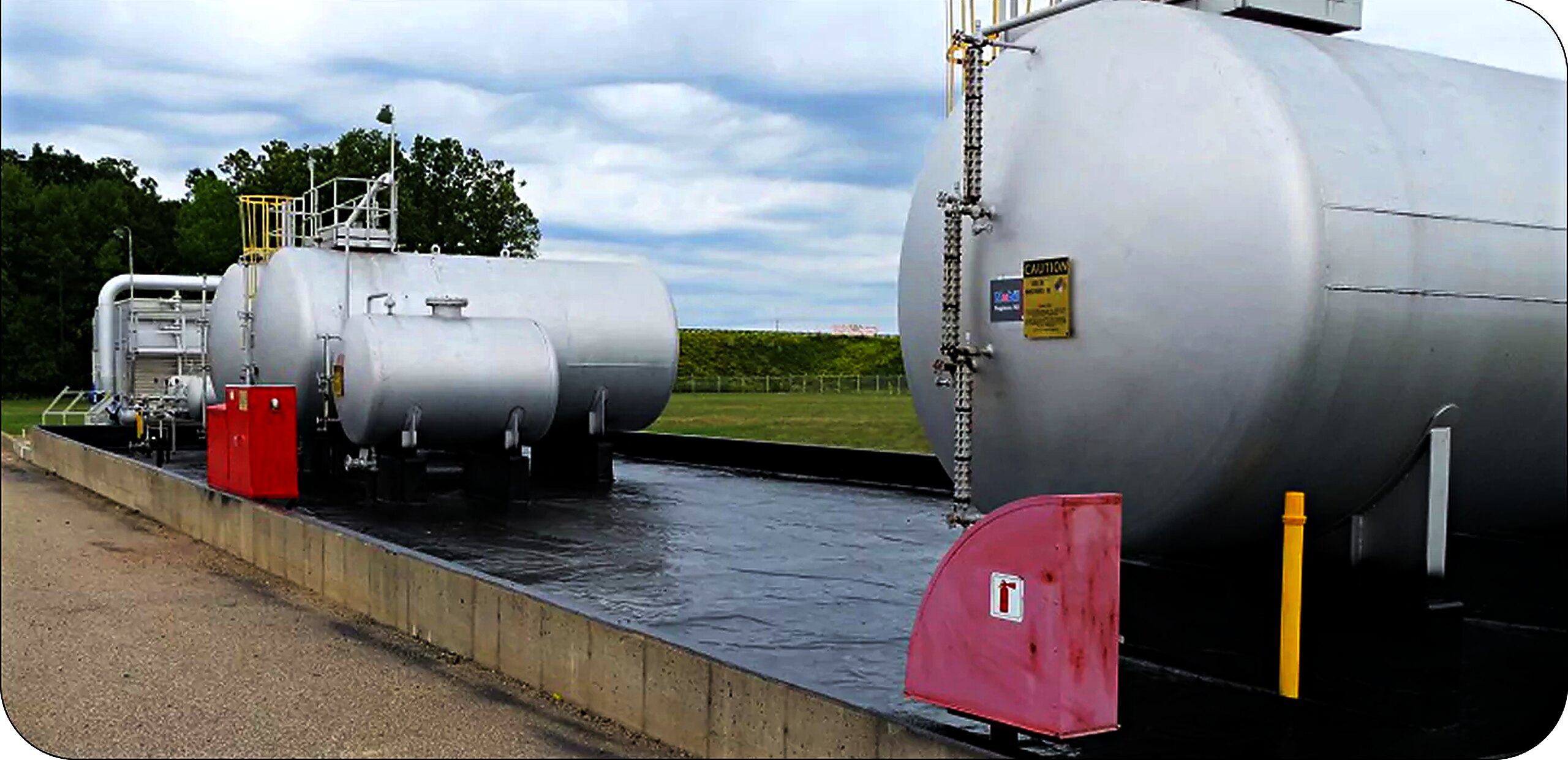
Some heavy machinery bumped into and punctured one of your storage containers, and dangerous chemicals are now leaking into the facility. If you’ve been prioritizing safety and compliance, then don’t worry, you have a secondary containment system in place or prepared to deploy. In your case, the containers were stored inside a containment berm, ready to catch anything that spills before it can spread to cause more damage – right? Secondary containment systems like the containment berm are purpose-built, but can you be sure it will be enough? Secondary containment is all about redundancy, so having only one additional layer of protection if primary containment fails to commit to this principle of safety.
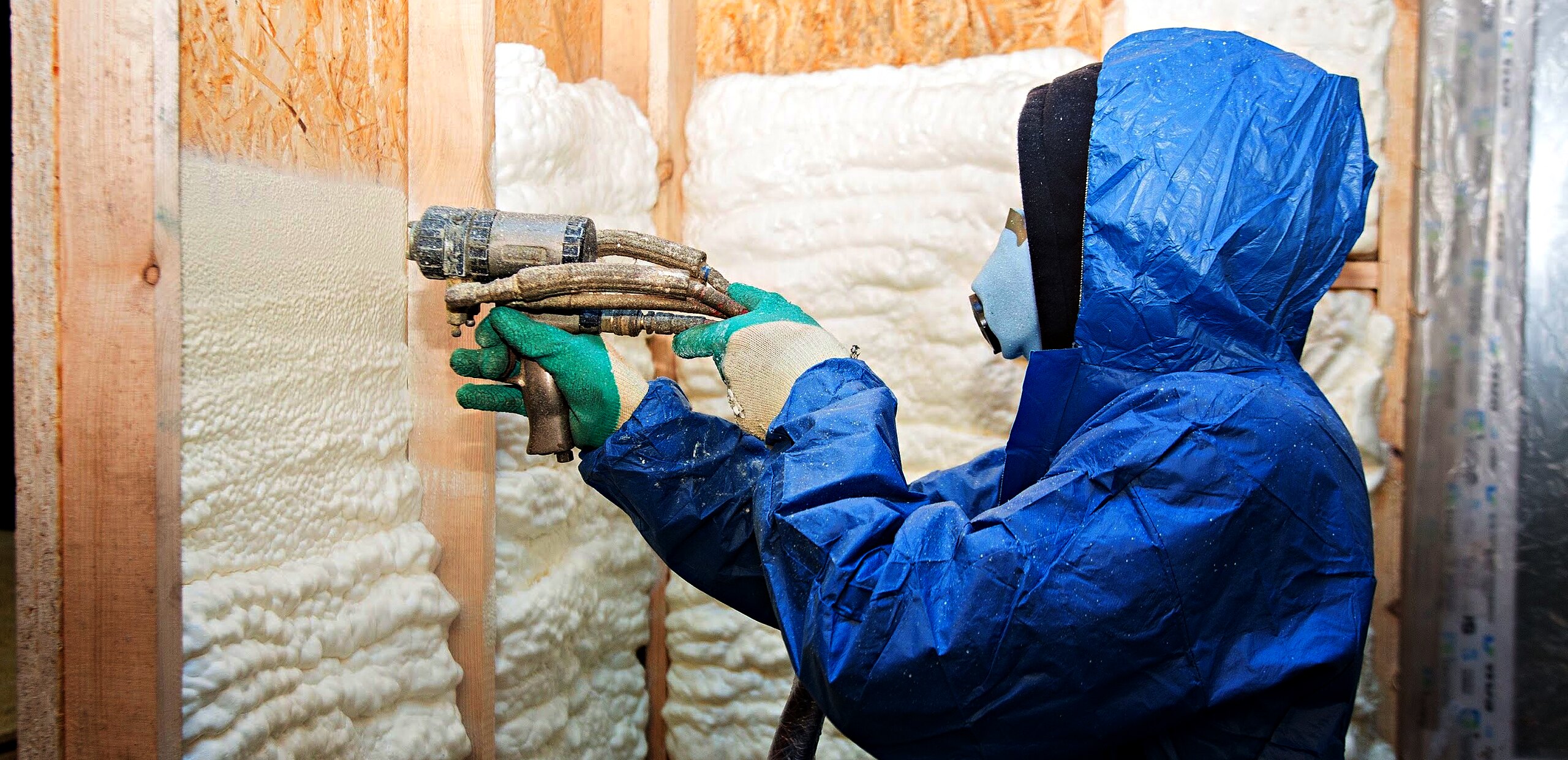
But instead of building nested secondary containment systems, like berms inside of berms, or preparing portable backups, you can strengthen your existing secondary containment system with resilient elastomer coatings. Now, when corrosive materials leak into your secondary container, they’ll be reinforced with a highly durable polymer barrier that’s capable of resisting solvents, acids, aqueous solutions, oxidizers, and almost every other commonly stored hazardous substance. This allows you to keep your storage area largely unchanged, and your operations unaffected, all while being afforded the peace of mind that your secondary containers are prepared for anything that comes.
Whether the storage area holds drums, totes or bulk tanks, the same rules apply. The containment must be sized for the largest container, kept free of standing water and debris, and inspected regularly so cracks and coating damage are found early. For oil products, the U.S. EPA's guidance on secondary containment under the SPCC rule explains what regulators expect. Related pages cover drum storage area containment, plant room bund lining and storage tank containment.
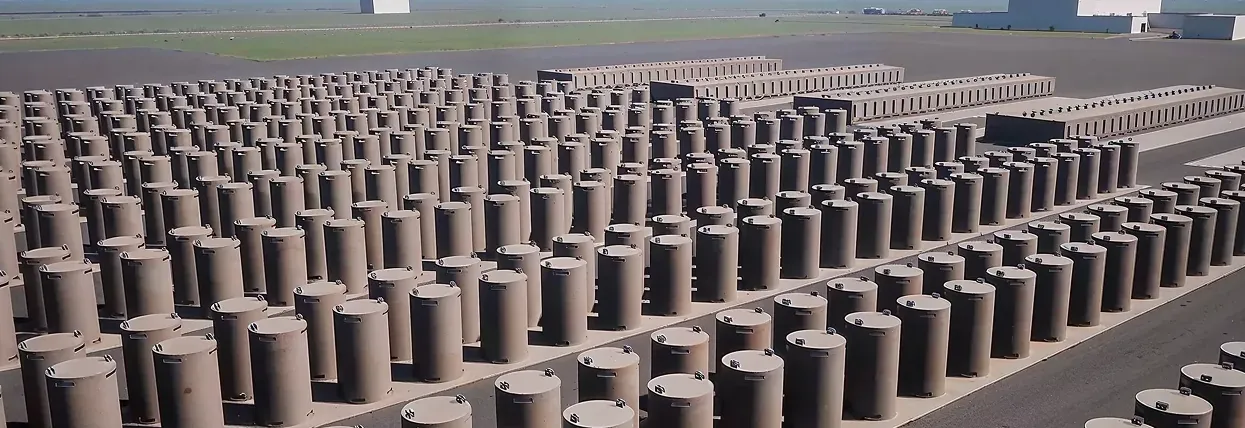
ArmorThane’s secondary containment coatings
Each storage area is unique, varying in terms of the materials being stored, types of containers, size of facility, storage environment, site-specific risk factors, and much more. This means that each storage containment system is also unique and designed for maximum protection under specific conditions. In the same vein, our polyurea secondary containment coatings are formulated for optimal performance in distinct applications. Here are a few of our highest-performing polyurea products to help get you started:
- EnviroThane Modified Polyurea EnviroThane is specially designed for geotextile fabric substrates common in secondary containment systems. It’s our most wear-resistant formulation that’s widely used in mining and mineral processing applications, but it’s a reliable solution in many other secondary containment contexts.
- HighChem 1:1 Pure Polyurea HighChem is our formulation with the most comprehensive chemical resistance. It’s ideal for containing corrosive chemicals and it’s regularly used in both primary and secondary containment systems.
- ArmorLiner Across our extensive portfolio of polyurea products and services, ArmorLiner remains our most widely used formulation. We attribute its success to a still unmatched balance of strength and versatility, bringing the best of all worlds for a truly all-purpose product.
- HighLine 510 1:1 Pure Polyurea HighLine 510 provides the same resilience afforded by our other polyurea coatings but with a slower set time and a lower sensitivity to moisture. This makes HighLine 510 easier to apply in humid environments and for this reason it’s most frequently used in wet storage areas and marine applications.
- HighLine 510H Our HighLine 510H formulation is built from the success of its HighLine 510 predecessor. Think of it as a more premium variant, engineered for highly demanding industrial applications or other heavy-duty use cases.
- HighLine 610 Polyurea HighLine 610 continues to build upon the successes of our HighLine series and possesses its own unique advantages. It’s NSF-61 certified, meaning that it’s been deemed safe for storing potable water and use in food handling applications. It’s widely used for both primary and secondary containment, especially in water treatment plants and food processing facilities.
- SureGrip Soft Polyurea The black sheep of our list, SureGrip has less in common with many of our other secondary containment coatings, but it’s still widely used in storage area containment. SureGrip prioritizes speed and traction; it sports the highest coefficient of friction of any of our polyurea products and can be applied and cured faster than the already rapidly curing alternatives.
Frequently asked questions
What Is Storage Area Containment?
Storage area containment is a type of secondary containment but the two terms are often used interchangeably. It encompasses any measures employed to prevent the spread of hazardous substances when primary containers fail, mainly aimed at keeping people and property safe and reducing the risk of a cascading storage failure.
Are Polyurea Coatings A Form Of Secondary Containment?
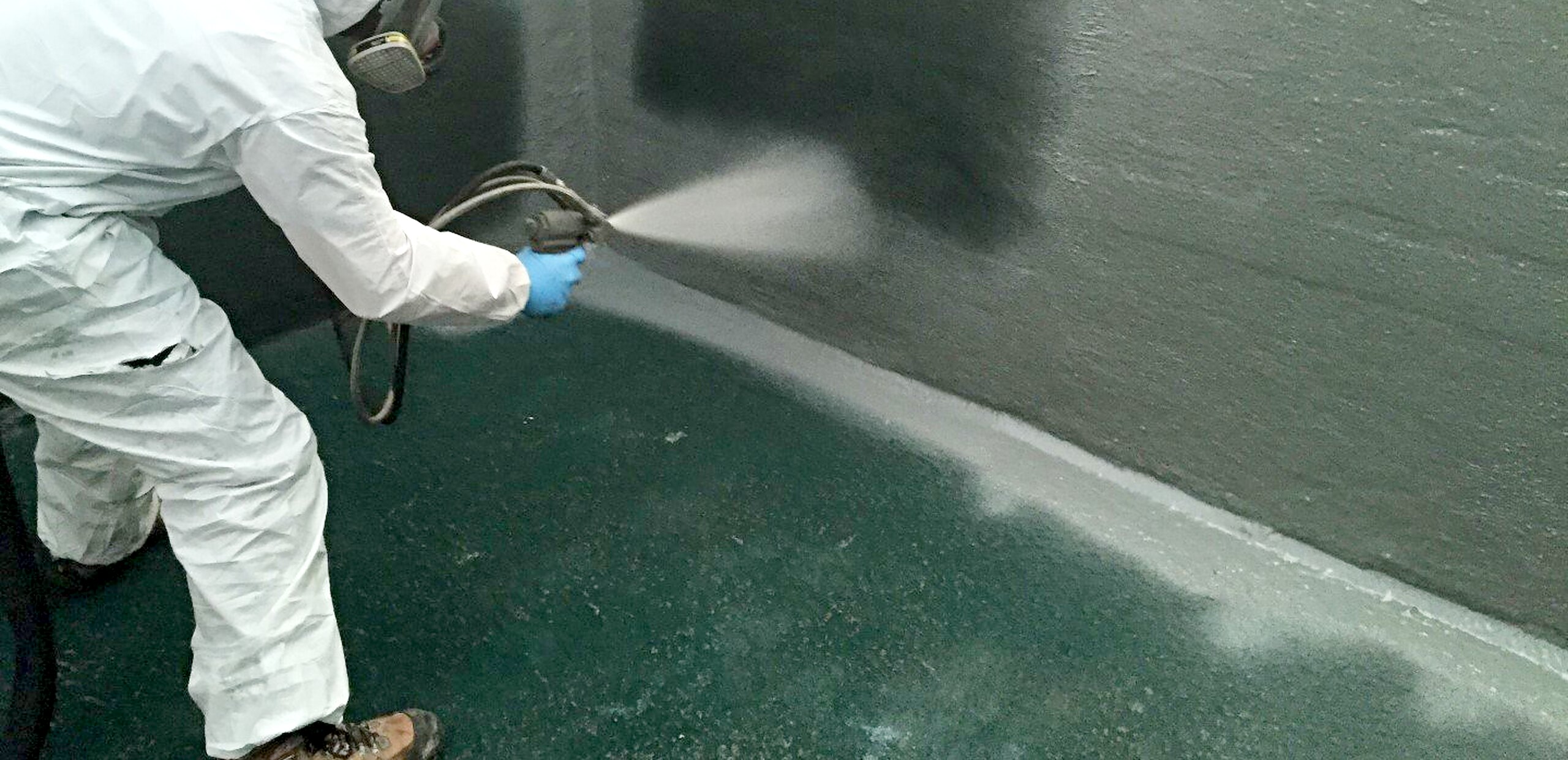
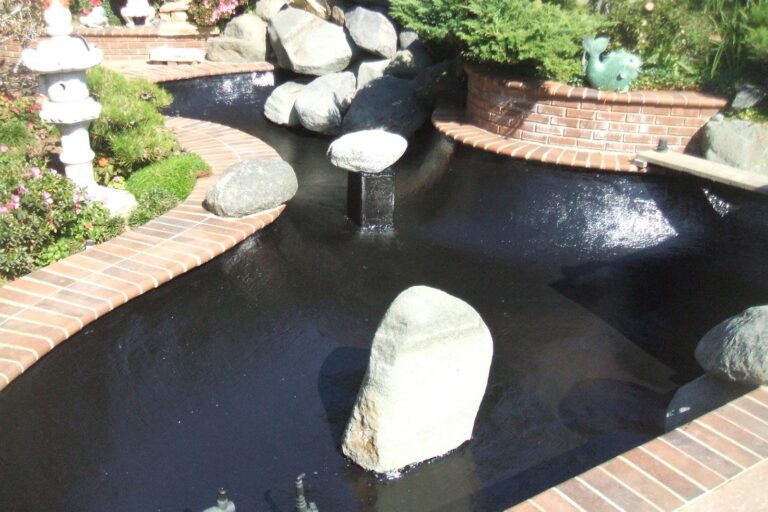
Polyurea spray elastomer coatings can support secondary contaminants or constitute one itself. They’re most commonly applied to secondary containers like berms for physical and chemical resilience, but they can also be used to create entirely new secondary containers like liners used in mining operations.
Is Polyurea Best For Storage Area Containment?
Polyurea coatings are a leading technology for creating or strengthening secondary containment systems. Whether or not they’re the best will depend on the unique circumstances of a specific storage facility, but their broad-scope protective properties and application versatility make them an effective option for most storage area containment.
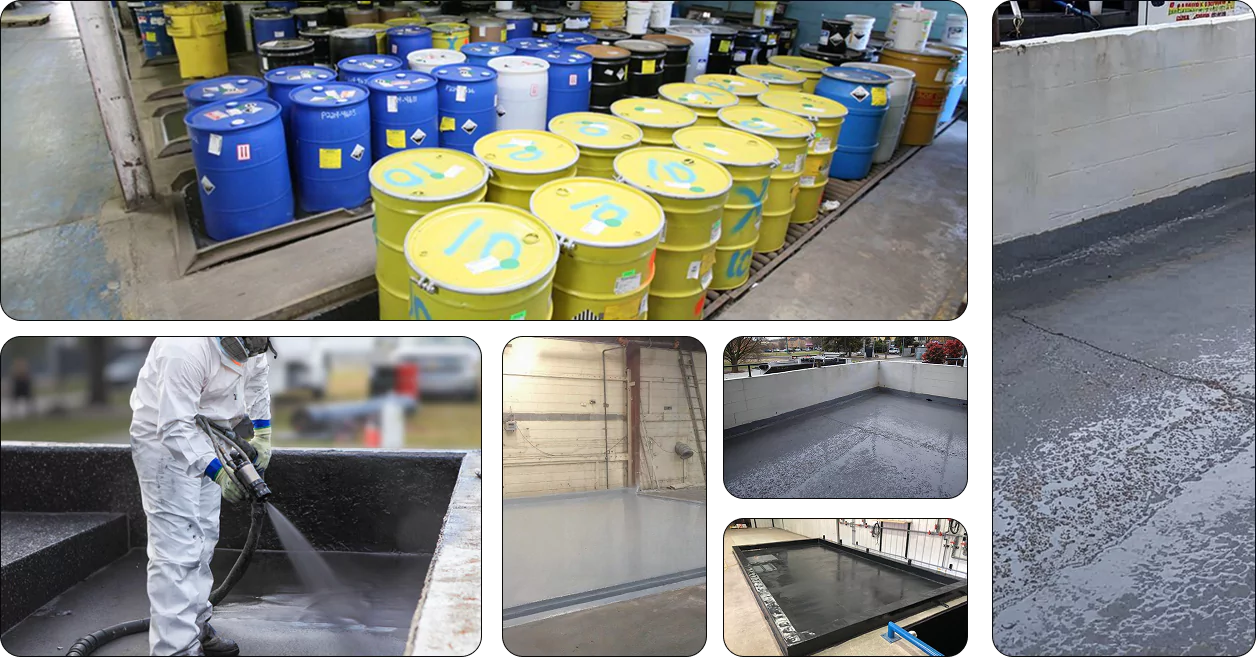
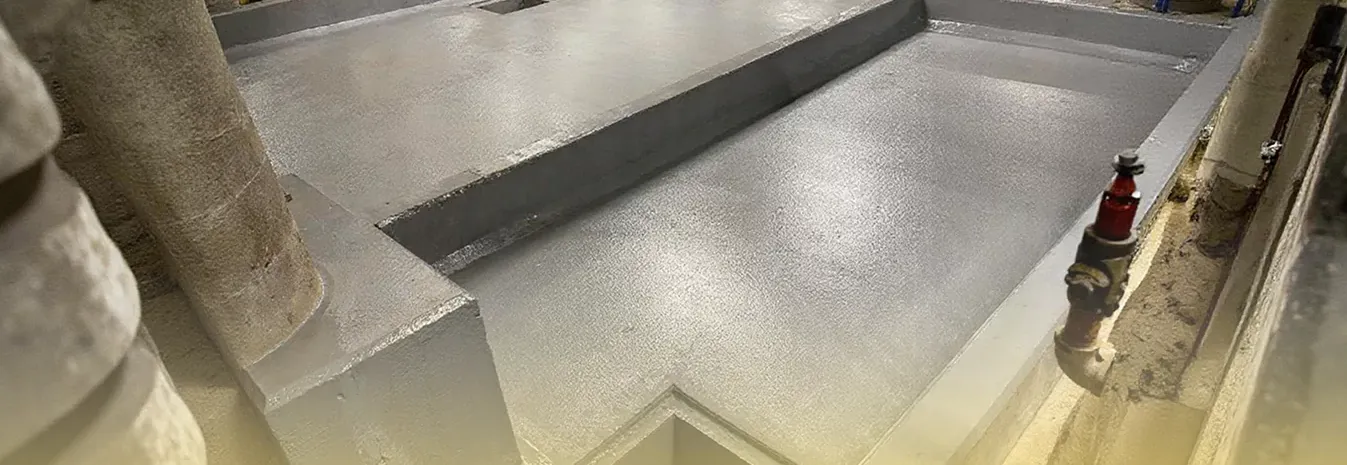
Why ArmorThane should be your first choice for secondary containment
Secondary containment is serious business and the difference between success and failure can be life or death. Not only should secondary containment systems be present in storage areas, but they should be fortified with protection of their own to maximize safety and minimize the likelihood of economic and environmental disaster. And that’s where we can help. We’re industry veterans with nearly 40 years under our belt providing the world with the highest quality polyurea and polyurethane products and services.
We do it all: formulating, manufacturing, distribution, and training; secondary containment is but one of our many expertises, and we’ll help you see that your storage area containment is built to last and prepared for the worst. To learn more about how we can help and why we’ve become the world’s one-stop shop for everything polyurea and polyurethane, we invite you to give us a call or fill out our contact form. One of our 24/7 customer service or technical support team members will get back to you in no time.
Start your coatings business with ArmorThane.
Tell us what you want to spray and where you are. An ArmorThane specialist will walk you through the equipment, chemicals, training and startup cost for the work you want to do.
- Equipment package matched to your applications
- Hands-on training and applicator certification
- Technical support once you are spraying