Parging: Foundation Parge Coats, Repair & Cost
What parging does on a foundation wall, how to apply it so it stays bonded, when to patch or re-parge, and what it costs.
Start a waterproofing business
Waterproof foundations for a living.
ArmorThane sets you up to do this work, and you own the business. We make the chemistry, build the rigs, train you hands-on and answer the phone when a job gets difficult. You pay no franchise fee and no royalties. It has been that way since 1989.




- $0
- franchise fees or royalties
- 35+
- years in business
- 50+
- countries with applicators
- 24/7
- technical support
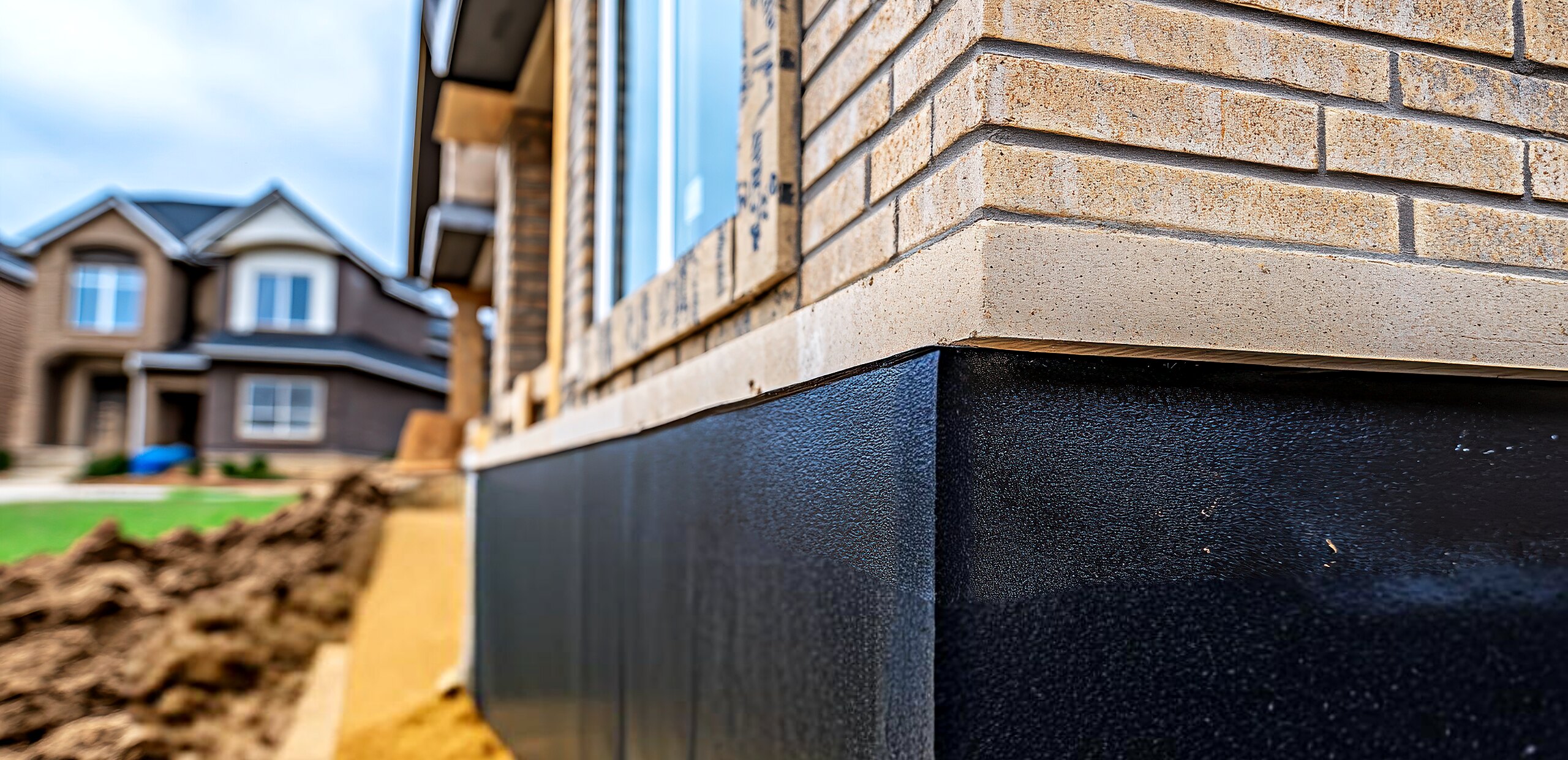
Parging is a thin coat of cement-based mortar troweled onto a foundation wall, most often the exposed strip of block or poured concrete between the siding and the ground. It gives the wall a smooth, uniform face, fills the joints and voids in block, and, on masonry foundations, is part of how the building code expects the wall to be dampproofed. It is also the part of the house most people only notice when it starts cracking and falling off in sheets.
Parging is a cosmetic and protective mortar skin, not waterproofing. Bagged parging mixes go on in coats no thicker than 3/8 in, over a clean, sound wall that has been saturated with water but has no standing water, and they need about three days of damp curing. Parging fails when it is applied to a dirty or painted wall, applied too thick, allowed to dry too fast, or when water is getting behind it. Patch small areas; re-parge when large sections sound hollow. If the basement leaks, you need waterproofing, not more parging.
What parging is and what it is for
Parging (also called a parge coat) is a portland cement or polymer-modified mortar applied in one or two thin coats. Unlike stucco, it is not a full wall cladding system with lath and multiple engineered layers; it is a skin bonded directly to the masonry or concrete.
Three jobs parging does
- Dampproofing base on block foundations. The International Residential Code (R406.1, as quoted by local building departments) requires that masonry foundation walls have not less than 3/8 in of portland cement parging applied to the exterior before the dampproofing material goes on. On block walls, the parge fills the mortar joints and pores so the coating can form a continuous layer.
- A finished look above grade. Exposed block, form-tie marks and honeycombing on poured walls get a uniform face that can be painted or left natural.
- Protection for foam insulation. Rigid foam on the outside of a foundation needs a protective covering above grade. Parging over mesh is one common approach.
What parging is not
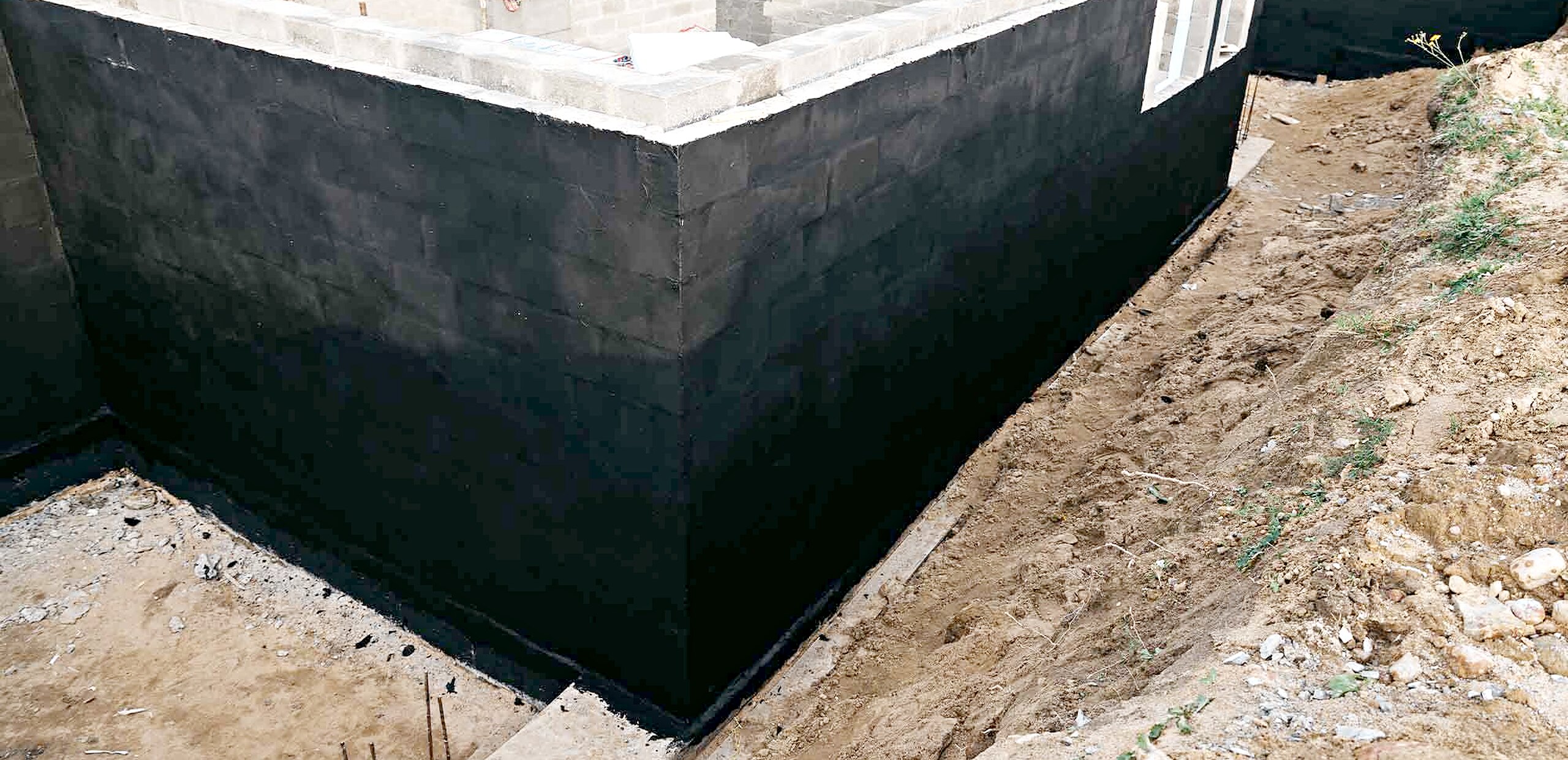
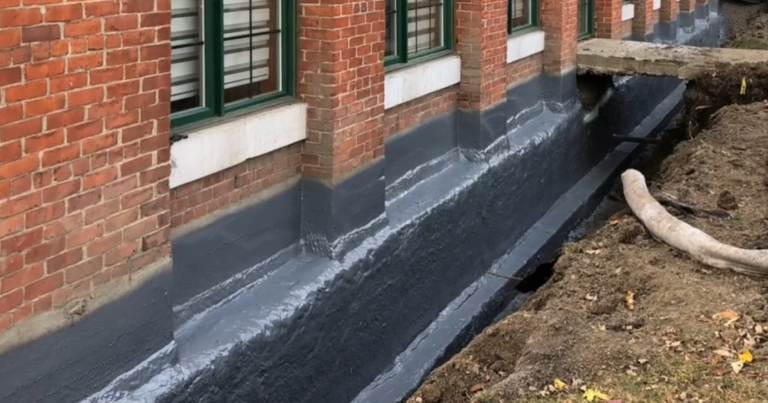
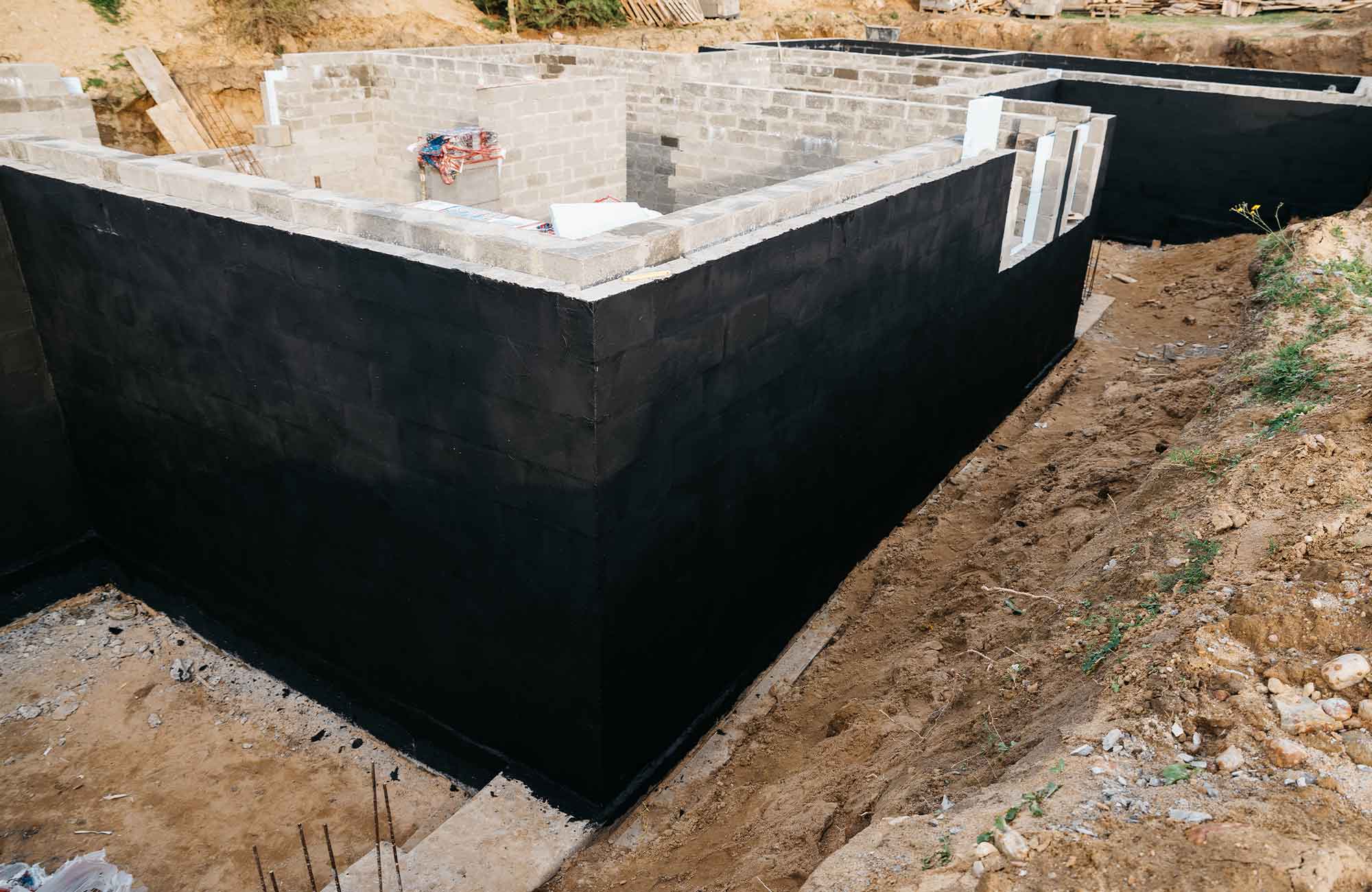
It is not waterproofing. Cement mortar is porous and cracks with the wall. Where a foundation needs to keep out water under pressure, the IRC (R406.2) lists true waterproofing materials instead, such as 40 mil polymer-modified asphalt, 60 mil flexible polymer cement, 60 mil solvent-free liquid synthetic rubber, or 6 mil polyethylene or PVC sheet. If your basement leaks, see concrete waterproofing and basement waterproofing cost. Parging may go over or alongside those systems, but it does not replace them.
Parging vs stucco vs waterproofing
Homeowners often get three different quotes for "fixing the foundation wall" that are really three different products. Here is how they compare.
| System | Typical build | Installed cost / sq ft | Stops water under pressure | Best for | Notes |
|---|---|---|---|---|---|
| Cement parging | 3/8 in min on block (IRC); 3/8 in max per coat | $1–$3 (Angi); $4–$9 full service (CurrentCost) | No | Block and rough poured foundations, above-grade face | Cracks with the wall; needs damp cure |
| Polymer-modified or acrylic parging | Thin coats per product | $8–$12 acrylic or elastomeric (CurrentCost) | No | Re-parging, better bond to old surfaces | More flexible and better adhesion than plain cement |
| Stucco | Multiple layers | $7–$9 (Angi) | No | Full wall cladding | Longer life, much higher cost |
| Bituminous dampproofing over parge | Coating over 3/8 in parge | Varies | Resists dampness only | Below-grade masonry, code minimum | IRC R406.1 dampproofing |
| Waterproofing membrane | 40–60 mil liquid, or sheet | Varies | Yes | Basements with water pressure | IRC R406.2 lists approved materials |
Angi's 2026 comparison puts parging at $1 to $3 per sq ft and stucco at $7 to $9, and gives parging a 30 to 50 year life against 50 to 80 for stucco when maintained. Full-service parging quotes that include removing old parge, crack repair and a finish coat come in much higher; CurrentCost's 2026 guide lists $4.50 to $12.50 per sq ft. In our experience the spread between those numbers is almost all prep.
Parging repair or full re-parge? Check the wall
Tap the parging every foot or so with the handle of a screwdriver. Solid parge gives a sharp click; debonded parge sounds hollow or drummy. Then answer the questions below for the worst wall.
Parging condition checker
Weighs how much of the parge has lost bond, how it is failing, and whether water is behind it, then suggests patch, re-parge or a waterproofing fix first.
How to parge a foundation wall
The steps below follow the Sakrete and Quikrete parging mix data sheets, with the field details our applicators add on foundation work.
Expose and remove loose material
Dig the soil back a few inches below grade so the new parge runs into the ground rather than stopping at the soil line. Chip off every hollow-sounding piece of old parge back to a solid edge, and wire-brush the wall.
Deal with paint and coatings
Parging does not bond to paint. Strip it mechanically, or use a mesh-reinforced system; Sakrete calls for a two-coat application over painted or unsound concrete and mentions diamond wire mesh for problem surfaces.
Repair cracks and holes first
Fill open block cores, holes and active leaks before parging. Cracks in the wall itself will come straight through the parge if they are not addressed. See our foundation crack repair guide.
Saturate the wall
Both data sheets call for the surface to be saturated with water but free of standing water. A dry block wall pulls water out of the mortar and the parge never gains strength or bond.
Apply in thin coats
Trowel on no more than 3/8 in per coat. For two coats, scratch the first with a notched trowel or scarifier and let it harden about 24 hours (Sakrete) before the second, dampening it again first.
Finish and cure damp
Float or sponge to the texture you want. Keep it damp: Quikrete says mist for 72 hours after final set; Sakrete says keep it damp or covered at least 3 days. Shade it from afternoon sun and wind.
Watch the temperature
Sakrete lists 40 to 86 °F for at least 24 hours before and 48 hours after application; Quikrete says not below 41 °F or above 86 °F, and protect from freezing for 72 hours.
Backfill and protect
Once cured, slope soil away from the wall and keep mulch below the top of the parge. A breathable masonry sealer or masonry paint can go on after full cure.
Parging falling off, basement still damp? Get the whole wall fixed.
Certified ArmorThane applicators repair foundation walls and apply waterproofing coatings where parging alone is not enough.
Contractors: become an applicator →
Parging material and cost calculator
Parging coverage is quoted at 1/8 in. Sakrete Parging Mix yields about 42 sq ft per 25 kg (55 lb) bag at 1/8 in; Quikrete Water Resistant Parging Mix yields about 50 sq ft per 30 kg bag at 1/8 in. The calculator scales those to your thickness and number of coats.
Bags of parging mix and installed cost
Area = perimeter x (exposed height + depth below grade). Bags = area x total thickness / (coverage at 1/8 in x 1/8), plus waste. Cost uses Angi's $1–$3 per sq ft or CurrentCost's $4–$9 full-service cement range.
Why parging fails
When parging comes off in sheets and the wall behind it is clean and smooth, it never bonded. When it crumbles and is soft, it was mixed wet, dried too fast or froze. When it cracks in a pattern that follows the blocks, the wall is moving or the joints are moving water. Here is what we look for.
Applied to a dry, dirty or painted wall
Dust, paint, efflorescence and a bone-dry substrate all kill adhesion. The parge sits on the wall instead of in it.
One heavy coat
Over 3/8 in in a single pass sags, cracks and debonds under its own shrinkage. Build thickness in coats.
Moisture moving through the wall
Water from soil or the basement side carries salts that crystallize behind the parge and pop it off. White deposits are the tell; see our efflorescence guide.
Saturated parge freezing
Parge that stays wet at grade, under mulch or downspout splash, freezes and flakes each winter. Grading and gutters fix this more than any product.
Dried in a day
Without the 3 days of damp curing the data sheets call for, the surface is weak and dusty and crazes with fine cracks.
Cracks through wall and parge
Stepped cracks in block or wide cracks in poured walls are structural questions. Parging over them hides the evidence for a season.
Where the concrete under failed parging is itself breaking up, with rusty steel or crumbling corners, treat it as concrete repair first; our spalled concrete repair guide covers the saw-cut and patch method. On flat surfaces such as steps and landings next to the wall, a bonded overlay is the equivalent of parging; see concrete resurfacing.
Where we use coatings instead
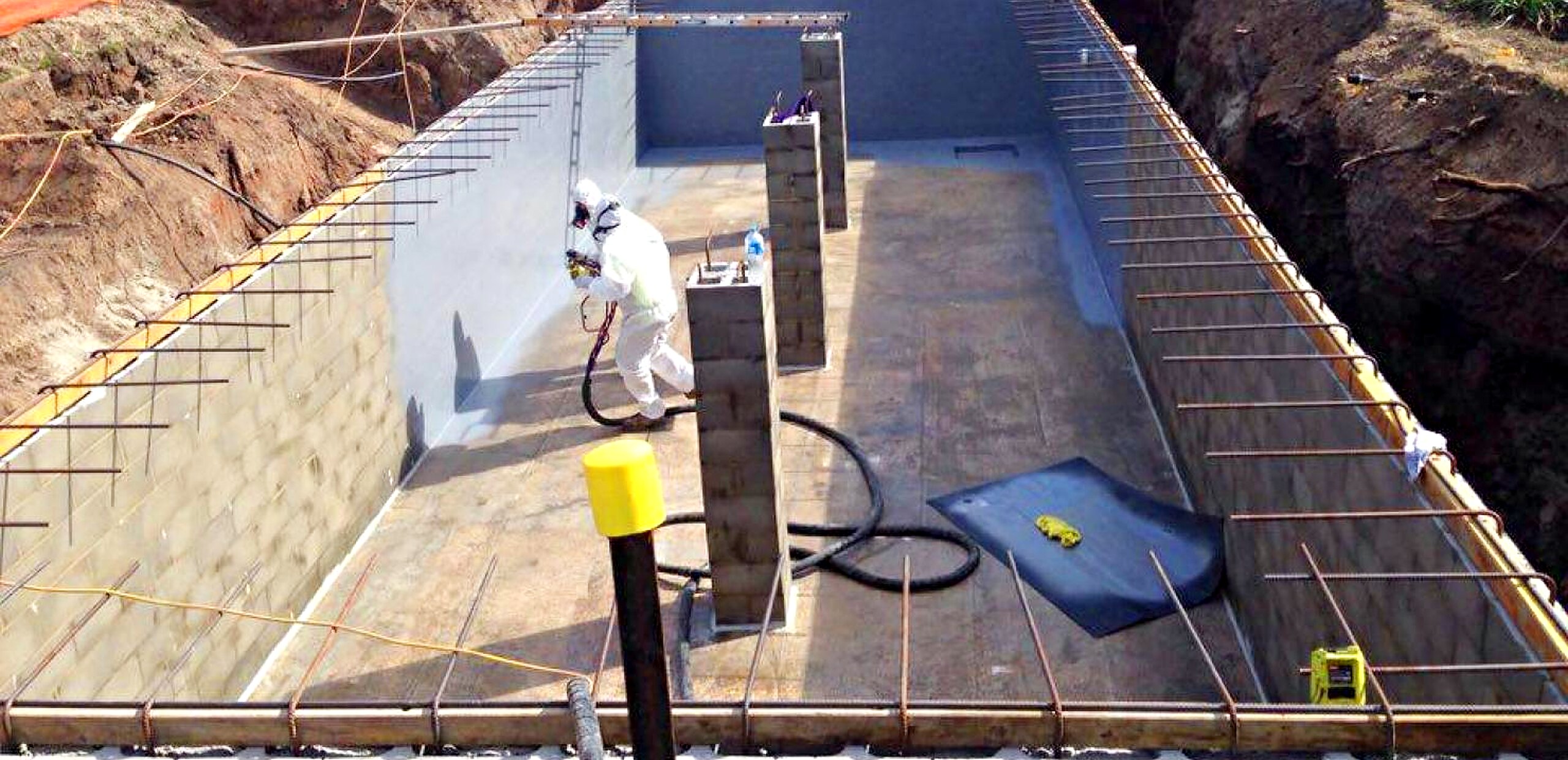
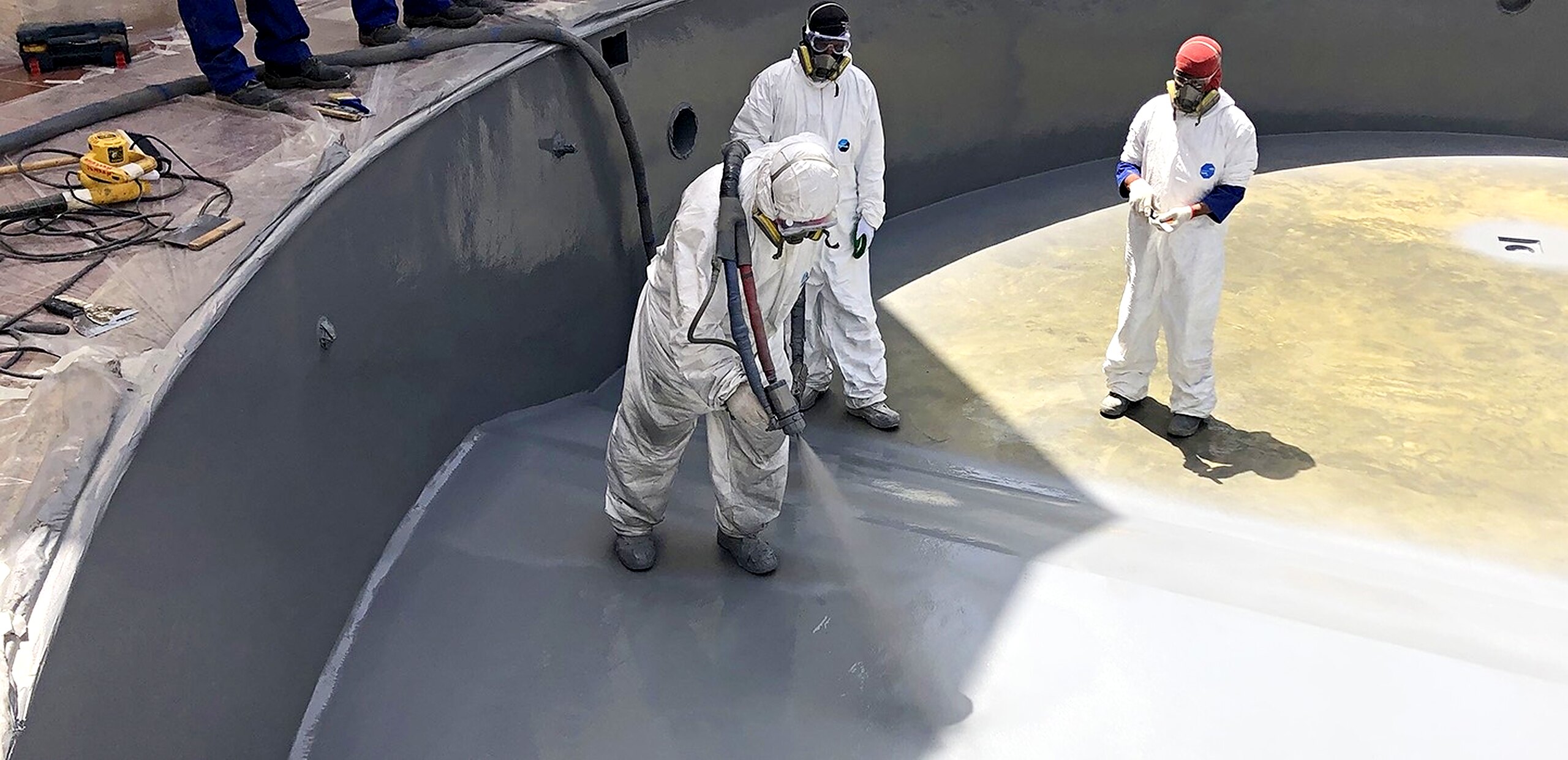
We make polyurea and polyurethane coatings, and on foundation walls they belong below grade as part of a waterproofing system, or on walls that see constant splash, not as a substitute for a decorative parge. A seamless membrane resists water that a cement parge simply absorbs. It still needs a sound, clean substrate, and parging is often what gives a rough block wall that substrate.
Parging questions
What is parging?
Parging is a thin coat of cement-based or polymer-modified mortar applied to masonry or concrete walls, usually foundations. It smooths and protects the surface and, on block foundations, provides the base for code-required dampproofing.
Is parging waterproof?
No. Cement parging is porous and cracks with the wall. It resists weather and supports dampproofing, but basements with water under pressure need a waterproofing membrane of the kind listed in IRC R406.2.
How thick should parging be?
The IRC requires at least 3/8 in of portland cement parging on masonry foundation walls that are being dampproofed. Bagged parging mixes are applied at no more than 3/8 in per coat, so thicker builds go on in two coats about 24 hours apart.
How much does parging cost?
Angi's 2026 guide lists parging at about $1 to $3 per sq ft. Full-service quotes that include removing old parge and crack repair run higher; CurrentCost lists $4 to $9 per sq ft for cementitious parging and $8 to $12 for acrylic or elastomeric finishes.
How long does parging last?
Angi cites 30 to 50 years for parging in good conditions. In practice, life depends on bond, curing and keeping water away from the wall; badly applied parging can fail in a few winters.
Can you parge over old parging?
Only over old parging that is sound and clean. Remove anything that sounds hollow, wire-brush and saturate the surface, and use a two-coat or polymer-modified system for best bond.
Can you paint parging?
Yes, after it has fully cured. Use a breathable masonry paint or sealer, since non-breathable films on a wall that wicks moisture tend to blister and peel.
What is the difference between parging and stucco?
Parging is a single thin mortar coat bonded to the wall. Stucco is a multi-layer cladding system. Angi lists stucco at $7 to $9 per sq ft against $1 to $3 for parging, with a longer service life.
Sources
- City of Eastlake, Ohio, Waterproofing application (quotes IRC R406.1): eastlakeohio.com/.../WATERPROOFING-APPLICATION.pdf
- Minnesota Rule 1309.0406 (IRC R406.2 waterproofing materials): revisor.mn.gov/rules/1309.0406
- Sakrete Canada, Parging Mix product data sheet: sakretecanada.com/.../Sakrete Parging Mix_pds-en.pdf
- Quikrete, Water Resistant Parging Mix data sheet: targetproducts.com/PDFs/DS-parging.pdf
- Angi, Parging vs stucco (2026): angi.com/articles/parging-vs-stucco.htm
- CurrentCost, Parging foundation cost guide (2026): currentcost.org/parging-foundation-cost-price-u-s-homeowners
A foundation wall that stays put and stays dry.
Homeowners get a certified ArmorThane applicator who repairs and protects foundation walls. Contractors can add coatings and waterproofing with no franchise fee and no royalties.
Start your coatings business with ArmorThane.
Tell us what you want to spray and where you are. An ArmorThane specialist will walk you through the equipment, chemicals, training and startup cost for the work you want to do.
- Equipment package matched to your applications
- Hands-on training and applicator certification
- Technical support once you are spraying
Parging cracked or falling off? Get the wall assessed.
Tell us about the wall (block or poured), how much parging is loose, and whether the basement gets damp. A certified applicator near you will follow up.
- Re-parging and patching
- Crack repair before parging
- Waterproofing where parge is not enough
- Advice on grading and drainage