










Basement Wall Sealer: Which Type Works & When It Won't
Penetrating, cementitious and crystalline sealers compared, how to tell condensation from seepage, and a selector and coverage calculator for your wall.
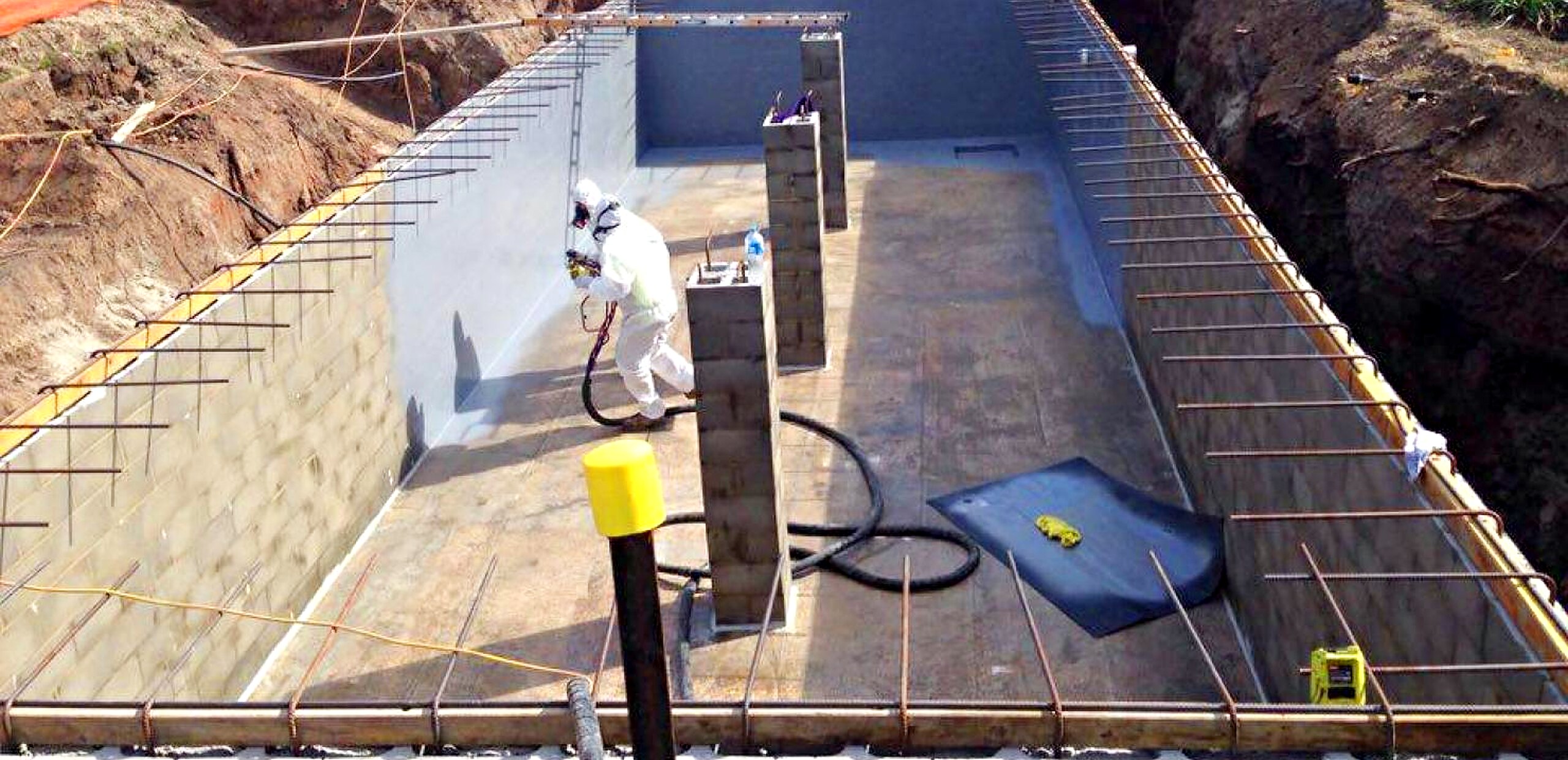
Start a waterproofing business
Waterproof foundations for a living.
ArmorThane sets you up to do this work, and you own the business. We make the chemistry, build the rigs, train you hands-on and answer the phone when a job gets difficult. You pay no franchise fee and no royalties. It has been that way since 1989.




- $0
- franchise fees or royalties
- 35+
- years in business
- 50+
- countries with applicators
- 24/7
- technical support
A basement wall sealer can fix a damp, musty wall for a few hundred dollars, or it can hide a drainage problem until the drywall goes moldy. The difference is knowing what kind of water you have before you buy a bucket. We have spent decades putting coatings on concrete, above and below grade, and this guide is the conversation we have with homeowners who call us asking which sealer to buy: the four main types, what each can and cannot hold back, how to test the wall first, and two tools to pick a product and estimate how much you need.
For a damp but not leaking poured wall, a penetrating silicate sealer on bare concrete is the low-risk choice because it does not form a film that can peel. For block walls with seepage, a cementitious masonry waterproofer applied in two coats on bare masonry is the usual DIY fix; the best are rated to about 15 psi. If water runs in through cracks or the floor-wall joint after rain, no interior sealer is the answer: fix grading and gutters, then use crack injection or an interior drain and sump.
Diagnose the water before you seal
Basement wall moisture comes from three places, and only one of them is a sealer problem.
Vapor and capillary dampness
The wall feels cool and damp, shows dark patches or white crusty efflorescence, but never drips. Water is wicking through the concrete. Penetrating and cementitious sealers are built for this.
Condensation
Humid summer air hits a cold wall and condenses on the surface. Sealing the wall changes nothing. A dehumidifier and insulation do. The EPA recommends keeping indoor humidity below 60%, ideally 30 to 50%.
Bulk water under pressure
Water trickles from cracks, tie holes or the floor-wall joint after rain. That is hydrostatic pressure, and it needs drainage, crack repair or exterior waterproofing.
The plastic sheet test
Tape an 18 inch square of clear plastic tightly to the bare wall on all four sides and leave it at least 16 hours. This is the same idea as ASTM D4263, the plastic sheet method used on slabs before flooring goes down. If moisture or darkened concrete shows up under the sheet, water is coming through the wall. If droplets form on the room side of the plastic, it is condensation. Do it in the wet season, not after a dry month, and remember the test has limits: a dry result does not prove the wall stays dry all year.
Types of basement wall sealer compared
Every product on the shelf falls into one of these families. The numbers below come from the manufacturers' own data sheets, so treat them as best-case lab figures, not promises for your wall.
| Sealer type | How it works | Published water pressure rating | Coverage per gal, per coat | Over old paint? | Best for |
|---|---|---|---|---|---|
| Penetrating silicate (e.g. RadonSeal Standard) | Reacts inside the pores; no surface film | Not published as psi | 200–225 sq ft (indoor poured) | No, bare concrete only | Damp poured walls, efflorescence, walls you may later insulate |
| Cementitious masonry waterproofer (e.g. Drylok Extreme) | Fills and coats the pores with a cement-based film | Up to 15 psi | 75–100 sq ft | No, not over latex or oil paint | Block and poured walls with dampness or light seepage |
| Crystalline (e.g. Xypex Concentrate) | Grows crystals in pores and hairline cracks | Tested to 175 psi (405 ft head), lab | Per data sheet | No, bare concrete | Poured concrete, static hairline cracks up to 0.5 mm |
| Interior epoxy or elastomeric coating | Forms a vapor-tight film | Varies | Varies | Sometimes, with prep | Rarely the right call on a below-grade wall that needs to dry inward |
| Exterior membrane (positive side) | Stops water before it reaches the wall | Best defense; part of a drained system | Per system | N/A, outside face | New construction, excavated walls, high water tables |
Why we are cautious about film coatings inside
We make high-build polyurea and polyurethane coatings, so you might expect us to recommend them for the inside of a basement wall. We mostly do not. A below-grade wall gets wet from the outside, and Building Science Corporation's guidance is that the wall assembly should be able to dry inward, warning that impermeable interior finishes "typically lead to mold growth." Put a vapor-tight skin on the room side of a wet wall and the water stays in the concrete, pushes on the coating from behind, and eventually blisters it off.
The same high-build coatings are excellent on the outside of the wall, the positive side, where they stop water before it gets in. That is where we use them. See our basement waterproofing overview and concrete waterproofing guide for those systems.
Basement wall sealer selector
Answer five questions about your wall. The tool points you to the sealer family that fits, or tells you plainly when a sealer is the wrong fix.
Which basement wall sealer, if any?
Scores each option against your wall type, symptoms, existing paint and plans, using the product limits in the table above.
Basement wall sealer coverage and cost calculator
Enter the wall you plan to treat. The calculator works out the square footage, gallons for two coats at the published coverage, and what a professional would typically charge for the same work.
How much sealer, and what will it cost?
Area = wall length x height minus openings. Gallons = area x coats / coverage, with block walls figured at the low end of coverage because the open texture drinks more. Pro pricing uses Angi's 2026 per-square-foot ranges.
How to apply a basement wall sealer
Penetrating and cementitious sealers are forgiving products, but both need to reach bare masonry. Most failures we see are a sealer brushed over paint, dust or efflorescence.
Fix the outside first
Extend downspouts, clean gutters and regrade so soil falls away from the wall. A sealer is the last line of defense, not the first.
Strip to bare masonry
Remove latex or oil paint by wire wheel, grinding or blasting. Drylok's own data says it cannot be used over latex or oil paint on an interior wall because it cannot reach the masonry.
Remove efflorescence and dust
Scrub off white salts with a stiff brush and the cleaner the sealer maker recommends, rinse, and let the wall dry. Sealing over salt deposits traps them under the film.
Plug active leaks and cracks
Fill open cracks and tie holes with hydraulic cement or have them injected before sealing. Angi notes epoxy crack injection can cost as much as $800 to $1,500 per crack.
Apply two full coats
Cementitious products are scrubbed into every pore with a stiff masonry brush; block walls need extra work in the mortar joints. Drylok Extreme needs both air and surface at 50°F or higher, and 2 hours between coats. Penetrating silicates are sprayed or rolled until the surface stays wet.
Retest and dehumidify
Repeat the plastic sheet test in the next wet season. Keep a dehumidifier running to hold the space under 60% relative humidity.
Exterior waterproofing and the building code
For new homes, the International Residential Code handles basement walls from the outside. Section R406.1 requires dampproofing on the exterior of concrete and masonry foundation walls that enclose below-grade space, from the top of the footing to finished grade. Section R406.2 steps that up to full waterproofing where groundwater can rise within 24 inches of finished grade, where water stands against the foundation for long periods, or where the floor sits below the water table, and it requires the waterproofing to be continuous and paired with a drainage system.
Interior sealers are not a substitute for any of that. They are a retrofit tool for walls that are already built and mostly dry.
Exterior spray membrane on exposed walls
When a wall is excavated for repair or a foundation is new, certified ArmorThane applicators can spray a seamless polyurea membrane on the positive side. Confirm with your building official that the system is accepted for R406.2 where you build.
Insulating after the water is fixed
Once the wall stays dry, closed-cell foam adds R-value and air sealing. Read our basement wall insulation and rim joist insulation guides.
Basement floors
Floors have the same moisture rules. Test before any coating; see our concrete sealer guide for penetrating options.
Vapor-tight film inside a wet wall
We will not sell you a polyurea liner for the inside of a leaking basement wall. Fix the drainage instead.
Wall is excavated or going up new? Seal it from the outside.
Tell us the wall area, whether it is poured or block, and how much is exposed. A certified ArmorThane applicator can quote a seamless spray-applied exterior membrane.
Contractors: become an applicator →
Keep going below grade
Crawl space waterproofing
Grading, interior drains, sump sizing and wall coatings for homes without a full basement.
Crawl space encapsulation guide
Vapor barriers, sealed vents and dehumidification once the water is under control.
Warehouse floor marking
Uses the same plastic sheet moisture test before any floor coating goes down.
Barn floor coating
Moisture, manure and wash-down: coating concrete in the toughest wet environment we work in.
Basement wall sealer questions
What is the best basement wall sealer?
It depends on the water. For damp poured concrete, a penetrating silicate is the lowest-risk choice because it cannot peel. For block walls with light seepage, a cementitious masonry waterproofer is the common fix. For active leaks through cracks or at the floor joint, no interior sealer is the best answer; drainage and crack repair are.
Does Drylok really work on basement walls?
On bare masonry with dampness or light seepage, yes. Drylok Extreme is rated to stop water up to 15 psi with two coats, and carries a 15-year warranty when applied to properly prepared bare masonry. It will not bond over latex or oil paint on an interior wall, and it will not stop water pouring through a crack.
Can you seal basement walls from the inside?
You can control dampness from the inside, but you cannot stop pressurized groundwater there for long. The durable fixes for real leaks are exterior waterproofing with drainage, or an interior drain and sump that relieves the pressure.
Should I seal basement walls before finishing the basement?
Seal only if the wall is damp, and use a product that lets the wall dry, such as a penetrating silicate. Avoid vapor-tight coatings and plastic sheeting on the inside of the wall; Building Science Corporation warns these trap moisture and lead to mold. Rigid foam or closed-cell spray foam against the concrete is the common finishing approach.
Can I put sealer over painted basement walls?
Generally no. Penetrating and cementitious sealers need bare masonry to work. Drylok can go over an older cementitious waterproofer in good condition, but not over latex or oil paint. Strip the paint first.
How much does it cost to seal basement walls?
Angi's 2026 figures put professionally applied interior sealants at $1 to $8 per sq ft for acrylic, $4 to $6 for silicate and $5 to $7 for epoxy. Full basement waterproofing averages $5,241, with most homeowners paying $2,461 to $8,202.
What is the white powder on my basement wall?
Efflorescence: mineral salts left behind as water moves through the concrete and evaporates. It is a sign of moisture movement, not structural failure. Clean it off before applying any sealer, or it will push the coating off.
How long does a basement wall sealer last?
Penetrating silicates react inside the concrete and are marketed as permanent; RadonSeal says it penetrates up to 4 inches into porous concrete. Cementitious coatings carry warranties of up to 15 years on properly prepared masonry. Real life depends on how much water the wall sees.
Sources
- Drylok Extreme Masonry Waterproofer product data: drylok.com/products/drylok-extreme-masonry-waterproofer
- RadonSeal Standard concrete sealer: radonseal.com/product/radonseal-standard-concrete-sealer
- Xypex Concentrate data sheet: xypex.com/…/2022-07-20-DS-2.pdf
- Angi, basement waterproofing cost (2026): angi.com/articles/how-much-does-basement-waterproofing-cost.htm
- Building Science Corporation, BSD-103 Understanding Basements: buildingscience.com/documents/digests/bsd-103-understanding-basements
- IRC 2024 R406 dampproofing and waterproofing summary: jaspector.com/codes/irc-2024/…/basement-waterproofing-irc-2024
- ICC, IRC 2018 Chapter 4 Foundations (R401.3 drainage): codes.iccsafe.org/content/IRC2018/chapter-4-foundations
- ASTM D4263 plastic sheet test summary: astmd4263.com
- US EPA, a brief guide to mold, moisture and your home: epa.gov/mold/brief-guide-mold-moisture-and-your-home
Stop water where it starts: the outside of the wall.
Homeowners and builders get a certified ArmorThane applicator for seamless exterior foundation membranes. Contractors can add waterproofing to their services with no franchise fee and no royalties.
Start your coatings business with ArmorThane.
Tell us what you want to spray and where you are. An ArmorThane specialist will walk you through the equipment, chemicals, training and startup cost for the work you want to do.
- Equipment package matched to your applications
- Hands-on training and applicator certification
- Technical support once you are spraying
Foundation wall exposed or new? Seal it from the outside.
Tell us the wall area, poured or block, how much is excavated, and where water shows up. We will connect you with a certified applicator near you.
- Wall area and height
- Poured concrete or block
- Excavated, new or interior
- Where and when water appears
More in Waterproofing
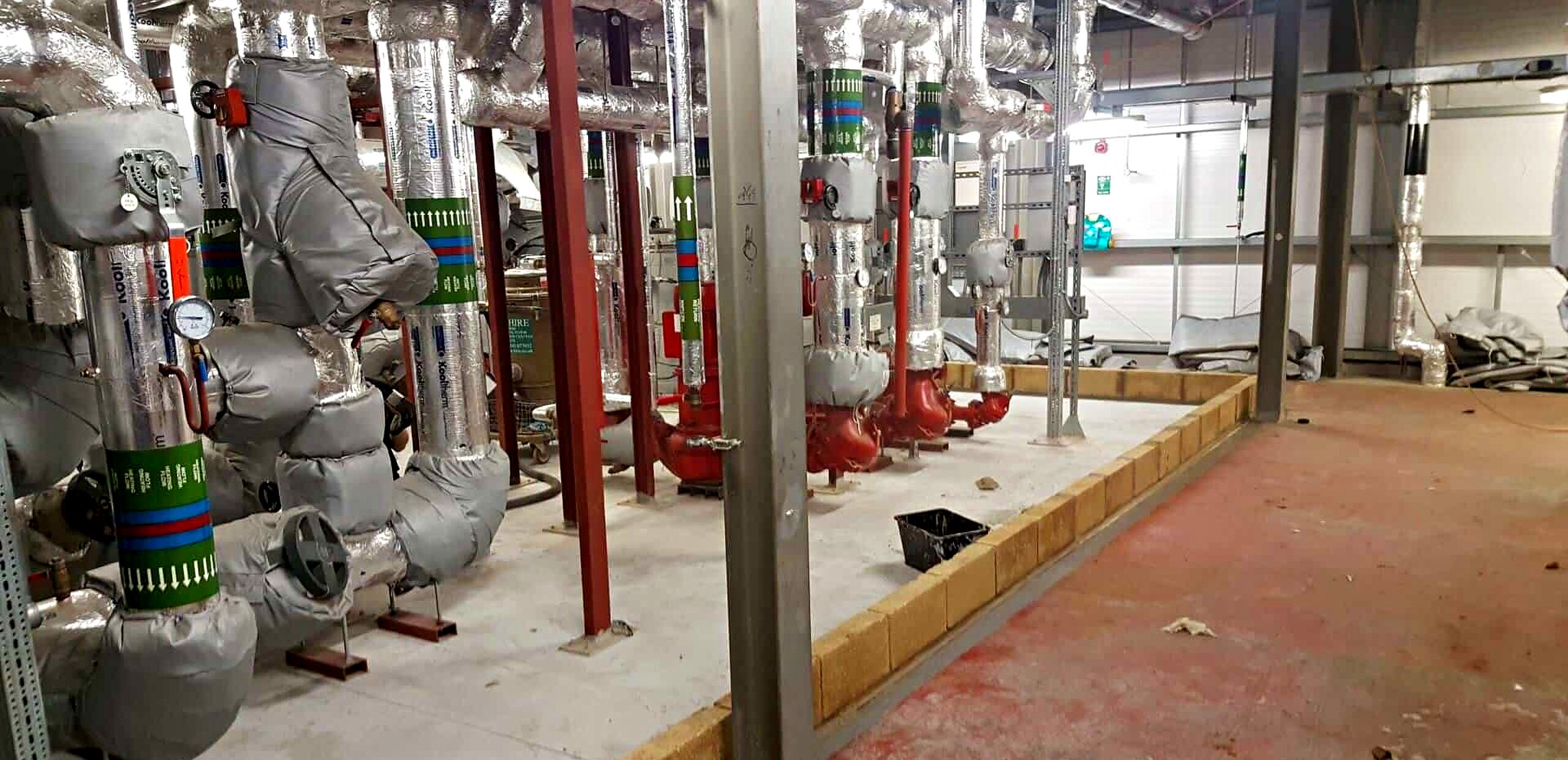 WaterproofingSewage Tank Lining – Case Study
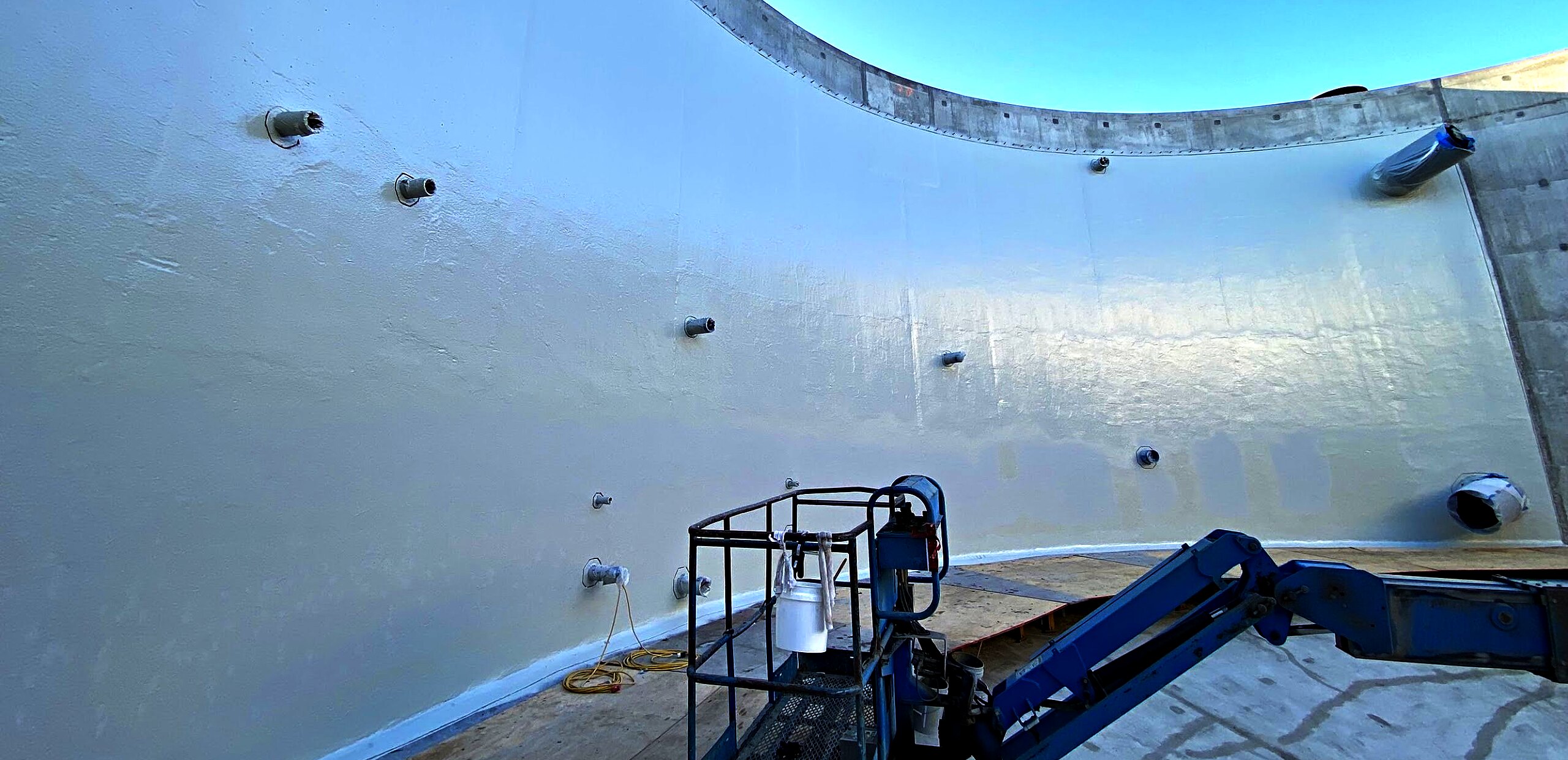 WaterproofingStock Tank Pool Liner
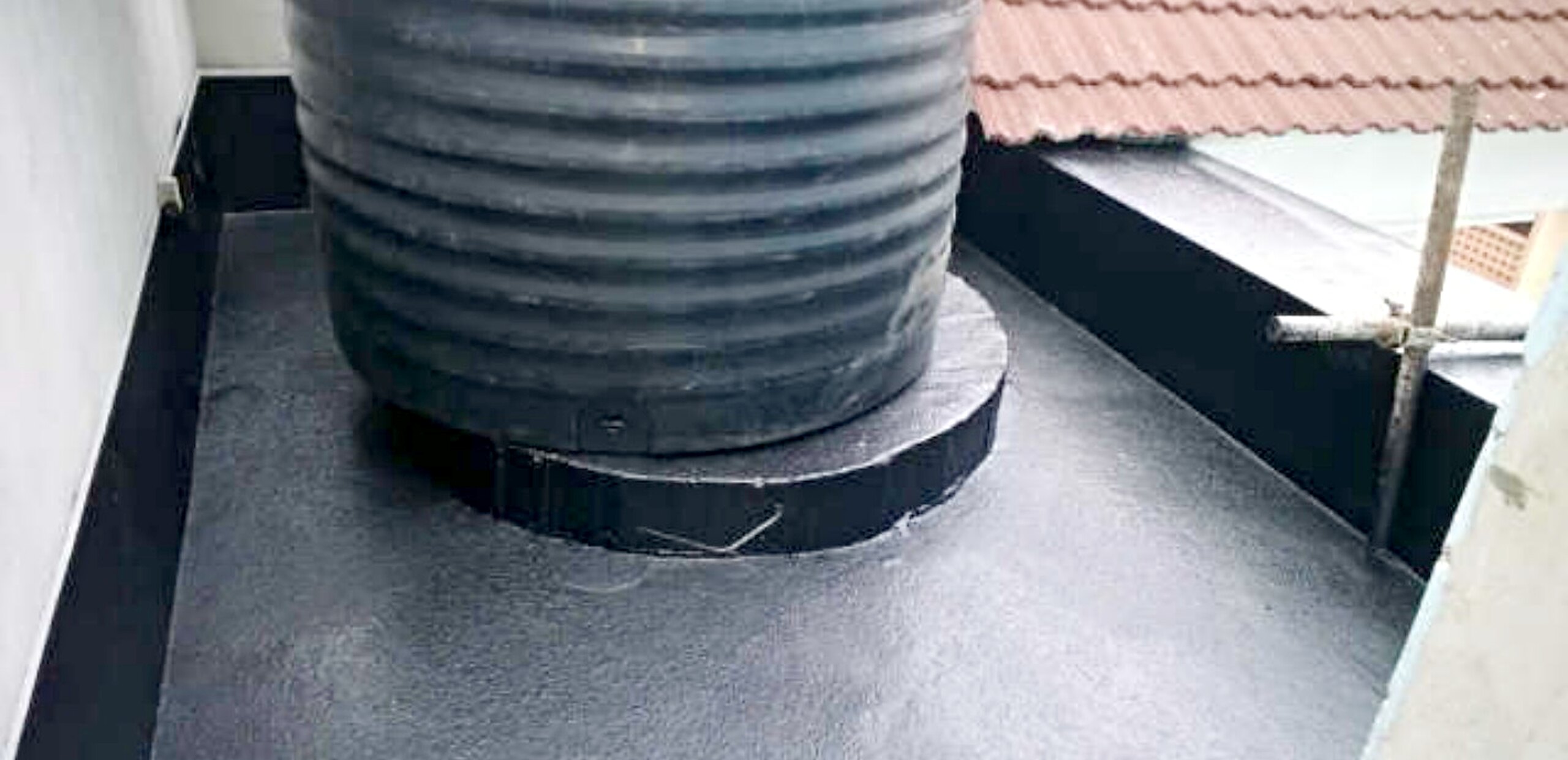 WaterproofingStorage Tank Containment
 WaterproofingTank Lining
 WaterproofingWater Tank Coating
 WaterproofingAnaerobic Digester Gas Leak Sealing – Case Study
 WaterproofingAquaculture Tank Coating
 WaterproofingBasement Ceiling Insulation