








Concrete Sealer: Types, Best Picks & How Long They Last
Penetrating vs acrylic vs polyaspartic, with real coverage rates, lifespans and 2026 costs from data sheets, a sealer selector, a cost calculator and a reseal planner.
Start a floor coating business
Coat floors for a living.
ArmorThane sets you up to do this work, and you own the business. We make the chemistry, build the rigs, train you hands-on and answer the phone when a job gets difficult. You pay no franchise fee and no royalties. It has been that way since 1989.
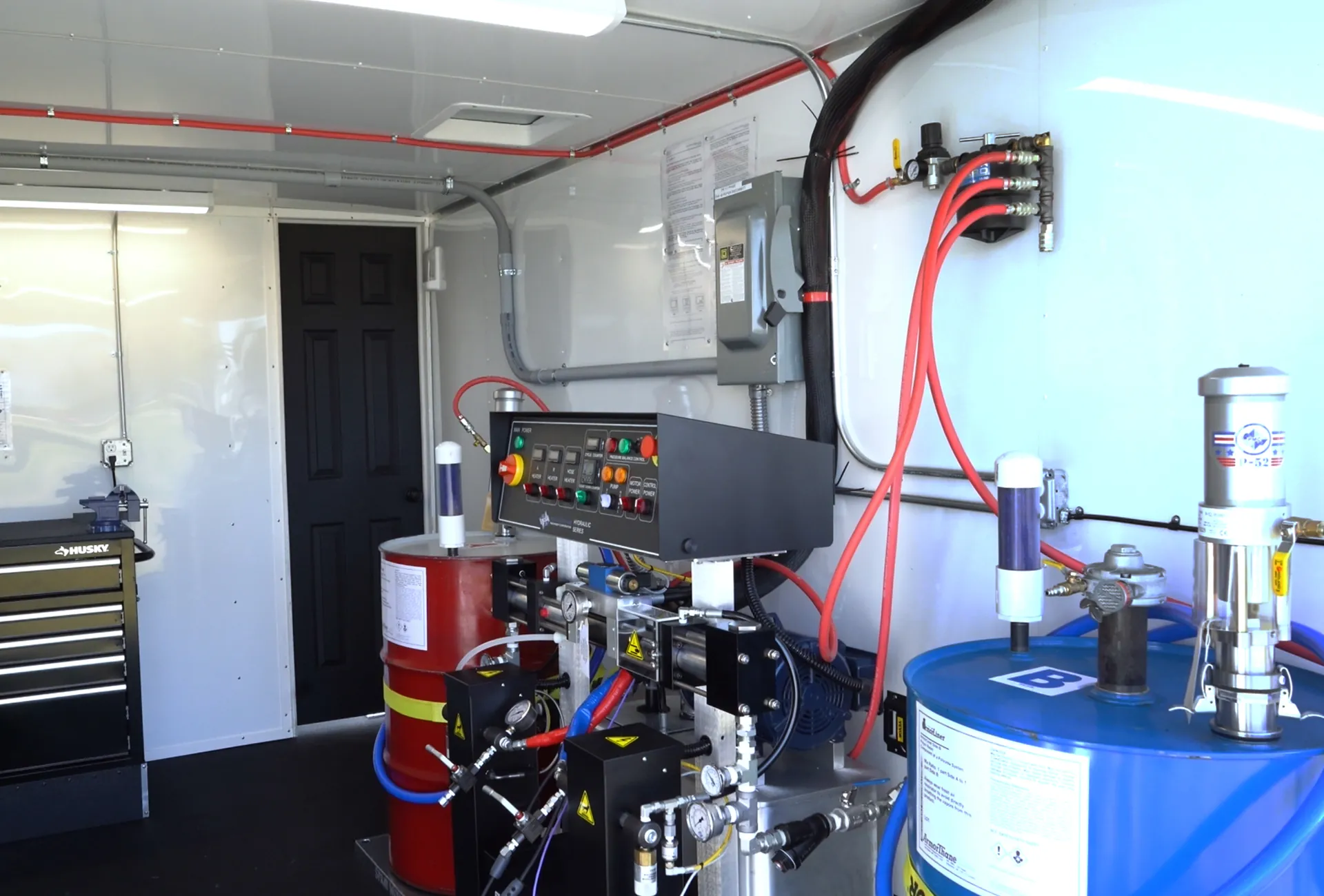
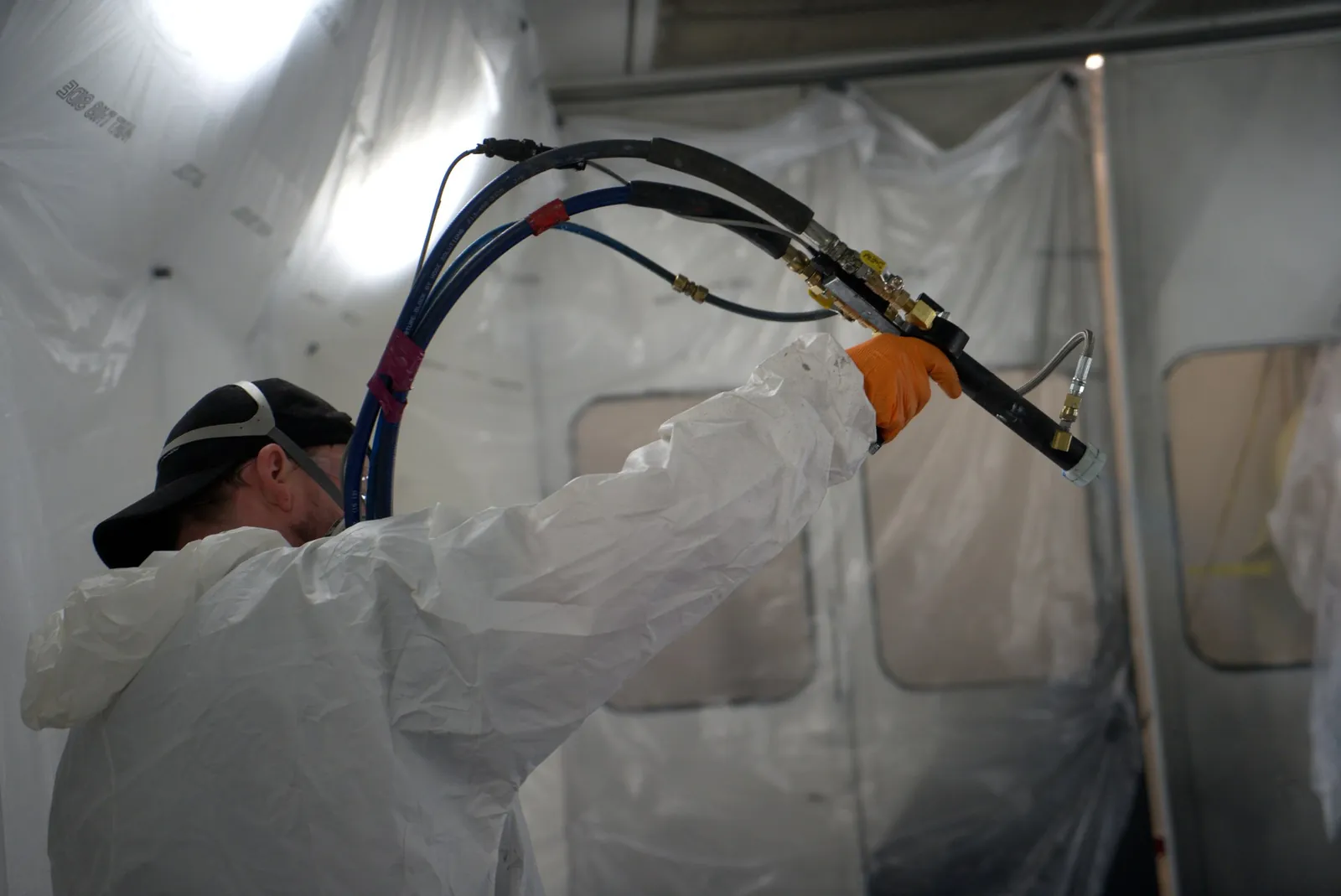
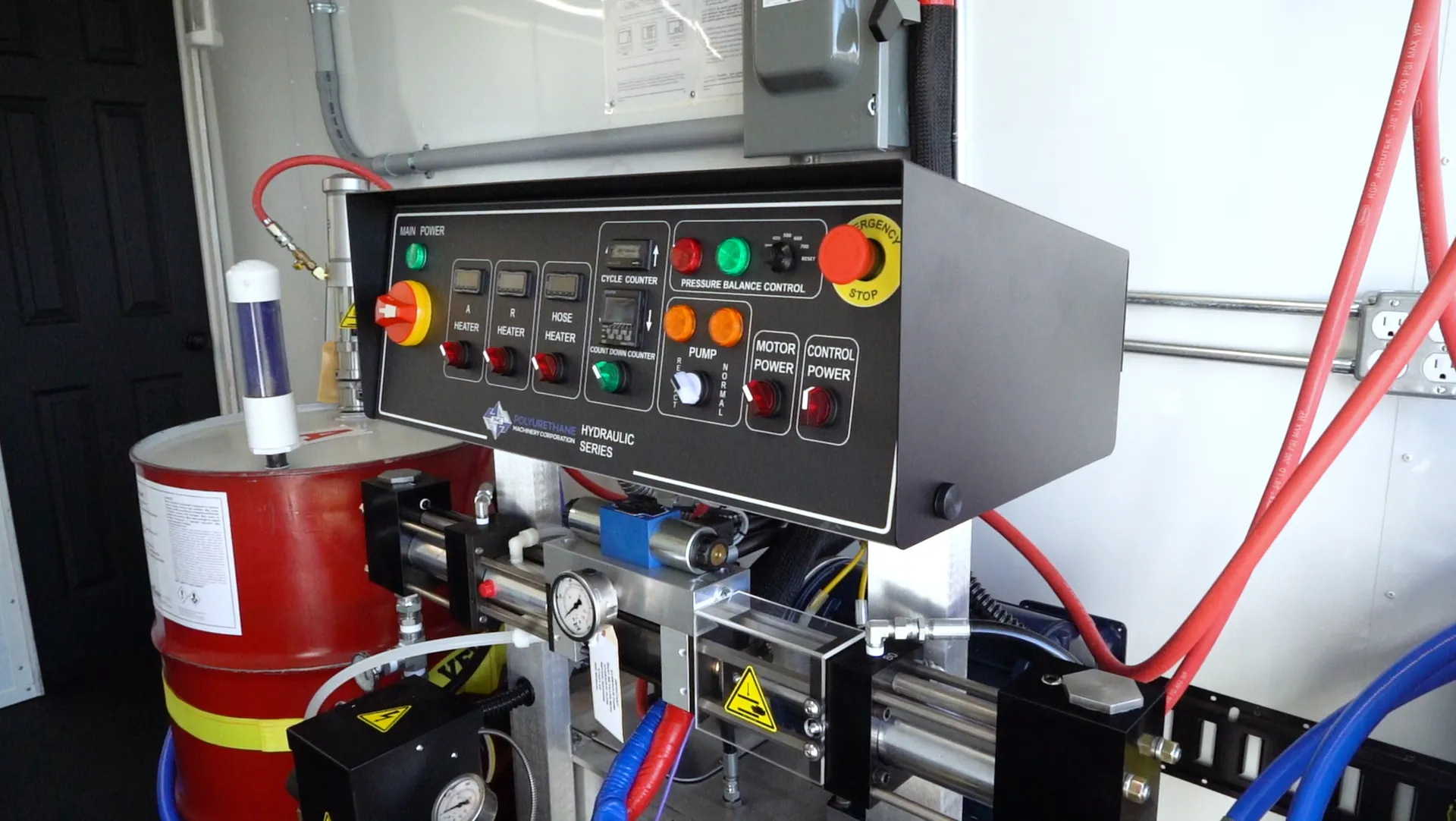
- $0
- franchise fees or royalties
- 35+
- years in business
- 50+
- countries with applicators
- 24/7
- technical support
Walk down the concrete aisle and you'll find a dozen concrete sealers that all promise to "protect" your concrete. They don't all protect it from the same thing. Some soak in and make the slab shed water and road salt while looking untouched. Some leave a glossy film that deepens color but wears off in a couple of years. Some harden the surface and don't repel water at all. We make polyaspartic and polyurethane topcoats, the heavy-duty end of this family, so we see a lot of slabs where the wrong sealer was the first mistake. This guide is meant to make sure it isn't yours.
For most outdoor concrete (driveways, sidewalks, pool decks in freeze-thaw climates), the best concrete sealer is a penetrating silane-siloxane. It's invisible, keeps the concrete breathable, blocks water and de-icing salt, and typically lasts 7–10 years. Choose a film-forming acrylic only when you want a wet look or color enhancement on stamped or decorative concrete, and plan to recoat every 1–3 years. For garages and shop floors that see hot tires and chemicals, a sealer isn't enough; you want a polyaspartic or epoxy coating. Use the selector to match a sealer to your surface.
- 1Penetrating vs film-forming sealers
- 2Every type of concrete sealer compared
- 3Which sealer for your concrete? (selector)
- 4Best concrete sealer by surface
- 5Is your concrete already sealed?
- 6How much sealer, and what it costs (calculator)
- 7How to apply concrete sealer
- 8When to reseal (planner)
- 9Slip resistance and VOC rules
- 10When a sealer isn't enough
- 11Concrete sealer FAQ
Penetrating vs film-forming sealers
Every concrete sealer falls into one of two families, and the choice between them matters more than the brand.
Penetrating sealers
Silanes, siloxanes and blends react inside the pores to make them water-repellent; silicate densifiers react with the concrete's free lime to harden it. Nothing sits on top, so there's nothing to peel, scuff or get slippery.
- Invisible or nearly so
- Breathable: Prosoco's Silane WB 40 retains 100% of water-vapor transmission (ASTM D6490)
- Long-lived: 7–10+ years for repellents; densifiers are permanent
- No gloss and no color enhancement
Film-forming sealers
Acrylics, polyurethanes, epoxies and polyaspartics form a continuous layer you can see and feel. They change the look, from satin to high-gloss wet look, and they take the wear instead of the concrete.
- Enhance color; can add gloss
- Resist stains and make cleaning easier
- Wear and need recoating: acrylics every 1–3 years
- Can be slippery when wet without grit
Every type of concrete sealer, compared
Coverage comes from real product data sheets; it varies with how porous the surface is. Click a column to sort.
| Sealer type | Look | Coverage (sq ft/gal) | Typical life | Installed $/sq ft | Best for |
|---|---|---|---|---|---|
| Silane | Invisible | 100–300 | 7–10+ yrs | $1–$3 | Dense poured concrete, bridges, driveways |
| Silane-siloxane blend | Invisible | 150–400 (1 coat) | 7–10+ yrs | $1–$3 | Driveways, walks, pool decks, block |
| Siloxane | Invisible | varies by porosity | 5–10 yrs | $1–$3 | Brick, stucco, block, pavers |
| Lithium silicate densifier | Slight sheen when burnished | 175–400 | Permanent | $1–$3 | Interior slabs, warehouses, polished floors |
| Water-based acrylic | Satin to semi-gloss | 100–300 by texture | 1–3 yrs | $1–$2 | Stamped, colored, low-VOC regions |
| Solvent-based acrylic | Wet look, high gloss | 175–325 | 1–3 yrs (up to 5) | $1–$2 | Stamped and exposed aggregate (where VOC rules allow) |
| Polyurethane | Satin to gloss | varies | 4–8 yrs | $1.25–$3 | Interior floors, over acrylic or epoxy |
| Epoxy | Gloss; can tint | 100–600 by type | 5–10 yrs (indoors) | $4–$10 | Basements, shops, garages (indoor) |
| Polyaspartic | Gloss, UV-stable | ≈500 (thin clear) | 5–10 yrs (up to 25) | $4–$9 | Garages, patios, anywhere UV + wear |
Which concrete sealer for your concrete?
Pick the surface and what you want from it. The selector follows the same logic we use when a customer calls: what's the exposure, what look do you want, and what do your local VOC rules allow?
The right sealer type, and what to expect from it
Recommends a sealer type, not a brand. Read the product's data sheet before buying.
Best concrete sealer by surface
Silane-siloxane penetrating sealer
Driveways take freeze-thaw cycles, salt and tires. Ghostshield's Siloxa-Tek 8500, for example, reports "0 – no scaling" after 100 freeze-thaw cycles with salt (ASTM C672). A film would scuff in the wheel paths. More on driveways in our concrete driveway sealer guide.
Penetrating, or acrylic with grit
Bare feet and water make slip resistance the priority. Penetrating sealers don't change traction. If you want a wet look, add a non-slip grit (Foundation Armor's AR350 sheet allows up to 6 oz per gallon). See also patio coating.
Acrylic, solvent or water-based
Acrylics bring the color back and add sheen. Expect to recoat every 2–3 years, but no more often than every two (Eagle warns against build-up), and keep films thin so they don't trap moisture and turn white.
Siloxane or a paver-rated acrylic
Rough, porous surfaces drink sealer: Eagle rates its Armor Seal at about 100 sq ft per gallon on aggregate and pavers, versus 300 on smooth troweled concrete. Budget accordingly.
A coating, not a sealer
Hot tires soften and lift thin acrylic and urethane films. For a garage, either use an invisible penetrating sealer and accept stains, or install a real coating. Our garage floor coating guide covers the options.
Penetrating sealer; avoid trapping vapor
Vapor moving through a basement slab will blister an impermeable film. Use a breathable penetrating sealer, or test the slab and use a moisture-vapor-barrier epoxy before any coating. Active leaks need waterproofing, not sealer.
Lithium silicate densifier
Hardens and dust-proofs warehouse, shop and polished floors; permanent, low-VOC, and can be topped with a guard or coating later.
Polyaspartic or urethane, with grit
Where foot traffic and appearance both matter (restaurant patios, entries), a thin UV-stable polyaspartic outlasts acrylic by years.
Is your concrete already sealed?
Pour a little water on the concrete in a few places, including the wheel paths and a protected corner.
- Beads up and the color barely changes: it's sealed (or has a coating). A penetrating sealer is still working.
- Darkens and soaks in within a few minutes: it's unsealed, or the old sealer has worn out.
- Still unsure? A few drops of diluted muriatic acid (roughly 4 parts water to 1 part acid, with gloves and eye protection) will fizz on unsealed concrete and sit quietly on sealed concrete.
Why it matters: a penetrating sealer can go over a worn penetrating sealer, but most film-formers won't bond over a silane, and a solvent acrylic can soften a water-based one. If you don't know what's there, test a small area first and check adhesion after it cures.
How much sealer you need, and what it costs
Coverage swings by a factor of three between a smooth troweled slab and exposed aggregate. Pick your texture, the sealer type and your price per gallon; the calculator compares DIY with a professional job and shows the cost per year of protection.
Gallons, DIY cost, pro cost and cost per year
Coverage defaults are mid-range data-sheet values. Includes 10% waste.
How to apply concrete sealer
Check the calendar and the forecast
New concrete needs 28 days before most sealers (Behr asks for 30; some densifiers allow 7). Then pick a dry stretch inside the product's temperature window. Ghostshield Siloxa-Tek 8500, for example, wants 40–95°F, no frost within 8 hours and no rain within 12. Acrylics are usually narrower: Foundation Armor AR350 lists 45–85°F.
Clean and open the surface
Pressure wash, degrease oil spots and let the slab dry, typically 24 hours or more. Remove failing acrylic before resealing; stripping runs about $1–$3 per sq ft if you hire it out.
Test a small area
Especially over an unknown old sealer. Let it cure and check for whitening, poor adhesion or slipperiness.
Apply thin
Low-pressure pump sprayer for penetrating sealers, flooding until the surface stays wet for a few seconds without puddling; roller or sprayer for acrylics, two thin coats rather than one heavy one. Back-roll puddles. Heavy acrylic coats trap solvent and blush white.
Add grit where people walk wet
Mix a non-slip additive into the final coat of any film-forming sealer on patios, pool decks and ramps.
Keep off until cured
Typical data-sheet values: foot traffic in 4–24 hours, vehicles in 24–48 hours (Eagle Armor Seal: 48 h), furniture in 72 hours. Penetrating repellency keeps building for about a week.
When to reseal (and when to wait)
Enter when the concrete was poured or last sealed. The planner gives you the first safe sealing date for new concrete and a reseal window that shortens for heavy traffic and salt.
Your next sealing date
Base intervals from manufacturer and industry life ranges. Re-check every spring with the water-drop test.
Slip resistance and VOC rules
How slippery is too slippery?
The tile industry's ANSI A326.3 standard is the closest thing to a yardstick for sealed concrete. It sets minimum wet dynamic coefficient of friction (DCOF) values of 0.42 for level interior floors walked on wet, 0.50 for interior "wet plus" areas such as pool surrounds, and 0.55 for exterior wet surfaces. The standard itself warns that the number doesn't predict whether someone will slip. In practice: glossy film-formers outdoors need grit, and penetrating sealers leave the original traction alone.
Why the sealer you saw online may be illegal where you live
| Region | VOC limit for concrete sealers | What it means |
|---|---|---|
| Federal (EPA) baseline | 600 g/L | Most solvent-based products are allowed |
| OTC Phase I states; LADCO (IL, IN) | 400 g/L | Many high-solvent wet-look acrylics are out |
| OTC Phase II states | 100 g/L | Effectively water-based or very low-solvent products only |
| California / SCAQMD | 100 g/L (floor coatings 50 g/L) | Strictest rules in the US |
When a sealer isn't enough
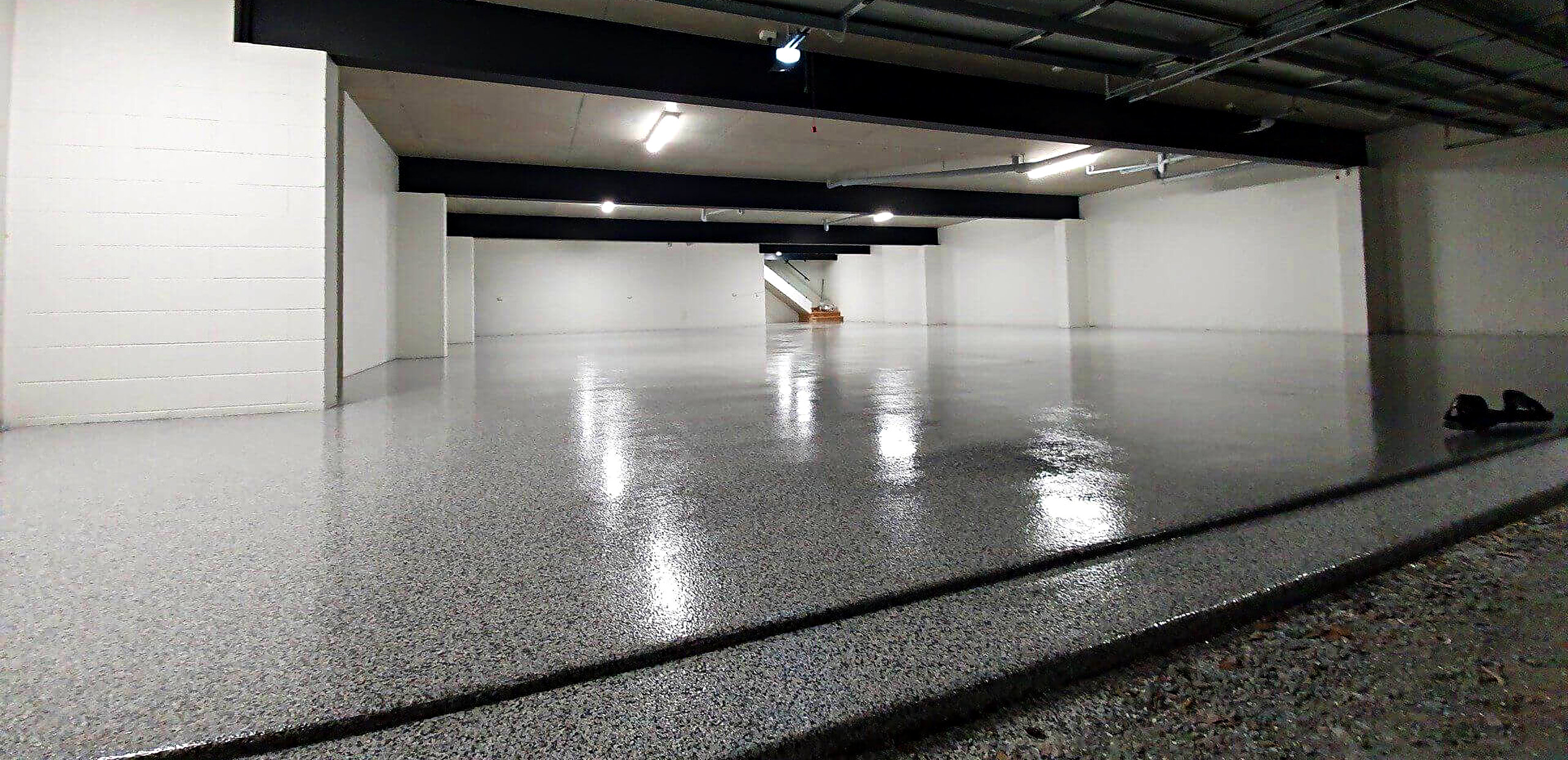
Sealers protect concrete from water, salt and staining. They don't protect it from impact, abrasion, hot tires or standing chemicals, and they won't hide cracks, spalls or ugly patches. When any of those are the problem, you've moved from sealer territory into coatings:
- Garages and shops: a polyaspartic or polyurea flake system at 10–50+ mils. See garage floor coating.
- Driveways, patios and pool decks that are worn or spalled: a resurfacing or UV-stable polyaspartic coating system. See concrete coatings and pool deck resurfacing.
- Containment, tanks and plants: spray-applied polyurea or novolac epoxy, not sealer. See secondary containment coatings.
- Leaking foundations and decks: a waterproofing membrane. See concrete waterproofing.
Concrete that needs more than a sealer? We coat it for decades.
ArmorThane-certified applicators install polyaspartic and polyurea systems on driveways, garages, patios and pool decks: UV-stable, slip-resistant and built to a written thickness.
Contractors: add coatings to your concrete business →
Concrete sealer FAQ
What is the best sealer for concrete?
For outdoor concrete exposed to water, freeze-thaw and de-icing salt, a penetrating silane-siloxane sealer is usually best: invisible, breathable and long-lasting (7–10+ years). For a wet look on stamped or decorative concrete, use an acrylic. For interior slabs that dust, use a lithium silicate densifier. For garages, use a coating rather than a sealer.
How long does concrete sealer last?
Acrylic sealers typically last 1–3 years, polyurethane 4–8, epoxy and polyaspartic 5–10, silane-siloxane penetrating sealers 7–10 or more, and silicate densifiers are permanent. Traffic, sun and salt shorten these numbers.
Is it worth sealing a concrete driveway?
In freeze-thaw climates, usually yes. A penetrating sealer costs roughly $1–$3 per sq ft installed and reduces water and chloride intake, which helps prevent scaling and spalling. Replacing concrete costs several times more per square foot.
How long should new concrete cure before sealing?
Most sealers require 28 days. Behr asks for 30 days for its wet-look sealer, while some lithium silicate densifiers can be applied after 7 days. Always follow the product's data sheet.
Penetrating or acrylic sealer: which is better?
Penetrating sealers last longer, don't change the look and don't make surfaces slippery, so they're better for protection. Acrylics are better when you want color enhancement or gloss, but need recoating every 1–3 years.
Does concrete sealer make surfaces slippery?
Film-forming sealers such as acrylics can be slippery when wet; manufacturers recommend adding a non-slip grit to the final coat. Penetrating sealers don't change surface traction.
How do I know if my concrete is already sealed?
Sprinkle water on it. If it beads and the color barely changes, it's sealed. If it darkens and soaks in within a few minutes, it's unsealed or the sealer has worn off.
How often should I reseal concrete?
Acrylics every 1–3 years (stamped concrete every 2–3), penetrating sealers every 5–10 years, and densifiers never. Recheck yearly with a water-drop test and reseal when water stops beading.
How much does it cost to seal concrete?
DIY materials typically cost $0.10–$0.75 per sq ft. Professional sealing runs about $1–$3 per sq ft for acrylic or penetrating sealers and $4–$10 for epoxy or polyaspartic. A 2-car driveway of about 576 sq ft typically costs $575–$1,700 to seal professionally.
Can I put a different sealer over an old one?
Sometimes. Penetrating sealers can usually be reapplied over themselves. Film-formers often won't bond over a penetrating sealer, and solvent acrylics can soften water-based ones. Test a small area, or strip the old sealer first.
Sources
- Ghostshield Siloxa-Tek 8500 technical data sheet: thdstatic.com (PDF)
- Foundation Armor AR350 technical data sheet: thdstatic.com (PDF)
- Foundation Armor L3000 technical data sheet: foundationarmor.com
- Foundation Armor, how long concrete sealers last: foundationarmor.com
- Eagle Armor Seal product page: eaglesealer.com
- Behr Premium Wet-Look Sealer No. 985: behr.com
- Prosoco Concrete Silane WB 40: prosoco.com
- W.R. Meadows Intraguard: wrmeadows.com
- Nox-Crete Weather-Sil: nox-crete.com
- Ghostshield Polyaspartic 745 TDS: ghostshield.com (PDF)
- Brickform, VOC regulations map: brickform.com/voc-map/
- South Coast AQMD Rule 1113 table of standards: aqmd.gov
- Concrete Network, sealer FAQs: concretenetwork.com
- Angi, concrete sealer types: angi.com
- Angi, concrete sealing cost: angi.com
- HomeGuide, concrete sealing cost (2026): homeguide.com/costs/concrete-sealing-cost
- Euclid Chemical, silane and siloxane water repellents: euclidchemical.com
- ANSI A326.3 DCOF requirements summary: safetydirectamerica.com
- All Garage Floors, how to tell if concrete is sealed: allgaragefloors.com
Sealed every two years, or coated for twenty?
When concrete needs more than a sealer, ArmorThane-certified applicators install polyaspartic and polyurea systems with the prep and thickness in writing. Contractors: add coatings to your concrete business with our materials, equipment and training, with no franchise fee.
Concrete past the point of sealing? Get a quote from a certified applicator.
Tell us what the concrete is (driveway, garage, patio or pool deck) and what's wrong with it. An ArmorThane-certified applicator will recommend a sealer or coating and quote it in writing.
- Driveways, garages, patios and pool decks
- UV-stable polyaspartic and polyurea systems
- Slip-resistant finishes and color options
- Contractors: ask about coating systems and training
More in Floors & concrete
 Floors & concreteConcrete Crack Repair: Methods, Materials & Cost
 Floors & concreteConcrete Driveway Sealer
 Floors & concreteConcrete Floor Grinding
 Floors & concreteConcrete Joint Filler
 Floors & concreteConcrete Leveling Cost
 Floors & concreteConcrete Paint: Types, Prep, Coverage & When to Use a Coating
 Floors & concreteConcrete Primer: Types, How to Choose & How to Apply
 Floors & concreteConcrete Resurfacing: Cost, Options & When to Replace