
Basement Waterproofing Cost: 2026 Guide
Interior drains, exterior membranes, crack injection and sump pumps, priced per linear foot with the math shown. We make sprayed polyurea membranes, and we’ll tell you when gutters, grading or a sump are the real fix.
Start a waterproofing business
Waterproof foundations for a living.
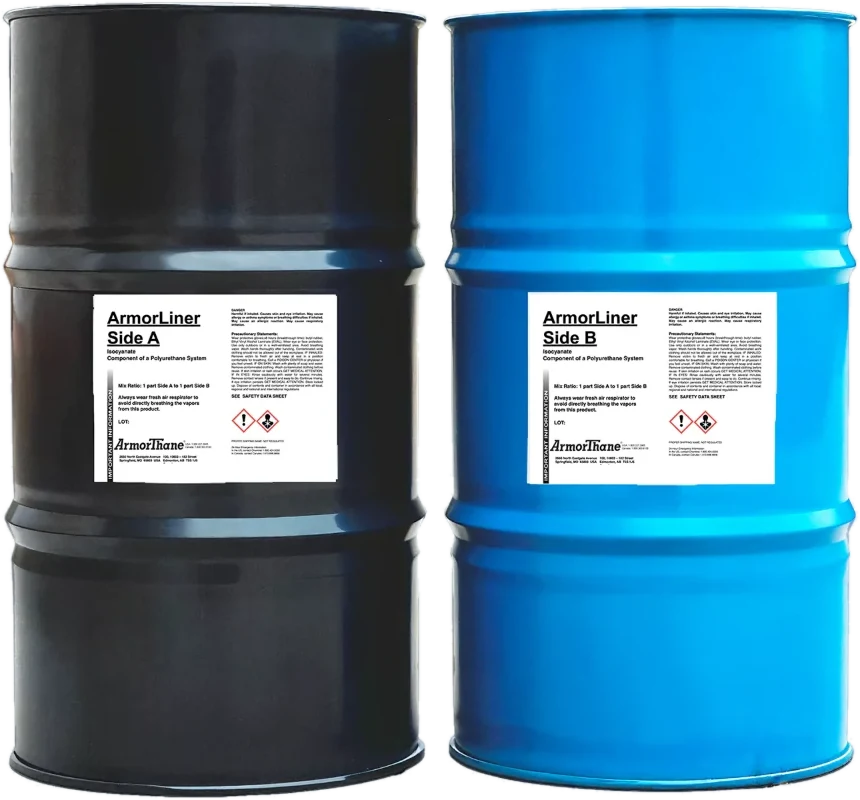
ArmorThane sets you up to do this work, and you own the business. We make the chemistry, build the rigs, train you hands-on and answer the phone when a job gets difficult. You pay no franchise fee and no royalties. It has been that way since 1989.
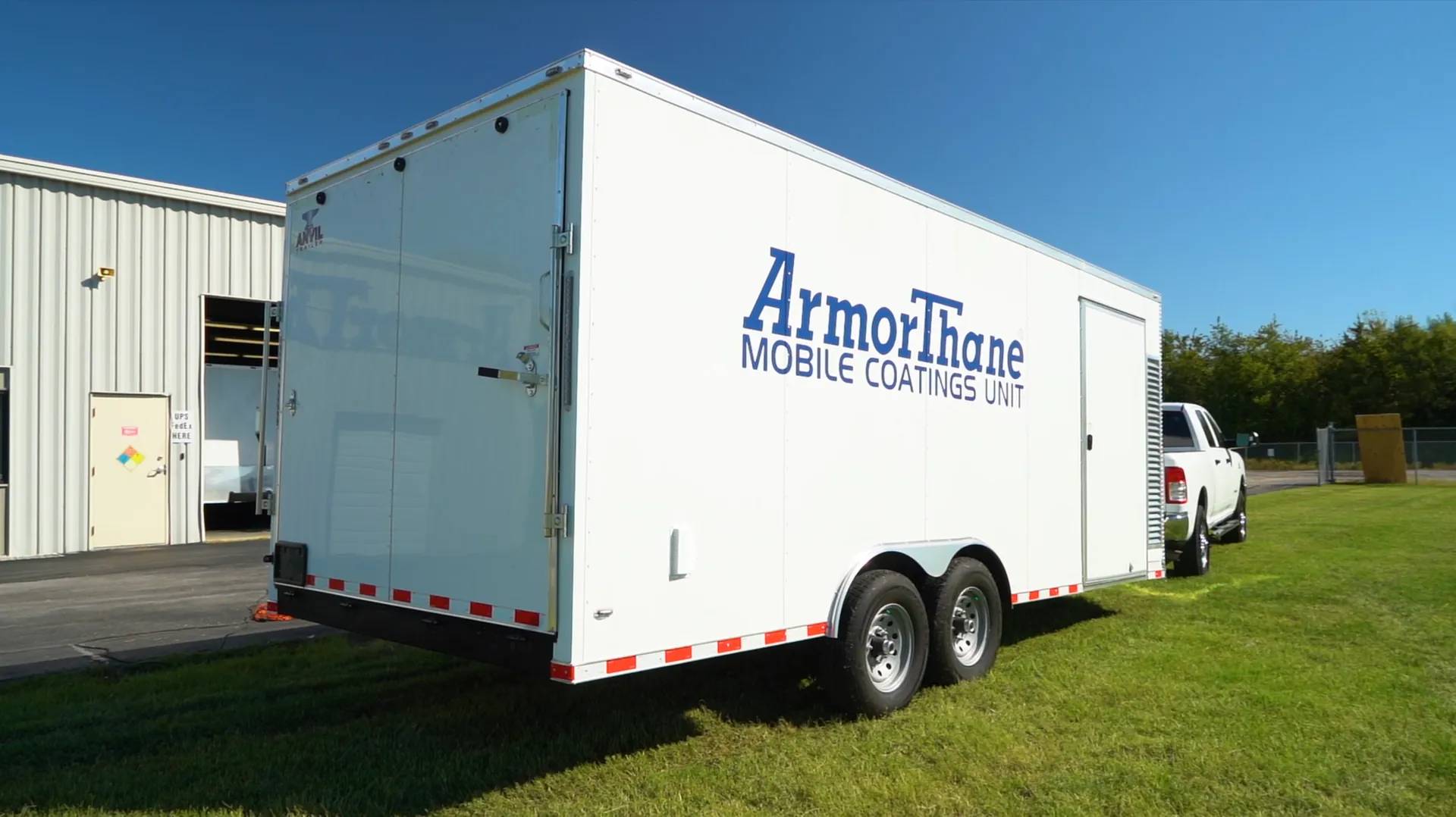
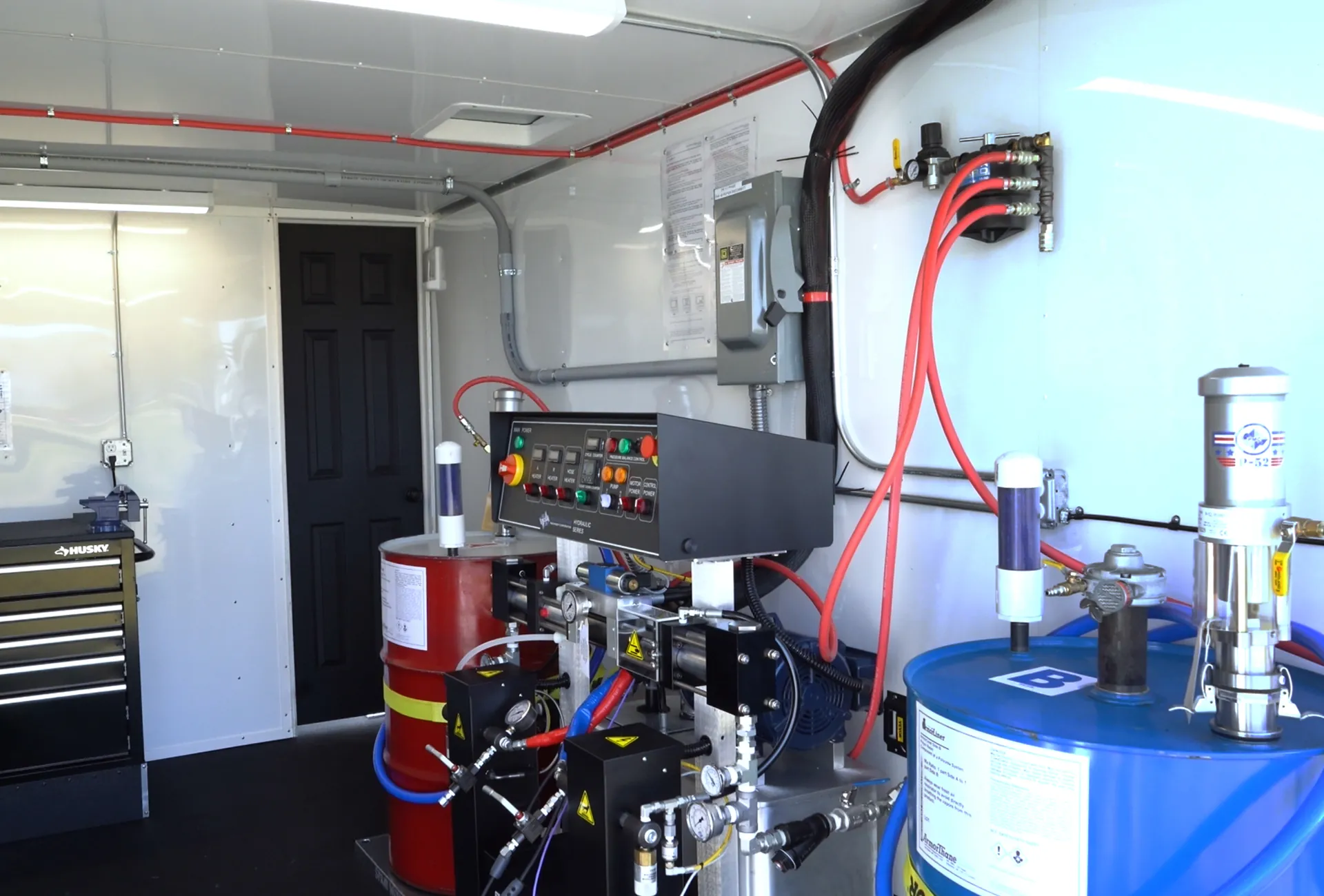
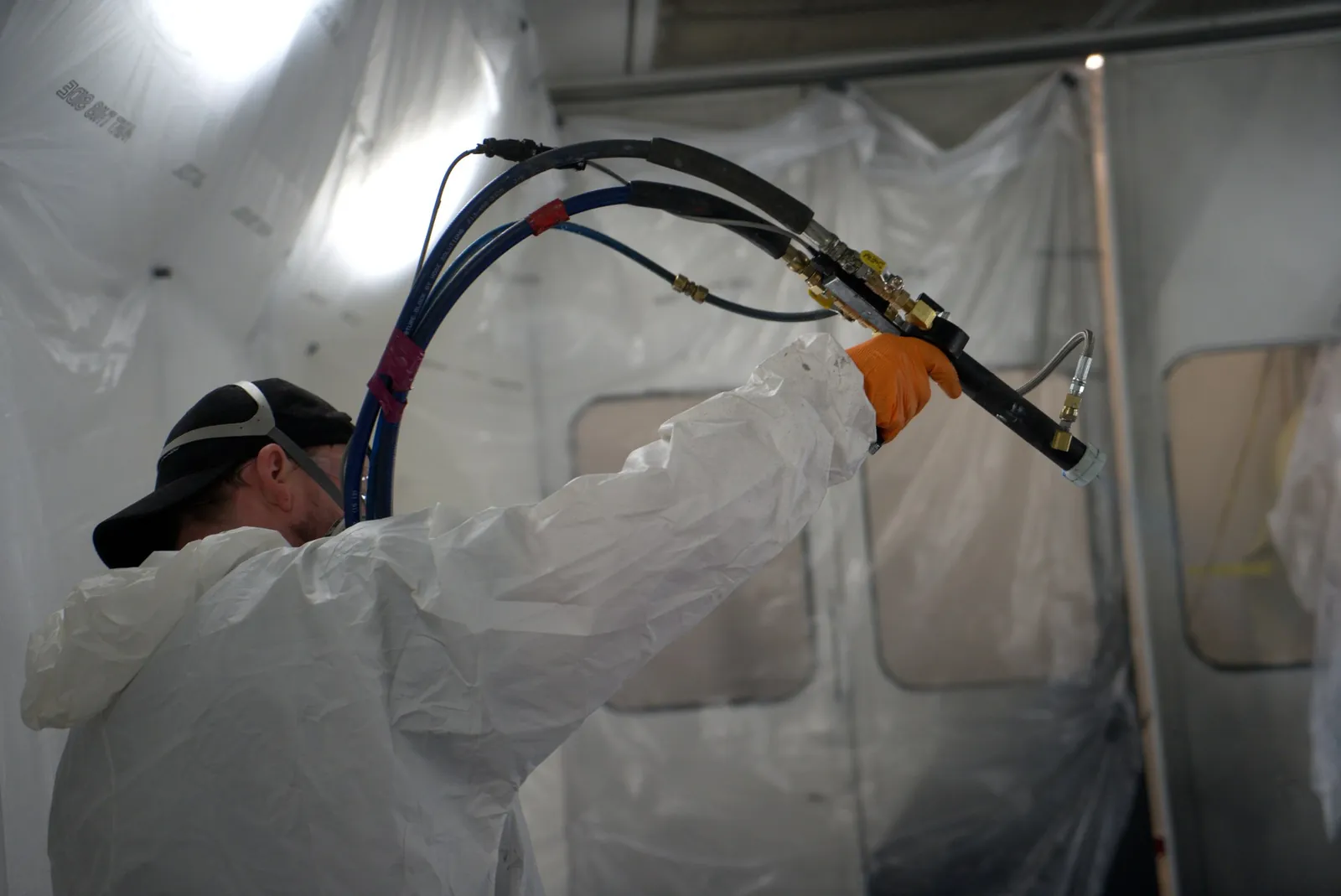
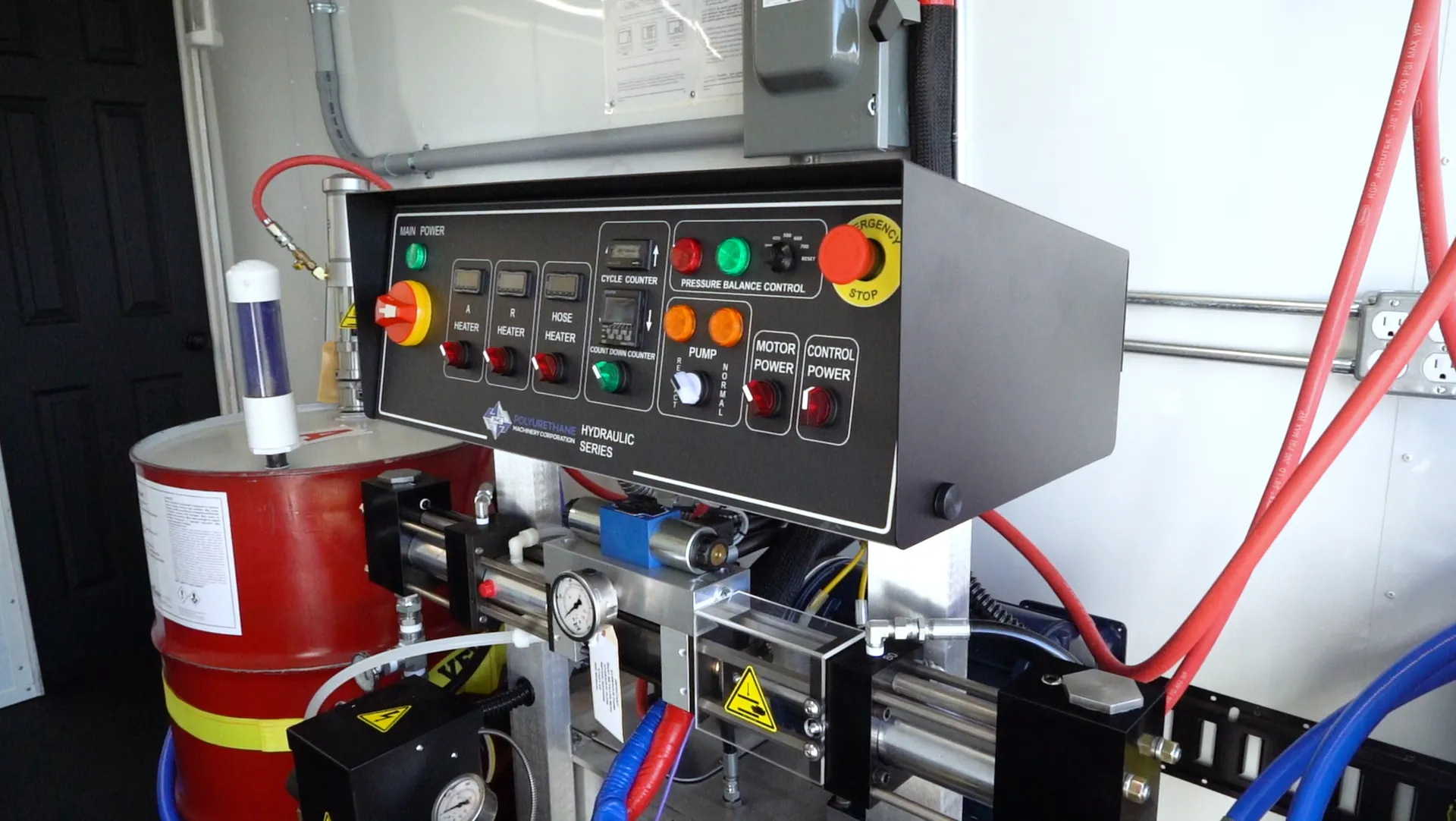
- $0
- franchise fees or royalties
- 35+
- years in business
- 50+
- countries with applicators
- 24/7
- technical support
Most homeowners pay about $2,500–$8,000 to waterproof a basement, and national averages cluster near $5,000 (Angi: $5,241, July 2026). A full interior drain and sump system typically runs $6,000–$12,000; digging out and membraning the outside, $10,000–$18,000 (HomeGuide, January 2026). Crack injection is $250–$800 a crack. And the cheapest fixes, downspout extensions and regrading, solve more wet basements than anyone selling a system will tell you. Price your basement or diagnose the water first.
Basement waterproofing quotes are hard to compare because they're rarely for the same job. One company quotes $1,800 to inject two cracks. Another quotes $14,000 for a drain around the whole perimeter. A third wants to dig. All three might be honest. So this page prices waterproofing the way contractors actually bid it: by the linear foot of wall for drains and by the square foot of wall for membranes, with every unit cost dated and sourced.
We're ArmorThane. We make the sprayed polyurea that certified applicators use for exterior foundation membranes, so we have a horse in this race. That's exactly why we'll say it plainly: a membrane is the right answer for some basements, and a $15 downspout extension is the right answer for others. You'll see both here, plus a diagnostic tool, a quote checker and the code text nobody else quotes.
- 1Basement waterproofing cost calculator
- 22026 prices: what people pay
- 3Interior vs exterior waterproofing cost
- 4Cost by method (full price list)
- 5Diagnose it first: which fix do you need?
- 6When gutters, grading or a sump is the real fix
- 7Dampproofing vs waterproofing: the code
- 8Sprayed polyurea membranes: cost and fit
- 9Is your quote fair? (checker)
- 10DIY: sealer math and water pressure
- 11Is it worth it? Lifespan, insurance, radon
- 12Basement waterproofing cost FAQ
Basement waterproofing cost calculator
Enter your basement's size and pick a plan. The calculator works out the perimeter, prices each part at published 2026 unit costs (per linear foot for drains, per square foot of wall for membranes) and shows the line items, so you can see what's driving the total. Treat it as a first pass before three quotes, not a quote.
What will waterproofing this basement cost?
Only treating one or two walls? Enter the linear feet. "Depth below grade" is how far the soil comes up the outside of the wall; it sets the exterior membrane area.
| Item | Basis | Low–high | Typical |
|---|---|---|---|
| Interior perimeter drain | 140 ft x $40–$85 | $5,600–$11,900 | $8,750 |
| Sump pit and pump | $600–$2,500 | $600–$2,500 | $1,550 |
Perimeter: 140 ft. HomeGuide’s published range for a full interior system is $6,000–$12,000. An interior drain manages water that gets through the wall; it doesn’t keep the wall itself dry. Ask where the sump discharges and for an airtight lid (radon).
Take these numbers to a certified ArmorThane applicator and compare three written quotes.
How we calculated this: perimeter = 2 x (length + width). Interior = linear feet x $40–$85 plus the sump option. Exterior = linear feet x $30–$90 for a deep perimeter drain at the footings, plus linear feet x depth x the membrane's price per square foot, plus $300–$1,000 of landscape restoration, plus the sump option if the footing drain can't drain by gravity. Add-ons at the published ranges in the price list. "Typical" is the midpoint. Estimates only; access, soil, obstacles (decks, driveways, patios) and region move real quotes.
How much does it cost to waterproof a basement in 2026?
Most published guides put a typical job between about $2,500 and $8,000, with averages right around $5,000. That's our median of the low and high ends of eleven published ranges below. Full systems cost more: HomeGuide puts interior systems at $6,000–$12,000 and exterior at $10,000–$18,000.
Published basement waterproofing costs, side by side
| Source (date) | Typical range | Average | Interior | Exterior |
|---|---|---|---|---|
| Angi (Jul 2026) | $2,461–$8,202 | $5,241 | avg $3,000 | avg $7,000 |
| HomeGuide (Jan 2026) | $6,000–$18,000 | – | $6,000–$12,000 | $10,000–$18,000 |
| Fixr (Feb 2026) | $3,000–$10,000 | ≈$5,000 | – | – |
| Thumbtack, foundation (Jun 2026) | $1,886–$5,946 | – | – | – |
| Elevation Basements (Apr 2026) | $2,500–$15,000 | – | – | – |
| KC Waterproofing (Feb 2025) | $1,920–$6,320 | – | – | – |
| Forbes Home (Dec 2024) | $3,000–$10,000 | ≈$5,000 | $5,250 | $8,500 |
| Bob Vila (Jun 2024) | $2,300–$7,575 | $4,920 | $200–$3,000 | $1,000–$15,000 |
| Polyguard (Aug 2023) | $2,000–$7,000 | ≈$5,000 | – | – |
| DRYLOK (undated) | $3,000–$8,000 | – | – | – |
| Modernize (undated) | $1,500–$7,000 | ≈$5,000 | – | – |
| Median band | $2,461–$8,000 | ≈$5,000 | Full systems: see HomeGuide | |
Why "per square foot" prices mislead
You'll see $3–$10 per square foot everywhere (Angi, Fixr; Forbes says $3.50–$8). Look at their size tables and you'll find that square foot is the basement floor: a 1,000 sq ft basement is $3,000–$10,000. But nobody waterproofs a floor by the square foot. Drains are bid by the linear foot of wall. Membranes are bid by the square foot of wall. Crack injection is bid per crack.
That matters because a long, narrow basement has more wall per square foot of floor than a square one, and because most jobs don't treat every wall. A 1,000 sq ft basement with one leaky wall might need 35 feet of drain. The same basement with water on all four sides needs about 128.
Cost by basement size
Here's the per-square-foot rule of thumb next to what a full-perimeter system costs by our math at the same published unit prices.
| Basement floor | Perimeter | Published ($3–$10/sq ft) | Full interior drain + sump | Full exterior dig + membrane |
|---|---|---|---|---|
| 500 sq ft | 90 ft | $1,500–$5,000 | $4,200–$10,200 | $5,500–$13,600 |
| 750 sq ft | 111 ft | $2,250–$7,500 | $5,000–$11,900 | $6,700–$16,400 |
| 1,000 sq ft | 128 ft | $3,000–$10,000 | $5,700–$13,400 | $7,700–$18,800 |
| 1,250 sq ft | 143 ft | $3,750–$12,500 | $6,300–$14,600 | $8,600–$20,900 |
| 1,500 sq ft | 157 ft | $4,500–$15,000 | $6,900–$15,800 | $9,400–$22,800 |
| 2,000 sq ft | 181 ft | $6,000–$20,000 | $7,800–$17,900 | $10,800–$26,100 |
Interior vs exterior basement waterproofing cost
Interior waterproofing collects water after it gets through the wall and pumps it out; it typically costs $6,000–$12,000 for a full system. Exterior waterproofing digs down to the footing, seals the outside of the wall and adds a footing drain so water never reaches the inside; it typically costs $10,000–$18,000 (HomeGuide). Exterior is the more effective approach and the more expensive one.
| Interior drain + sump | Exterior excavation + membrane | |
|---|---|---|
| What it does | Channels water that enters at the wall and floor joint to a sump, then pumps it out | Seals the outside face of the wall and drains the footing, so water doesn't enter the wall |
| Typical full system | $6,000–$12,000 (HomeGuide); avg $3,000 (Angi) | $10,000–$18,000 (HomeGuide); avg $7,000 (Angi) |
| Unit cost | $40–$85 per linear foot (Fixr: $40–$120), plus sump $600–$2,500 | $30–$90 per linear foot of footing drain, plus $4–$7 per sq ft of wall for a membrane |
| Disruption | Jackhammering a strip of slab around the inside; no yard work | Excavating the yard to the footing; decks, walks, plantings and driveways get in the way |
| Wall stays dry? | No. Water still enters the wall; it's managed | Yes, when the membrane and drain are done right |
| Expected life | Drains and sumps 20–30 years with upkeep; pumps 5–30 years (HomeGuide) | Membranes "typically 10 to 15 years" (HomeGuide); varies a lot by product |
| Best for | Existing homes with seepage at the floor-wall joint; tight budgets; landscaped yards | New construction, finished basements, severe or constant water, or when you're excavating anyway |
| Watch out for | Power outages, pump failure, discharge location, open sump lids (radon) | Damage during backfill, clogged footing drains, access obstacles |
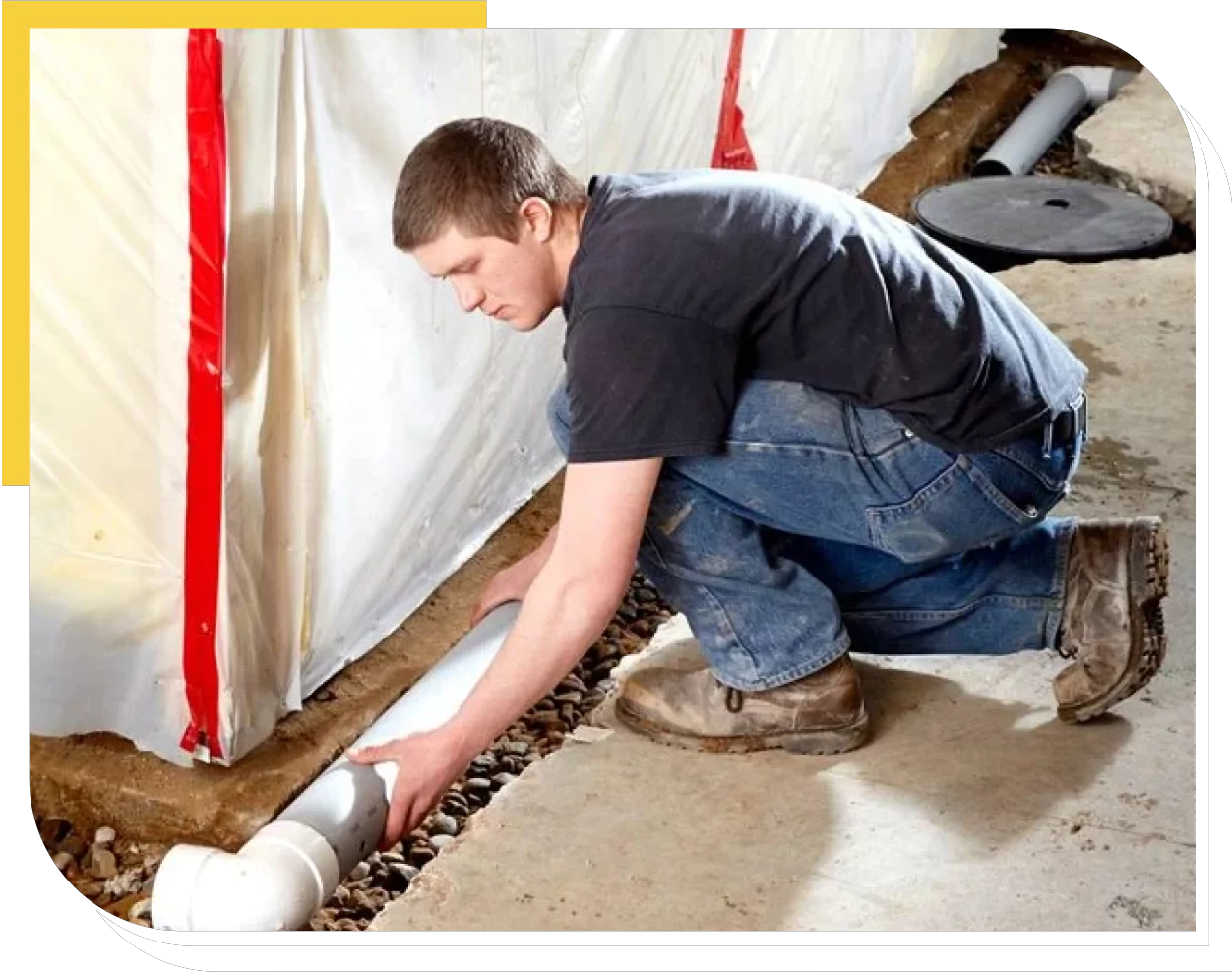
Interior drain and sump: what you're paying for
A crew cuts a strip of slab around the perimeter, digs a trench, lays perforated pipe in gravel, and slopes it to a sump basin. The pump lifts the water out and away from the house. HomeGuide's example of a 200-foot perimeter with two sump pumps lands at $8,000–$17,000. Most of the cost is labor: breaking and re-pouring concrete isn't quick.
It works because it gives water a path that's easier than coming through the floor. It doesn't keep the wall itself dry, so walls often get a dimpled plastic sheet that directs wall seepage down into the drain. Budget a battery backup ($150–$800) if the basement is finished, because the pump is now doing the job the soil used to do.
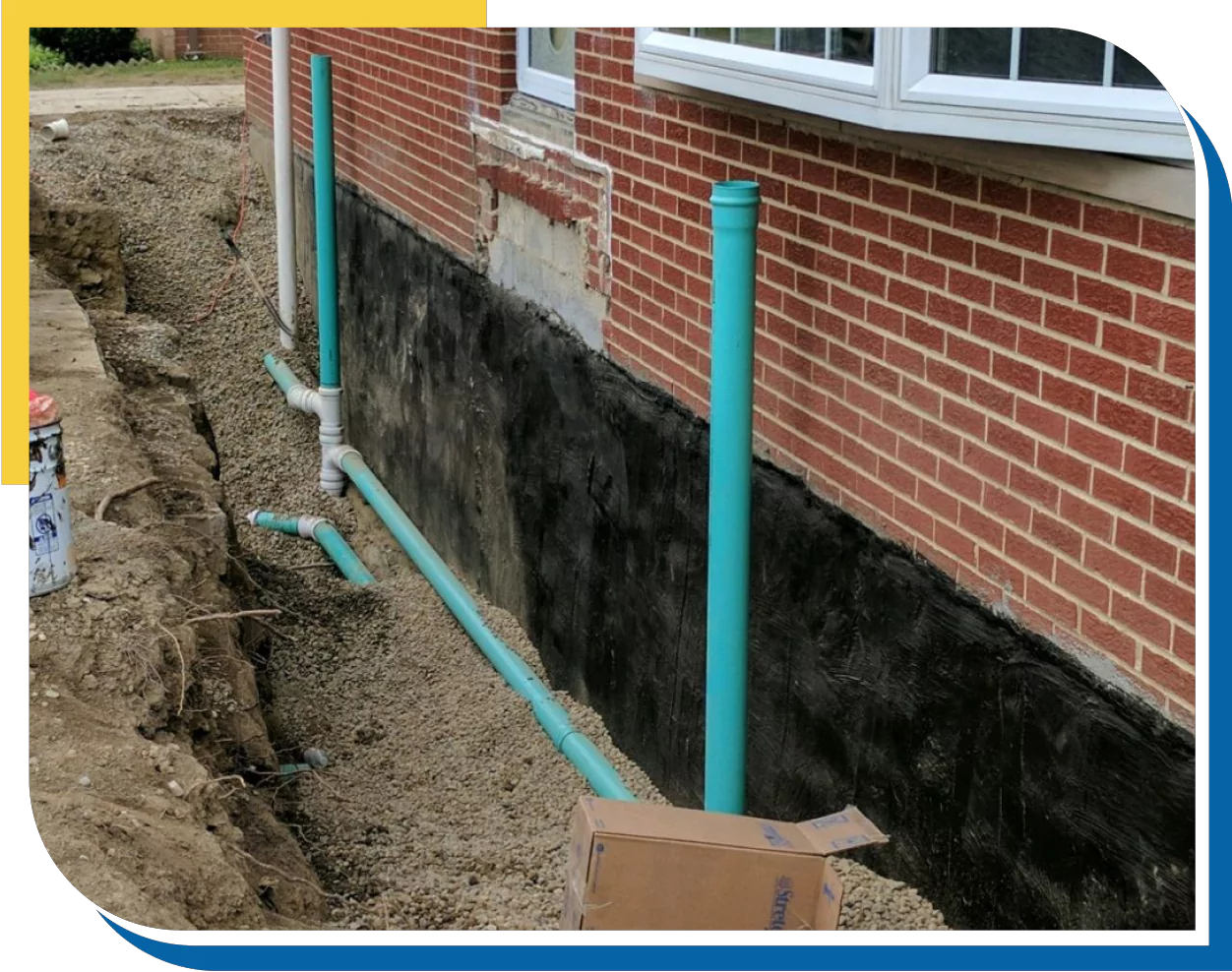
Exterior excavation and membrane: what you're paying for
The crew digs a trench along the wall to the footing, cleans and repairs the wall, applies a membrane, installs a perforated footing drain in gravel, adds drainage or protection board, and backfills. HomeGuide prices deep perimeter drains at the footings at $30–$90 per linear foot ($4,500–$22,500 for 150–250 feet) and membranes at $4–$7 per square foot installed.
The dig is the expensive part, and it's the same no matter which membrane goes on. That's the key to comparing exterior quotes. A premium membrane adds dollars per square foot of wall; it doesn't double the job. See how basement walls leak, by wall type for why poured, block and clay-tile walls each fail in their own spots.
Doing both
Belt and suspenders: an exterior membrane with a footing drain, and an interior drain with a sump. It makes sense on sites with a high water table or for a basement you're turning into living space. It also costs the sum of both, so our calculator shows it that way. For most existing homes with seasonal seepage, one well-built system (after the cheap fixes) is enough.
Basement waterproofing cost by method
Every method, from a $10 downspout extension to a whole-house exterior dig, with the unit it's priced by and where the number comes from. Click a column header to sort.
| Method | Where | Unit cost | Typical job | What it fixes | Source (date) |
|---|---|---|---|---|---|
| Downspout extensions | Outside | $10–$75 each | – | Roof water dumped at the wall | Elevation (2026) |
| Replace downspouts | Outside | – | $220–$625 | Same, plus undersized or broken downspouts | HomeGuide (Jan 2026) |
| Regrading | Outside | – | $1,000–$5,000 | Soil sloping toward the house | HomeGuide (Jan 2026) |
| Window-well drain | Outside | $1,000–$2,500 per well | – | Leaks at basement windows | Elevation (2026) |
| Crack injection | Inside | $250–$800+ per crack | – | A leaking, non-structural crack | HomeGuide (Jul 2025) |
| Waterproof paint or sealer | Inside | $2–$10 per sq ft installed | DIY: $35–$49 per gallon | Minor dampness through bare masonry | HomeGuide (Jan 2026); DRYLOK |
| Interior perimeter drain | Inside | $40–$85 per linear ft | $4,000–$17,000 | Seepage at the floor-wall joint | HomeGuide (Feb 2026) |
| Sump pump, new pit | Inside | – | $600–$2,500 | Water collected by drains | HomeGuide (Aug 2023) |
| Sump pump, replacement | Inside | – | $400–$700 | A failed or worn pump | HomeGuide (Aug 2023) |
| Battery backup pump | Inside | – | $150–$800 | Power outages during storms | HomeGuide (Aug 2023) |
| Dehumidifier | Inside | – | $130–$300 portable; $1,500–$3,500 whole-house | Condensation, musty air | HomeGuide (Jan 2026) |
| Exterior footing drain | Outside | $30–$90 per linear ft | $4,500–$22,500 for 150–250 ft | Groundwater at the footing | HomeGuide (Feb 2026) |
| Sheet or liquid membrane | Outside | $4–$7 per sq ft of wall | – | Water through the wall | HomeGuide (Jan 2026) |
| Sodium bentonite | Outside | $2–$5 per sq ft | – | Water through the wall | Fixr (Feb 2026) |
| Sprayed polyurea membrane | Outside | From $8 per sq ft installed | – | Water through the wall; seamless | ArmorThane |
| Full exterior system | Outside | – | $10,000–$18,000 | All of the above, outside | HomeGuide (Jan 2026) |
| Structural engineer | Both | – | $500–$3,000 | Diagnosing wide, horizontal or bowing cracks | HomeGuide (Jul 2025) |
| Wall anchors | Structural | $500–$1,000 each | – | Bowing walls | HomeGuide (Jul 2025) |
| Carbon fiber straps | Structural | $900–$2,000+ per crack | – | Bowing walls under about 2 in. | HomeGuide (Jul 2025) |
| Mold remediation | Inside | – | $500–$3,500 (Angi); $1,500–$15,000 (HomeGuide) | Damage already done | Angi (Jul 2026); HomeGuide |
| Permit | – | – | $75–$500 | Required in some towns | Angi (Jul 2026) |
Diagnose it first: which basement fix do you need?
Where and when the water shows up tells you most of what you need to know. Damp walls on humid summer days point to condensation, which no waterproofing system fixes. Puddles after heavy rain near a short downspout point to surface water. Water at the floor-wall joint most of the year points to groundwater, and that's when drains or a membrane earn their price.
The foil test: condensation or seepage?
Tape a square of plastic wrap or aluminum foil tightly to the damp part of the wall, seal all four edges, and leave it for a day or two. Moisture on the room side means humid indoor air is condensing on a cool wall. Moisture underneath means water is coming through the concrete. Both? You have both problems. It costs nothing and it can save you thousands.
What's causing the water, and what should you fix first?
A screening tool based on University of Minnesota Extension, DOE and EPA guidance. It ranks fixes cheapest-effective first. Structural cracks always go to an engineer; our foundation crack repair guide shows how to tell the difference.
Extend downspouts 4–5 ft or more
UMN Extension says at least 4 ft beyond the wall; DOE says at least 5 ft. Extensions run $10–$75 each and new downspouts $220–$625. It’s the cheapest fix on this list.
Regrade so soil falls away from the wall
DOE: at least ½ in. per foot for the first 10 ft, which is 6 in. of drop. Professional regrading runs $1,000–$5,000; filling low spots against the wall is a reasonable DIY start.
Interior drain and sump
If water still gets in after a season of heavy rain with the fixes above, this is the next step: $40–$85 per linear foot plus the sump.
Waterproofing paint
A wall coating can’t reach water coming in at the floor-wall joint or up through the slab. UMN Extension calls interior coatings a temporary solution.
Screening only, based on UMN Extension, DOE Building America and EPA guidance. Do the foil test above: it’s free and it separates condensation from seepage. Talk to a certified applicator once you know which problem you have.
Three kinds of basement water
Humid air on a cool wall
Summer, sweating walls, foil wet on the room side. Fix: dehumidify to below 60% relative humidity, ideally 30–50% (EPA), and don't ventilate with humid outdoor air (UMN Extension). No waterproofing needed.
Roof and yard runoff
After storms, near downspouts or low spots, at window wells. Fix: extend downspouts, regrade, fix window wells. Often a few hundred dollars.
Water pressing on the wall
Floor-wall joint, floor cracks, most of the year, sump runs a lot. Fix: interior drain and sump, or exterior membrane and footing drain.
University of Minnesota Extension's recommended order is worth copying: control indoor moisture sources, stop ventilating with humid summer air, correct grading, gutters and downspouts, and only then install an interior or exterior drainage system.
When gutters, grading or a sump pump is the real fix
If water shows up after storms and your downspouts empty next to the wall or the ground slopes toward the house, fix those first. Downspout extensions cost $10–$75 each and regrading $1,000–$5,000, against $6,000 and up for a drain system. Give the cheap fixes a season of heavy rain before you pay for more.
Downspouts and gutters
A roof sheds a lot of water, and a downspout concentrates it at one corner of your foundation. UMN Extension says extensions should discharge at least 4 feet beyond the wall, with at least one downspout per 50 feet of eave. The DOE's Building America Solution Center says at least 5 feet (10 feet for underground catchment) and downspouts every 20–50 feet. Either way, a splash block at the corner isn't enough.
Grading
The ground should fall away from the house. DOE's guidance is at least ½ inch per foot for 10 feet, which is 6 inches of drop; UMN Extension says at least 1 inch per foot for 6 feet. Where a neighbor's lot or a driveway leaves less than 10 feet, DOE suggests swales or drains. Building Science Corporation adds an impermeable layer near the wall so rain runs off instead of soaking in.
Window wells
UMN Extension puts it well: window wells are "like a drain right next to the basement wall," and many are built to send water toward the foundation. A cover and a proper drain often fix a "leaky basement" that's really a leaky window well.
A sump pump that works
If you already have a drain tile and sump, a worn pump may be the whole problem. Replacing a pump in an existing pit runs $400–$700; a battery backup adds $150–$800 (HomeGuide). Sump pumps last 5–30 years: pedestal models 10–30, submersibles 5–20. Test yours before the spring rains.
Humidity isn't a leak
Musty air with no puddles is usually a humidity problem. EPA's target is below 60% relative humidity, ideally 30–50%. A portable dehumidifier runs $130–$300; a whole-house unit, $1,500–$3,500 installed (HomeGuide). UMN Extension is blunt that dehumidification "is not a permanent or complete solution" when liquid water is getting in, but for condensation it is the fix.
Dampproofing vs waterproofing: what the code requires
Under the International Residential Code, basement walls that retain earth must at least be dampproofed (R406.1). They must be waterproofed only "in areas where a high water table or other severe soil-water conditions are known to exist" (R406.2). Dampproofing is a thin coating that slows soil moisture; it isn't rated to hold back water under pressure. That's the difference between a cheap coating on a new house and a real membrane.
What each section says
- R406.1 dampproofing: from finished grade to the higher of the top of the footing or 6 inches below the top of the basement floor. Block walls need 3/8-inch portland cement parging first. Allowed: bituminous coating, 3 lb/sq yd acrylic modified cement, 1/8-inch surface-bonding cement (ASTM C887), any R406.2 waterproofing material, or other approved methods.
- R406.2 waterproofing: same height, with one of six listed materials (table below). Membrane joints must be lapped and sealed. No organic-solvent products on EPS insulated concrete forms.
- R405.1 foundation drainage: drains around foundations that enclose habitable or usable space below grade, at or below the top of the footing or below the slab, discharging by gravity or pump. Gravel extends at least 1 foot beyond the footing and 6 inches above it, under a filter membrane. The exception is well-drained Group I soils.
| Listed material (R406.2) | Minimum |
|---|---|
| Hot-mopped felts | Two-ply |
| Roll roofing | 55 lb (25 kg) |
| Polymer-modified asphalt | 40 mil (1 mm) |
| Flexible polymer cement | 60 mil (1.5 mm) |
| Cement-based, fiber-reinforced, waterproof coating | 1/8 in. (3 mm) |
| Solvent-free liquid-applied synthetic rubber | 60 mil (1.5 mm) |
What this means for your quote
On most lots the code only asks for dampproofing, so that's what many existing basements have on the outside. If yours leaks, you're effectively upgrading to waterproofing, and that's why the upgrade costs real money: the only way to reach the outside of an existing wall is to dig. Polyurea isn't one of the six listed materials, so where R406.2 applies, your applicator should be ready to show the building official that the product meets or beats the listed options. Ask about that up front. It's one of the questions in the quote checker.
Code also matters for interior jobs. R405.1 wants drains that discharge "by gravity or mechanical means into an approved drainage system," so ask where your sump water ends up. Pumping it onto the lawn next to the house just sends it around again.
Sprayed polyurea foundation membranes: cost and when they're worth it
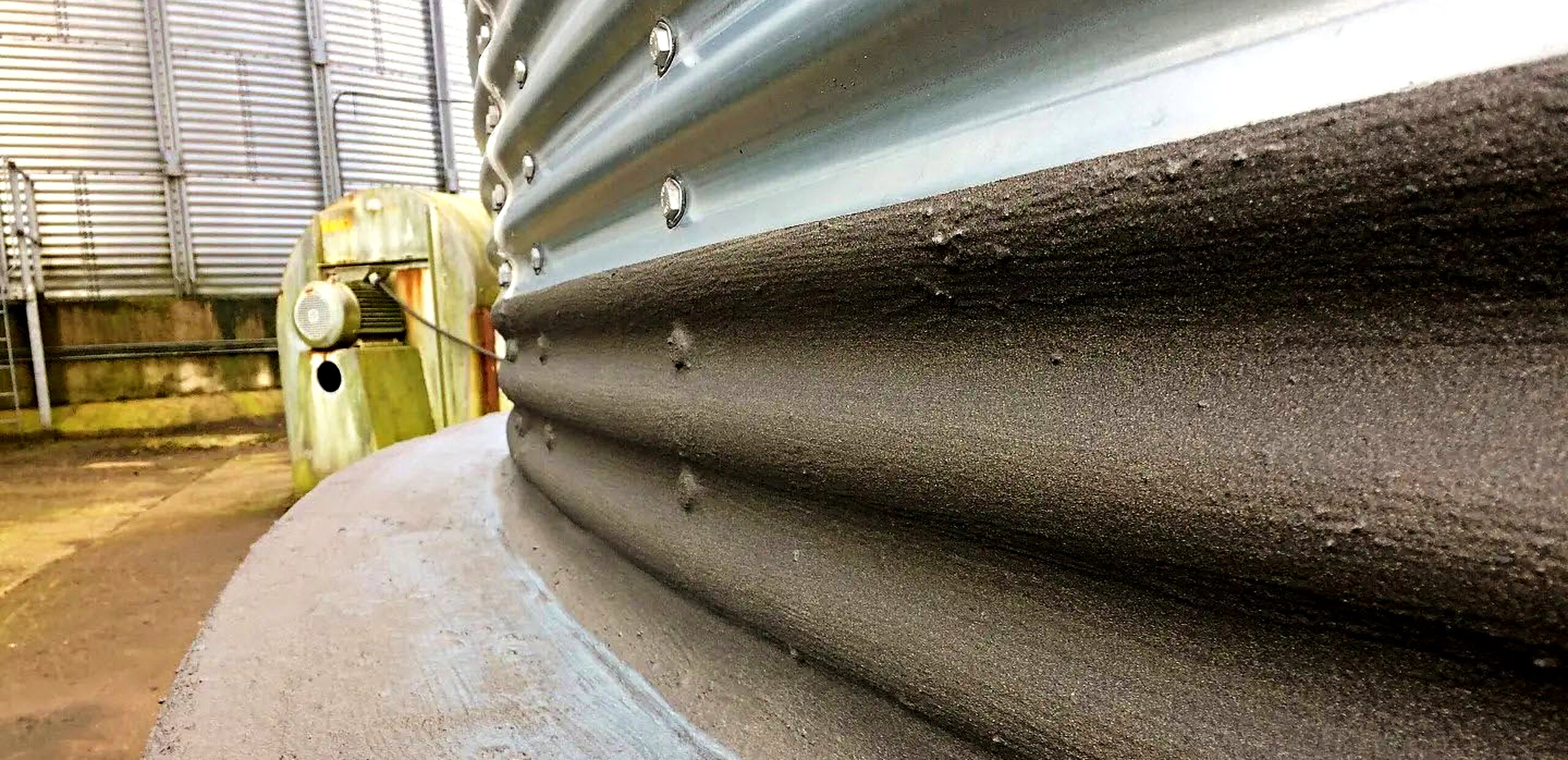
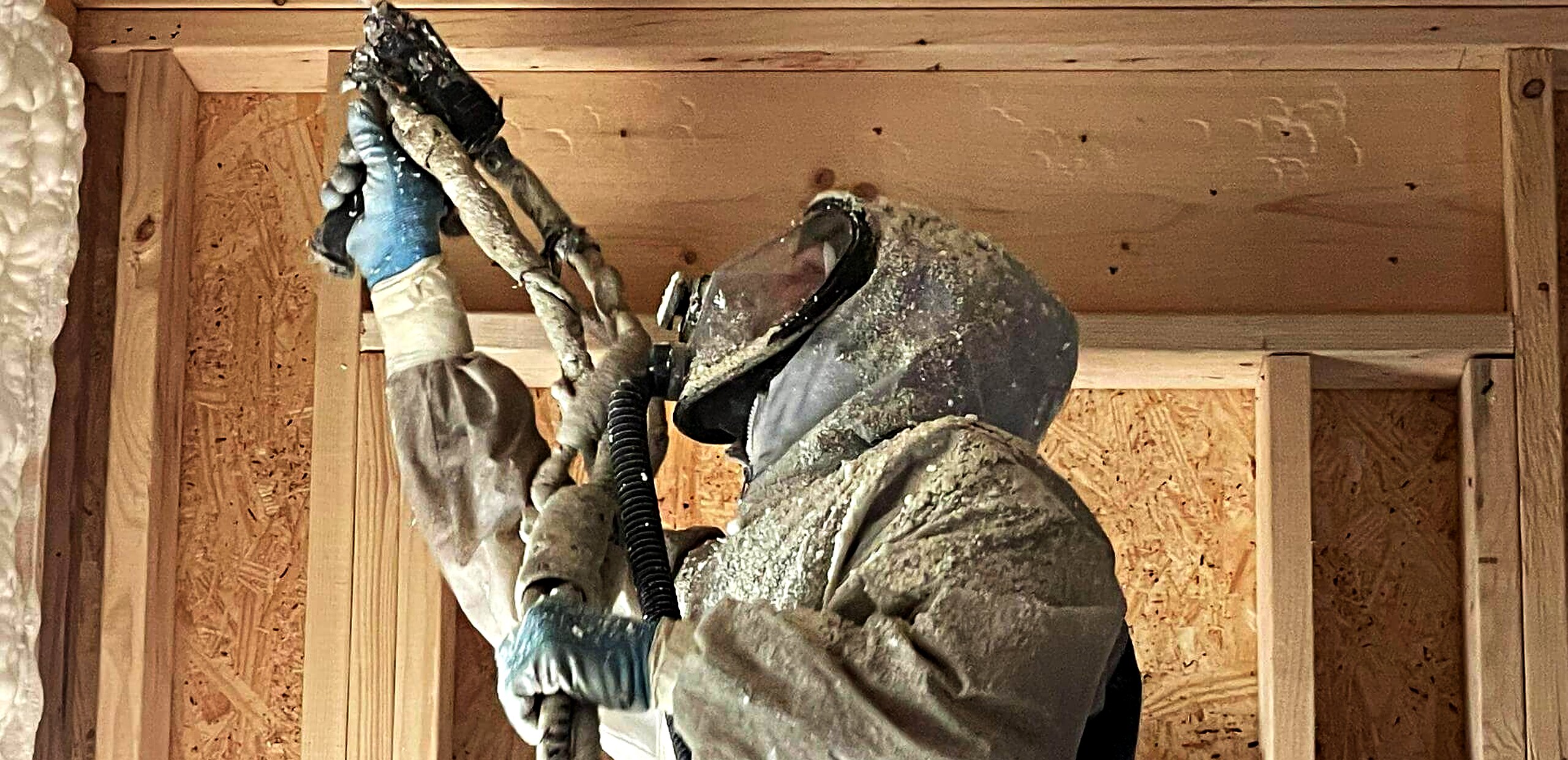
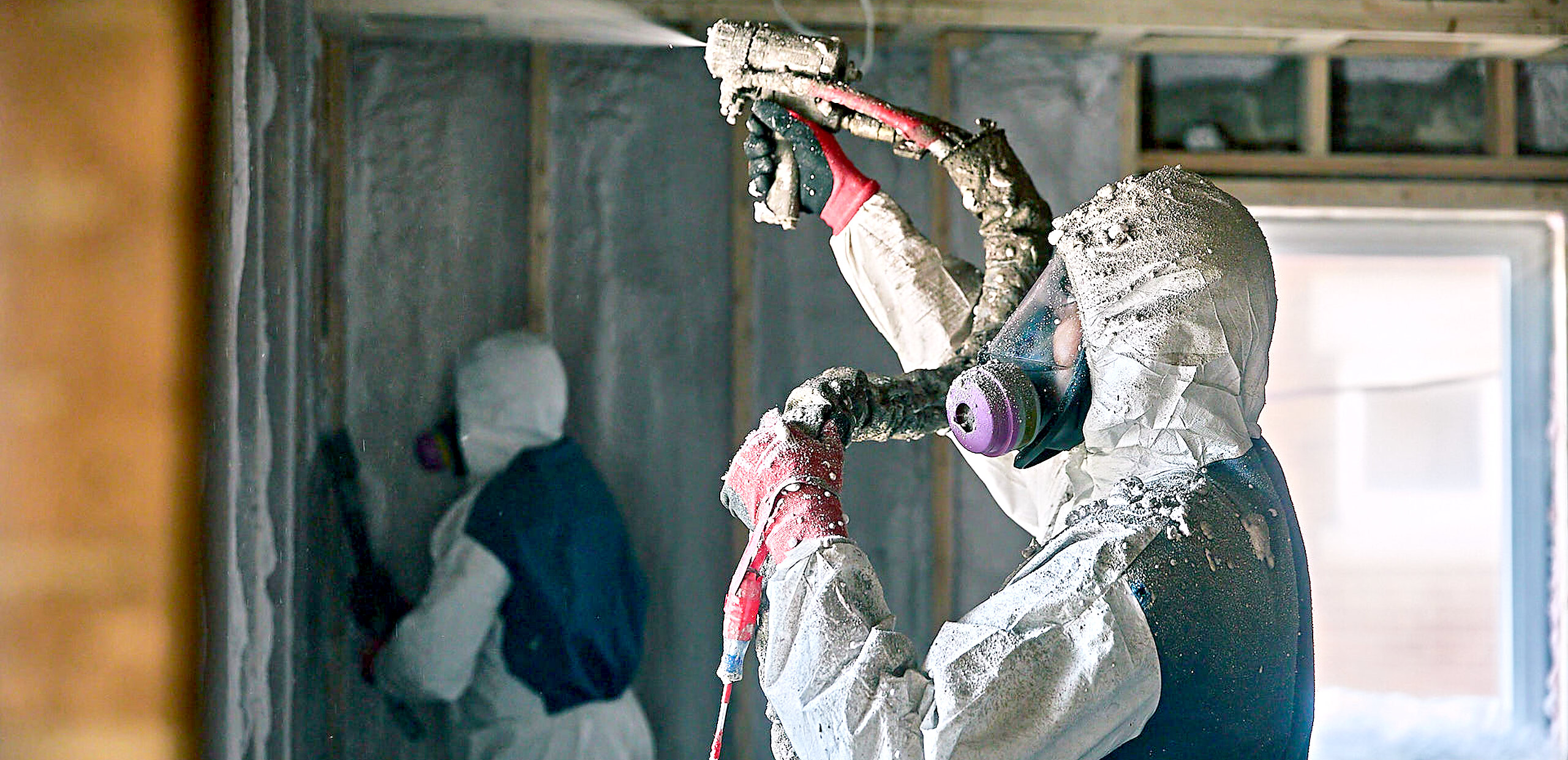
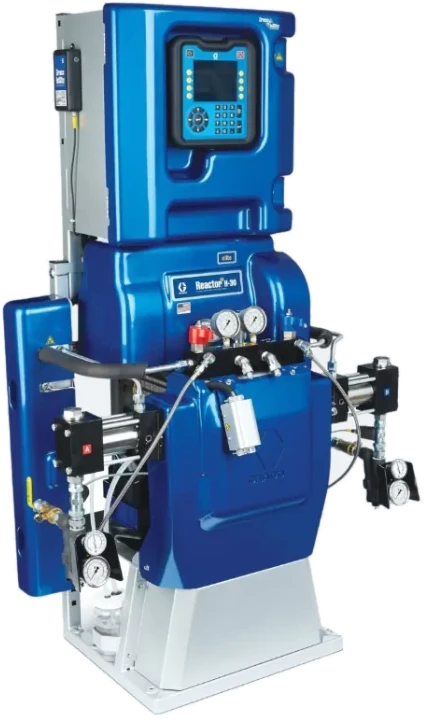
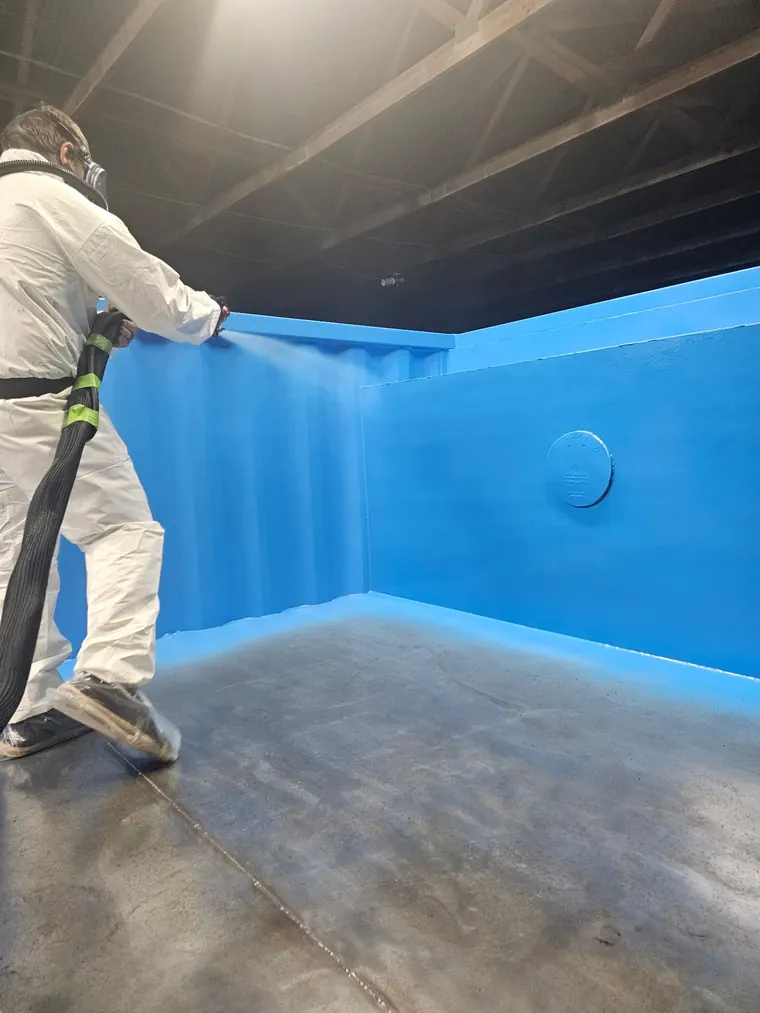
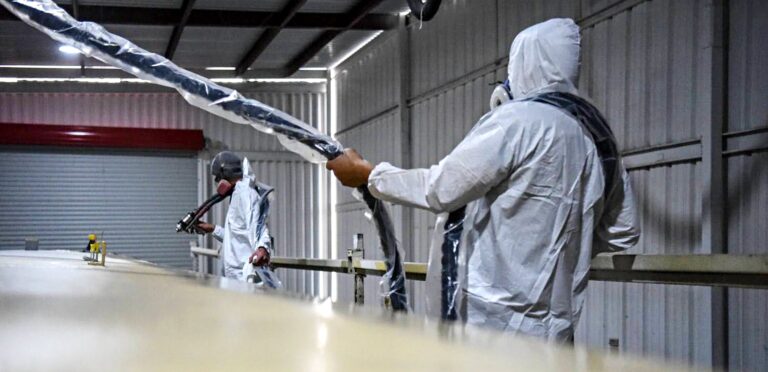
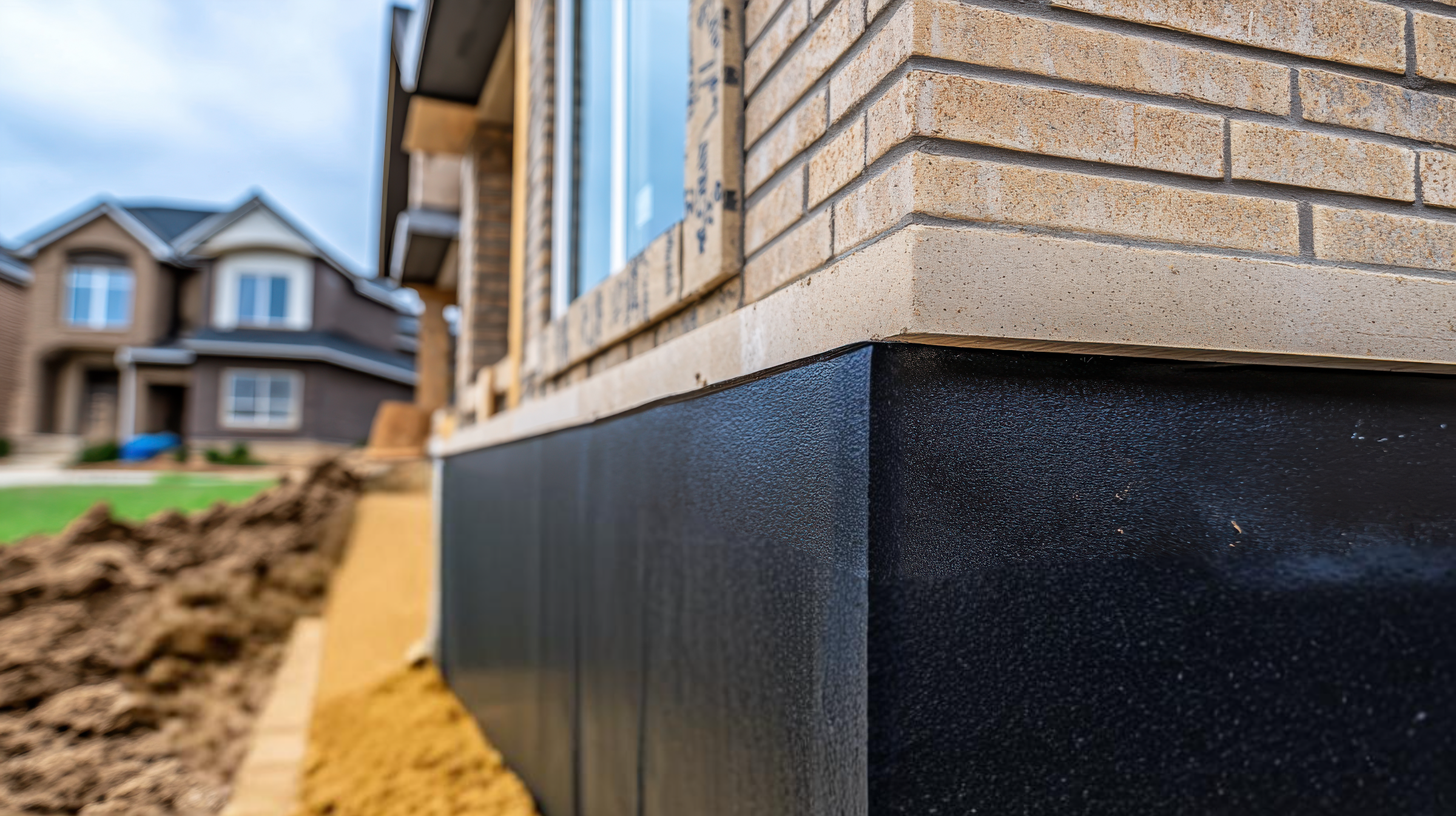
A sprayed polyurea membrane is a two-component, 100% solids elastomer that ArmorThane-certified applicators spray onto the outside of a foundation wall with heated plural-component equipment. It sets in seconds and forms one continuous film with no laps or seams. Our foundation waterproofing guide prices it from $8 per square foot installed, against $4–$7 for conventional sheet and liquid membranes.
What the premium actually costs
On a 40 x 30 basement (140 feet of wall, 7 feet deep), polyurea at $8 a square foot is about $7,840 of membrane. A sheet or liquid membrane at $4–$7 is $3,920–$6,860. Add the same excavation and footing drain to both ($4,200–$12,600 at $30–$90 a foot) and the full jobs come to roughly $12,300–$21,400 for polyurea versus $8,400–$20,500 for a conventional membrane, by our math. The dig dominates. The membrane choice moves the total by a few thousand dollars.
When it's worth it
- New construction, before backfill. The wall is exposed and clean, and it's the cheapest moment you'll ever have to waterproof instead of dampproof.
- You're excavating anyway for a footing drain, a foundation repair or an addition. The dig is paid for; a seamless membrane is a modest upgrade on top.
- Finished basements, where an interior drain means tearing out finished walls and flooring.
- Irregular walls and penetrations. A sprayed film wraps pipes, tie holes and corners without laps.
When it isn't the answer
- Condensation or humidity. A dehumidifier fixes that.
- Surface water from downspouts and grading. Fix those first; they're cheap.
- Groundwater coming up through the slab or at the floor-wall joint where you can't dig. An interior drain and sump is the practical fix there.
- Spraying the inside of the wall as your only defense. UMN Extension calls interior membranes "a temporary solution," and our own foundation guide calls interior (negative-side) systems a second line of defense, best combined with exterior work. We agree. Floors are a different story: see basement floor coatings.
What a good polyurea quote spells out
Film thickness in mils (our foundation guide specifies two 40-mil passes for 80 mils, with a third pass on details), surface prep, primer, holiday (spark) testing to find pinholes before backfill, dry film thickness readings, drainage or protection board over the membrane, and the footing drain. A membrane doesn't relieve water pressure; a drain does. More on the chemistry in polyurea waterproofing and polyurea basement waterproofing.
Installed membrane
Starting rate on our foundation guide. The excavation and drain are priced separately.
Two 40-mil passes
Plus a third pass at penetrations, corners and cold joints.
Before backfill
Spark testing finds pinholes while the wall is still exposed and fixable.
Is your basement waterproofing quote fair?
Enter the quote. The checker converts it to price per linear foot, compares it with the published 2026 unit costs for the same scope, and lists what the quote should say but doesn't. A quote at the high end isn't automatically a rip-off; one far below every range usually means something's missing.
Normalize the quote and find what's missing
Get the linear footage and depth from the contractor. If they won't give them, that's worth noticing.
In range Within the published 2026 range for this scope.
- Ask for a sealed, airtight sump lid (UMN Extension). EPA notes a capped sump can also serve a radon system later.
- No battery backup listed. A backup runs $150–$800 and matters most in a finished basement.
- Ask how the drain can be flushed or inspected (cleanouts or ports).
- Does the warranty cover water coming in, or only the parts? Does it transfer when you sell?
- Nobody checked gutters and grading. Downspouts discharging 4–5 ft out and ground falling away can shrink the job.
- Ask whether a permit is required here (Angi: $75–$500) and who pulls it.
10 questions to ask a basement waterproofing contractor
- What's causing the water, and how did you decide? (Did anyone do a foil test or look at the downspouts?)
- How many linear feet, and on which walls?
- Where does the sump discharge, and how far from the house?
- Is the sump lid sealed and airtight? UMN Extension recommends an "airtight, childproof cover," and EPA notes a capped sump can double as a radon suction point.
- Is a battery backup or second pump included?
- For exterior work: which membrane, how many mils, and is it tested before backfill?
- Is there drainage board or protection board over the membrane?
- Who restores the landscaping, walks and driveway, and is it in the price?
- Does the warranty cover water coming in, or only the parts? Does it transfer when you sell?
- Is a permit required here, and who pulls it?
Red flags
- Paint for water at the floor-wall joint. A wall coating can't reach water coming in below it.
- No linear footage or depth. You can't compare a quote without them.
- Pressure to sign today. Our foundation repair guide warns about same-day signing tactics too. Get three quotes.
- A structural crack treated as a leak. Horizontal cracks, stair-step cracks in block and bowing walls need an engineer first ($500–$3,000, HomeGuide).
DIY basement waterproofing: sealer math and water pressure
The DIY-friendly fixes are the outside ones: downspout extensions, regrading, window-well covers. Inside, a masonry waterproofer on bare walls can cut minor dampness for a few hundred dollars. DRYLOK rates its masonry waterproofer at 75–100 square feet per gallon with a two-coat minimum, so every 100 square feet of wall takes 2 to 2.7 gallons, at $35–$49 a gallon. Measure the wall, not the floor: a 40 x 30 basement has about 1,100 square feet of 8-foot wall.
Sealer gallons, DIY vs pro cost, and the water pressure on your wall
Coverage and price from DRYLOK. Pro sealing at $2–$10 per sq ft (HomeGuide). Water pressure is physics: 62.4 lb per cubic foot of water.
A pro sealing the same wall at $2–$10 per sq ft (HomeGuide) would charge about $2,200–$10,900. With soil saturated 7.0 ft up the wall, water pushes about 1,529 lb sideways on every foot of wall, 3.0 psi at the footing. That’s 20% of the 15 psi DRYLOK Extreme is rated to stop, so pressure alone rarely defeats a well-applied coating; bond failures over paint, efflorescence and cracks do. A wall coating does nothing for water at the floor-wall joint. Run the diagnostic if you’re not sure where the water comes in.
Why sealers fail (it's rarely the pressure)
Saturated soil 7 feet up a wall puts about 3 psi of water pressure at the footing, and roughly 1,500 pounds of sideways force on every foot of wall, by our math. DRYLOK Extreme is "guaranteed to stop water up to 15 psi," which is about 35 feet of water. So pressure alone rarely beats a properly applied coating. What does? DRYLOK's own list: applying over an existing coating, poor surface prep, efflorescence left on the wall, structural cracks ignored, and damp or dirty masonry. The product must go on bare masonry, not over paint.
And a wall coating does nothing for water coming in at the floor-wall joint or up through the slab. That's a drainage problem. UMN Extension's verdict on interior coatings is that "the water is still there," and eventually these systems deteriorate or move the water to another path.
What not to DIY
- Interior drains. Cutting and re-pouring a slab perimeter is heavy, dusty work, and the pit, pump and discharge have to be right.
- Exterior excavation. Deep trenches next to a foundation can collapse. Leave it to a crew with shoring and equipment.
- Anything structural. Our foundation repair guide lists horizontal cracks, cracks wider than ¼ inch and bowing walls as pro-only.
- Sprayed polyurea. It needs heated, high-pressure plural-component equipment. It isn't a DIY product.
Is basement waterproofing worth it? Lifespan, insurance and radon
Usually, if you actually have water. Angi puts water damage repairs at $1,360–$6,290 and mold remediation at $500–$3,500; HomeGuide's mold range runs to $15,000. EPA says materials dried within 24–48 hours usually won't grow mold, and a basement that floods every spring never gets that chance. HomeGuide adds that you may not recoup the full cost at resale, so the payoff is mostly avoided damage and usable space.
How long each fix lasts
| Fix | Published life | Source |
|---|---|---|
| Quality waterproofing systems, overall | 10–30+ years | HomeGuide |
| Interior drains and sumps | 20–30 years with upkeep | HomeGuide |
| Drainage systems | 20–30+ years | DRYLOK |
| Sump pumps | 5–30 years (pedestal 10–30, submersible 5–20) | HomeGuide |
| Exterior membranes | Typically 10–15 years | HomeGuide |
| Masonry waterproofer (DRYLOK Extreme) | 15-year warranty | DRYLOK |
| Sprayed polyurea (HighLine 510H) | No tested service-life figure published | ArmorThane foundation guide |
Does insurance cover it?
Generally not. HomeGuide notes that standard homeowners insurance doesn't cover basement waterproofing or damage from seepage and flooding. Some policies can add water backup coverage for sump or drain failures, so ask your agent what yours includes before you need it.
Radon and your sump
A new sump pit is an open hole into the soil under your house. UMN Extension says the sump should have an airtight cover, and EPA's radon guide notes a capped sump can keep draining water and double as the suction point for a radon system, with drain-tile suction "often effective." EPA doesn't recommend sealing cracks alone to reduce radon. EPA's action level is 4 pCi/L; test after any major basement work.
Finishing the basement? Fix the water first
Water problems get far more expensive once there's drywall and carpet in the way, and an interior drain means cutting the slab next to the walls. Deal with the water, then insulate: our guide to insulating basement walls covers what goes on the wall next. Crawl space instead of a basement? See the crawl space encapsulation guide.
Most crews sell drains. Add the membrane.
A plural-component rig lets a waterproofing crew bid sprayed foundation membranes on new construction, excavation jobs, crawl spaces and floors. We make the polyurea, build the rigs and train your crew. Not a franchise: no franchise fee, no royalties, and startup packages from $25,000.
See the equipment: polyurea spray rigs →
Basement waterproofing cost FAQ
How much does it cost to waterproof a basement?
Most homeowners pay about $2,500–$8,000, and published averages cluster near $5,000 (Angi: $5,241, July 2026). Full systems cost more: HomeGuide puts interior drain-and-sump systems at $6,000–$12,000 and exterior excavation at $10,000–$18,000 (January 2026). Small jobs, like injecting one crack, can be a few hundred dollars.
How much does basement waterproofing cost per linear foot?
An interior perimeter drain runs about $40–$85 per linear foot plus $600–$2,500 for a sump pump (HomeGuide, 2026); Fixr's range is $40–$120. A deep exterior drain at the footings runs $30–$90 per linear foot, and the membrane on the wall adds $4–$7 per square foot. Per-square-foot prices you see elsewhere ($3–$10) are per square foot of basement floor, not wall.
Is interior or exterior basement waterproofing better?
Exterior is more effective because it keeps water out of the wall; University of Minnesota Extension calls exterior drainage the most costly but most effective approach for an existing building. Interior drains are cheaper and less disruptive, and they're the practical fix for water at the floor-wall joint when digging isn't realistic. Try downspouts and grading first either way.
How much does foundation waterproofing cost?
Thumbtack's national range for foundation waterproofing is $1,886–$5,946 (June 2026), but a full exterior dig with a membrane and footing drain typically runs $10,000–$18,000 (HomeGuide). The excavation is the big cost. The membrane itself is $4–$7 per square foot for sheet or liquid products, and a sprayed polyurea membrane starts at about $8 per square foot installed.
Is basement waterproofing worth it?
If you actually have water, usually yes. Water damage repairs run $1,360–$6,290 and mold remediation $500–$3,500 (Angi), and EPA says materials not dried within 24–48 hours can grow mold. HomeGuide notes you may not recoup the full cost at resale, so the payoff is mostly avoided damage and usable space.
How long does basement waterproofing last?
HomeGuide says quality systems last 10–30+ years: interior drains and sumps 20–30 years with upkeep, exterior membranes typically 10–15 years. Sump pumps themselves last 5–30 years depending on type. No tested service-life figure is published for sprayed polyurea membranes like HighLine 510H, so ask any installer for warranty terms in writing.
Does homeowners insurance cover basement waterproofing?
Generally not. HomeGuide notes that standard homeowners insurance doesn't cover basement waterproofing or damage from seepage and flooding. Some policies can add water backup coverage for sump or drain failures, so ask your agent what yours includes.
Do I need a permit for basement waterproofing?
It depends on your town and the scope of work. Where one is required, Angi puts permit fees at $75–$500. Ask the contractor whether your job needs one and who pulls it, and get that in the quote.
Can I waterproof my basement myself?
Some of it. Downspout extensions, regrading low spots, window-well covers, a dehumidifier and a masonry waterproofer on bare walls are all DIY-friendly. Interior drains, exterior excavation, structural cracks and sprayed polyurea are jobs for a pro.
Do I still need a sump pump if my foundation is waterproofed?
Usually you need somewhere for the footing drain to go. The IRC requires foundation drains to discharge by gravity or mechanical means, and a membrane doesn't relieve water pressure; the drain does. If your lot can't drain by gravity, the sump pump is that outlet.
Does waterproofing paint work on basement walls?
For minor dampness through bare masonry, it can. DRYLOK Extreme is rated to stop water up to 15 psi, far more than a typical basement wall sees, but it must go on bare, clean masonry, not over paint or efflorescence. It won't stop water at the floor-wall joint or through the slab, and UMN Extension calls interior coatings a temporary solution.
Why is basement waterproofing so expensive?
Labor. Interior systems mean cutting and re-pouring a strip of slab around the whole basement, and exterior systems mean digging down to the footing and restoring the yard afterward. Materials are a small part of either bill, which is why fixing gutters and grading first can save thousands.
Is polyurea good for basement waterproofing?
On the outside of the wall, it's a strong option: a sprayed, seamless membrane that wraps penetrations and corners without laps, applied by certified applicators with heated plural-component equipment. It still needs a footing drain, and it's most cost-effective on new construction or when the wall is already dug out. Our foundation waterproofing guide has the details.
Written from dated cost guides, IRC code text, university extension research and 35+ years of making polyurea and supporting applicators. Last updated September 26, 2026.
Methodology and sources
Whole-job ranges are the median of the low and high ends of eleven published guides (2023–2026); unit costs are taken from dated cost guides and listed with their dates. Size tables and tool outputs are our calculations from those unit costs, not quotes. Code text is from the 2021 IRC via UpCodes; check the edition and amendments your jurisdiction has adopted. Water pressure uses 62.4 lb per cubic foot. We'll re-pull prices each January.
- Angi, basement waterproofing cost (Jul. 2026): angi.com/articles/how-much-does-basement-waterproofing-cost.htm
- HomeGuide, basement waterproofing cost (Jan. 2026): homeguide.com/costs/basement-waterproofing-cost
- HomeGuide, French drain cost (Feb. 2026): homeguide.com/costs/french-drain-cost
- HomeGuide, sump pump installation cost (Aug. 2023): homeguide.com/costs/sump-pump-installation-cost
- HomeGuide, foundation crack repair cost (Jul. 2025): homeguide.com/costs/foundation-crack-repair-cost
- Fixr, basement waterproofing cost (Feb. 2026): fixr.com/costs/basement-waterproofing
- Thumbtack, foundation waterproofing cost (Jun. 2026): thumbtack.com/p/foundation-waterproofing-cost
- Elevation Basements, basement waterproofing cost (Apr. 2026): elevationbasements.com/learn/basement-waterproofing-cost/
- KC Waterproofing, basement waterproofing costs (Feb. 2025): kcwaterproofing.com/blog/basement-waterproofing-costs/
- Forbes Home, basement waterproofing cost (Dec. 2024): forbes.com/home-improvement/basement/basement-waterproofing-cost/
- Bob Vila, basement waterproofing cost (Jun. 2024): bobvila.com/articles/basement-waterproofing-cost/
- Polyguard, how much does it cost to waterproof a basement (Aug. 2023): polyguard.com/blog/how-much-does-it-cost-to-waterproof-a-basement
- Modernize, basement waterproofing cost: modernize.com/foundations/basement-waterproofing/cost
- DRYLOK, what does basement waterproofing really cost: drylok.com/learn/blog/what-does-basement-waterproofing-really-cost-and
- DRYLOK Extreme Masonry Waterproofer: drylok.com/products/drylok-extreme-masonry-waterproofer
- IRC R406.2, concrete and masonry foundation waterproofing (2021 text, UpCodes): up.codes/s/concrete-and-masonry-foundation-waterproofing
- IRC R406.1, concrete and masonry foundation dampproofing (2021 text, UpCodes): up.codes/s/concrete-and-masonry-foundation-dampproofing
- IRC R405.1, foundation drainage (2021 text, UpCodes): up.codes/s/concrete-or-masonry-foundations
- University of Minnesota Extension, moisture in basements: causes and solutions: extension.umn.edu/garden-and-home/home-maintenance/caring-for-a-home/m
- DOE/PNNL Building America Solution Center, final grade slopes away from foundation: basc.pnnl.gov/resource-guides/final-grade-slopes-away-foundation
- DOE/PNNL Building America Solution Center, gutters and downspouts: basc.pnnl.gov/resource-guides/gutters-and-downspouts
- Building Science Corporation, BSD-103 Understanding Basements: buildingscience.com/documents/digests/bsd-103-understanding-basements
- U.S. EPA, a brief guide to mold, moisture and your home: epa.gov/mold/brief-guide-mold-moisture-and-your-home
- U.S. EPA, Consumer's Guide to Radon Reduction (PDF): epa.gov/sites/default/files/2016-12/documents/2016_consumers_guide_to_
- U.S. EPA, health risk of radon: epa.gov/radon/health-risk-radon
- ArmorThane, foundation waterproofing guide (HighLine 510H): armorthane.com/foundation-waterproofing/
- ArmorThane, polyurea basement waterproofing: armorthane.com/protective-coatings/basement-waterproofing/
- ArmorThane, foundation repair guide: armorthane.com/protective-coatings/foundation-repair/
Digging out or building new? Get a sprayed membrane quote.
Tell us about the foundation: new build or existing, how deep, and where the water shows up. We'll connect you with an ArmorThane-certified applicator who sprays seamless polyurea membranes and puts thickness and prep in writing.
- Exterior foundation walls, new or excavated
- Membrane thickness in mils and holiday testing on the quote
- Crawl spaces and basement floor coatings too
- Contractors: ask about polyurea rigs and training