




Cinder Block Wall Insulation That Works
What an empty, filled or foamed block wall is really worth, which method fits your wall, how to keep water out, what code asks for and what each option costs.
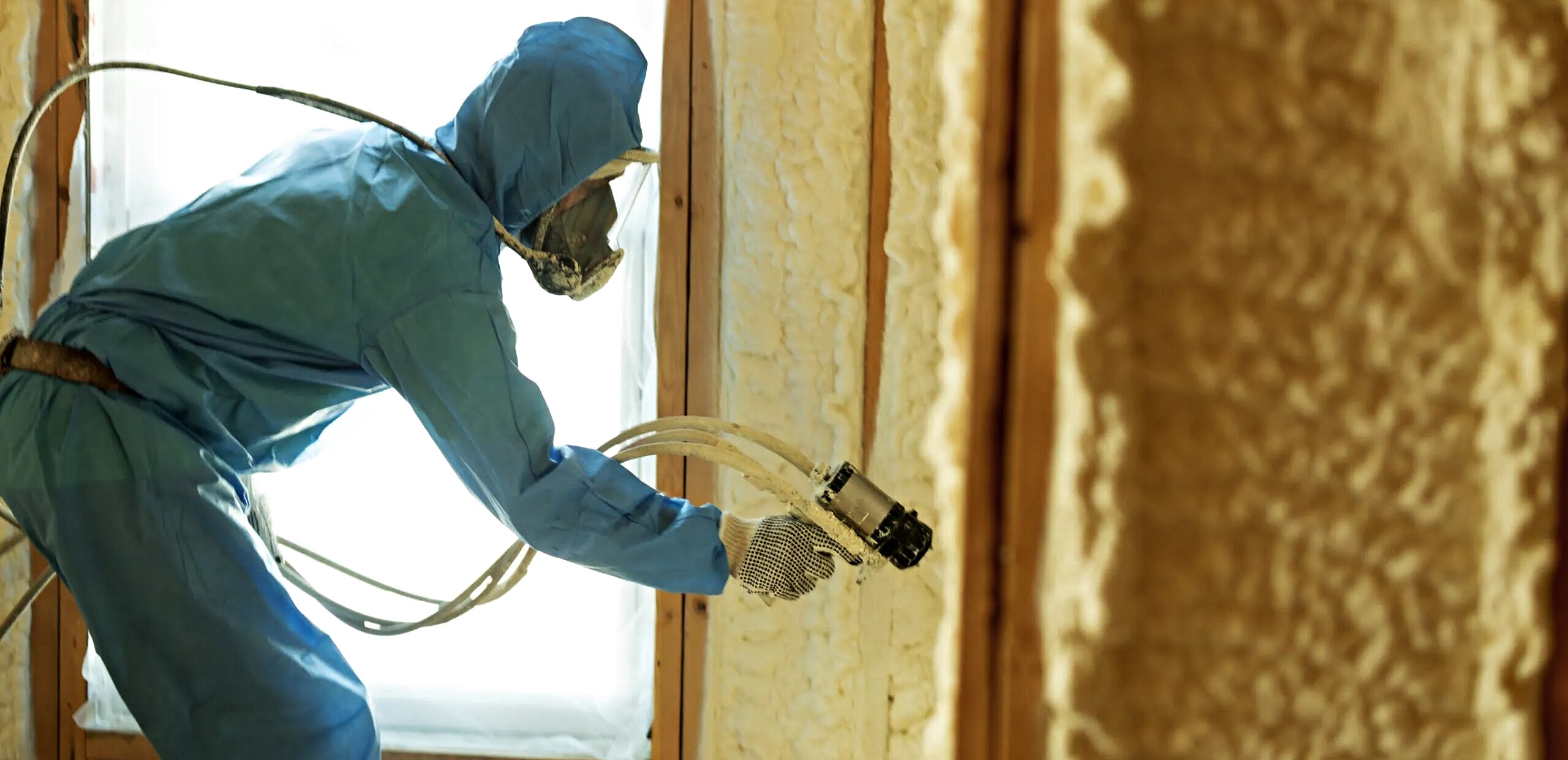
Start a spray foam business
Spray foam for a living.
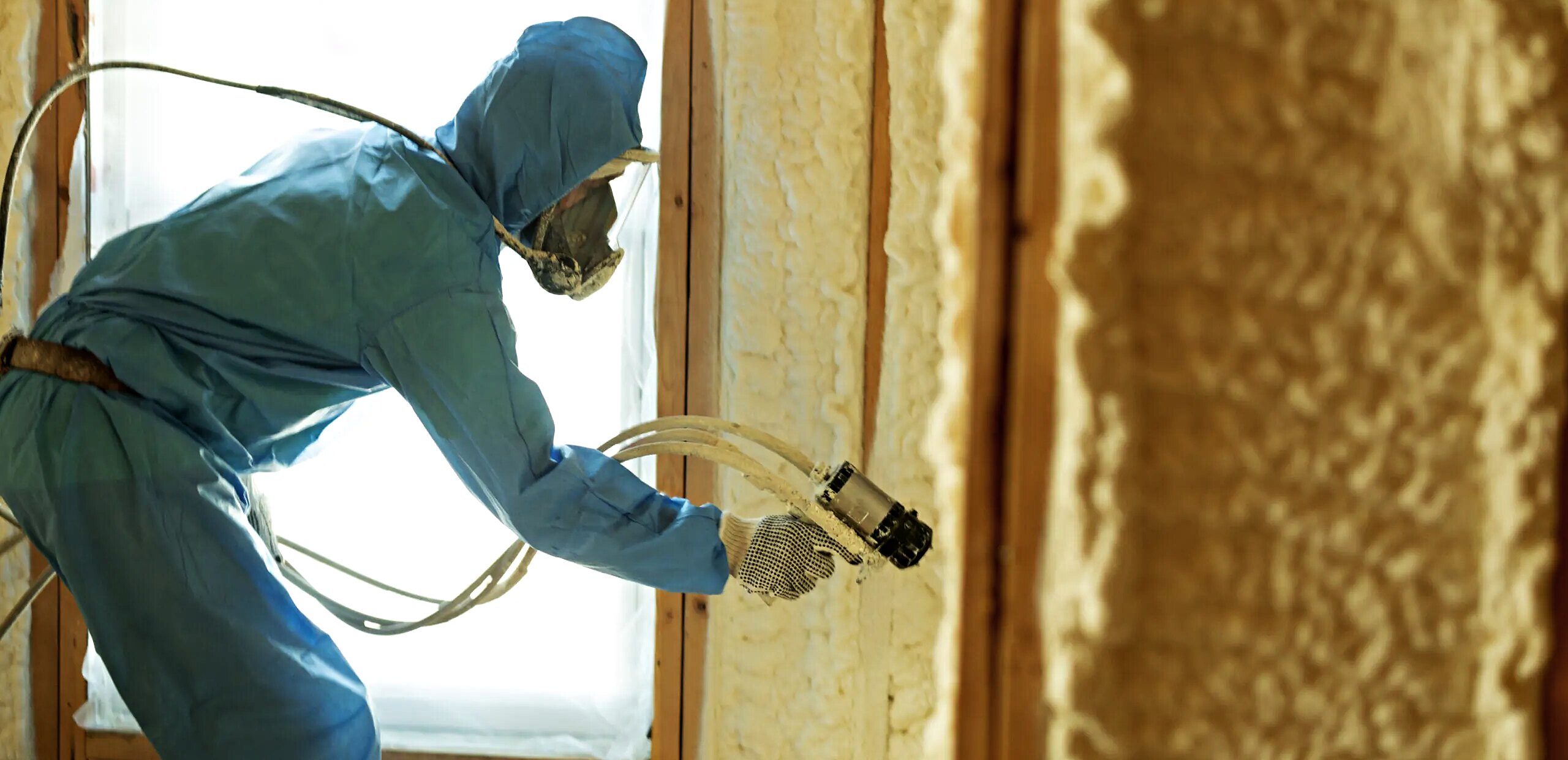
ArmorThane sets you up to do this work, and you own the business. We make the chemistry, build the rigs, train you hands-on and answer the phone when a job gets difficult. You pay no franchise fee and no royalties. It has been that way since 1989.
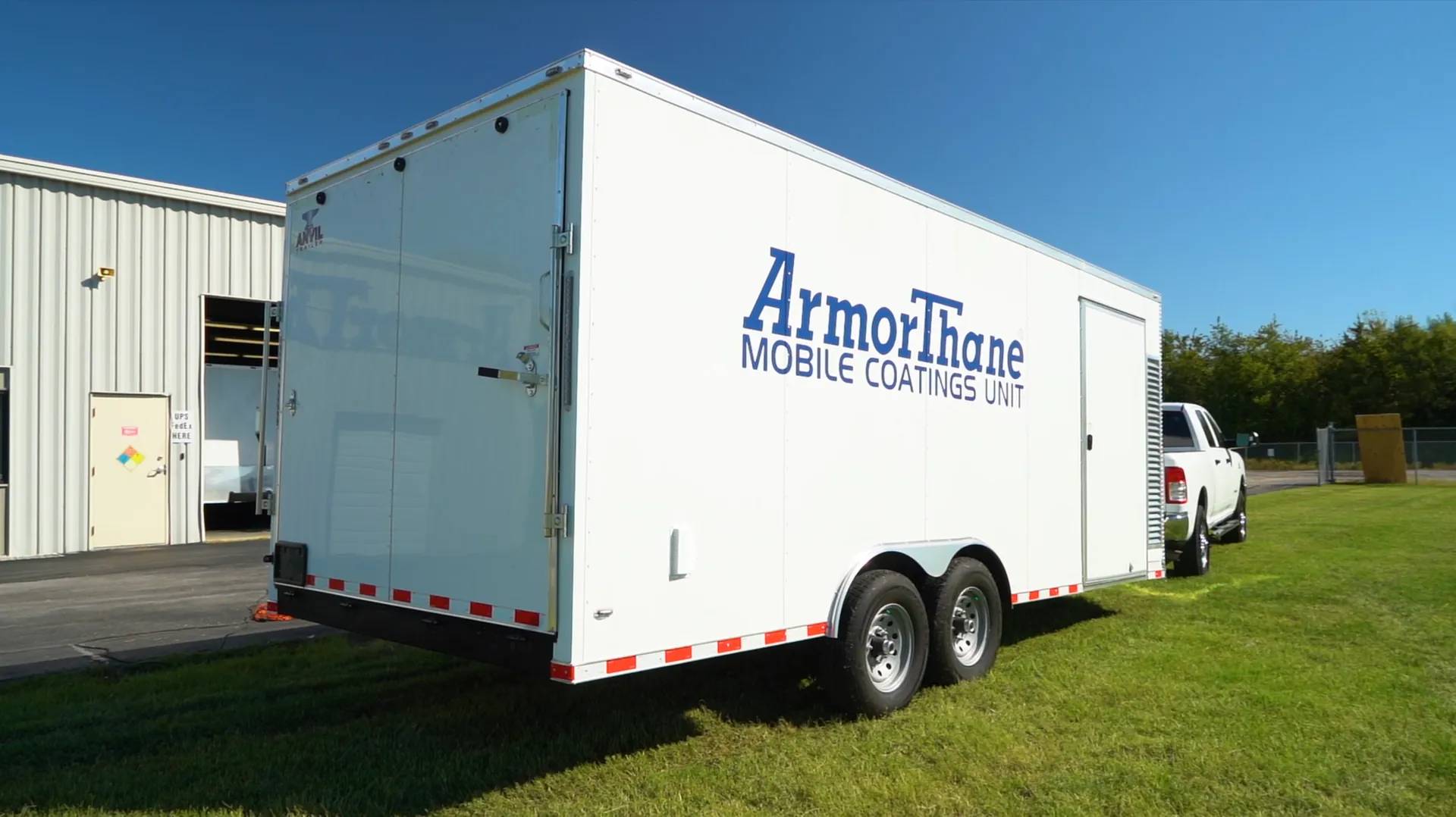
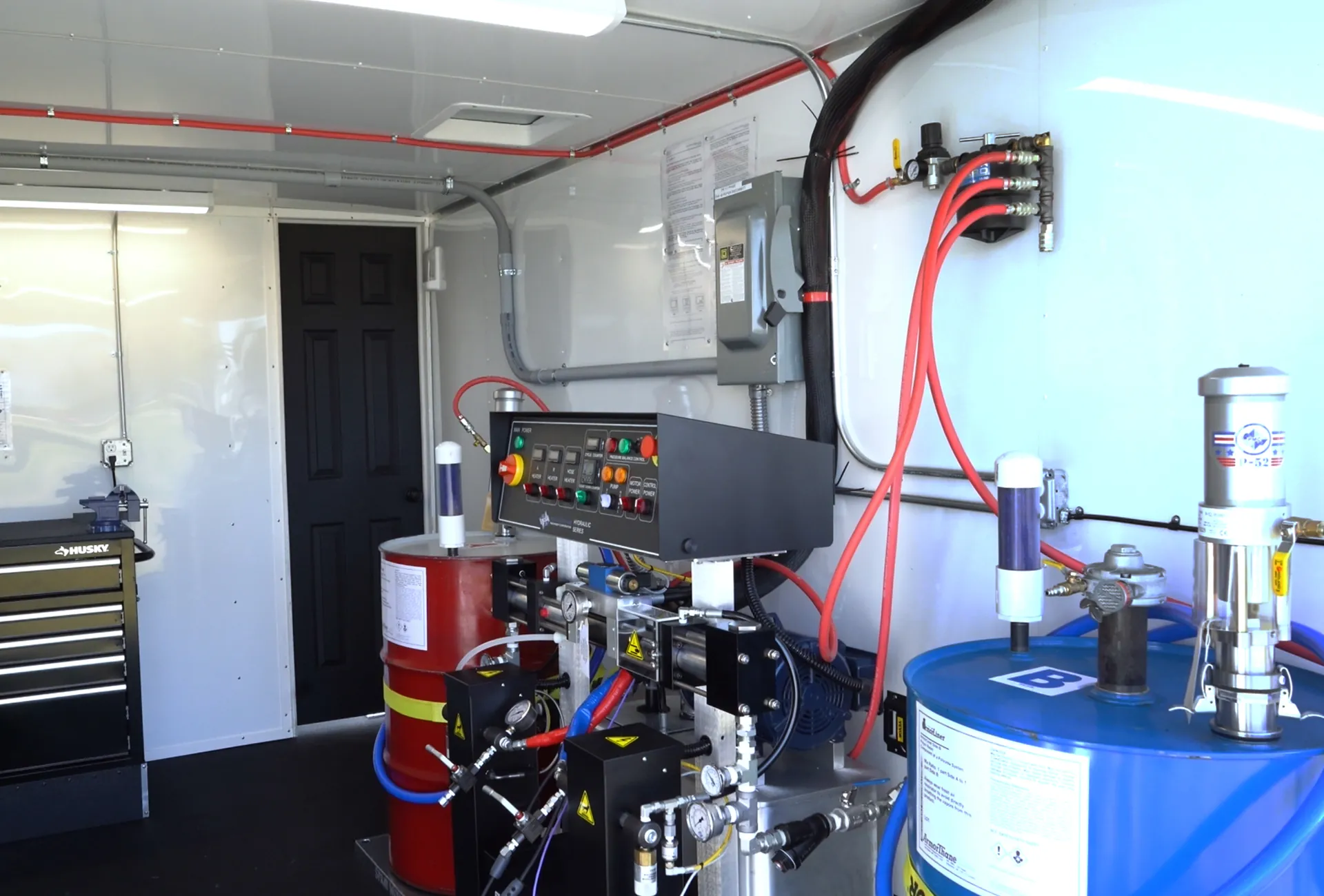
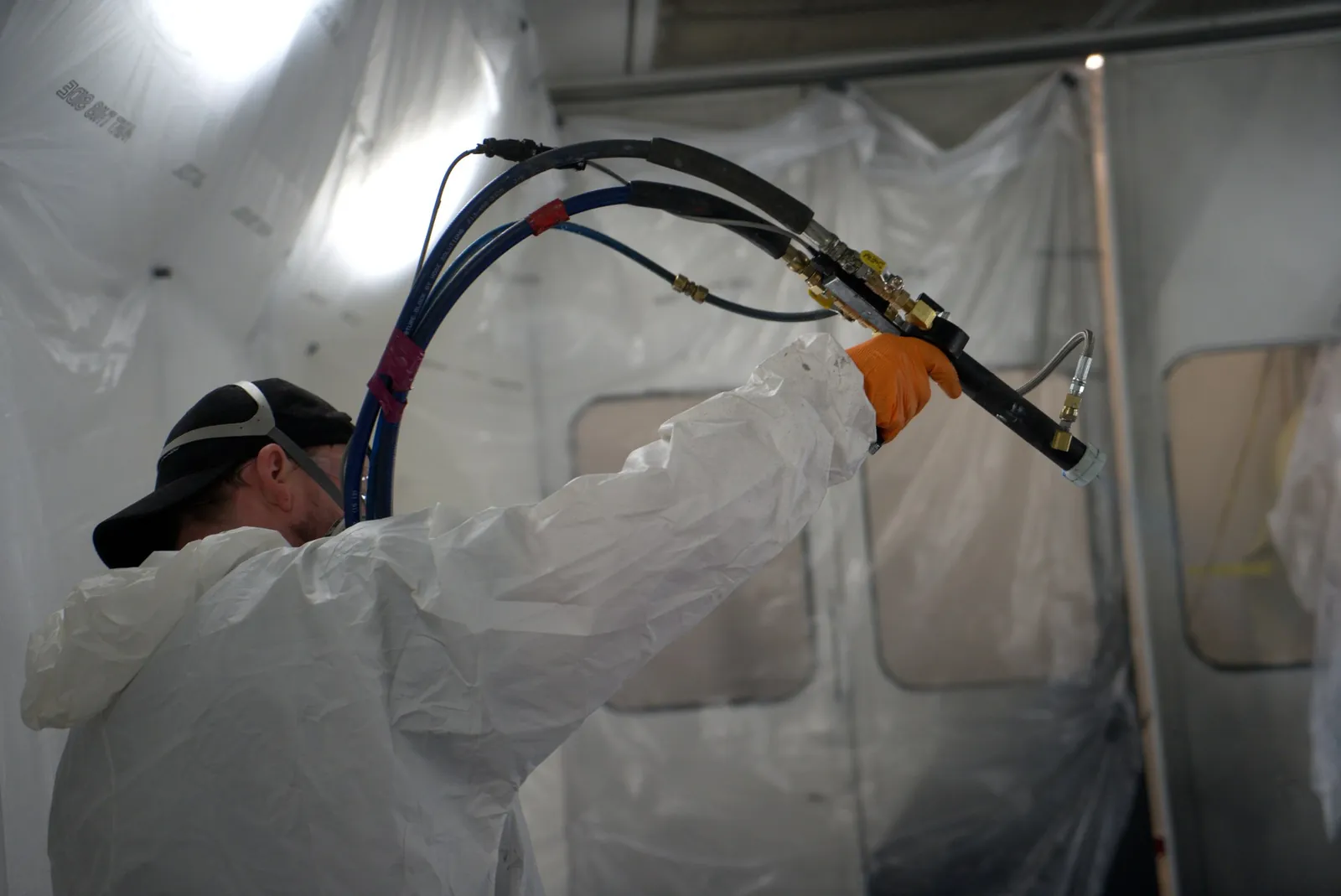
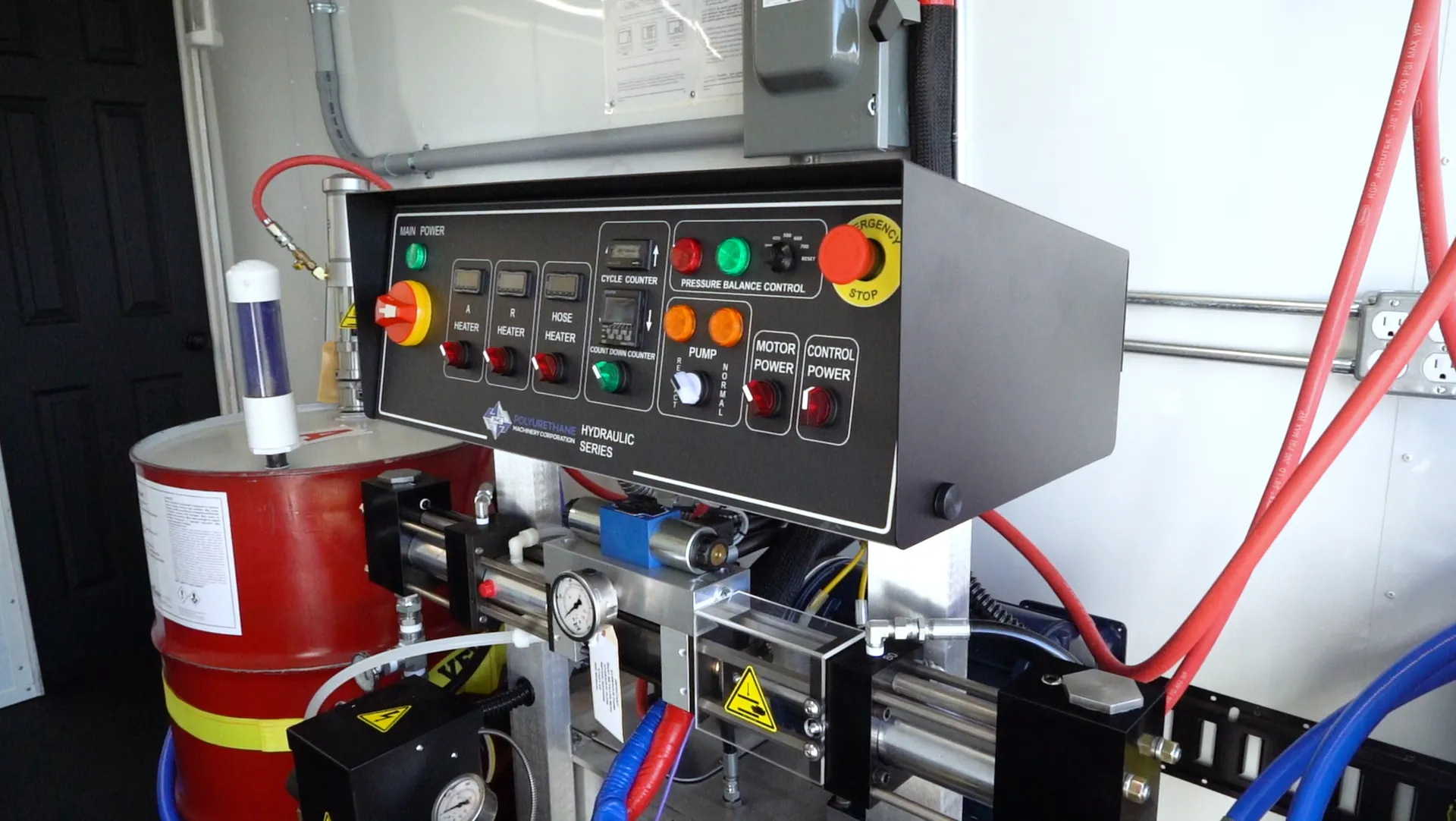
- $0
- franchise fees or royalties
- 35+
- years in business
- 50+
- countries with applicators
- 24/7
- technical support
A hollow block looks like it ought to insulate. It's mostly air, after all. In practice an uninsulated 8-inch block wall is about R-2.3, less than half an inch of foam board, because heat takes the shortcut through the solid concrete webs that tie the two faces together.
An 8-inch block wall with empty cores is about R-2.3. Filling the cores with foam only lifts it to about R-6.4, because the webs still conduct heat. Continuous foam in full contact with the block does far more: 2 in of XPS or closed-cell spray foam inside, under drywall, brings the wall to roughly R-13 to R-16. Fix water problems first. Calculate your wall or pick a method.
The numbers here come from the Concrete Masonry and Hardscapes Association (CMHA, formerly NCMA), whose TEK 6-2C tables count the heat that travels through the webs, and from Building Science Corporation's research on insulating masonry. Cinder block wall insulation is mostly about stopping heat flow through the webs and air leaks through the joints, and good cinder block wall insulation also has to manage moisture.
A word about who's writing. ArmorThane has made coatings in Springfield, Missouri, since 1989, including ArmorFoam spray foam, and trains the applicators who spray them. Foam is often the right answer on block; sometimes core fill or exterior insulation is better, and this guide says when.
- 1What a block wall is really worth
- 2Block wall R-value calculator (interactive)
- 3Cinder Block Wall Insulation: Five Methods Compared
- 4How to insulate from the inside
- 5Moisture, vapor and efflorescence
- 6How much insulation code asks for
- 7Method picker (interactive)
- 8Block basements and foundations
- 9Block garages, shops and commercial walls
- 10What it costs
- 11Block wall insulation FAQ
What a block wall is really worth
CMHA's method "accounts for the thermal bridging (energy loss) that occurs through the webs of concrete masonry units." The values include the air films on both faces but no drywall, and assume every core is treated the same way.
| Wall (block density) | Cores empty | Perlite in cores | Foam in cores | Grouted solid |
|---|---|---|---|---|
| 8 in, 85 pcf (lightweight) | R-2.56 | R-7.54 | R-8.58 | R-2.11 |
| 8 in, 105 pcf | R-2.31 | R-5.83 | R-6.38 | R-1.90 |
| 8 in, 125 pcf | R-2.09 | R-4.45 | R-4.73 | R-1.73 |
| 8 in, 135 pcf (dense) | R-1.99 | R-3.88 | R-4.08 | R-1.66 |
| 12 in, 85 pcf | R-2.63 | R-11.47 | R-12.99 | R-2.58 |
| 12 in, 105 pcf | R-2.40 | R-8.68 | R-9.47 | R-2.35 |
| 12 in, 125 pcf | R-2.20 | R-6.47 | R-6.87 | R-2.16 |
- Thickness barely matters when the cores are empty. A 12 in wall at 105 pcf is R-2.40, against R-2.31 for 8 in. The webs carry the heat around the air.
- Density matters once the cores are filled. Concrete runs about R-0.30 per inch at 85 pcf and R-0.11 at 135 pcf, so foam in lightweight 8 in block gives R-8.58 and in dense block only R-4.08.
- Grouted cells are worse than empty ones. Grouted 8 in block at 105 pcf is R-1.90, so reinforced cells are a wall's coldest lines.
You probably don't know your block's density. With empty cores it hardly matters: every 8 in wall in the table falls between R-1.99 and R-2.56. Before paying for core fill, have the installer check that the cores are open and what block you have.
8 in block, 105 pcf: what each upgrade buys
Whole-wall R-values: CMHA Table 2 plus Table 4 add-ons, as TEK 6-2C instructs. The closed-cell bar is our estimate at R-6.5 per inch (ArmorThane's closed-cell guide) plus CMHA's R-1.1 for drywall on furring.
Block wall R-value calculator
Pick your block, what's in the cores and what you'll add inside or out. You get the whole-wall R-value and U-factor as CMHA calculates them, the heat you'd stop and a check against the 2021 IECC minimum for your zone.
What will my block wall be worth?
Values from CMHA TEK 6-2C; code minimums from the 2021 IECC. Spray foam options are our estimate at R-6.5 per inch.
The code comparison uses rated insulation values (XPS R-5, EPS R-4 and polyiso or closed-cell foam R-6.5 per inch; batts at their label) and the 2021 IECC rule that the higher number applies when more than half the insulation is inside the block. Local codes and amendments vary.
Cinder block wall insulation: five methods compared
Insulation can go in the cores, on the inside face or on the outside face. CMHA's TEK 6-11A sums up the trade-off: interior insulation "isolates" the block's thermal mass from the room, while "exterior insulation keeps masonry directly in contact with the interior conditioned air, providing the most thermal mass benefit."
| Method | Whole wall, 8 in block | Thermal mass | Room lost | Installed cost per sq ft |
|---|---|---|---|---|
| Foam injected into the cores | R-6.4 | Partly indoors | None | $1.50–$4.50 (walls generally) |
| Rigid foam inside: 2 in XPS, furring, drywall | R-13.4 | Cut off | About 3¼ in | $2.70–$7.20 with drywall |
| Closed-cell spray foam inside: 2 in, drywall | About R-16.4 | Cut off | About 3¼ in | $3.50–$7.74 with drywall |
| Metal furring with R-13 batts, drywall | R-9.5 | Cut off | Depth of the furring | $2.50–$6.10 plus framing |
| Exterior foam and stucco (EIFS, 2 in XPS) | R-12.6 | Stays indoors | None | $8–$14 |
Injected foam, perlite or vermiculite
In an existing wall, installers drill into the cores, inject foam and patch the holes with mortar. Perlite is poured in from the top during construction. DOE notes studies show little fuel savings from core filling, but you lose no room and the block stays exposed. See our injection foam insulation guide.
Board or spray foam against the block
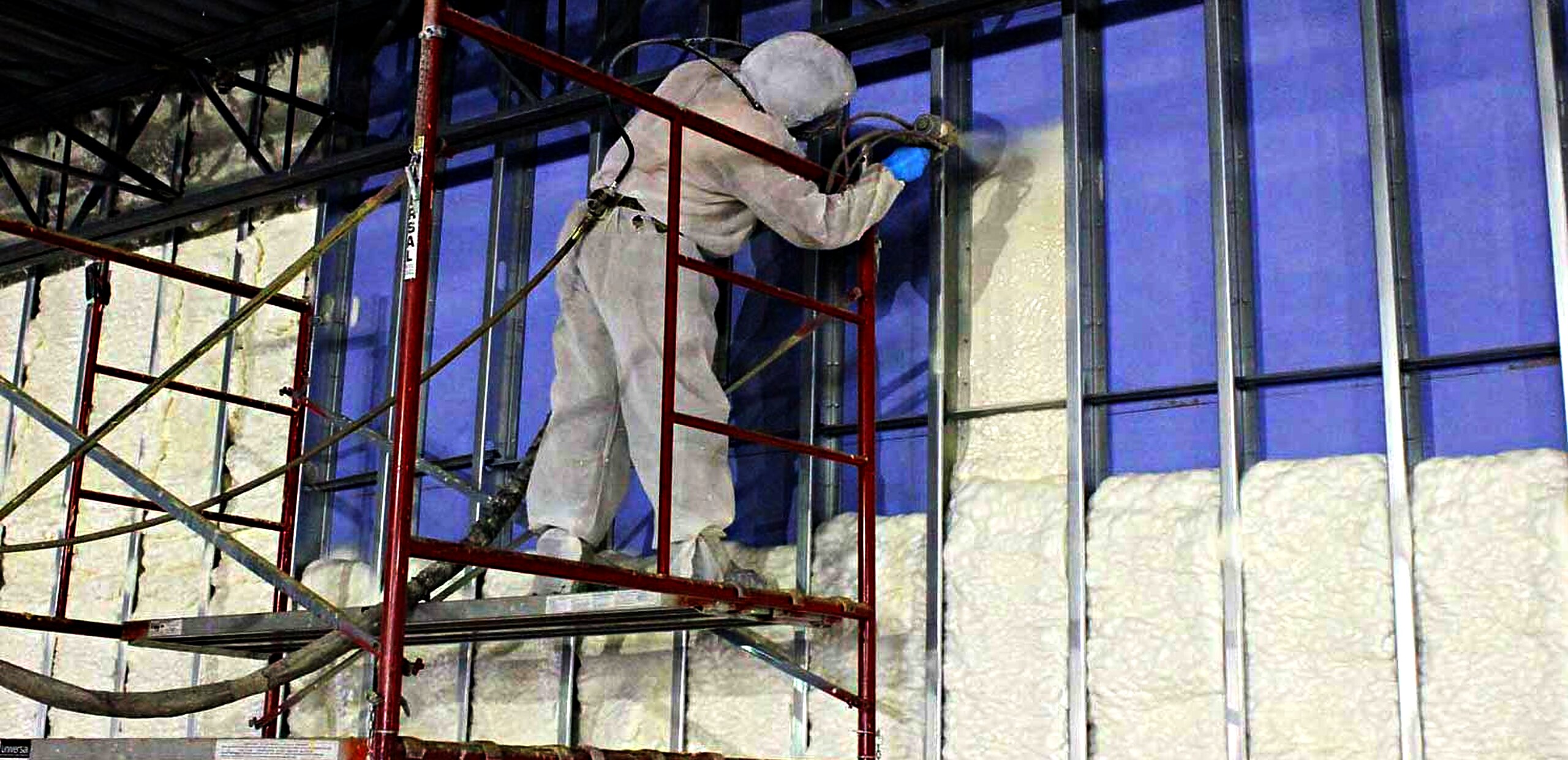
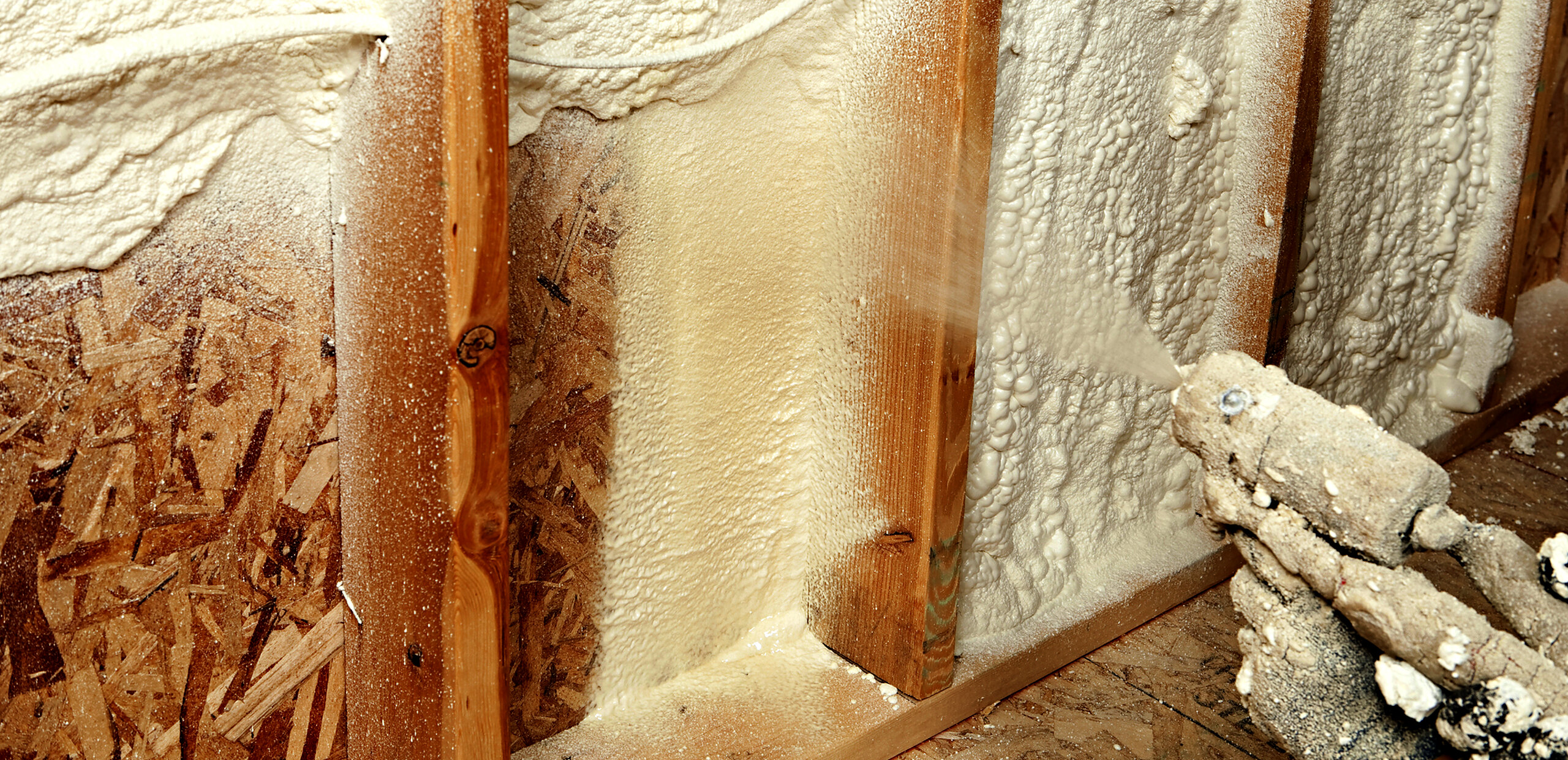
Building Science Corporation calls semi-permeable foam in full contact with masonry "the most common successful strategy." Board suits DIY if every seam is sealed; closed-cell spray foam also air-seals joints and open cores. See our closed-cell spray foam guide.
Familiar, with two catches
CMHA credits an R-13 batt on metal furring with drywall at only R-7.2, and batts risk "moisture trapping against masonry" (Rmax). If you want a stud wall, put continuous foam against the block first.
Foam and stucco outside
The best place for insulation and the priciest, at $8–$14 per sq ft for EIFS (Angi). It keeps thermal mass indoors, costs no room and earns a lower code requirement. Best when the exterior needs new cladding anyway.
Our spray foam R-value guide has per-inch numbers, and the wall insulation overview covers frame walls.
How to insulate a block wall from the inside
This is the usual route on an existing building. This Old House's Tom Silva put it simply: "cover the inside of the exterior walls with a continuous layer of insulation, as though you were insulating a basement wall."
Rule out water
Look for damp patches, efflorescence and staining after rain, and fix grading, gutters and downspouts. Building Science Corporation calls rain control "the most critical aspect" of keeping masonry dry.
Repair cracks and check for movement
Stair-step or horizontal cracks and inward bowing in block are structural signs, not insulation problems. Our foundation crack repair guide explains when to call an engineer.
Air-seal the edges
Seal the top of the wall, open cores at the top course, penetrations and the band joist above a foundation. See rim joist insulation for that last piece.
Put foam in full contact with the block
Glue board tight to the block and seal every seam, or have closed-cell foam sprayed in 1.5–2 inch passes (or whatever its data sheet allows).
Skip the polyethylene
Foam against the block does the vapor control. Building Science Corporation warns that "low permeance interior finishes and barriers can be detrimental" on masonry.
Cover it with drywall
Furring strips or a stud wall in front hold ½ in drywall, which is the thermal barrier the code requires over foam indoors. Use moisture-resistant board in basements.
Water first, then foam
Insulating a block wall from the inside makes the block colder. Building Science Corporation's John Straube notes it reduces "the diffusion drying capacity through the masonry." That's fine for a dry wall and a problem for a wet one. His digest targets solid brick but says "many of the same principles apply" to block walls with masonry facing.
Read the efflorescence
The white crust on block is efflorescence: salts that water carried to the surface. CMHA's TEK 8-3A says heavy streaks below mortar joints mean "water has entered or is entering the wall at a higher elevation." Brush it off, rinse and find the water before you insulate.
Vapor control without a vapor barrier
- Closed-cell foam: about 1 perm at 2 in, per Straube, and a Class II vapor retarder at 1.5 in, per Building Science Corporation's spray foam guide.
- XPS board: about 1.1 perms at 1 in and 0.55 at 2 in, with 0.3% water absorption by volume.
- EPS board: 2.0–5.0 perms at 1 in and 2–4% absorption.
- Foil-faced polyiso: 0.03 perm, a true vapor barrier.
Permeance and absorption figures: Building Science Corporation's Guide to Insulating Sheathing for DOE Building America.
Polyethylene behind drywall on a block wall traps moisture between two barriers. Building Science Corporation says basement walls should have no interior vapor barrier "in order to permit inward drying."
Get new insulation guides, calculators and price updates by email: join the ArmorThane newsletter.
How much insulation code asks for
The energy code treats block as a mass wall, and CMHA notes that codes "require less insulation in concrete masonry assemblies than equivalent light-frame systems," because block stores heat and evens out indoor temperature swings. The 2021 IECC gives two numbers for each zone: the first applies when half or more of the insulation is outside the block, the second when more than half is inside.
| Climate zone | Above grade, mostly outside | Above grade, mostly inside | Basement walls (ENERGY STAR) |
|---|---|---|---|
| 1 | R-3 | R-4 | Not listed |
| 2 | R-4 | R-6 | Not listed |
| 3 | R-8 | R-13 | R-5 board or R-13 batts |
| 4 (except marine) | R-8 | R-13 | R-10 board or R-13 batts |
| 5 and Marine 4 | R-13 | R-17 | R-15 board or R-19 batts |
| 6 | R-15 | R-20 | R-15 board or R-19 batts |
| 7 and 8 | R-19 | R-21 | R-15 board or R-19 batts |
These are prescriptive minimums for new work and permitted renovations, and your state or city may use a different edition. Fire rules apply everywhere: foam inside a building must be covered by "an approved thermal barrier of minimum 1/2 inch gypsum wallboard or a material tested per NFPA 275" (IRC R316.4).
Block wall insulation method picker
Tell us where the wall is, which side you can reach and whether it's dry. The picker ranks the five methods with a cost for your wall and your zone's code target.
Which method fits my wall?
Guidance from CMHA, Building Science Corporation and DOE. Costs from Angi, HomeGuide and ArmorThane 2025–2026 data.
Block basements and foundations
A block basement wall has soil and groundwater on the other side. Our basement wall insulation guide covers finished basements in depth; here's what changes for block.
- Water comes first. Building Science Corporation says to keep water out with drainage, perimeter drains and capillary breaks. The IRC requires below-grade block to be parged with at least ⅜ in of portland cement and dampproofed, or waterproofed where the water table is high. Our concrete waterproofing guide compares the options.
- Foam against the block, no batts. Building Science Corporation lists up to 2 in of unfaced XPS (R-10), 4 in of EPS (R-15) or 3 in of closed-cell spray foam (R-18) as safe interior choices, and says batt systems "are unable to tolerate even minor groundwater leakage."
- Watch the wall itself. One structural engineering firm notes block walls "generally do not have the strength to resist the forces of lateral soil pressure unless they are grouted solid and reinforced." Horizontal cracks and bowing need an engineer before foam covers them.
- Don't forget the band joist. The wood rim that sits on top of the block leaks air at several joints; seal it in the same job (step 3 above).
Want a price for foam on a block basement, crawl space or shop wall? Get a free quote from a certified applicator and tell us the wall area and whether it's dry.
Block garages, shops and commercial walls
In a garage or shop, the question is whether you want to see the block. If you do, core injection leaves the wall looking the same, at about R-6 in typical 8 in block. Ask your code official whether foam inside the cores needs covering.
Closed-cell spray foam on the inside face gets you to about R-16 with 2 in, but it still needs a thermal barrier: ½ in drywall or another approved material tested to NFPA 275. For doors, ceilings and heater sizing, see our garage insulation guide.
For commercial block buildings, the 2021 IECC asks mass walls for continuous insulation of R-7.6 in zone 3, R-13.3 in zones 5 and 6 and R-15.2 in zone 7 (buildings other than Group R).
What block wall insulation costs
Here's what each method runs on 800 sq ft of wall, about 100 feet of 8-foot wall, using 2025–2026 cost guides.
| Method | Per sq ft of wall | 800 sq ft wall | Whole-wall R |
|---|---|---|---|
| Foam injected into the cores | $1.50–$4.50 | $1,200–$3,600 | R-6.4 |
| Batts on metal furring, drywall | $2.50–$6.10 + framing | $2,000–$4,880 + framing | R-9.5 |
| 2 in XPS inside, furring, drywall | $2.70–$7.20 | $2,160–$5,760 | R-13.4 |
| 2 in closed-cell spray foam inside, drywall | $3.50–$7.74 | $2,800–$6,192 | About R-16.4 |
| Exterior foam and stucco (EIFS) | $8–$14 | $6,400–$11,200 | R-12.6 |
Spray foam crews often charge a $1,000–$2,000 minimum, so small walls cost more per foot. DIY board cuts the cost to materials: at $0.25–$0.70 per board foot (HomeGuide), 2 in of XPS is about $0.50–$1.40 per sq ft before furring and drywall. See our spray foam cost calculator and how to vet spray foam contractors.
Closed-cell foam on block, sprayed by certified applicators
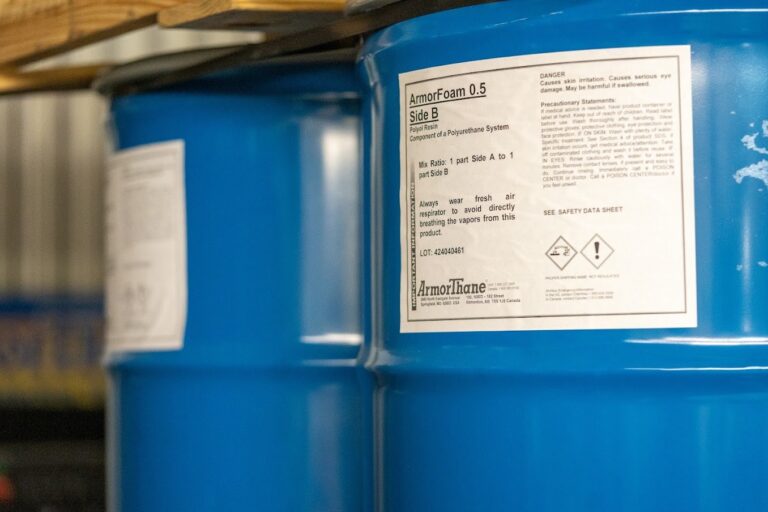
ArmorThane has made coatings since 1989 and trains independent applicators in more than 50 countries. On a block wall, that means closed-cell ArmorFoam sprayed in full contact with the block, with the thickness and R-value in writing and a thermal barrier where code requires one. Where water is the real problem, ArmorThane also makes polyurea waterproofing systems.
Use the applicator finder to reach a certified applicator near you, and join our newsletter for new insulation guides and calculators as we publish them.
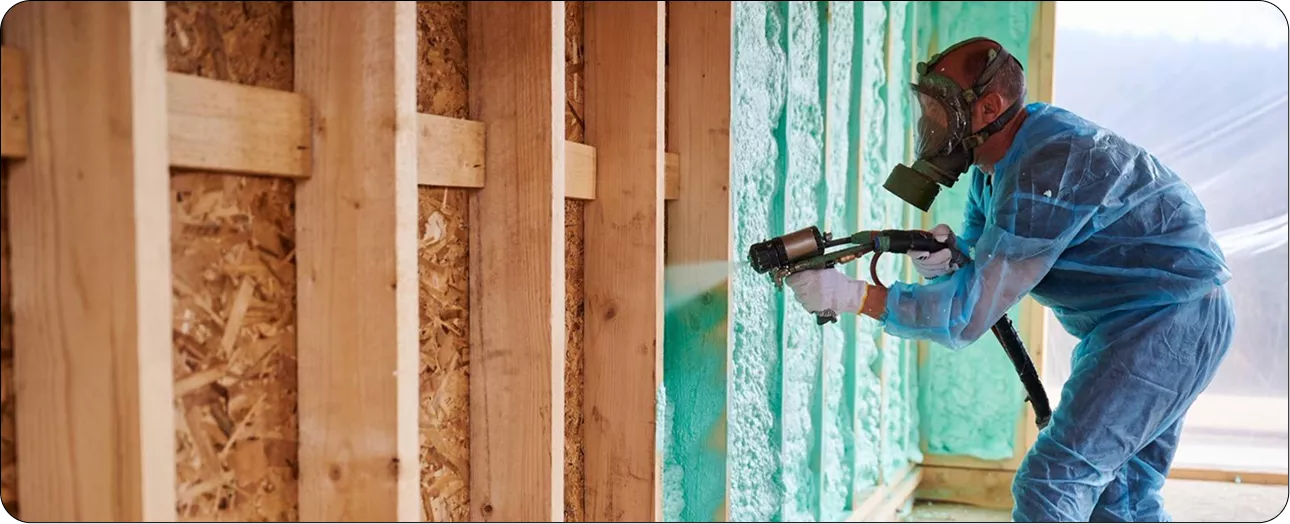
Closed-cell foam
An air barrier at 1 in and under 2% water absorption, per ArmorThane's closed-cell guide.
Polyurea waterproofing
Where block walls leak, see our concrete waterproofing guide before insulating.
Franchise fee for applicators
We train and supply independent applicators with no franchise fee, dealership fee or royalty.
Block houses, shops and basements. Add spray foam to your trade.
Block buildings are everywhere, and most of them are sitting at about R-2. We make ArmorFoam, build spray rigs and train your crew on site or virtually, ending in certification. Turnkey systems start at $25,000, with third-party equipment financing and a 24/7 tech line. No franchise fee, no royalties.
Block wall insulation FAQ
What is the best way to insulate cinder block walls?
For most walls, continuous foam in full contact with the block. Two inches of XPS board or closed-cell spray foam on the inside, covered with drywall, takes an 8 in block wall from about R-2.3 to roughly R-13 to R-16. Exterior foam under stucco performs about as well and keeps thermal mass indoors. Core fill tops out near R-6 in typical block. Fix water problems first.
What is the R-value of an 8 inch cinder block wall?
About R-2. CMHA's TEK 6-2C puts an 8 in block wall with empty cores at R-1.99 to R-2.56, depending on concrete density, including the air films on both faces. A 12 in wall is barely better at R-2.11 to R-2.63, because heat moves through the solid concrete webs rather than the air in the cores.
Is it worth filling cinder block cores with foam?
It helps, but less than most people expect. In CMHA's data, foam in the cores of an 8 in, 105 pcf block wall lifts it from R-2.31 to R-6.38; in dense 135 pcf block, only to R-4.08, because the webs still carry heat. DOE notes studies show little fuel savings from core filling. It makes most sense when the block stays exposed or you can't give up room.
Can you spray foam directly on cinder block?
Yes. Closed-cell spray foam bonds to clean, dry block, seals mortar joints and open cores, and acts as a Class II vapor retarder at about 1.5 in. Building Science Corporation calls semi-permeable foam in full contact with masonry the most common successful interior strategy. Indoors, the foam must be covered by a thermal barrier such as 1/2 in drywall.
Do you need a vapor barrier on a block wall?
Usually not a separate one, and not polyethylene. Building Science Corporation warns that low-permeance interior layers can be detrimental on masonry and says basement walls should have no interior vapor barrier so they can dry inward. Foam against the block handles vapor control: about 2 in of closed-cell foam is roughly 1 perm, and 1 in of XPS about 1.1 perms.
Should you insulate block walls from the inside or the outside?
Outside performs better. CMHA says exterior insulation gives the most thermal mass benefit, and the 2021 IECC asks for less when most insulation is outside (R-13 instead of R-17 in zone 5). Inside is cheaper on an existing building: about $2.70 to $7.74 per square foot with drywall, against $8 to $14 for exterior foam and stucco (EIFS).
How much does it cost to insulate a block wall?
By our arithmetic on 2025 and 2026 cost guides: about $1.50 to $4.50 per square foot of wall for injected core foam, $2.70 to $7.20 for 2 in rigid foam plus drywall, $3.50 to $7.74 for 2 in closed-cell spray foam plus drywall and $8 to $14 for EIFS. An 800 square foot wall runs roughly $1,200 to $11,200 depending on method.
Can I put fiberglass batts against a block wall?
It's the riskiest option, especially below grade. Building Science Corporation says batt-based basement systems can't tolerate even minor groundwater leakage. Batts also lose a lot on steel: CMHA credits an R-13 batt on metal furring with drywall at only R-7.2. If you want a framed wall, put continuous foam against the block first.
How do you insulate a cinder block basement wall?
Stop the water first: grading, gutters, drainage, crack repair and dampproofing or waterproofing. Then put foam against the block. Building Science Corporation lists up to 2 in of XPS (R-10), 4 in of EPS (R-15) or 3 in of closed-cell spray foam (R-18), with no polyethylene. ENERGY STAR suggests adding R-10 in zones 4A and 4B and R-15 in zones 5 to 8.
Does foam insulation on a block wall need to be covered?
Yes, inside a building. IRC R316.4 requires foam plastic to be separated from the interior by an approved thermal barrier: at least 1/2 in gypsum wallboard or a material tested to NFPA 275. Outdoors, DOE says foam board needs a weatherproof facing such as stucco. For foam sealed inside the block cores, ask your code official.
How much insulation does code require on a block wall?
Under the 2021 IECC, an above-grade block wall is a mass wall, and the requirement rises with climate zone: R-3 or R-4 in zone 1, R-8 or R-13 in zones 3 and 4, R-13 or R-17 in zone 5, R-15 or R-20 in zone 6 and R-19 or R-21 in zones 7 and 8. The higher number applies when most insulation is inside the block.
Written from CMHA technical notes, Building Science Corporation research, DOE and ENERGY STAR guidance, 2021 IECC summaries, cost guides read September 27, 2026 and decades of making spray foam. Reviewed September 27, 2026.
Methodology and sources
Whole-wall R-values add CMHA TEK 6-2C Table 4 values to its Table 2 wall values, as the TEK instructs; U = 1/R. Interior closed-cell spray foam, which CMHA doesn't tabulate, is our estimate at R-6.5 per inch plus R-1.1 for drywall on furring. Costs are ranges from the guides below, not quotes.
- Concrete Masonry and Hardscapes Association (CMHA), TEK 06-02C R-Values and U-Factors of Single Wythe Concrete Masonry Walls, TEK 06-11A Insulating Concrete Masonry Walls, TEK 06-12E and TEK 08-03A Control and Removal of Efflorescence (2018): cmha.org
- Building Science Corporation, BSD-114 Interior Insulation Retrofits of Load-Bearing Masonry Walls (J. Straube, 2007) and BSD-103 Understanding Basements: buildingscience.com
- Building Science Corporation, GM-2102 Residential Spray Foam Guide (2021) and Guide to Insulating Sheathing for DOE Building America (2007): buildingscience.com
- U.S. Department of Energy, Energy Saver: Types of Insulation: energy.gov
- ENERGY STAR, Recommended Home Insulation R-Values: energystar.gov
- PIMA, Energy Code Fact Sheets for Exterior Above-Grade Walls, zones 1–8 (Aug. 2023), and Remodel Calculators, IECC Climate Zone 4 (2021) summary: polyiso.org
- IRC R316.4 via City of Little Falls handout, and InterNACHI on IRC R406 dampproofing (2025): nachi.org
- Structural Dynamics, Inc., Horizontal Crack or Bowing in Concrete Block Wall: structuraldynamics.com
- This Old House (Tom Silva), The Best Way to Insulate an Existing Concrete-Block Wall (Apr. 2026), and Rmax, Concrete Block Wall Insulation (Feb. 2026): thisoldhouse.com
- Perlite Institute, Perlite Loose-Fill Masonry Insulation (2020), and RetroFoam, Injection Foam for Block Walls: perlite.org
- Angi, Injection Foam Insulation Cost (Jul. 2026) and EIFS Cost (Sep. 2026): angi.com
- HomeGuide, Insulation Cost (Dec. 2025), Basement Insulation Cost (Feb. 2026) and Drywall Installation Cost (Sep. 2025): homeguide.com
- ArmorThane, Closed-Cell Spray Foam guide and Spray Foam Insulation Cost (2026): armorthane.com
Cold block walls? Get a quote from a certified applicator.
Tell us about the wall: house, basement, garage or shop, and roughly how many square feet. We'll connect you with an ArmorThane-certified applicator who sprays closed-cell foam and puts the thickness and R-value in writing.
- Closed-cell foam on block, basement and shop walls
- Thickness and R-value in writing
- Polyurea waterproofing where water is the problem
- Contractors: ask about ArmorFoam and training
More to read on spray foam
Short reads from ArmorThane on Issuu. Tap one to open it right here.