










Asbestos Insulation: Identify It, Leave It or Remove It Safely
How to recognize vermiculite, pipe wrap and boiler insulation that may contain asbestos, what EPA and OSHA require, 2026 abatement costs, and what to do next.
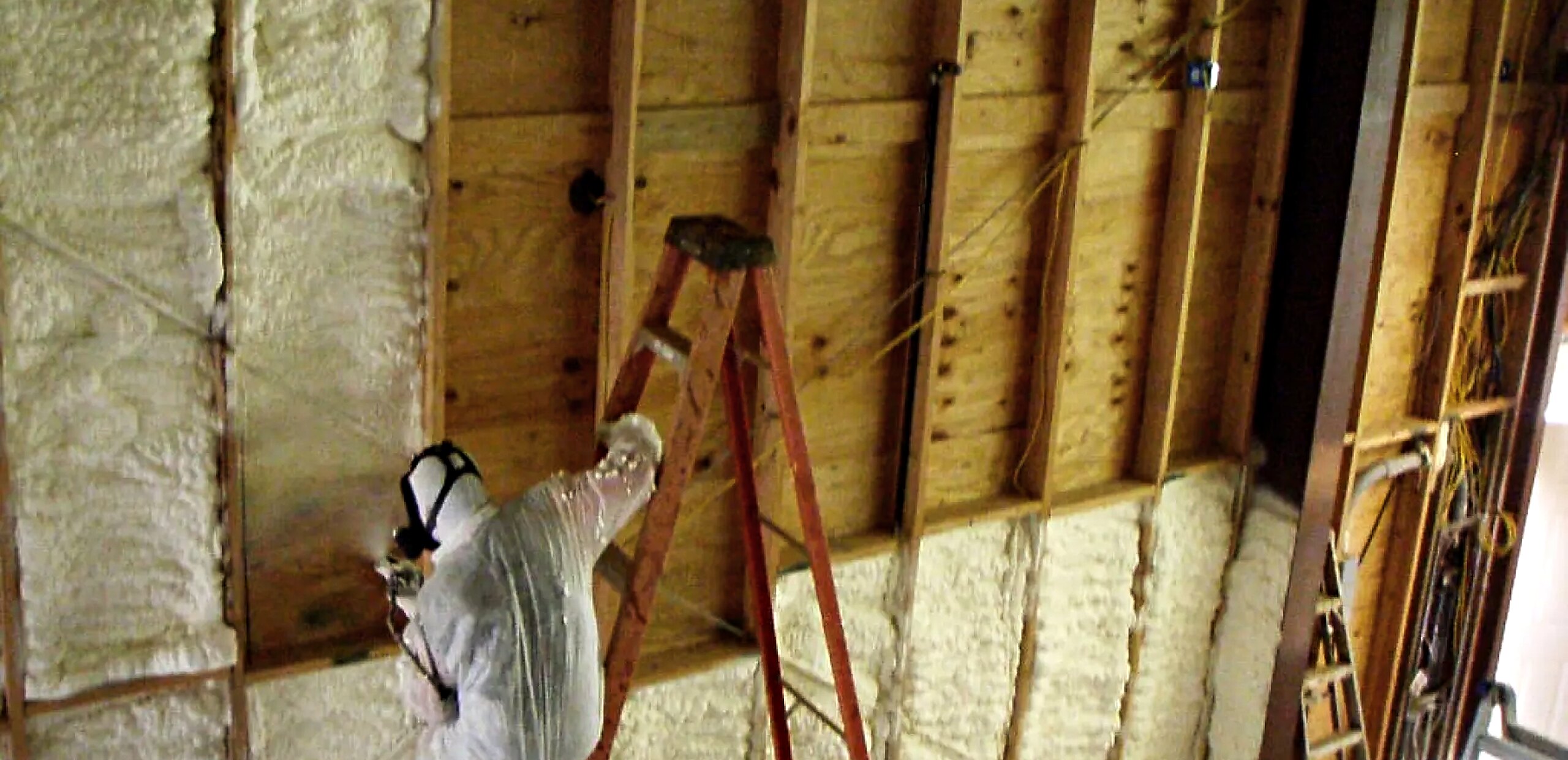
Start a spray foam business
Spray foam for a living.
ArmorThane sets you up to do this work, and you own the business. We make the chemistry, build the rigs, train you hands-on and answer the phone when a job gets difficult. You pay no franchise fee and no royalties. It has been that way since 1989.




- $0
- franchise fees or royalties
- 35+
- years in business
- 50+
- countries with applicators
- 24/7
- technical support
Asbestos insulation is still sitting in a lot of American attics, basements and boiler rooms: loose vermiculite poured between joists, white or gray wrap on heating pipes, plaster-like jackets on old boilers and ducts. We make spray foam and coatings, and our applicators run into this material on retrofit jobs every year. Our rule is simple: if it might be asbestos, nobody on our side touches it until an accredited professional says what it is. This guide shows how to recognize the common types of asbestos insulation, what the EPA and OSHA actually require, what abatement costs in 2026, and what happens after the material is gone. Two tools help you size up the risk and the budget. There are no do-it-yourself removal steps here, on purpose.
If your home or building has vermiculite attic fill, or pipe, boiler or duct insulation installed before about 1980, treat it as asbestos until a lab says otherwise. Do not disturb it, sweep it, vacuum it or store things on it. Material in good condition can usually be left alone. If it is damaged, or a remodel will disturb it, hire an accredited asbestos inspector to sample it and a separate licensed abatement contractor to repair or remove it. Interior asbestos removal typically runs $5 to $20 per square foot in 2026 guides, and attic insulation $10 to $25.
Types of asbestos insulation
Asbestos was used in insulation because it does not burn, does not rot and holds heat well. OSHA defines asbestos-containing material as anything with more than one percent asbestos, and it presumes that thermal system insulation and sprayed or troweled surfacing material in buildings built in 1980 or earlier contains it until proven otherwise. These are the forms we see most.
Vermiculite attic fill
A pebble-like, pour-in product, usually gray-brown or silver-gold, in pieces from very fine to almost an inch long. Much of it was sold as Zonolite. The EPA tells homeowners to assume it may be contaminated with asbestos.
Pipe insulation
White or gray wrap on steam and hot-water pipes, including corrugated "aircell" paper wrap and molded half-round sections, often with plaster-like elbows. OSHA calls this thermal system insulation.
Boiler, tank and duct insulation
Trowelled cement or block insulation on boilers, breeching, hot-water tanks and older ductwork. Often hard on the outside and crumbly underneath.
Sprayed-on fireproofing and insulation
Fluffy or cementitious material sprayed onto steel beams, decks and ceilings. The EPA banned spray-applied surfacing asbestos for fireproofing in 1973.
Block and board insulation
Rigid blocks on boilers, furnaces and equipment. The EPA banned installation of asbestos pipe insulation and block insulation on facility components in 1975.
Fiberglass, cellulose, foam
Pink or yellow fiberglass, gray paper cellulose and spray foam are not asbestos products. The catch: they are often installed on top of older vermiculite, so look underneath before you assume.
Could this insulation contain asbestos?
Pick what you are looking at, when the building was built, its condition and what you plan to do. The checker applies the EPA vermiculite guidance and OSHA's 1980 presumption, then tells you the next step. It is a triage tool, not a test result.
Asbestos insulation checker
Vermiculite is always treated as suspect (EPA). Thermal system and surfacing insulation in buildings built 1980 or earlier is presumed asbestos-containing (OSHA 1926.1101). The EPA bans of 1973 and 1975 cut new spray-applied, pipe and block uses, but old stock and existing installs remained.
Why asbestos fibers matter
Asbestos insulation is not dangerous because it exists. It is dangerous when fibers get into the air and into lungs. The EPA puts it plainly: asbestos-containing material in good condition that will not be disturbed will not release fibers. Damage, water, vibration, and above all remodeling are what turn a stable material into an exposure.
The diseases take decades to show up, which is why they are so easy to dismiss on the job. A CDC analysis of death certificates counted 45,221 deaths with malignant mesothelioma mentioned between 1999 and 2015, rising from 2,479 in 1999 to 2,597 in 2015. The same report puts the usual latency from first exposure at 20 to 40 years, and as long as 71. Mesothelioma is only one of the outcomes; asbestosis and lung cancer are the others most associated with asbestos.
Asbestos insulation rules in plain English
Three sets of federal rules matter, plus whatever your state and city add on top. State and local rules are often stricter, especially on licensing and notification, so treat the federal floor as the minimum.
OSHA: protecting the people doing the work
- Exposure limits: no worker above 0.1 fiber per cubic centimeter as an 8-hour average, or above 1.0 f/cc averaged over 30 minutes (29 CFR 1926.1101).
- Presumption: thermal system insulation and surfacing material in buildings built no later than 1980 is "presumed asbestos containing material" unless sampling proves otherwise.
- Class I work: removing asbestos thermal system insulation or surfacing material is OSHA's highest-hazard class, and it has to be supervised by a competent person trained to the EPA Model Accreditation Plan supervisor level.
- Look before you work: building and facility owners must determine the presence, location and quantity of asbestos material before work begins.
EPA NESHAP: renovation and demolition
The Clean Air Act asbestos rule (40 CFR 61 Subpart M) covers renovation and demolition of facilities. If regulated asbestos material reaches 260 linear feet on pipes, 160 square feet on other components, or 35 cubic feet off components, the owner or operator has to send written notice at least 10 working days before stripping or removal begins and follow work practices such as keeping the material adequately wet. Residential buildings with four or fewer dwelling units are excluded from the federal rule, but many states regulate them anyway.
EPA TSCA: the 2024 chrysotile ban
In March 2024 the EPA finalized a rule prohibiting ongoing uses of chrysotile asbestos. In November 2024 its risk evaluation of legacy asbestos found that legacy uses, which includes the insulation already in buildings, significantly contribute to unreasonable risk, and the agency began a risk management process for them. Nothing in that process requires a homeowner to remove intact insulation today.
Leave, encapsulate, enclose or remove asbestos insulation
The EPA describes three ways to deal with asbestos material besides leaving it alone. Sealing, or encapsulation, treats the material with a sealant that binds the fibers or coats the surface. Covering, or enclosure, puts something around the material so fibers cannot escape. Removal takes it out. The EPA says removal may be required when remodeling will disturb the material, or when it is damaged too badly to repair. Click a column heading to sort.
| Approach | Best fit | Typical 2026 cost | Fibers stay in building? | Who does it |
|---|---|---|---|---|
| Leave it alone | Intact material nobody will disturb | $0 (plus monitoring) | Yes, sealed | Owner, with periodic checks |
| Encapsulate (seal) | Pipe, boiler and surfacing insulation with minor damage | $2–$6 per sq ft | Yes, bound in place | Trained asbestos professional |
| Enclose (cover) | Pipe runs and ceilings that can be boxed in | Varies with the build-out | Yes, behind a barrier | Trained asbestos professional |
| Remove pipe insulation | Damaged lagging, remodels, boiler replacements | $3–$15 per linear ft | No | Licensed abatement contractor |
| Remove attic insulation | Vermiculite before an attic remodel or re-insulation | $10–$25 per sq ft | No | Licensed abatement contractor |
| Remove HVAC duct material | Duct wrap or tape on old ductwork | $35–$55 per sq ft | No | Licensed abatement contractor |
Encapsulation and enclosure cost less up front, but the asbestos stays in the building and has to be managed. The EPA notes that pipe, furnace and boiler insulation can sometimes be repaired this way, and only by a professional trained to handle asbestos safely. If you already know a remodel is coming in a few years, paying for repair now and removal later usually costs more than removing once. Our page on lead and asbestos encapsulation covers where spray-applied coatings fit in that sealing step. They are applied by trained crews, they are not a homeowner product, and they never replace abatement where abatement is required.
Asbestos insulation cost and rule estimator
Enter rough quantities from a walk-through. The estimator builds a budget range from 2026 cost guides and checks the federal NESHAP notification thresholds. Real quotes depend on access, containment, your state's rules and disposal distance, so expect your numbers to land somewhere inside or above these ranges.
What will abatement cost, and which rules apply?
Removal: attic insulation $10–$25/sq ft, pipe insulation $3–$15/linear ft, other interior material $5–$20/sq ft. Encapsulation $2–$6/sq ft. Testing $250–$850, permit $50–$100 (HomeGuide, Angi 2026). NESHAP thresholds: 260 linear ft on pipes, 160 sq ft on other components (40 CFR 61.145).
What to do if you find asbestos insulation
This is the order we give homeowners and building managers who call us about re-insulating an attic and mention gray-gold pebbles or old pipe wrap. None of these steps involve touching the material yourself.
Stop and leave it alone
Stop any work that is disturbing it. The EPA says not to store boxes in an attic with vermiculite and not to let children play up there. Keep the attic hatch closed and keep traffic away from damaged pipe wrap.
Hire an accredited inspector
An asbestos inspector can assess condition, take samples and advise on corrections. The EPA recommends that the firm assessing the problem not be connected to the firm doing the repair or removal, to avoid a conflict of interest. Inspection and testing typically run $250 to $850.
Get abatement bids from licensed contractors
Check state licensing, ask for proof of accreditation, and ask how they will contain the area, keep material wet, protect the HVAC system and dispose of waste. Ask whether the price includes clearance air testing by an independent party.
Plan the timing with the rest of the job
Abatement comes first. Insulation, electrical and drywall trades should not start until the area is cleared. If your project is commercial or a building with five or more units, the owner is responsible for NESHAP notification at least 10 working days ahead.
Keep the paperwork
Keep the lab results, the abatement contract, waste manifests and clearance results. Buyers, insurers and future contractors will ask for them.
Re-insulating after asbestos removal
Once the abatement contractor has cleared the space, you are left with an empty attic, bare joists or bare pipe, which is the best possible starting point for doing the insulation right. A few things we look at on these jobs:
- Air seal first. Vermiculite attics are usually in older homes full of top-plate gaps, chases and light penetrations. With the fill gone, they are easy to seal.
- Choose the assembly. A vented attic with sealed ceiling and blown insulation, or an unvented attic with closed-cell spray foam or open-cell foam on the roof deck. Our attic insulation cost guide compares the options.
- Plan for code. Foam in an attic or crawl space needs a thermal or ignition barrier depending on how the space is used. Ask your applicator which one applies before the job is priced.
- Re-wrap pipes. Heating pipes that lost their lagging need new insulation to keep heat where you are paying for it.
If you want a certified applicator to price the re-insulation once abatement is done, our spray foam insulation network covers most of the US and Canada. Have your clearance results ready; good applicators will ask.
Related guides for the rebuild: which ignition barrier or thermal barrier your new foam needs, how listed intumescent coatings can stand in for drywall over foam, the PPE spray foam crews should wear, and, if old foam is part of the problem, our spray foam removal guide.
Asbestos gone? Insulate it right.
Once your abatement contractor clears the space, a certified ArmorThane applicator can air seal and spray foam the attic, crawl space or walls to current code.
Contractors: become an applicator →
Asbestos insulation questions
What does asbestos insulation look like?
The most common type in homes is vermiculite attic fill: loose, pebble-like pieces that are usually gray-brown or silver-gold. Pipe insulation is often white or gray wrap, sometimes corrugated paper, with plaster-like fittings at elbows. Boiler and duct insulation is often a hard cement-like jacket. None of these can be confirmed by eye; only lab analysis of a professionally taken sample can.
Is all vermiculite insulation asbestos?
Not all of it, but more than 70 percent of the vermiculite sold in the US from 1919 to 1990 came from the Libby, Montana mine, which was contaminated with asbestos. The EPA tells homeowners to assume vermiculite insulation may be contaminated and to leave it undisturbed. The EPA also notes that testing vermiculite can be expensive and may give erroneous results.
Is it safe to live in a house with asbestos insulation?
According to the EPA, asbestos material in good condition that will not be disturbed will not release fibers. The risk comes from damage and disturbance: remodeling, running cable through the attic, storing boxes on vermiculite, or pipe wrap that is falling apart. If you live with it, keep it sealed off, check it periodically and have a professional assess it before any work nearby.
Can I remove asbestos insulation myself?
We do not recommend it, and the EPA says not to remove vermiculite yourself. Federal rules do not require accreditation for work in detached single-family homes, but some states and localities do, and improper removal can spread fibers through the house. Use an accredited inspector and a licensed abatement contractor.
How much does asbestos insulation removal cost?
2026 cost guides put asbestos insulation removal at about $10 to $25 per square foot, pipe insulation at $3 to $15 per linear foot, and general interior removal at $5 to $20 per square foot. Testing adds $250 to $850 and permits $50 to $100. Encapsulation, where it is appropriate, runs $2 to $6 per square foot.
When did they stop using asbestos in insulation?
There was no single cutoff. The EPA banned spray-applied surfacing asbestos for fireproofing in 1973 and the installation of asbestos pipe and block insulation on facility components in 1975. Libby vermiculite was sold until 1990, and existing stock stayed in use. That is why OSHA presumes pipe and surfacing insulation in buildings built in 1980 or earlier contains asbestos unless testing shows otherwise.
Can you spray foam over asbestos or vermiculite?
We advise against it. Spraying and trimming foam can disturb the material, and it buries the asbestos where future electricians and roofers will cut into it. It also makes eventual abatement harder and more expensive. Have the material tested and, if needed, abated, then insulate.
Does homeowners insurance cover asbestos removal?
Policies vary. Many treat asbestos removal as maintenance rather than a covered loss, though removal triggered by a covered event such as a fire or burst pipe may be handled differently. Read your policy and ask your agent before the work starts, and keep all lab and abatement paperwork.
Sources
- US EPA, protect your family from asbestos-contaminated vermiculite insulation: epa.gov/asbestos/protect-your-family-asbestos-contaminated-vermiculite-insulation
- US EPA, protect your family from exposures to asbestos: epa.gov/asbestos/protect-your-family-exposures-asbestos
- US EPA, actions to protect the public from exposure to asbestos (bans, TSCA rules): epa.gov/asbestos/epa-actions-protect-public-exposure-asbestos
- US EPA, asbestos NESHAP: epa.gov/asbestos/asbestos-national-emission-standards-hazardous-air-pollutants-neshap
- 40 CFR 61.145, standard for demolition and renovation: ecfr.gov/current/title-40/…/section-61.145
- OSHA, 29 CFR 1926.1101 asbestos (construction): osha.gov/laws-regs/regulations/standardnumber/1926/1926.1101
- CDC, malignant mesothelioma mortality, United States 1999–2015 (MMWR 2017): stacks.cdc.gov/view/cdc/55722
- HomeGuide, asbestos removal cost (2026): homeguide.com/costs/asbestos-removal-cost
- Angi, asbestos removal cost (2026): angi.com/articles/how-much-does-asbestos-removal-cost.htm
Old insulation out, new insulation done right.
Homeowners get a certified ArmorThane applicator for air sealing and spray foam once abatement is cleared. Contractors can add spray foam with no franchise fee and no royalties.
Start your coatings business with ArmorThane.
Tell us what you want to spray and where you are. An ArmorThane specialist will walk you through the equipment, chemicals, training and startup cost for the work you want to do.
- Equipment package matched to your applications
- Hands-on training and applicator certification
- Technical support once you are spraying
Asbestos cleared out? Re-insulate it right.
Tell us where the old insulation was, the square footage, and whether abatement and clearance testing are done. We will connect you with a certified applicator for air sealing and spray foam.
- Attic, crawl space or walls
- Square footage and access
- Abatement and clearance status
- Vented or unvented plan
More to read on spray foam
Short reads from ArmorThane on Issuu. Tap one to open it right here.


More in Spray foam & insulation
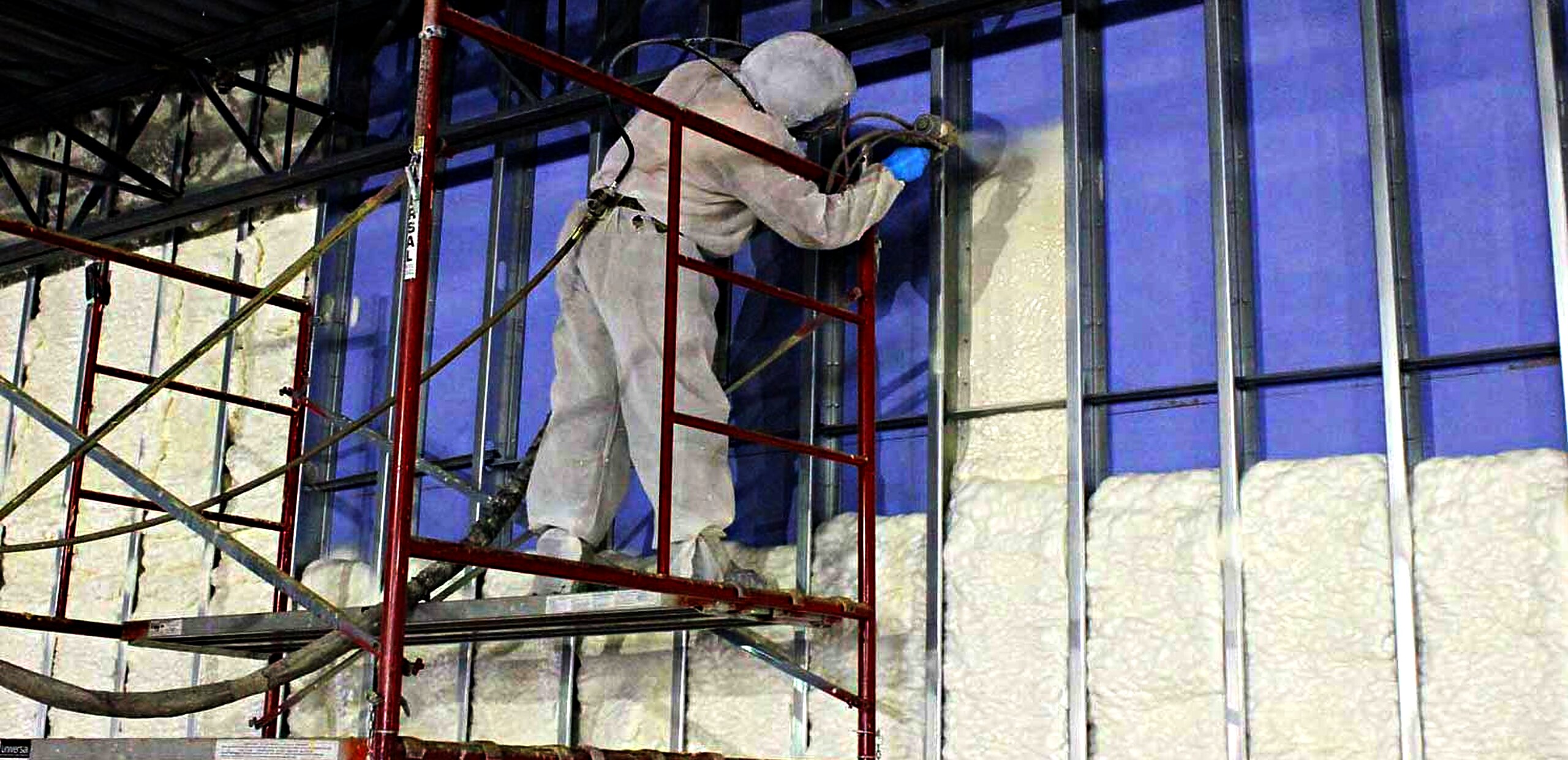 Spray foam & insulationInjection Foam Insulation
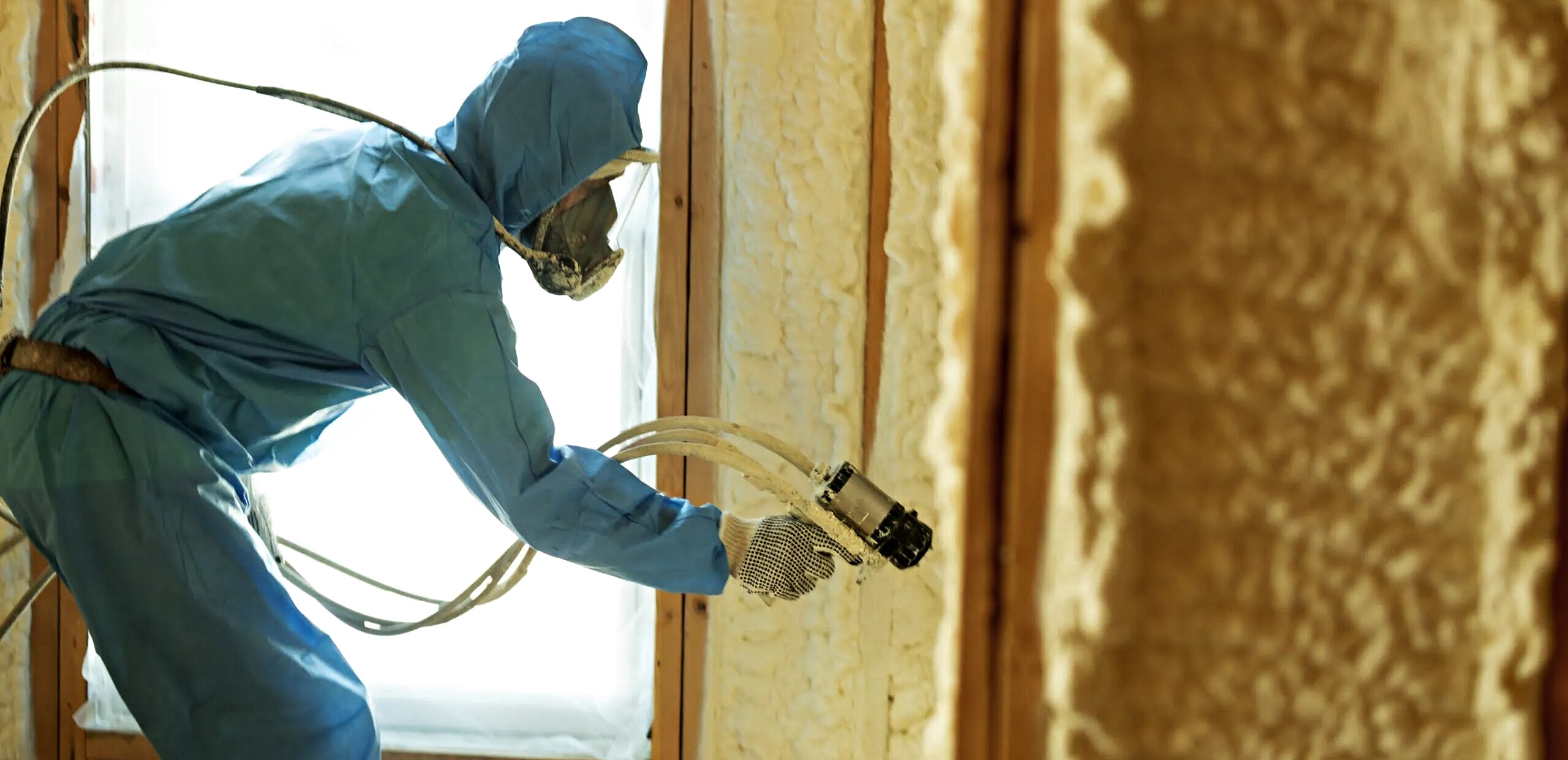 Spray foam & insulationInsulating Cinder Block Walls
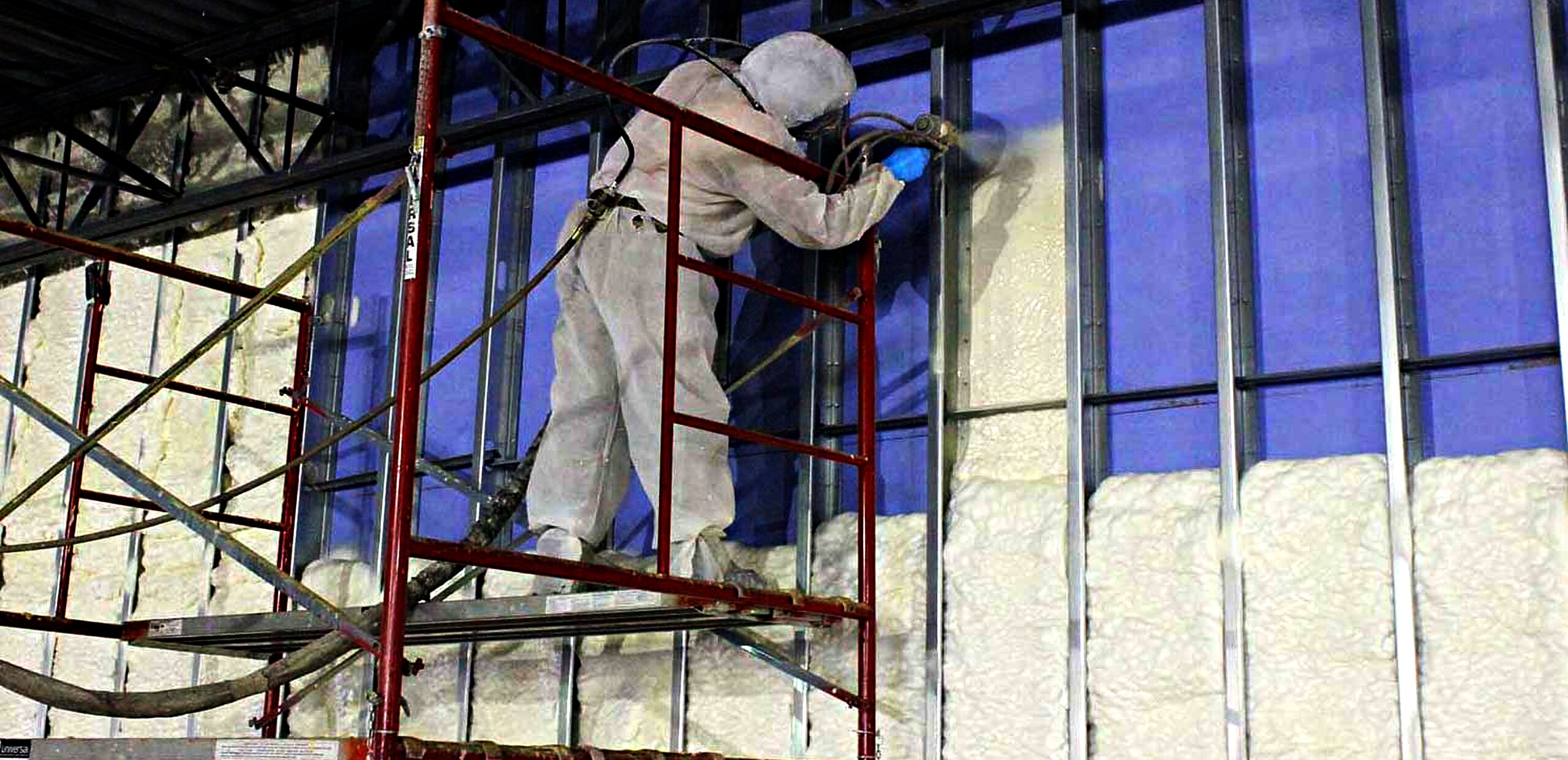 Spray foam & insulationInsulation R-Value Chart
 Spray foam & insulationMetal Building Insulation
 Spray foam & insulationMineral Wool InsulationSpray foam & insulationMobile Home InsulationSpray foam & insulationOpen Cell Spray Foam Guide
 Spray foam & insulationOpen Cell vs Closed Cell Spray Foam