








Types of Insulation: R-Values, Costs & Where Each One Works
Fiberglass, mineral wool, cellulose, foam board and spray foam compared honestly by a manufacturer, with 2026 costs, R-value per inch and two tools to pick the right one.
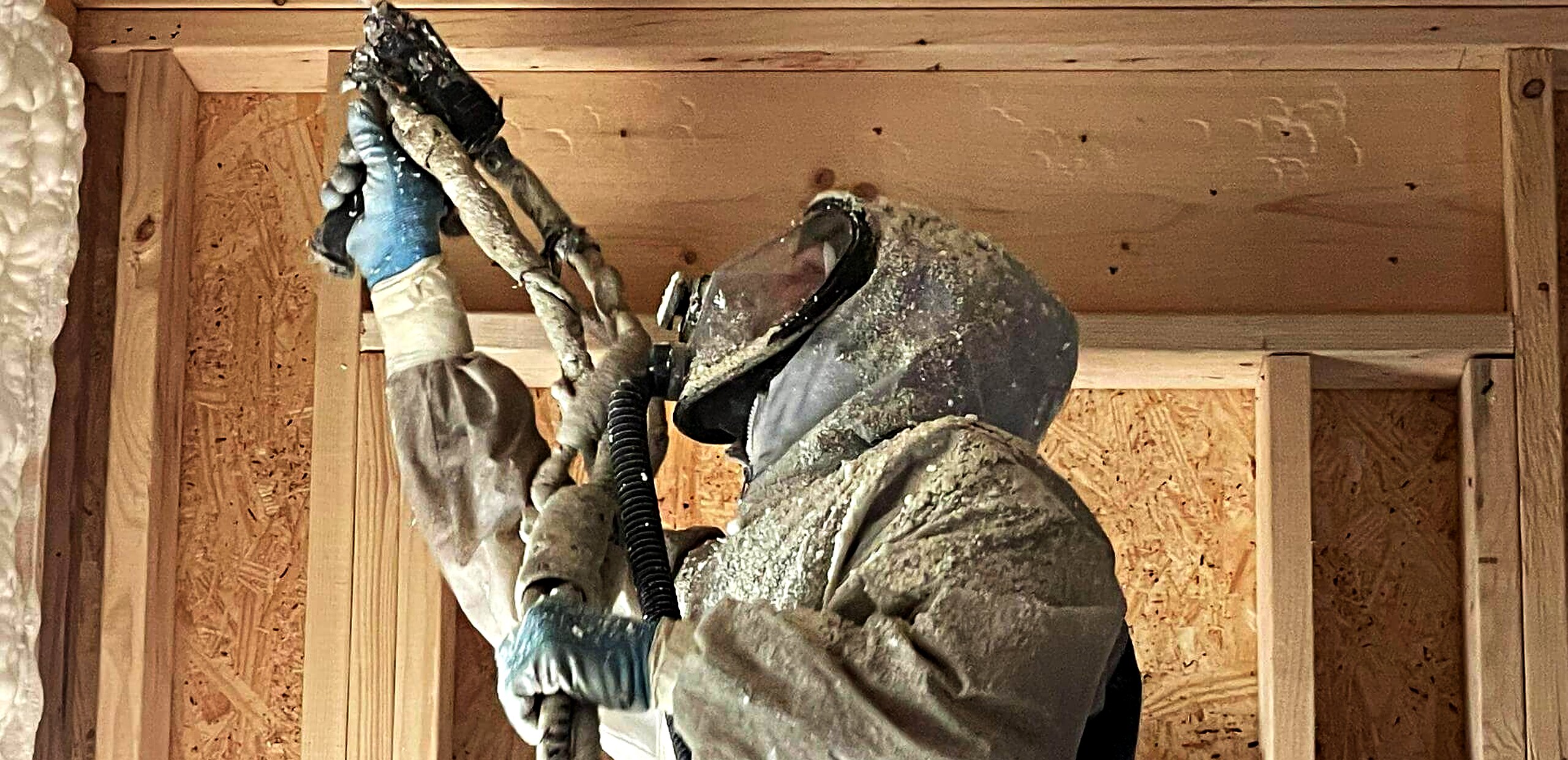
Start a spray foam business
Spray foam for a living.
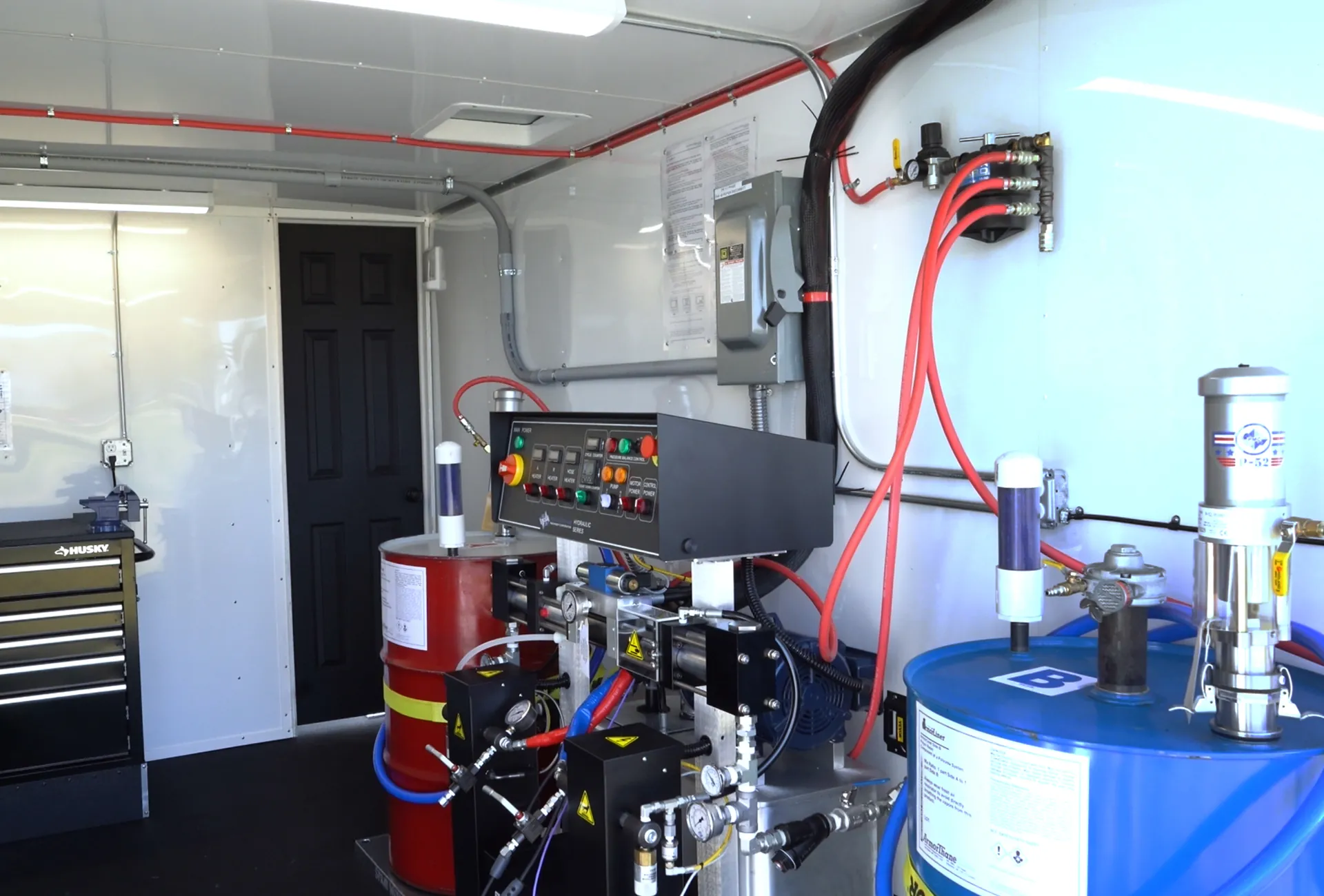
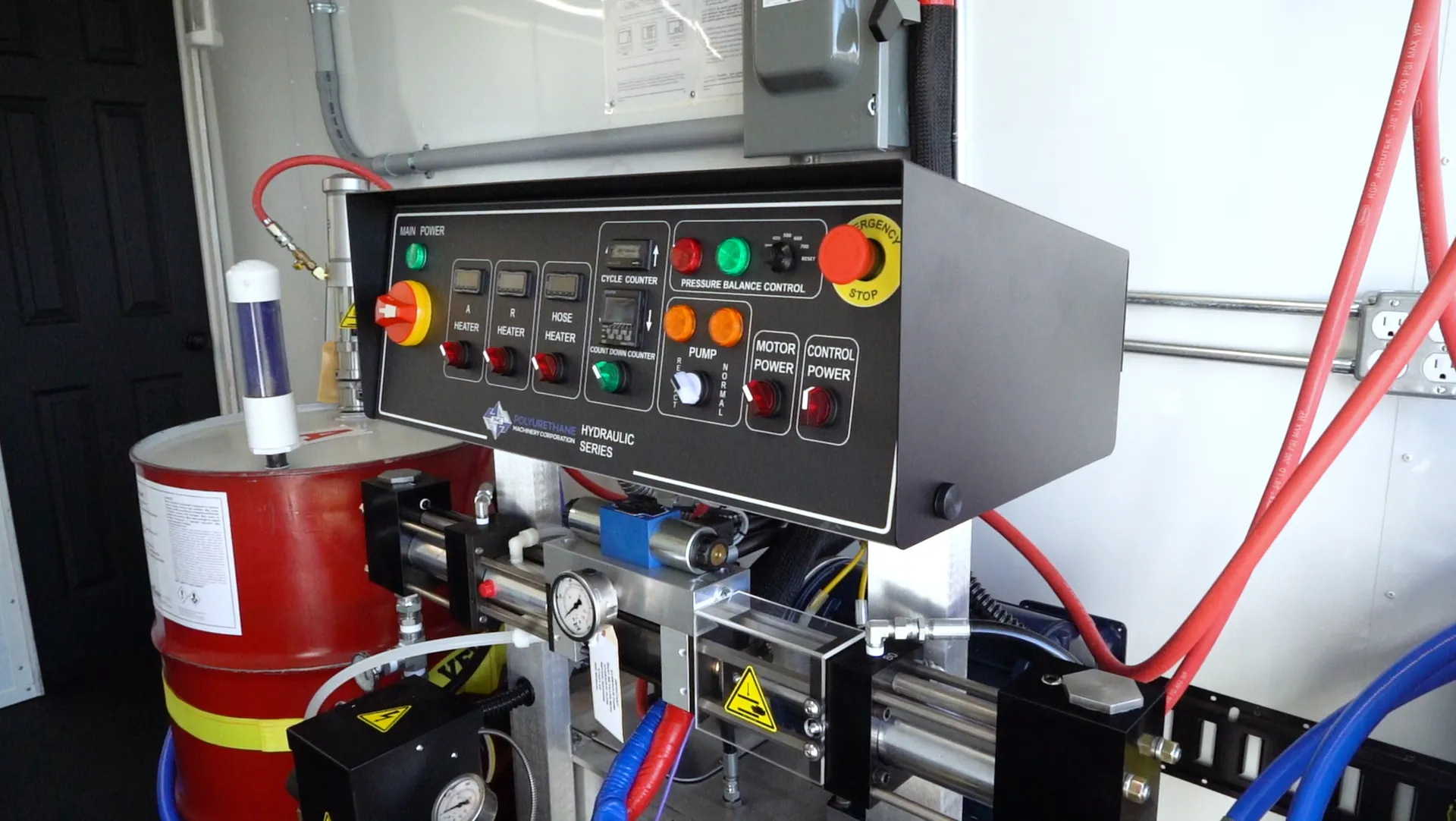
ArmorThane sets you up to do this work, and you own the business. We make the chemistry, build the rigs, train you hands-on and answer the phone when a job gets difficult. You pay no franchise fee and no royalties. It has been that way since 1989.

- $0
- franchise fees or royalties
- 35+
- years in business
- 50+
- countries with applicators
- 24/7
- technical support
There are really only a handful of types of insulation, and every product on the shelf falls into one of them: blankets (batts and rolls), loose-fill that gets blown in, rigid foam board, spray foam, and a few specialty systems like radiant barriers, SIPs and insulated concrete forms. We manufacture spray foam, so we have a horse in this race, but we also work on plenty of houses where the right answer is a truckload of blown cellulose or a stack of foam board. This guide lays out each type of insulation honestly: what it is made of, its R-value per inch, what it costs installed in 2026, where it works and where it fails.
The main types of insulation are fiberglass and mineral wool batts, blown-in loose-fill (cellulose, fiberglass or mineral wool), rigid foam board (EPS, XPS and polyiso), and spray polyurethane foam (open-cell and closed-cell). Loose-fill is usually the cheapest way to hit R-49 or more on an open attic floor. Batts are the budget choice for open stud walls. Foam board is the go-to for continuous insulation on foundations and exterior sheathing. Spray foam costs more per R but is the only common type that insulates and air-seals in one step, which is why it wins at rim joists, cathedral ceilings, crawl space walls and metal buildings.
The types of insulation at a glance
DOE groups insulation by form, not brand. The form decides how it gets installed, which decides what it costs and how it performs in a real house.
Fiberglass batts and rolls
Spun glass fibers in pre-cut pieces sized for 16 and 24 inch stud spacing. Standard batts run R-2.9 to R-3.8 per inch and high-density batts R-3.7 to R-4.3 (DOE). Cheap and DIY-friendly, but gaps and compression eat into the label value.
Mineral wool batts
Stone and recycled slag fibers. ROCKWOOL Comfortbatt is R-15 at 3.5 inches and R-23 at 5.5 inches, is noncombustible under ASTM E136, and has a melting point of about 2,150°F. Stiffer than fiberglass and costs more.
Blown cellulose
Up to 85% recycled paper and cardboard (CIMA), treated with fire retardants. Around R-3.6 per inch loose and R-3.7 dense-packed. Great for attic floors and closed walls; it settles, so it is blown deeper than the target.
Blown fiberglass
The same glass fiber, chopped and blown. Lighter and lower in R per inch (about R-2.2 to R-2.9) than cellulose, so it needs more depth for the same R-value: about 17 inches for R-49 on the AttiCat chart.
Foam board (EPS, XPS, polyiso)
Factory-made sheets. EPS runs R-3.6 to R-4.3 per inch depending on density (ASTM C578), XPS about R-5, and foil-faced polyiso around R-6.5 aged (DOE).
Open-cell and closed-cell SPF
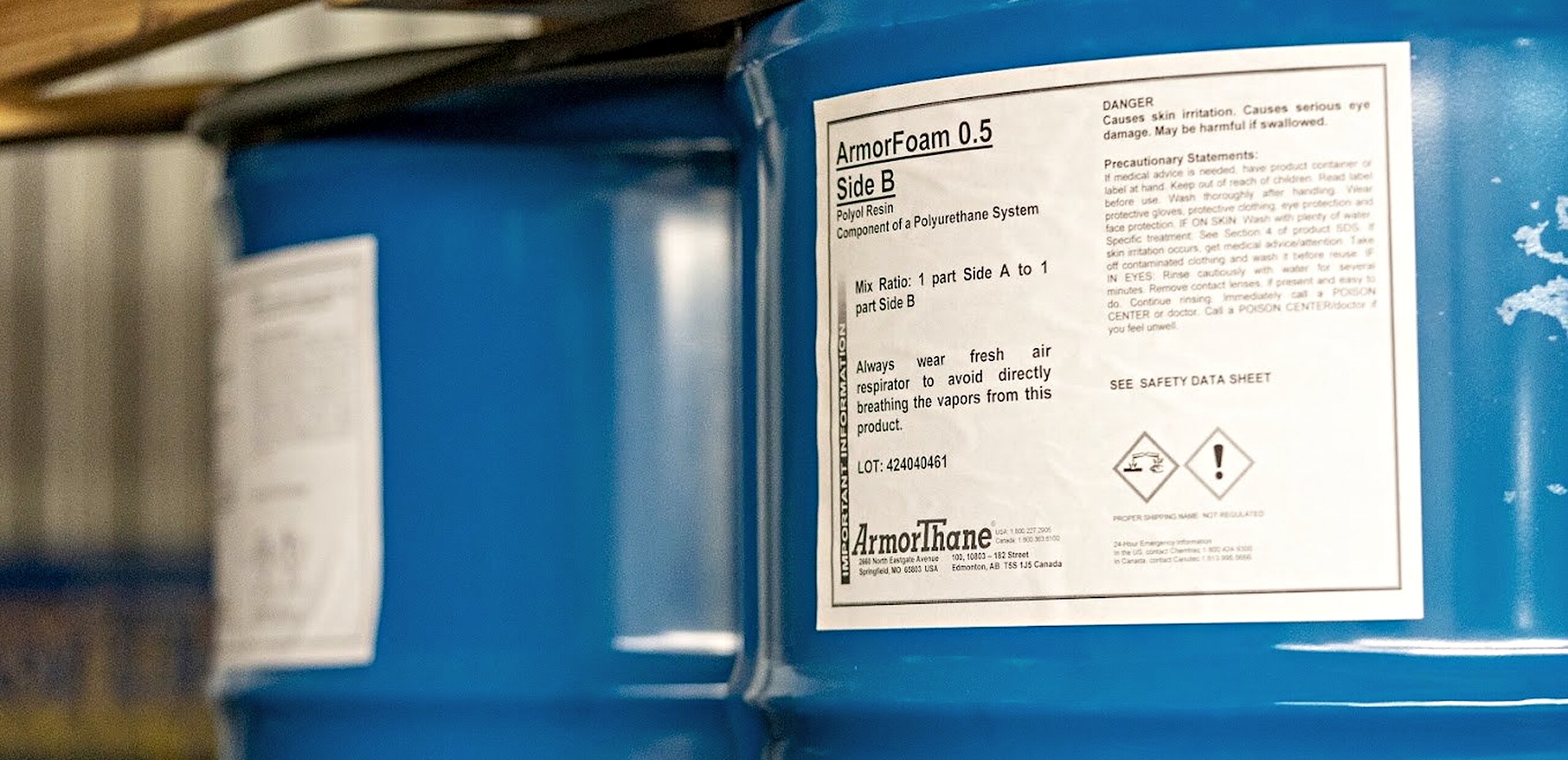
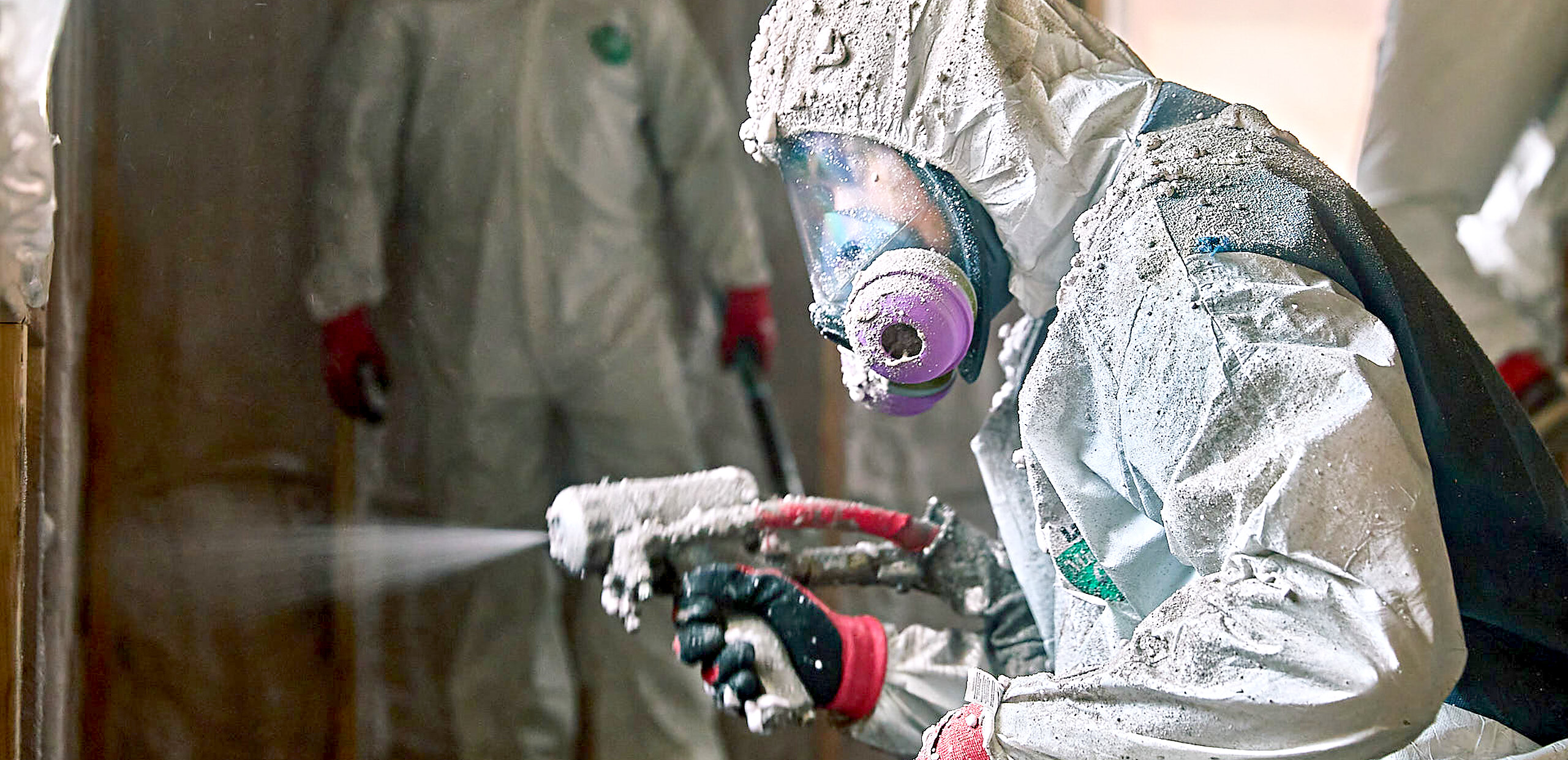
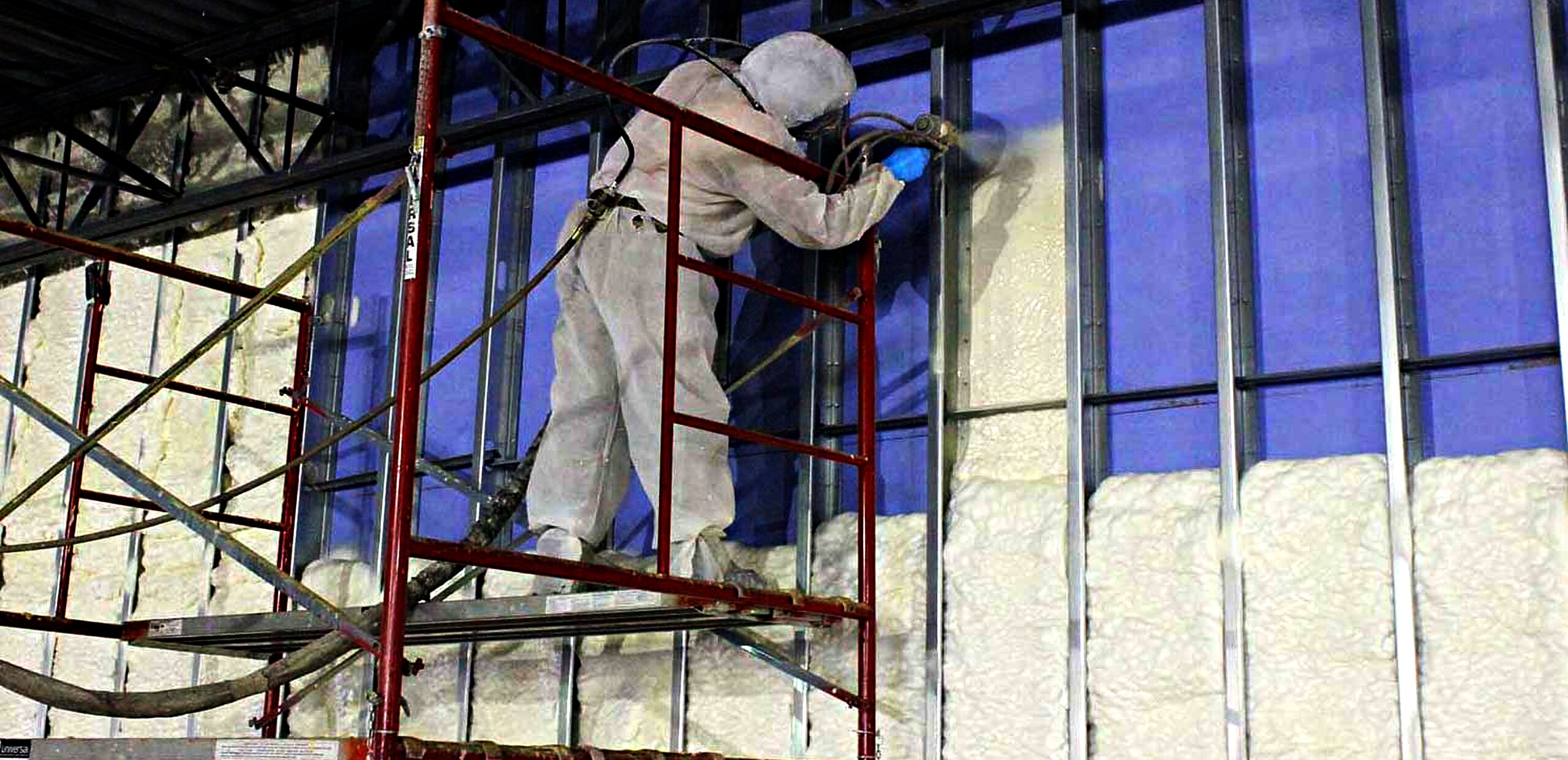
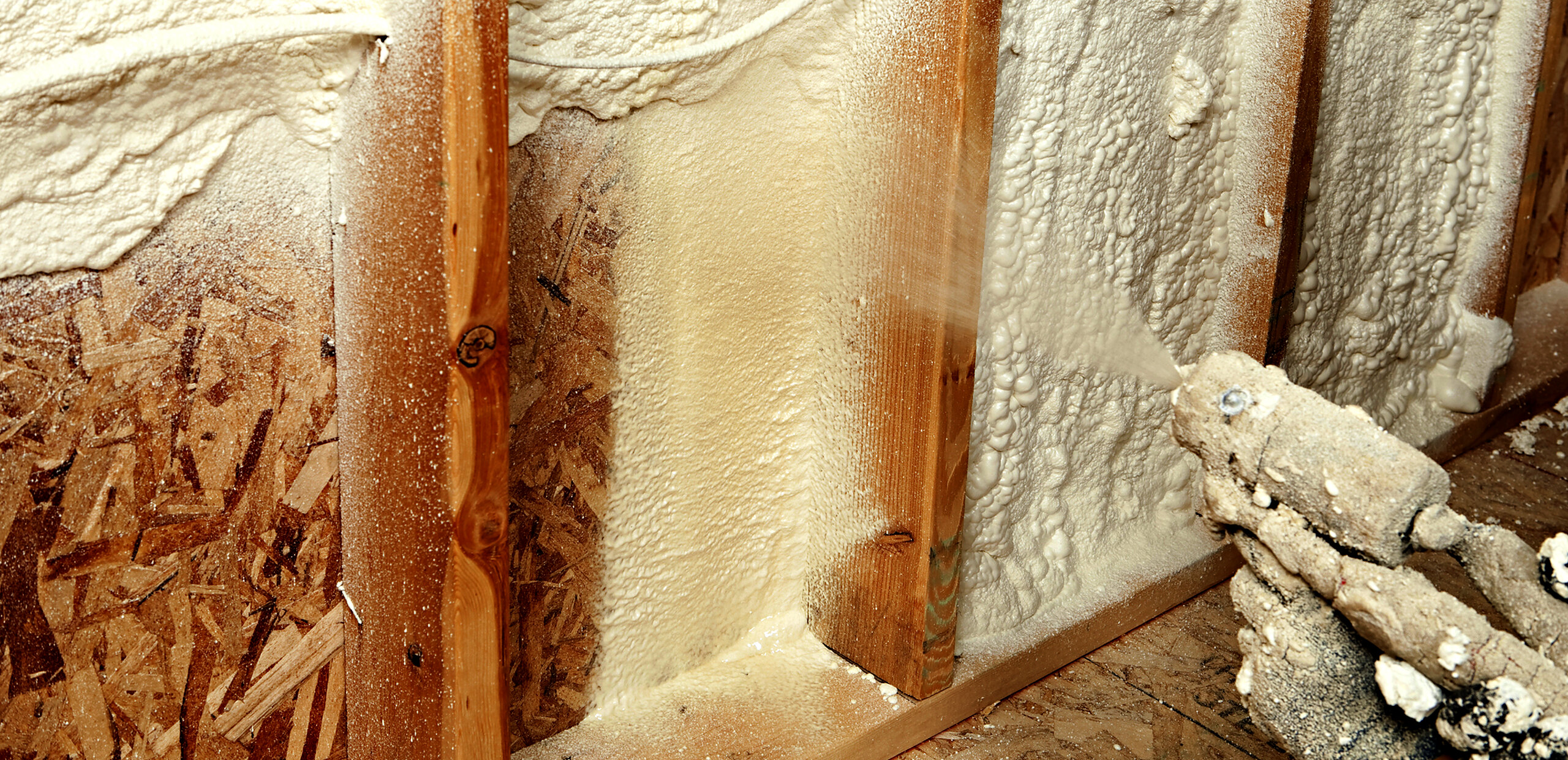
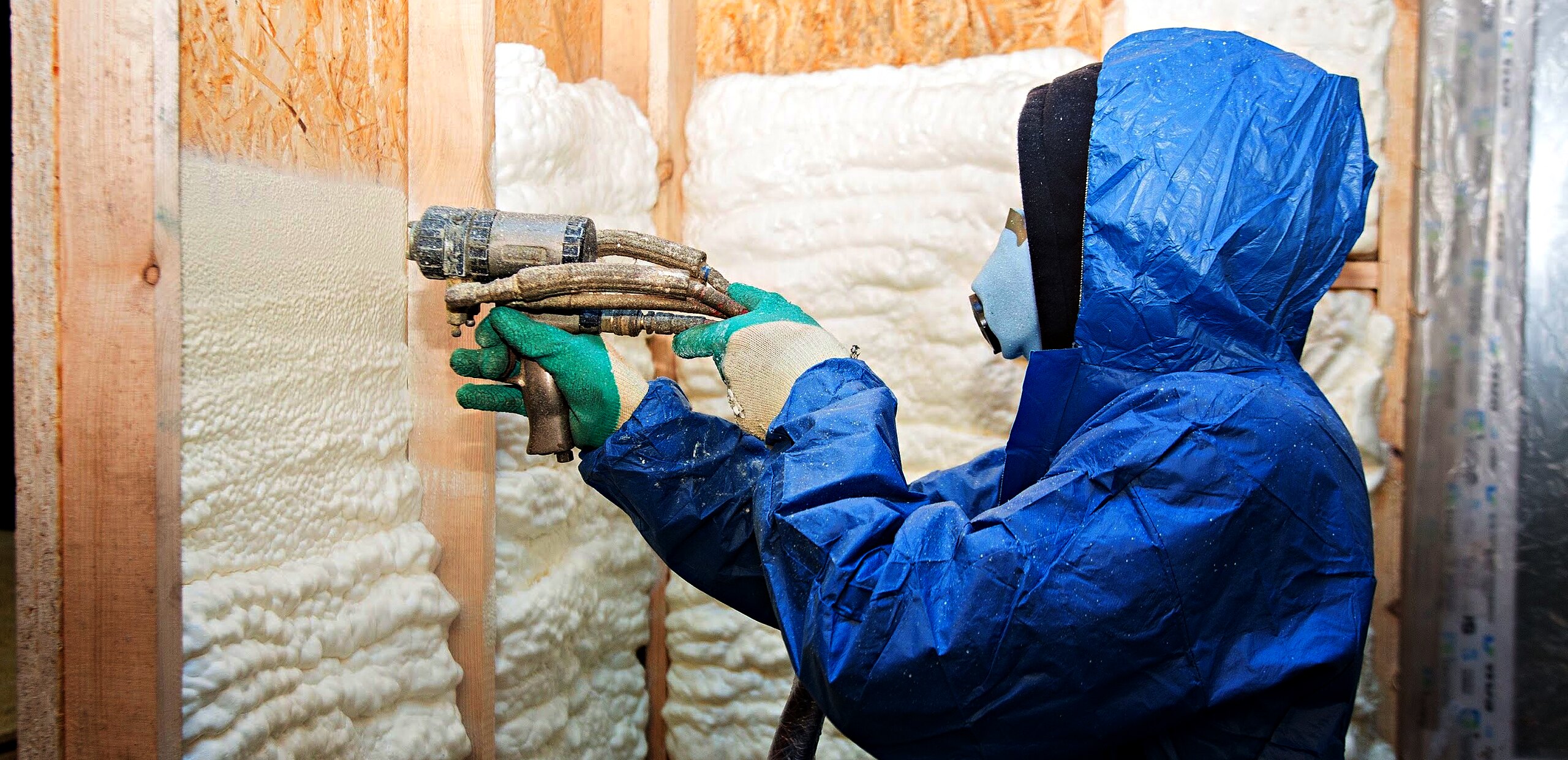
Two-part polyurethane mixed at the gun. Open-cell is about R-3.5 to R-3.7 per inch, soft and vapor-open. Closed-cell runs about R-6 to R-7; our ArmorFoam closed-cell is listed at R-6.5 aged. Both air-seal as they insulate.
Radiant barriers
Reflective foil, usually under attic roof decking. No inherent R-value; DOE says studies show 5% to 10% cooling cost reductions in warm, sunny climates.
SIPs and ICFs
Structural insulated panels are a foam core between OSB skins; DOE cites 12% to 14% energy savings. Insulated concrete forms are foam blocks filled with concrete, typically about R-20.
Natural fibers
Cotton (often recycled denim), sheep's wool, hemp and wood fiber batts and boards. DOE lists natural fibers among blanket materials. Pricier: wood fiber runs $4.25 to $6.75 per sq ft on HomeAdvisor's 2026 guide.
Insulation types compared: R-value, cost and air sealing
R-values per inch come from DOE, ASTM C578 and manufacturer data sheets; installed costs are 2026 national ranges from HomeGuide and Angi. Treat costs as a sanity check, not a quote. Click any heading to sort.
| Insulation type | R per inch | Installed cost / sq ft | Stops air? | DIY? | Best used for |
|---|---|---|---|---|---|
| Fiberglass batts | R-2.9 to R-3.8 | $0.80–$2.60 | No | Yes | Open stud walls, floors over unheated space |
| Mineral wool batts | R-3.7 to R-4.3 | $1.40–$4.00 | No | Yes | Walls where fire and sound matter, basements |
| Blown cellulose | R-3.1 to R-3.8 | $1.20–$2.80 | Slows it (dense-pack) | Attic only | Attic floors, closed walls in older homes |
| Blown fiberglass | R-2.2 to R-2.9 | $1.00–$2.80 | No | Attic only | Attic floors, new-construction wall netting |
| EPS foam board | R-3.6 to R-4.3 | $1.20–$3.70 | If seams are taped | Yes | Under slabs, ICFs, budget continuous insulation |
| XPS foam board | R-5.0 | $1.20–$3.70 | If seams are taped | Yes | Foundations, below grade, under slabs |
| Polyiso foam board | R-5.7 to R-6.5 aged | $1.20–$3.70 | If seams are taped | Yes | Roofs, exterior wall sheathing (above grade) |
| Open-cell spray foam | R-3.5 to R-3.7 | $1.00–$4.50 | Yes | No | Roof decks, interior walls, sound control |
| Closed-cell spray foam | R-5.0 to R-7.0 | $1.00–$4.50 | Yes | No | Rim joists, crawl space and basement walls, metal buildings |
| Radiant barrier | None (reflects heat) | $0.30–$2.00 | No | Yes | Hot-climate attics with ducts |
How to read the cost column
Per-square-foot prices hide the depth. HomeGuide puts blown-in R-30 at $660 to $1,200 per 1,000 sq ft of attic floor, so roughly a dollar a square foot buys R-30. Closed-cell foam material alone runs $0.90 to $1.00 per board foot, and a board foot is one inch over one square foot, roughly R-6.5, before any labor. That is why we tell people not to use spray foam where a cheaper type can do the job. Our spray foam insulation cost guide breaks down the board-foot math in detail.
How thick does each type of insulation need to be?
Enter your target R-value and the depth you actually have (3.5 inches in a 2x4 wall, 5.5 in a 2x6, or the rafter depth in a cathedral ceiling).
Which insulation types fit my space?
Depth needed = target R divided by R per inch. We use mid-range values from the table above: blown fiberglass 2.5, fiberglass batt 3.3, cellulose 3.6, open-cell foam 3.6, EPS 4.0, mineral wool 4.2, XPS 5.0, polyiso 6.0 (5.0 if you tick cold climate, per NRCA guidance) and closed-cell foam 6.5.
Two cautions on the result. Batts are sold in fixed R-values for standard cavities, so a 2x6 wall gets R-19, R-21 or R-23 batts, not a custom thickness. And a fit on paper is not a fit in the field: stuffing an R-30 batt into a 2x8 compresses it and you will not get R-30.
Why R-value alone misleads you
R-value is measured on a clean lab sample at a 75°F mean temperature with no air moving through it. Your attic in January is not that lab.
1. Air leakage goes straight through most insulation
Fiberglass, mineral wool and loose-fill are filters, not air barriers. EPA's 15% savings estimate assumes air sealing (a 25% cut in infiltration) as well as insulation. Spray foam is the exception: it is the insulation and the air seal in one layer, and dense-packed cellulose slows air substantially.
2. Temperature changes the number
Building Science Corporation testing reported by Green Building Advisor found polyiso that delivers about R-6 per inch in summer can fall to roughly R-4.5 on a cold winter day; roofers design cold-climate roofs at R-5 per inch. XPS goes the other way: Owens Corning lists FOAMULAR 250 at R-5.0 per inch at 75°F and R-5.4 at 40°F. Oak Ridge National Laboratory reported in 1991 that convection cut loose-fill fiberglass effectiveness by 30% when attic temperatures fell below about 0°F.
3. Some types lose R-value or depth over time
Cellulose settles up to 20%, so bag charts list a smaller settled thickness. Foams made with gas blowing agents age as gas diffuses out, which is why polyiso is rated by long-term thermal resistance (LTTR), a 15-year time-weighted average; the design value for permeable-faced polyiso roof board was cut from R-6.0 to R-5.7 per inch in 2014.
4. Moisture and vapor behavior
Fibrous insulation is vapor-open: it lets a wall dry, but vapor control has to come from somewhere else. Foam boards range widely: DOE lists foil-faced polyiso at about 0.03 perms, 1 inch of XPS at 1.1 perms and 2 inches at 0.55, and EPS from 2 to 5 perms depending on density. Closed-cell spray foam becomes a vapor retarder at typical wall depths; open-cell does not.
5. Fire behavior
Mineral wool is noncombustible (ASTM E136) with a melting point near 2,150°F. Cellulose is treated with fire retardants and must pass the federal CPSC standard (16 CFR 1209) for radiant flux and smoldering. Every foam plastic, board or spray, has to be separated from living space by a code-approved thermal barrier such as 1/2 inch gypsum board. That includes our foam; see spray foam insulation problems.
Which type of insulation fits your project?
Pick the location and what matters most to you. The selector scores each insulation type on how well it suits that spot, then weighs your priority.
Best insulation type for the job
Each type gets a fit score for the location (0 to 5, from code requirements and field practice) doubled, plus a 1 to 5 score for your priority: installed cost, R per inch, air sealing, fire and sound, or DIY friendliness.
Best type of insulation for each part of the house
Attic floor
Loose-fill cellulose or fiberglass, blown to R-49 or R-60 in most climates after the ceiling plane is air sealed. Our attic insulation cost guide covers when foaming the roof deck makes more sense instead.
Cathedral ceilings and roof decks
Shallow rafter bays need high R per inch and an air seal. Closed-cell foam, or foam board above the deck, is usually the answer. See cathedral ceiling insulation.
Existing closed walls
Dense-pack cellulose blown through small holes is the standard retrofit. Injection foam is the other option for masonry and some frame walls; our injection foam guide covers it.
Open stud walls
Batts (fiberglass or mineral wool) are the budget route; open-cell or closed-cell foam costs more but seals every wire and box penetration.
Basements and crawl spaces
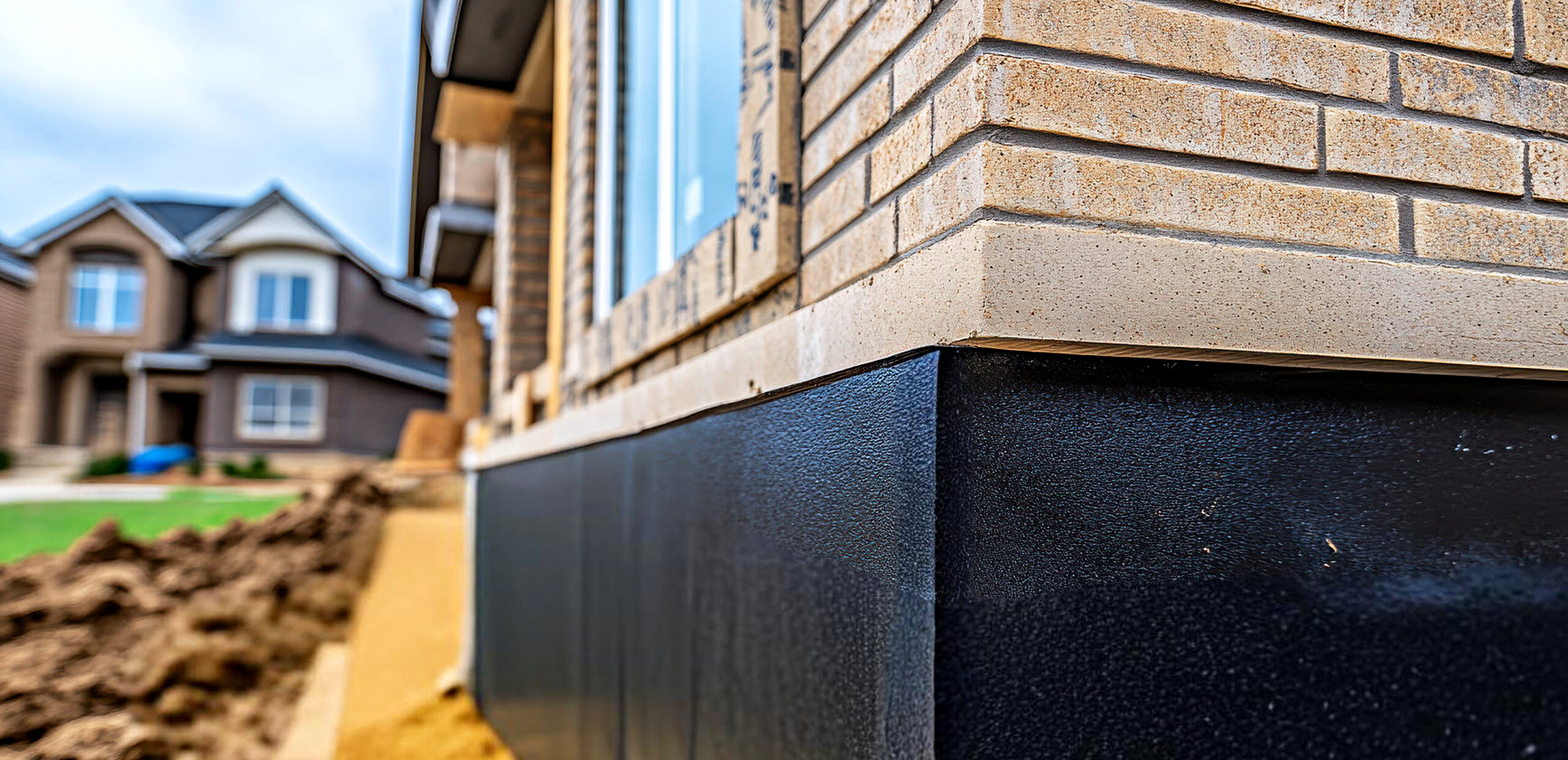
Insulate the foundation walls with materials that tolerate moisture: XPS, EPS or closed-cell foam against the concrete. DOE says an insulated basement can cut heating bills 10% to 20%. See basement wall insulation and crawl space insulation.
Rim joists
Closed-cell foam or cut-and-sealed foam board; fiberglass stuffed in the bay does little for air leaks. Details in our rim joist insulation guide.
Metal buildings and pole barns
Closed-cell foam applied directly to the panels insulates and stops condensation on the steel; faced fiberglass blankets are the low-cost alternative. Compare both in metal building insulation.
Where we would not use spray foam
We sell closed-cell and open-cell spray foam, and we still tell people to skip it on an open, accessible attic floor (loose-fill is cheaper per R), in a wall that is already closed (dense-pack or injection foam is less disruptive), and on any job where the budget only allows a thin coat to "seal things up." Spray foam earns its cost where air sealing, moisture control and R per inch all matter at once.
Not sure which type fits? Get a straight answer.
Tell us what you are insulating, the framing depth, and what is there now. A certified ArmorThane applicator can quote spray foam where it fits, and will tell you when loose-fill or board is the better buy.
Contractors: become an applicator →
Types of insulation: common questions
What are the main types of insulation?
The U.S. Department of Energy groups insulation into blanket (batts and rolls of fiberglass, mineral wool or natural fibers), loose-fill or blown-in (cellulose, fiberglass, mineral wool), rigid foam board (EPS, XPS, polyiso), sprayed foam (open-cell and closed-cell polyurethane), and specialty systems such as radiant barriers, SIPs and ICFs.
What is the best type of insulation for a house?
It depends on the location. Blown-in loose-fill is hard to beat on an open attic floor, batts are the budget choice for open walls, foam board is standard on foundations and exterior sheathing, and closed-cell spray foam wins where you need air sealing and high R in a shallow space, such as rim joists, crawl space walls and cathedral ceilings.
Which type of insulation has the highest R-value per inch?
Among common building products, closed-cell spray foam (about R-6 to R-7 per inch) and foil-faced polyiso board (about R-6.5 aged at mild temperatures) lead. XPS is about R-5, mineral wool about R-4.2, cellulose about R-3.6, and blown fiberglass about R-2.2 to R-2.9.
What is the cheapest type of insulation?
Per unit of R-value, blown-in fiberglass or cellulose on an open attic floor is usually the cheapest; HomeGuide puts blown-in R-30 at $660 to $1,200 per 1,000 sq ft. For walls, fiberglass batts at $0.80 to $2.60 per sq ft installed are the lowest-cost option.
Can you mix different types of insulation?
Yes, and it is often the smartest approach: loose-fill blown over old batts, a thin closed-cell layer for air sealing with fiber insulation behind it, or foam board outside the studs with batts inside. Just do not create a cold, vapor-tight surface where moisture will condense.
Is spray foam better than fiberglass?
Spray foam air-seals and fiberglass does not, and closed-cell foam has roughly double the R per inch. Fiberglass is far cheaper and usually the better value in open attics; spray foam usually wins in rim joists, crawl spaces, metal buildings and tight roofs. We compare them in detail in spray foam vs fiberglass.
What type of insulation is best for soundproofing?
Dense, fibrous insulation absorbs sound best inside a wall cavity: mineral wool batts and dense-packed cellulose are the usual picks, and open-cell foam also absorbs airborne noise well. Mass and sealing air gaps matter as much. See does spray foam reduce noise.
Does insulation wear out?
Most insulation lasts the life of the building if it stays dry, uncompressed and free of pests. Cellulose settles up to 20% after install, which is built into its coverage charts. Foam boards and closed-cell foam lose a little R-value as blowing agents age, which is why aged (LTTR) values are the ones to compare.
Each insulation type in depth
Foam board insulation
EPS vs XPS vs polyiso, ASTM C578 grades, and a sheet and R-value calculator.
Cellulose insulation
Attic and dense-pack wall cellulose, settling, fire treatment and bag math.
Mineral wool insulation
Stone wool batts and boards for fire, sound and continuous insulation.
Blown-in insulation
Fiberglass vs cellulose vs rockwool for attics, with a bag and depth calculator.
Sources
- U.S. DOE Energy Saver, Types of Insulation: energy.gov
- U.S. DOE Energy Saver, Insulation (recommended R-values): energy.gov
- U.S. DOE Building Technologies Program, Energy Renovations: Insulation guide (Table 3.2): energy.gov
- U.S. DOE Building America, Guide to Insulating Sheathing: eere.energy.gov
- U.S. DOE Energy Saver, Radiant Barriers and Where to Insulate: energy.gov
- EPA ENERGY STAR, methodology for air sealing and insulation savings: energystar.gov
- Cellulose Insulation Manufacturers Association, homeowner facts: cellulose.org
- ROCKWOOL Comfortbatt brochure (R-values, ASTM E136, melting point): rockwool.com
- Owens Corning FOAMULAR and FOAMULAR NGX 250 product data: buildsite.com
- ASTM C578 EPS type properties (via Quad-Lock): quadlock.com
- Green Building Advisor, Cold-weather performance of polyisocyanurate: greenbuildingadvisor.com
- Green Building Advisor / Fine Homebuilding, Blown insulation for attics (ORNL convection, settling): greenbuildingadvisor.com
- Roofing Contractor, New LTTR values for polyiso: roofingcontractor.com
- U.S. CPSC, 16 CFR Part 1209 cellulose insulation standard: ecfr.gov
- HomeGuide, Insulation cost (2026): homeguide.com
- HomeGuide, Blown-in insulation cost (2026): homeguide.com
- Angi and HomeAdvisor, insulation cost by type (2026): angi.com, homeadvisor.com
The right insulation, installed right.
Homeowners get a certified ArmorThane applicator who will tell you where spray foam pays and where it does not. Contractors can add spray foam to their services with no franchise fee and no royalties.
Start your coatings business with ArmorThane.
Tell us what you want to spray and where you are. An ArmorThane specialist will walk you through the equipment, chemicals, training and startup cost for the work you want to do.
- Equipment package matched to your applications
- Hands-on training and applicator certification
- Technical support once you are spraying
Picking an insulation type? Ask someone who installs it.
Tell us what you are insulating, the framing depth and what is there now. We will connect you with a certified applicator who can quote spray foam where it fits.
- Attic, walls, basement or crawl space
- Framing depth and square footage
- Existing insulation and condition
- Drafts, moisture or comfort problems
More to read on spray foam
Short reads from ArmorThane on Issuu. Tap one to open it right here.


More in Spray foam & insulation
 Spray foam & insulationCellulose Insulation
 Spray foam & insulationClosed Cell Spray Foam
 Spray foam & insulationCommercial Foam InsulationSpray foam & insulationCost to Insulate a House
 Spray foam & insulationCrawl Space Encapsulation Guide
 Spray foam & insulationCrawl Space Insulation
 Spray foam & insulationDIY Spray Foam Insulation
 Spray foam & insulationFoam Board Insulation