








Concrete Crack Repair: Methods, Materials & Cost
How to read a crack in a slab, driveway or floor, match the filler to the movement, and what professional repair costs per foot.

Start a floor coating business
Coat floors for a living.
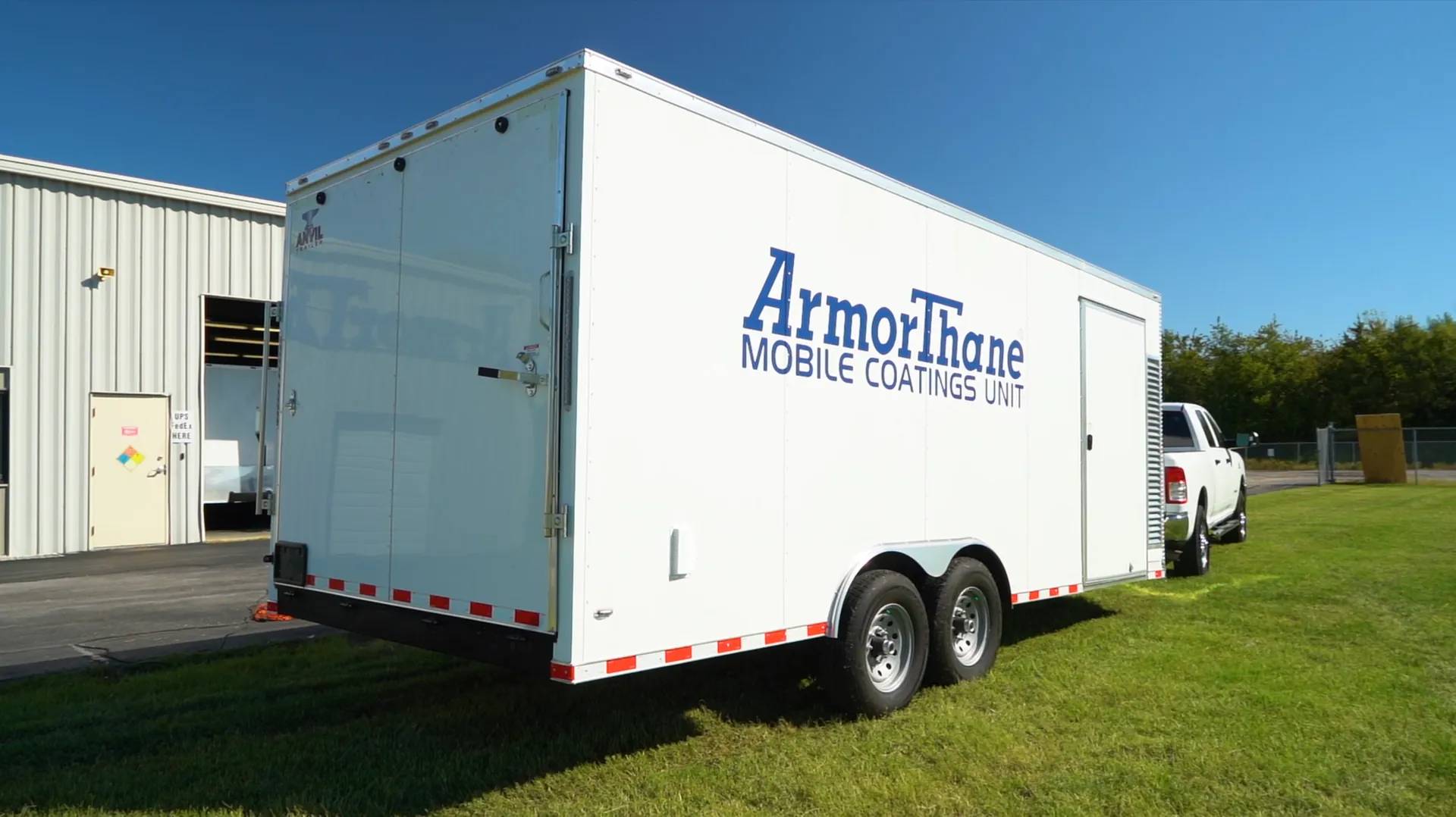
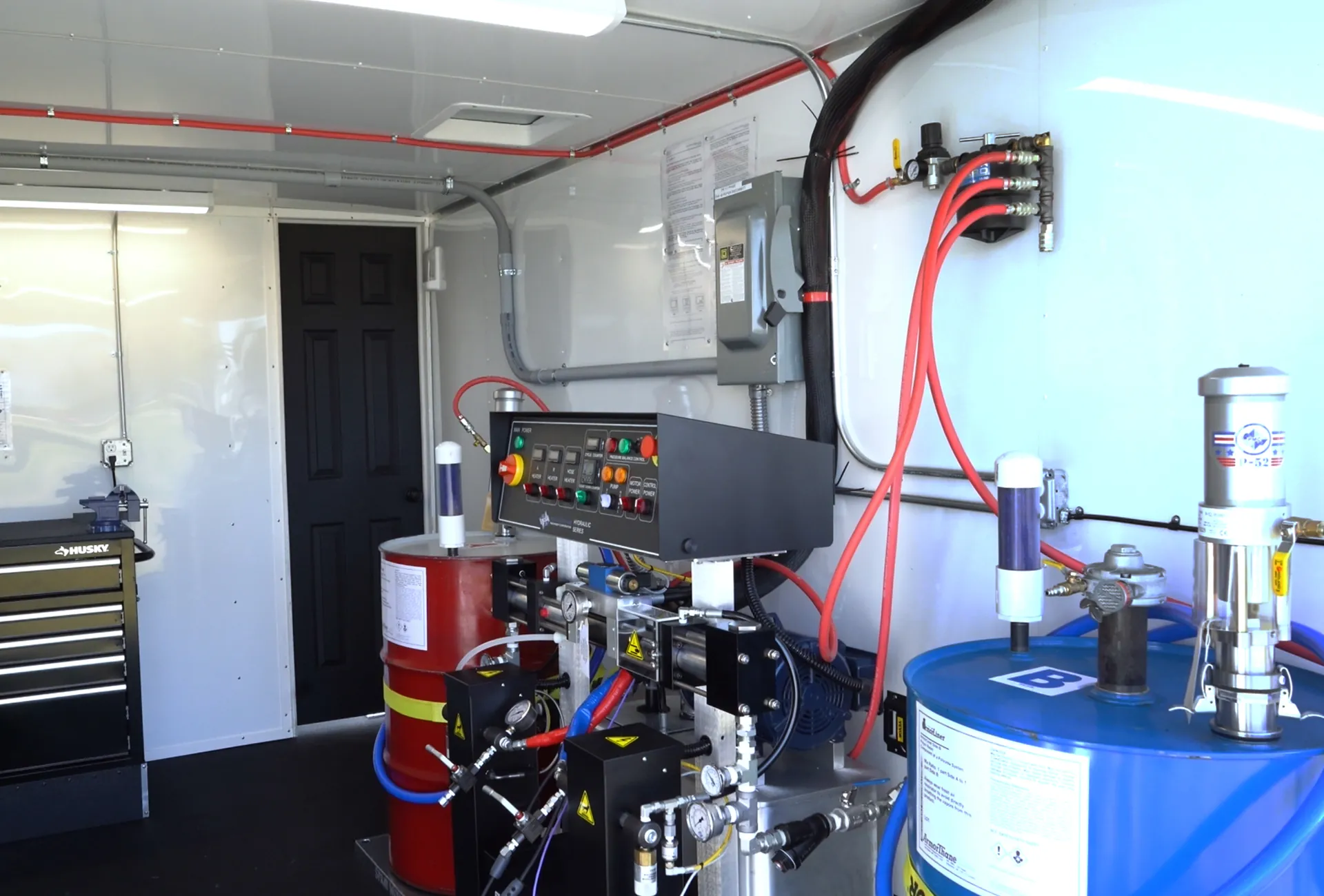
ArmorThane sets you up to do this work, and you own the business. We make the chemistry, build the rigs, train you hands-on and answer the phone when a job gets difficult. You pay no franchise fee and no royalties. It has been that way since 1989.
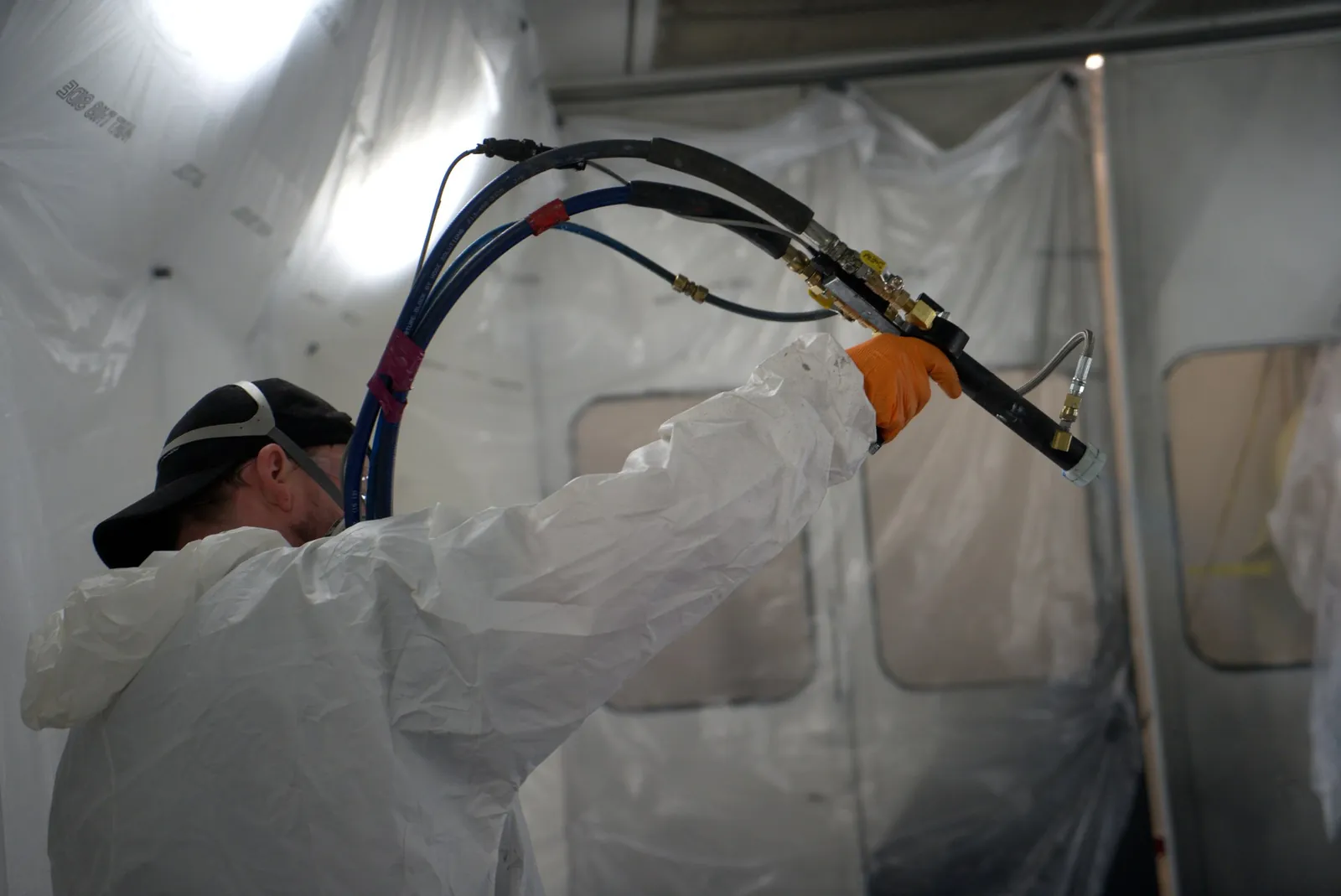
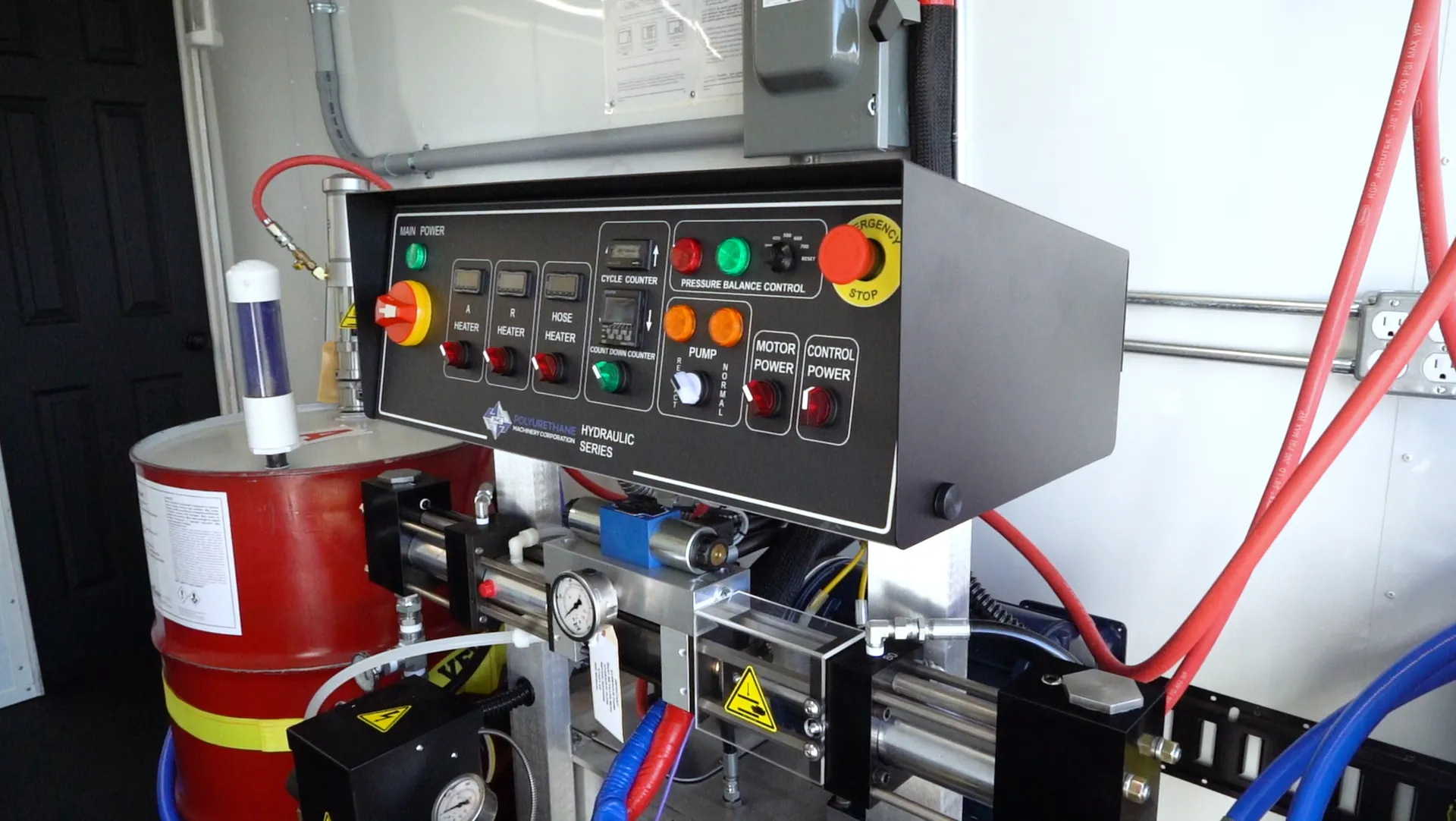
- $0
- franchise fees or royalties
- 35+
- years in business
- 50+
- countries with applicators
- 24/7
- technical support
Concrete crack repair starts with one question most people skip: is the crack still moving? A dormant hairline in a garage floor and an active crack across a driveway look similar, but they need opposite materials. Fill a moving crack with something rigid and it reopens next to the repair. Fill a forklift aisle crack with soft caulk and the edges break down. This guide shows how we read a crack, which method fits which crack, and what it costs.
For slabs, driveways and floors: clean the crack out, then match the filler to the movement. Dormant hairline and narrow cracks get a low-viscosity epoxy or polyurea, or are simply sealed. Cracks that open and close with temperature get a flexible polyurethane sealant over backer rod, at a 2:1 width-to-depth ratio. Cracks under forklift or hard-wheel traffic get a semi-rigid polyurea or epoxy filler, Shore A 80 or harder. Cracks wider than about 1/4 in, or with one side higher than the other, point to a base problem to fix first.
Read the crack before you fix it
All concrete shrinks as it dries. The surface dries faster than the core, tension builds, and the slab cracks somewhere. Control joints exist to decide where. The U.S. Bureau of Reclamation's joint spacing guide cites ACI's recommendation of 24 to 36 times the slab thickness for contraction joints in slabs on grade, and a saw-cut depth of at least one quarter of the slab. When joints are too far apart, too shallow, or cut too late, the slab cracks between them. That is the most common crack we see, and it is usually not structural.
What the pattern tells you
Random hairline or map cracking
Fine, shallow, spider-web cracks across the surface come from plastic or drying shrinkage and surface drying. Seal them or cover them; they rarely grow.
Straight crack between joints
A crack running roughly parallel to the joints, mid-panel, is the slab picking its own joint. It will open and close with the seasons. Treat it as a joint.
Crack from a corner or post
Re-entrant corners, drains and column blockouts concentrate stress. These cracks are expected, but check whether they keep lengthening.
Offset, wide or widening crack
One side higher than the other, or a gap past about 1/4 in, means the subgrade moved. Lift or replace first. See mudjacking vs polyjacking.
Is it moving? A cheap test
Mark both ends of the crack with a pencil and the date, and glue a short strip of glass slide or a plaster dab across it. If the crack lengthens past your marks or the dab breaks over a few weeks, it is active. Measure width with a crack card or feeler gauge in both summer and winter if you can. ACI 224R lists tolerable widths of 0.016 in for dry air, 0.012 in for humid air or soil, and 0.007 in where deicing chemicals are used. Cracks wider than those let water and salt reach the steel, which is how a crack turns into a spall. Our guide to spalled concrete repair picks up from there.
Concrete crack repair method selector
Pick what you see. The selector applies the same logic our applicators use on a walk-through: movement and traffic decide the material, width decides the prep, and offset or settlement overrides everything.
Which crack repair fits?
Compares your crack width with the ACI 224R tolerable width for the exposure, then picks a filler class by movement and traffic.
Concrete crack repair methods compared
There is no single best crack filler. Each family below solves a different problem, and most failed repairs we see used a good product in the wrong crack.
| Method | Handles movement | Typical width | Restores strength | Best use | Limits |
|---|---|---|---|---|---|
| Flexible polyurethane self-leveling sealant | Yes, ±25% (Class 25) | 1/4 to 1/2 in, 2:1 width to depth | No | Exterior slab cracks and joints that move with temperature | Soft; edges unprotected under hard wheels |
| Rout and seal | Yes | Narrow cracks widened to a V groove | No | Random cracks too narrow to take sealant | Needs a grinder; adds a visible line |
| Semi-rigid polyurea or epoxy joint filler | Little | Saw-cut joints and cracks, full depth | Supports edges | Forklift and hard-wheel floors, garages | Will separate if the crack keeps opening |
| Epoxy injection (ASTM C881 Type IV) | No | 0.002 in and wider | Yes, structural | Dormant structural cracks in walls, beams, slabs | Not for active cracks or rebar-corrosion cracks |
| Low-viscosity gravity-fed epoxy or polyurea | No | Hairline and narrow cracks | Partial | Dormant floor cracks before coating | Drains into wide cracks; sand-fill first |
| Cementitious patch or resurfacer | No | Wide, shallow, spalled edges | No | Rebuilding broken crack edges | Cracks reappear if the base moves |
A note on polyurea. We make polyurea, and fast-setting polyurea joint fillers are a good fit for joints and dormant cracks in garages, shops and warehouses: they cure quickly, so the floor goes back into service the same day. They are not a fix for a crack that is still widening. Neither is epoxy. If a crack keeps growing, the cure is under the slab. We have a separate write-up on polyurea concrete crack injection for structural and below-grade work.
How to repair a concrete crack, step by step
This is the sequence for a typical exterior slab crack using a flexible sealant, with notes where a floor crack under traffic differs.
Open and clean the crack
Grind or rout narrow cracks into a clean V or square groove so the filler has two sound sidewalls to grip. TxDOT's rout-and-seal method uses a V groove typically about 3/8 in deep. Vacuum and blow out every bit of dust; filler stuck to dust is not stuck to concrete.
Let it dry
Most sealants and resin fillers want a dry crack. After pressure washing, give it time, or use a torch or heat gun carefully on cool days.
Set the depth with backer rod
For moving cracks, push closed-cell backer rod or bond breaker tape in so the sealant bonds to the two sides only, not the bottom. W. R. Meadows specifies a 2:1 width-to-depth ratio for Pourthane SL, from 1/4 in to 1/2 in wide. A thin, wide bead stretches; a deep, narrow one tears.
Fill wide voids first
On floors, fill deep cracks with dry silica sand to just below the surface before pouring a low-viscosity resin, so the resin is not lost into the subgrade.
Fill slightly proud or flush
Self-leveling sealant goes in flush or just below the surface. Semi-rigid polyurea or epoxy fillers are overfilled and shaved flush after cure so wheels roll over a continuous surface.
Protect while it cures
Pourthane SL lists a skin time of 60 to 120 minutes and full cure around 72 hours at normal conditions. Keep tires and foot traffic off until the data sheet says otherwise.
Cracks back again after last year's fix? Let a pro read them.
Certified ArmorThane applicators repair cracks and joints before coating driveways, garages and industrial floors, and they will tell you when the slab needs lifting first.
Contractors: become an applicator →
Concrete crack repair cost and material calculator
HomeGuide puts professional concrete crack repair at $0.50 to $3 per linear foot, with minimum service fees of $100 to $250, which is why a few feet of crack often costs more per foot than a whole driveway's worth. A DIY bottle of crack filler runs $5 to $10 and covers roughly 24 linear feet of cracks under 1/4 in wide. The calculator works out sealant volume from the groove size (231 cubic inches per gallon) and the cost both ways.
Sealant volume and repair cost
Volume = length x width x depth. Depth defaults to half the width (2:1), with a 1/4 in minimum. Pro cost = $0.50–$3 per foot, never below the $100–$250 minimum.
Concrete crack repair under coatings and overlays
Most of our crack repair happens one day before a coating goes down. Garage floors, shop floors, pool decks and patios all get their cracks treated during prep, and how they are treated decides whether lines show up in the finished floor six months later.
Dormant cracks
Grind out, fill with a fast-set polyurea or epoxy filler, shave flush, then coat across. Done right, they disappear under a flake or color system.
Joints and seasonal cracks
Coating straight across a moving crack guarantees a line. Either re-cut it as a joint and fill it after coating, or accept it may telegraph.
Offset or growing cracks
Lift the panel or repair the base, then fill. No coating will hold two pieces of concrete together that are moving apart.
Flexible membranes
Elastomeric polyurea such as ArmorLiner stretches far more than epoxy, which helps on balconies and decks with fine cracks. It still needs moving cracks detailed first.
For a full garage or shop system, our garage floor coating guide walks through prep, crack repair and topcoats. For warehouse floors, joint maintenance is half the job; see industrial flooring. If the cracks are part of a worn, scaled surface, a bonded overlay may fix both at once; see concrete resurfacing. Exterior slabs that are only cracked, not scaled, usually just need the cracks filled and a good concrete sealer.
Why ACI tolerable widths matter for driveways
The tolerable width of 0.007 in for deicing exposure is tiny, about the thickness of two sheets of paper. The point is not that every crack wider than that is a failure. It is that cracks wider than that let chloride-laden water reach reinforcing steel. Rusting steel expands and pops the concrete off above it. Sealing exterior cracks every few years is cheap insurance against that kind of damage.
Concrete crack repair questions
What is the best filler for concrete cracks?
It depends on movement and traffic. Moving exterior cracks need a flexible polyurethane sealant with backer rod. Dormant cracks in floors take epoxy or polyurea. Cracks under forklifts or hard wheels need a semi-rigid filler with a Shore A hardness of 80 or more, which is what ACI 302 and 360 recommend for trafficked joints.
How much does concrete crack repair cost?
HomeGuide lists professional crack repair at $0.50 to $3 per linear foot, with minimum service charges of $100 to $250. DIY crack filler costs $5 to $10 a bottle. Structural cracks that need an engineer's evaluation cost more; HomeGuide quotes $100 to $220 per hour for a structural engineer.
Should I fill cracks in a concrete driveway?
Yes. Open cracks let water into the base and, with deicing salts, toward any reinforcing steel. Sealing them slows washout, frost heave and spalling. Cracks over about 1/4 in, or with an offset, should be looked at before filling.
Can epoxy fix a cracked slab permanently?
Epoxy injection can restore strength across dormant cracks 0.002 in and wider. It is not suited to cracks that will keep moving, or cracks caused by rebar corrosion, according to ACI 224.1R guidance. A new crack will usually form next to a rigid repair if the slab is still moving.
Why do concrete cracks come back after repair?
The crack was still moving, the filler was too rigid for the movement, the crack was not cleaned to sound concrete, or the filler bonded to the bottom of the groove and could not stretch. Settlement under the slab is the other common cause.
When is a concrete crack serious?
Watch for cracks wider than about 1/4 in, one side higher than the other, cracks that grow over weeks, rust stains, and panels that rock or sink. HomeGuide notes cracks past 1/4 in width or depth typically point to larger structural problems.
Can I coat over cracked concrete?
Yes, after the cracks are repaired. Dormant cracks are filled and coated over. Moving cracks and joints should be carried through the coating or they will show as a line. Offset cracks need the slab fixed first.
Sources
- HomeGuide, Driveway repair cost: homeguide.com/costs/driveway-repair-cost
- ASPIRE magazine, Evaluation and epoxy-injection repair of cracks in concrete (ACI 224R Table 4.1, ACI 224.1R): aspirebridge.com/magazine/2018Winter/SafetyAndServiceability.pdf
- U.S. Bureau of Reclamation, Joint spacing for concrete structures: usbr.gov/tsc/.../JointSpacingForConcreteStructures
- W. R. Meadows, Pourthane SL self-leveling joint sealant: wrmeadows.com/pourthane-sl-self-leveling-joint-sealant
- TxDOT Concrete Repair Manual, Rout-and-seal cracks: txdot.gov/manuals/brg/crm/...rout-and-seal-cracks
- For Construction Pros / MetzgerMcGuire, Understanding spalled concrete joints: forconstructionpros.com/.../understanding-spalled-concrete-joints
- Quikrete, Re-Cap Concrete Resurfacer data sheet: quikrete.com/pdfs/datasheet-concrete-resurfacer_1131-47.pdf
Stop chasing the same cracks every spring.
Homeowners and facility managers get a certified ArmorThane applicator who repairs cracks and protects the slab. Contractors can add crack repair and coatings with no franchise fee and no royalties.
 Read it
Concrete Structure Rehabilitation
Flip through the whole brochure right here, or open it full screen on Issuu to share it.
Start your coatings business with ArmorThane.
Tell us what you want to spray and where you are. An ArmorThane specialist will walk you through the equipment, chemicals, training and startup cost for the work you want to do.
- Equipment package matched to your applications
- Hands-on training and applicator certification
- Technical support once you are spraying
Cracks in your slab or floor? Get them fixed the right way.
Tell us where the cracks are (driveway, garage, warehouse floor, patio), roughly how long and wide, and whether they are growing. A certified applicator near you will follow up.
- Driveway, patio and walkway cracks
- Garage and shop floors before coating
- Forklift-traffic joints and cracks
- Advice on when lifting comes first
More to read on concrete repair
Short reads from ArmorThane on Issuu. Tap one to open it right here.
 Quick readThe Cost Savings Of In House Polyurea Spraying For Municipalities
- Quick readReviving Concrete Structures: The Power Of Polyurea Rehabilitation
- Quick readCritical Infrastructure Under Threat – ArmorThane Blast Protection
- Quick readCritical Infrastructure Series | BESS Blast Mitigation & Polyurea Protection



More in Floors & concrete
 Floors & concreteUrethane Cement Flooring
 Floors & concreteVeterinary Flooring
 Floors & concreteWarehouse Floor Marking
 Floors & concreteBarn Floor Coating
 Floors & concreteBest Garage Floor Coating
 Floors & concreteBrewery Floor Coating
 Floors & concreteCar Parks & Parking Garage Coatings
 Floors & concreteCommercial Floor Coating