

Skip to content
Concrete Joint Filler

Concrete Joint Filler: Polyurea vs Epoxy

How semi-rigid joint fillers protect saw-cut and construction joints from forklift damage, polyurea vs epoxy, when to fill after the pour, and the install steps that keep joint edges from spalling.
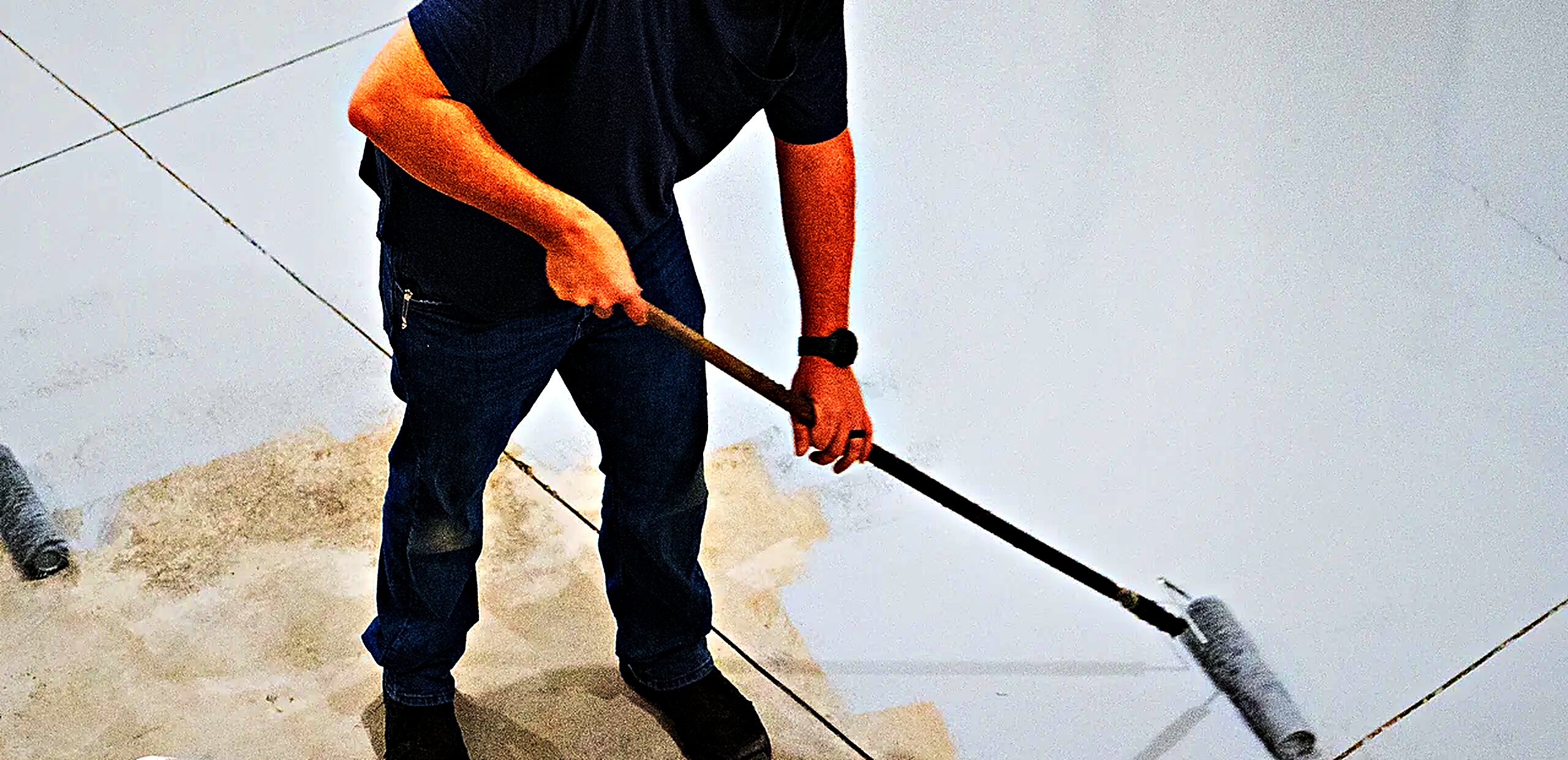
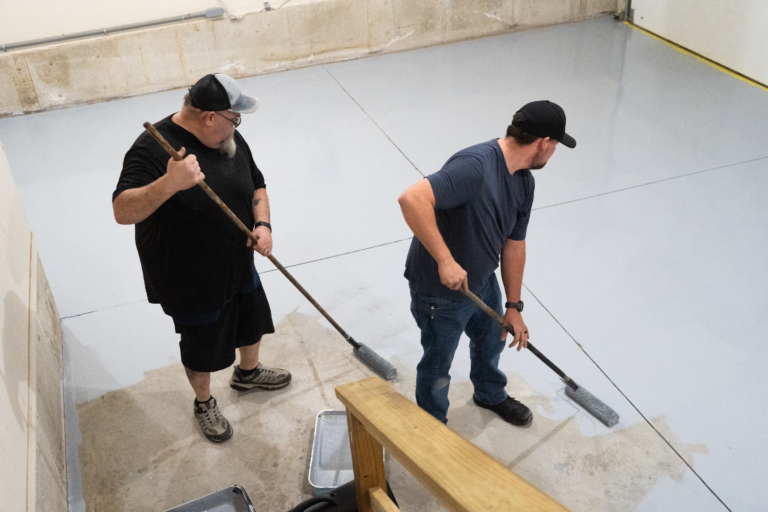
Applicator rolling ArmorFloor polyurethane floor coating onto a prepared concrete garage floor

Start a floor coating business

Coat floors for a living.

ArmorThane sets you up to do this work, and you own the business. We make the chemistry, build the rigs, train you hands-on and answer the phone when a job gets difficult. You pay no franchise fee and no royalties. It has been that way since 1989.
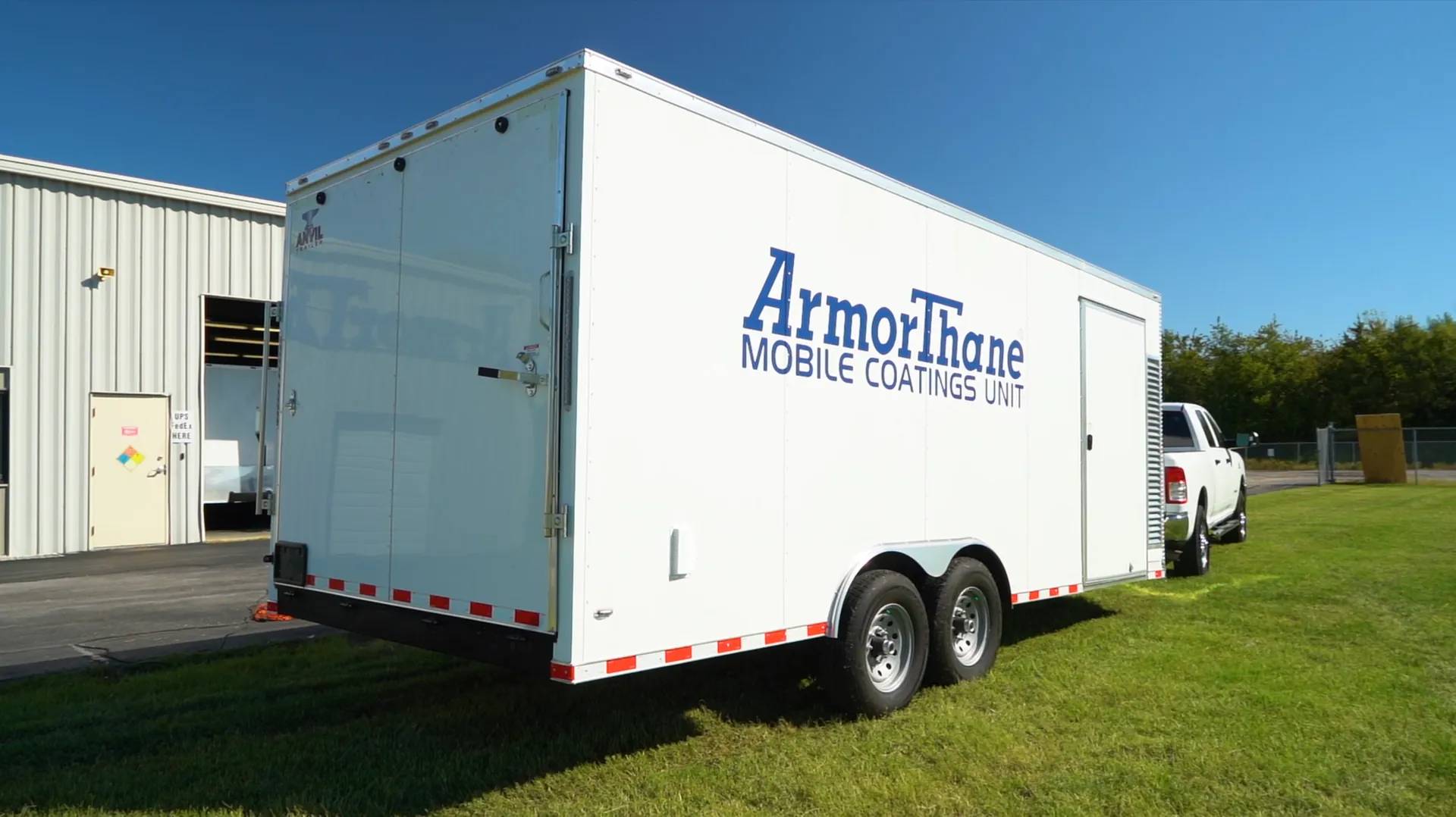
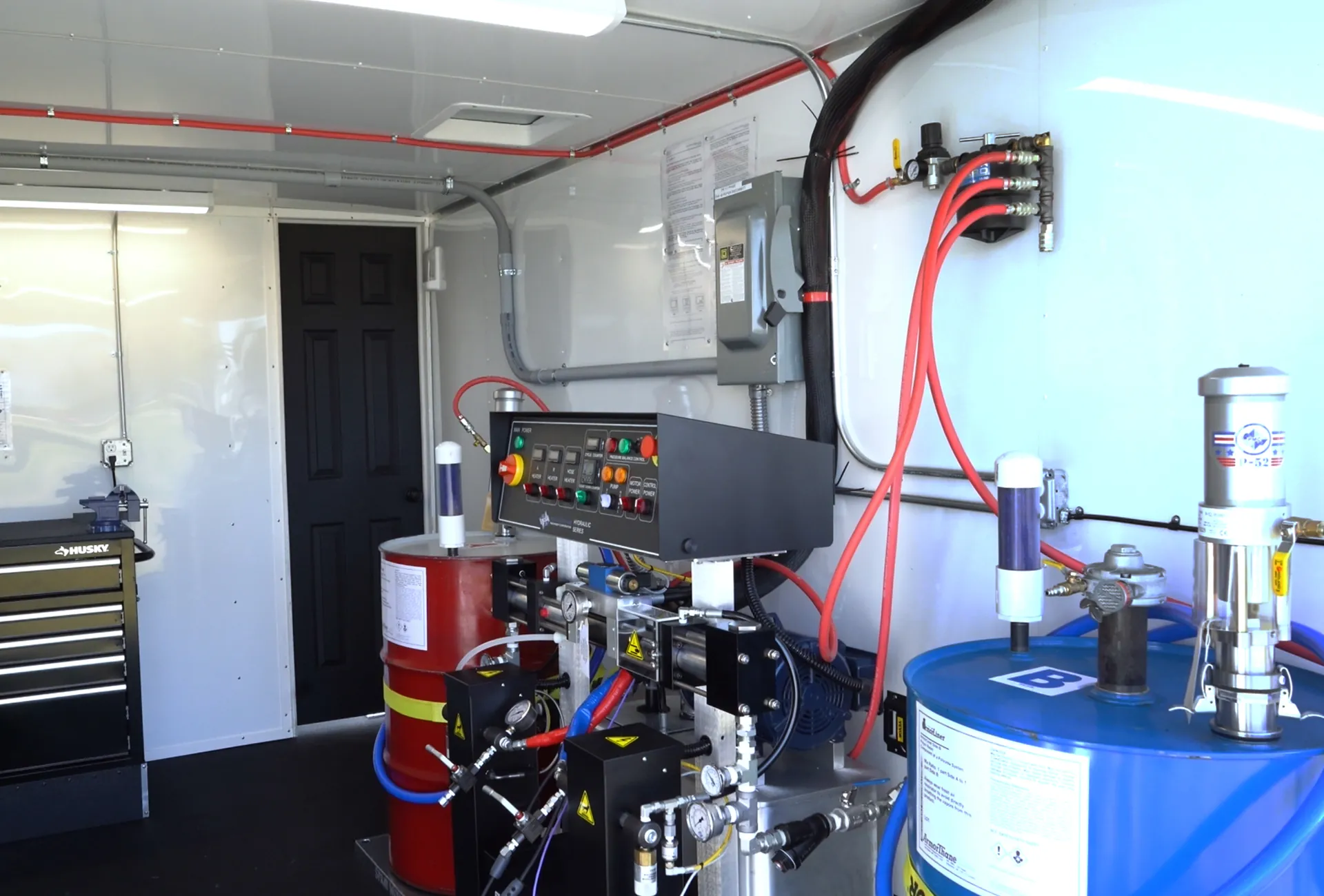
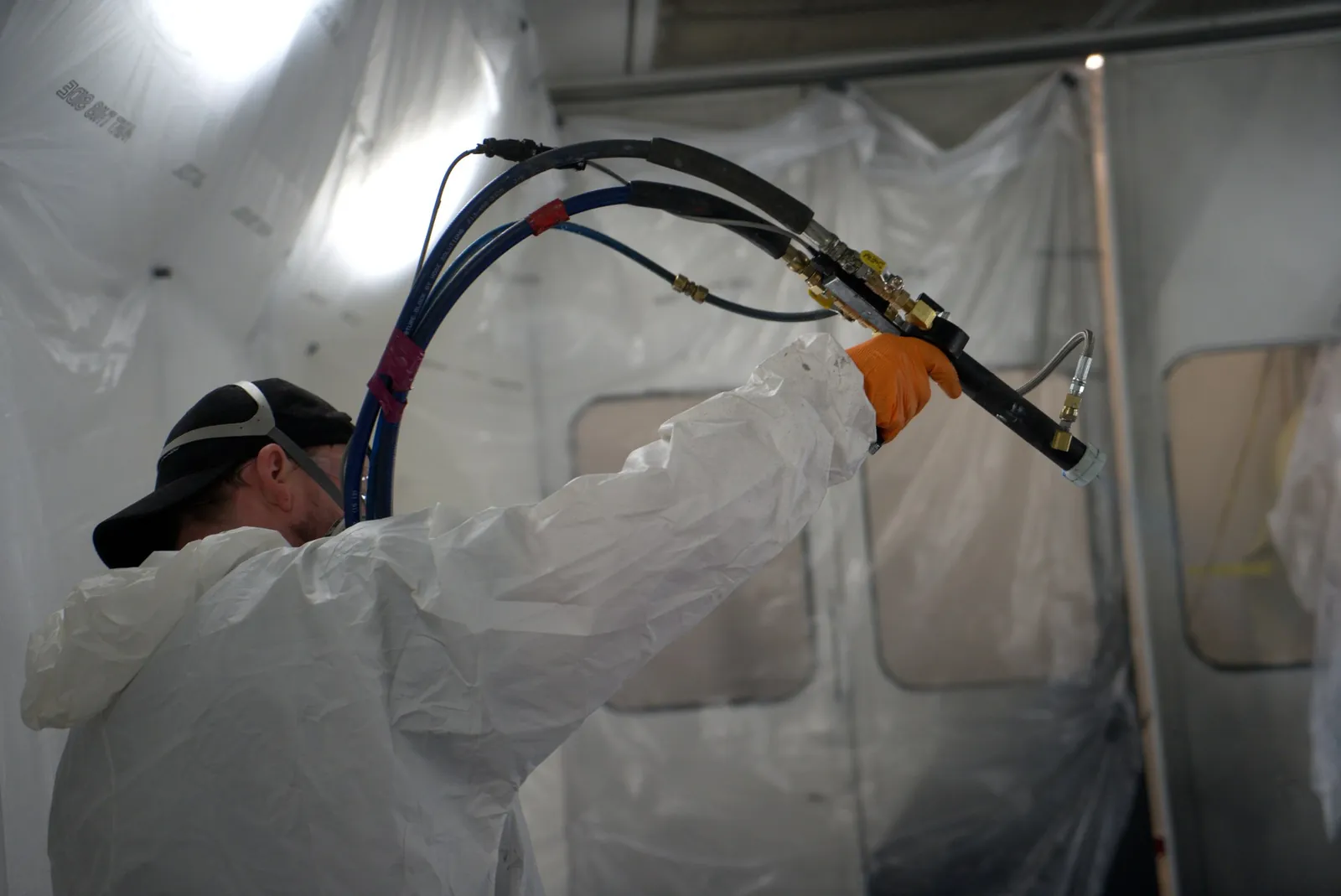
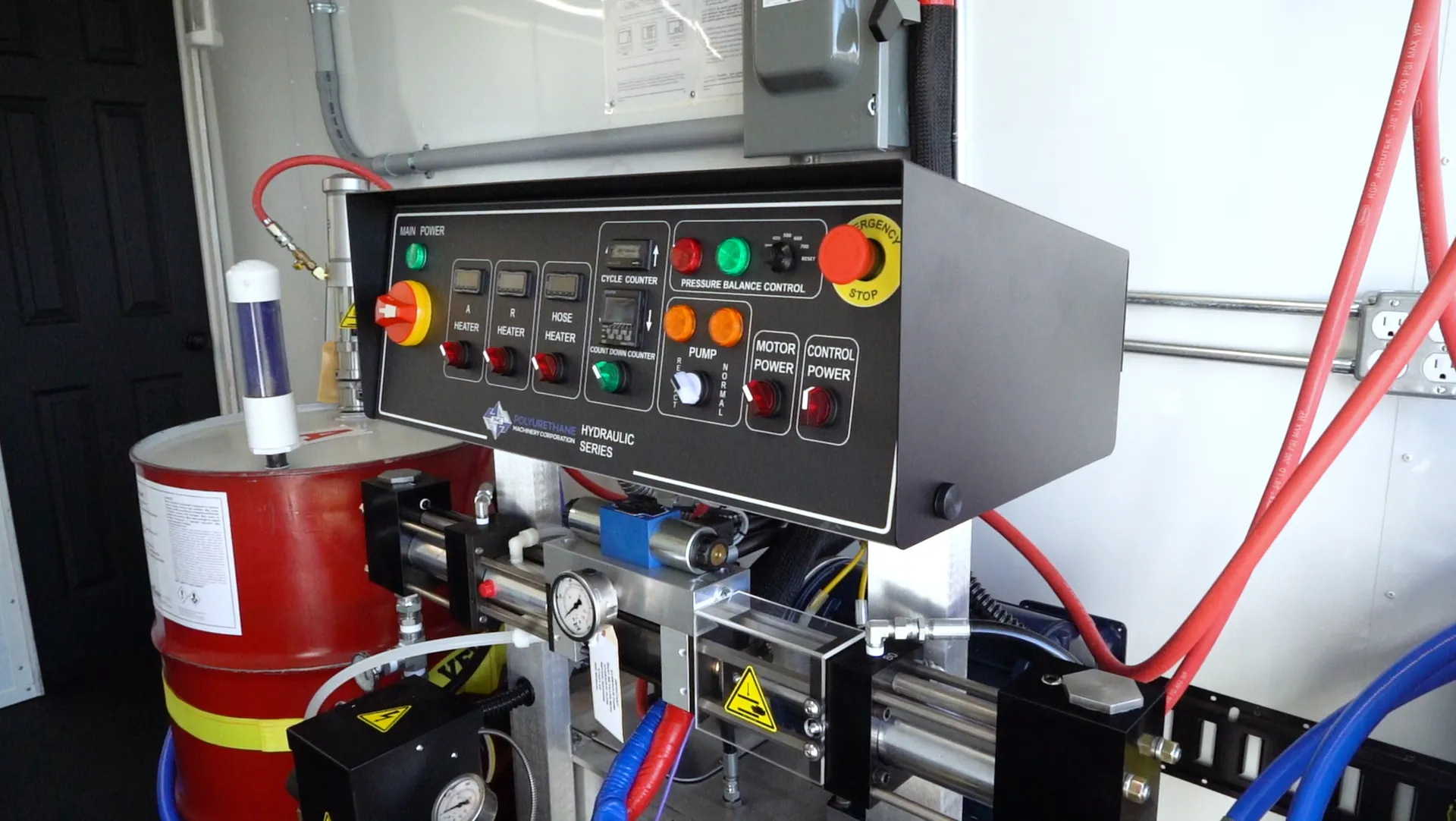
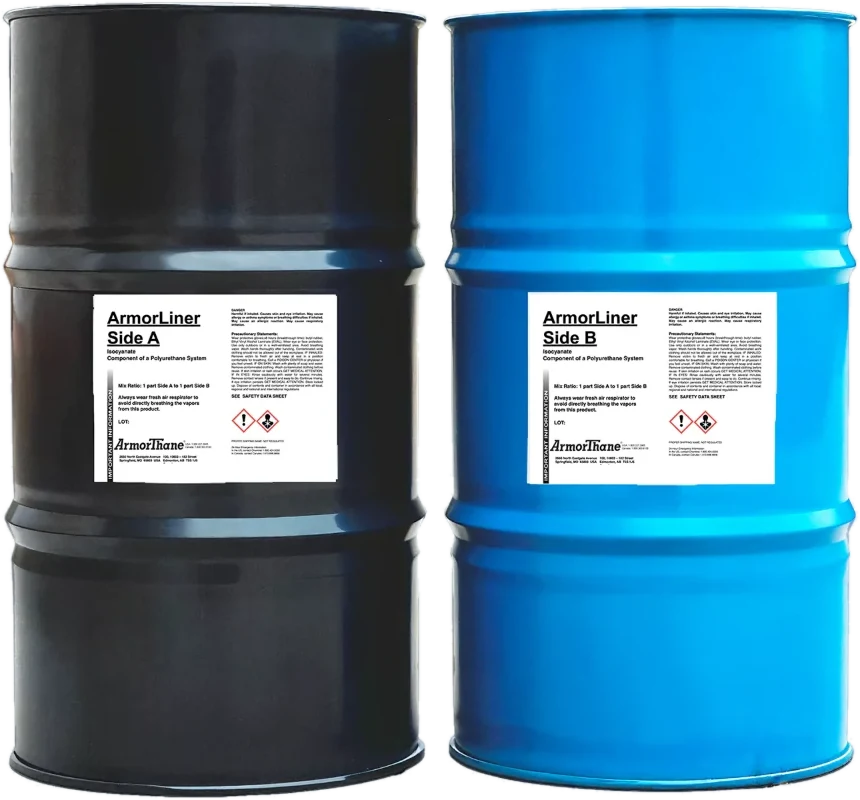
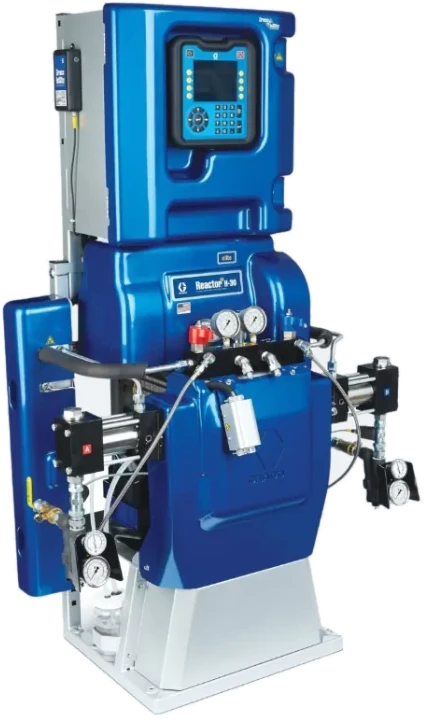
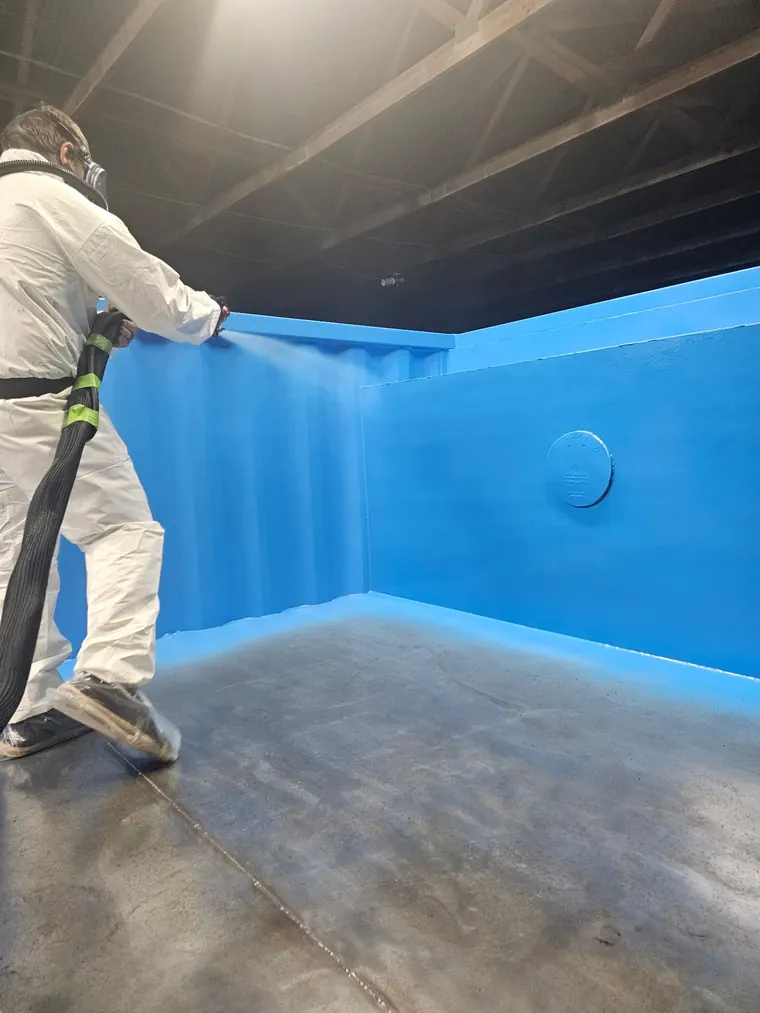
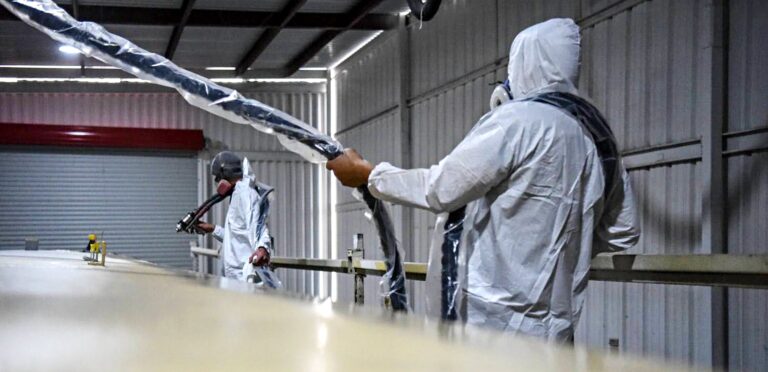
ArmorThane Mobile Coatings Unit trailer hitched to a pickup outside the plant Proportioner, A and B material drums and transfer pumps inside the spray rig Applicator in a protective suit holding a plural-component spray gun in a spray booth Proportioner control panel with heater, pressure balance and cycle counter controls

What comes with itProportioners, guns and complete spray rigs. We build them.

$0
franchise fees or royalties
35+
years in business
50+
countries with applicators
24/7
technical support
60–90
Days after placement to fill, per ACI 302 guidance
ACI 302 via manufacturer guides
Full
Depth fill of saw cuts, no backer rod
ACI and PCA guidance
Flush
Shave filler level with the floor
Manufacturer guides
Semi-rigid
Filler supports wheel edges
Industry practice

Open saw-cut joints are where industrial floors start to fail. Hard forklift wheels hit the unsupported edges, chip them and widen the joint until every crossing is a bump. A semi-rigid joint filler supports those edges and keeps dirt and liquids out. This guide explains the difference between fillers and sealants, polyurea vs epoxy, and how to install a filler so it actually protects the slab.

Quick answer

A concrete joint filler is a semi-rigid material, usually polyurea or epoxy, installed full depth in saw-cut control joints and construction joints so it supports the joint edges under hard-wheeled traffic. Guidance based on ACI 302 is to fill as late as possible, often 60 to 90 days after the slab is placed, so more shrinkage has happened first. Overfill slightly and shave flush. Polyurea fillers cure fast and tolerate cold rooms; epoxy fillers are stiffer and usually slower to cure.

Start here

Joint filler vs joint sealant

A sealant is soft and flexible, designed to stretch with joints that move a lot, such as isolation joints and exterior pavement. A filler is semi-rigid and is meant to carry load across the joint so wheels do not drop into it. Interior industrial floors with forklift traffic need fillers in the saw-cut and construction joints; soft sealants there let the edges chip.

Filler

Semi-rigid filler

Supports joint edges under hard wheels. Polyurea or epoxy, installed full depth.

Sealant

Flexible sealant

Stretches with movement, but too soft to support forklift wheels.

Isolation

Isolation joints

Around columns and walls, where movement is larger; these usually get a flexible product.

Compare

Polyurea vs epoxy joint filler

FeaturePolyurea fillerEpoxy filler
Cure speedFast; traffic often in about an hourSlower; often several hours or overnight
Cold and freezer roomsMany cure well at low temperaturesCure slows a lot in the cold
HardnessSemi-rigid, slightly more flexibleSemi-rigid to rigid, very stiff
Shrinkage responseCan separate as the slab keeps shrinking; refillCan also separate; refill
Best fitFast-turn warehouses, cold storageFloors that can wait, high edge support
Typical comparison. Use the hardness and cure data on the product sheet.
Separation is normalSlabs keep shrinking for months. A thin gap can open between filler and joint wall. That is the filler doing its job and can be refilled; it is not a failure of the floor.
Do it right

How to install joint filler

  1. Wait for shrinkage

    Fill as late as the schedule allows, often 60 to 90 days after placement.

  2. Clean the joint

    Saw or vacuum out dust, sealant and debris down to clean, dry concrete on both faces.

  3. Repair spalls

    Rebuild chipped edges with a fast-setting repair material before filling.

  4. Fill full depth

    Fill saw cuts full depth; do not use a backer rod in control joints that carry wheel loads.

  5. Overfill slightly

    Leave a slight crown so the filler can be cut back.

  6. Shave flush

    Razor the filler flush with the floor so wheels roll across smoothly.

Coating the floor?Fill and shave joints before the floor coating goes on, so the coating can run across a flat surface. See commercial floor coating.
Where it fits

Where joint filler pays off

Warehouses

Warehouses and distribution

Hard-wheel forklifts and pallet jacks crossing joints all day.

Cold

Cold storage and freezers

Fast, low-temperature cure keeps downtime short.

Plants

Manufacturing floors

Carts, tuggers and dropped parts at joint edges.

Retail

Big-box retail

Polished floors with heavy pallet traffic.

Wider cracks and spalls need structural repair first. See concrete crack repair and warehouse floor marking.

Floor repairs

Stop joint damage before it spreads.

A certified ArmorThane applicator can repair spalled edges, fill joints and coat the floor in one plan, scheduled around your operation.

Contractors: become an ArmorThane applicator

FAQ

Concrete joint filler questions

When should you fill concrete control joints?

As late as possible. Guidance based on ACI 302 is often 60 to 90 days after the slab is placed, so the slab has done more of its shrinking first.

Should I use a backer rod in control joints?

Not in saw-cut control joints that carry forklift traffic. Fill them full depth so the filler supports the edges.

Is polyurea joint filler better than epoxy?

Polyurea cures faster and works in cold rooms, so it suits fast-turn and freezer floors. Epoxy is stiffer and slower. Both are semi-rigid fillers.

Why is my joint filler separating?

The slab keeps shrinking and pulls away from the filler. A thin separation is normal and can be refilled.

Can joint filler fix spalled joints?

Filler protects edges that are sound. Chipped edges should be rebuilt with a repair material first.

AT
Written by the ArmorThane technical team. We have manufactured polyurea, polyurethane and polyaspartic coatings, spray foam and plural-component spray equipment in Springfield, Missouri since 1989. Timing and materials vary by project; follow the floor specification and product data sheet.

Sources

  1. SpecChem, guide to control joint filling in industrial floors (ACI 302 timing and full-depth fill). specchem.com/resources/mastering-control-joint-filling-in-industrial-concrete-floors-a-complete-guide
  2. American Concrete Institute, ACI 302.1R guide for concrete floor and slab construction. concrete.org
  3. ArmorThane commercial floor coating guide. armorthane.com/commercial-floor-coating

Floors that take the traffic.

Owners get a certified ArmorThane applicator and a clear quote. Contractors can add floor coatings and joint work with our equipment and training, with no franchise fee and no royalties.

United States 417-831-5090 · Canada 780-444-6200
Cover of the ArmorThane brochure: Concrete Structure Rehabilitation
Brochure

Concrete Structure Rehabilitation

Flip through the whole brochure right here, or open it full screen on Issuu to share it.

Become an applicator

Start your coatings business with ArmorThane.

Tell us what you want to spray and where you are. An ArmorThane specialist will walk you through the equipment, chemicals, training and startup cost for the work you want to do.

  • Equipment package matched to your applications
  • Hands-on training and applicator certification
  • Technical support once you are spraying
Step 1 of 3

We want to help you find the best ArmorThane applicator for your protective coating project. Please either fill out the request form below or call us toll free at 417-831-5090, any time Monday-Friday, 8:00 a.m. to 5:00 p.m. Central Standard Time.

Become an applicator

Start your coatings business

Choose “becoming an Applicator / Dealer” and add your details. Our team will call you to talk through markets, equipment and budget.

1Choice
2Contact Information
3Location

Rather talk now? (417) 831-5090 · About the opportunity