Sewer Lining:
The Complete Guide
to Trenchless Pipe Rehabilitation
Everything infrastructure professionals, municipalities, and contractors need to know about sewer pipe lining methods, materials, costs, and why polyurea is redefining the standard.
Get a Free Sewer Lining ConsultationSewer lining — also known as cured-in-place pipe (CIPP) lining, trenchless pipe rehabilitation, or pipe relining — has transformed how municipalities, industrial operators, and contractors address deteriorating underground infrastructure. Instead of the costly, disruptive process of excavating and replacing old pipes, modern sewer lining installs a new structural pipe within the existing one. The result: a rehabilitated pipeline that can last 50 years or more, at a fraction of the cost and with minimal surface disruption. This guide covers every method, material, cost factor, and application — and explains why polyurea spray lining is emerging as the fastest-growing technique in the industry.
The Complete Sewer Lining Guide: Key Takeaways
- Sewer lining is a trenchless rehabilitation method that creates a new pipe inside an existing deteriorated one — no excavation required.
- The most common methods include CIPP (cured-in-place pipe), spray-applied linings, pipe bursting, and sliplining.
- Polyurea spray lining offers the fastest cure time (seconds to minutes), highest chemical resistance, and greatest flexibility of any lining material.
- Sewer lining costs 30–60% less than open-cut pipe replacement and typically takes 50–80% less time.
- ArmorThane polyurea products are engineered specifically for the chemical, thermal, and abrasion demands of wastewater environments.
What Is Sewer Lining?
Sewer lining is a category of trenchless rehabilitation technologies that restore the structural integrity and flow capacity of deteriorated sewer pipes without requiring open-cut excavation. The fundamental concept is straightforward: instead of digging up and replacing a failing pipe, a new lining is installed from the inside, creating a pipe-within-a-pipe that is structurally independent and chemically resistant.
The roots of modern sewer lining trace back to the 1970s when the first cured-in-place pipe (CIPP) systems were installed in the United Kingdom. Since then, the technology has expanded into a multi-billion dollar global industry encompassing dozens of methods and materials — from epoxy-saturated felt liners to high-performance spray-applied polyurea coatings.

Why the Shift to Trenchless Methods?
America’s sewer infrastructure is aging. The American Society of Civil Engineers (ASCE) has consistently given the nation’s wastewater infrastructure a “D+” rating, with an estimated $271 billion in needed investment over the next two decades. The average sewer pipe in service today is over 40 years old — many are 60, 80, even 100 years old.
Traditional open-cut replacement means tearing up streets, disrupting traffic, damaging pavement structures, and cutting off service for days or weeks. A project that might cost $500/linear foot by open cut can often be accomplished for $150–$250/linear foot with trenchless sewer lining — with service restored the same day.
The economics are impossible to ignore. That’s why sewer lining now accounts for the majority of sewer rehabilitation work in North America, Europe, and Australia, and is expanding rapidly across Asia and Latin America.
Why Sewer Pipes Fail: The Real Causes
Understanding why pipes fail is essential to selecting the right sewer lining solution. Pipe failure is rarely a single event — it’s the cumulative result of multiple simultaneous degradation mechanisms operating over decades.

Hydrogen Sulfide (H₂S) Corrosion
Anaerobic bacteria in sewage produce H₂S gas which converts to sulfuric acid at the pipe crown, eating through concrete at up to 1cm per year. This is the most destructive force in sanitary sewers.

Root Intrusion
Tree roots are relentlessly attracted to the moisture and nutrients in sewer pipes. Even hairline cracks allow root entry, which then expands the crack, blocks flow, and causes catastrophic joint failures over time.

Ground Movement & Offset Joints
Soil settlement, freeze-thaw cycles, seismic activity, and surface loading create pipe deflection and offset joints. Even minor misalignment causes turbulence, solids deposition, and accelerated corrosion at joint faces.
The Cost of Doing Nothing
Deferred sewer maintenance isn’t free. The EPA estimates that sewer overflows and backups cost municipalities and property owners billions annually in cleanup, property damage, and public health impacts. Exfiltration from cracked pipes contaminates groundwater. Infiltration increases treatment costs by diluting influent flows. A proactive sewer lining program typically delivers 3:1 to 8:1 return on investment compared to reactive emergency replacement.
- Sewer overflows: 23,000–75,000 sanitary sewer overflow events per year in the US alone (EPA estimate)
- Infiltration/inflow costs: Municipalities often pay to treat 100–300% of actual wastewater volume due to I/I
- Emergency replacement: 3–5x more expensive than planned rehabilitation work
Types of Sewer Lining Methods: A Complete Comparison
The sewer lining industry encompasses several distinct technologies. Each has specific applications, strengths, and limitations. Understanding the differences is critical to specifying the right solution for any given pipe condition, size, and service environment.
| Method | Best For | Pipe Sizes | Cure Time | Structural? | Chemical Resistance |
|---|---|---|---|---|---|
| CIPP (Felt/Epoxy) | Gravity sewers, heavy deterioration | 6″–96″ | 4–12 hours | ✓ Full structural | Moderate–High |
| Polyurea Spray Lining | Manholes, joints, spray-applied pipes | Any | Seconds–minutes | ✓ Semi-structural | Excellent |
| Epoxy Spray Coating | Pressure mains, corrosion protection | 4″–60″ | 4–8 hours | ✗ Non-structural | High |
| Sliplining | Long runs, structurally failed pipes | 8″+ | Days | ✓ Full structural | Excellent (HDPE) |
| Pipe Bursting | Replacement with upsizing | 2″–24″ | Same day | ✓ New pipe | Excellent (HDPE) |
| Spiral Wound Lining | Active-flow rehabilitation | 6″–120″ | Hours | ✓ Structural | High (PVC) |
CIPP Lining: How Cured-In-Place Pipe Works
Cured-in-place pipe (CIPP) lining is the dominant sewer rehabilitation technology globally, accounting for the majority of liner footage installed each year. The process transforms a flexible, resin-saturated tube into a rigid new pipe inside the host pipe — all without any excavation beyond access points.
The CIPP Process Step-by-Step
Advantages of CIPP
- Full structural rehabilitation — handles even severely deteriorated pipes
- 50+ year design life when properly installed
- Applicable to gravity sewers, storm drains, and culverts
- Can be used in irregular shapes and bends
- Minimal surface disruption
Limitations of CIPP
- Long cure times (hours) versus spray lining (minutes)
- Not suitable for severely offset joints without pre-treatment
- Reduces pipe diameter (typically 5–10%)
- Resin compounds require careful handling and disposal
- End-of-pipe lateral reinstatement adds cost and complexity
Polyurea Spray Lining: The Game-Changing Technology
Of all the sewer lining technologies, polyurea spray lining represents the most significant recent advancement. While CIPP has dominated for decades, polyurea offers a compelling combination of performance, speed, and versatility that is reshaping the industry — particularly for manholes, lift stations, and pipe systems where CIPP is impractical.
What Makes Polyurea Different?
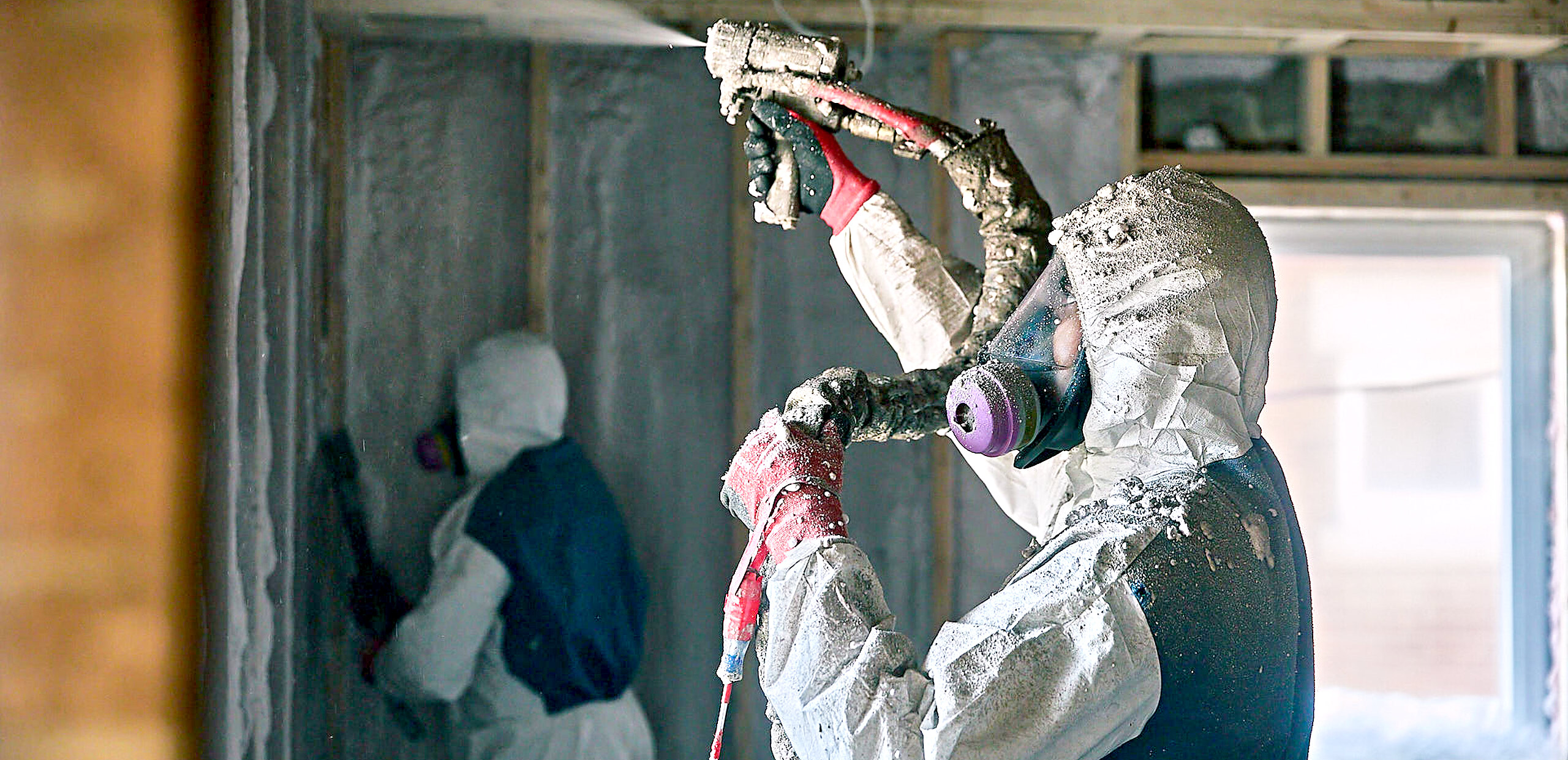
Polyurea is a spray-applied elastomeric coating formed through the rapid chemical reaction of an isocyanate component with an amine-terminated compound. The result is a seamless, flexible membrane that bonds directly to concrete, brick, clay, HDPE, and virtually any properly prepared substrate.
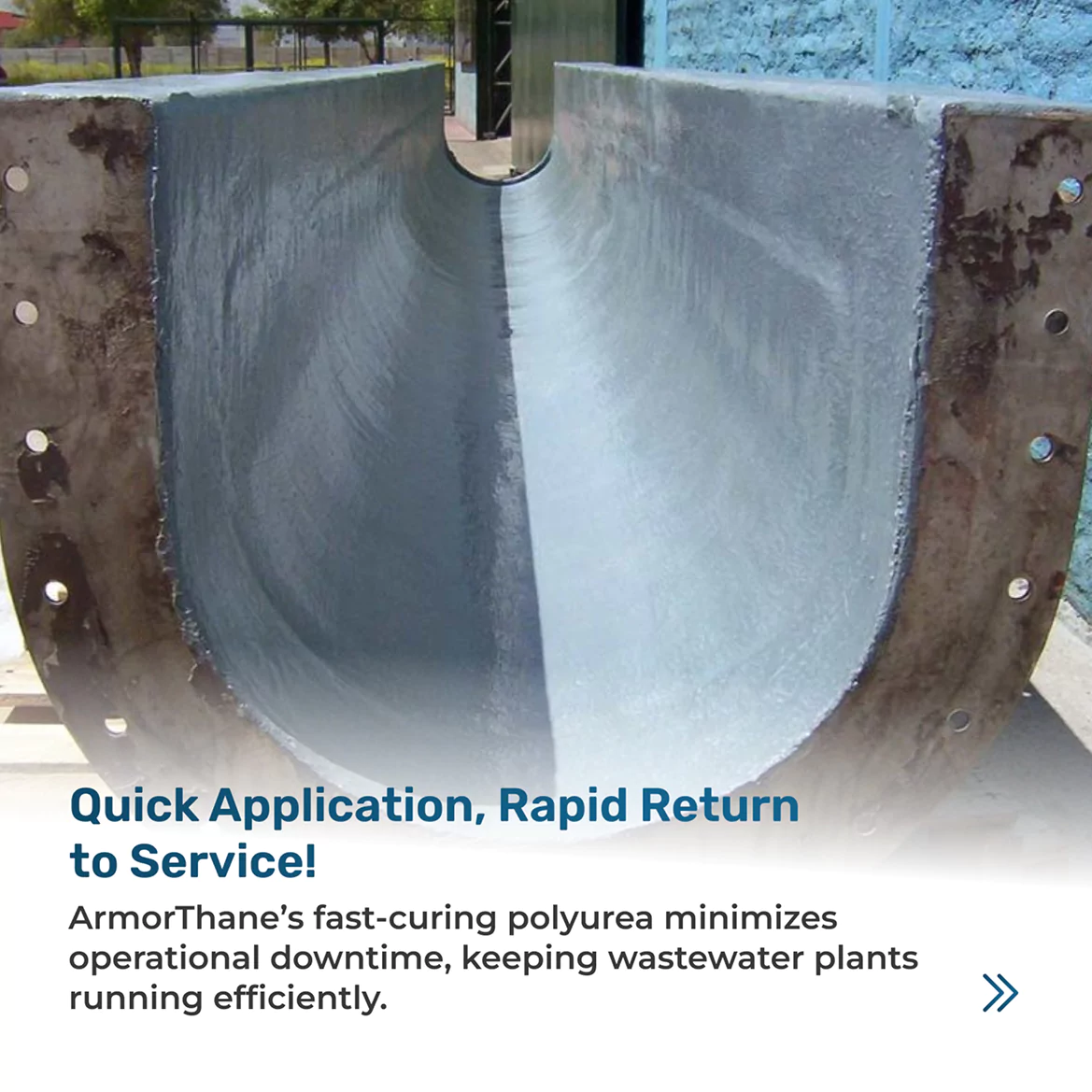
Unlike CIPP liners that require hours of cure time, polyurea gels in seconds and reaches full mechanical properties in minutes. A manhole that takes a CIPP crew two days can be polyurea-lined and returned to service in four to six hours by a single applicator team.
The chemical performance of polyurea is exceptional: high-grade formulations resist concentrated sulfuric acid (H₂SO₄), alkalis, hydrocarbons, and biological attack — exactly the environment inside a sanitary sewer.

Polyurea Performance in Sewer Environments
Polyurea vs. Epoxy Spray Lining
Many contractors and specifiers confuse polyurea with epoxy spray coatings. While both are spray-applied protective systems, they differ fundamentally in chemistry, performance, and application:
Epoxy coatings are rigid, relatively brittle at thickness, and cure slowly (4–8 hours). They provide excellent adhesion and chemical resistance but can crack and delaminate when the substrate moves or experiences thermal cycling. Polyurea is elastomeric — it flexes with the substrate, elongating up to 300–600% before breaking. In a sewer environment where pipes shift, vibrate, and experience thermal expansion, this flexibility is critical to liner longevity.
For manhole rehabilitation specifically, polyurea has largely displaced epoxy as the preferred material on new specifications, thanks to its speed, seamlessness, and superior performance history in aggressive chemical environments.
Sewer Lining Cost vs. Open-Cut Replacement
Cost is the most compelling argument for sewer lining — but the total cost picture is more nuanced than the per-linear-foot material price. A complete economic analysis must account for direct installation costs, traffic management, pavement restoration, service restoration, schedule impacts, and long-term O&M savings.

| Cost Category | Open-Cut Replacement | CIPP Lining | Polyurea Spray |
|---|---|---|---|
| Installation ($/LF) | $400–$800+ | $80–$250 | $50–$150 (manholes: $3k–$8k each) |
| Pavement Restoration | $50–$150/LF | Minimal (access pits only) | None |
| Traffic Control | High | Low | Minimal |
| Service Disruption | Days–Weeks | Hours | Hours |
| Design Life | 50+ years (new pipe) | 50+ years | 25–40 years |
| Typical Total Savings vs. Open-Cut | Baseline | 40–60% savings | 50–70% savings (manholes) |
ArmorThane Products for Sewer Lining Applications
ArmorThane has engineered a comprehensive portfolio of polyurea and polyurethane products specifically formulated for the demanding chemical, thermal, and mechanical environment of wastewater infrastructure. With over 30 years of industrial coatings experience, ArmorThane products are trusted by municipalities, contractors, and engineering firms across North America and internationally.

Pure Polyurea Sewer Formulations
ArmorThane’s pure polyurea systems deliver the industry’s fastest cure times combined with exceptional chemical resistance. These formulations are specifically optimized for hydrogen sulfide and sulfuric acid environments, providing long-term protection even in the most corrosive manholes and interceptors.
Key features include: Shore D hardness of 40–65, tensile strength exceeding 3,000 psi, elongation of 300–500%, and excellent adhesion to concrete, brick, PVC, and HDPE substrates. The seamless application eliminates joints, cracks, and defects that traditional lining methods can leave behind.
Hybrid Polyurea/Polyurethane Systems
For applications requiring enhanced flexibility or lower cost thresholds, ArmorThane’s hybrid systems deliver outstanding performance with improved economics. These systems are ideal for large-area applications including wet wells, lift stations, and primary treatment vessels where the cost-to-performance ratio is critical.
View All ArmorThane Polyurea Products →The ArmorThane Advantage for Sewer Contractors
Beyond product performance, ArmorThane offers a complete business system for contractors entering the sewer lining market or expanding their capabilities:
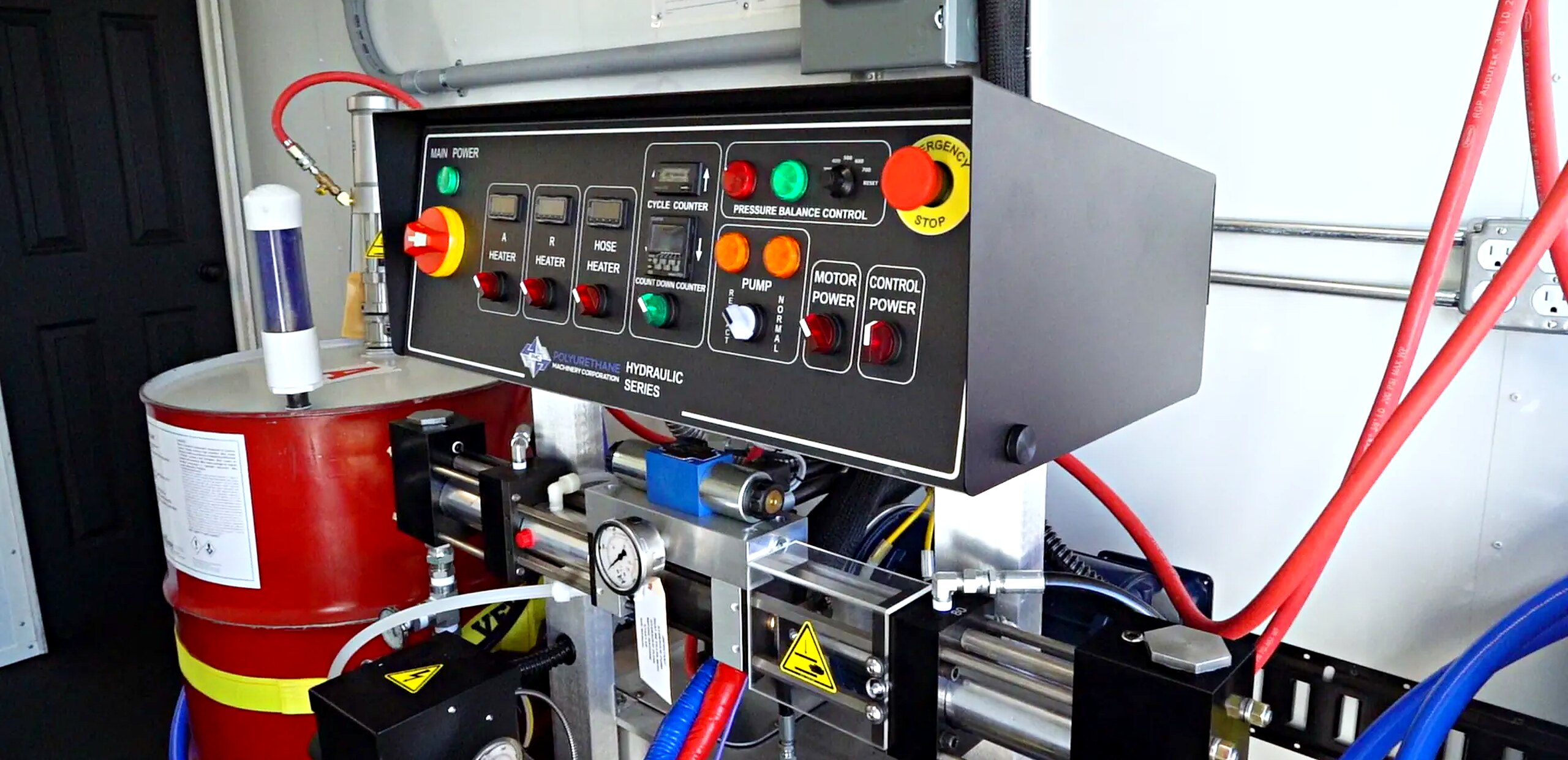
- Complete Equipment Systems: Proportioning machines, heated hose systems, spray guns, and accessories — all optimized for polyurea chemistry
- Technical Training: Hands-on applicator training covering surface preparation, equipment operation, application technique, and QC testing
- Dealer Network: Established dealer relationships provide ongoing product supply, technical support, and co-marketing
- Engineering Support: Specification writing assistance and engineering documentation for municipal bid packages
- 30+ Years Experience: Deep institutional knowledge of polyurea chemistry and application in the toughest industrial environments
The Polyurea Sewer Lining Installation Process
Successful polyurea sewer lining begins long before the spray gun fires. Surface preparation is the single most critical factor in liner performance — a properly prepared substrate ensures adhesion values that will outlast the pipe itself. Here’s the complete installation sequence for a typical manhole or pipe lining project.

Sewer Lining Applications: Where Polyurea Excels
Polyurea spray lining isn’t a one-size-fits-all solution — it excels in specific applications where its combination of speed, chemical resistance, and seamless application delivers clear advantages over alternative methods.

Manhole Rehabilitation
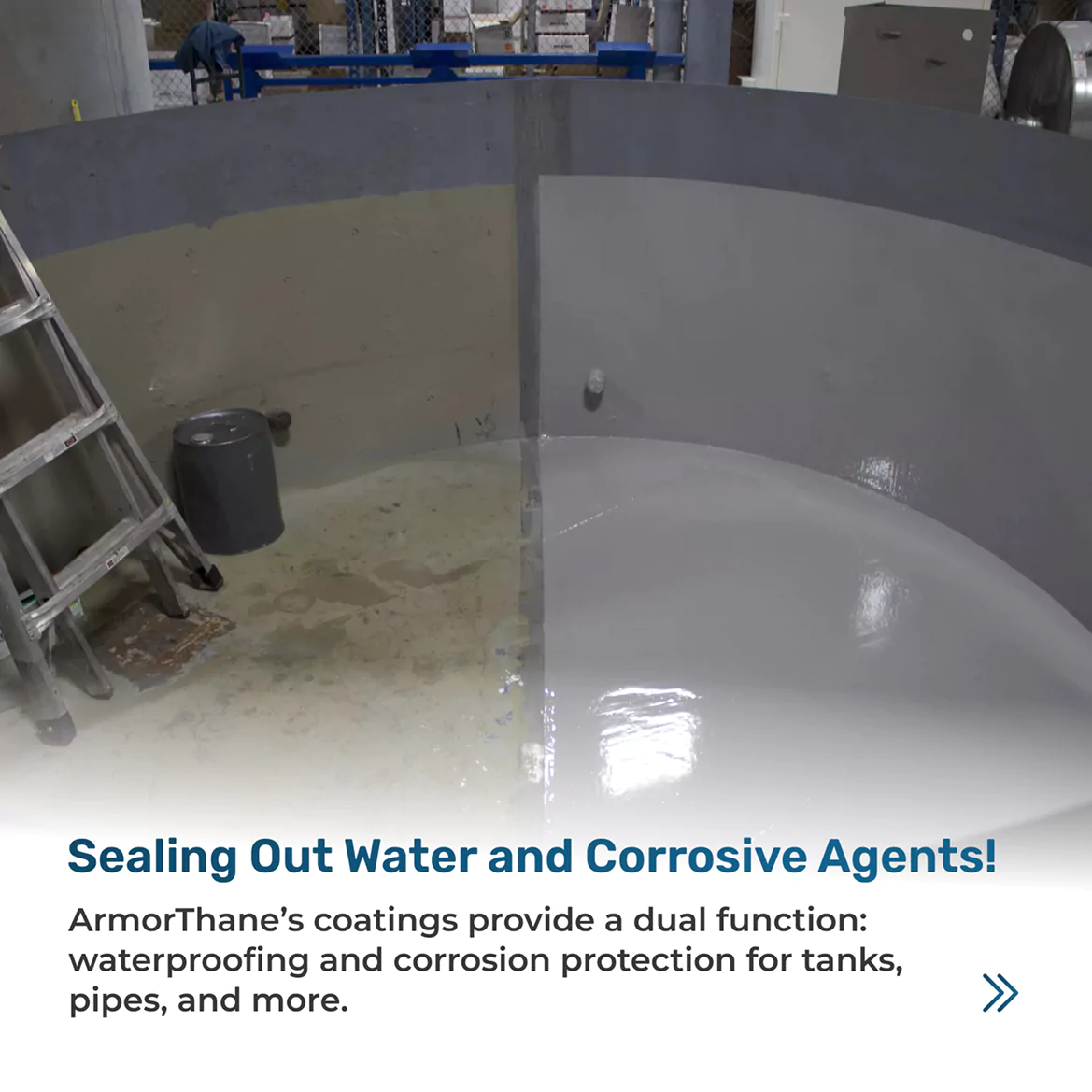
Manholes are the most corrosion-prone elements in a sanitary sewer system. H₂S concentrations at the crown can be 1,000+ ppm. Polyurea provides complete isolation of the concrete from the gas-phase, stopping acid attack instantly.

Wet Wells & Lift Stations
The wet well environment combines submersion, H₂S exposure, and mechanical abrasion from pumping. Polyurea’s seamless, flexible membrane outperforms all other lining materials in this aggressive environment.

Large Diameter Pipe Rehabilitation
For pipe diameters 42″ and above, spray-applied polyurea lining offers an efficient alternative to CIPP, with crews able to apply lining at rates of 500–1,000 sq ft per hour using plural-component spray equipment.
Trenchless Sewer Repair
When CCTV identifies isolated defects — cracked sections, joint leaks, local corrosion damage — spot-repair with polyurea coating provides a targeted, cost-effective fix without disturbing the entire pipeline.
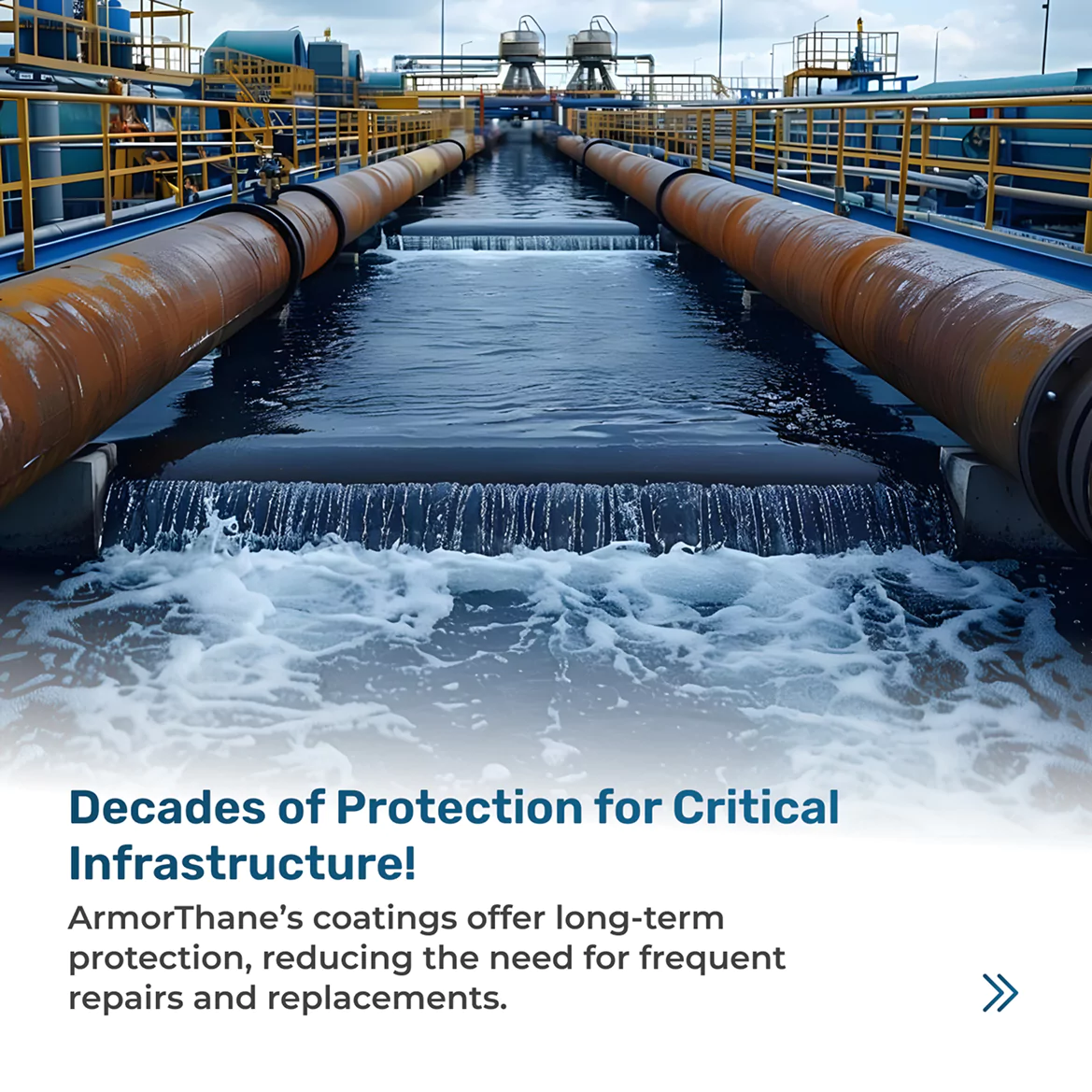
Industrial Wastewater Systems
Industrial sewers carry chemicals, acids, hydrocarbons, and other aggressive compounds that standard concrete and even CIPP systems cannot long resist. Polyurea’s broad chemical resistance profile handles the toughest industrial effluents.

Municipal Infrastructure Programs
Forward-thinking municipalities are integrating polyurea manhole lining into systematic asset management programs, extending the life of every manhole in a sewer district for 25–40 years with a single treatment.
Frequently Asked Questions About Sewer Lining
CIPP sewer lining is designed to last 50 years or more when properly installed and maintained. Polyurea spray lining in sewer environments typically has a design life of 25–40 years depending on the specific formulation, applied thickness, and service conditions. In benign environments (low H₂S, no industrial effluent), service lives beyond 40 years are achievable. In extremely aggressive environments (high H₂S concentrations, concentrated acids), more frequent inspection and potential topcoat application after 15–20 years may be recommended.
The terms are often used interchangeably. “Pipe relining” or “sewer relining” typically refers specifically to CIPP (cured-in-place pipe) methods that insert a flexible liner and cure it in place. “Sewer lining” is a broader term encompassing all methods that apply a new lining to the interior of a sewer pipe, including CIPP, spray-applied coatings (polyurea, epoxy), sliplining, and spiral wound lining. All are trenchless rehabilitation methods — no excavation required beyond access points.
Sewer pipe lining costs vary significantly based on method, pipe size, location, access conditions, and project scale. CIPP lining typically costs $80–$250 per linear foot for 6″–18″ diameter gravity sewers. Polyurea spray lining for manholes typically ranges from $3,000–$8,000 per manhole structure. Large-diameter pipe spray lining may run $50–$150 per linear foot. For accurate pricing on your specific project, we recommend requesting a detailed quote from a qualified ArmorThane certified applicator in your area.
Yes — both CIPP and polyurea spray lining are highly effective at sealing leaks and stopping root intrusion. CIPP creates a complete structural pipe that spans cracks and failed joints, eliminating all infiltration pathways. Polyurea spray lining creates a seamless, watertight membrane that bonds to the host pipe and seals all defects, provided they are properly prepared before application. After lining, roots can no longer penetrate the sealed surface, and exfiltration is eliminated. Existing root masses must be removed before lining installation.
CIPP is available for pipe diameters as small as 4 inches, though 6 inches is the practical minimum for most applications. Small-diameter CIPP (4″–8″) is common for residential laterals. Standard municipal CIPP covers 8″–48″ diameter gravity sewers. Large-diameter CIPP systems are available up to 96 inches or larger for major interceptors. Polyurea spray lining is applicable at virtually any diameter accessible to the spray applicator — from manholes to large culverts.
Polyurea and epoxy are both used for sewer lining, but they have distinct performance characteristics. Polyurea is elastomeric (elongation 300–600%), cures in seconds to minutes, and maintains flexibility at all service temperatures. Epoxy is rigid, takes 4–8 hours to cure, and can crack under substrate movement or thermal cycling. Polyurea has superior resistance to H₂S and sulfuric acid. Epoxy offers excellent chemical resistance and may have advantages in specific industrial applications. For manhole and wet well rehabilitation, polyurea has largely become the preferred specification due to its speed, seamlessness, and flexibility.

Ready to Solve Your Sewer Lining Challenge?
ArmorThane’s expert team is ready to help you specify the right system, connect you with a certified applicator, or help you build a sewer lining contracting business from the ground up.
Request a Free ConsultationGet a quote for your project
Tell us what needs protecting and an ArmorThane coatings specialist will come back with the right product, the right system and a realistic price.
- Product and system matched to your substrate
- Coverage and budget guidance before you commit
- A certified applicator near you
- 30+ years of field-proven polyurea and polyurethane
More to read on water and wastewater
Short reads from ArmorThane on Issuu. Tap one to open it right here.
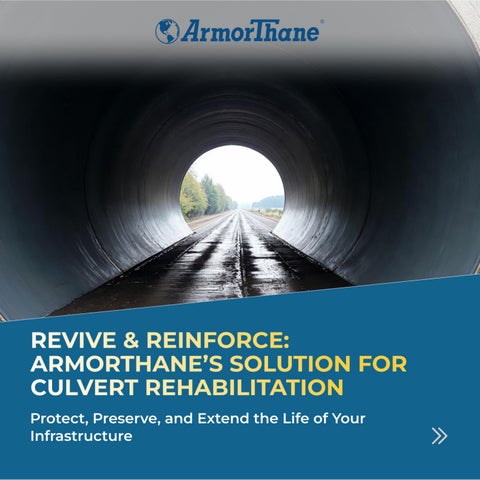
 Quick readRevive & Reinforce: ArmorThane’s Solution For Culvert Rehabilitation
- Quick readRevitalizing Infrastructure: ArmorThane’s Solution For Hong Kong’s Sewer Systems
- Quick readUnderstanding Manhole Linings: Applications, Benefits & Process
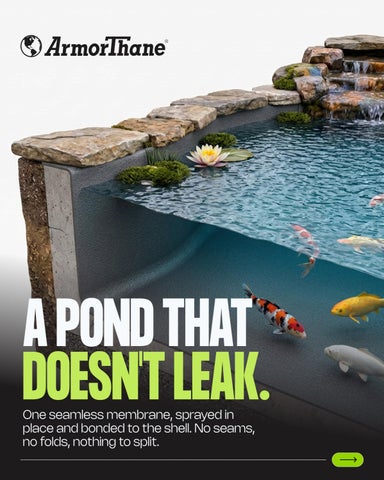
- Quick readA Pond That Doesn’t Leak: ArmorThane Polyurea Koi Pond & Water Feature Coatings