Skip to content
Dock Coating

Dock Coatings for Boat Docks, Floats & Piers

How to coat wood, concrete, aluminum and foam-float docks so they stay sealed and slip resistant, how polyurea compares with paint and stain, and the prep that decides how long it lasts.
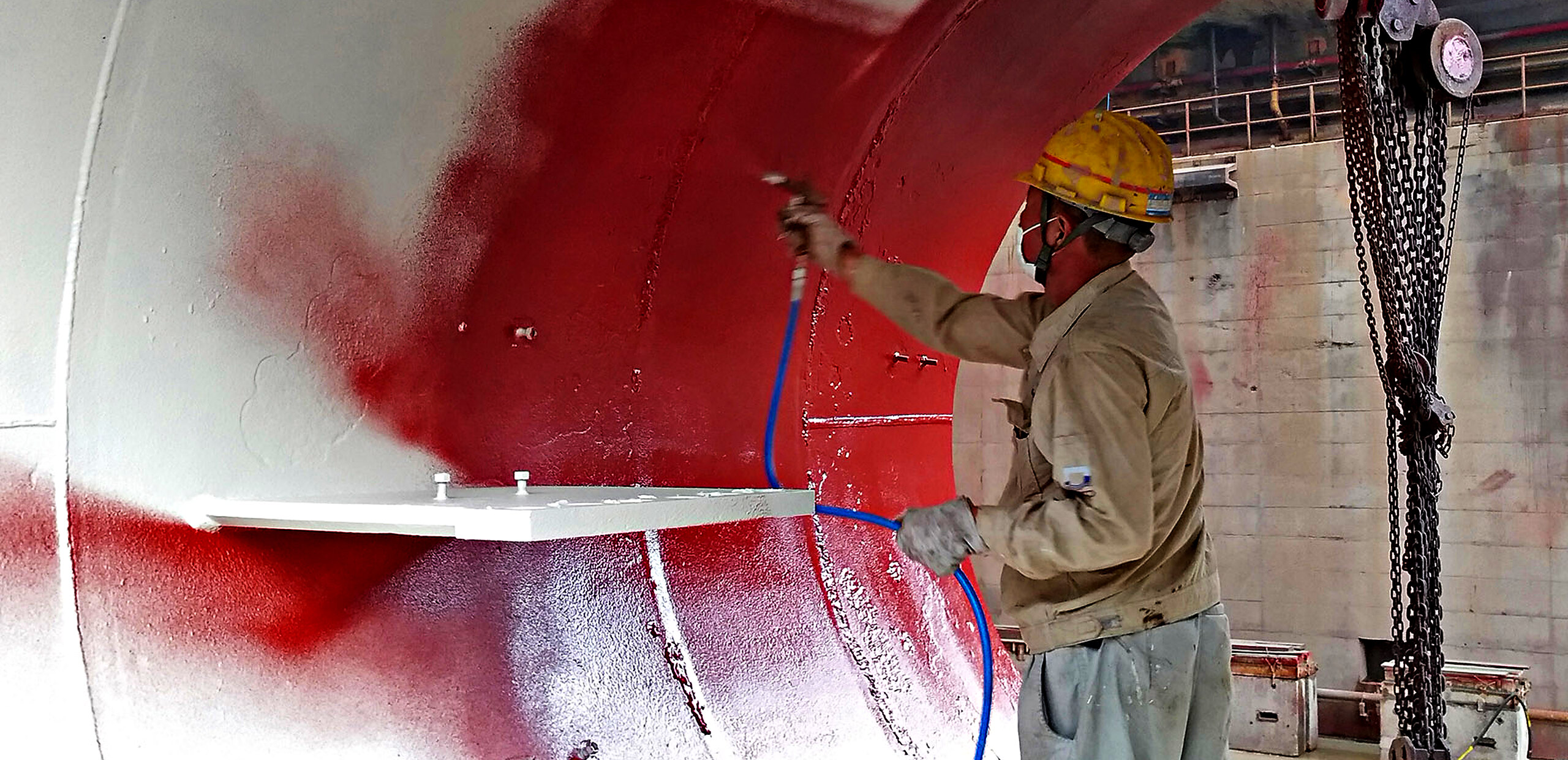
Spraying the inside of a bow thruster tunnel

Start a marine coating business

Coat boats and docks for a living.

ArmorThane sets you up to do this work, and you own the business. We make the chemistry, build the rigs, train you hands-on and answer the phone when a job gets difficult. You pay no franchise fee and no royalties. It has been that way since 1989.


ArmorThane Mobile Coatings Unit trailer hitched to a pickup outside the plant Proportioner, A and B material drums and transfer pumps inside the spray rig Applicator in a protective suit holding a plural-component spray gun in a spray booth Proportioner control panel with heater, pressure balance and cycle counter controls

What comes with itProportioners, guns and complete spray rigs. We build them.

$0
franchise fees or royalties
35+
years in business
50+
countries with applicators
24/7
technical support
Seamless
Membrane with no laps for water to get under
Spray polyurea
Non-skid
Aggregate broadcast into the wet coat
Industry practice
UV
Aliphatic topcoat keeps color outdoors
Product data sheets
Seconds
Polyurea gel time, return to use in hours
Product data sheets

Docks take sun, standing water, freeze-thaw, boat impact and bare feet all at once. Paint and stain wear through in a season or two and turn slick when wet. A spray polyurea dock coating builds a thick, seamless, slip resistant skin over wood, concrete, metal and foam floats. This guide explains what works on each dock type and how to spec it so it lasts.

Quick answer

The best dock coating for most boat docks, floating docks and piers is a slip resistant elastomeric system: a primer suited to the deck material, a spray polyurea or polyurethane body coat with non-skid aggregate, and an aliphatic UV-stable topcoat. It seals wood against rot, protects concrete and metal from water and salt, encapsulates foam floats, and stays flexible as the dock moves. Prep, moisture content and a proper non-skid texture decide how long it lasts.

Start here

Coating by dock type

Wood

Wood docks and decking

Sand, clean and let the wood dry before coating. Polyurea seals boards and fasteners; follow the primer and moisture limits on the data sheet. See deck waterproofing.

Concrete

Concrete docks and piers

Grind or blast, repair spalls and cracks, and prime. See seawall repair for marine concrete.

Metal

Aluminum and steel frames

Blast and prime for adhesion; isolate dissimilar metals to slow corrosion.

Floats

Foam floats

Polyurea encapsulation shields EPS foam from UV, impact and animals that burrow into exposed foam.

Gangways

Gangways and ramps

Slopes need extra grip; use a coarser aggregate where wet feet climb.

Boats

Lifts and boat decks

The same systems protect pontoons and decks. See boat deck coating.

Compare

Dock coating options compared

OptionLife and wearGripBest fit
Stain and sealerShort; needs renewing oftenDepends on woodBudget wood docks, natural look
Deck paintShort to medium; peels where water gets underFair with additiveLight use, cosmetic refresh
Roll-on elastomericMedium; thinner filmGood with aggregateDIY and small docks
Spray polyureaLong; thick, seamless, impact resistantVery good with broadcast aggregateBusy docks, marinas, floats
Composite deckingLong, but full replacement costGoodNew builds and full rebuilds
Typical comparison. Product data sheets and site conditions govern.
Do not trap waterWood that is wet when coated, or coated only on top with open ends, can rot under any coating. Dry the wood, seal end grain and detail edges.
Grip

Slip resistant dock surfaces

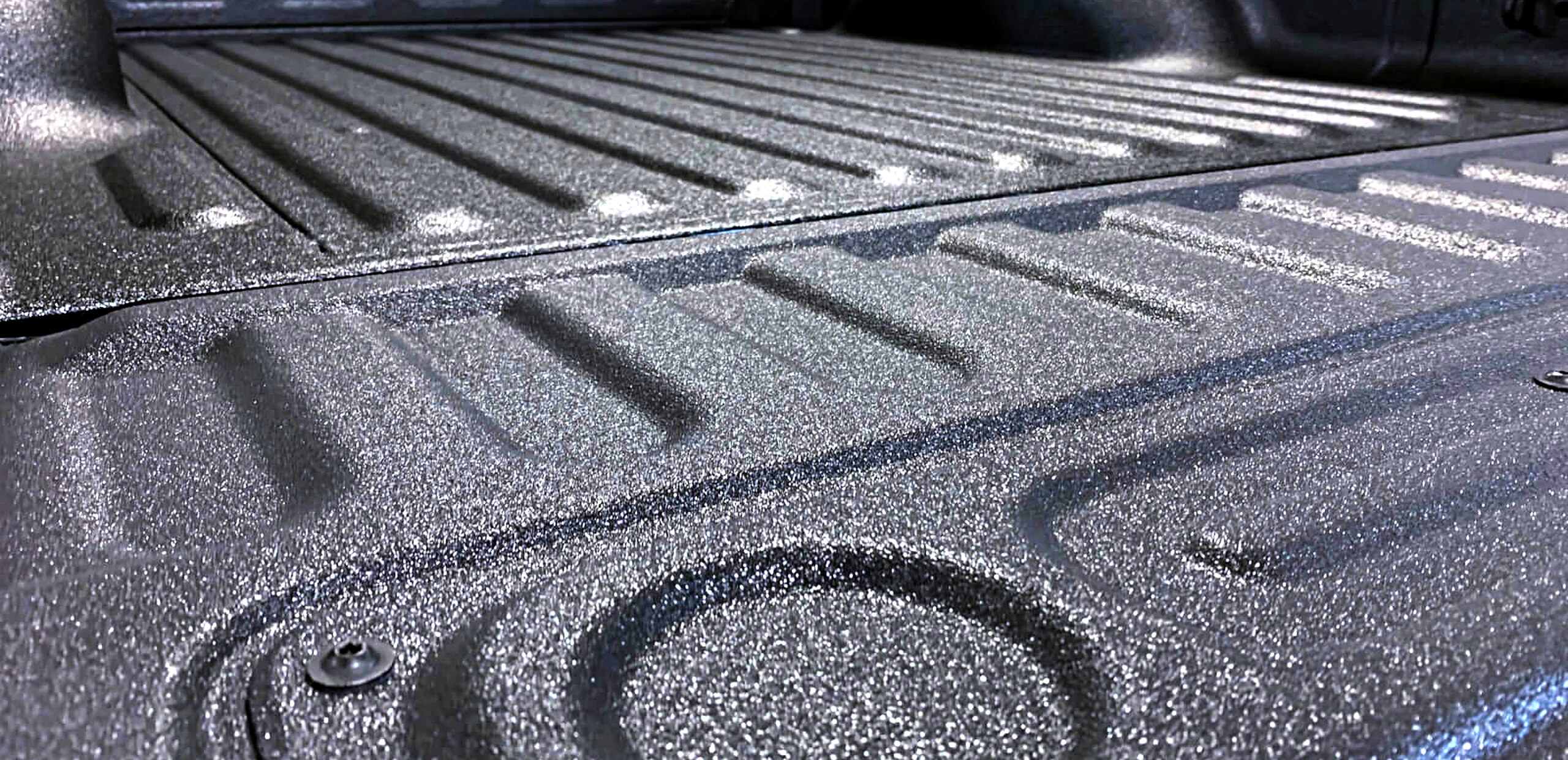
A smooth coating on a wet dock is a slip hazard. Applicators broadcast aggregate into the wet body coat, then lock it in with the topcoat. Finer grit is easier on bare feet; coarser grit gives more grip on ramps and in work areas.

Fine

Barefoot areas

Swim platforms and family docks where people walk barefoot.

Medium

General docks

Marina walkways and residential docks with mixed traffic.

Coarse

Ramps and work areas

Gangways, fuel docks and slopes where grip matters most.

Do it right

The dock coating process

  1. Inspect

    Replace rotten boards and loose fasteners; check floats and frames.

  2. Clean and dry

    Pressure wash, remove old loose coatings and let wood dry to the moisture limit.

  3. Prep

    Sand wood, grind concrete, blast metal; round sharp edges.

  4. Prime

    Apply the primer the coating maker specifies for each material.

  5. Spray and broadcast

    Spray the body coat and broadcast non-skid aggregate while wet.

  6. Topcoat

    Lock in the grit with a UV-stable aliphatic topcoat.

Work with the weatherCoat in dry weather above the dew point, and keep the dock out of water contact until the coating cures as the data sheet requires.
Where we fit

Why polyurea for docks

  • Seamless and waterproof: no seams for water to get under and lift the film.
  • Tough: resists boat bumps, dragged gear and ice.
  • Flexible: moves with wood and floating docks without cracking.
  • Fast: cures in seconds, so the dock is back in use quickly.

ArmorThane manufactures polyurea and topcoats and trains applicators who coat docks, piers and boats. See pontoon boat flooring and marine coatings.

Dock coatings

Make the dock safe to walk on.

A certified ArmorThane applicator can inspect your dock and quote a sealed, slip resistant system with UV-stable color.

Contractors: become an ArmorThane applicator

FAQ

Dock coating questions

What is the best coating for a wood dock?

A slip resistant elastomeric system such as spray polyurea with aggregate and a UV-stable topcoat lasts much longer than paint or stain, as long as the wood is dry and properly prepared.

Can you coat a floating dock?

Yes. The deck can be coated like any dock, and foam floats can be encapsulated with polyurea to protect them from UV, impact and burrowing animals.

Is polyurea slippery when wet?

Smooth polyurea can be. Broadcast aggregate into the wet coat and seal it with the topcoat to get a slip resistant finish.

How long does a dock coating last?

Paint and stain often need renewing every year or two. A properly applied polyurea system lasts many years, with topcoat renewal as it weathers.

Is dock coating safe for the lake?

Use products that are fully cured before water contact and follow local rules for work over water, including containment of overspray and debris.

AT
Written by the ArmorThane technical team. We have manufactured polyurea, polyurethane and polyaspartic coatings, spray foam and plural-component spray equipment in Springfield, Missouri since 1989. Always follow the product data sheet and any local rules for work over water.

Sources

  1. U.S. EPA, marinas and recreational boating best practices. epa.gov/nps/nonpoint-source-marinas-and-boating
  2. USDA Forest Products Laboratory, Wood Handbook (moisture and finishes). research.fs.usda.gov/treesearch/62200
  3. ArmorThane boat deck coating guide. armorthane.com/boat-deck-coating

Docks that stay sealed and safe.

Owners and marinas get a certified ArmorThane applicator and a clear quote. Contractors can add dock and marine coatings with our equipment and training, with no franchise fee and no royalties.

United States 417-831-5090 · Canada 780-444-6200
Become an applicator

Start your coatings business with ArmorThane.

Tell us what you want to spray and where you are. An ArmorThane specialist will walk you through the equipment, chemicals, training and startup cost for the work you want to do.

  • Equipment package matched to your applications
  • Hands-on training and applicator certification
  • Technical support once you are spraying
Step 1 of 3

We want to help you find the best ArmorThane applicator for your protective coating project. Please either fill out the request form below or call us toll free at 417-831-5090, any time Monday-Friday, 8:00 a.m. to 5:00 p.m. Central Standard Time.

Become an applicator

Start your coatings business

Choose “becoming an Applicator / Dealer” and add your details. Our team will call you to talk through markets, equipment and budget.

1Choice
2Contact Information
3Location

Rather talk now? (417) 831-5090 · About the opportunity