





Skip to content
Gutter Coating

Gutter Coating: Line It, Seal It, Stop the Drips

When lining a leaking gutter beats replacing it, which coatings survive standing water and ice, how to prep the metal, and how much material and fabric a run of gutter needs.

Busy Builder Standing at Rooftop of Constructi Utc

Start a roof coating business

Spray roofs for a living.

ArmorThane sets you up to do this work, and you own the business. We make the chemistry, build the rigs, train you hands-on and answer the phone when a job gets difficult. You pay no franchise fee and no royalties. It has been that way since 1989.


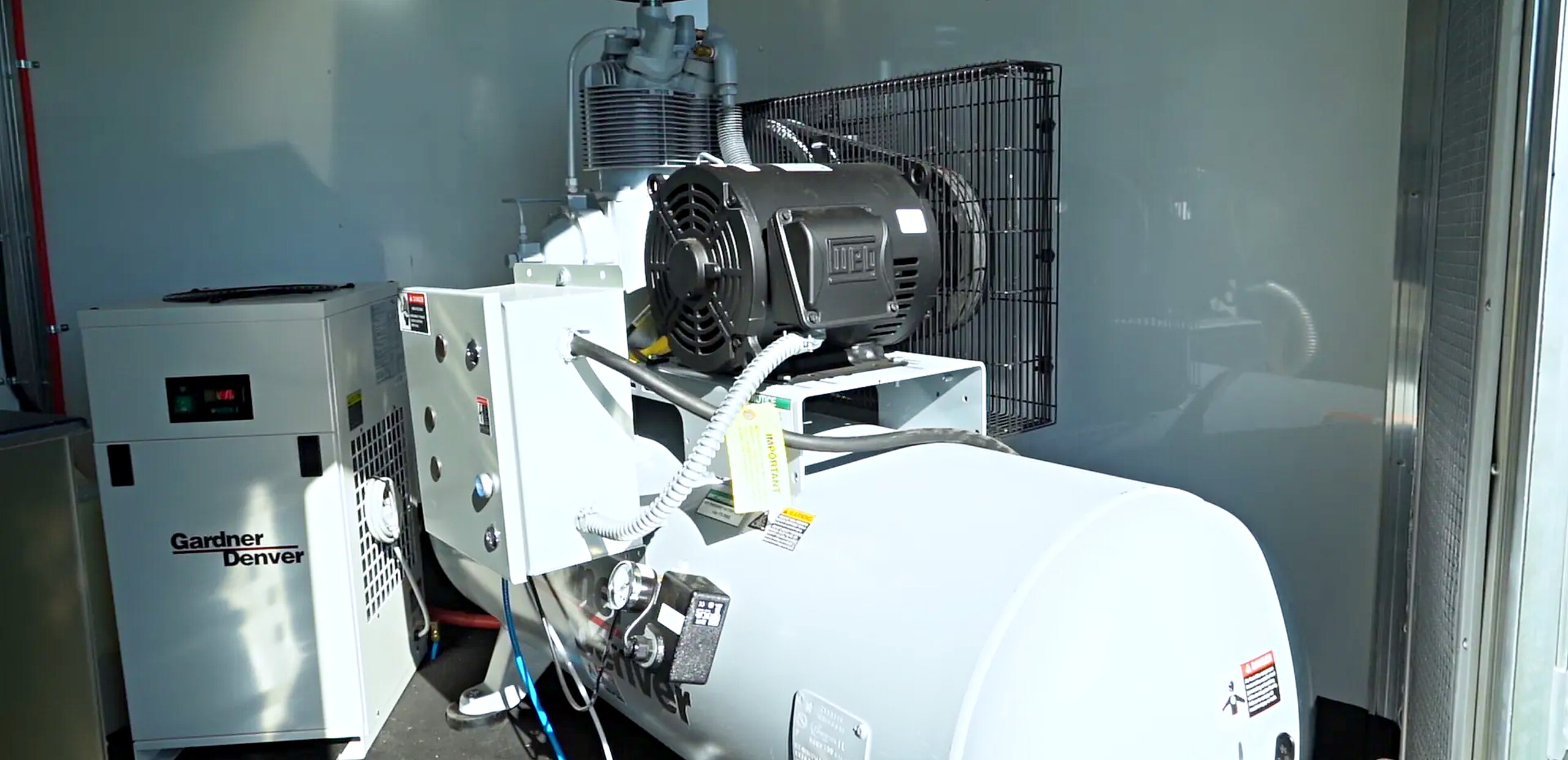
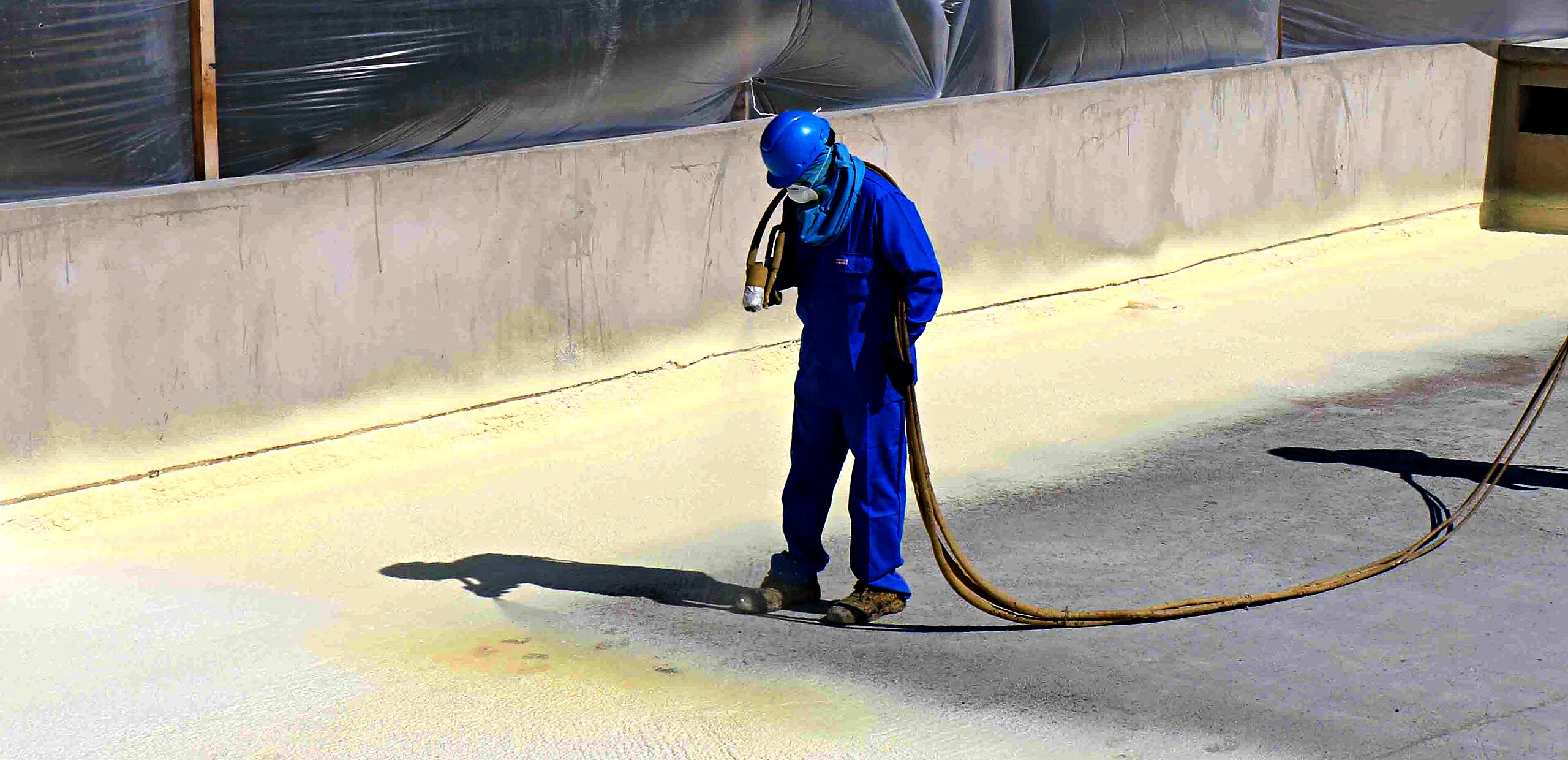
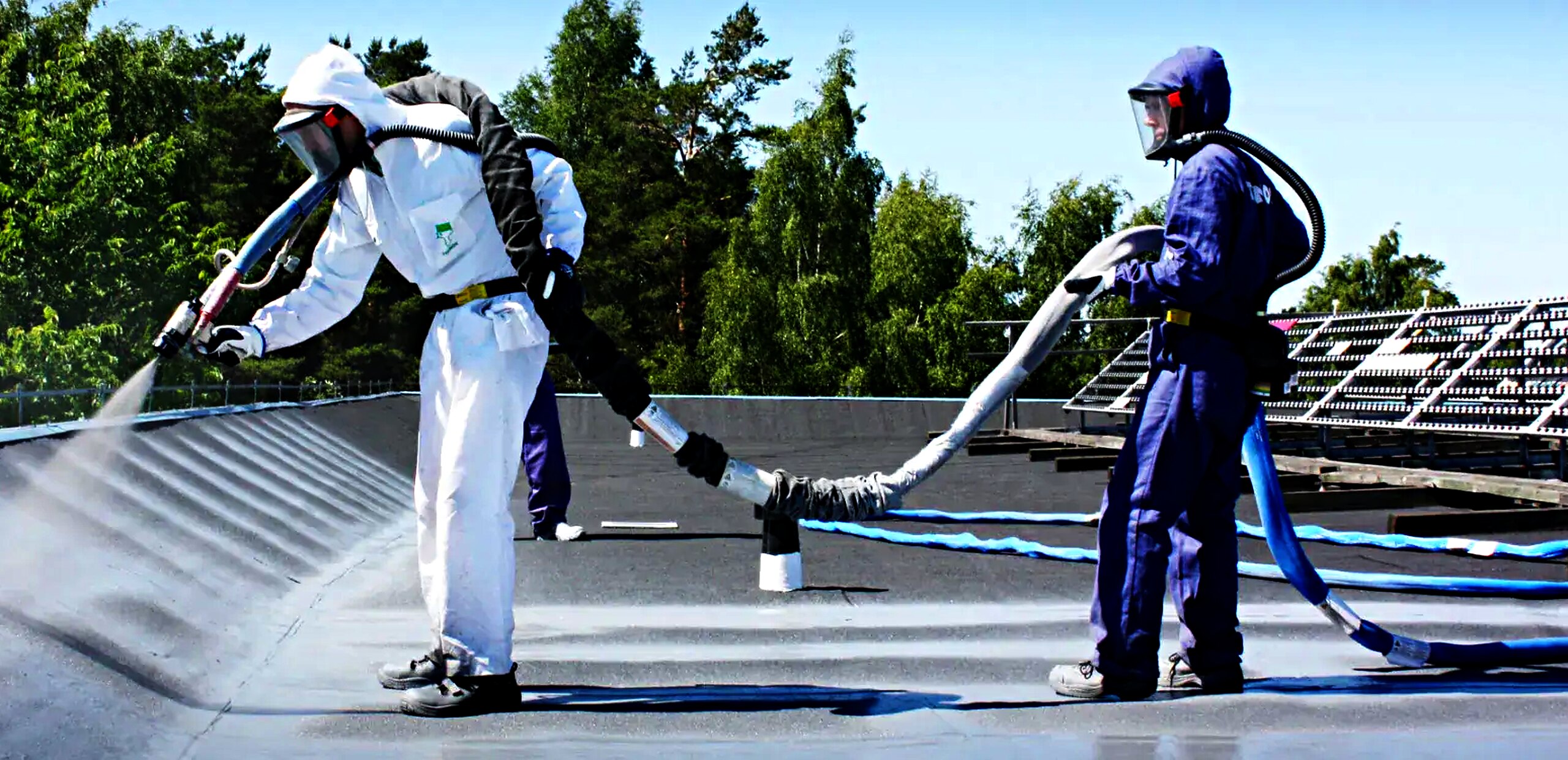
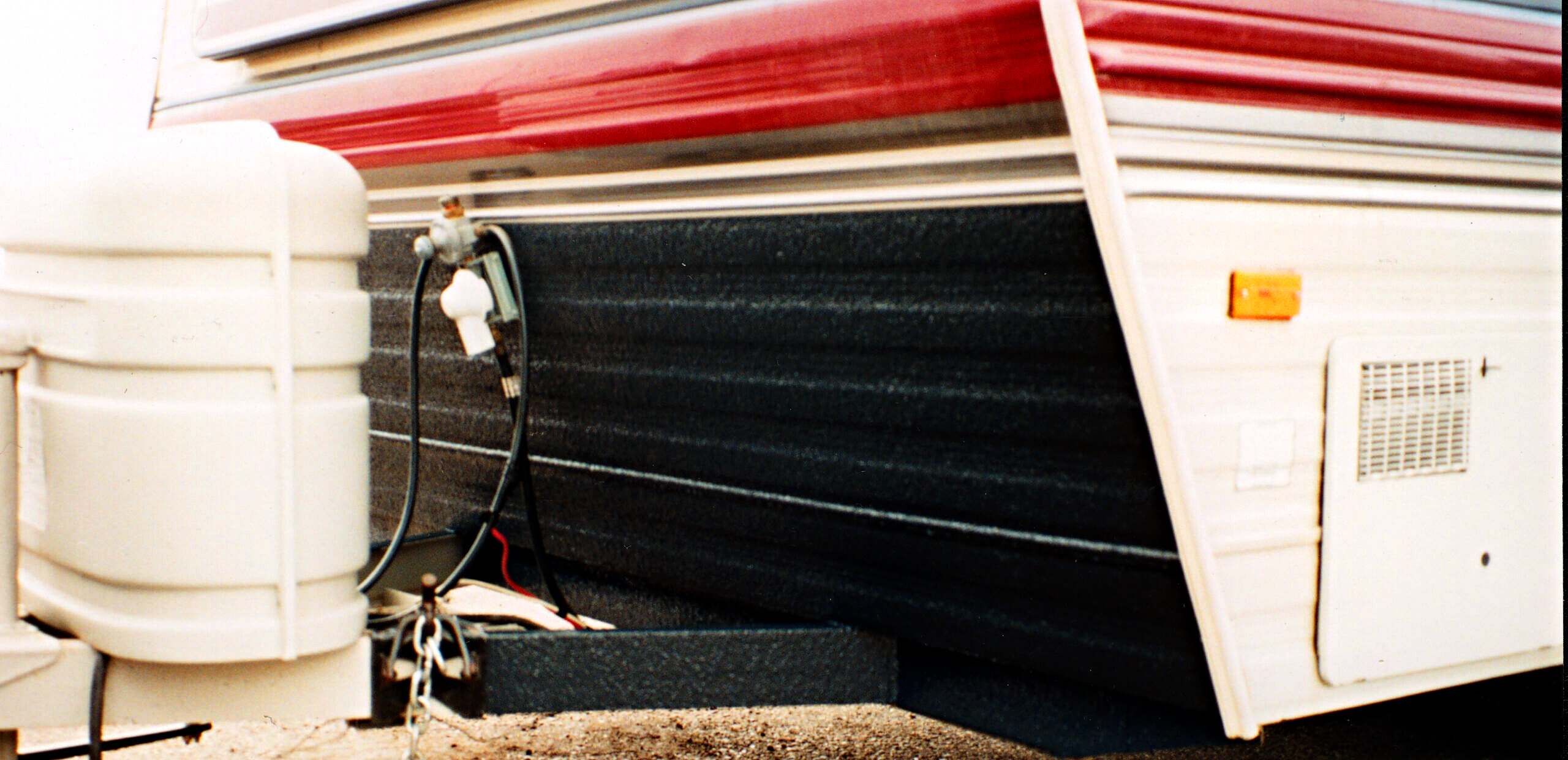
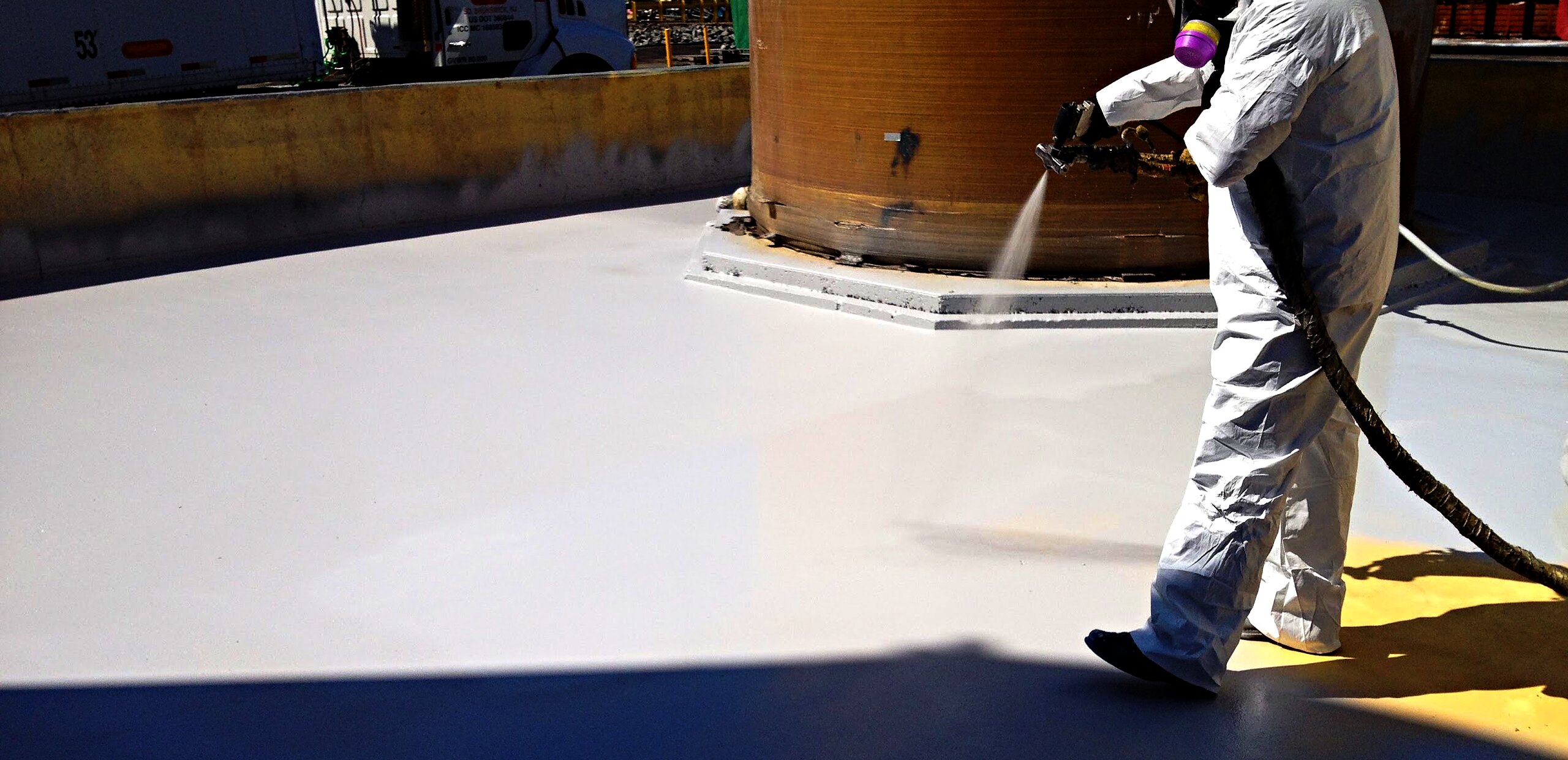
ArmorThane Mobile Coatings Unit trailer hitched to a pickup outside the plant Proportioner, A and B material drums and transfer pumps inside the spray rig Applicator in a protective suit holding a plural-component spray gun in a spray booth Proportioner control panel with heater, pressure balance and cycle counter controls

What comes with itProportioners, guns and complete spray rigs. We build them.

$0
franchise fees or royalties
35+
years in business
50+
countries with applicators
24/7
technical support
11 3/4 in
Coil width a 5 inch K-style gutter is formed from
15 in for 6 inch K-style
2 gal/ft
Water a full 6 inch K-style gutter holds
About 1.2 gal/ft for 5 inch
17 lb
Weight per foot of a clogged, full 6 inch gutter
8.34 lb per gallon of water
.027 in
Typical residential aluminum gutter thickness
.032 in for heavy duty

Gutter coating is a liquid lining brushed, rolled or sprayed inside a gutter to seal leaking joints, corners and outlets and to stop rust from eating through the bottom. On sound metal it is far cheaper than tearing gutters off, and on the big built-in box gutters of commercial and older buildings it is often the only practical repair.

Quick answer

A good gutter coating is a water-tolerant elastomer, such as polyurea, urethane or silicone, applied over clean, rust-treated metal, with reinforcing fabric bedded into every joint, corner and outlet. It works when the gutter is still structurally sound and pitched to drain. Acrylic and asphalt products struggle in a gutter, because gutters hold standing water and debris.

Coat or replace

When a gutter coating makes sense

A coating seals metal; it does not hold a gutter up or fix its pitch. So the first question is always the same: is the gutter itself still good? Tap it, push on it, look at the hangers and run a hose down it before anyone opens a pail.

Good candidate

Leaking joints and corners

Sectional gutters leak at the seams and seamless gutters at the miters and end caps, long before the run itself fails. A fabric-reinforced lining over those spots fixes the cause, not just the drip.

Good candidate

Surface rust on steel

Galvanized gutters lose their zinc and start to rust from the inside. Caught while the metal is still solid, they can be treated and lined for a fraction of replacement.

Best candidate

Built-in box and valley gutters

Box gutters on commercial roofs and older homes are built into the structure. Replacing one means opening the roof edge or the cornice, so lining it is usually the smart money.

Replace it

Rusted through, sagging or undersized

Holes you can push a screwdriver through, a run that holds water in a belly, or a gutter that overflows every storm all need metal work or a bigger gutter. A coating will not fix any of them.

Residential

K-style and half-round

Thin aluminum or steel, hung from the fascia. Most leaks are at joints, end caps, corners and outlets. Lining the full inside girth costs little more than doing only the joints and gives one continuous membrane.

Commercial

Box, valley and parapet gutters

Wide, deep and often hidden behind a parapet, these gutters collect water from large roof areas and hold it when outlets clog. Treat them like a low roof: drainage first, then a membrane that tolerates ponding. Our flat roof repair guide covers the roof side.

Products

Gutter coating options compared

A gutter is about the harshest spot on a building for a coating. It sits wet for days, freezes and thaws, fills with grit and gets scraped by ice and ladders. We would not put a coating in a gutter that we would not trust under standing water on a roof.

ProductStanding waterWhere it fitsWatch out for
Tube sealant at jointsFairA single leaking joint on otherwise good gutterThin bead, no reinforcement; often fails again within a few seasons
Asphalt or rubberized brush-onFairCheap patch on hidden steel guttersSoftens in heat, can stain and bleed, and most coatings will not stick over it later
Acrylic elastomericPoorGutters that always drain dryWater-based acrylics can soften and swell when they sit wet
SiliconeVery goodBox gutters tied into a silicone-coated roofDirt pickup, and later repairs generally need silicone again
Urethane liquid liner with fabricVery goodBox and valley gutters, brush or roller jobsSlower cure; an aromatic urethane needs a UV-stable topcoat in sun
Spray polyurea linerExcellentLong commercial runs, rusted steel, high-abuse guttersNeeds plural component spray equipment and a trained crew
EPDM or PVC sheet linerVery goodWide box gutters with simple shapesSeams and outlet laps become the new weak points
General guidance from field experience; check each product's data sheet for immersion and ponding ratings. Tap a column heading to sort.

Spray polyurea is 100% solids and gels in seconds, so a crew can line a long commercial gutter and have it back in service the same day, even with rain in the forecast. ArmorThane makes both the polyurea waterproofing systems and the rigs that spray them.

Estimator

How much material for your gutters?

Gutters are measured in linear feet, but coating is bought by area, so the number that matters is the inside girth: the distance from the top of the back, down and across the bottom, up to the front lip. Pick a profile to load a typical girth, then measure one of yours with a flexible tape.

Linear feet to gallons

Gutter coating estimator

Area = linear feet × (inside girth + lap onto the roof edge) ÷ 12. Fabric = one girth-length strip at every joint, corner and end cap, plus about 1.5 ft per outlet. Detail coat = a 6 inch wide extra pass over all fabric. Gallons = total area × dry mils ÷ (1,604 × volume solids) ÷ (1 − loss). Girth presets are approximate, a bit under the 11 3/4 and 15 inch coil widths for K-style. Full-gutter capacity from published profile data; box capacity is width × depth.

—
Sq ft to coat
—
Reinforcing fabric (ft)
—
Gallons, with detail coat and loss
—
Pounds of water if the run fills

Rust on the inside? Treat it first with a rust converter or a metal primer the coating maker approves.

Process

How to coat a gutter so it stays sealed

Gutter linings fail at the bond, almost never in the middle of the film. That makes this a cleaning and prep job with a little coating at the end.

  1. Clean it out and flush it

    Scoop the debris, then pressure wash or scrub out the silt and granules. Run water to the outlets and watch for bellies where it sits; fix the hangers and pitch now.

  2. Get to sound metal

    Wire brush or grind loose rust and scale. On galvanized steel, treat the rust and prime. On aluminum, scuff the baked finish and solvent wipe so the coating has something to grab.

  3. Repair holes and open seams

    Small pinholes can be bridged with fabric and coating. Anything bigger gets a riveted and sealed metal patch first.

  4. Bed fabric in the details

    Lay polyester reinforcing fabric into wet coating at every joint, corner, end cap and outlet, then saturate it. Run the outlet fabric down into the drop a few inches.

  5. Coat the full girth

    Carry the lining from the top of the back flange, under any roof edge or drip, across the bottom and up over the front lip. Stopping short of the top leaves an edge for water to get under.

  6. Let it cure before the rain

    Check the data sheet for rain-ready time. Polyurea is ready in minutes; moisture-cured urethanes and silicones can need hours of dry weather.

Mixed metalsCopper and aluminum, or copper and galvanized steel, corrode each other where they touch in water. A coating can isolate a contact point, but the lasting fix is not to mix them at hangers, outlets and patches.

Where the gutter empties matters too. Downspouts that dump against the wall push water into the basement, which our foundation waterproofing guide deals with. For the roof edge above a box gutter, our metal roof repair page covers seams and fasteners.

Line it once

Joints reinforced, the whole girth sealed.

A certified ArmorThane applicator can inspect your gutters, tell you which runs are worth lining and quote the prep, fabric and coating in writing.

Contractors: become an ArmorThane applicator

FAQ

Gutter coating questions

What is the best coating for gutters?

Pick a coating rated for standing water: polyurea, urethane or silicone, bedded with reinforcing fabric at the joints. Polyurea is the toughest and cures fastest. Avoid relying on acrylics or asphalt-based coatings in a gutter that holds water or debris.

Can you coat the inside of gutters to stop leaks?

Yes, if the metal is still sound and the gutter drains. Clean it, remove loose rust, prime as required, bed fabric at every joint and outlet, then coat the full inside girth. Rusted-through or sagging sections need metal repair first.

How much gutter coating do I need?

Multiply linear feet by the inside girth in inches and divide by 12 to get square feet, then apply your dry mils and the product's volume solids. A 150 foot run of 5 inch K-style at 40 dry mils of polyurea takes a little over 3 gallons, before detail work and loss.

Is lining box gutters cheaper than replacing them?

Usually, because built-in box gutters are part of the roof edge or cornice, and replacing them means opening up the structure around them. A lining keeps the existing metal in place as long as it is still solid.

Can you use roof coating in gutters?

Some, yes. Silicone, urethane and polyurea roof coatings rated for ponding water work well in gutters. Water-based acrylic roof coatings are a poor choice there because gutters stay wet, and acrylics can soften under standing water.

Should I coat aluminum gutters?

Only where they leak. Aluminum does not rust like steel, so most aluminum gutter problems are open joints, end caps and outlets. Scuff and clean the baked finish, then reinforce and coat those details, or the whole girth if the run has many joints.

AT
Written by the ArmorThane technical team. We have manufactured polyurea, polyurethane and polyaspartic coatings and plural component spray equipment in Springfield, Missouri since 1989. Profile sizes and girths here are typical; measure your own gutters and follow the coating's data sheet for prep and thickness.

Sources

  1. The Roofing Brief, Gutter Dimensions: K-Style and Half-Round Spec Sheet. theroofingbrief.com/gutter-dimensions
  2. Clinton Seamless Guttering, aluminum gutter specification sheets. clintonseamlessguttering.com/wp-content/uploads/2016/11/gutter-specs.pdf
  3. RJ Evans Roofing, Commercial Gutter Lining: Systems, Liners and Contractors. rjevansroofing.com/commercial-gutter-lining
  4. IIBEC, ASTM D6083 acrylic roof coating specification: what it says and what it means. iibec.org/publication-post/astm-d-6083

Lined gutters, dry walls.

Owners get a certified ArmorThane applicator who preps the metal, reinforces every joint and lines the gutter in a coating built for standing water. Contractors can add gutter and roof coatings with our materials, spray rigs and training, with no franchise fee and no royalties.

United States 417-831-5090 · Canada 780-444-6200
Cover of the ArmorThane brochure: Protective Roof Coatings & Leak Repair
Brochure

Protective Roof Coatings & Leak Repair

Flip through the whole brochure right here, or open it full screen on Issuu to share it.

Become an applicator

Start your coatings business with ArmorThane.

Tell us what you want to spray and where you are. An ArmorThane specialist will walk you through the equipment, chemicals, training and startup cost for the work you want to do.

  • Equipment package matched to your applications
  • Hands-on training and applicator certification
  • Technical support once you are spraying
Step 1 of 3

We want to help you find the best ArmorThane applicator for your protective coating project. Please either fill out the request form below or call us toll free at 417-831-5090, any time Monday-Friday, 8:00 a.m. to 5:00 p.m. Central Standard Time.

Leaking joints or rusty box gutters? Line them instead.

Tell us what kind of gutters you have, how many feet and where they leak. We will connect you with a certified ArmorThane applicator who can tell you whether a lining will work and quote the prep, fabric and coating in writing.

  • Gutter type: K-style, half-round, box or valley
  • Total linear feet and number of outlets
  • Metal: aluminum, galvanized steel or copper
  • Where it leaks: joints, corners, outlets or the run
Become an applicator

Start your coatings business

Choose “becoming an Applicator / Dealer” and add your details. Our team will call you to talk through markets, equipment and budget.

1Choice
2Contact Information
3Location

Rather talk now? (417) 831-5090 · About the opportunity