Start a Roofing Company in 2026 Costs and Paths
Licensing by state, insurance, capital, crew, pricing and a first-year plan for a conventional roofing company, plus the coating route that starts with a spray rig.
Spray roofs for a living.
ArmorThane is the one-stop shop for applicators. We make the chemistry, build the equipment, train you hands-on and back you with technical support, with no franchise fees and no royalties. Applicators have come first here since 1989.
- $0franchise fees or royalties
- 35+years in business
- 50+countries with applicators
- 24/7technical support
If you already know how to roof, the hard part of starting a roofing company is everything around the roof: the license, expensive insurance, a truck, a crew and cash to carry material and payroll until customers pay. This guide covers all of it with sourced numbers, then lays out a second route: restoring roofs with coatings instead of replacing them.
To start a roofing company, write a plan, form an LLC and get an EIN, get licensed where your state requires it (California, Florida and Minnesota do; Texas and Colorado don't statewide), insure, earn manufacturer certifications and equip a crew. GAF puts startup at $31,500–$82,000. Roofers' general liability runs about $317 a month. A coating-restoration start centers on spray equipment from $20,000–$25,000. Build your startup budget or check a job's margin.
We make polyurea roof coatings and spray equipment and have trained independent applicators since 1989. We'd like some readers to become applicators, but a conventional roofing company is the right answer for many, so both routes get equal treatment.
- 1Pick your business model
- 2Licensing by state
- 3Insurance and bonds
- 4What it costs to start
- 5Startup cost builder (interactive)
- 6OSHA fall protection
- 7Crew, training and certifications
- 8Pricing, margins and storm work
- 9Job margin and payback (interactive)
- 10The coating route
- 11A realistic first-year plan
- 12Roofing business FAQ
Start a roofing company: pick your business model
What you'll sell decides your license class, insurance, equipment and how many people you need on day one. Decide before you buy a truck.
Residential re-roofing
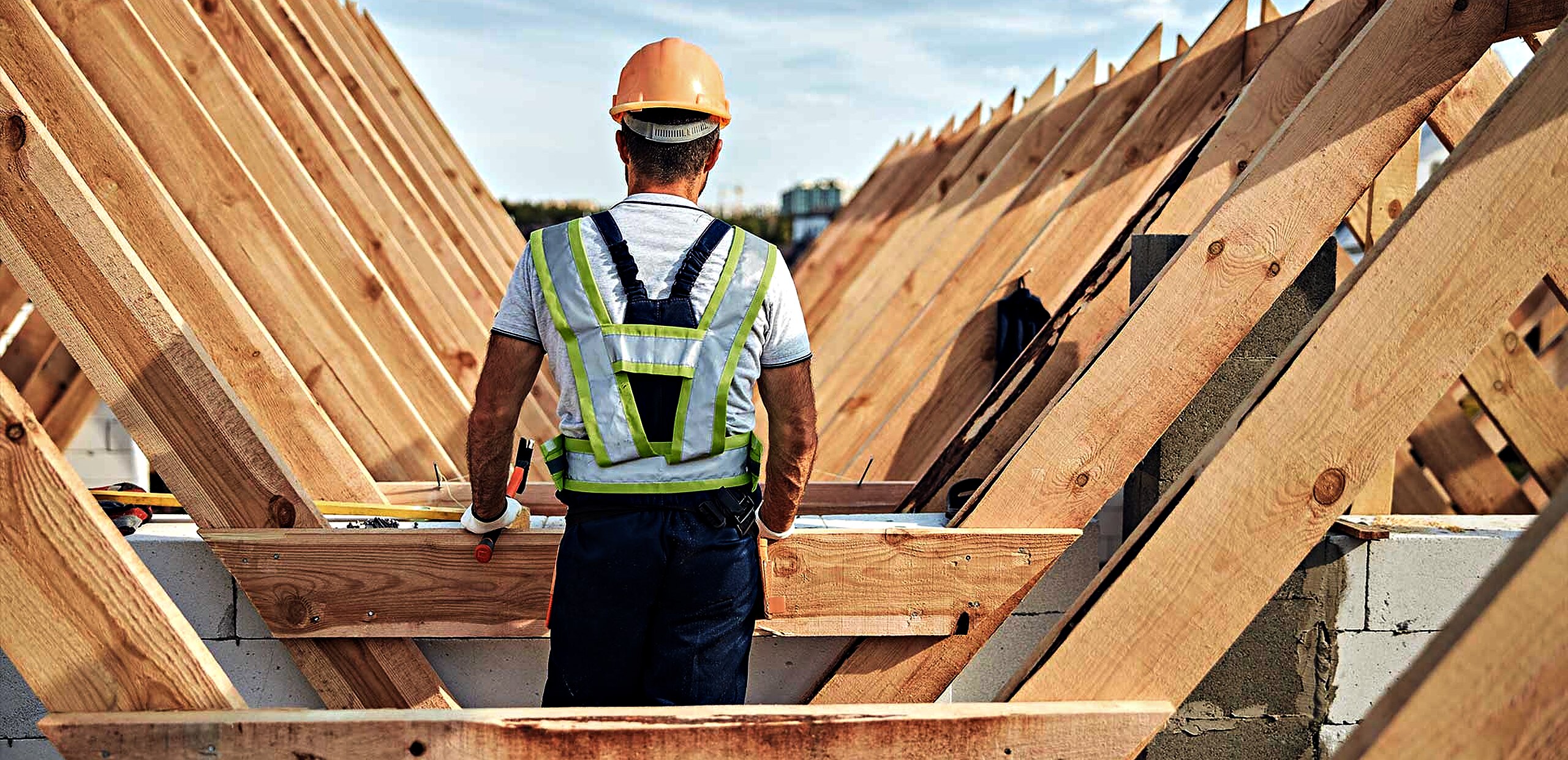
Tear-off and replacement on houses. HomeGuide puts a typical job at $5,700–$16,000, but each one needs a crew, debris hauling and steep-roof fall protection.
Storm and insurance work
Hail and wind claims bring volume, and GAF lists post-storm inspections as a way to find customers. States regulate it closely; see the storm rules.
Commercial low-slope
Membrane, built-up and metal roofs on stores, warehouses and apartments, with higher insurance limits and bigger crews. The Illinois Roofing Institute puts larger starts at $50,000–$250,000 and up.
Coating and restoration
Clean, repair and coat existing low-slope, metal and RV roofs instead of replacing them. No tear-off. The main purchase is spray equipment. Details below.
Roofing licenses by state
There's no national roofing license. Some states license roofers, some fold roofing into a contractor license, and some leave it to cities. Five examples show the range.
| State | Statewide license? | Who needs it | Key requirements |
|---|---|---|---|
| California | Yes: C-39 Roofing | Any job over $1,000, or any job that needs a permit or uses employees (since January 1, 2025) | Four years of journey-level experience, exams, a contractor's bond and proof of insurance. C-39 covers "urethane foam" and waterproofing, not just shingles. |
| Florida | Yes: certified (statewide) or registered (local) | Roofing contractors | Four years of experience or college plus experience, a state exam, credit reports with a FICO score, liability and property damage insurance, workers' comp or an exemption within 30 days, fingerprints. |
| Minnesota | Yes: residential roofer | Residential roofing once gross receipts top $15,000 a year | Exam and proof of insurance; Insureon lists a $15,000 surety bond. Deductible and claim rules under §325E.66 apply. |
| Texas | No | No state license; check your city | Voluntary RCAT license: two years as a principal of a Texas roofing company, $300,000 (residential) or $500,000 (commercial) liability or a $100,000 bond, three exams, $550–$1,050. |
| Colorado | No | Many larger cities license roofers; "ALL projects" need a permit | Check each city or county building department where you'll work. |
GAF allows two to six weeks for licensing, and the Illinois Roofing Institute puts license training and exams at $800–$2,000. Everywhere, you'll register the business, get a free federal EIN and pull permits city by city. GAF recommends an LLC or S-Corp to protect personal assets.
Insurance and bonds
Roofing is expensive to insure. Insureon's medians for roofers with fewer than five employees, $50,000–$200,000 in revenue and five years or less in business make a realistic first budget. Its general liability median for flooring installers is $77 a month, about a quarter of the roofing figure.
| Policy | Median per month | Median per year | Who needs it |
|---|---|---|---|
| General liability | $317 | $3,808 | Everyone; GAF calls it required, and customers and cities ask for certificates |
| Commercial auto | $268 | $3,212 | Any work truck or van |
| Workers' compensation | $175 | $2,101 | Mandatory once you hire; roofers' rates "trend higher" than other trades |
| Business owner's policy | $125 | $1,503 | Liability plus property, for owners with a shop |
| Commercial umbrella | $93 | $1,111 | Commercial jobs needing higher limits |
| Professional liability | $67 | $808 | Inspections, consulting and design advice |
| Tools and equipment | $42 | $505 | Nailers, compressors, spray rigs |
| Surety bonds | $9 | $112 | License and permit bonds |
General liability, auto, workers' comp and tools coverage come to about $802 a month at those medians. GAF's $3,000–$7,000 a year fits a solo owner; once you hire, plan on more.
What it costs to start
Published estimates disagree because they assume different trucks, crews and cash cushions. GAF's itemized version is the best starting point.
| Line item | GAF range | Notes |
|---|---|---|
| Truck or van | $15,000–$45,000 | The Illinois Roofing Institute budgets $5,000–$10,000 for a used vehicle |
| Safety and hand tools | $2,000–$5,000 | Jobber's basic kit (nailer, compressor, ladder, snips, pry bar) starts at $1,000–$3,600 |
| Licensing and bonds | $500–$2,000 | Plus $800–$2,000 for license training and exams where required |
| Insurance, first year | $3,000–$7,000 | Insureon's medians run higher once you add workers' comp |
| Initial marketing | $1,000–$3,000 | Truck lettering, yard signs, website, Google Business Profile |
| Working capital | $10,000–$20,000 | Carries material and payroll until customers pay |
| Total | $31,500–$82,000 | Jobber: $15,000–$50,000+ for most, $6,000–$15,000 bare minimum |
Low estimates assume you own a truck and tools and start alone. None include shingles: roofers usually buy material per job, which is why working capital matters. At HomeGuide's $100–$250 per square (100 sq ft), a 20-square house ties up several thousand dollars before you're paid.
Startup cost builder
Pick a path, then change any line to match your quotes. Defaults use GAF's midpoints, Insureon's roofing medians and ArmorThane's published equipment prices.
What will it cost me to open?
Switching the path resets the equipment and training lines. Everything else stays as you set it.
Run all three paths. A bare-bones shingle crew can open for less than a spray rig costs, so the coating route isn't automatically cheaper on day one. It differs in what each job needs: no tear-off, no disposal and usually fewer hands. Our floor coating business guide runs the same exercise for garage floors.
OSHA fall protection for roofers
"Falls are the leading cause of death in construction," OSHA says: 389 fatal falls to a lower level in 2024, about 38% of 1,034 construction deaths. The rules in 29 CFR 1926.501 start at 6 feet, which covers nearly every roof, from the day you have an employee.
Low-slope roofs
Guardrails, nets or personal fall arrest, or a warning line plus one of those or a safety monitor. A monitor alone is allowed on roofs 50 feet wide or less. Warning lines sit at least 6 feet from the edge.
Steep roofs
Guardrails with toeboards, safety nets or personal fall arrest systems. Warning lines and monitors don't count here, so on most shingle roofs that means harnesses and anchors.
Residential construction
Workers 6 feet or more above a lower level need guardrails, a safety net or personal fall arrest. Plan anchors before the tear-off starts.
Holes and skylights
Protect workers from falling through holes, "including skylights," more than 6 feet above lower levels. Covers must hold twice the weight of the workers, equipment and materials on them.
OSHA's formula is plan, provide and train. Put anchors, harnesses and a written fall plan in your equipment budget on either path.
Crew, training and certifications
BLS counts 166,900 roofers with a median wage of $26.65 an hour ($55,440 a year) in 2025, and projects 5% growth through 2035 with about 12,000 openings a year, so you'll compete for good installers. Most learn through moderate-term on-the-job training, with no formal credential.
Learn the trade first
Jobber suggests 6–12 months of trade school or apprenticeship if you're new, on top of 3–6 months to launch. Time on someone else's crew is the cheapest way to learn estimating and installing.
Manufacturer certifications
GAF allows two to four weeks to earn a manufacturer certification, which lets you offer enhanced warranties. NRCA's PROCertification validates installer knowledge by roof system and role.
Applicator training
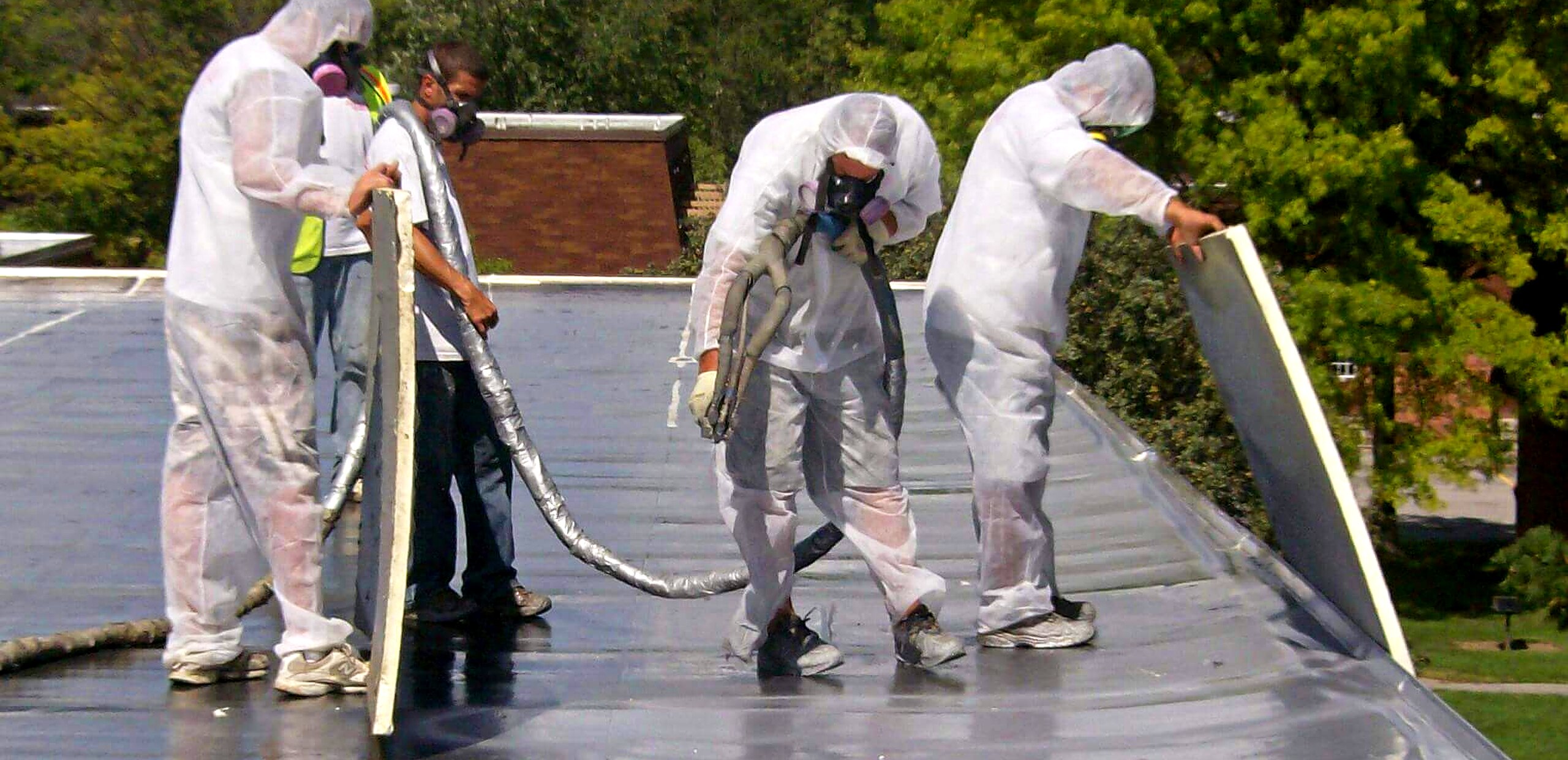
Coating makers train too: MuleHide describes free "Coatings 101" classes, and ArmorThane's polyurea training is a two-day, hands-on course.
Price labor at your loaded cost, not the wage: payroll taxes, comp and benefits ride on top of $26.65. Angi reports roofers bill $40–$90 an hour per worker.
Pricing, margins and storm work
Roofers price by the square, 100 square feet of roof. HomeGuide puts replacement at $300–$600 per square installed ($3–$6 per sq ft), with materials $100–$250 and labor $150–$300 per square; asphalt shingles run $3–$5 per sq ft, metal $5–$16 and tile $7–$25. Tear-off adds $1–$5 per sq ft and permits $100–$500. Angi reports an average replacement of $9,609.
Installed cost per sq ft by roof type, HomeGuide (November 2025). Bars show the top of each range.
What margins look like
Two roofing software companies publish the ranges most often quoted: RoofSnap gives 20–40% gross margin and about 6–20% net, Roofr 25–40% gross and 6–12% net. Neither cites a survey, so treat them as rules of thumb, not a promise. Jobber says to target at least 10% profit on every job.
Job margin and payback calculator
Price one typical job, set how many you'll sell a month, and see the margin, what's left after overhead and when startup capital comes back.
What does one roof make, and when am I paid back?
Re-roof defaults use HomeGuide's shingle prices and material costs. Coating defaults use the silicone ranges in ArmorThane's cost guides. Crew days are placeholders; time your own jobs.
The coating route: restore roofs instead of replacing them
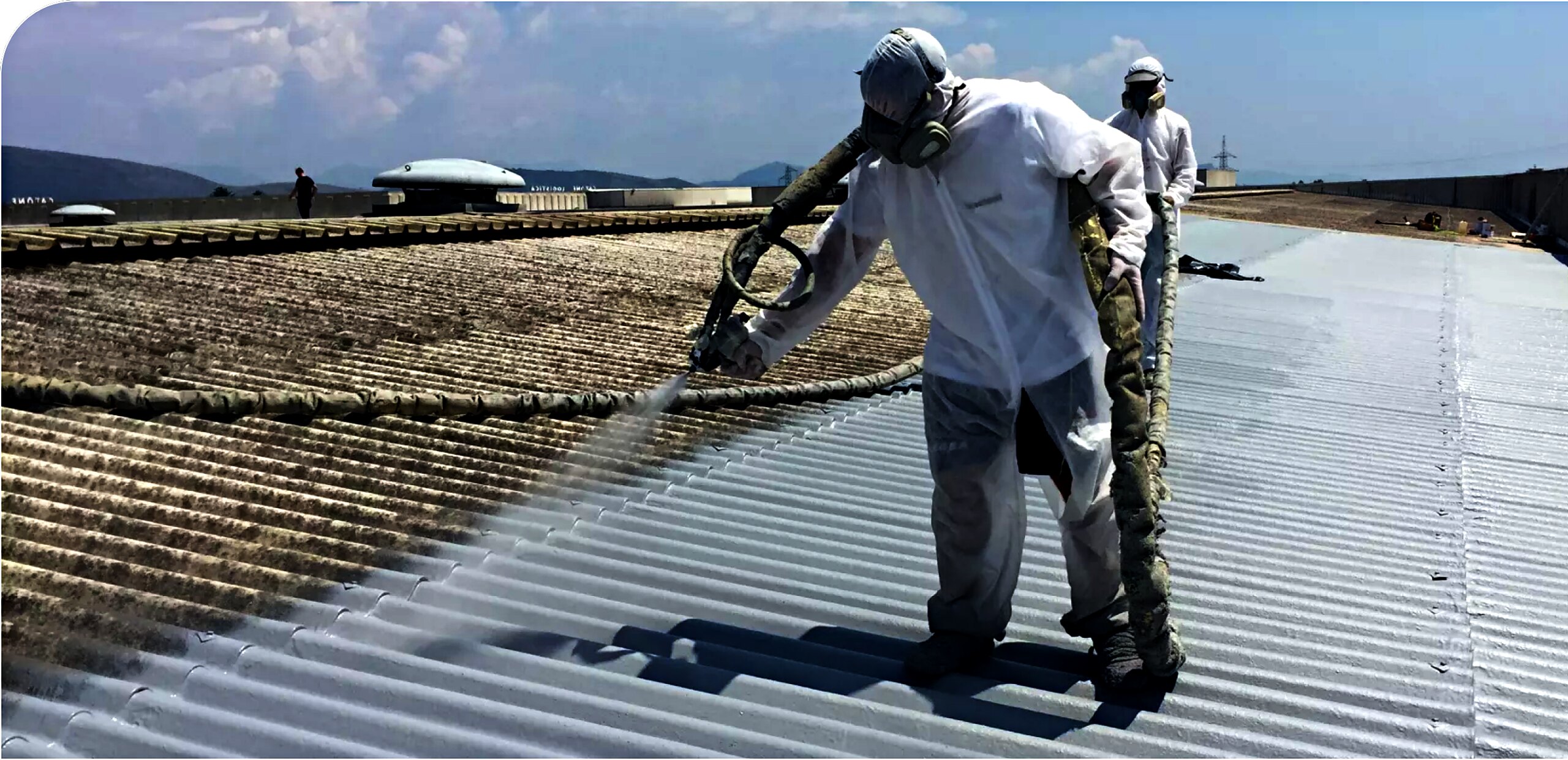
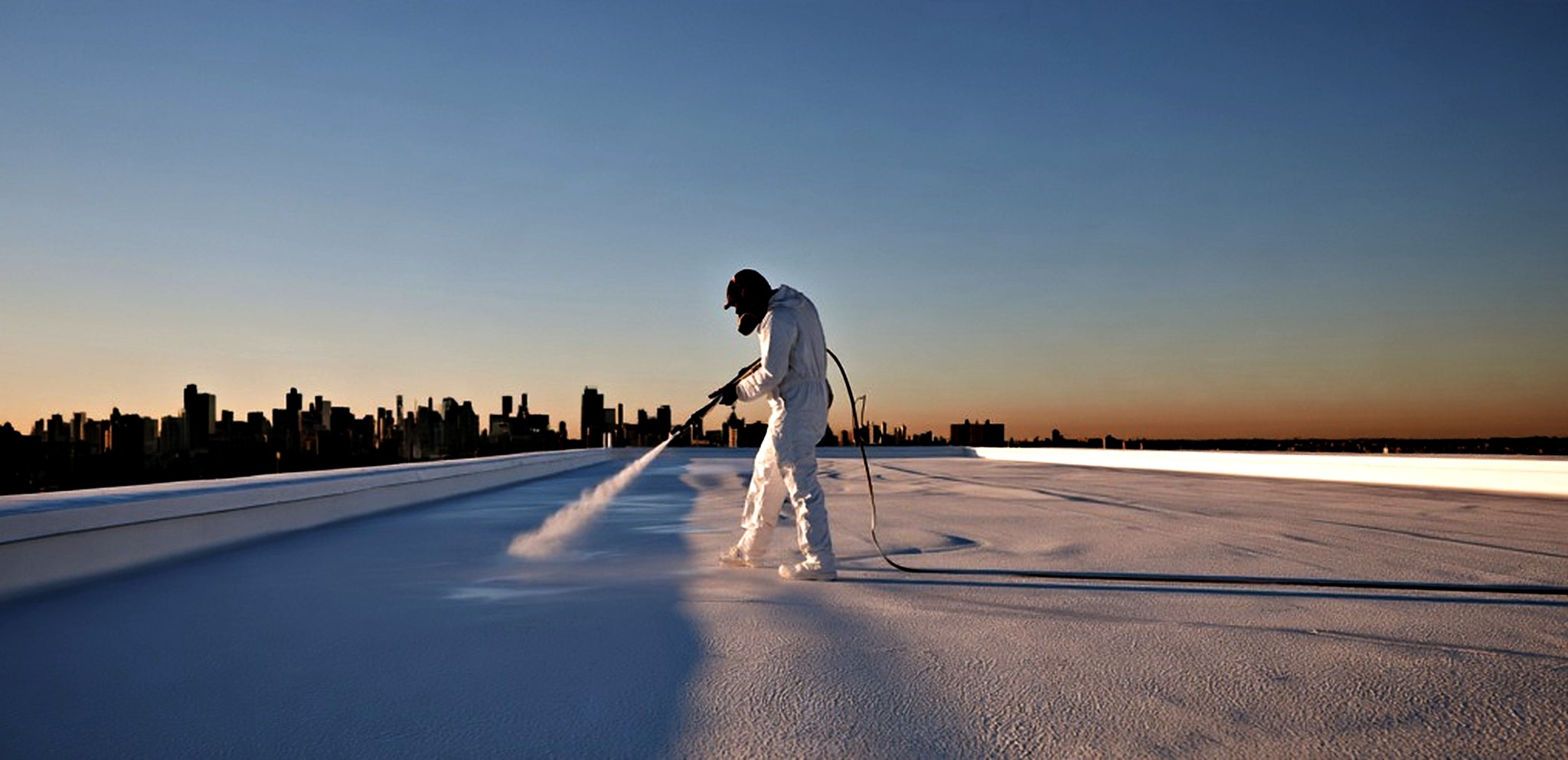
A roof coating business cleans, repairs and coats existing roofs: low-slope commercial roofs, metal buildings, mobile homes and RVs. No tear-off, no disposal, and the building stays in use. You sell to property and facility managers and building owners, and every sale rests on one question: can this roof be saved?
| System | ArmorThane roof coating guide (installed) | Cost guides (installed) |
|---|---|---|
| Acrylic elastomeric | $1.50–$4.00 per sq ft | HomeGuide $0.50–$3.00; Angi $0.65–$1.75 |
| Silicone | $2.50–$5.50 | HomeGuide $1.50–$4.50; Angi $1.50–$2.50 |
| Sprayed polyurea | $3.00–$6.00 | Angi polyurethane $2.00–$5.00 |
| Spray foam plus topcoat | $4.00–$8.00 | ArmorThane SPF cost guide $4.00–$7.00 main range |
| For comparison: flat roof replacement | — | HomeGuide $3–$11, plus $1–$5 tear-off |
Is there demand?
Roofing Contractor reported that 41% of contractors saw coatings sales rise in 2024 and 48% expected growth in 2025, citing analysts who project 11.91 million squares ($1.3 billion) installed by 2028. Our flat roof opportunity page notes that more than two billion square feet of U.S. low-slope roofing is renewed every year, and our roof coating guide covers the chemistry and process.
Roll and low-pressure spray
Acrylic and silicone go on with tools Roofing Contractor calls "simple, readily available and quite affordable": low-pressure sprayers, power washers, drill mixers, rollers and wet mil gauges. Coating makers run free training. See silicone roof coating for where it fits.
Spray polyurea, low pressure
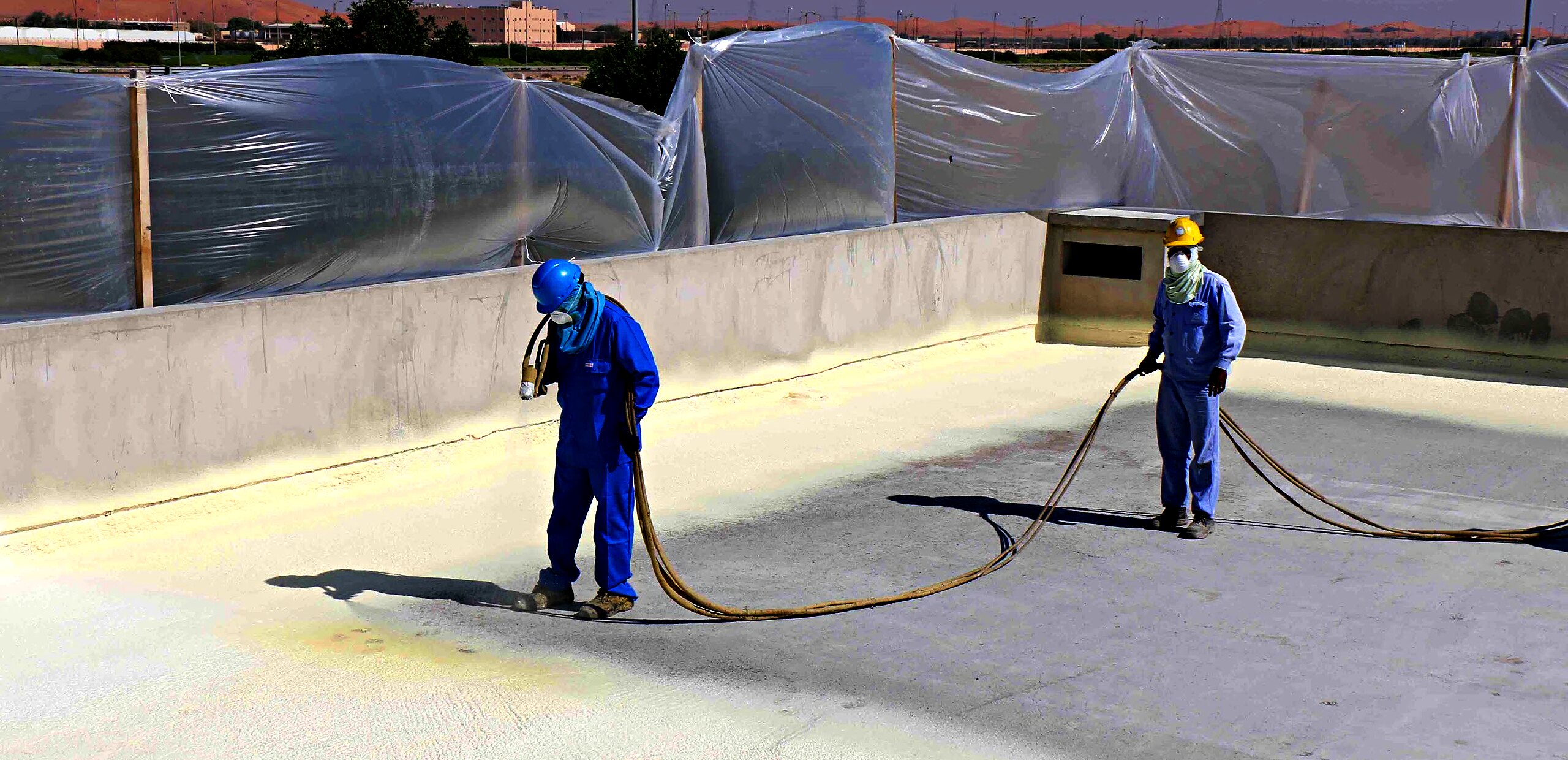
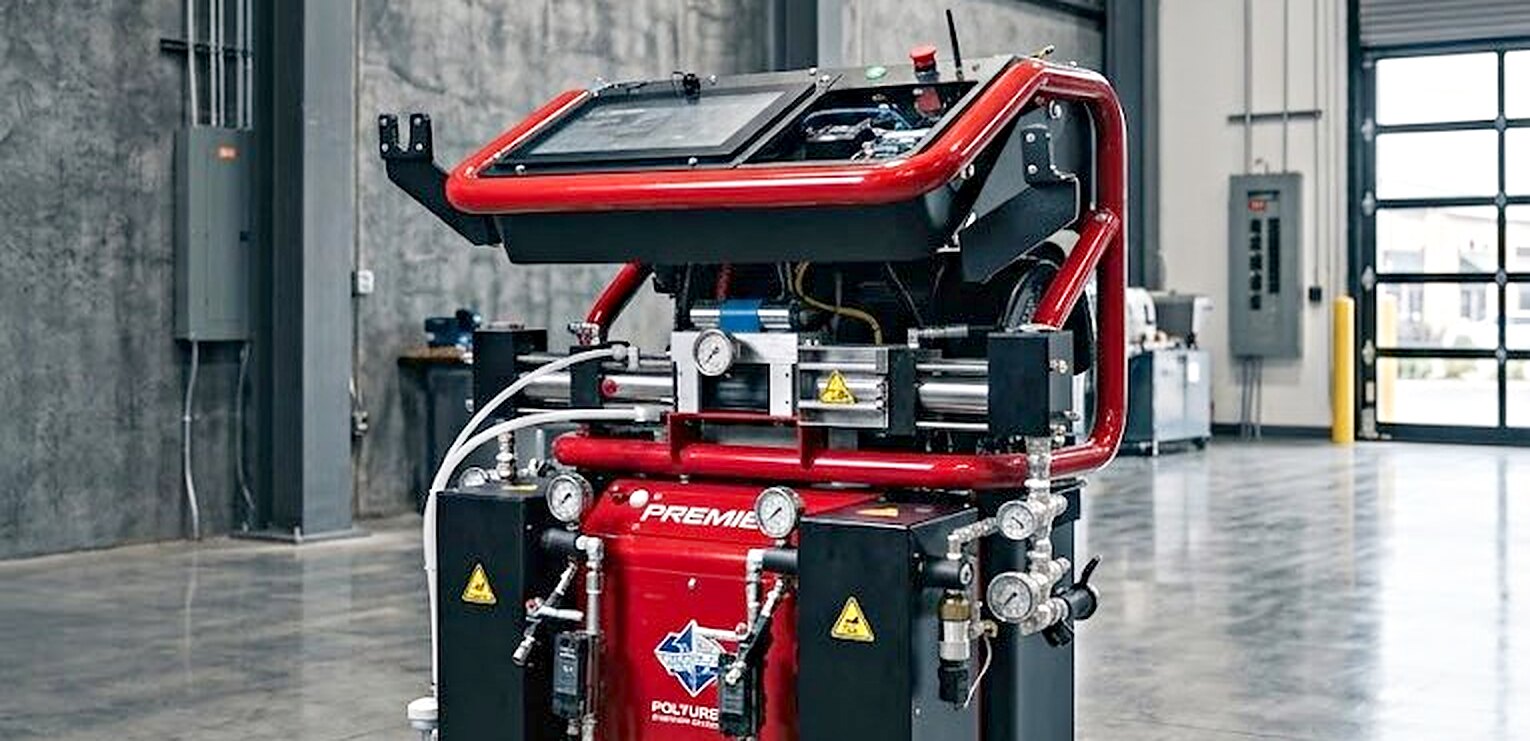
Plural-component 1:1 equipment sprays a seamless membrane that's tack-free in 15–90 seconds, and our guide lists 60–100 mils in a single pass. ArmorThane's low-pressure 1:1 equipment starts at $20,000; turnkey systems start at $25,000. See our spray rigs.
High pressure and foam
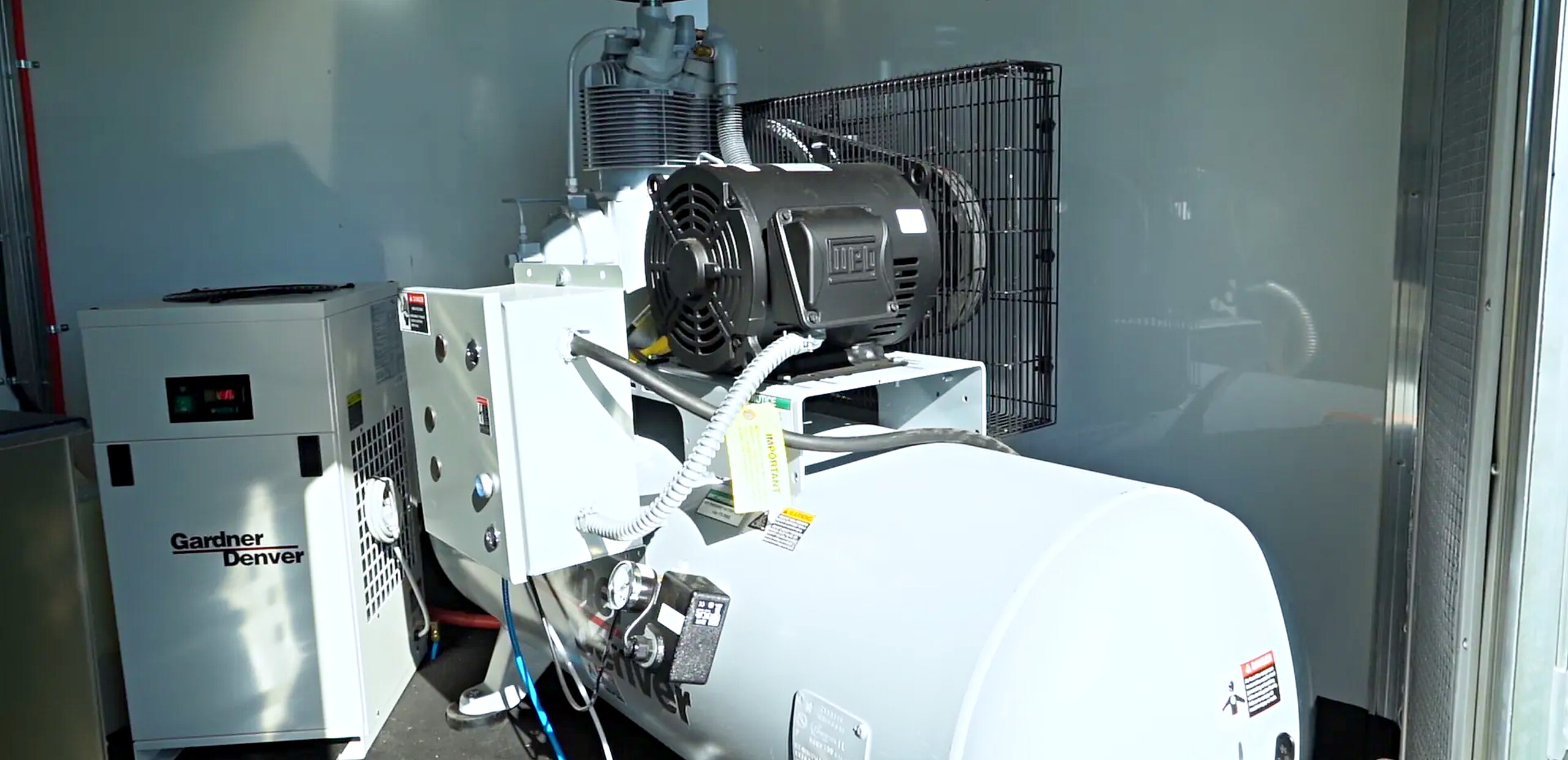
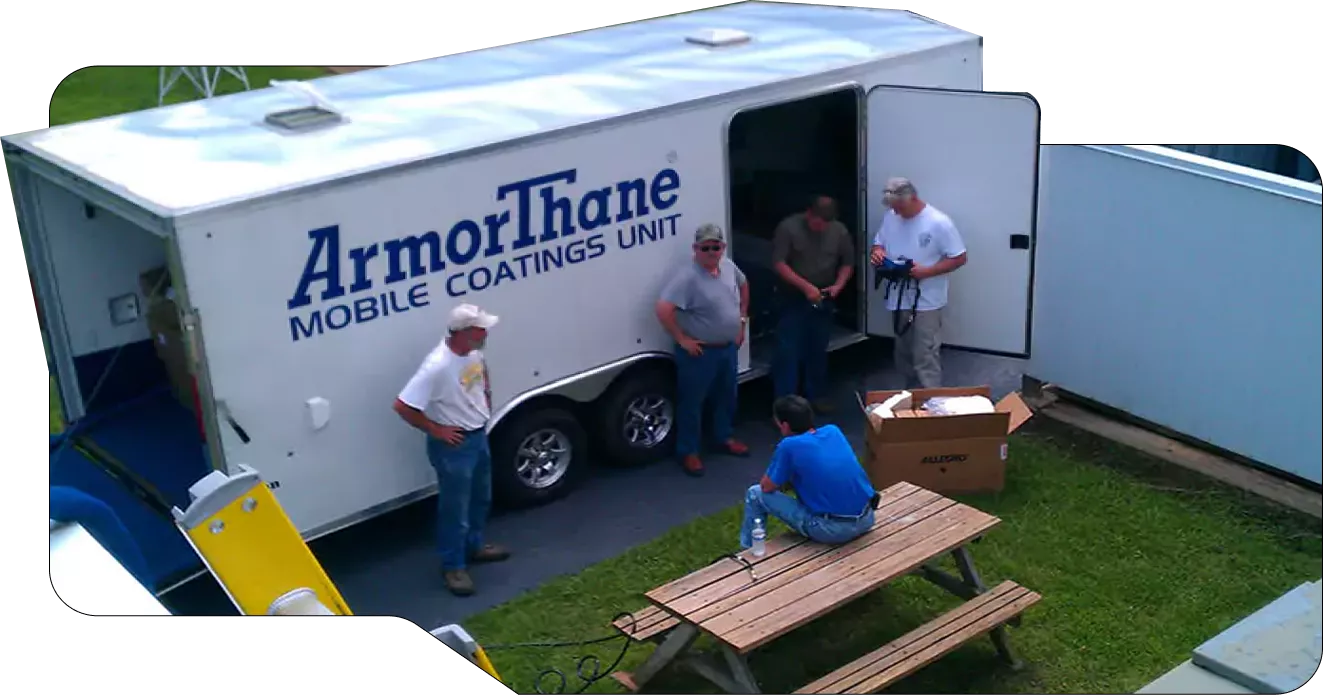
High-pressure rigs, often in a mobile coating unit trailer with a generator, compressor and air dryer. Spray foam roofing adds insulation, and the building code wants the coating on within 2–72 hours of the foam; costs here.
RV roofs
A smaller, repeatable job you can take to the customer. Our RV roof business guide puts a low-pressure mobile start at $45,000–$76,000 all-in.
What the coating route doesn't change
It's still roofing: California's C-39 includes urethane foam and waterproofing, the insurance medians still apply, and OSHA's fall rules still start at 6 feet. Not every roof qualifies. GAF's silicone specs call for a roof that's "clean, dry and tight," a moisture survey and an adhesion test on smooth asphalt. Wet insulation or a failed deck means replacement; our flat roof repair guide covers where the line falls. And contractors who "dive in without any training," Roofing Contractor warns, get results that are "inevitably, unacceptable."
Want equipment and training numbers for your area? Use the business inquiry form at the top of this page and we'll answer with real quotes.
A realistic first-year plan
Jobber puts concept to first paid job at three to six months. Here's a first year built on GAF's step timings.
Month 1: plan and pick the model
Re-roof, commercial, storm or coatings. Write the plan (GAF allows one to two weeks) and run both calculators with numbers you believe.
Months 1–2: register, license, insure
Form the LLC and get an EIN (three to five days), license where required (two to six weeks) and buy insurance and bonds (about a week).
Months 2–3: equip and certify
Buy the truck, tools and fall protection, or the spray package. Earn a manufacturer certification or finish applicator training.
Months 3–6: first paid jobs
Start with your network, a Google Business Profile, truck lettering and yard signs. Photograph every roof and ask every customer for a review.
Months 6–12: build the machine
Track real crew days and material per job, adjust prices, hire when the backlog justifies it and consider a second service.
Coat roofs with ArmorThane, keep your own name
ArmorThane has made polyurea and polyurethane coatings in Springfield, Missouri since 1989, and our applicators work in more than 50 countries. There's no franchise, dealership or royalty fee. Training is on site or virtual and ends in certification. Turnkey systems start at $25,000 with equipment, training, first chemical, prep and safety gear; low-pressure 1:1 equipment starts as low as $20,000. Third-party financing is available, and a 24/7 tech line backs you up.
Coatings also work as a second service: a shingle crew that can restore low-slope and metal roofs keeps those jobs. See our commercial polyurea roof coatings. Property owners can use the applicator finder to reach a certified applicator, and anyone can get new guides through the ArmorThane newsletter.
Franchise fee and royalty
You keep your brand, your customers and your margin.
Turnkey spray system
Equipment, training, first chemical, prep and safety gear in one package.
Tech line
Help with equipment and application questions when you're on a roof.
Start with coatings, without a franchise.
Low-slope and metal roofs need restoring. We supply polyurea roof systems and spray equipment and train you on site or virtually, ending in certification. No franchise fee, no royalty.
Coating other surfaces too? See cool roof coating and floor coating.
Roofing business FAQ
How much does it cost to start a roofing company?
GAF puts a typical start at $31,500–$82,000: a truck ($15,000–$45,000), tools ($2,000–$5,000), licensing and bonds ($500–$2,000), a year of insurance ($3,000–$7,000), marketing ($1,000–$3,000) and $10,000–$20,000 of working capital. Jobber says most companies need $15,000–$50,000 or more, and a bare-minimum solo start can run $6,000–$15,000 if you already own a truck and tools.
Do I need a license to start a roofing business?
It depends on your state and city. California requires a C-39 Roofing license for jobs over $1,000 or any job needing a permit or employees. Florida licenses roofing contractors after four years of experience and a state exam. Minnesota licenses residential roofers above $15,000 a year in gross receipts. Texas and Colorado have no statewide roofing license, but cities may license roofers, and Colorado requires a permit for every roofing project.
How much insurance does a roofing company need?
At minimum, general liability, commercial auto and, once you hire, workers' compensation. Insureon's 2026 medians for small roofing contractors are $317 a month for general liability, $268 for commercial auto, $175 for workers' comp, $42 for tools and equipment and $9 for surety bonds. Texas's voluntary RCAT license asks for $300,000 of liability coverage for residential work and $500,000 for commercial.
Can I start a roofing company with no experience?
You can register a company, but you'll struggle to license, price and supervise work you haven't done. Florida's certified roofing license and California's C-39 both require four years of experience. Jobber suggests 6–12 months of trade school or apprenticeship before a 3–6 month launch. Working on someone else's crew is the cheapest education available.
How profitable is a roofing business?
Roofing software companies commonly cite 20–40% gross margins and roughly 6–20% net (RoofSnap) or 6–12% net after overhead and taxes (Roofr), though neither cites survey data. Jobber advises targeting at least 10% profit on every job. Your real margin depends on pricing each job from its material, loaded labor and overhead, not on industry averages.
What equipment do I need to start roofing?
For shingle work: a roofing nailer, air compressor, extension ladder, tape, chalk box, square, snips, shingle remover, pry bar and fall-protection harnesses and anchors, plus a truck and a way to haul tear-off debris. GAF budgets $2,000–$5,000 for safety and hand tools. A coating business adds a power washer, mixers and sprayers; spray polyurea needs plural-component equipment starting around $20,000.
How do new roofing companies get their first customers?
GAF lists four starting points: your personal network, an optimized Google Business Profile, truck lettering and yard signs, and inspections after storms. Photograph every job and ask every customer for a review. Coating contractors sell mostly to property managers and building owners who want to avoid a full replacement.
Is it legal for a roofer to waive an insurance deductible?
Not in many states. In Texas, paying, waiving or rebating an insured's deductible is a Class B misdemeanor under Business and Commerce Code 27.02, and insurance-funded contracts of $1,000 or more must include a notice saying so. Minnesota bars residential contractors from promising to pay deductibles and from adjusting claims without a public adjuster license. Check your state's rules before doing storm work.
What OSHA rules apply to roofing companies?
OSHA's fall protection standard, 29 CFR 1926.501, applies at 6 feet. Low-slope roofs need guardrails, nets or personal fall arrest, or a warning line combined with one of those or a safety monitor. Steep roofs need guardrails with toeboards, nets or personal fall arrest. Skylights and holes must be protected. OSHA says falls are the leading cause of death in construction.
Is a roof coating business a good way to start?
It can be, if you want commercial low-slope, metal or RV work with fewer people per job. Coatings restore roofs without tear-off, and Roofing Contractor reported 41% of contractors saw coatings sales rise in 2024. But it isn't automatically cheaper than a bare-bones shingle crew, it still needs roofing licenses and insurance, and wet insulation or a failed deck means replacement.
How much does spray polyurea roof coating equipment cost?
ArmorThane's low-pressure 1:1 equipment starts as low as $20,000, and its turnkey applicator systems start at $25,000 with equipment, training, first chemical, prep and safety gear. Its RV roof business guide lists $55,000 for a high-pressure package. Third-party equipment financing is available. There's no franchise fee or royalty.
How long does it take to start a roofing company?
Jobber puts it at three to six months from idea to first paid job for someone who knows the trade. GAF's steps add up the same way: one to two weeks for a plan, three to five days to register, two to six weeks for a license, about a week for insurance, two to four weeks for manufacturer certification and a week to equip the crew.
Written from state licensing boards and statutes, OSHA and BLS data, insurer medians, dated cost guides, roofing-industry sources and ArmorThane's experience training independent applicators since 1989. Reviewed September 27, 2026.
Methodology and sources
Tool defaults use GAF midpoints, Insureon medians and ArmorThane's published equipment prices; crew days are placeholders. Margin ranges aren't survey data. Licensing summaries are simplified. Not legal, insurance or financial advice.
- GAF, How to Start a Roofing Business: A Step-by-Step Guide (July 25, 2026): gaf.com
- Jobber Academy, How to Start a Roofing Company in 2026 (June 15, 2026): getjobber.com
- Illinois Roofing Institute, How Much Does it Cost to Start a Roofing Company? (Aug. 21, 2026): ilroofinginstitute.com
- Insureon, Roofing Contractor Insurance Cost (Aug. 10, 2026): insureon.com
- Insureon, Roofing License Requirements (June 4, 2026): insureon.com
- CSLB, C-39 Roofing classification; Industry Bulletin 24-07 (Dec. 31, 2024): cslb.ca.gov
- Florida DBPR, Certified Roofing Contractor application checklist: myfloridalicense.com
- Minnesota Statutes 326B.805 and 325E.66: revisor.mn.gov
- Roofing Contractors Association of Texas, Licensing: rcat.net
- Texas Business and Commerce Code, Chapter 27 (§27.02): statutes.capitol.texas.gov
- Colorado Roofing Association, Colorado Roofing License (May 1, 2023): coloradoroofing.org
- NEXT Insurance, Roofing License Requirements by State (Dec. 26, 2024): nextinsurance.com
- OSHA, 29 CFR 1926.501 and 1926.502; Stop Falls campaign: osha.gov
- U.S. Bureau of Labor Statistics, Occupational Outlook Handbook: Roofers: bls.gov
- NRCA, PROCertification: nrca.net
- HomeGuide, Roof Replacement Cost (Nov. 7, 2025); Roof Coating and Sealing Costs (Apr. 19, 2024); Flat Roof Replacement Cost (Nov. 5, 2025): homeguide.com
- Angi, Roof Replacement Cost (Mar. 5, 2026); Roof Coating Cost (Aug. 5, 2026): angi.com
- RoofSnap, Is a Roofing Business Profitable? (May 2026): roofsnap.com
- Roofr, How Much Profit Does a Roofing Business Earn? (2026): roofr.com
- Roofing Contractor, Getting Into Roof Coatings (Sept. 8, 2025): roofingcontractor.com
- GAF, High Solids Silicone quick spec: gaf.com (PDF)
- Spray-Lining and Coatings Network, Simple Math for Bedliner Coverage (2018): spray-lining.net
- ArmorThane, Roof Coating Guide; Spray Foam Roofing Cost; Start an RV Roof Repair Business; Polyurea Training; Mobile Coating Units; Start A Protective Coatings Business: armorthane.com
Start your coatings business with ArmorThane.
Tell us what you want to spray and where you are. An ArmorThane specialist will walk you through the equipment, chemicals, training and startup cost for the work you want to do.
- Equipment package matched to your applications
- Hands-on training and applicator certification
- Technical support once you are spraying
Starting a roofing business? Ask us about roof coatings.
Tell us where you work and what you do now. We'll walk you through spray polyurea roof systems, equipment and training, with no franchise fee and no royalty, and help you decide if coatings fit your plan.
- No franchise, dealership or royalty fee
- On-site or virtual training ending in certification
- Turnkey spray systems from $25,000
- Already roofing? Add coatings to your crew