Chemical Agent Resistant Coatings (CARCs)
Chemical agent resistant coatings, usually called CARC, are the paint systems used on military vehicles and equipment. They are designed so chemical warfare agents cannot soak into the finish, which lets crews decontaminate equipment and put it back into service. This page explains what CARC is, how it is applied and how polyurea fits alongside it.
Line containment for a living.
ArmorThane is the one-stop shop for applicators. We make the chemistry, build the equipment, train you hands-on and back you with technical support, with no franchise fees and no royalties. Applicators have come first here since 1989.
- $0franchise fees or royalties
- 35+years in business
- 50+countries with applicators
- 24/7technical support
What CARC Is and Why It Exists
Ordinary paints are porous enough to absorb liquid chemical agents. Once absorbed, the agent can keep releasing vapor long after the surface looks clean, which makes decontamination slow and uncertain. CARC solves that problem with a dense, chemically resistant polyurethane top coat that keeps agents on the surface where decontamination solutions can remove them.
CARC systems also control the vehicle’s appearance. The finish is flat to reduce glare, and it comes in standard camouflage colors such as Green 383 and Tan 686A. Pigments are chosen to manage how the vehicle looks to night vision and other sensors, not only to the eye.
A Complete System
CARC is not a single can of paint. It is a system made of surface preparation, a corrosion-resistant primer and the polyurethane top coat, each covered by military specifications. Skipping a step or substituting a product can compromise both corrosion protection and agent resistance.
How Chemical Agent Resistant Coatings Are Applied
Application follows a strict sequence, and quality control is documented at every stage:
- Surface preparation. Old coatings, rust and contamination are removed, usually by abrasive blasting, and the surface is cleaned to the required standard.
- Pretreatment and primer. A corrosion-resistant primer is applied to bare metal to protect against rust and give the top coat a sound base.
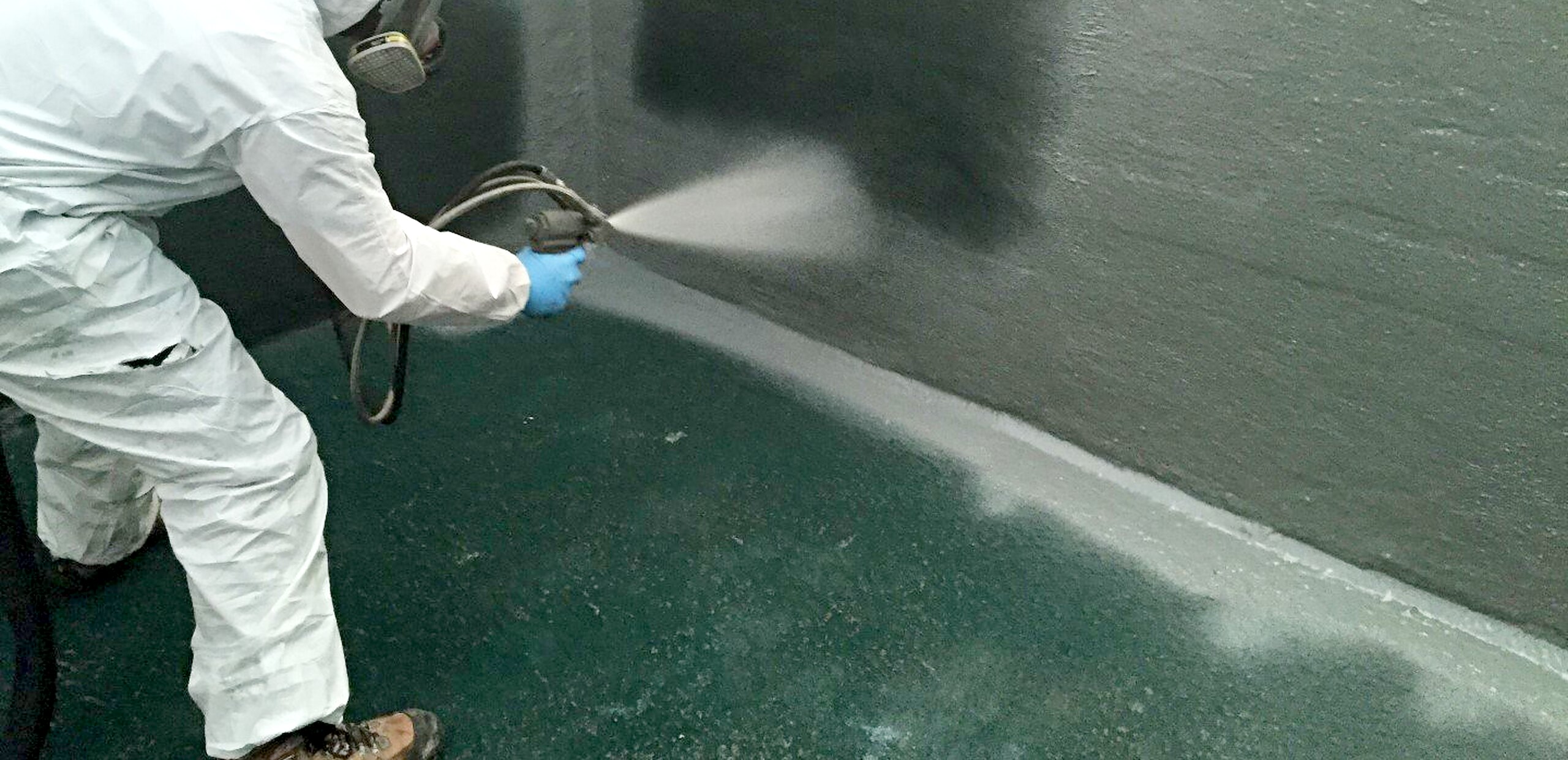
- Top coat. The CARC polyurethane top coat is sprayed to the specified film thickness in the required color.
- Inspection. Thickness, adhesion, color and appearance are checked and recorded.
Safety During Application
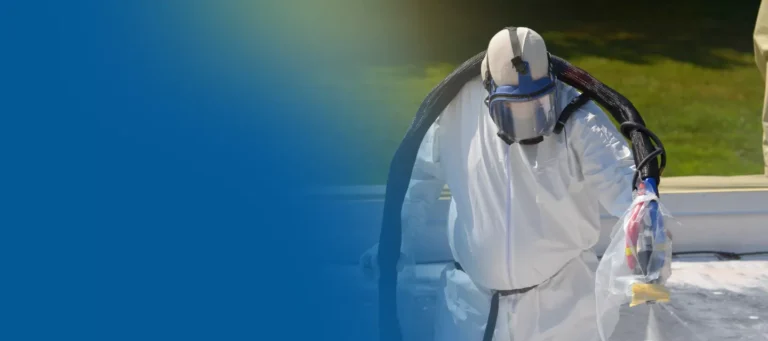
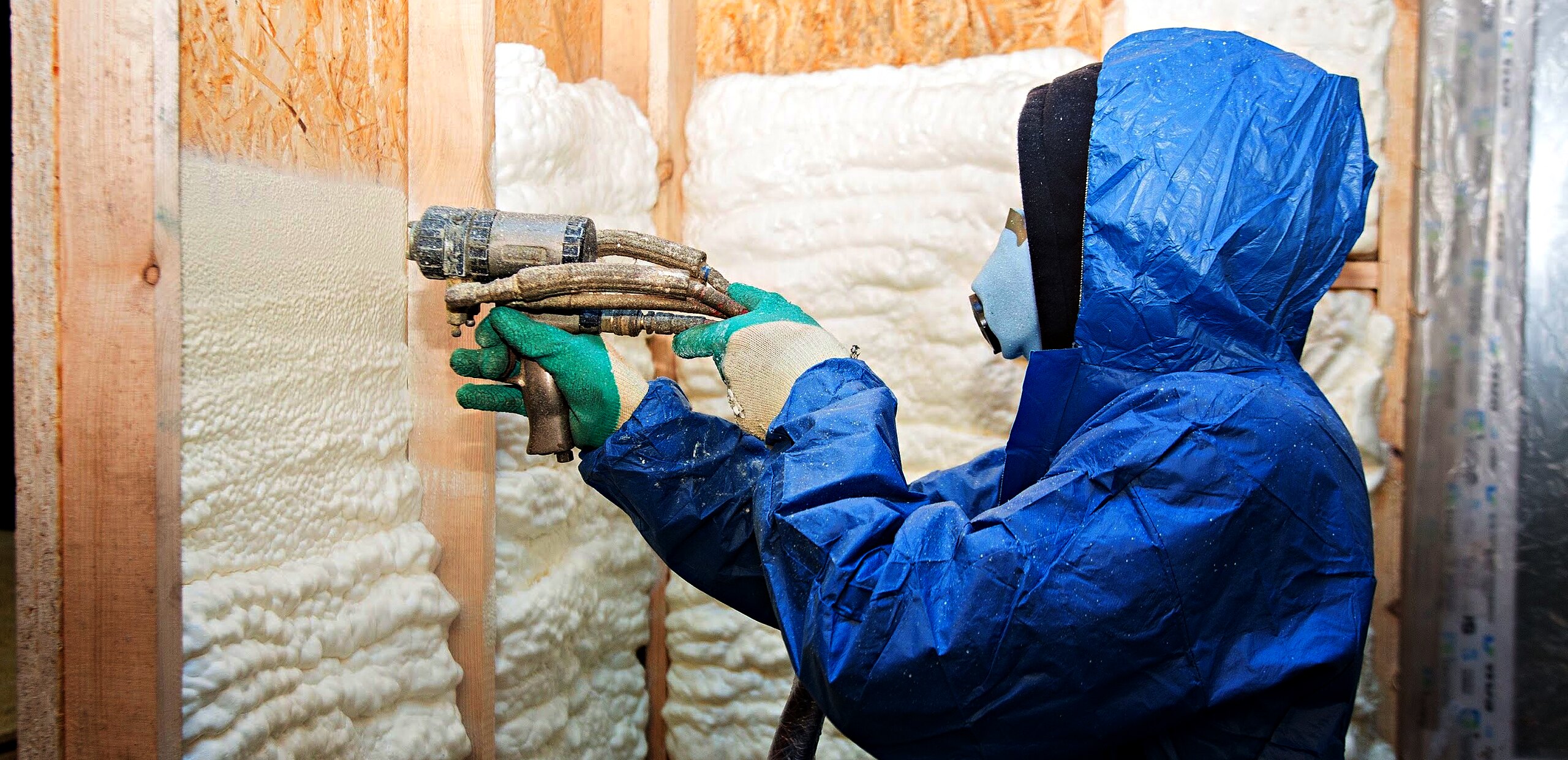
CARC top coats are polyurethane systems that contain isocyanates, which are respiratory sensitizers. Painters work in ventilated booths with supplied-air respirators and full protective equipment, following OSHA guidance on isocyanates and the facility’s own procedures. The same precautions apply to spray polyurea and other plural-component coatings.
How Polyurea Works With CARC
Polyurea and CARC do different jobs, and they are often used on the same vehicle. CARC provides the agent-resistant, signature-managed finish. Polyurea provides toughness underneath or in areas where a thin paint film would not last:
- Abrasion and impact protection on cargo beds, floors, steps and wheel wells.
- Spall and fragment containment on interior surfaces, as described on our ballistic protection page.
- Blast mitigation on structures and shelters, covered in blast protection coatings.
- Corrosion protection on components exposed to salt water and mud, as on amphibious vehicles discussed in AAV protection with polyurea.
Where both are used, the polyurea layer is applied first and the compatibility of the CARC top coat over it must be confirmed for the specific products involved. Program requirements always take priority.
Chemical Agent Resistant Coatings Beyond the Vehicle Fleet
CARC-coated equipment includes trailers, generators, shelters, containers and support equipment, not only combat vehicles. Depots and contractors that maintain these assets need trained painters, controlled facilities and reliable materials. For an overview of the wider field, read about military coatings, military vehicle coatings and camouflage coatings.
For Coating Businesses
Defense work rewards applicators who can document quality and follow specifications exactly. ArmorThane supplies polyurea systems, equipment and training, and helps applicators understand how protective coatings fit into military maintenance programs.
Common Questions About CARC
Can CARC be applied over an existing finish?
Usually only after the old coating has been evaluated. Programs specify when a scuff-and-recoat is allowed and when the vehicle must be stripped to bare metal. Recoating over a failing or incompatible finish wastes material and can lead to peeling in the field.
Is CARC the same as camouflage paint?
CARC is a camouflage finish, but not every camouflage paint is CARC. The defining feature is resistance to chemical agents and the ability to be decontaminated, combined with controlled color, gloss and signature. Commercial paints in similar colors do not offer that protection.
How long does a CARC finish last?
Service life depends on climate, use and maintenance. Abrasion, UV exposure and mechanical damage wear the finish over time, which is why vehicles go through periodic touch-up and repainting cycles at depots. Protecting high-wear areas with a tougher coating, such as polyurea under the top coat, reduces how often those areas need attention.
Who can apply CARC?
Application is usually limited to qualified facilities with proper booths, respiratory protection, waste handling and documented procedures. Contractors that want to do this work need to meet the program’s requirements for training, equipment and quality records before they bid.
Start your own coatings business.
Equipment, chemicals, hands-on training and technical support for life, all from one manufacturer that puts its applicators first.
Need a job done?
Tell us where the project is and we’ll connect you with a certified ArmorThane applicator near you.