Spray Foam PPE: Respirators, Suits & Safety Rules
The respirators, suits, gloves and eye protection spray foam crews need for each task, the OSHA program behind them, ventilation and reoccupancy times.
Start a spray foam business
Spray foam for a living.
ArmorThane sets you up to do this work, and you own the business. We make the chemistry, build the rigs, train you hands-on and answer the phone when a job gets difficult. You pay no franchise fee and no royalties. It has been that way since 1989.




- $0
- franchise fees or royalties
- 35+
- years in business
- 50+
- countries with applicators
- 24/7
- technical support
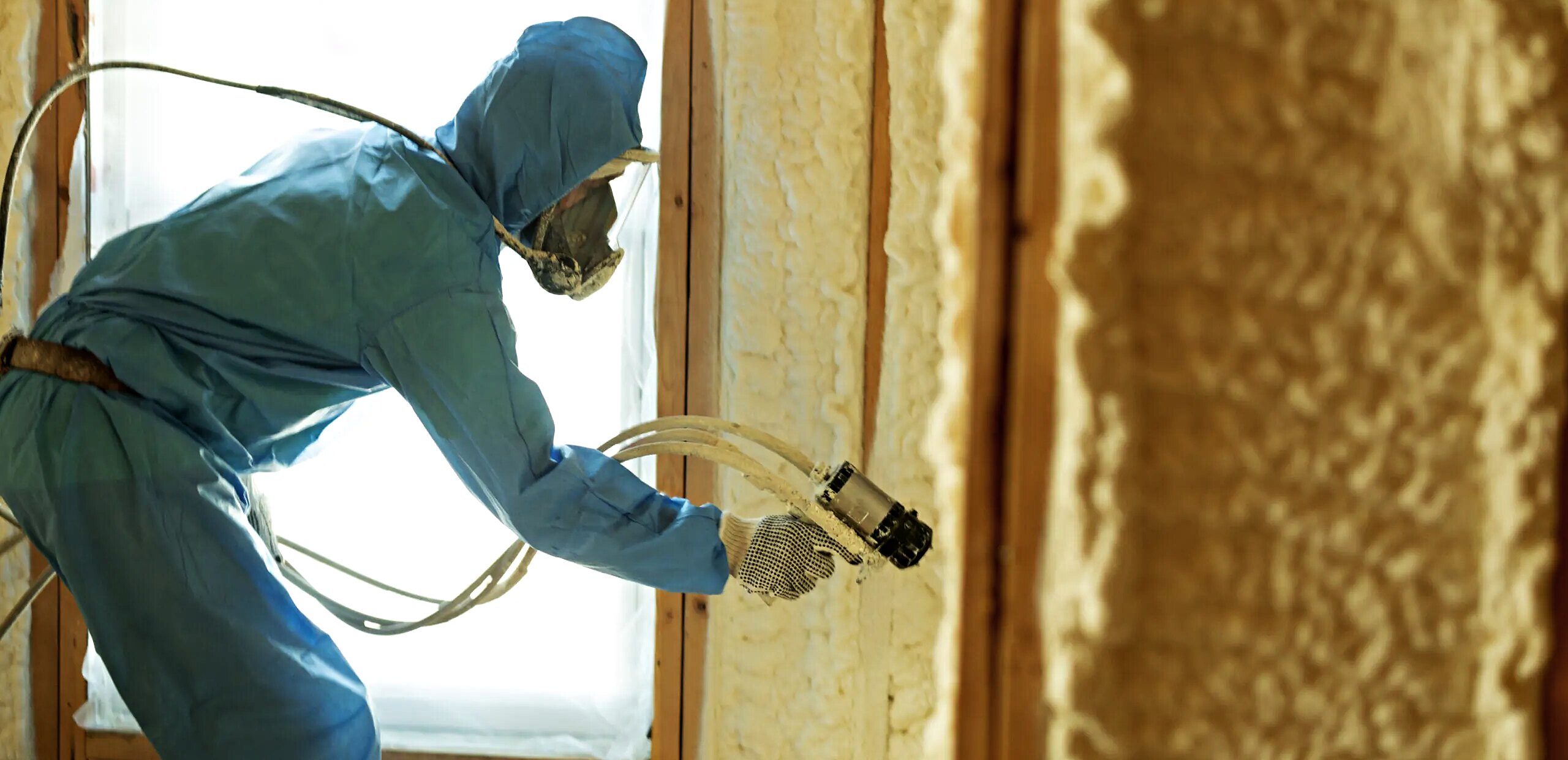
Spray foam PPE is not optional gear you add when the job feels smoky. Two-component spray foam is made by mixing an isocyanate (MDI) with a polyol blend at the gun, and OSHA lists occupational asthma as a main health effect of isocyanate exposure. Once a worker is sensitized, even small exposures can trigger symptoms. We manufacture spray foam and train applicators, and this is the PPE and respiratory protection standard we expect on every job. This guide covers the respirators, suits, gloves and eye protection the industry recommends for each task, the OSHA rules behind a respiratory protection program, how ventilation and reentry times fit in, and what helpers and other trades need. Two tools pick the right PPE for a task and size the ventilation fans for a spray zone.
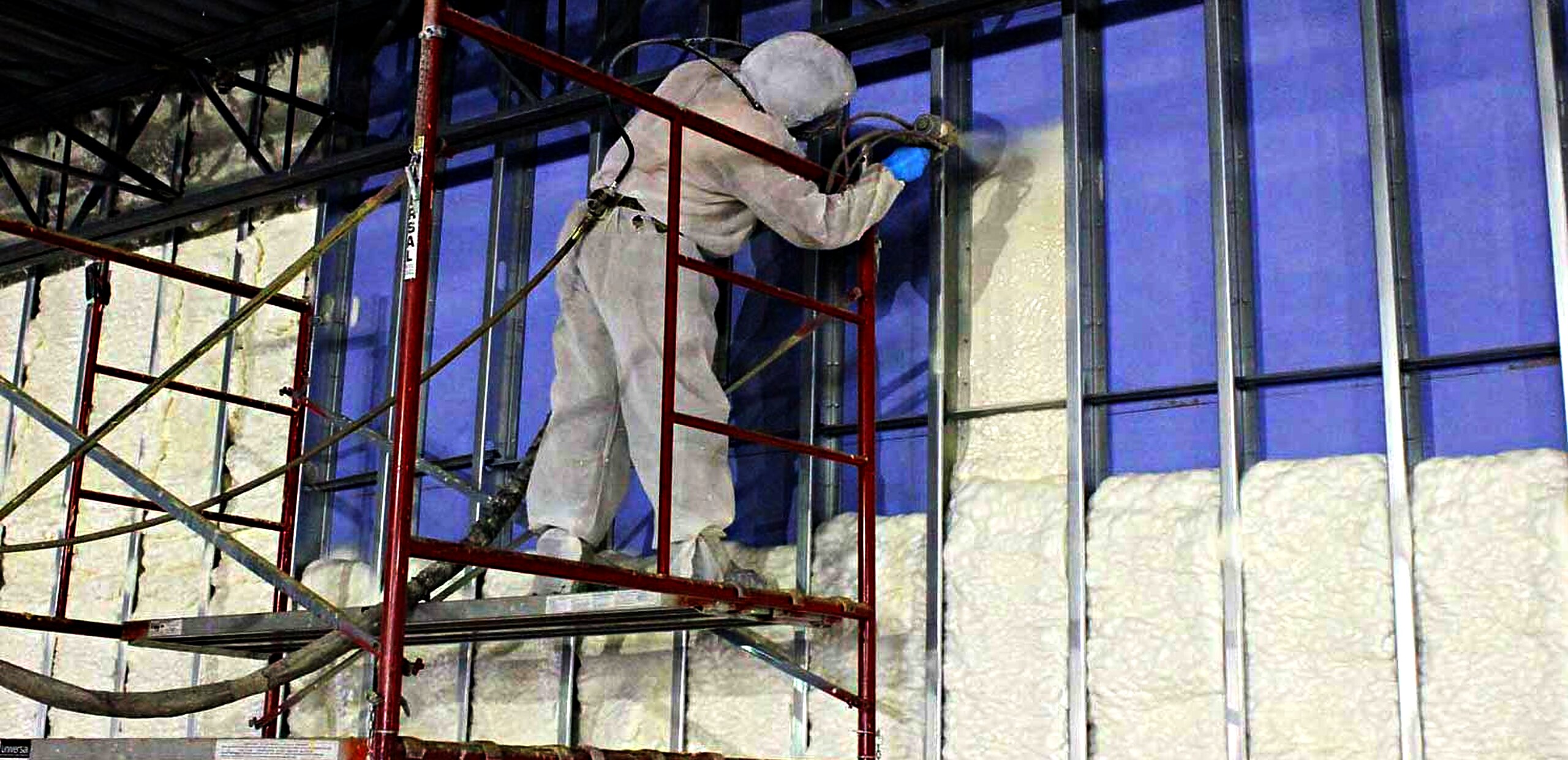
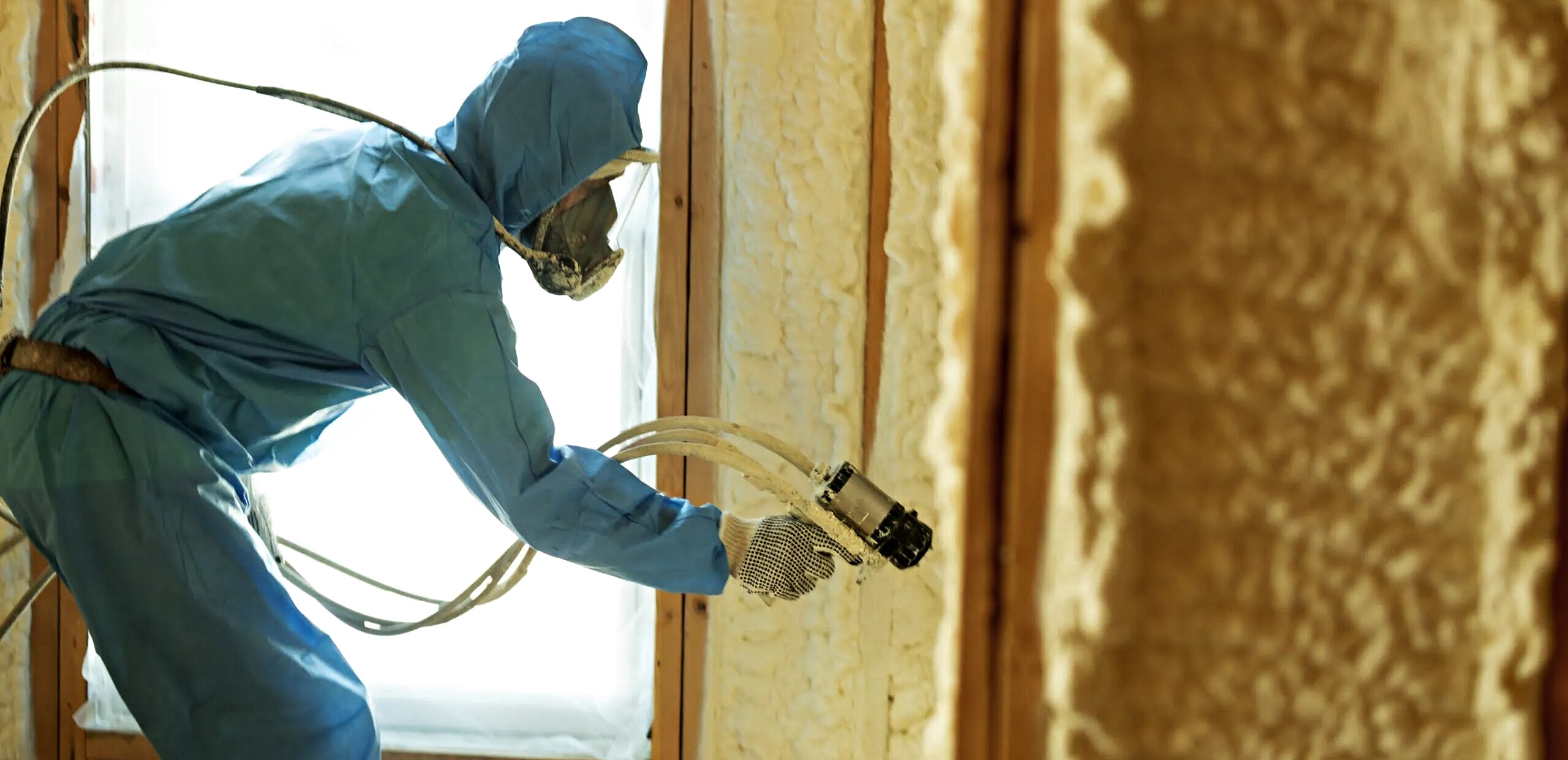
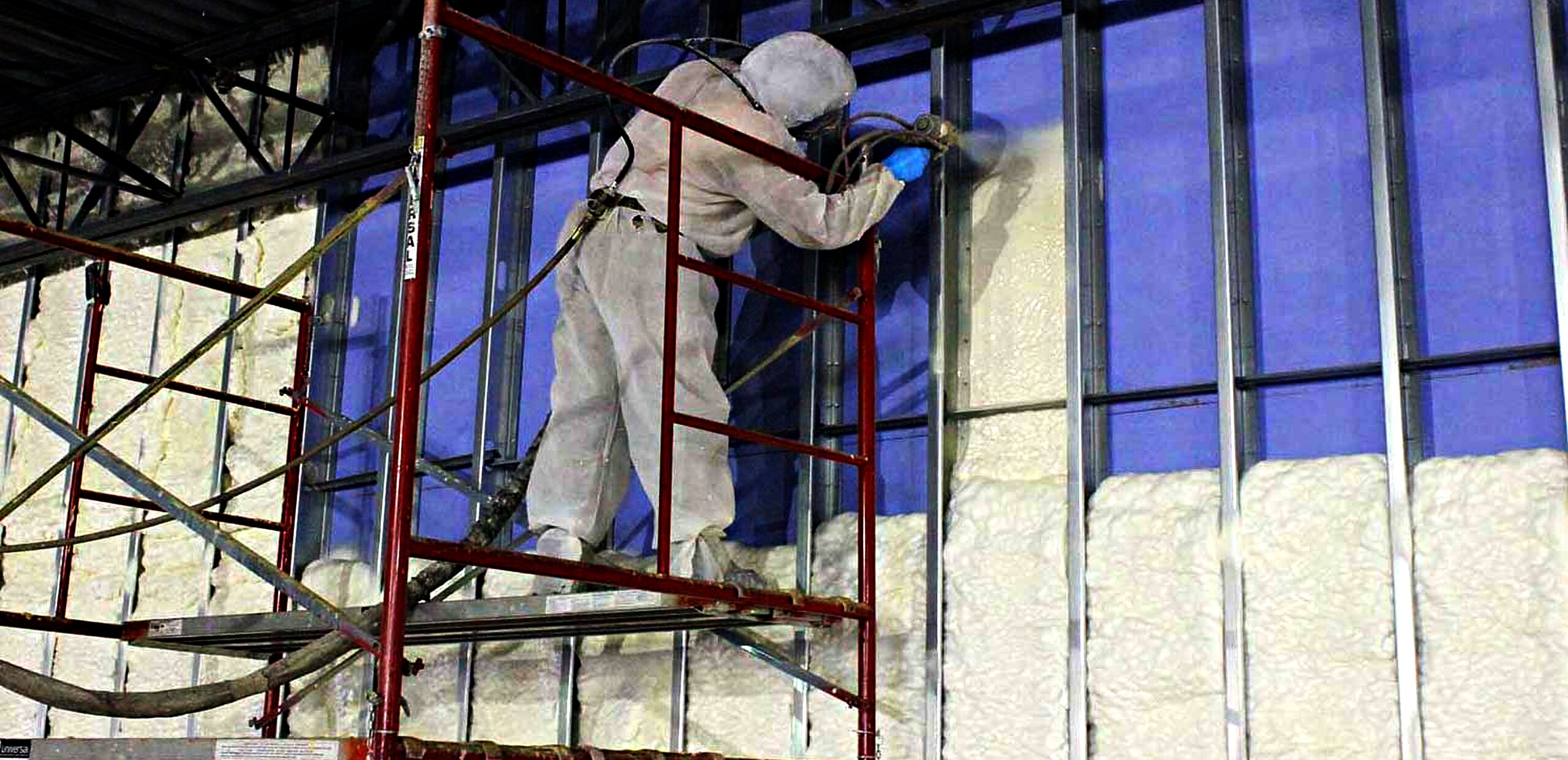
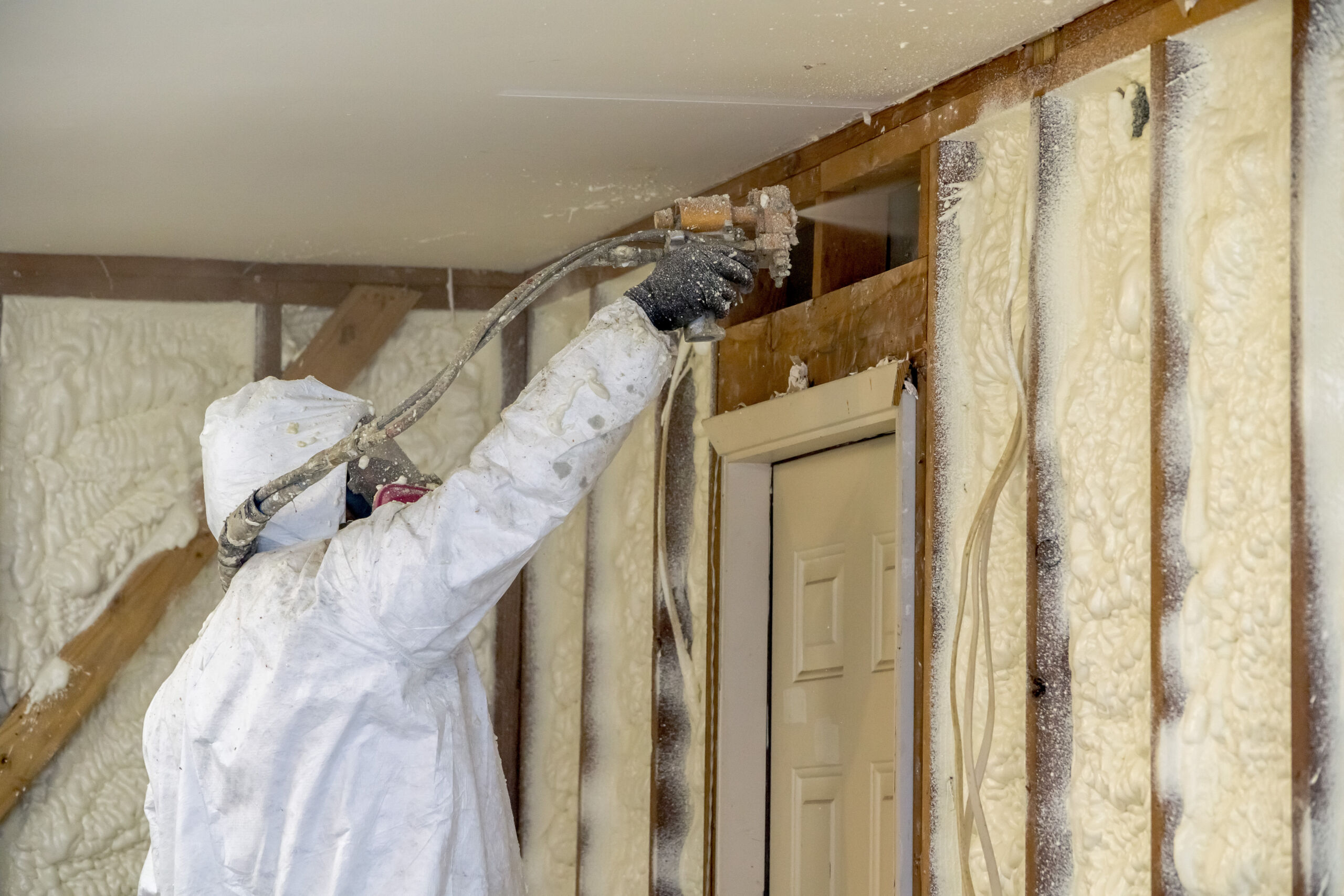
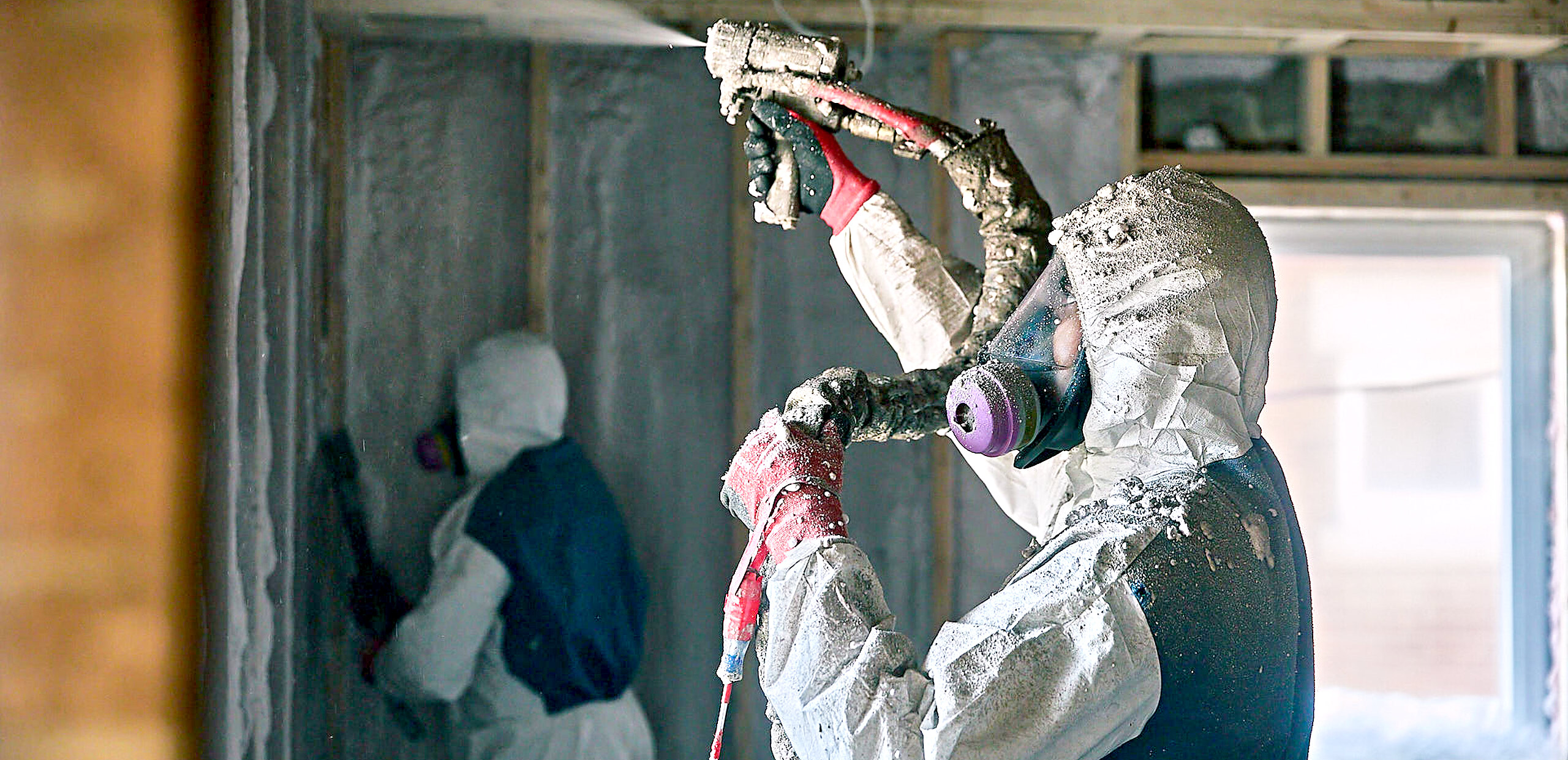
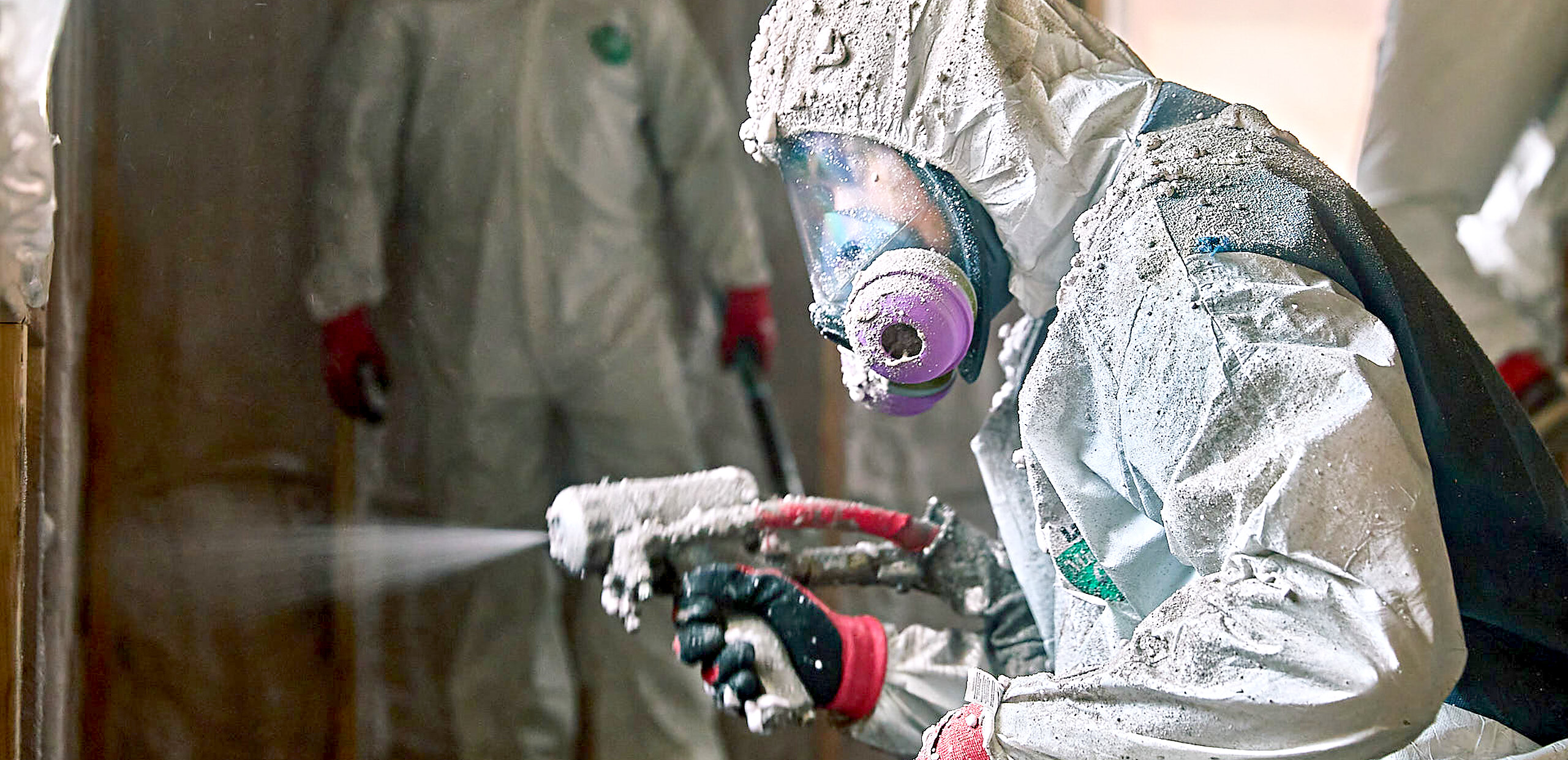
For high-pressure spray foam indoors, the Center for the Polyurethanes Industry (CPI) calls for a NIOSH-approved full-face or hood-type supplied-air respirator for sprayers and helpers, chemical-resistant coveralls or a hooded suit, MDI-resistant boots or booties, and nitrile, neoprene, butyl or PVC gloves. Outdoors, a full-face air-purifying respirator with organic vapor/P100 cartridges may be used when air sampling supports it. OSHA requires a written respiratory protection program with medical evaluations and annual fit testing for tight-fitting respirators.
Why spray foam PPE matters
OSHA lists occupational asthma and other lung problems, along with irritation of the eyes, nose, throat and skin, as the main health effects of isocyanate exposure. The danger in spray foam comes from three directions:
- Breathing: spraying creates an aerosol of reacting chemicals and vapor. Do not rely on smell or irritation to tell you the air is bad. NIOSH's respirator recommendations for MDI list only supplied-air and self-contained respirators.
- Skin: isocyanate on the skin causes irritation and can contribute to sensitization. Overspray settles on every exposed surface, including necks, wrists and the gap between glove and sleeve.
- Eyes: splash and overspray from the gun, and from hoses and fittings when they are opened.
The hazard does not stop at the trigger. The EPA notes that cutting or trimming foam before it is fully cured can expose workers to unreacted chemicals, and that heating or grinding cured foam can release isocyanates and other gases. That is why trimming, cleanup and later removal work have their own PPE lines below.
Spray foam PPE by task
This table pulls together CPI's PPE guidance for application, CPI's removal guidance and the EPA's contractor checklist. Your company's respiratory protection program, the product's safety data sheet and air monitoring results can require more. Click a column heading to sort.
| Task | Respirator | Skin and body | Eyes | Protection level |
|---|---|---|---|---|
| High-pressure spraying indoors (sprayer and helper) | Full-face or hood supplied-air respirator (SAR) | Chemical-resistant coveralls or hooded suit, MDI-resistant boots or booties, nitrile, neoprene, butyl or PVC gloves | Provided by full-face or hood respirator | Highest |
| High-pressure spraying outdoors, e.g. roofing | Full-face APR with organic vapor/P100 cartridges, or SAR, per program | Same as indoors | Full-face respirator | High |
| Trimming and cleanup before reentry time | Same as application zone | Same as application zone | Same as application zone | Highest |
| Removing cured foam (cutting, scraping) | APR with N95 particulate and chemical vapor cartridge, or SAR in enclosed spaces | Disposable coveralls, leather or coated chemical-resistant gloves | Safety glasses with side shields or goggles | Moderate |
| Non-spray tasks around drums and hoses | Per exposure assessment | Chemical-resistant gloves and clothing | Chemical safety glasses or goggles | Moderate |
| Other trades and occupants during spraying and curing | Not applicable: keep them out | Not applicable | Not applicable | Vacate the area |
Spray foam PPE selector
Pick the task and conditions. The selector returns the minimum PPE the industry guidance calls for and flags the program requirements that come with it.
What should this worker wear?
Based on CPI SPF PPE guidance (application), CPI removal guidance, the EPA SPF contractor checklist and OSHA 1910.134. Air-purifying respirators outdoors only where oxygen is 19.5–23.5% and MDI is below 0.250 ppm, per CPI.
Supplied air vs. cartridge: choosing a spray foam respirator
The respirator is the most important piece of spray foam PPE and the one most often cut short. The two families work very differently.
Clean air from outside the spray zone
A full facepiece or loose-fitting hood fed with breathable air through a hose. CPI calls for it for sprayers and helpers on interior high-pressure work. OSHA requires the compressed air to meet Grade D breathing air: 19.5 to 23.5% oxygen and no more than 10 ppm carbon monoxide, among other limits. Loose-fitting hoods do not need a fit test.
Filters the air you are standing in
A full facepiece with organic vapor cartridges and P100 prefilters. CPI allows it for exterior high-pressure work depending on the company's program, where oxygen is normal and MDI is below 0.250 ppm. OSHA requires a cartridge change schedule based on objective data, since vapor cartridges give no warning when they are spent.
Where does 0.250 ppm come from? It lines up with NIOSH's 0.005 ppm recommended limit for MDI multiplied by 50, which is OSHA's assigned protection factor for a full-facepiece air-purifying respirator. Above that, a cartridge mask cannot be relied on to keep the wearer under the limit. NIOSH's own respirator recommendations for MDI go straight to supplied air and self-contained breathing apparatus.
The OSHA respiratory protection program
Buying the right respirator is the easy part. Any employer whose workers are required to wear respirators must run a written program under OSHA 29 CFR 1910.134. For a spray foam company, that means at minimum:
Written program and a program administrator
Covering respirator selection, medical evaluation, fit testing, training, use, cleaning, maintenance, breathing air quality and program evaluation.
Medical evaluation first
A physician or other licensed health care professional must clear each worker to wear a respirator before the fit test and before the respirator is used on the job.
Fit testing
Tight-fitting facepieces must be fit tested before first use, whenever a different make, model, style or size is used, and at least annually after that. CPI notes the test must use a respirator of the same make, model and size the worker wears, and that loose-fitting hoods on SAR or PAPR systems do not need fit testing.
Breathing air and cartridges
Supplied air must meet Grade D. Air-purifying respirators used against vapors need an end-of-service-life indicator or a cartridge change schedule based on objective data.
Training
Workers need training on the hazards, how to use and check the respirator, and its limits. Industry safety courses help here; our spray foam training guide lists the CPI and OSHA options.
Related rules also apply: OSHA's hazard communication standard for labels and safety data sheets, and the eye, skin and general PPE requirements in OSHA's construction and general industry standards. OSHA ran a National Emphasis Program on occupational exposure to isocyanates from 2013; OSHA's site now marks that directive as no longer representing agency policy, but the respiratory protection and hazard communication rules remain in force.
Spray foam ventilation fan calculator
PPE protects the crew; ventilation protects everyone else and shortens the time the air stays bad. CPI's ventilation guidance uses air changes per hour (ACH) to size exhaust fans, with a worked example of 30 ACH for an attic, and stresses keeping the work zone under negative pressure so contaminated air does not leak into the rest of the building.
How much exhaust do I need?
Required CFM = volume (cu ft) x ACH / 60. CPI's worked example: a 3,600 cu ft attic at 30 ACH needs 1,800 CFM. CPI notes a 12 in. axial fan rated about 2,200 CFM in free air may move about 1,700 CFM through an 8 in. hose, so rate fans as installed. Exhaust must exceed any supply air.
Helpers, other trades and occupants
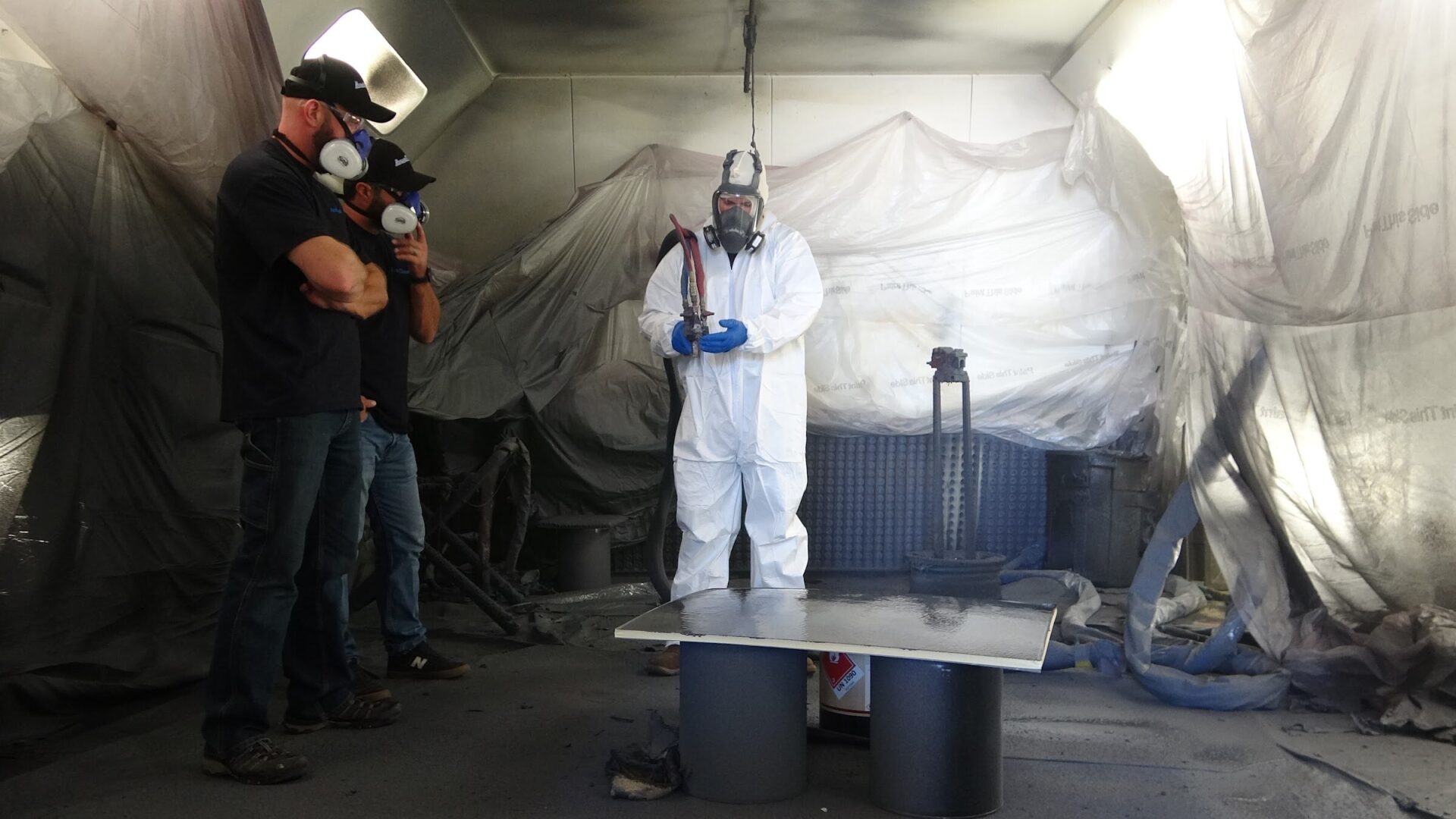
The most common PPE failure we hear about is not the sprayer. It is the helper feeding hose in a T-shirt and a dust mask, the electrician who walks in to check a box, or the homeowner who comes home early.
- Helpers in the spray zone wear the same respirator and suit as the sprayer. CPI's guidance covers sprayers and helpers together.
- Other trades stay out during application, curing, trimming and cleanup, per the EPA contractor checklist. Post warning signs and set up barriers at every entrance.
- Occupants leave the building. CPI notes many manufacturers suggest 24 hours before reoccupancy after high-pressure spray foam with recommended ventilation; the EPA adds that the time varies by product, so follow the manufacturer's figure.
- One-component cans and small kits still release chemicals. The EPA notes one-component foam can take roughly 8 to 24 hours to cure; follow the label.
- After the job, foam needs its thermal or ignition barrier before the space goes back into use. Our ignition barrier guide explains which one applies. If foam ever has to come out, the spray foam removal guide covers removal PPE and containment.
Spray foam installed by crews who suit up right.
Certified ArmorThane applicators are trained on PPE, ventilation and reoccupancy, so your house or building is safe to come back to.
Contractors: become an applicator →
Spray foam PPE questions
What PPE do you need for spray foam insulation?
For high-pressure spray foam indoors, CPI calls for a NIOSH-approved full-face or hood-type supplied-air respirator, chemical-resistant coveralls or a hooded full-body suit, MDI-resistant boots or booties, and nitrile, neoprene, butyl or PVC gloves. Eye protection comes from the full-face or hood respirator while spraying and from chemical safety glasses or goggles for other tasks.
What respirator is best for spray foam?
Indoors, a supplied-air respirator with a full facepiece or hood. Outdoors, CPI allows a full-face air-purifying respirator with organic vapor/P100 cartridges depending on your program, where oxygen is 19.5 to 23.5% and MDI is below 0.250 ppm. NIOSH's respirator recommendations for MDI list supplied-air and self-contained respirators.
Can I use a half-face respirator for spray foam?
Not for high-pressure spraying. A half mask leaves the eyes exposed to overspray, and the industry guidance for application calls for full-face or hood respirators. Low-pressure kits and one-component cans have their own label instructions; follow them and the safety data sheet.
Do spray foam respirators need a fit test?
Tight-fitting respirators do. OSHA requires a medical evaluation, then a fit test before first use, whenever the facepiece make, model, style or size changes, and at least annually. Loose-fitting hoods on supplied-air or powered air-purifying systems do not need a fit test.
What gloves are best for spray foam?
CPI lists nitrile, neoprene, butyl or PVC gloves, or fabric gloves fully coated with one of those materials. Tape or tuck cuffs so there is no gap at the wrist. For removing cured foam, CPI recommends leather or coated chemical-resistant work gloves over thin disposables.
How long should you stay out of the house after spray foam?
Many manufacturers suggest 24 hours after high-pressure spray foam with recommended ventilation, according to CPI and the EPA, but the time varies by product. Follow your manufacturer's reoccupancy time and keep ventilation running as directed.
What are the exposure limits for MDI?
NIOSH recommends 0.005 ppm as a time-weighted average and a 0.020 ppm ceiling over 10 minutes. OSHA's permissible exposure limit is a 0.02 ppm ceiling. NIOSH lists 75 mg/m³ as immediately dangerous to life or health.
Do helpers need the same PPE as the sprayer?
Yes, if they are in the spray zone. CPI's guidance specifies supplied-air respirators for both sprayers and helpers on interior high-pressure work. Anyone not protected should be outside the work area during application, curing and cleanup.
Sources
- ACC Center for the Polyurethanes Industry, Personal Protective Equipment (PPE) for SPF: spraypolyurethane.org/personal-protective-equipment-ppe
- CPI, Guidance on the Removal and Disposal of High-Pressure SPF Insulation: spraypolyurethane.org/…/Guidance-On-The-Removal-And-Disposal-Of-High-Pressure-SPF-Insulation.pdf
- CPI / Spray Foam Coalition, Ventilation Considerations for Spray Polyurethane Foam: spraypolyurethane.org/…/Ventilation-Considerations-For-Spray-Polyurethane-Foam.pdf
- CPI, information sheet on reentry and reoccupancy times: spraypolyurethane.org/…/Info-Sheet-on-Reentry-and-Reoccupancy-Times.pdf
- NIOSH Pocket Guide, methylene bisphenyl isocyanate (MDI): cdc.gov/niosh/npg/npgd0413.html
- OSHA, 29 CFR 1910.134 respiratory protection: osha.gov/laws-regs/regulations/standardnumber/1910/1910.134
- OSHA, isocyanates safety and health topic: osha.gov/isocyanates
- OSHA, CPL 03-00-017 National Emphasis Program, occupational exposure to isocyanates: osha.gov/enforcement/directives/cpl-03-00-017
- US EPA, contractor checklist for safer SPF insulation practices: epa.gov/…/checklist_professional_spf_insulation_contractors.pdf
- US EPA, vacate and safe re-entry time for SPF application: archive.epa.gov/epa/saferchoice/vacate-and-safe-re-entry-time-spray-polyurethane-foam-application.html
Start your coatings business with ArmorThane.
Tell us what you want to spray and where you are. An ArmorThane specialist will walk you through the equipment, chemicals, training and startup cost for the work you want to do.
- Equipment package matched to your applications
- Hands-on training and applicator certification
- Technical support once you are spraying
Want foam installed safely? Hire a trained crew.
Tell us the building, the area to insulate and when the space can be vacated. We will connect you with a certified applicator trained on PPE, ventilation and reoccupancy.
- Home or commercial building
- Area and square footage
- When occupants can leave
- Attic, walls, crawl space or roof
More to read on spray foam
Short reads from ArmorThane on Issuu. Tap one to open it right here.