Skip to content
Brewery Floor Coating

Brewery Floor Coating That Takes the Heat

Which floor systems survive hot water, caustic cleaners, acids and constant wet traffic in a brewery, where each one belongs, and how to plan slip resistance, drains and prep.
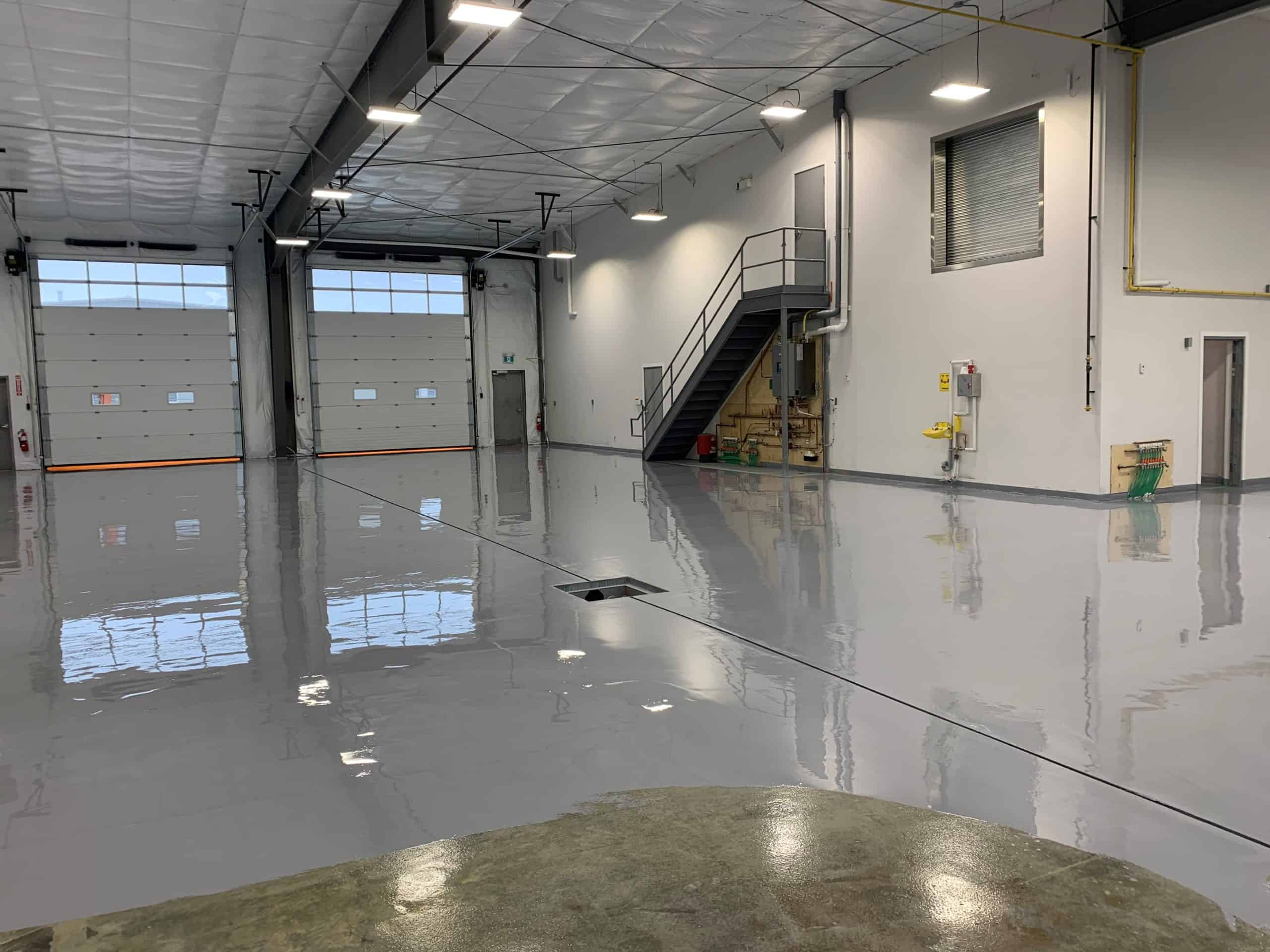
Seamless resin floor in a food and beverage production room

Start a floor coating business

Coat floors for a living.

ArmorThane sets you up to do this work, and you own the business. We make the chemistry, build the rigs, train you hands-on and answer the phone when a job gets difficult. You pay no franchise fee and no royalties. It has been that way since 1989.


ArmorThane Mobile Coatings Unit trailer hitched to a pickup outside the plant Proportioner, A and B material drums and transfer pumps inside the spray rig Applicator in a protective suit holding a plural-component spray gun in a spray booth Proportioner control panel with heater, pressure balance and cycle counter controls

What comes with itProportioners, guns and complete spray rigs. We build them.

$0
franchise fees or royalties
35+
years in business
50+
countries with applicators
24/7
technical support
Thermal
Shock from hot washdown is the top killer
Brewery flooring guides
CIP
Caustic and acid cleaners every cycle
Industry practice
Wet
Floors that need texture for grip
Industry practice
Drains
Slope and trench drains set the layout
Industry practice

Brewery floors live a hard life: boiling wort spills, hot caustic and acid clean-in-place, sugar and yeast, dropped kegs, forklifts and floors that are almost never dry. Many coatings that work in a warehouse peel or crack within a year in a brewhouse. This guide explains which floor systems fit each part of a brewery, honestly, including where polyurea fits and where it does not.

Quick answer

For hot brewhouse and cellar areas with hot water, steam and caustic washdown, urethane cement (urethane concrete) is the most common choice because it tolerates thermal shock, chemicals and constant moisture better than standard epoxy. Epoxy and polyaspartic systems fit cooler, drier areas such as packaging, storage and taprooms. Spray polyurea fits containment curbs, walls, trench drains and cold areas. In every zone, use a textured, slip resistant finish and get the slope to drain right. Floors and walls are incidental contact surfaces, judged on durability and cleanability rather than extraction testing; tank and bright tank linings are a separate question, covered in our guide to food grade coatings.

Start here

What a brewery floor faces

Heat

Thermal shock

Hot water and steam on a cool floor expand the surface faster than the slab, which pops rigid coatings.

Chemicals

Cleaners and acids

Caustic, acid and sanitizer cycles attack weak resins and grout.

Water

Constant moisture

Wet floors and moisture from below lift coatings with poor adhesion.

Slip

Slip hazard

Wort, foam and water make smooth floors dangerous.

Impact

Kegs and forklifts

Dropped kegs, pallets and forklift traffic chip thin coatings.

Hygiene

Clean and seamless

Seams and cracks hold bacteria; inspectors want cleanable floors.

Compare

Brewery floor systems compared

SystemStrengthsWatch-outsBest zone
Urethane cementHandles thermal shock, chemicals and moisture; textured optionsHigher cost; installed thick by specialistsBrewhouse, cellar, washdown
EpoxyHard, cleanable, wide color rangeCan fail under hot water and thermal shockDry storage, packaging
PolyasparticFast cure, UV stable, good looksThin film; not for hot washdownTaprooms, retail, offices
Spray polyureaSeamless, flexible, fast cure, crack bridgingCheck hot water and chemical limitsCurbs, walls, trench drains, cold rooms
Quarry tileVery durableGrout lines hold bacteria and failLegacy floors
Typical comparison. Product data sheets govern temperature and chemical limits.
Be honest about heatIf a coating is not rated for the hot water and cleaners your floor sees, it will fail no matter how well it is installed.
Plan it

Brewery floors zone by zone

Hot

Brewhouse

Boil kettles, hot liquor and CIP. Thermal-shock-rated systems such as urethane cement.

Wet

Cellar and fermentation

Constant washdown, yeast and sanitizers. Textured, chemical resistant systems.

Dry

Packaging and storage

Forklifts and pallets. Epoxy or urethane with good abrasion resistance.

Public

Taproom

Looks and cleanability. Polyaspartic or decorative flake. See polyaspartic floor coating.

Cold

Cold rooms

Low-temperature cure matters. See commercial floor coating.

Details

Curbs, walls and drains

Seamless polyurea or urethane coves keep water out of joints.

Choosing a brewery floor coating is a long-term decision, so ask any contractor about thermal shock testing, slip resistance when wet and how they slope floors to drains. A good installer will also plan around brew days so production does not stop. For related spaces, see coating floors and walls and industrial flooring.

Do it right

Prep, slope and install

  1. Fix the slope

    Water must run to drains. Correct low spots before coating; puddles are where floors fail first.

  2. Remove contamination

    Sugars, oils and old coatings must come out. Grind or shot blast to sound concrete.

  3. Test moisture

    Wet slabs need a system that tolerates moisture.

  4. Detail drains and coves

    Terminate coatings into drains and up walls with integral coves.

  5. Choose texture

    Pick a texture that gives grip but can still be cleaned.

  6. Plan the shutdown

    Match cure time to your brewing schedule.

Where we fit

Where polyurea helps a brewery

Polyurea is not a one-coating answer for a hot brewhouse floor, and we will say so. It is a strong choice for the details that wreck floors: containment curbs around tanks, walls behind washdown areas, trench drain linings, cold rooms and spill areas. It cures in seconds, bridges cracks and goes back into service quickly.

See food and health coatings and commercial kitchen flooring for related systems.

Brewery floors

A floor for every zone.

A certified ArmorThane applicator can walk your brewery, map the zones and quote a system for each, scheduled around production.

Contractors: become an ArmorThane applicator

FAQ

Brewery floor coating questions

What is the best floor coating for a brewery?

For hot brewhouse and washdown areas, urethane cement is the most common choice because it handles thermal shock and chemicals. Epoxy and polyaspartic fit cooler, drier areas like packaging and taprooms.

Why does epoxy fail in breweries?

Standard epoxy is rigid and can lose bond under hot water and thermal shock, so it often cracks or peels near kettles and washdown areas.

Can polyurea be used in a brewery?

Yes, for containment curbs, walls, trench drains, cold rooms and spill areas. Check the product temperature limit before using it in hot zones.

How do you make a brewery floor slip resistant?

Use a textured finish or broadcast aggregate in the coating, and keep the slope to drain right so water does not pool.

How long does a brewery floor take to install?

It depends on the system and area. Fast-cure systems can return areas to service in a day or two; plan the work around a production shutdown.

AT
Written by the ArmorThane technical team. We have manufactured polyurea, polyurethane and polyaspartic coatings, spray foam and plural-component spray equipment in Springfield, Missouri since 1989. Temperature and chemical limits vary by product; always follow the product data sheet.

Sources

  1. Concrete Network, brewery and winery flooring. concretenetwork.com/concrete/interiorfloors/brewery-winery.html
  2. Brewers Association, brewery safety resources. brewersassociation.org
  3. ArmorThane commercial kitchen flooring guide. armorthane.com/commercial-kitchen-flooring

Floors that keep up with brew day.

Owners get a certified ArmorThane applicator and a clear quote. Contractors can add commercial floors with our equipment and training, with no franchise fee and no royalties.

United States 417-831-5090 · Canada 780-444-6200
Cover of the ArmorThane brochure: Commercial & Industrial Floor Coatings
Brochure

Commercial & Industrial Floor Coatings

Flip through the whole brochure right here, or open it full screen on Issuu to share it.

Become an applicator

Start your coatings business with ArmorThane.

Tell us what you want to spray and where you are. An ArmorThane specialist will walk you through the equipment, chemicals, training and startup cost for the work you want to do.

  • Equipment package matched to your applications
  • Hands-on training and applicator certification
  • Technical support once you are spraying
Step 1 of 3

We want to help you find the best ArmorThane applicator for your protective coating project. Please either fill out the request form below or call us toll free at 417-831-5090, any time Monday-Friday, 8:00 a.m. to 5:00 p.m. Central Standard Time.

Become an applicator

Start your coatings business

Choose “becoming an Applicator / Dealer” and add your details. Our team will call you to talk through markets, equipment and budget.

1Choice
2Contact Information
3Location

Rather talk now? (417) 831-5090 · About the opportunity