




Commercial Floor Coating: Systems, Costs, Codes & Downtime
Epoxy, polyaspartic, polyurea and urethane cement compared on cost, cure time and compliance, with a system selector and a budget estimator.

Start a floor coating business
Coat floors for a living.
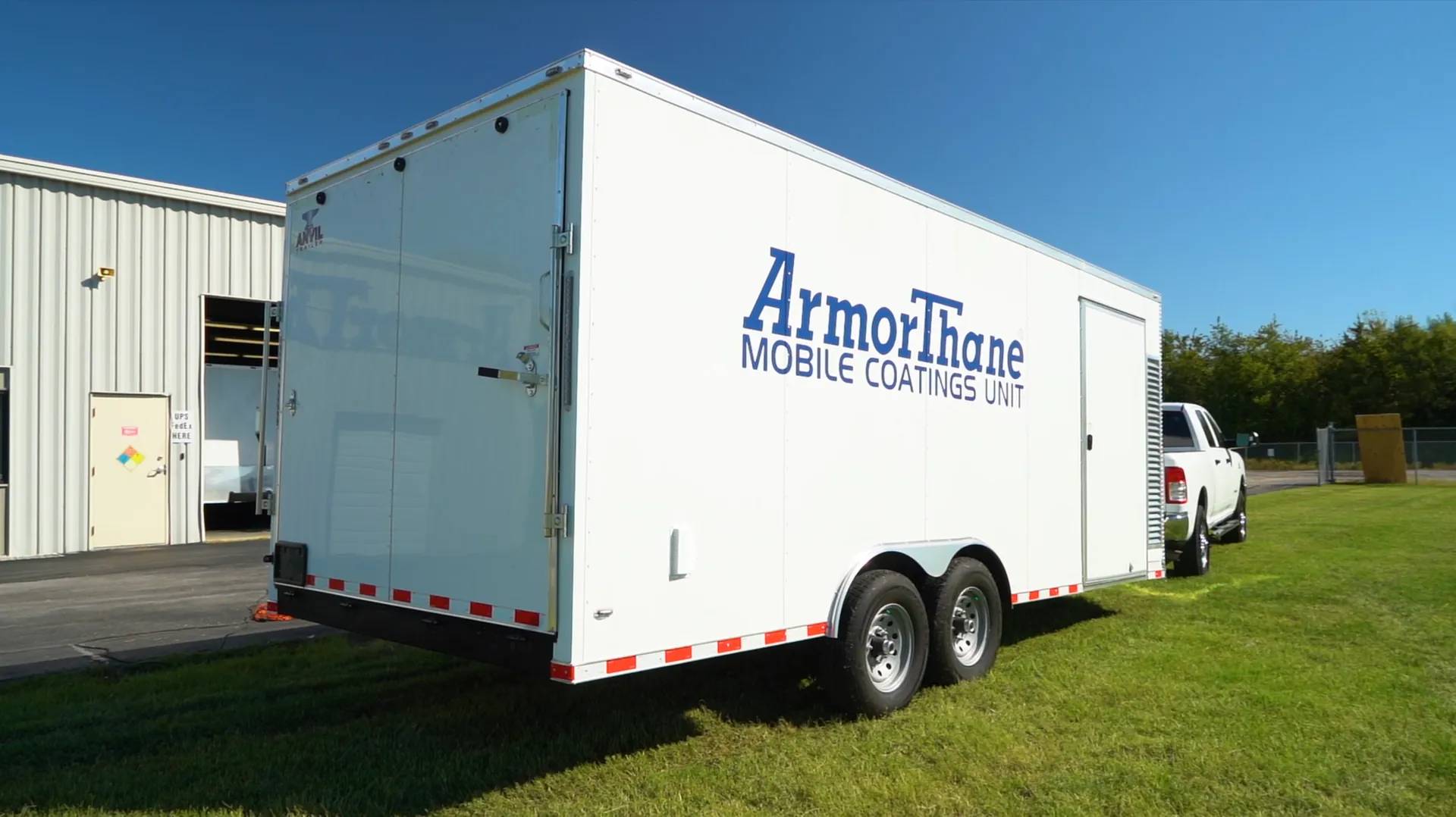
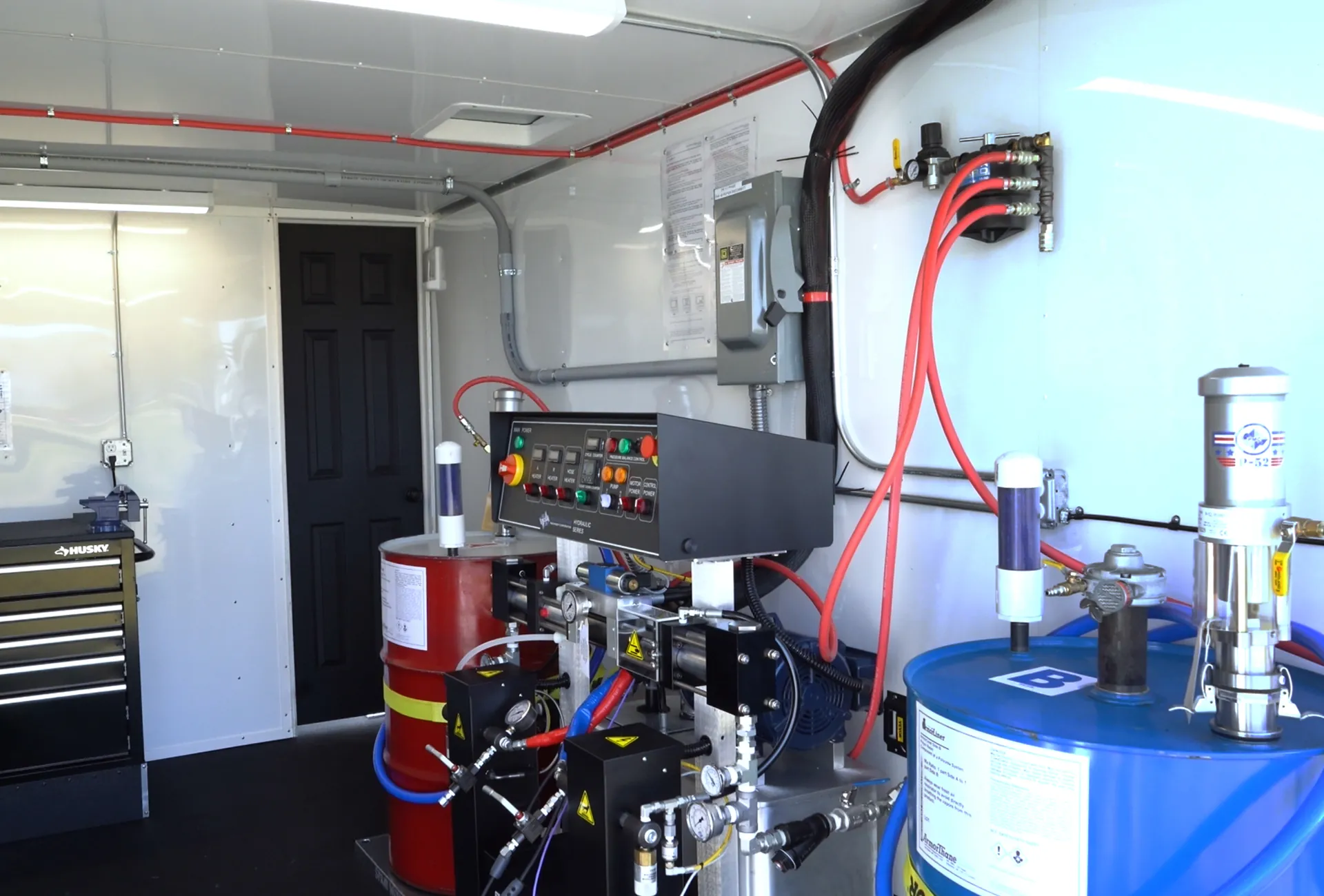
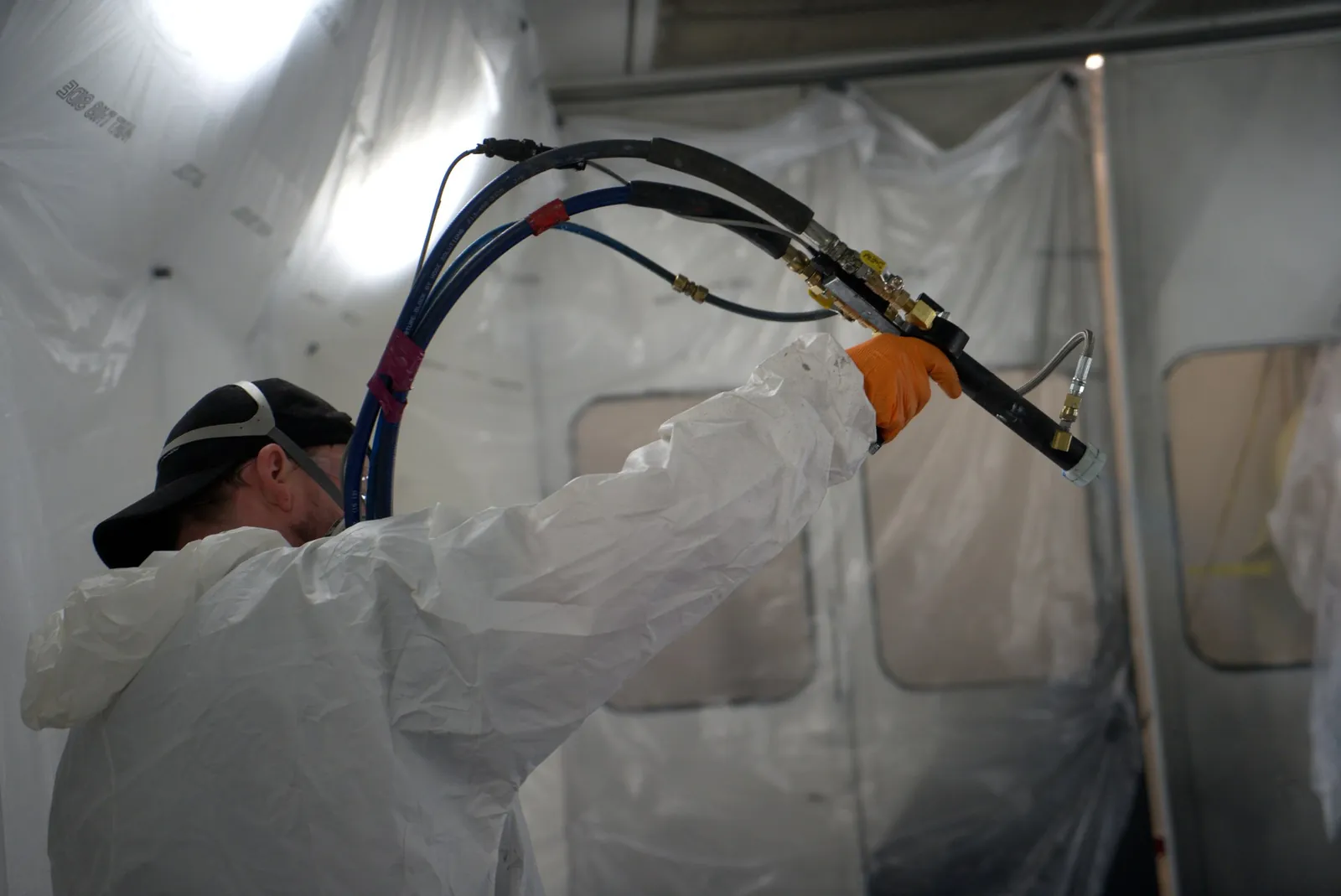
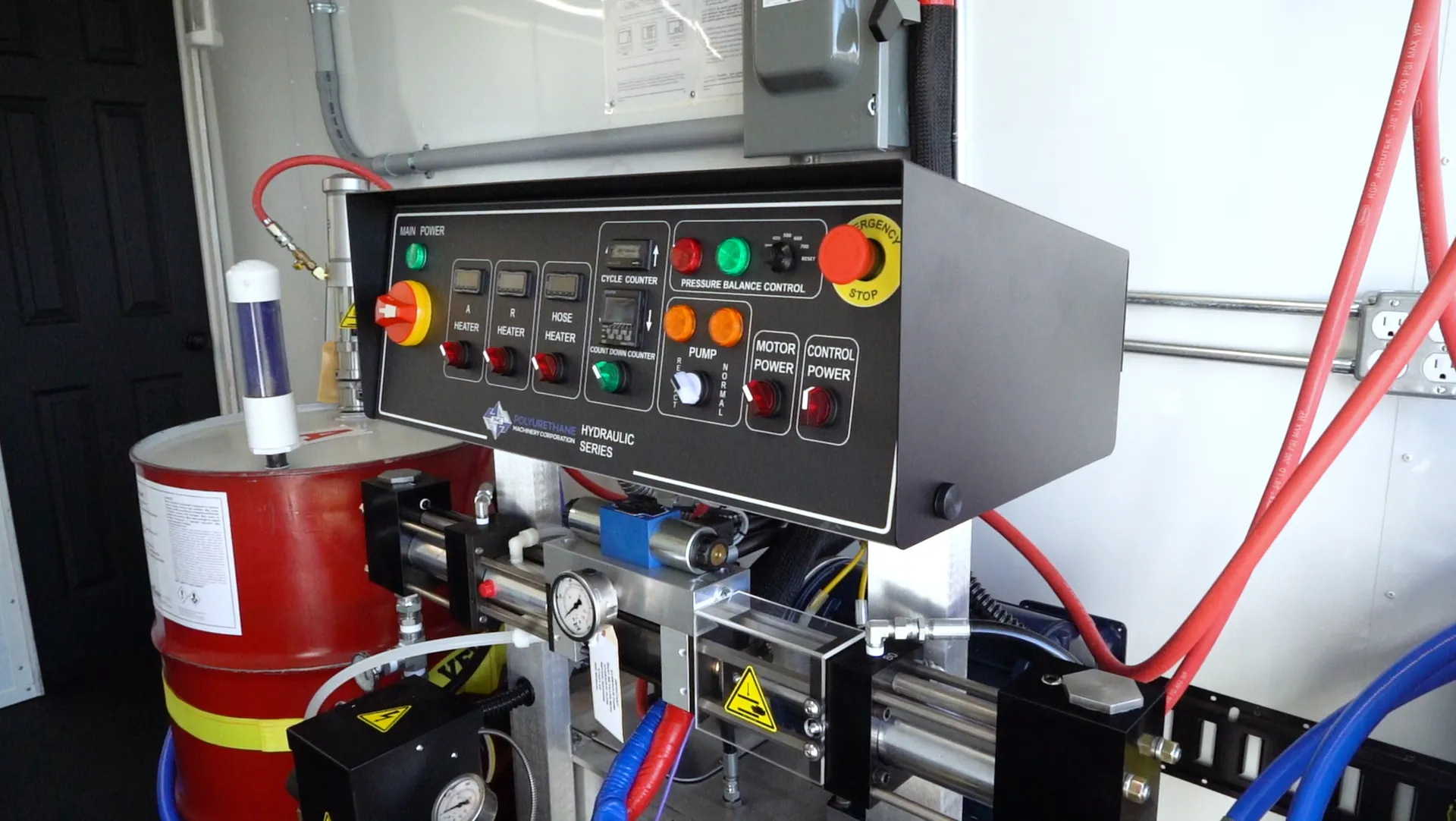
ArmorThane sets you up to do this work, and you own the business. We make the chemistry, build the rigs, train you hands-on and answer the phone when a job gets difficult. You pay no franchise fee and no royalties. It has been that way since 1989.
- $0
- franchise fees or royalties
- 35+
- years in business
- 50+
- countries with applicators
- 24/7
- technical support
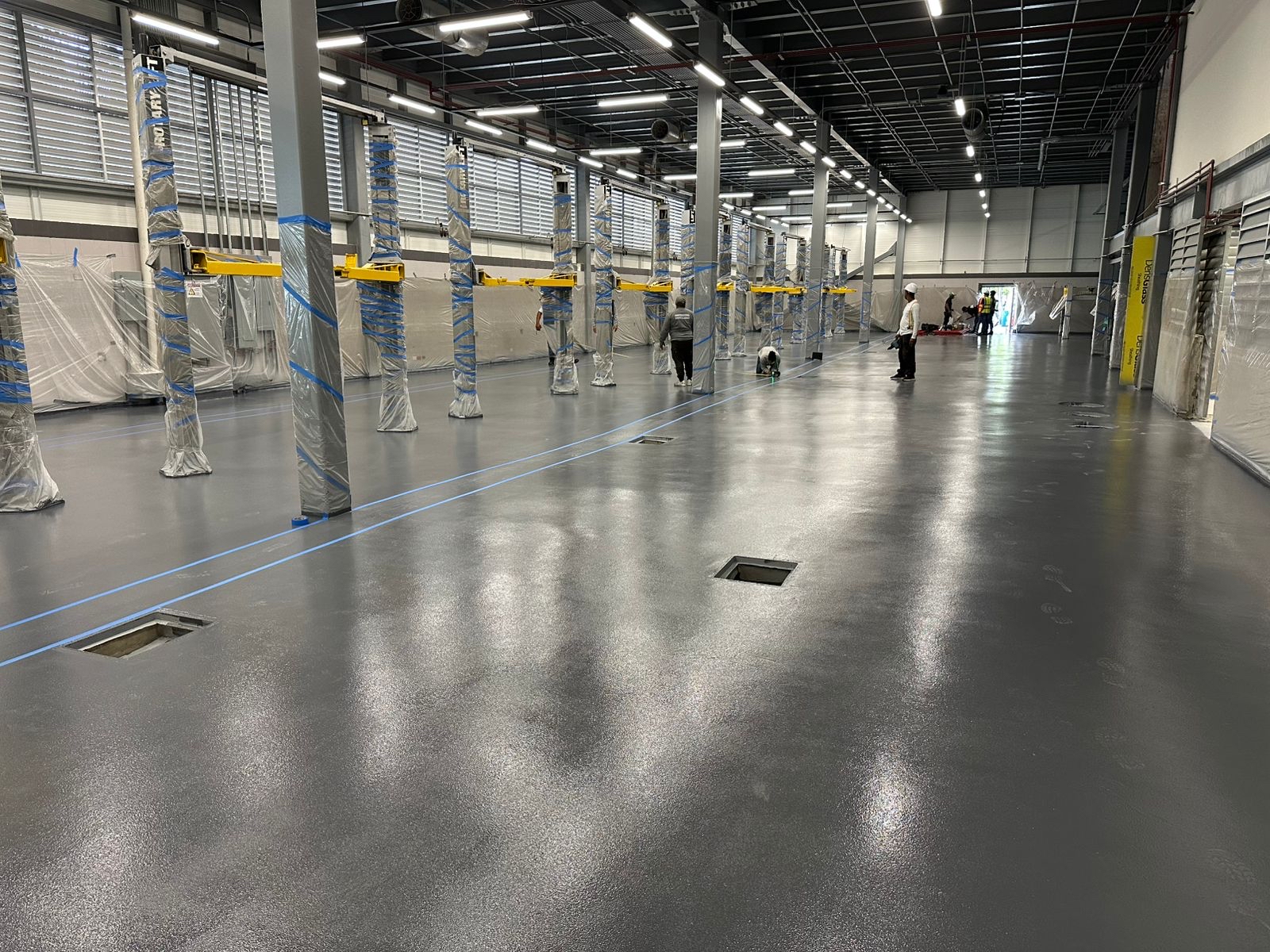
A commercial floor coating has to do three jobs at once: survive the traffic and chemicals of the business, meet whatever code or inspector applies to the space, and go down without shutting the business for longer than it can afford. Picking the system is mostly about matching those three. We supply polyurea, polyaspartic and polyurethane floor systems to applicators who coat retail stores, warehouses, shops, kennels and kitchens, and this guide lays out the main commercial floor coating systems with real costs, thicknesses and cure times. It also covers where each one fails, and gives you a system selector and a budget and downtime estimator.
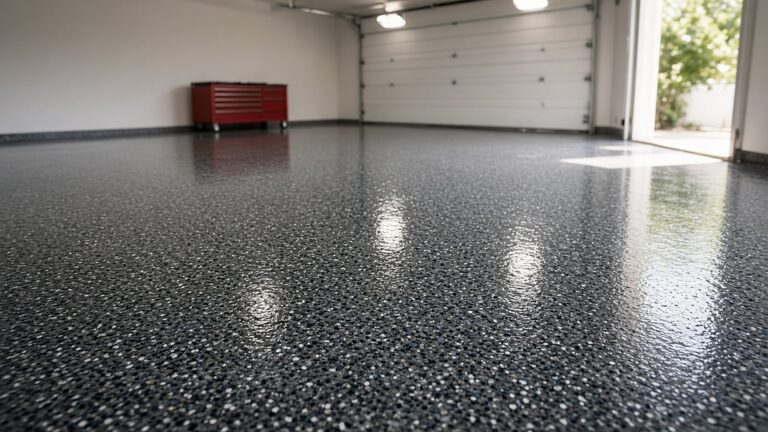
For dry retail, office and light warehouse floors, a high-build epoxy or a polyaspartic system at roughly $5 to $12 per sq ft is the usual answer; polyaspartic if you need the floor back overnight. For commercial kitchens and food plants with hot water, steam and thermal shock, urethane cement at $8 to $15 per sq ft is the standard. For auto service, add chemical resistance and texture. Whatever the system, test slab moisture first, budget $1 to $3 per sq ft extra for prep on damaged slabs, and spec texture for any area that gets wet. In a food plant, check the food grade coating rules before you spec: floors are an incidental contact surface, while tank and bin linings sit under a stricter FDA rule.
Commercial floor coating systems explained
Thin-film epoxy (2-coat)
Roughly 8 to 12 mils, $3 to $5 per sq ft per AIcoat. Fine for storage rooms, back-of-house corridors and light retail. It wears through quickly under carts and forklifts and is the system most often blamed for "epoxy failing" when it was simply too thin for the job.
High-build epoxy and broadcast systems
100% solids epoxy at 20 to 30 mils, $5 to $8 per sq ft, with a 12 to 15 year life in AIcoat's figures. Flake or quartz broadcast systems run $5 to $9 and add texture and hide wear. The trade-off is cure time: plan on days before full service.
Polyaspartic and polyurea
$5 to $12 per sq ft. HomeGuide puts full cure for heavy traffic at 24 to 48 hours, versus up to a week for epoxy, with much better UV resistance. This is where ArmorThane floor systems sit, because a store or shop that can reopen Monday is usually worth the premium.
Urethane cement (urethane mortar)
Troweled or slurry-applied at 1/8 to 1/2 in, $8 to $15 per sq ft and 15 to 20+ years per AIcoat. Sika rates its Ucrete RG for hot spills to 158°F at 1/4 in and 248°F at 1/2 in, and back to traffic in under 24 hours. It is the default for commercial kitchens, breweries and food plants.
Methyl methacrylate (MMA) systems also return to service in hours, per AIcoat. They are known for a strong odor during installation, so ventilation and occupancy have to be planned around them. Decorative metallic epoxy ($6 to $12 per sq ft per AIcoat) is a showroom finish, not a wear surface for heavy traffic.
Commercial floor coating comparison table
Installed costs and service life from 2026 cost guides and manufacturer data. Click a header to sort.
| System | Installed $/sq ft | Typical thickness | Service life | Back in service | Best for |
|---|---|---|---|---|---|
| Thin-film epoxy | $3–$5 | 8–12 mils | Short; not published | Days | Storage, light retail |
| High-build epoxy | $5–$8 | 20–30 mils | 12–15 yrs | Days | Warehouses, shops, showrooms |
| Flake or quartz broadcast | $5–$9 | Varies by build | Not published | Days (epoxy base) | Restrooms, retail, locker rooms |
| Polyaspartic or polyurea | $5–$12 | Varies by build | 10–20+ yrs | 24–48 hrs full cure | Retail, auto service, fast turnarounds |
| Urethane cement | $8–$15 | 1/8–1/2 in | 15–20+ yrs | Under 24 hrs | Kitchens, food and beverage plants |
| Metallic epoxy | $6–$12 | Varies by build | Not published | Days | Showrooms, lobbies |
Which commercial floor coating fits your facility?
Choose the type of facility, then set downtime, cleaning, wheels, moisture and sunlight. The selector applies the same screening our applicators use on a site visit and returns a system, a texture level and the details an inspector or facility engineer will ask about.
Commercial floor system match
Rules: hot water or steam points to urethane cement; overnight downtime points to polyaspartic or polyurea; untested or high-moisture slabs need testing or a moisture-tolerant primer; UV exposure rules out standard epoxy topcoats.
Codes, safety and inspections
Residential floors only have to please the owner. Commercial floors answer to OSHA, the health department, insurers and sometimes a landlord. These are the requirements that most often shape the coating spec.
OSHA walking-working surfaces
Under 29 CFR 1910.22, employers must keep the floor of every workroom "in a clean and, to the extent feasible, in a dry condition," and where wet processes are used, maintain drainage and provide dry standing places such as platforms or mats. A seamless coating that cleans fast and drains to the floor drains supports both. Texture is how you deal with the "to the extent feasible" part.
Food facility floors
Health codes require floors in food areas to be smooth, durable, nonabsorbent and easily cleanable. California's Retail Food Code, as summarized by Sonoma County, also requires a coved base with a 3/8 in minimum radius extending at least 4 in up the wall, and lists seamless troweled epoxy at a minimum of 1/4 in thick as an approved floor in full-service kitchens. Thin roll-on coatings do not meet that. Check with your local health department before you spec. Our commercial kitchen flooring guide goes deeper.
Slip resistance
The common US benchmark is ANSI A326.3, which Sherwin-Williams summarizes as a wet DCOF of at least 0.42 for level interior floors, with 0.50 or higher generally declared for wetter areas and 0.55 or higher for exterior wet and greasy areas. Resin floors reach those numbers through broadcast aggregate and texture additives, so ask for test data on the texture you are actually getting. SureGrip slip-resistant polyurea and texturing aggregate are how our applicators build grip into a floor.
Commercial floor coating budget and downtime estimator
Enter the area, the system, the condition of the slab and how the work has to be scheduled. The estimator applies AIcoat's 2026 installed ranges, adds $1 to $3 per sq ft of prep for compromised slabs and a 25 to 40% premium for phased work, and shows annual cost where a service life is published.
Installed cost, annual cost and return to service
Total = area x (system $/sq ft + prep) x phasing factor. Annual cost = total / service life, low with long life and high with short.
Use the result as a budget range, not a quote. Cove base, joint treatment, drains, striping and moisture mitigation are priced separately on most commercial bids, and a contractor who has seen the slab will tighten the range fast.
Prep is half the commercial floor coating job
AIcoat says it plainly: "prep is half the project." Almost every failed commercial floor we are called to look at failed at the bond line, not in the coating itself.
Test the slab for moisture
IFTI lists 75% relative humidity by ASTM F2170, or 3 lb per 1,000 sq ft per 24 hours, as the typical ceiling for epoxy and other coatings. Above that, budget for a moisture-tolerant primer or a vapor mitigation coat, or choose a system rated for it.
Mechanically profile the concrete
Diamond grinding or shot blasting removes sealers, curing compounds and weak surface paste and opens the slab so the primer can bite. We do not rely on acid etching for commercial floors; it does not remove sealers or weak paste reliably.
Treat cracks and joints
Moving control joints get a flexible joint filler, not resin; dead cracks get filled and ground flush. Joints treated wrong are where forklift wheels start chipping the coating.
Detail the edges
Cove base at walls in food and wet areas, terminations at doorways and drains, and sloped transitions where the coating meets other flooring. These details decide whether water gets under the system.
Install inside the weather window
Every resin has a temperature range. Sika lists 59 to 77°F for Ucrete RG product, air and substrate. Cold floors slow cure; hot floors shorten working time and can cause bubbles.
Moisture, prep and cure time are also the core of our polished concrete vs epoxy comparison, which is worth reading if your slab is in good shape and you are still deciding whether to coat at all.
Commercial floors we coat most
Industrial flooring
Warehouses, plants and shops with forklift traffic and chemical exposure.
Get a floor spec built around your downtime.
A certified ArmorThane applicator can walk the site, test the slab and quote a system that matches your traffic, your inspector and the hours you can actually close.
Contractors: become an applicator →
Commercial floor coating questions
How much does commercial floor coating cost?
AIcoat's 2026 guide puts commercial systems at $3 to $5 per sq ft for thin-film epoxy, $5 to $8 for high-build epoxy, $5 to $12 for polyaspartic or polyurea, and $8 to $15 for urethane mortar. Add $1 to $3 per sq ft for prep on compromised slabs and 25 to 40% for phased installs.
What is the most durable commercial floor coating?
It depends on what attacks the floor. For hot water, steam and thermal shock, urethane cement lasts longest, 15 to 20+ years per AIcoat. For forklift and foot traffic in dry areas, a high-build epoxy or polyaspartic system with the right thickness performs well. Thin-film epoxy is the least durable option.
How long does a commercial floor coating take to install?
Prep and installation for a typical retail or warehouse area takes a few days, but the bigger variable is cure. HomeGuide puts polyaspartic at 24 to 48 hours to full cure and epoxy at up to a week. Sika lists urethane cement return to traffic at under 24 hours. Polyaspartic, polyurea and MMA systems are the usual choice for overnight or weekend installs.
Is epoxy flooring approved for commercial kitchens?
Seamless troweled epoxy at least 1/4 in thick with a 4 in coved base is listed as an approved floor for full-service kitchens in California's Retail Food Code guidance from Sonoma County. Thin roll-on epoxy is not. Many kitchens choose urethane cement instead because it handles hot water and thermal shock better. Always confirm with your local health department.
Can a commercial floor be coated while the business stays open?
Yes, by phasing the work in sections, usually overnight or over weekends, with fast-cure systems. Expect to pay more: AIcoat estimates a 25 to 40% premium for phased work compared with one shutdown.
Do commercial floor coatings need to be slip resistant?
Employers must keep workroom floors clean and, as far as feasible, dry under OSHA 1910.22, and the common benchmark for slip resistance is a wet DCOF of 0.42 or more under ANSI A326.3 for level interior floors. Any area that gets wet in normal use should have broadcast aggregate or texture built into the coating.
Why do commercial epoxy floors peel?
Usually because of the slab, not the coating: moisture above the coating's limit, poor mechanical prep, contamination such as oil or old sealer, or coating over moving joints. Test moisture per ASTM F2170, grind or shot blast, and treat joints correctly.
Should I use polyaspartic or epoxy for a commercial floor?
Polyaspartic costs more per sq ft but cures in 24 to 48 hours and resists UV, so it suits stores, showrooms and shops that cannot close for long or have sunlit entries. High-build epoxy is often the better value for large interior warehouses with longer shutdown windows.

Start your coatings business with ArmorThane.
Tell us what you want to spray and where you are. An ArmorThane specialist will walk you through the equipment, chemicals, training and startup cost for the work you want to do.
- Equipment package matched to your applications
- Hands-on training and applicator certification
- Technical support once you are spraying
More to read on floors and decks
Short reads from ArmorThane on Issuu. Tap one to open it right here.