





Skip to content
Concrete Step Repair

Concrete Step Repair: Patch, Lift or Replace?

How to read what broke your steps, which fix lasts, what each one costs, and how much repair mortar and coating the job needs.
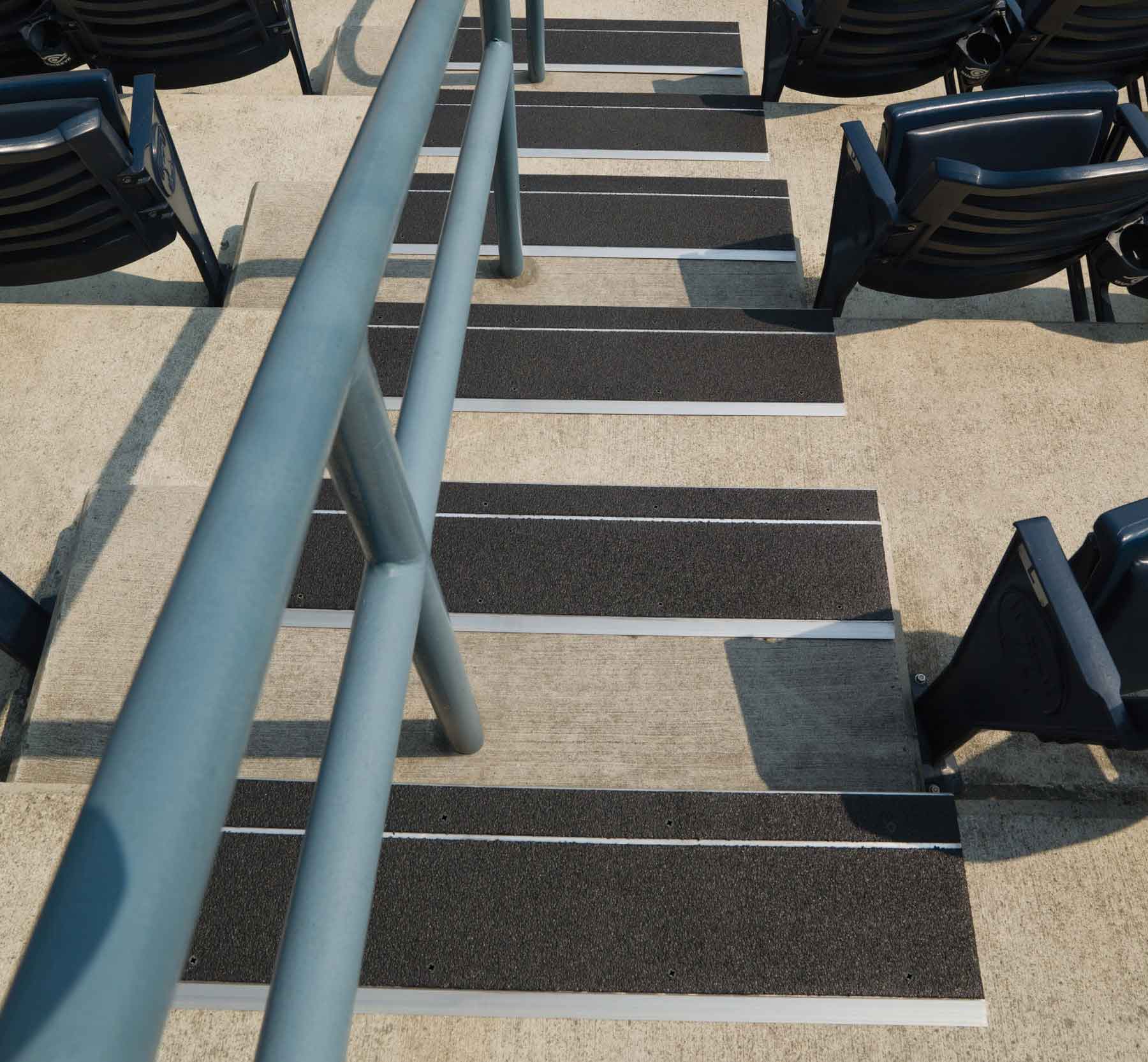
Concrete stadium steps with a non-slip safety coating

Start a floor coating business

Coat floors for a living.

ArmorThane sets you up to do this work, and you own the business. We make the chemistry, build the rigs, train you hands-on and answer the phone when a job gets difficult. You pay no franchise fee and no royalties. It has been that way since 1989.


ArmorThane Mobile Coatings Unit trailer hitched to a pickup outside the plant Proportioner, A and B material drums and transfer pumps inside the spray rig Applicator in a protective suit holding a plural-component spray gun in a spray booth Proportioner control panel with heater, pressure balance and cycle counter controls

What comes with itProportioners, guns and complete spray rigs. We build them.

$0
franchise fees or royalties
35+
years in business
50+
countries with applicators
24/7
technical support
7 3/4 in
Tallest riser the IRC allows on home stairs
With a 10 in minimum tread
3/8 in
Max difference between tallest and shortest riser
IRC R311.7.5.1
$250–750
Typical professional step repair bill
Full replacement averages $3,500
1 1/2 in
Depth one lift of a fast-set repair mortar can build
Reinforce patches past 2 in

Concrete step repair is mostly a diagnosis job. The patch itself takes an afternoon. Figuring out why the nosing broke off, and stopping it from happening again next February, is what decides whether you are fixing the steps once or every spring.

Quick answer

Good concrete step repair starts with the cause. Chipped nosings and shallow spalls get cut back to sound concrete and rebuilt with a polymer-modified repair mortar against a form board. Cracks get cleaned and filled. Steps that sank or pulled away from the house need lifting, not patching. If the concrete is crumbling all the way through, replace the step.

Diagnosis

What broke your steps?

Steps take a beating no slab does. Every edge is exposed on two faces, water sits on the treads, and the whole block often sits on fill that was never compacted properly when the house was built. Look at the damage pattern before you buy a bag of anything.

Patchable

Chipped nosings and corners

Impact from shovels, hand trucks and furniture, plus freeze-thaw at the thinnest concrete. The most common repair and the easiest to do well.

Patch, then seal

Spalling and scaling

Flaking surface from freeze-thaw and deicing salt. Shallow damage can be patched or resurfaced; see our spalled concrete repair guide for depth limits.

Fill and watch

Cracks

Hairline shrinkage cracks are cosmetic. Cracks that widen or have one side higher than the other are telling you the base is moving. Our concrete crack repair page sorts them out.

Lift or replace

Sunk, tilted or pulling away

A gap at the house wall or a back-pitched tread means the fill underneath settled. Patching the surface does nothing for that.

The trip-hazard testPut a level across the treads and a tape on the risers. The IRC limits riser height to 7 3/4 inches and the difference between the tallest and shortest riser in a flight to 3/8 inch. A step that sank an inch fails that test even if the concrete looks fine, and it is the step people trip on.
Options and costs

Concrete step repair methods and what they cost

Labor is most of the bill on step work. HomeAdvisor puts it at 75 to 90 percent, which is why a contractor will often quote a small patch at close to the price of a whole afternoon. Here is how the methods compare.

MethodTypical costFixesWon't fix
Seal cracksAbout $100 a jobHairline cracks, water getting inSettling, cracks that keep moving
Patch with repair mortarAbout $650 for crumbling sectionsChipped nosings, spalls, broken cornersConcrete soft all the way through
Resurface$3–$20 per sq ftShallow scaling, worn or ugly surfaceDeep damage, loose concrete
Lift (mudjack or polyjack)$3–$25 per sq ftSunk or tilted steps, gaps at the houseCrumbling surface
Replace sections$5–$15 per sq ftOne badly broken step or landingColor match with the old concrete
Replace the whole stoopAbout $3,500 averageSteps crumbling throughout, failed footingNothing left to fix
Seal or coat after repair$2.50–$5 per sq ft (epoxy sealers)Salt and water getting back inStructural problems
National cost figures from HomeAdvisor. Local labor rates move these a lot. Tap a column heading to sort.

For sunken steps, lifting is usually the cheaper answer than tearing out, as long as the concrete itself is sound. Our mudjacking vs polyjacking comparison covers both, and foam concrete lifting explains how polyurethane foam raises a slab through a few small holes.

Calculator

How much mortar and coating?

Pick the problem to load typical damage, then measure your steps. The calculator sizes the patch, counts bags, gives the tread and riser area to coat afterward, and checks your risers against the IRC limits.

Repair math

Step repair bags and riser check

Patch volume = steps × width × tread depth × % damaged × patch depth, plus 10% waste. Bags assume 0.54 cu ft per 60 lb bag (Quikrete FastSet Repair Mortar data sheet). Coating area = steps × width × (tread + riser). Riser check uses IRC R311.7.5: risers 7 3/4 in max, treads 10 in min, 3/8 in max variation.

—
Patch volume with waste (cu ft)
—
60 lb bags of repair mortar
—
Treads and risers to coat (sq ft)
—
IRC riser and tread check

How to

Rebuilding a chipped nosing

This is the repair most homeowners need, and the one most often done badly. The usual failure is a patch troweled thin over a dusty edge that pops off by the next thaw. Done right, a nosing repair outlasts the concrete around it.

  1. Cut back to sound concrete

    Chip out everything loose with a hammer and cold chisel until you hit hard, gray concrete. Saw or chisel the patch edges square so the new mortar has a shoulder to lock against instead of a feathered edge.

  2. Clean and dampen

    Blow or vacuum out all dust. Most repair mortars want the old concrete saturated, then wiped free of standing water, unless the data sheet calls for a bonding primer.

  3. Set a form board

    Hold an oiled straight board against the riser face, its top edge on the line of the original nosing. Bricks or concrete screws keep it from moving while you pack.

  4. Pack it hard, in lifts

    Mix to the water ratio on the bag, then press the mortar in firmly to drive out air. Fast-set repair mortars build about 1 1/2 inches per lift; deeper holes take more lifts, and anything past 2 inches gets reinforcing.

  5. Finish to match and grip

    Round the nosing with an edging tool and drag a damp brush across the tread for texture. A smooth steel-troweled tread is slick when wet.

  6. Cure before traffic

    Keep the patch damp and above freezing. Quikrete rates its commercial FastSet mortar at about 2,000 psi in three hours, but give any patch a day before heavy use and follow the data sheet before coating.

Fix the water firstIf a downspout dumps on the top step or the stoop pitches toward the house, the new patch fails at the bond line the next winter. Move the water first. And never use deicers containing ammonium nitrate or ammonium sulfate; the Wisconsin Ready Mixed Concrete Association warns they rapidly disintegrate concrete.
After the repair

Keeping steps fixed for good

A repaired step is still bare concrete, full of capillary pores that pull in water and salt brine. Sealing or coating it is what turns a patch into a lasting concrete step repair.

Invisible

Penetrating sealer

Silane or siloxane soaks in and repels water without changing the look. Cheap and breathable, but it wears off the tread surface and needs reapplying every few years. More in our concrete sealer guide.

Full coverage

Polyaspartic or polyurea with grit

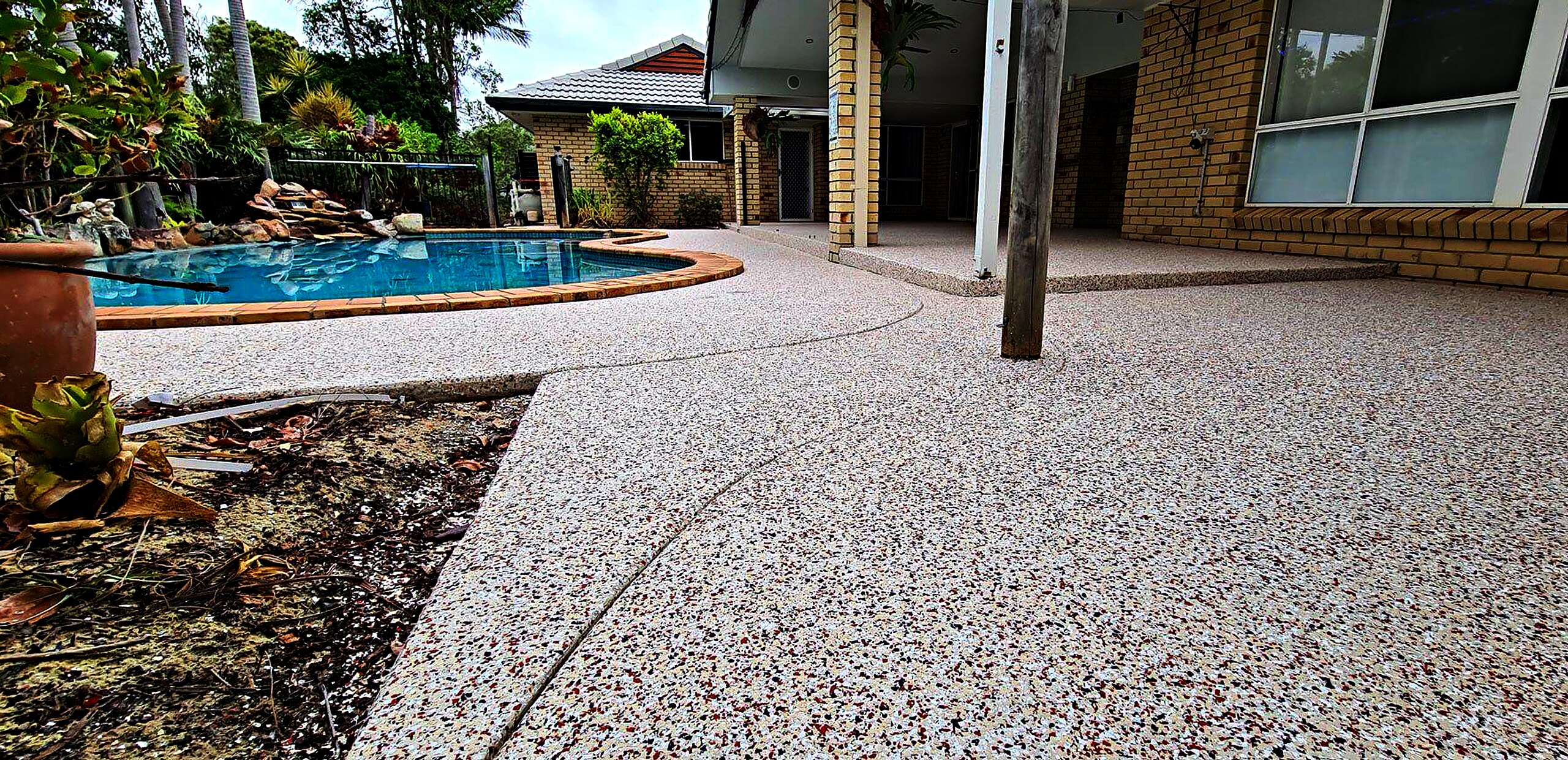
A film coating that seals the surface, hides the patch lines and carries broadcast aggregate for grip. Polyurea also bridges hairline cracks. It is what our applicators use on porches and stoops; see patio and porch coating.

  • Grit is not optional outside: a glossy coating with no aggregate on exterior steps is a fall waiting to happen. Our non-slip coatings are built for it.
  • Wait out the cure: coat only after the patch has cured and dried to the coating maker's moisture limit.
  • Seal before salt: with new concrete, skip deicers the first winter and seal before you start using them, per the WRMCA.
  • Worn but sound steps: if the steps are solid but ugly everywhere, a concrete resurfacing overlay may beat patching one spot at a time.
Steps and stoops

Repaired, sealed and safe to walk.

A certified ArmorThane applicator can rebuild damaged steps and finish them with a gritted, salt-resistant coating in a short visit.

Contractors: become an ArmorThane applicator

FAQ

Concrete step repair questions

Can you repair crumbling concrete steps?

Yes, if the damage is at the surface or the edges. Cut back to sound concrete, rebuild with a polymer-modified repair mortar and seal it. If a screwdriver sinks into the concrete everywhere you poke, the step is beyond patching and should be replaced.

What is the best product for concrete step repair?

A polymer-modified or fast-setting repair mortar for nosings, corners and spalls. Regular concrete mix has stone too big for thin edges, and thin resurfacers only handle cosmetic scaling. Check the bag for the minimum and maximum thickness per lift.

How much does concrete step repair cost?

HomeAdvisor reports most step repairs land between $250 and $750, averaging about $500. Sealing cracks runs about $100, patching crumbling sections about $650, and full replacement averages around $3,500.

Should I repair or replace concrete steps?

Repair when the damage is limited to edges, corners or the surface and the steps are level. Lift them if they sank but the concrete is sound. Replace when the concrete crumbles throughout or the footing has failed.

How do you fix concrete steps pulling away from the house?

The gap means the fill below settled. If the steps are solid, mudjacking or polyurethane foam lifting can raise them back, and the joint at the wall then gets a flexible sealant. Badly broken steps are usually replaced instead.

How long before you can walk on repaired steps?

It depends on the mortar. Fast-setting products can take foot traffic within hours, while standard mortars need longer. Follow the data sheet, keep the patch damp and above freezing, and wait for full cure before sealing or coating.

AT
Written by the ArmorThane technical team. We have manufactured polyurea, polyurethane and polyaspartic coatings and plural component spray equipment in Springfield, Missouri since 1989. Ranges here are typical; follow your repair mortar's data sheet and local building code, and call a pro for steps that have settled or lost their footing.

Sources

  1. City of Boise, IRC Code Handout R311.7.5: Stair Treads and Risers. cityofboise.org/media/14405/437-treads-risers
  2. Quikrete, Commercial Grade FastSet Repair Mortar data sheet. quikrete.com/pdfs/data_sheet-cgfs-repair-mortar
  3. HomeAdvisor, Concrete Step Repair Cost. homeadvisor.com/cost/stairs-and-railings/concrete-step-repair-cost
  4. Wisconsin Ready Mixed Concrete Association, Proper Winter Care. wrmca.com/consumer/consumer-information/proper-winter-care

Fixed once, sealed for good.

Owners get a certified ArmorThane applicator who repairs the concrete and seals it with a gritted, salt-resistant coating. Contractors can add repair and coating work with our equipment and training, with no franchise fee and no royalties.

United States 417-831-5090 · Canada 780-444-6200
Become an applicator

Start your coatings business with ArmorThane.

Tell us what you want to spray and where you are. An ArmorThane specialist will walk you through the equipment, chemicals, training and startup cost for the work you want to do.

  • Equipment package matched to your applications
  • Hands-on training and applicator certification
  • Technical support once you are spraying
Step 1 of 3

We want to help you find the best ArmorThane applicator for your protective coating project. Please either fill out the request form below or call us toll free at 417-831-5090, any time Monday-Friday, 8:00 a.m. to 5:00 p.m. Central Standard Time.

Steps falling apart every winter?

Tell us what your steps look like and how many there are. We will connect you with a certified ArmorThane applicator who can repair the concrete and seal it with a slip-resistant coating.

  • Number of steps and their width
  • Chips, spalls, cracks or settling
  • Indoor, covered or fully exposed
  • Home, apartment or commercial entry
Become an applicator

Start your coatings business

Choose “becoming an Applicator / Dealer” and add your details. Our team will call you to talk through markets, equipment and budget.

1Choice
2Contact Information
3Location

Rather talk now? (417) 831-5090 · About the opportunity