

Cost to Insulate a House: 2026 Prices by Area & Material
What it costs to insulate an attic, walls, crawl space or the whole house in 2026, what drives the price, where to spend first, and calculators for cost and payback.
Start a spray foam business
Spray foam for a living.
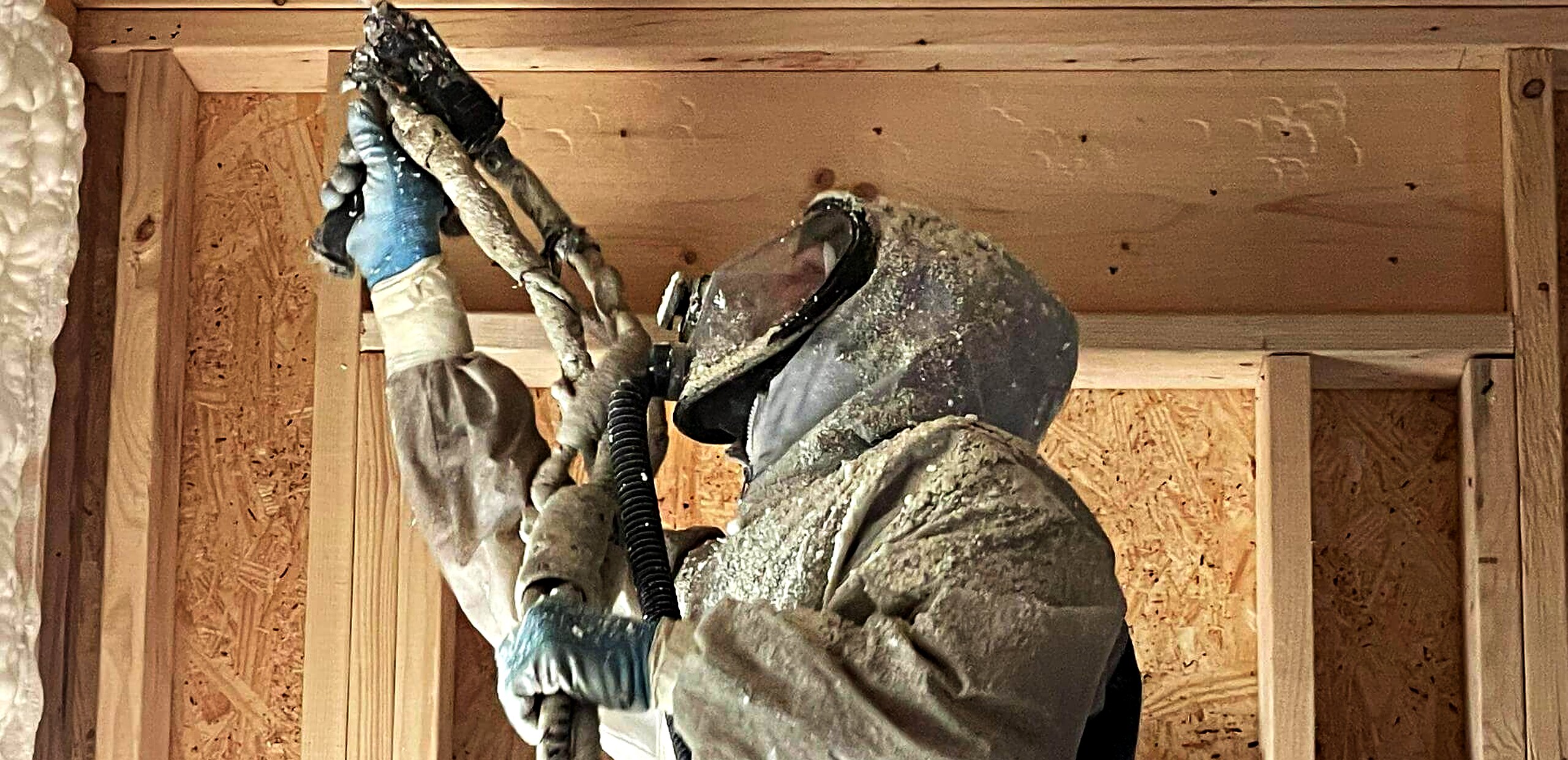
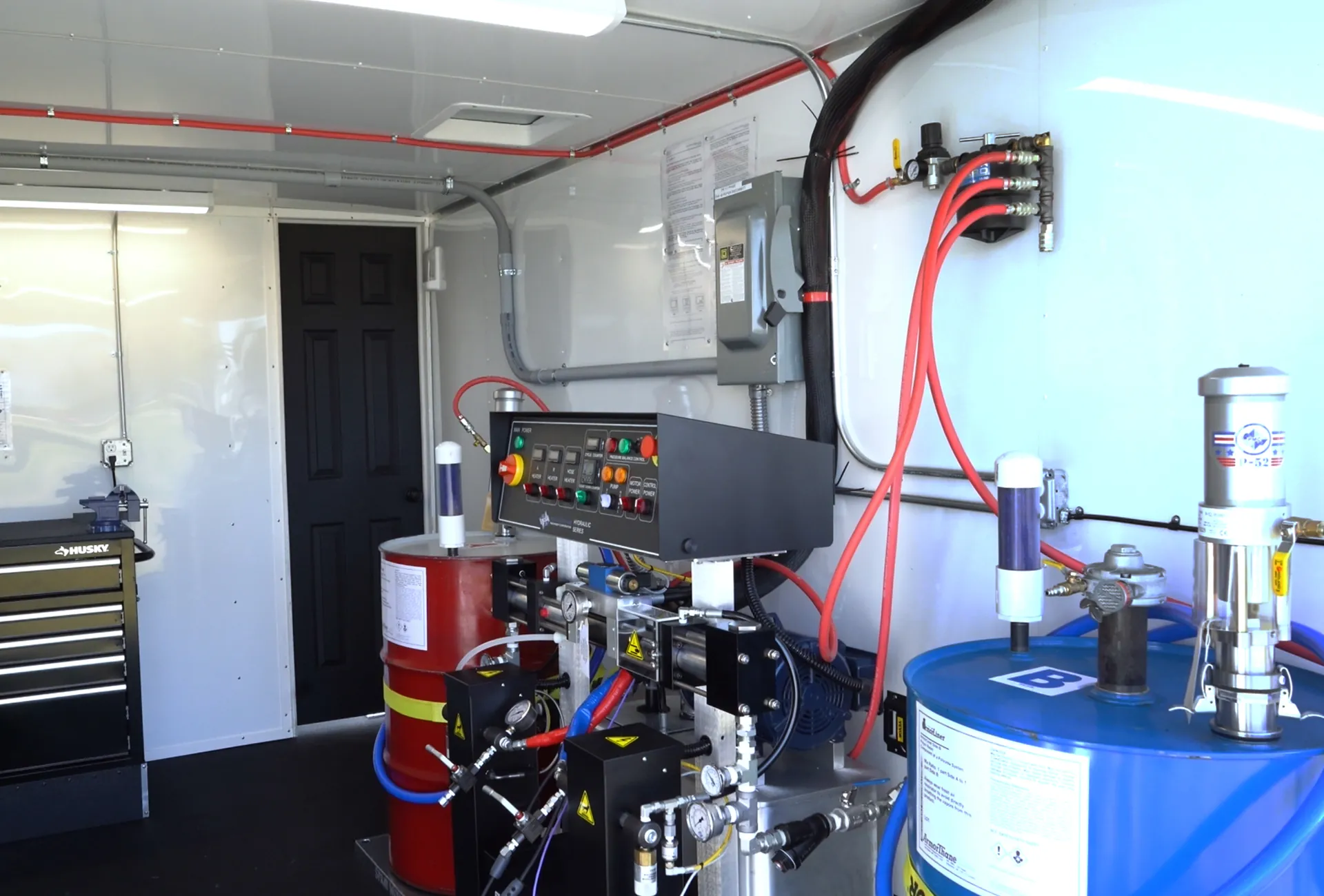
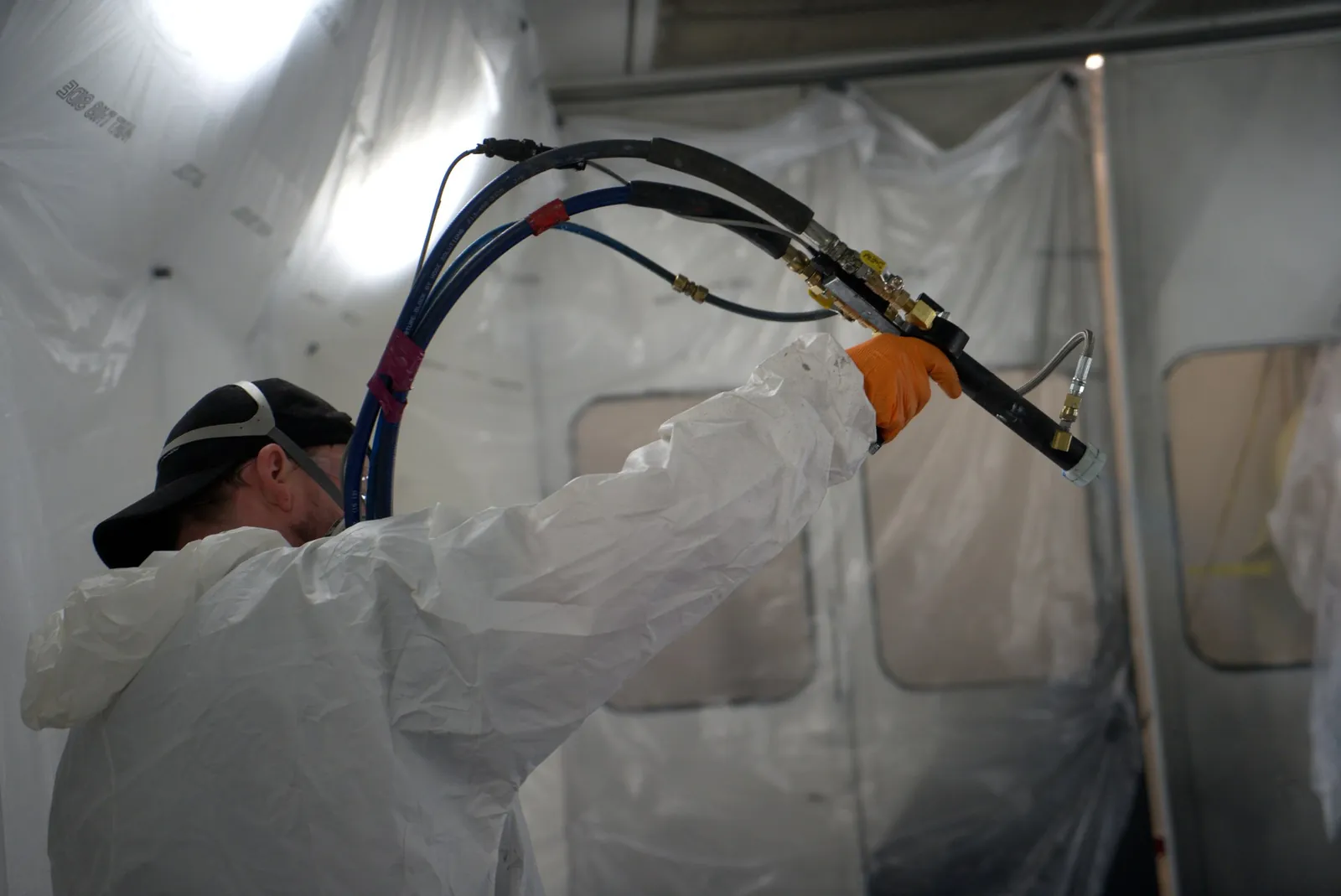
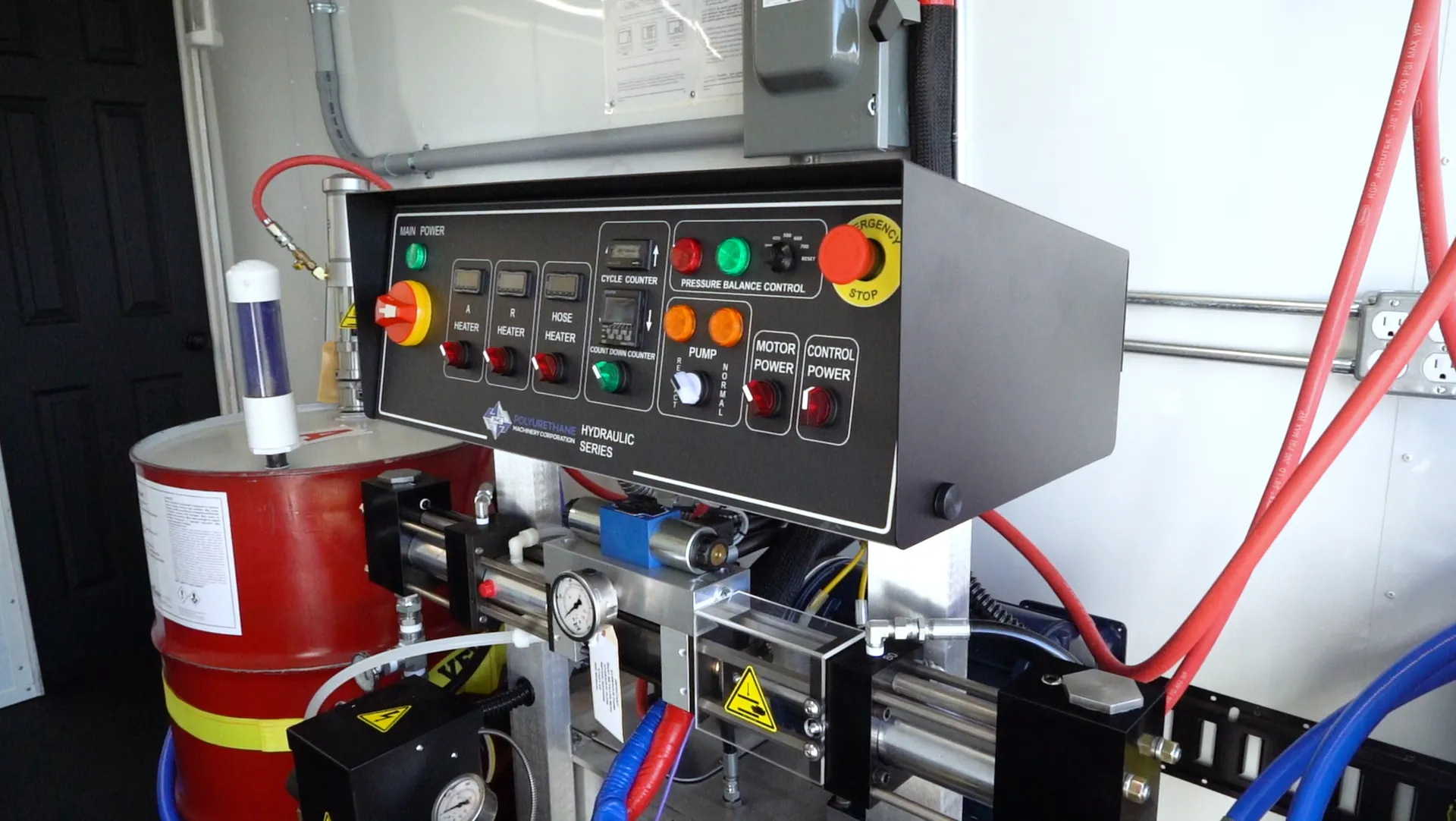
ArmorThane sets you up to do this work, and you own the business. We make the chemistry, build the rigs, train you hands-on and answer the phone when a job gets difficult. You pay no franchise fee and no royalties. It has been that way since 1989.
- $0
- franchise fees or royalties
- 35+
- years in business
- 50+
- countries with applicators
- 24/7
- technical support
The cost to insulate a house runs from about $1,000 for topping up a small attic to $20,000 or more for spray foam in every wall, roof and crawl space. Where your house lands depends on which parts you insulate, whether the walls are open or finished, the material, and how much old insulation has to come out first. We sell spray foam, and in plenty of houses it is not the best value per dollar, so this guide prices every option side by side using 2026 cost data, shows where to spend first, and gives you two calculators: one estimates the whole-house cost, the other works out the payback.
HomeGuide's 2026 data puts most insulation projects at $1,600 to $8,000, and a full house at roughly $1.00 to $4.50 per square foot of area insulated: about $2,000 to $9,000 for a 2,000 sq ft home. Spray foam throughout runs $8,000 to $20,000. An attic top-up ($1,000 to $2,700) with air sealing is usually the best first dollar; walls cost more because they are closed in. The 30% federal 25C tax credit covered work placed in service through 2025 and is no longer available for 2026 projects, so check state and utility rebates instead.
Cost to insulate a house, by area
Very few houses get insulated all at once. Most owners do the attic one year, the crawl space or basement another, and the walls when the siding or drywall comes off. These are 2026 installed ranges for each part of the house. Click a header to sort.
| Area | Typical installed cost | Per sq ft | Usual material | Notes |
|---|---|---|---|---|
| Attic floor, blown-in | $900–$3,600 | $0.90–$2.40 | Blown fiberglass or cellulose | Usually the best return; air seal first |
| Attic, all types | $1,000–$2,700 | varies | Blown-in, batts | HomeGuide's attic project range |
| Attic roof deck, spray foam | $3,000–$8,000 | $1.50–$5.00 | Open- or closed-cell foam | Brings ducts into conditioned space |
| Existing walls, drill-and-fill | $1,900–$7,800 | $1.10–$3.70 | Dense-pack cellulose or fiberglass | Holes drilled and patched |
| Exterior walls, spray foam | $4,000–$10,000 | $1.50–$5.00 | Open- or closed-cell foam | Open walls: new build or gut remodel |
| Basement | $600–$4,600 | $1.50–$2.50 (Angi) | Rigid board, spray foam, batts | Rim joists matter most |
| Crawl space | $500–$3,700 | varies | Batts in floor or foam on walls | Spray foam crawl spaces $2,000–$4,000 |
| Garage | $600–$3,400 | $0.50–$1.25 (Angi) | Batts, board | Insulate the shared wall and ceiling first |
| Old insulation removal | $600–$1,200 typical attic | $1.00–$2.00 | Vacuum removal and disposal | Before replacement or after damage |
For the attic on its own, our attic insulation cost guide goes deeper, and the spray foam insulation cost guide breaks foam down by board foot. Walls are covered on our wall insulation page.
Insulation cost by material
Installed price per square foot is the number most quotes are built on. It is not the whole story, because each material delivers a different R-value per inch (see our insulation R-value chart), and spray foam also air seals, which batts and loose-fill do not.
| Material | Installed per sq ft | Material only | Air seals? | Best use |
|---|---|---|---|---|
| Radiant barrier | $0.30–$2.00 | n/a | No | Hot-climate attics with ducts (not a substitute for insulation) |
| Fiberglass or mineral wool batts | $0.80–$2.60 | Fiberglass $0.30–$1.30; mineral wool $1.00–$2.50 | No | Open walls, floors, new construction |
| Blown-in fiberglass or cellulose | $1.00–$2.80 | Cellulose $0.30–$1.80 | Dense-pack slows air | Attic floors, existing closed walls |
| Rigid foam board | $1.20–$3.70 | Polystyrene $0.25–$0.50 (Angi) | If seams are sealed | Basement walls, exterior sheathing, slabs |
| Open-cell spray foam | $1.50–$3.50 | $0.30–$0.50 per board foot | Yes | Roof decks, interior walls, sound control |
| Closed-cell spray foam | $3.00–$5.00 | $0.90–$1.00 per board foot | Yes, plus vapor retarder | Rim joists, crawl spaces, basements, metal buildings |
Whole-house insulation cost calculator
Enter your home's size, pick which areas to insulate and the material for each, and the calculator estimates the area of each surface and prices it with the 2026 per-square-foot ranges above.
What will it cost to insulate my house?
Our area assumptions: square footprint, 8 ft walls per story, 15% of wall area for windows and doors, roof deck 15% larger than the attic floor, 3 ft crawl space walls. Prices: HomeGuide 2026 installed ranges per sq ft. Get quotes for real numbers.
What drives the cost to insulate a house
Two houses of the same size can be quoted thousands of dollars apart. These are the line items that make the difference:
Open or closed walls
Open stud bays take batts or spray foam at the low end of the range. Finished walls mean drilling, dense-packing and patching at $1.10 to $3.70 per sq ft, or waiting until the siding or drywall comes off.
What has to come out first
Removing old insulation adds $1.00 to $2.00 per sq ft. Rodent-contaminated, wet or moldy material costs more, and vermiculite that may contain asbestos needs an abatement contractor. Our attic insulation removal guide covers when it is needed.
R-value and depth
Going from R-38 to R-60 in an attic adds material, not much labor. In walls and roof decks, the cavity depth caps what you can fit, which pushes you toward higher-R materials that cost more per inch.
Region and job size
Angi reports labor at $40 to $80 per hour, and HomeGuide puts installation labor at $0.50 to $1.70 per sq ft. Spray foam contractors often set a minimum charge of $1,000 to $2,000, so small foam jobs cost more per foot.
Air sealing and baffles
DOE says to seal air leaks and make repairs before insulating. Good quotes include sealing top plates, penetrations and the attic hatch, plus baffles at the eaves. Cheap quotes often skip them.
Barriers and permits
Spray foam in living spaces and many attics needs a thermal or ignition barrier under building code, and some jurisdictions require permits for insulation work. Ask whether both are in the price.
Insulation payback estimator
ENERGY STAR estimates that sealing and insulating can save up to 10% on annual energy bills. Enter your yearly energy spending, your project cost and any rebate, and this tool shows the payback at the savings rate you choose.
How long until it pays for itself?
Annual savings = energy bill × savings rate. Simple payback = (cost − rebates) ÷ annual savings. The heating and cooling share uses EIA's 52% national average. Energy prices are held flat.
The 15% chip is our illustration for drafty, under-insulated houses, not a published average; your savings depend on how much insulation you have now and how leaky the house is. Comfort, quieter rooms and smaller HVAC loads do not show up in a payback number but often matter more to the people living there.
Where to spend first
Air seal and top up the attic
DOE's rule of thumb: if the attic has less than about R-30, roughly 10 to 13 inches, you could probably benefit from more. It is the cheapest area to reach and usually returns the most per dollar.
Seal and insulate ducts in unconditioned space
DOE recommends sealing and insulating ductwork that runs through attics, crawl spaces or garages. Leaky ducts there waste conditioned air before it reaches a room.
Rim joists, crawl space and basement
Rim joists are small, leaky and easy to reach. Closed-cell foam air seals and insulates them in one pass. Our crawl space encapsulation guide covers the bigger crawl space job, and the pipe insulation guide covers the supply lines down there.
Walls, when the siding comes off
ENERGY STAR suggests drilling and blowing insulation into empty wall cavities when re-siding, and adding R-5 to R-10 of insulative sheathing under new siding in zones 3 through 8.
Radiant barrier only where it fits
In hot, sunny climates with ducts in the attic, a radiant barrier can trim cooling costs. Elsewhere it is a low priority; our radiant barrier guide explains why.
Tax credits and rebates in 2026
The federal Energy Efficient Home Improvement Credit (25C) paid 30% of qualifying insulation and air sealing material costs, up to $1,200 a year. The IRS lists it as available for qualifying property placed in service from January 1, 2023 through the end of 2025. Insulation installed in 2026 does not qualify, and some contractors are still quoting it, so ask.
What is left is local. Many states run Home Energy Rebate programs funded through DOE, each with its own eligibility rules and application steps, and many utilities offer insulation and air sealing rebates or free energy audits. Check your state energy office and your utility's website before signing a contract, because some programs require pre-approval or a participating contractor.
Get a real number for your house.
A certified ArmorThane applicator can measure your attic, walls and crawl space, quote spray foam where it earns its place, and tell you where blown insulation is the better buy.
Contractors: become an applicator →
Cost to insulate a house questions
How much does it cost to insulate a 2,000 sq ft house?
HomeGuide's 2026 data puts a 2,000 sq ft insulation job at about $2,000 to $9,000. Spray foam throughout a whole house runs about $8,000 to $20,000. Which areas you include and whether the walls are open make the biggest difference.
What is the cheapest way to insulate a house?
Air sealing plus blown-in insulation in the attic. Blown-in attic insulation costs about $0.90 to $2.40 per sq ft installed, and the attic is usually the easiest place to add a lot of R-value.
How much does it cost to insulate existing walls?
Drill-and-fill blown-in wall insulation runs about $1.10 to $3.70 per sq ft, or roughly $1,900 to $7,800 for a typical house, according to HomeGuide. Spray foam is only practical in walls that are open.
Is spray foam worth the extra cost?
It is in places where depth is tight or air sealing matters most: roof decks, rim joists, crawl space walls, basements and metal buildings. On an open attic floor, blown-in insulation usually gives more R-value per dollar.
Is there a tax credit for insulation in 2026?
Not at the federal level. The IRS lists the 25C Energy Efficient Home Improvement Credit as covering qualifying property placed in service through 2025. Check your state energy office and utility for current rebates.
How much can insulation save on energy bills?
ENERGY STAR estimates that sealing air leaks and adding insulation can save up to 10% on annual energy bills. Heating and air conditioning make up 52% of household energy use nationally, according to EIA, so homes with high heating or cooling bills tend to see more.
Do I need to remove old insulation before adding new?
Usually not. Dry, clean insulation can stay, and new insulation goes on top. Removal makes sense when the old material is wet, moldy, rodent-contaminated or smoke-damaged, or when you are switching to spray foam on the attic floor. Removal typically adds $1.00 to $2.00 per sq ft.
How long does it take to insulate a house?
An attic top-up is often done in a day. Drill-and-fill walls or spray foam throughout can take several days, and spray foam usually needs the house vacated for a period set by the manufacturer while it cures and ventilates.
Sources
- HomeGuide, insulation cost 2026: homeguide.com/costs/insulation-cost
- HomeGuide, spray foam insulation cost: homeguide.com/costs/spray-foam-insulation-cost
- HomeGuide, blown-in insulation cost: homeguide.com/costs/blown-in-insulation-cost
- Angi, insulation cost: angi.com
- HomeAdvisor, insulation removal cost: homeadvisor.com
- IRS, Energy Efficient Home Improvement Credit: irs.gov
- U.S. Energy Information Administration, use of energy in homes (RECS 2020): eia.gov
- ENERGY STAR, seal and insulate: energystar.gov
- ENERGY STAR, recommended insulation levels for existing homes: energystar.gov
- U.S. Department of Energy, Where to Insulate in a Home: energy.gov
- U.S. Department of Energy, Home Energy Rebates: energy.gov/save/rebates
- Federal Trade Commission R-value Rule, 16 CFR Part 460: ecfr.gov
Insulation priced honestly.
Homeowners get a certified ArmorThane applicator who quotes spray foam where it pays and says so when blown insulation is the better buy. Contractors can add spray foam with no franchise fee and no royalties.
Start your coatings business with ArmorThane.
Tell us what you want to spray and where you are. An ArmorThane specialist will walk you through the equipment, chemicals, training and startup cost for the work you want to do.
- Equipment package matched to your applications
- Hands-on training and applicator certification
- Technical support once you are spraying
More in Spray foam & insulation
 Spray foam & insulationCellulose Insulation
 Spray foam & insulationClosed Cell Spray Foam
 Spray foam & insulationCommercial Foam Insulation
 Spray foam & insulationCrawl Space Encapsulation Guide
 Spray foam & insulationCrawl Space Insulation
 Spray foam & insulationDIY Spray Foam Insulation
 Spray foam & insulationFoam Board InsulationSpray foam & insulationFoam Wall Insulation