


Cellulose Insulation: R-Value, Cost, Pros & Cons for Attics and Walls
How blown and dense-pack cellulose performs, what it costs in 2026, its honest drawbacks, and calculators for attic bags and wall retrofits.
Start a spray foam business
Spray foam for a living.
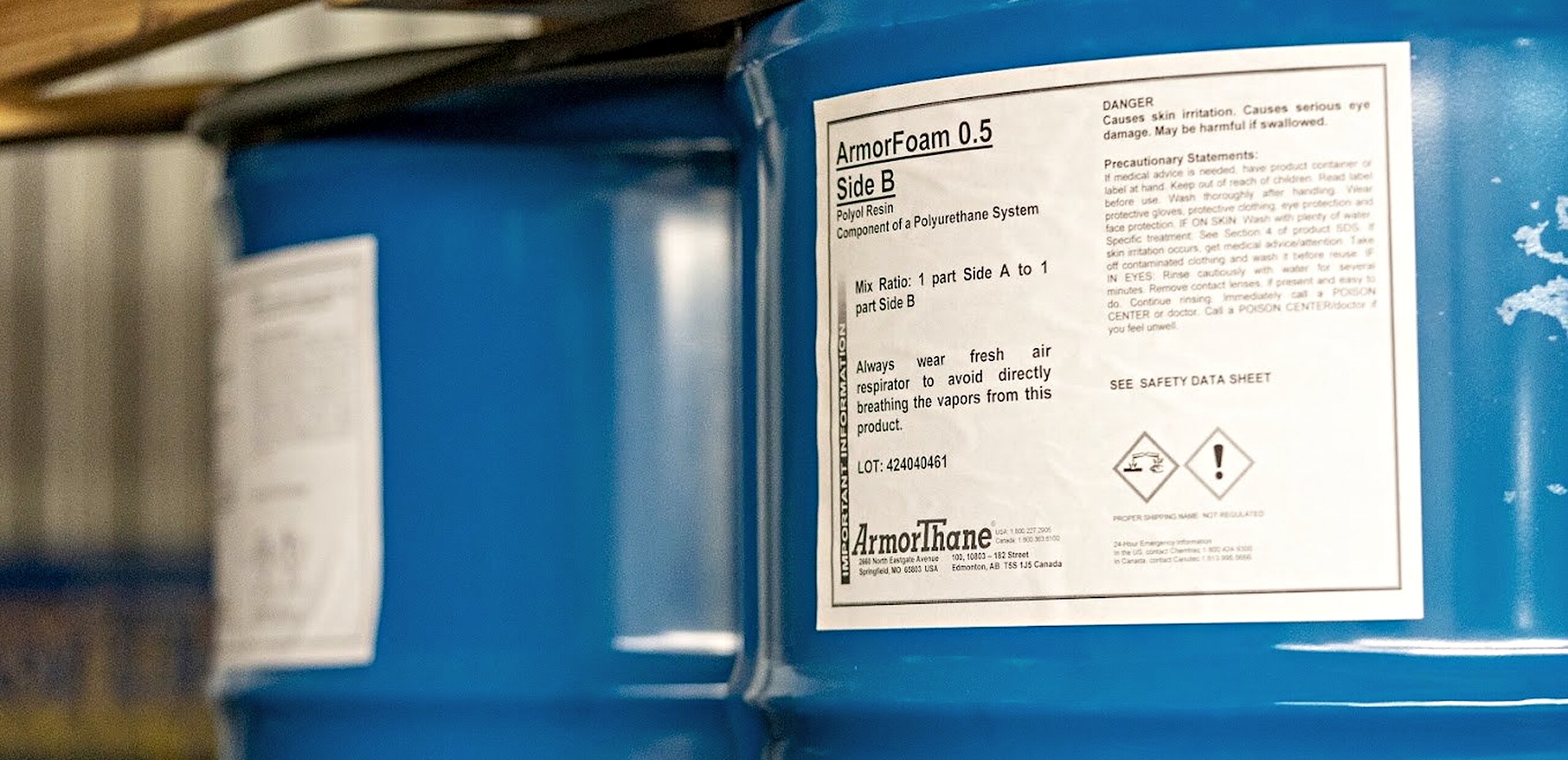
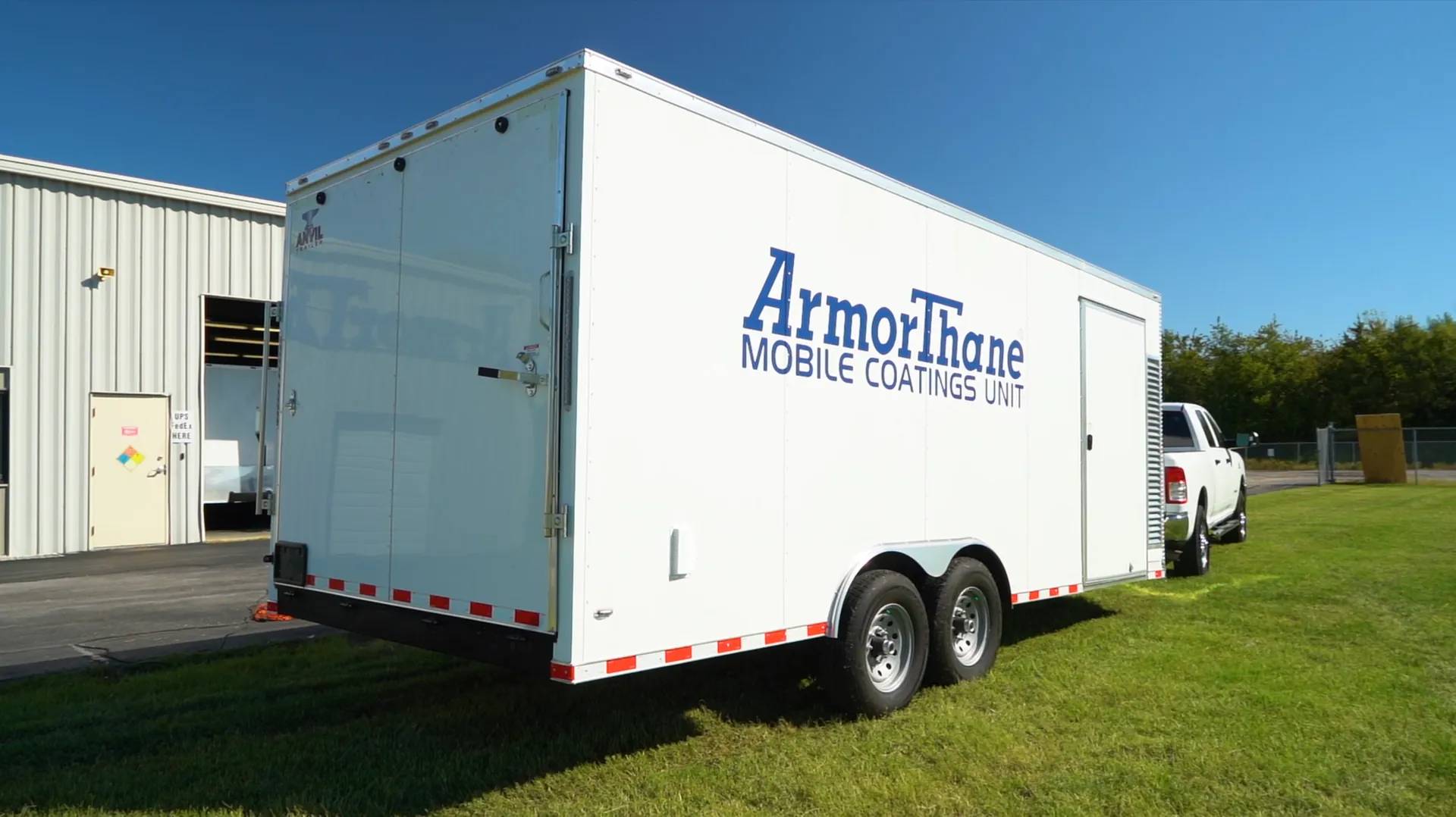
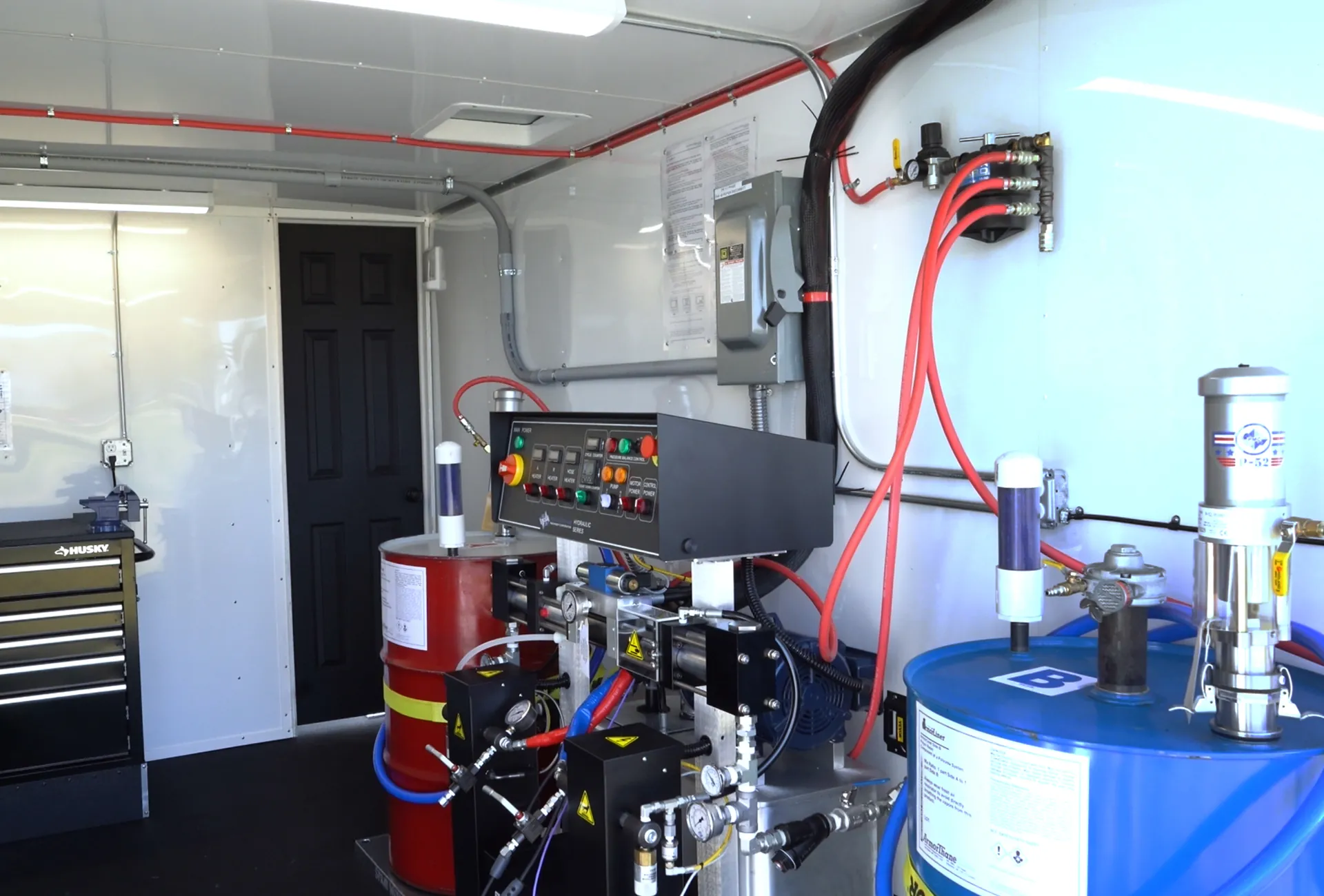
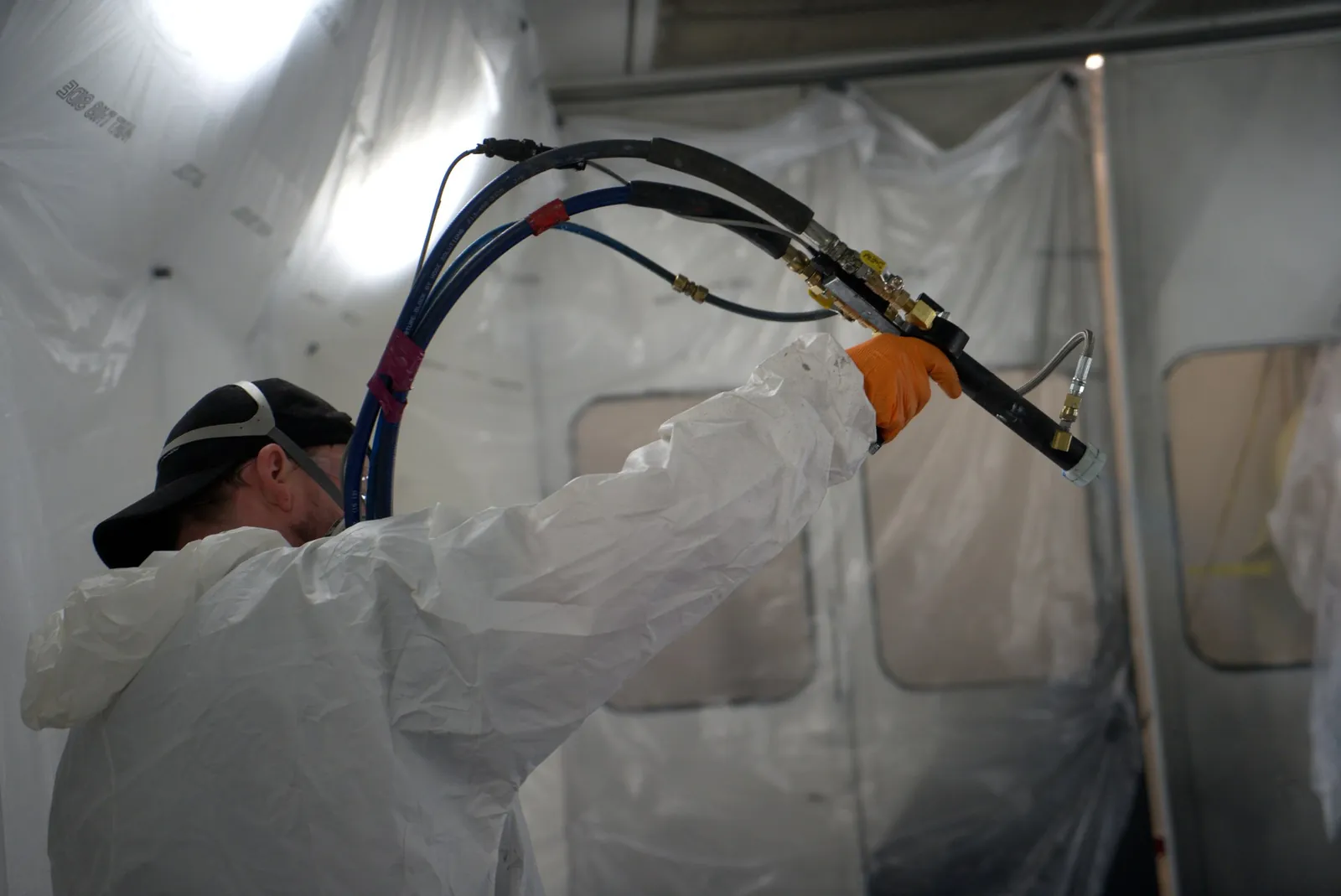
ArmorThane sets you up to do this work, and you own the business. We make the chemistry, build the rigs, train you hands-on and answer the phone when a job gets difficult. You pay no franchise fee and no royalties. It has been that way since 1989.
- $0
- franchise fees or royalties
- 35+
- years in business
- 50+
- countries with applicators
- 24/7
- technical support
Cellulose insulation is shredded recycled paper treated with fire retardants and blown into attics and walls. It is one of the best values in residential insulation: about R-3.6 per inch on an attic floor, cheap per R-value, and dense enough when packed into a wall to slow air leakage in a way fiberglass cannot. We manufacture spray foam, and we still recommend cellulose for most open attic floors and for retrofitting closed walls in older houses. This guide covers how cellulose insulation is made and installed, how it compares, what it costs, its real drawbacks, and two calculators: one for attic bags and depth, one for dense-packing walls.
Cellulose insulation is up to 85% recycled paper with 15% to 20% borate and ammonium sulfate fire retardants. Blown loose on an attic floor it averages R-3.6 per inch, so R-49 takes about 15 inches installed (13.5 inches after settling) on GreenFiber's chart. Dense-packed at about 3.5 pounds per cubic foot it fills closed walls and slows air leaks. It costs $1.20 to $2.80 per square foot installed. Its weak spots are settling, weight, and water: keep it dry and air seal the ceiling first. For roof decks, rim joists, crawl spaces and anywhere wet, use closed-cell foam or board instead.
What cellulose insulation is made of
Cellulose starts as newsprint, cardboard and other paper fiber. It is shredded, fiberized, and treated with fire retardants, which make up 15% to 20% of its weight according to Green Building Advisor; the usual chemicals are borax, boric acid and ammonium sulfate. Every product sold in the U.S. has to pass the CPSC safety standard for cellulose insulation (16 CFR 1209), which tests critical radiant flux, smoldering combustion and corrosiveness to metal. The Cellulose Insulation Manufacturers Association notes manufacturers have also qualified two- and three-hour firewall designs using it.
Loose-fill
Blown loose over the ceiling at roughly 1.3 to 1.5 pounds per cubic foot. CIMA puts the average at R-3.6 per inch. It settles, so bag charts list both an installed and a settled thickness.
Dense-pack
Blown through a tube into closed stud bays until it reaches about 3.5 pounds per cubic foot. At that density it does not settle and averages R-3.7 per inch (CIMA). The standard way to insulate old uninsulated walls.
Wet-spray
Sprayed into open stud bays with a little water so it sticks, then screeded flush. GBA advises letting it dry for a few days, ideally longer, before drywall goes on.
Cellulose vs fiberglass vs spray foam
Cellulose competes mainly with blown fiberglass in attics and with batts or injection foam in walls. The numbers below are 2026 installed ranges and published R-values; sort by any column.
| Material | R per inch | Installed $ / sq ft | Settles? | Slows air leaks? | Best use |
|---|---|---|---|---|---|
| Cellulose, loose-fill | R-3.1 to R-3.8 (avg 3.6) | $1.20–$2.80 | Up to 20% | Somewhat | Attic floors |
| Cellulose, dense-pack | Avg R-3.7 | $1.60–$4.20 | No, at 3.5 pcf | Substantially | Closed walls, retrofits |
| Cellulose, wet-spray | R-3.1 to R-3.8 | $0.60–$2.00 | No | Somewhat | Open walls, new construction |
| Fiberglass, blown | R-2.2 to R-2.9 | $1.00–$2.80 | Less than cellulose | No | Attic floors |
| Fiberglass batts | R-2.9 to R-3.8 | $0.80–$2.60 | No | No | Open walls and floors |
| Rockwool, blown | R-3.2 to R-4.1 | $1.90–$4.20 | Less than cellulose | No | Attics where fire resistance matters |
| Closed-cell spray foam | R-5.0 to R-7.0 | $1.00–$4.50 | No | Yes, air barrier | Roof decks, rims, crawl spaces |
Where cellulose beats fiberglass
Per inch, cellulose has a higher R-value than blown fiberglass, so you need less depth for the same R: on the manufacturers' own charts R-49 is about 15 inches of GreenFiber cellulose versus 17 inches of Owens Corning AttiCat. It is denser, which matters in cold attics: Oak Ridge National Laboratory reported in 1991 that convection through air-permeable loose-fill fiberglass cut its effectiveness by 30% when attic temperatures dropped below about 0°F. And dense-packed in a wall it slows air movement through the cavity.
Where fiberglass beats cellulose
Fiberglass is much lighter. At R-60, GreenFiber's chart calls for 2.26 pounds of cellulose per square foot of ceiling versus 0.87 pounds of AttiCat. On older or questionable ceilings, that weight is worth a look before you blow R-60 of cellulose on top. Fiberglass also does not absorb water, so a roof leak is less likely to leave a soggy, compressed patch.
Attic cellulose bag and depth calculator
Measure the attic floor area and the depth of what is up there now. The calculator estimates your current R-value, how much cellulose to add, how many bags, how much it weighs and what a contractor would likely charge.
How much cellulose does my attic need?
Existing R = depth x R per inch (old batts 3.2, blown fiberglass 2.5, settled cellulose 3.2). Depth, bags and weight are interpolated from GreenFiber's loose-fill coverage chart (22.55 lb bags). Cost scales HomeGuide's 2026 blown-in prices: $660 to $1,200 per 1,000 sq ft for R-30 and $1,400 to $2,400 for R-60.
Two practical notes. Bag counts differ by brand and product, and the federal R-Value Rule requires installers to follow the label's bag count per square foot, so ask for the bag count on your quote and count the empty bags. And existing insulation that is wet, matted or full of rodent debris does not deliver its nominal R-value; budget $1 to $2 per square foot for removal (HomeGuide) if it has to come out.
Dense-pack cellulose wall calculator
Dense-packing is how most old, empty walls get insulated without tearing off siding or plaster: the installer drills a hole in each stud bay, inserts a tube and blows cellulose until the bay is packed hard. Use this to size the job and sanity-check a quote.
How much dense-pack cellulose for my walls?
Cavity volume = (wall area minus openings) x (1 minus framing share) x stud depth. Pounds = volume x 3.5 lb per cubic foot (GBA). R = stud depth x 3.7 per inch (CIMA average). Cost uses HomeGuide's 2026 dense-pack range of $1.60 to $4.20 per sq ft of wall.
Before dense-packing an old house, look for knob-and-tube wiring (it should be evaluated by an electrician before it is buried in insulation), check that the exterior keeps water out, and make sure bays under windows and above headers get filled; those are the ones missed most often. Ask the installer how they verify fill, such as by tracking bag weight per bay or with an infrared scan on a cold day.
Cellulose insulation drawbacks to plan for
It loses depth
Loose-fill settles up to 20% over the first months. Reputable bag charts already account for this (GreenFiber R-49 goes in at 15 inches and settles to 13.5), so the fix is simply installing to the chart's initial thickness, not the settled one.
It does not like leaks
Cellulose can buffer small amounts of moisture, which CIMA describes as its hygroscopic nature, but a roof leak or condensation from an unsealed bath fan will soak and compact it. It does not belong in crawl spaces, below grade or anywhere that stays damp.
It is heavy at high R
At R-60 GreenFiber's chart lists 2.26 lb per square foot, roughly 2.6 times the weight of blown fiberglass at the same R. Check sagging or damaged ceilings first.
It is not an air barrier
Loose-fill slows air but does not stop it. Seal top plates, chases, recessed lights and the attic hatch before blowing; EPA's 15% average heating and cooling savings estimate assumes air sealing as well as insulation.
How a good attic cellulose install goes
Air seal the attic floor
Foam or caulk every top plate, wiring and plumbing hole, flue chase (with fire-rated material), and recessed light. This is the step that separates a good insulation job from a pile of paper.
Baffles, dams and clearances
Install vent baffles at the eaves so insulation does not block soffit air, build a dam around the hatch, and keep required clearances around chimneys and non-IC-rated fixtures.
Depth markers
Staple depth rulers to trusses across the attic so you and the installer can see the installed thickness.
Blow to the chart
Blow evenly to the initial thickness on the bag chart for your target R-value, using at least the listed number of bags for the area.
Get the paperwork
The FTC's R-Value Rule (16 CFR Part 460) requires loose-fill installers to give you a signed, dated receipt showing coverage area, initial installed thickness, minimum settled thickness, R-value and the number of bags used. Keep it with your house records.
When spray foam is the better call
Cellulose on the attic floor assumes the attic stays vented and outside the house. When the furnace and ductwork live up there, or the roof is a cathedral ceiling with no attic at all, insulating the roof deck with spray foam keeps that equipment inside the conditioned space; see attic foam insulation and our attic insulation cost guide, which compares both approaches. Rim joists, crawl space walls and basements are also foam or board territory, not cellulose. And for closed masonry walls or homeowners who want to avoid drilling every bay from outside, injection foam is the alternative to dense-pack.
Ducts in the attic? Ask about foaming the roof deck.
Tell us the attic size, where the HVAC equipment is, and what insulation is there now. A certified ArmorThane applicator can quote spray foam for the roof deck, rim joists or crawl space, and will tell you when cellulose on the floor is the better buy.
Contractors: become an applicator →
Cellulose insulation: common questions
What is cellulose insulation made of?
Recycled paper and cardboard fiber, up to 85% by content according to the Cellulose Insulation Manufacturers Association, treated with fire retardants such as borax, boric acid and ammonium sulfate that make up 15% to 20% of its weight.
Is cellulose insulation better than fiberglass?
In attics, cellulose has more R-value per inch (about R-3.6 versus R-2.2 to R-2.9 for blown fiberglass), resists convection losses in very cold attics better, and slows air movement more. Fiberglass is lighter, does not absorb water and settles less. Installed prices overlap: $1.20 to $2.80 per sq ft for cellulose and $1.00 to $2.80 for blown fiberglass (HomeGuide, 2026). Both work well when the attic floor is air sealed first.
How much does cellulose insulation cost?
HomeGuide's 2026 figures are $1.20 to $2.80 per square foot installed for loose-fill, $1.60 to $4.20 for dense-pack walls and $0.60 to $2.00 for wet-spray. A typical attic job runs $900 to $3,600; by R-value, HomeGuide prices blown-in R-30 at $660 to $1,200 and R-60 at $1,400 to $2,400 per 1,000 square feet.
Is cellulose insulation a fire hazard?
Cellulose is treated with fire retardants and every product sold in the U.S. must pass the CPSC standard in 16 CFR 1209, which tests critical radiant flux, smoldering combustion and corrosiveness. Manufacturers have qualified two- and three-hour fire-rated wall designs with it. Keep the required clearances around chimneys, flues and non-IC-rated light fixtures.
Does cellulose insulation settle?
Loose-fill cellulose settles up to 20% in the months after installation. Coverage charts account for it with an initial and a settled thickness, for example 15 inches installed and 13.5 inches settled for R-49 on GreenFiber's chart. Dense-packed cellulose at about 3.5 pounds per cubic foot does not settle.
Can cellulose insulation get wet or grow mold?
Small amounts of moisture are buffered by the fibers, but cellulose that gets soaked by a leak compacts, loses R-value and can stay wet against framing. Fix roof leaks and vent bath fans outdoors before insulating, and keep cellulose out of crawl spaces and below-grade walls.
Can I blow in cellulose myself?
Yes, for an open attic floor. HomeGuide lists blowing machine rental at $100 to $200 per day. Do the air sealing, baffles and hatch dam first, use depth markers, and follow the bag chart. Dense-packing walls is harder to do well and is usually best left to a contractor with a high-pressure machine.
Can you put cellulose over existing insulation?
Yes. Blowing cellulose over old fiberglass batts or loose-fill is common and the R-values add up, as long as the old material is dry and not contaminated. Remove insulation that is wet, moldy or full of rodent debris; HomeGuide puts removal at $1 to $2 per square foot.
Compare other insulation types
Blown-in insulation
Cellulose vs fiberglass vs rockwool for attic floors, with a bag and savings calculator.
Types of insulation
Every major insulation type compared, with a thickness calculator and a selector.
Mineral wool insulation
Stone wool batts and boards for fire, sound and continuous insulation.
Sources
- Cellulose Insulation Manufacturers Association, homeowner facts: cellulose.org
- Green Building Advisor, Cellulose insulation: greenbuildingadvisor.com
- Fine Homebuilding via Green Building Advisor, Blown insulation for attics (ORNL convection study, settling): greenbuildingadvisor.com
- GreenFiber loose-fill cellulose fact sheet and coverage chart: homedepot.com
- Owens Corning AttiCat manufacturer's fact sheet: owenscorning.com (cloudfront)
- U.S. CPSC, 16 CFR Part 1209, Interim Safety Standard for Cellulose Insulation: ecfr.gov
- FTC R-Value Rule, 16 CFR 460.17 installer receipts: ecfr.gov
- EPA ENERGY STAR, air sealing and insulation savings methodology: energystar.gov
- U.S. DOE, Energy Renovations Insulation guide: energy.gov
- HomeGuide, Blown-in insulation cost (2026): homeguide.com
- HomeGuide, Insulation cost (2026): homeguide.com
Attics, walls and rims, insulated the right way.
Homeowners get a certified ArmorThane applicator who knows when spray foam pays and when cellulose is the better buy. Contractors can add spray foam with no franchise fee and no royalties.
Start your coatings business with ArmorThane.
Tell us what you want to spray and where you are. An ArmorThane specialist will walk you through the equipment, chemicals, training and startup cost for the work you want to do.
- Equipment package matched to your applications
- Hands-on training and applicator certification
- Technical support once you are spraying
Cellulose on the floor or foam on the roof? We will tell you which.
Tell us the attic size, whether ducts or a furnace are up there, and what insulation is there now. We will connect you with a certified applicator for spray foam where it fits.
- Attic floor area
- HVAC equipment in the attic?
- Existing insulation depth
- Comfort or ice dam problems
More to read on spray foam
Short reads from ArmorThane on Issuu. Tap one to open it right here.



More in Spray foam & insulation
 Spray foam & insulationSpray Foam Insulation Problems
 Spray foam & insulationSpray Foam Insulation Training
 Spray foam & insulationSpray Foam Machine
 Spray foam & insulationSpray Foam PPE
 Spray foam & insulationSpray Foam Proportioner
 Spray foam & insulationSpray Foam R-Value GuideSpray foam & insulationSpray Foam Removal
 Spray foam & insulationSpray Foam Rigs