

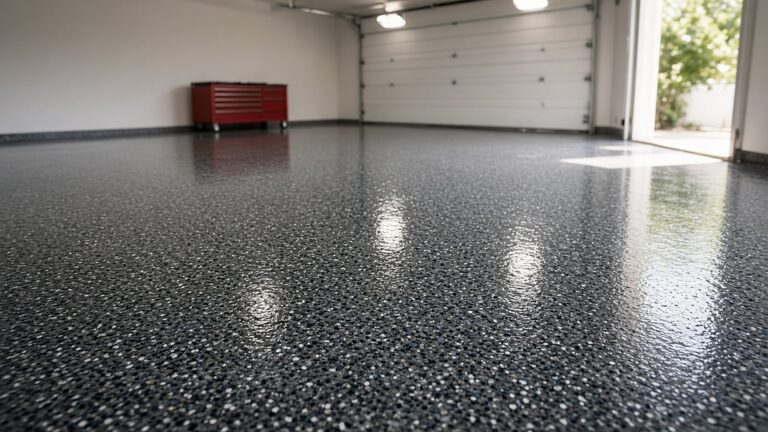



Best Epoxy Garage Floor Kit? 2026 Kits Compared
Coverage, solids, dry thickness, drive-on times and real 2026 prices for the DIY kits people actually buy, plus a calculator and the prep that decides whether any of them sticks.
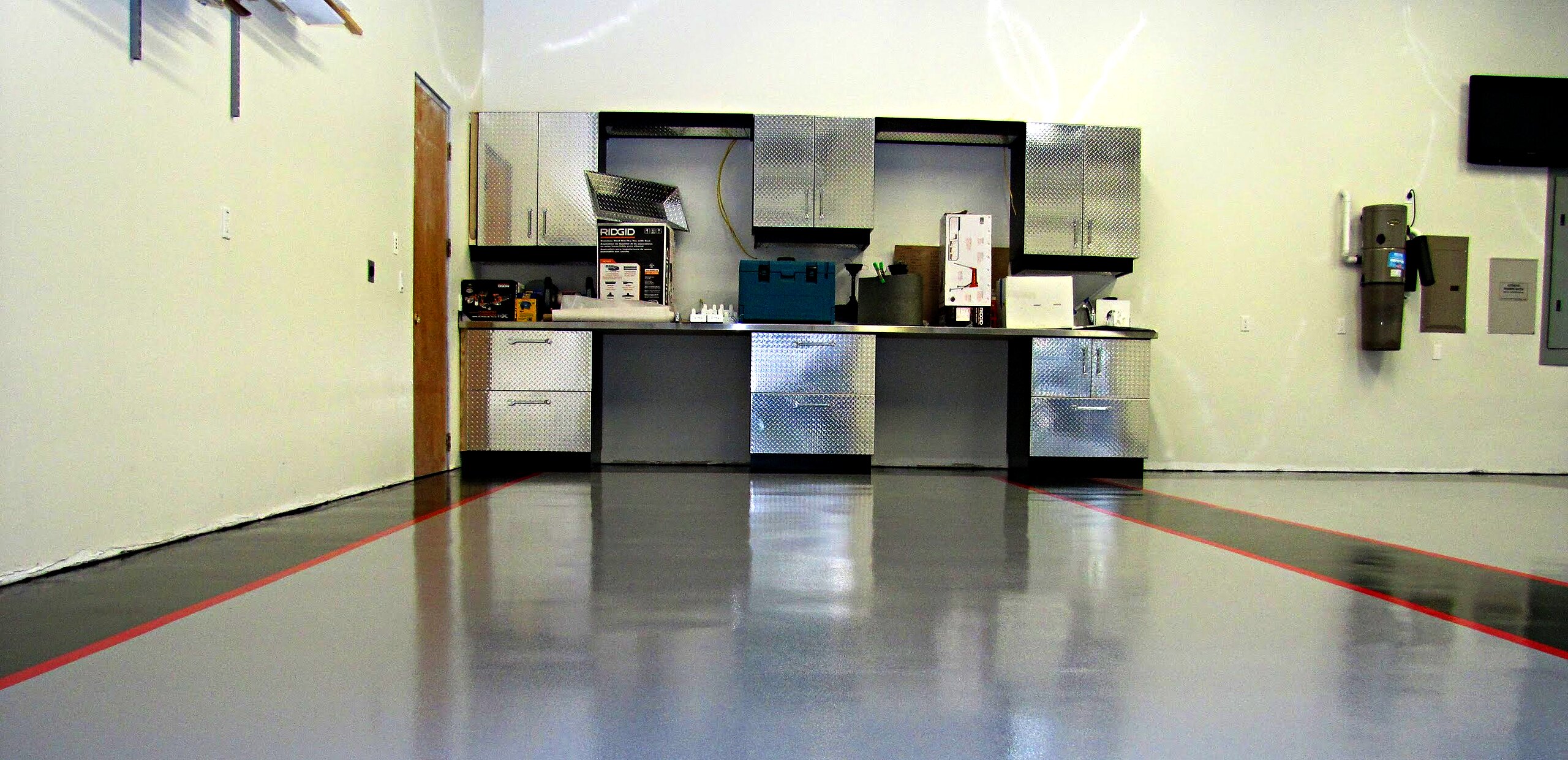
Start a floor coating business
Coat floors for a living.
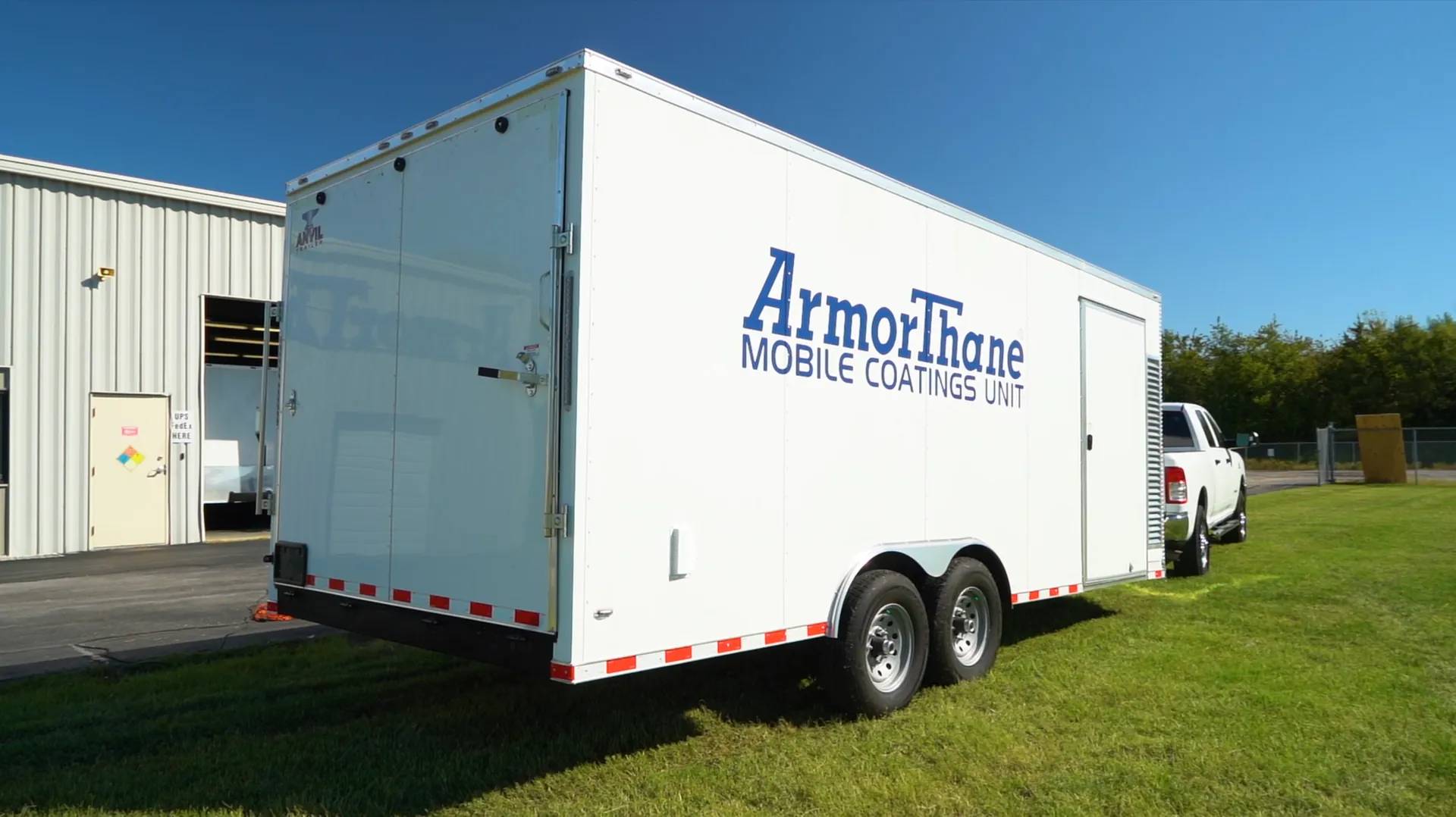
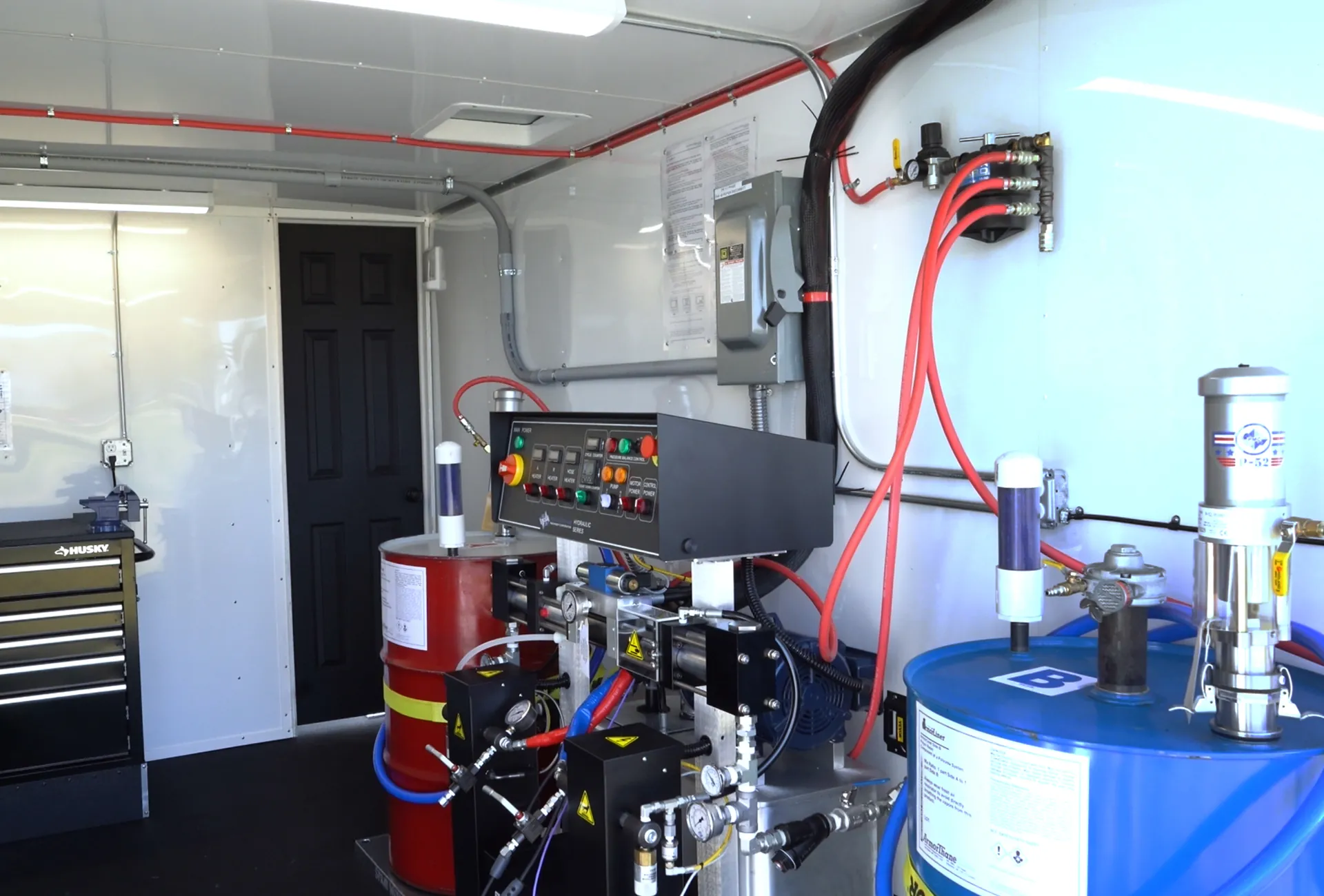
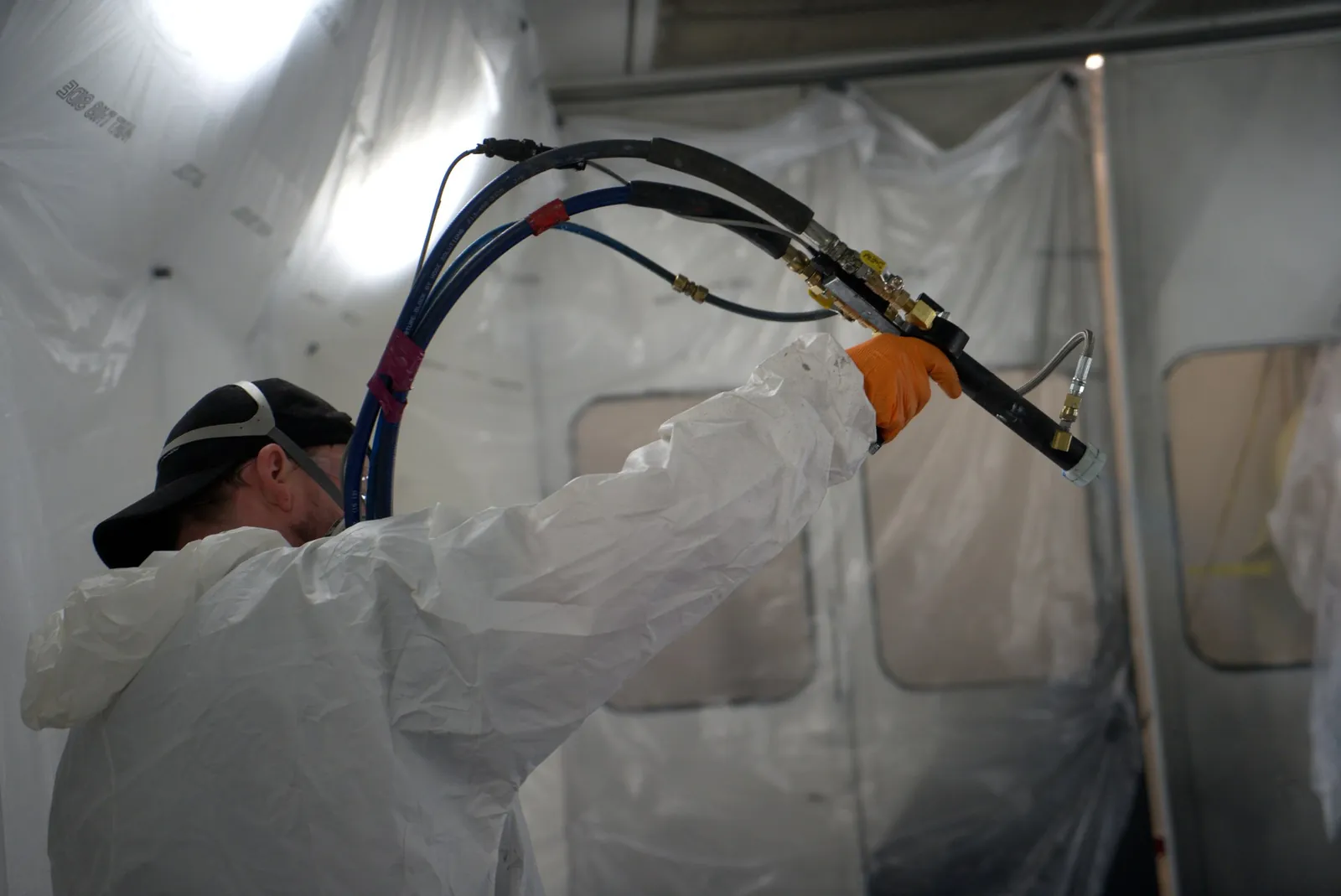
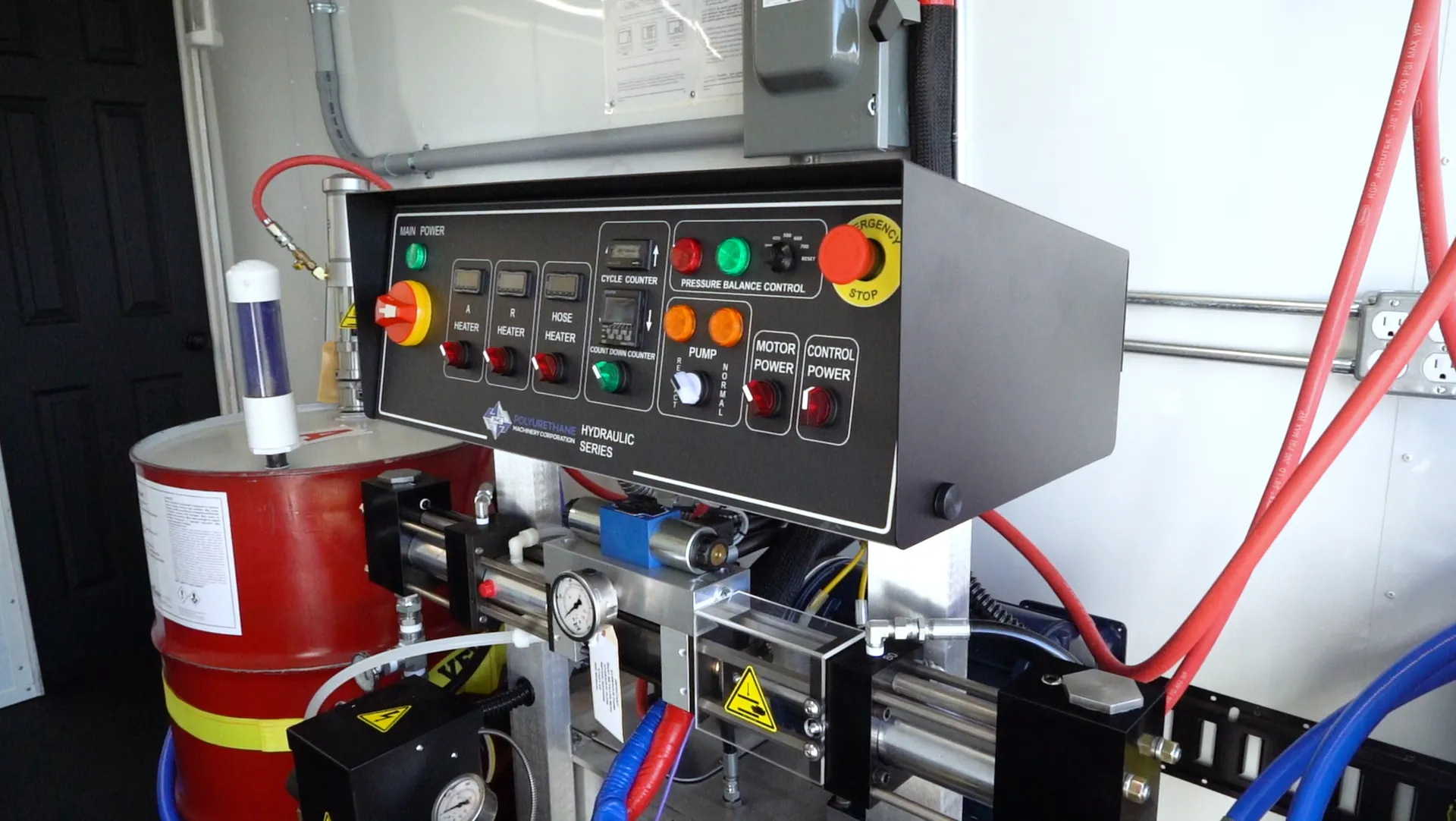
ArmorThane sets you up to do this work, and you own the business. We make the chemistry, build the rigs, train you hands-on and answer the phone when a job gets difficult. You pay no franchise fee and no royalties. It has been that way since 1989.
- $0
- franchise fees or royalties
- 35+
- years in business
- 50+
- countries with applicators
- 24/7
- technical support
Walk down the paint aisle and every garage floor kit promises a showroom floor. The boxes look alike. The chemistry inside them doesn't. One kit puts down about 3 mils of dry coating; another puts down close to 10. That difference, more than the brand on the box, decides how long the floor lasts.
For a light-use garage on a dry, bare slab, a 2-part kit with high solids (like Rust-Oleum RockSolid at 96% solids, or a 100%-solids kit from Gorilla, ArmorPoxy, ArmorGarage, Legacy or Epoxy-Coat) builds a thicker, tougher film than a water-based kit (EpoxyShield dries to 3.0–3.5 mils per coat). One-part "epoxy" paints are easier but need 5–7 days before tires. Expect $2–$5 per sq ft for a DIY job (Angi, This Old House). Whatever you buy, the prep decides the outcome: most kit failures trace back to a sealer, moisture or a poor etch. Size your kit or see if a kit fits your garage.
We pulled the technical data sheets and retail listings for the kits people actually buy and put the numbers side by side: coverage, solids, dry film thickness, pot life, drive-on time and price. Where a manufacturer doesn't publish a number, we say so rather than guess. Every epoxy garage floor kit promises a showroom finish, but results depend on solids content, film thickness and preparation. Before you buy an epoxy garage floor kit, compare those three numbers rather than the photo on the box.
A word about who's writing. ArmorThane makes professional floor coatings (ArmorFloor polyaspartic and polyurea), not DIY kits, so we don't have a horse in the kit race. We do see what happens to floors when kits go down on the wrong slab.
Garage floor kit calculator
Pick a kit and enter your floor size. The calculator works out how many kits you need, what they cost and, where the manufacturer publishes enough data, how thick the coating will be once it dries.
How many kits, what cost, how thick?
Coverage and solids from each maker's data sheet or product page; prices from retailer listings on September 27, 2026. Rough, porous concrete takes more material than the box says.
Garage floor kits compared
Click a column heading to sort. "Dry film" is the thickness left after the coating cures; where it's marked "calc," we worked it out from the published volume, solids and coverage using the standard formula below.
| Kit | Type | Solids | Coverage per kit | Dry film | Price | Vehicles |
|---|---|---|---|---|---|---|
| Rust-Oleum EpoxyShield (2.5-car) | 2-part, water-based | 52.6–52.8% | Up to 500 sq ft | 3.0–3.5 mils | $185 (Home Depot) | 3 days |
| Rust-Oleum RockSolid Polycuramine | 2-part epoxy/urethane/polyurea blend | 96% | 200–250 sq ft (TDS) | ≈7.3 mils at 250 sq ft (calc) | $214, 152 oz (Home Depot) | 24–36 h |
| Gorilla Garage Floor Coating (2.5-car) | 2-part, 100% solids | 100% | 550 sq ft | ≈5.8 mils (calc) | $429.74 (Walmart) | 24–36 h |
| ArmorPoxy ArmorClad | 2-part, 100% solids | 100% | 600 sq ft (3 gal) | ≈8.0 mils (calc) | $699 (Home Depot) | 72 h |
| ArmorGarage Armor Chip | 2-part, 100% solids, 2 topcoats | 100% | 600 sq ft | Not published | $699 (ArmorGarage) | 2–3 days |
| Epoxy-Coat Full Kit | 2-part, 100% solids | 100% | Up to 500 sq ft | 9.7 mils (stated) | $383.66 (reseller) | Not published |
| Legacy Industrial SD Epoxy | 2-part, 100% solids | 100% | 200–2,000 sq ft sizes | Not published | $219 for 200 sq ft | Not published |
| Quikrete 2-Part Epoxy | 2-part, water-based | Not published | 220–280 sq ft (1-car) | Not published | Not captured | 3 days |
| Seal-Krete Epoxy-Seal PRO | 2-part, water-based | Not published | Up to 250 sq ft | Not published | Not captured | 72 h |
| Behr Premium 1-Part Epoxy | 1-part epoxy paint | Not published | 300–400 sq ft/gal (rough) | Not published | $47.98/gal (Home Depot) | 7 days |
| Drylok E1 1-Part Epoxy | 1-part epoxy ester (latex) | Not published | 300–400 sq ft/gal | Not published | Not captured | 5–7 days |
| Seal-Krete Epoxy-Seal | 1-part | Not published | 300–500 sq ft/gal | 1.5–2.5 dry mils/coat | Not captured | 5+ days |
What stands out
- The water-based kits are thin. EpoxyShield's data sheet targets 3.0–3.5 dry mils per coat and says one coat is usually enough. That's a coating, not a floor system.
- High-solids kits build more film for the same coverage. RockSolid (96% solids) and the 100%-solids kits leave roughly 6–10 mils in one coat at their stated coverage.
- "2.5-car" isn't a size. RockSolid's data sheet says 200–250 sq ft per kit, while its "2.5 car" retail listing doesn't state coverage. Buy by square feet, not car count.
- Drive-on times range from 24 hours to 7 days. The one-part paints are the slowest.
- Test data exists for some kits. RockSolid publishes Shore D 90 hardness and a Taber abrasion loss of 40 mg per 1,000 cycles; Seal-Krete PRO lists 600 psi adhesion. Most kits publish nothing comparable.
Solids and mils: why thickness matters
A mil is a thousandth of an inch. When a coating cures, the water or solvent leaves and only the solids stay on the floor. So two numbers tell you how thick your floor will be: how much you spread and how much of it is solids.
- Coverage at 1 mil: one gallon spread over 1,604 sq ft is 1 mil thick wet, because a gallon is 231 cubic inches.
- Wet mils = 1,604 ÷ sq ft per gallon. Spread a gallon over 267 sq ft and you've laid 6 wet mils.
- Dry mils = wet mils × volume solids. At 50% solids, those 6 wet mils dry to 3 mils.
That's why EpoxyShield's numbers line up: 1.875 gallons over 500 sq ft is about 6 wet mils, and at 52.7% solids it dries to about 3.2 mils, inside the data sheet's 3.0–3.5 mil target.
Pro system: Simiron's SimFlake SB 1-Day Epoxy guide, 16 mils of 100%-solids epoxy plus a 9–14 mil polyaspartic topcoat, "over 50 mils" nominal with flake.
1-part epoxy paint vs 2-part kits
"Epoxy" on a single can usually means an epoxy-modified paint. It cures by drying, not by a chemical reaction between two parts. It's easier to use and cheaper, and it behaves like a tough paint.
Behr Premium 1-Part Epoxy
300–400 sq ft per gallon on rough surfaces; recoat in 4–6 hours; "Allow 7 days before subjecting to automotive tires." One-year limited warranty, labor excluded.
Drylok E1
A latex-based epoxy ester at 300–400 sq ft per gallon and 4–5 wet mils a coat, two coats maximum. Vehicles after 5–7 days; don't apply over 2-part epoxy.
Seal-Krete Epoxy-Seal
Two coats at 1.5–2.5 dry mils each. Wait at least 5 days before car traffic, longer in cool weather.
If you park on the floor every day, 1-part products are the easiest to get wrong: they're thin and slow to harden, and hot tires find that out. They make more sense on a basement, workshop or storage floor. For a parking floor, a 2-part kit or a professional system is the better fit.
Kit prep, step by step
Every kit's data sheet puts the same conditions on the slab: it has to be cured, clean, unsealed, dry and profiled. Here's the sequence, with each manufacturer's own limits.
Check the age
New concrete needs 28 days (EpoxyShield) to 30 days (RockSolid, Quikrete) before coating.
Test for a sealer
Sprinkle water. Rust-Oleum: "If the water beads, a sealer is present." Etching won't remove it; it has to be ground or stripped.
Test for moisture
Tape plastic to the floor for 24 hours: a 2 ft × 2 ft sheet for EpoxyShield, an 18 × 18 in, 4-mil sheet for RockSolid. Moisture under it means stop.
Test any old coating
Cut an X and pull tape. Remove everything if more than 25% lifts (EpoxyShield) or more than 10% (RockSolid).
Degrease, then etch or grind
Kits include an etch. EpoxyShield's is citric ("Do not use muriatic acid"). All Garage Floors calls citric etches "ineffective" next to stronger acids, which is why pros grind. Neutralize and rinse any etch completely; ArmorGarage says skipping that step causes many hot tire and peeling problems.
Mind the weather
EpoxyShield wants 60–85°F air and surface, humidity at or below 85% and a surface at least 5°F above the dew point. RockSolid allows 40–90°F.
Mix and move fast
Pot life runs from 15–20 minutes (ArmorClad) to 2 hours (EpoxyShield at 60–70°F). Cut in the edges, roll in sections and broadcast flakes while it's wet.
Why DIY epoxy floors peel
All Garage Floors, a long-running flooring site, lists seven reasons epoxy floors come up. None of them is "bought the wrong brand."
| Cause | What happens | How to avoid it |
|---|---|---|
| Poor surface profile | "The main culprit": the coating has nothing to grip | Grind, or etch properly and check the texture |
| Moisture and hydrostatic pressure | Vapor pushes the film off from below | Plastic-sheet test; don't coat a damp slab |
| Oil and silicone tire dressing | Contaminants act as bond breakers | Degrease thoroughly; grind stains |
| Acid-etch residue | "White dust on the underside" of peeled coating | Neutralize and rinse until clean |
| Existing sealers | "Acid etching will not remove a sealer" | Water-drop test; grind if it beads |
| Laitance | The weak top layer of the slab comes up with the coating | Mechanical prep removes it |
| Soft concrete | The slab surface itself fails | A pro assessment before coating |
Hot tire pickup is its own problem. Hot tires soften low-heat-tolerance coatings, especially thin water-based epoxies, then contract as they cool and pull the film up. Tire plasticizers can stain. Quikrete says its kit's "superior adhesion eliminates hot-tire pick up," and Behr's listing says "prevents hot tire pickup," though several Behr reviews report tire transfer. Thicker, harder films and good prep are what actually help.
Kit or pro? A quick check
Answer a few questions about how you use the garage and what the slab is like. The checker suggests a kit type or a professional system and tells you why.
Is a DIY kit the right call for my garage?
A guide, not a guarantee. The slab and the prep matter more than anything you pick here.
DIY kit vs professional cost
| Source (date) | DIY | Professional |
|---|---|---|
| This Old House (Mar. 2026) | $2–$5 per sq ft: $480–$1,200 (1-car, 240 sq ft), $720–$1,800 (2-car, 360 sq ft), $1,120–$2,800 (3-car, 560 sq ft) | $3–$12 per sq ft |
| The Garage Guide (Mar. 2026) | Kits $80–$300 (1-car), $150–$650 (2-car) | Epoxy $3–$7; polyaspartic $5–$12 per sq ft |
| HomeGuide (Feb. 2026) | Kits $200–$700; raw materials $50–$600 | Epoxy $4–$10 per sq ft |
| Angi (Aug. 2026) | $2–$5 per sq ft | $2–$12 per sq ft; average job $2,526 |
The gap narrows once you add a grinder rental, a second kit for a porous slab and a clear topcoat. It widens again if you'd have to strip an old coating. For a full professional price breakdown, use our garage floor coating cost calculator, and if you're hiring, read how to vet a garage floor coating contractor first. Comparing chemistries? See polyaspartic vs epoxy and the best garage floor coatings, ranked.
Where ArmorThane fits, and where it doesn't
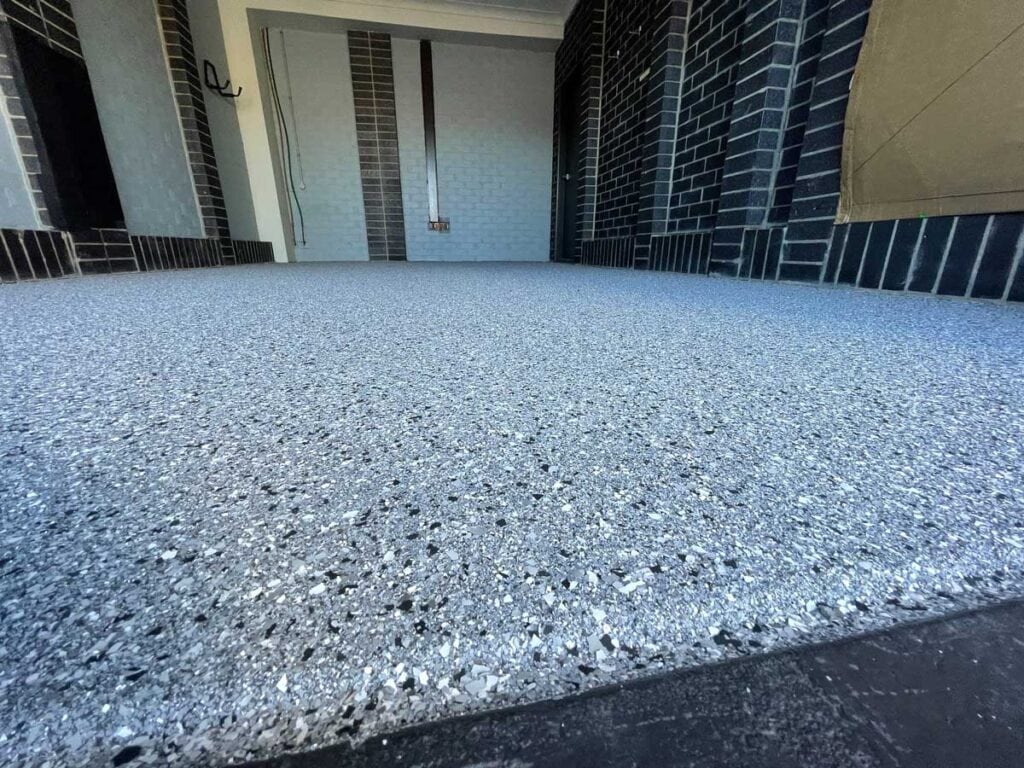
We don't sell a DIY epoxy kit, and for a light-use garage on a clean, dry slab, a good kit is a reasonable choice. Our floor systems are professional ones. ArmorFloor TopCoat is an aliphatic polyaspartic applied at about 14 dry mils per coat, and our roll-on and spray floor systems "require their own unique equipment, training, and safety precautions," which is why ArmorThane-certified applicators install them.
Choose a pro system when you park daily, when sun hits the floor, when the slab needs grinding or repairs, or when you want it done in a day and done once.
Every failed kit is a future customer.
Homeowners who tried a kit are often the easiest floor coating sales there are. We supply ArmorFloor polyaspartic and polyurea systems and train your crew to prep, test and install them. Not a franchise: no franchise fee, no royalties.
Epoxy garage floor kit FAQ
What is the best epoxy garage floor kit?
For a parking floor, a 2-part kit with high solids builds the thickest film per coat: Rust-Oleum RockSolid (96% solids) and 100%-solids kits from Gorilla, ArmorPoxy, ArmorGarage, Legacy and Epoxy-Coat leave roughly 6–10 dry mils at their stated coverage. Water-based kits like EpoxyShield are easier to use but dry to about 3 mils per coat. The best kit on a poorly prepped or damp slab still fails.
Is Rust-Oleum RockSolid better than EpoxyShield?
By the data sheets, RockSolid Polycuramine is a much higher-solids product (96% by volume, versus about 53% for water-based EpoxyShield), so it leaves a thicker film, and it allows vehicles in 24–36 hours versus 3 days. It covers less area per kit (200–250 sq ft per kit on its data sheet) and costs more. EpoxyShield has a longer pot life and is more forgiving to apply.
How many square feet does a 2.5-car garage floor kit cover?
It depends on the brand. Rust-Oleum's EpoxyShield 2.5-car kit covers up to 500 sq ft, Gorilla's 2.5-car kit 550 sq ft, while RockSolid's data sheet lists 200–250 sq ft per kit. Porous or rough concrete takes more. Buy by square feet, not by the number of cars on the box.
What does 100% solids mean on an epoxy floor kit?
It means none of the liquid evaporates as it cures, so the film you roll on is the film you keep. A 50%-solids coating loses about half its wet thickness as it dries. One gallon of a 100%-solids coating covers 1,604 sq ft at 1 mil, so the same gallon spread over 250 sq ft leaves about 6.4 mils.
How thick should an epoxy garage floor coating be?
Water-based kits like EpoxyShield target 3.0–3.5 dry mils per coat. 100%-solids kits leave roughly 6–10 mils at their stated coverage. Professional flake systems are much thicker; one manufacturer's one-day epoxy flake system is over 50 mils nominal with flake and topcoat.
Do I need to acid etch or grind before using a kit?
Every kit requires a clean, profiled, unsealed surface. Most kits include an etch, but etching won't remove a sealer, oil or an old coating, and All Garage Floors calls citric-acid kit etches ineffective compared with stronger acids. If you can rent a diamond grinder with a vacuum, grinding gives a more reliable profile. Always neutralize and rinse any etch.
How long before I can drive on a DIY epoxy garage floor?
It ranges from 24–36 hours (RockSolid, Gorilla) to 3 days (EpoxyShield, Quikrete, ArmorClad) and 5–7 days for one-part epoxy paints like Drylok E1 and Behr. Cooler temperatures slow curing.
Why is my DIY epoxy garage floor peeling?
The usual causes are poor surface profile, moisture coming up through the slab, oil or tire dressing, etch residue, an existing sealer, weak surface concrete (laitance) and soft concrete. Most of these are prep problems, not product problems.
Is 1-part epoxy garage floor paint as good as a 2-part kit?
Not for parking floors. One-part epoxy paints dry rather than chemically cure, go on thin and take 5–7 days before tires. They work better on basement, workshop or storage floors. Two-part kits cure harder and allow vehicles sooner.
Do epoxy floor kits prevent hot tire pickup?
Some kits claim to, but thin water-based epoxies are the most prone to it, because hot tires soften the film and pull it as they cool. Thicker, harder films and good prep reduce the risk. Tire plasticizers can still stain some coatings.
How much does an epoxy garage floor kit cost for a 2-car garage?
Kits for about 400–500 sq ft run from about $185 (EpoxyShield 2.5-car) to $430–$700 for 100%-solids kits, at September 2026 retail prices. This Old House puts a DIY 2-car job at $720–$1,800 including supplies.
Do I need a clear topcoat over an epoxy flake kit?
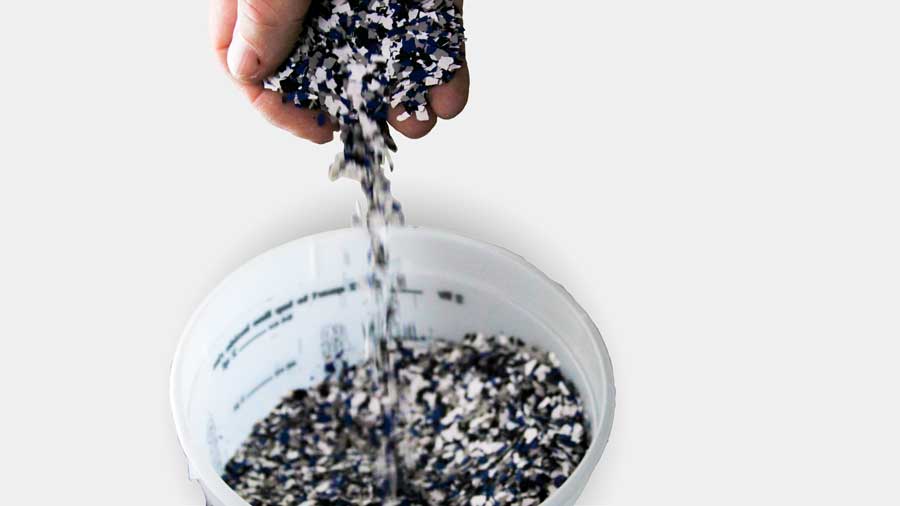
Many kits are one-coat systems with a light sprinkle of flakes and no topcoat. A clear topcoat locks flakes in, adds thickness and makes the floor easier to clean. Epoxy yellows in sunlight, so polyaspartic or UV-stable clear coats are used where sun reaches the floor.
Written from manufacturer technical data sheets and product pages, retailer listings read September 27, 2026, dated 2026 cost guides and decades of making floor coatings. Last updated September 27, 2026.
Methodology and sources
Specs are as each manufacturer publishes them. Where a kit's dry film isn't published, we calculated it as gallons × 1,604 × volume solids ÷ coverage and marked it "calc." Retail prices change often; check the listing. We don't sell DIY kits and weren't paid by any brand. The kit-or-pro helper is editorial judgment built on the prep conditions in the data sheets.
- Rust-Oleum, EpoxyShield Water-Based Epoxy TDS ESH-09 and Pouch Kits ESH-39: rustoleum.com
- Rust-Oleum, RockSolid Polycuramine Garage Floor Coating Kit TDS RSD-01: rustoleum.com
- Home Depot, Rust-Oleum EpoxyShield 2.5-car kit listing: homedepot.com
- Home Depot, Rust-Oleum RockSolid 152 oz kit listing: homedepot.com
- Quikrete, 2-Part Epoxy Kit Garage Floor Coating data sheet: quikrete.com (PDF)
- Behr, Premium Self-Priming 1-Part Epoxy: behr.com
- Sika, DRYLOK E1 Product Data Sheet (Sep. 2025): usa.sika.com (PDF)
- Seal-Krete, Epoxy-Seal data sheet (Lowe's-hosted): lowes.com (PDF)
- Seal-Krete, Epoxy-Seal PRO TDS: seal-krete.com (PDF)
- Gorilla, Garage Floor Coating: gorillatough.com; Walmart listing: walmart.com
- ArmorGarage, Armor Chip kits and FAQ: armorgarage.com
- ArmorPoxy, ArmorClad: armorpoxy.com
- Legacy Industrial, SD Epoxy Coat Kit: legacyindustrial.co
- Wood Art Supply (reseller), Epoxy-Coat Full Kit: woodartsupply.com
- GEI International, Wet and Dry Film Thickness Formulae: geionline.com
- Concrete Floor Supply, Mil Thickness Calculator (Apr. 2026): concretefloorsupply.com
- Simiron, SimFlake SB 1-Day Epoxy System Guide (Jan. 2024): simiron.com (PDF)
- All Garage Floors, Why Garage Floor Epoxy Peels Up and What Causes Hot Tire Pickup: allgaragefloors.com
- HomeGuide, Epoxy Flooring Cost (Feb. 2026) and Garage Floor Coating Cost (Dec. 2024): homeguide.com
- Angi, Epoxy Flooring Costs (Aug. 2026): angi.com
- This Old House, Epoxy Floor Cost (Mar. 2026): thisoldhouse.com
- The Garage Guide, Garage Floor Coating Cost 2026: thegarage.guide
- ArmorThane, ArmorFloor TopCoat and Roll-On Floor Coatings: armorthane.com

Rather have it done once, done right? Get a quote from a certified applicator.
Tell us the garage size and what's on the slab now. We'll connect you with an ArmorThane-certified applicator who grinds, tests for moisture and installs a full polyaspartic or polyurea flake system.
- Mechanical grinding, not a kit etch
- Moisture test before anything goes down
- Full flake broadcast with a polyaspartic topcoat
- Contractors: ask about ArmorFloor systems
More to read on floors and decks
Short reads from ArmorThane on Issuu. Tap one to open it right here.