




Skip to content
ESD Flooring

ESD Flooring: Limits, Floor Types and How to Test It

What ANSI/ESD S20.20 actually asks of a floor, the difference between conductive, dissipative and antistatic, how an ESD epoxy floor is grounded and built, and a checker for your own test readings.
Altec HPIM1731

Start a floor coating business

Coat floors for a living.

ArmorThane sets you up to do this work, and you own the business. We make the chemistry, build the rigs, train you hands-on and answer the phone when a job gets difficult. You pay no franchise fee and no royalties. It has been that way since 1989.
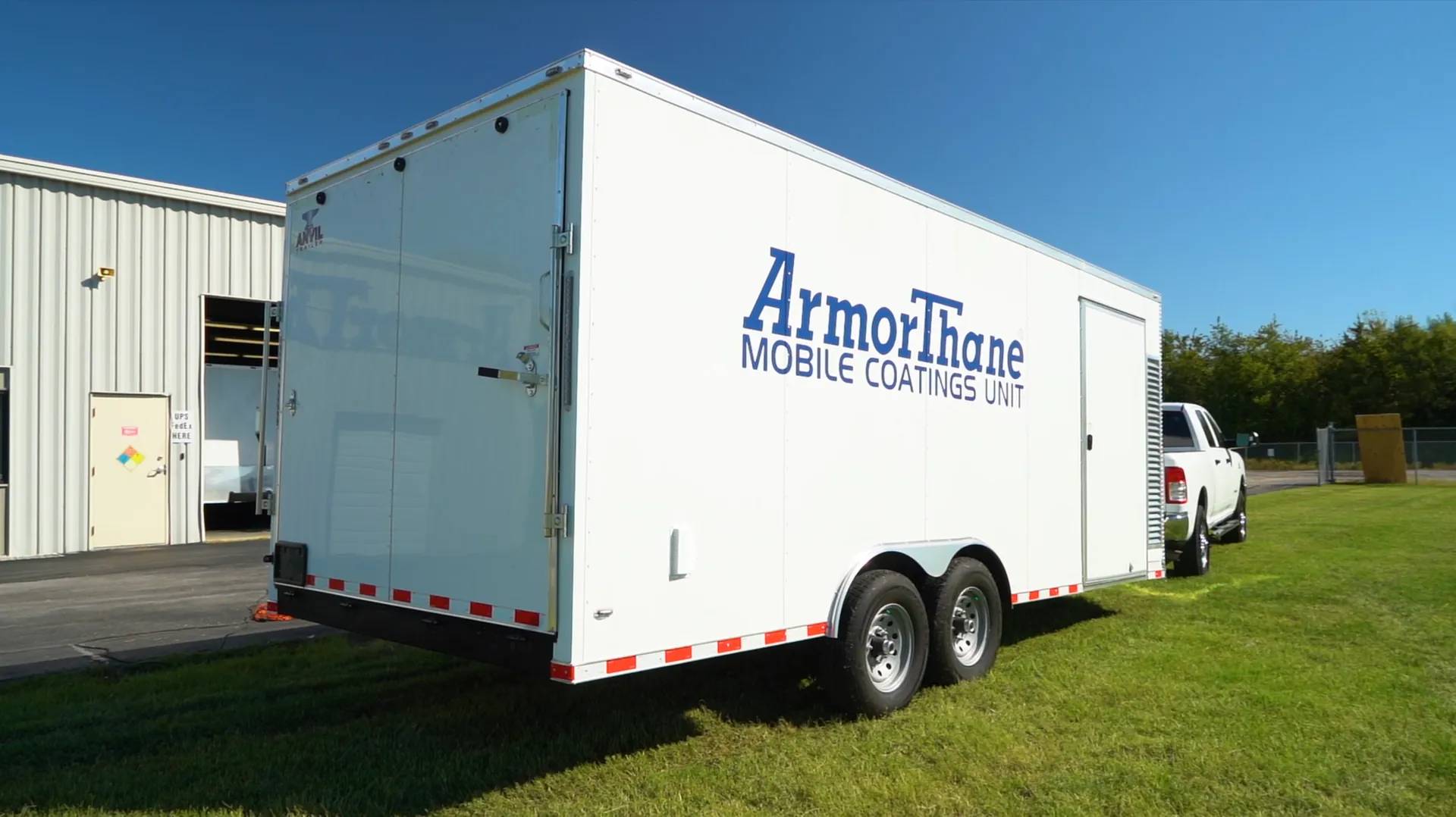
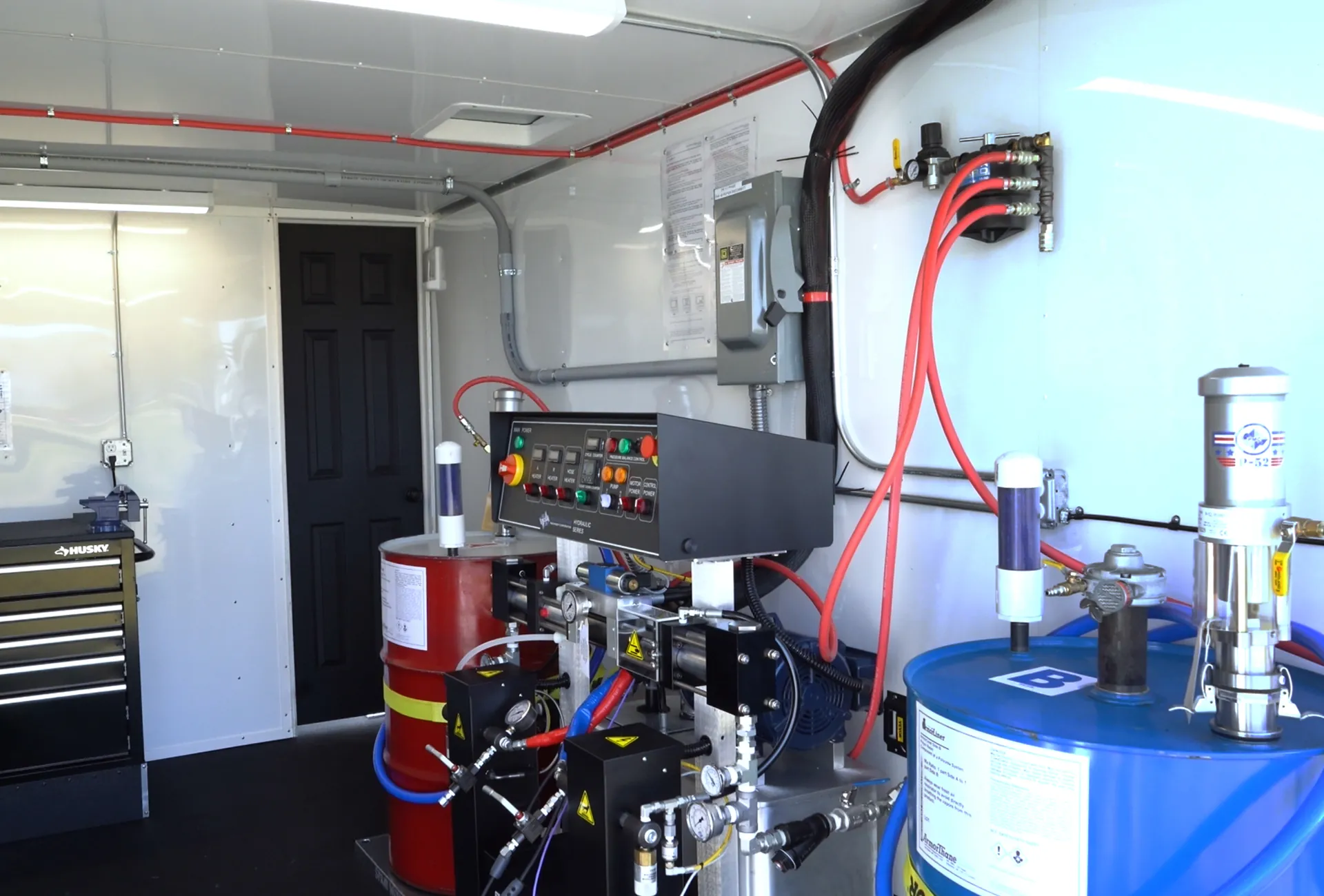
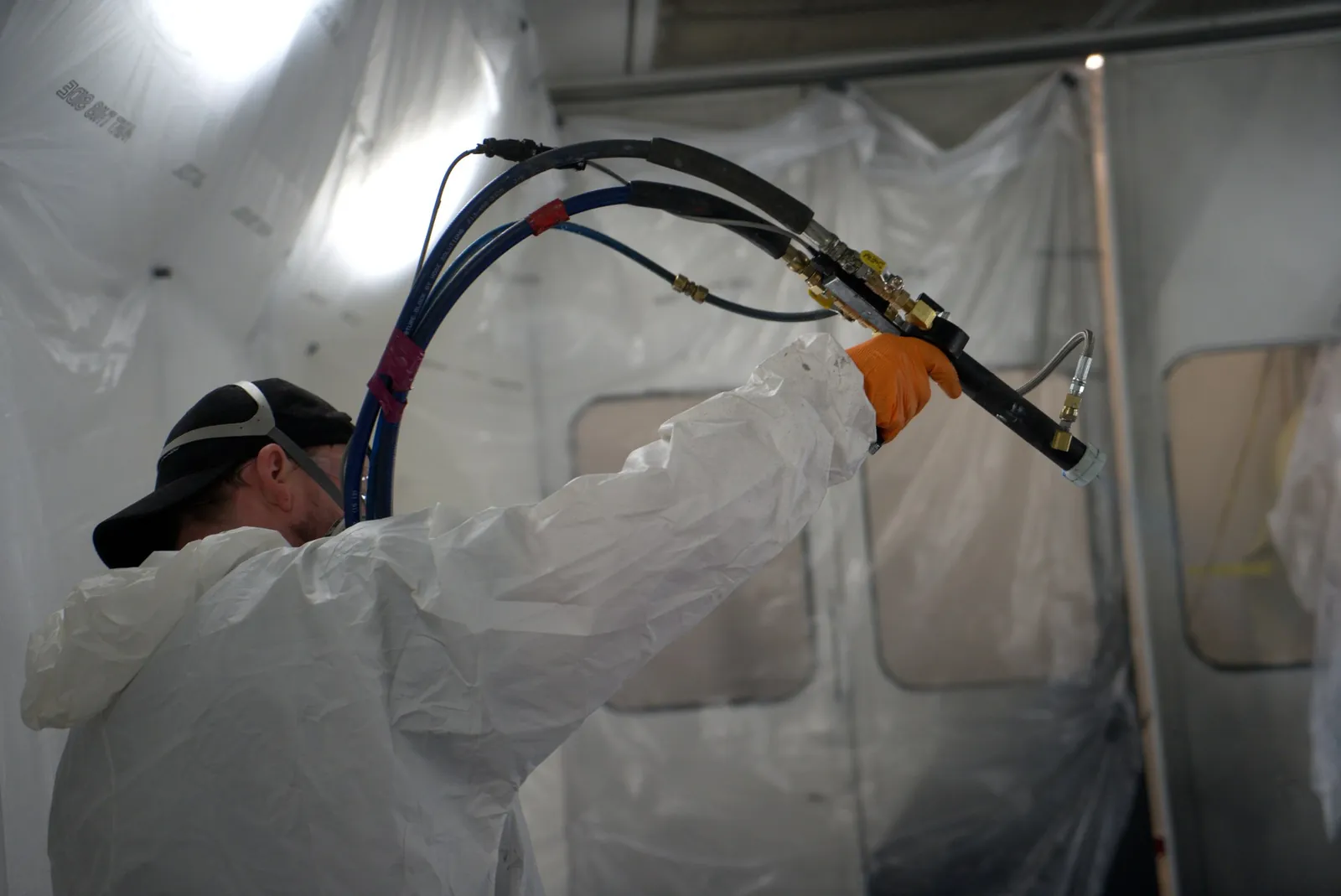
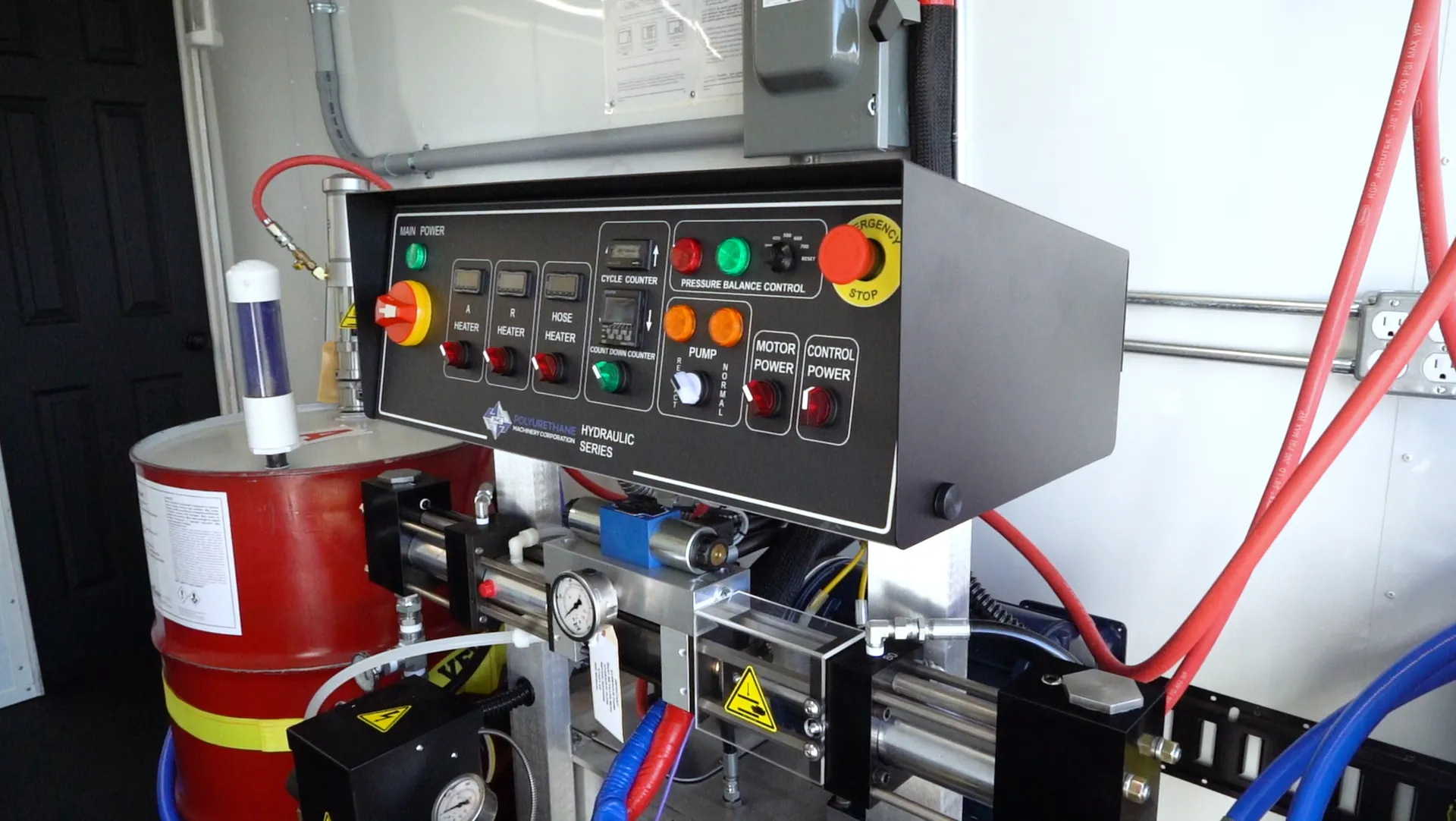
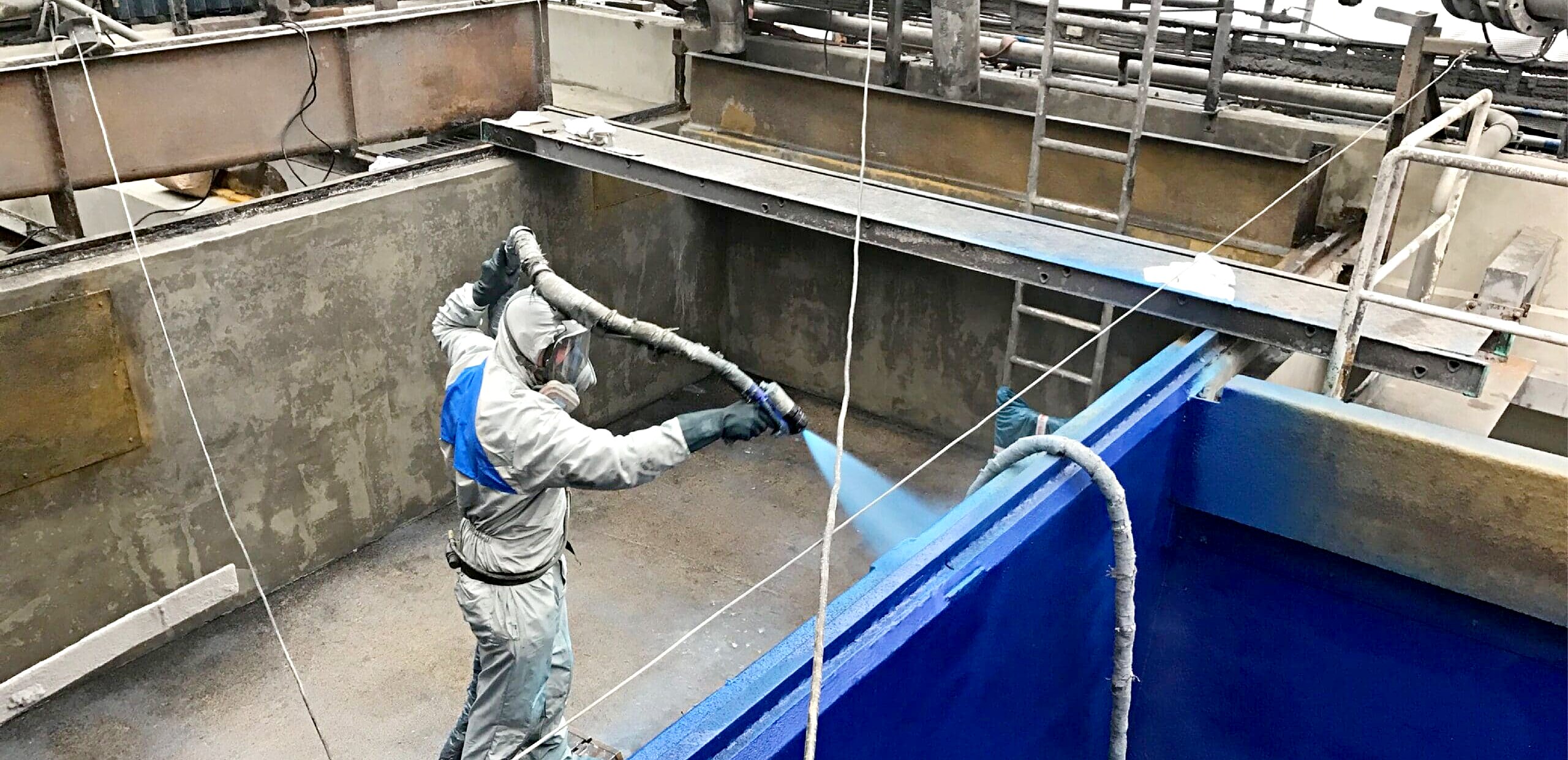
ArmorThane Mobile Coatings Unit trailer hitched to a pickup outside the plant Proportioner, A and B material drums and transfer pumps inside the spray rig Applicator in a protective suit holding a plural-component spray gun in a spray booth Proportioner control panel with heater, pressure balance and cycle counter controls

What comes with itProportioners, guns and complete spray rigs. We build them.

$0
franchise fees or royalties
35+
years in business
50+
countries with applicators
24/7
technical support
< 1.0 × 10⁹ Ω
Floor resistance to ground
ANSI/ESD S20.20, tested per STM7.1
< 3.5 × 10⁷ Ω
Person, footwear and floor to ground
System test, STM97.1
< 100 V
Walking body voltage
STM97.2, the alternate route
1 per 1,000–1,500
Sq ft per ground connection point
Typical ESD epoxy layout

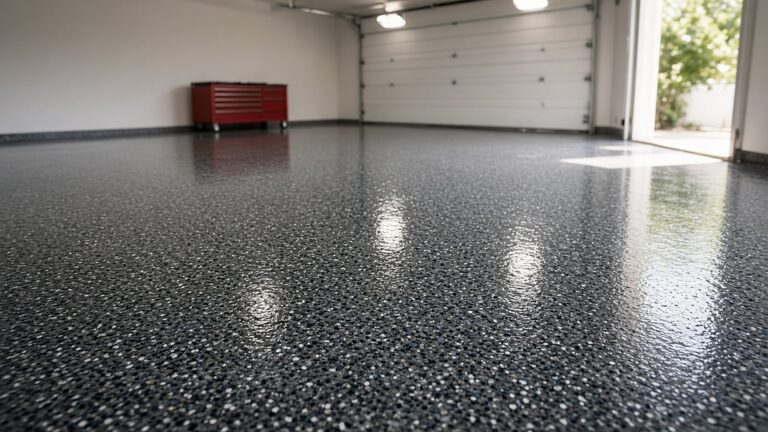
ESD flooring is the part of a static control program that people stand on. Its job is simple: give the charge a person builds up while walking a path to ground before they touch a circuit board. Most people do not feel a static shock until it reaches roughly 3,000 volts. Many components fail at a small fraction of that, without a spark anyone notices.

Quick answer

ESD flooring is a conductive or static dissipative floor, usually epoxy, vinyl or rubber, that drains static from people through ESD footwear to ground. Under ANSI/ESD S20.20 the floor must measure below 1.0 × 10⁹ ohms to ground, and the person, footwear and floor together must test below 3.5 × 10⁷ ohms, or below 1.0 × 10⁹ ohms with walking body voltage under 100 volts.

The basics

How ESD flooring actually works

The floor on its own protects nothing. A worker in rubber-soled sneakers on a perfect ESD floor is still insulated from it. The floor only works as a system: body, ESD shoes or heel straps, the floor surface, the conductive layers inside it and a bonded connection to the building ground. Break any link and the charge stays on the person.

Conductive

2.5 × 10⁴ to 1.0 × 10⁶ Ω

Drains charge fastest. Used for explosives and energetics, some semiconductor steps and areas with sensitive automated equipment.

Static dissipative

1.0 × 10⁶ to 1.0 × 10⁹ Ω

Drains charge in a controlled way. The usual choice for electronics assembly, repair benches and most EPAs.

Antistatic

Low charging, not grounding

Describes a surface that generates less charge when walked on. It is not a resistance class and does not by itself meet S20.20.

S20.20 sets an upper limit for flooring, not a lower one. Some facilities still specify a floor above 1.0 × 10⁶ ohms so a person touching live equipment is not on a low-resistance path to ground. Ask your safety and quality teams which range your plant wants before the floor is ordered.

Options

Types of ESD flooring compared

Seamless resin floors dominate manufacturing because they survive carts, forklifts and chemicals. Tile and sheet goods are common in labs and offices where traffic is lighter and comfort matters more.

Floor typeUsual classTraffic durabilitySeamsUpkeepBest fit
ESD epoxy, thin film or self-levelingDissipative or conductiveHigh; carts and forkliftsNoneNeutral cleaner, no waxElectronics plants, warehouses, cleanrooms
ESD urethane or polyaspartic topcoatDissipativeGoodNoneNeutral cleaner, no waxRecoats and UV-exposed areas
ESD vinyl tileDissipative or conductiveModerateMany, welded or notApproved ESD polish onlyLabs, repair depots, offices
ESD rubber tile or sheetDissipative or conductiveModerate to goodSomeDamp mopStanding workstations, data centers
ESD carpet tileDissipativeLow for cartsManyVacuum, spot cleanControl rooms, call centers
Topical ESD floor finishDissipative when freshWears offFollows the base floorFrequent reapply and retestShort-term fix over existing VCT
General comparison. Electrical values depend on the exact product, its grounding and its upkeep; confirm with test data. Tap a column heading to sort.

If you are weighing resins for the topcoat, our polyaspartic vs epoxy guide covers cure speed and UV, and the epoxy floor coating page covers standard non-ESD builds.

Installation

How an ESD epoxy floor is built

A typical seamless ESD build runs about 12 to 20 mils for thin-film systems, more for self-leveling. The layers look like any other epoxy floor until you get to the copper.

  1. Prep and test the slab

    Grind or shot blast to the profile the system calls for, often CSP 2 to 3, and check moisture. A coating that blisters off the slab takes the ground path with it.

  2. Prime and fill

    A standard epoxy primer seals the concrete. Cracks and joints are filled so the conductive layer above is continuous.

  3. Lay the copper grounding strips

    Adhesive copper tape runs across the floor and turns up to ground points bonded to the building's equipment grounding conductor, typically one point per 1,000 to 1,500 sq ft.

  4. Roll the conductive primer

    A carbon-loaded black primer connects every square foot of floor to the copper. Skips here become dead spots later.

  5. Apply the ESD body or topcoat

    Conductive fibers or fillers carry charge from the surface down to the primer. Thickness is tightly controlled, because too much film can push resistance out of range.

  6. Test and document

    Point-to-ground and point-to-point readings per ANSI/ESD STM7.1, then the system test with the plant's own footwear. Record locations on an as-built drawing for future audits.

Mark the EPAAn ESD protected area needs visible boundaries and signs. Plan the floor striping with the coating; see our warehouse floor marking guide for line types and colors.
Checker

ESD flooring test result checker

Type in your meter readings. The checker compares them with the S20.20 flooring limits, shows which footwear-floor qualification route you meet and counts ground points for the area.

Pass / fail

S20.20 floor and system check

Floor: Rg below 1.0 × 10⁹ Ω per STM7.1, and inside the class range you pick. Method 1: person-footwear-floor below 3.5 × 10⁷ Ω (STM97.1). Method 2: system below 1.0 × 10⁹ Ω and walking body voltage below 100 V (STM97.2). Ground points use 1 per 1,000–1,500 sq ft. A planning aid, not a certification.

0
Floor alone (STM7.1)
0
System, Method 1
0
System, Method 2
0
Ground points for the area

Bars use a log scale from 10⁴ to 10¹⁰ ohms, since resistance limits span six orders of magnitude.

Maintenance

Keeping a static control floor in spec

Floors drift. They pass on install day and fail an audit a year later, almost always for a reason somebody could have controlled.

Top cause

Wrong cleaner or wax

Ordinary floor finish is an insulator. One coat of it over an ESD epoxy can push readings out of range. Use only cleaners the floor maker approves.

Seasonal

Dry winter air

Low humidity raises the charge people generate. A floor-footwear system that passes in July can fail in January, which is why qualification testing is done at low humidity.

People

Footwear

Worn heel straps, street shoes and dirty soles break the path. Daily footwear checks at the EPA entrance catch most of it.

Mechanical

Damaged ground points

Forklifts and floor scrubbers hit wall-mounted ground connections. Inspect and retest them on the same schedule as the floor.

Contamination

Dirt and residue

Dust, oils and flux residue build an insulating skin. Regular wet cleaning keeps readings stable.

Routine

Periodic verification

Retest point-to-ground on a set grid, quarterly or annually depending on traffic, and log the results for auditors.

For non-ESD areas of the same plant, our commercial floor coating and industrial flooring pages cover tougher general-purpose systems, and the surface preparation guide covers the grind every resin floor starts with.

Static control floors

A floor that passes the audit, and keeps passing.

A certified ArmorThane applicator can prep the slab, install a grounded resin floor system and test it with your footwear before production moves back in.

Contractors: become an ArmorThane applicator

FAQ

ESD floor questions

What is ESD flooring?

It is a floor with controlled electrical resistance that, together with ESD footwear, drains static charge from people to ground. It protects electronic parts from electrostatic discharge. Common types are static dissipative or conductive epoxy, vinyl tile, rubber and carpet tile, all bonded to a ground connection.

What is the difference between conductive and static dissipative flooring?

Conductive floors are commonly classed at 2.5 × 10⁴ to 1.0 × 10⁶ ohms and drain charge fastest. Static dissipative floors run 1.0 × 10⁶ to 1.0 × 10⁹ ohms and drain it in a more controlled way. Most electronics work uses dissipative; explosives and some semiconductor work use conductive.

Do you need ESD shoes on an ESD floor?

Yes. Ordinary rubber or foam soles insulate the person from the floor, so the floor cannot drain their charge. ESD shoes or heel straps complete the path. ANSI/ESD S20.20 qualifies the floor and footwear together as a system, using the footwear the facility actually issues.

How is an ESD floor tested?

The floor alone is measured point-to-ground and point-to-point per ANSI/ESD STM7.1 using 5 lb electrodes and a resistance meter. The system is tested with a person in ESD footwear per STM97.1, and walking body voltage per STM97.2. Results are logged on a grid and repeated periodically.

How much does an ESD floor cost?

Installed ESD epoxy and urethane systems typically run about $3.30 to $13.50 per sq ft, with large floors over 20,000 sq ft at the low end and areas under 5,000 sq ft at the high end. Conductive builds, heavy slab repair and spark-proof systems cost more.

Can ESD coating go over an existing epoxy floor?

Often, if the old coating is sound and well bonded. It is abraded and cleaned, copper grounding strips and a conductive primer are added, then the ESD topcoat. Peeling, contaminated or waxed coatings have to come off first, and the finished floor still has to be tested.

AT
Written by the ArmorThane technical team. We have manufactured polyurea, polyurethane and polyaspartic coatings and plural component spray equipment in Springfield, Missouri since 1989. Limits here reflect ANSI/ESD S20.20 as commonly applied; your customer's ESD control plan and the current standard always govern.

Sources

  1. In Compliance Magazine, Qualifying ESD Flooring (S20.20 limits, STM7.1, STM97.1, STM97.2). incompliancemag.com/qualifying-esd-flooring
  2. Armour Guard, What Does ANSI/ESD S20.20 Require for Flooring. armourguard.ca/what-does-ansi-esd-s20-20-require-for-flooring
  3. Pumacrete, ESD S20.20 Requirements Guide (resistance classes, ground point spacing, build thickness). pumacrete.net/esd-s20-20-requirements-guide
  4. Craftsman Concrete Floors, ESD Flooring Cost (installed pricing by project size). craftsmanconcretefloors.com/esd-flooring/cost

Grounded, tested, audit ready.

Owners get a certified ArmorThane applicator who preps, grounds and finishes industrial floors to a written spec. Contractors can add industrial and polyurea floor work with our equipment and training, with no franchise fee and no royalties.

United States 417-831-5090 · Canada 780-444-6200
Cover of the ArmorThane brochure: Commercial & Industrial Floor Coatings
Brochure

Commercial & Industrial Floor Coatings

Flip through the whole brochure right here, or open it full screen on Issuu to share it.

Become an applicator

Start your coatings business with ArmorThane.

Tell us what you want to spray and where you are. An ArmorThane specialist will walk you through the equipment, chemicals, training and startup cost for the work you want to do.

  • Equipment package matched to your applications
  • Hands-on training and applicator certification
  • Technical support once you are spraying
Step 1 of 3

We want to help you find the best ArmorThane applicator for your protective coating project. Please either fill out the request form below or call us toll free at 417-831-5090, any time Monday-Friday, 8:00 a.m. to 5:00 p.m. Central Standard Time.

Building an ESD protected area? Spec the floor with the footwear.

Tell us what you build, the size of the area and the standard your customer audits to. We will connect you with an ArmorThane applicator who installs industrial floor systems and can quote a grounded, tested floor.

  • Area and layout of the EPA
  • Standard: ANSI/ESD S20.20, IEC 61340-5-1 or other
  • Footwear in use: ESD shoes or heel straps
  • Forklifts, carts, chemicals or cleanroom needs
Become an applicator

Start your coatings business

Choose “becoming an Applicator / Dealer” and add your details. Our team will call you to talk through markets, equipment and budget.

1Choice
2Contact Information
3Location

Rather talk now? (417) 831-5090 · About the opportunity